Few natural phenomena feel as much like magic as a glowing sea. On the right night, in the right place, the water lights up with an eerie blue glow wherever it is disturbed, so that every wave, every dip of a paddle, and every footstep in the wet sand leaves a trail of light. It looks like something from a fantasy film, yet it is entirely real, and entirely explainable. Understanding what causes it makes the spectacle even more remarkable, and knowing where to find it can turn a beach trip into one of travel’s most unforgettable experiences.
What Causes the Ocean to Glow
The light comes from living things, a phenomenon scientists call bioluminescence. In the marine version most travelers come to see, the source is usually a type of microscopic plankton known as dinoflagellates. When the water around them is agitated, by a breaking wave, a passing fish, or a swimmer’s hand, these organisms emit a brief flash of blue-green light through a chemical reaction inside their cells.
The reaction involves a light-producing molecule reacting with oxygen, releasing energy as light rather than heat. Because almost none of the energy is lost as warmth, scientists describe it as “cold light,” one of the most efficient forms of light production in nature. Researchers believe the flash may serve as a defense: a sudden burst of light can startle a predator, or act like a burglar alarm, drawing in larger animals that prey on whatever was attacking the plankton. When billions of these organisms bloom together in warm, calm coastal waters, the result is a sea that appears to glow.
Bioluminescent Bays of Puerto Rico
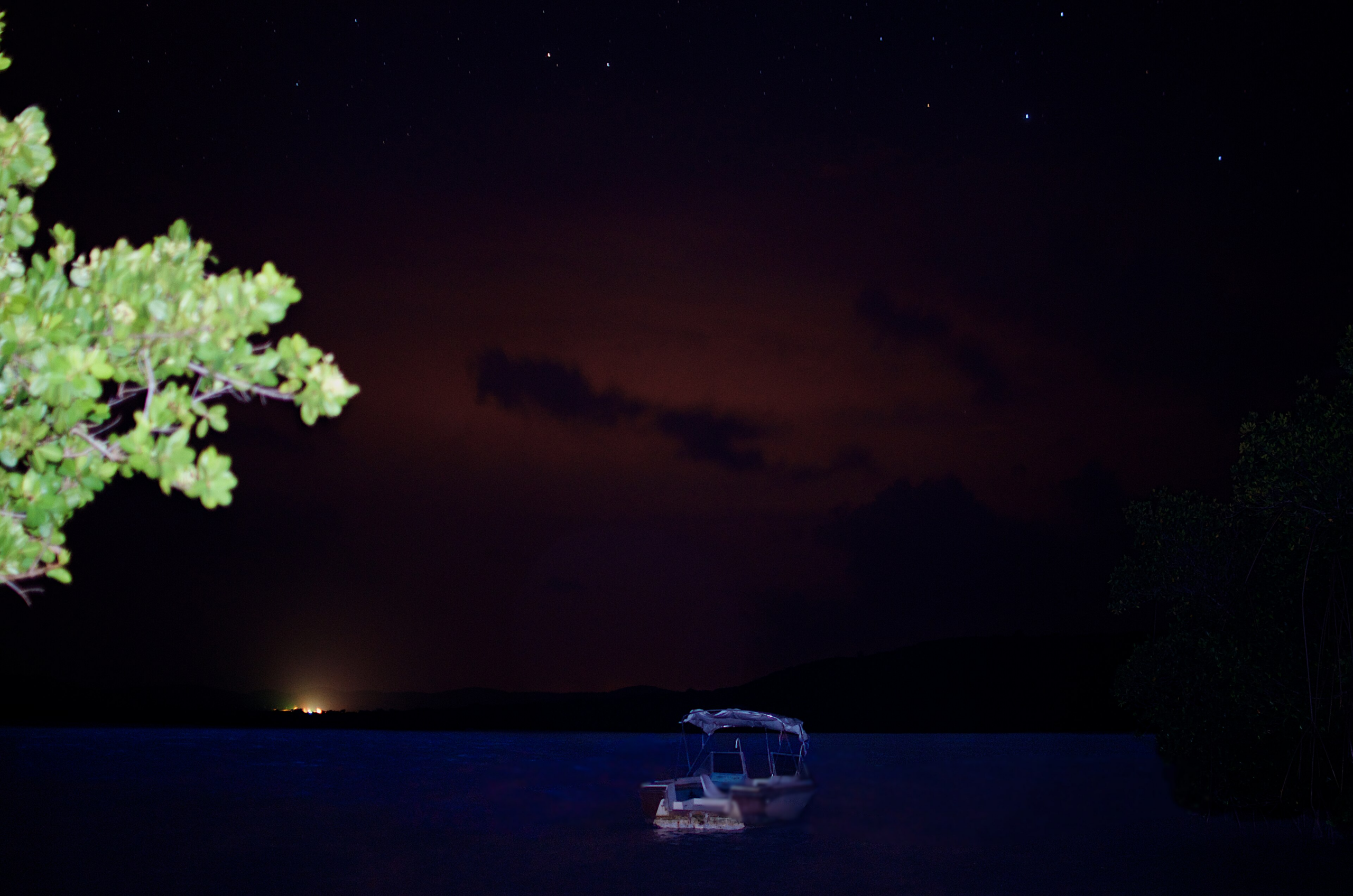
Some of the most reliable and spectacular displays on earth are found in the bioluminescent bays of Puerto Rico. The island is home to several, including one widely regarded as among the brightest in the world, where conditions allow extraordinary concentrations of dinoflagellates to flourish year-round.
Visitors typically experience the bays by kayak or on small boats after dark, gliding through water that erupts in blue light with every stroke. Because these ecosystems are fragile, access is carefully managed, and swimming is often restricted to protect the delicate balance that makes the glow possible. The protected, mangrove-fringed bays trap the organisms and shield them from light pollution, which is exactly why the displays here are so consistent.
The Maldives and the “Sea of Stars”
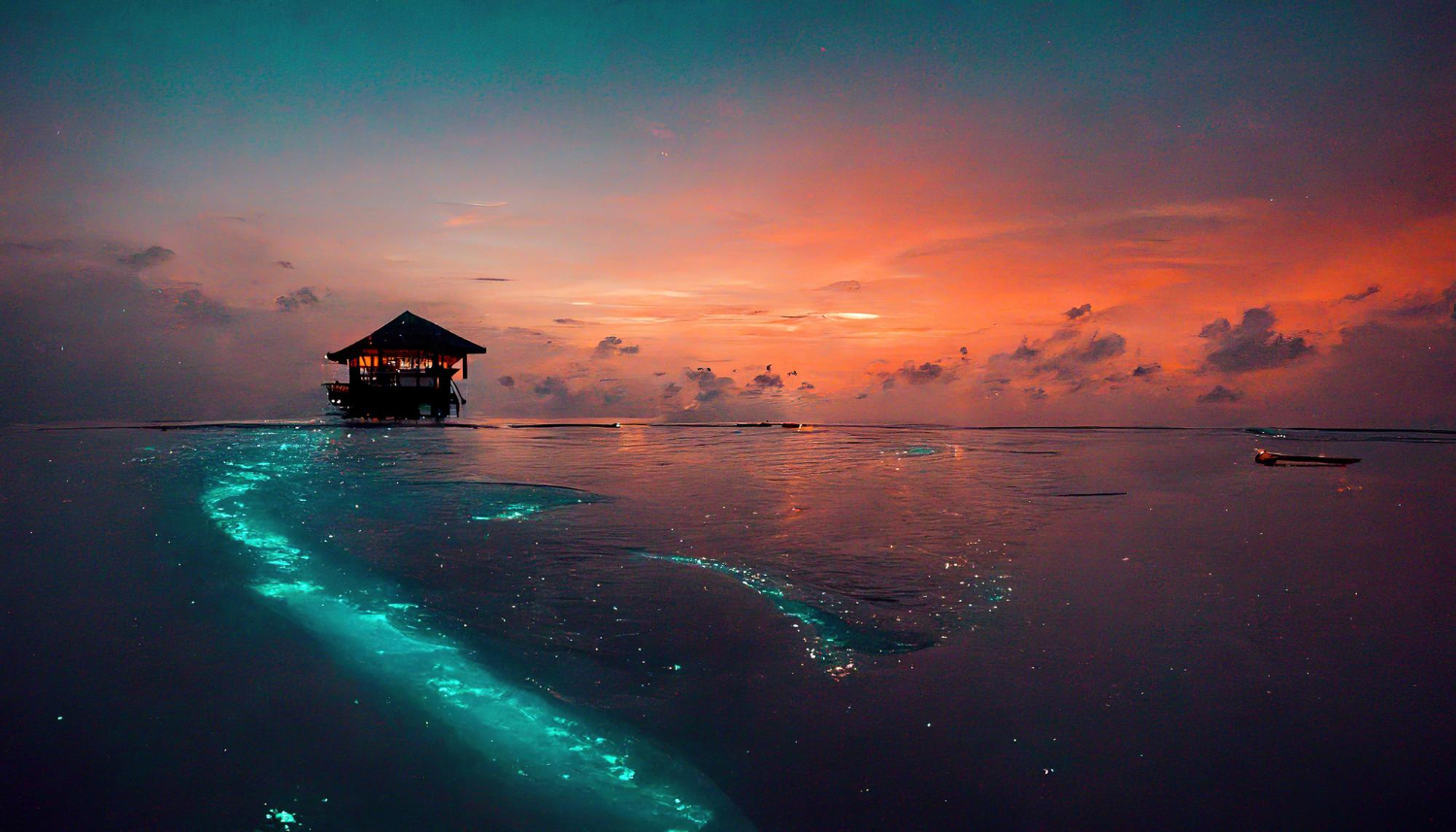
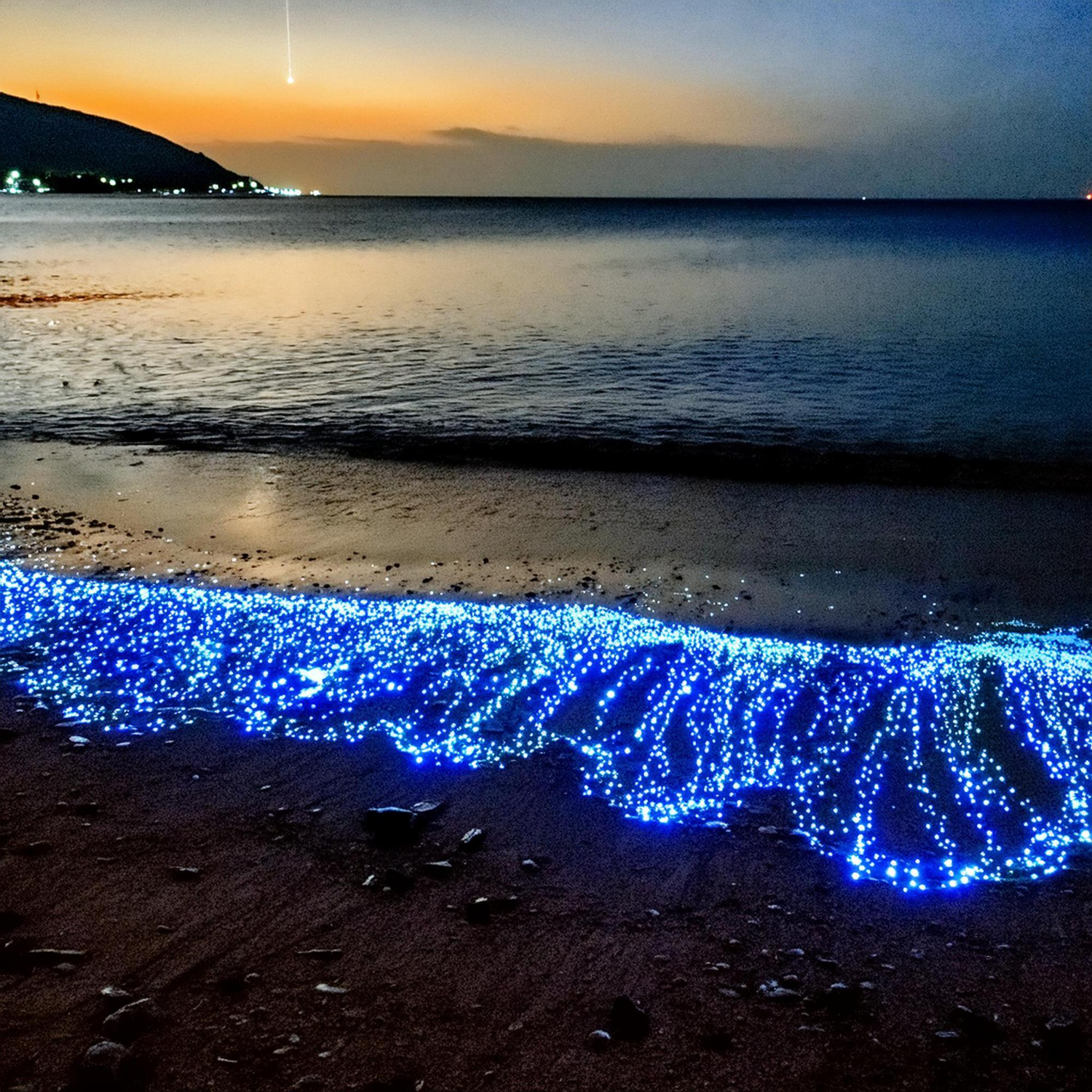
In the Maldives, certain beaches occasionally light up in what has become famous as the “Sea of Stars,” a shoreline scattered with pinpricks of blue light that mirror the night sky above. The effect, caused by bioluminescent plankton washing up in the surf, has made the islands a bucket-list destination for those hoping to witness the phenomenon.
The glow here is more unpredictable than in Puerto Rico’s bays, appearing seasonally and varying from night to night, which is part of what makes catching it feel so special. Travelers who do see it describe walking along a beach where each retreating wave leaves the sand sparkling, an experience that has launched countless photographs and lifelong memories.
Other Places Around the World
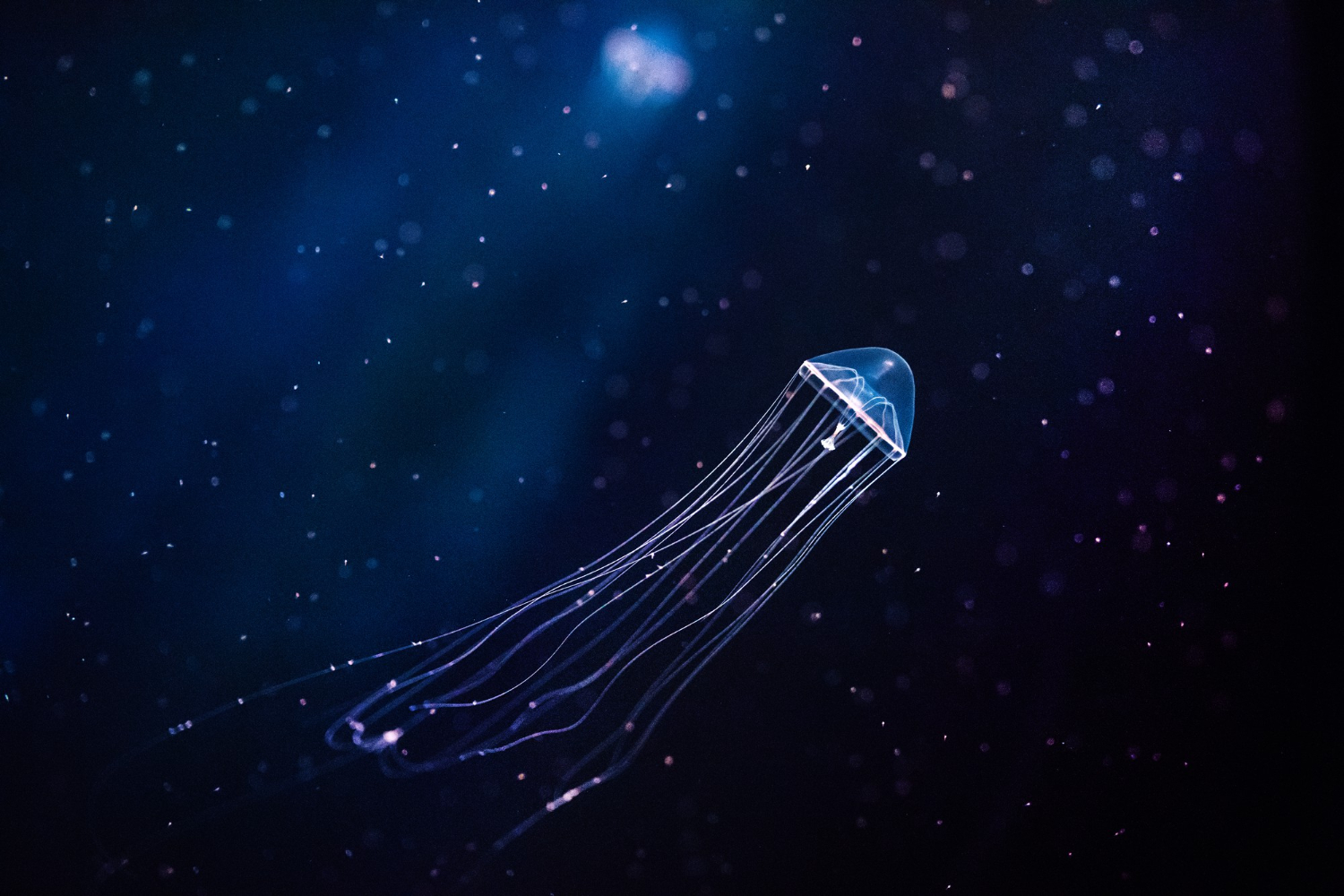
Bioluminescence appears in scattered locations across the globe, often where warm water, the right plankton, and minimal light pollution coincide. Parts of the Caribbean beyond Puerto Rico host glowing waters, as do certain bays and beaches in Southeast Asia. In Japan, Toyama Bay is famous for a different glowing creature, the firefly squid, which gathers in huge numbers in spring and lights the water with its own luminescence.
Cooler waters have their displays too. Coastlines around Britain, Australia, and parts of California have all experienced striking bioluminescent events, sometimes triggered by large plankton blooms. These appearances can be dramatic but are far less predictable, often arriving unannounced and lasting only a short time, which is why they tend to make the news when they happen.
How to See It for Yourself
Catching a bioluminescent display takes a little planning and a little luck. The glow is best seen on dark nights, so the days around a new moon, when there is little moonlight to wash it out, are ideal. Light pollution is the enemy, so the darker and more remote the location, the better your chances. The phenomenon is also generally easier to see in warmer months in many locations, when plankton blooms peak, though this varies by region.
For the most reliable experience, the managed bays of Puerto Rico are hard to beat, and guided night tours there are designed precisely to show visitors the spectacle responsibly. Elsewhere, seeing it often comes down to being in the right place at the right time, so it helps to ask locals, follow regional reports of plankton blooms, and stay flexible. Wherever you try, the etiquette is the same: protect these fragile ecosystems by following local rules, avoiding sunscreen and chemicals in protected waters where asked, and resisting the urge to take more than memories and photographs.
Capturing the Glow on Camera
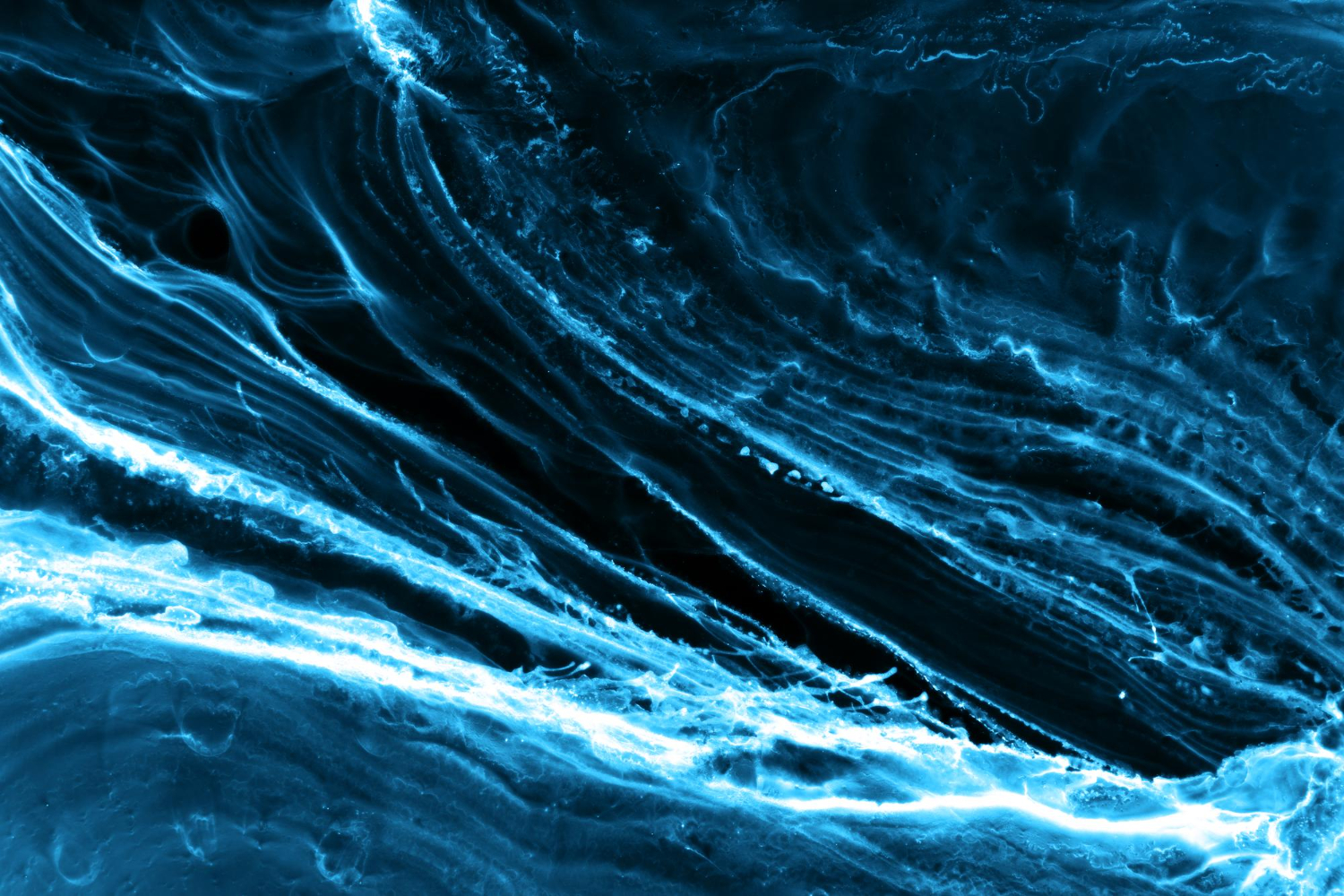
Many travelers who witness bioluminescence are surprised to find how hard it is to photograph. The glow that looks so vivid to the eye is faint in the language of a camera, and a casual phone snapshot in near-total darkness usually captures little more than black. The light is real, but it is dim and fleeting, and recording it takes some preparation.
The key is a long exposure. A camera mounted on a tripod, set to keep the shutter open for several seconds, can gather enough of the faint light to reveal the blue glow that the eye perceives in glimpses. A higher light sensitivity setting helps, as does a location with as little artificial light as possible. Newer phones with night modes can manage a version of this, though dedicated cameras still do far better. The honest advice from many who have chased the phenomenon, though, is not to spend the whole experience fumbling with settings. The glow is best enjoyed in the moment, with your own eyes, since no photograph quite conveys what it feels like to stand in the dark and watch the sea light up around you. Take a shot or two, then put the camera down and simply look, letting your eyes adjust fully to the dark so the faint blue light reveals itself at its best.
A Reminder of How Strange and Beautiful Nature Can Be
Part of what makes glowing seas so compelling is the contrast between the simplicity of the cause and the grandeur of the effect. Organisms far too small to see with the naked eye, reacting to a touch, combine to transform an entire coastline into a field of living light. It is a vivid reminder that some of nature’s most spectacular displays are built from its tiniest building blocks.
For travelers, chasing bioluminescence offers something increasingly rare: an experience that cannot be guaranteed, packaged, or fully captured on a phone screen. Standing on a dark beach as the waves light up, or dipping a hand into water that flares blue at your touch, connects you to a phenomenon that has been glowing in the world’s oceans for hundreds of millions of years. It is the kind of sight that, once seen, you never quite forget, and one well worth planning a trip around.
Like our content? Follow us for more.