Marriage takes a remarkable variety of forms around the world, shaped by geography, economics, religion, and history. Among the rarest and most fascinating is polyandry, the practice of a woman having more than one husband at the same time. To many people it sounds surprising, even unimaginable, but in the communities where it has been practiced, it follows a clear and often deeply practical logic. Understanding why some societies developed this custom offers a window into how marriage everywhere is shaped by the conditions people live in. Here is a clear-eyed, respectful look at where polyandry has existed and the reasons behind it.
What Polyandry Actually Is
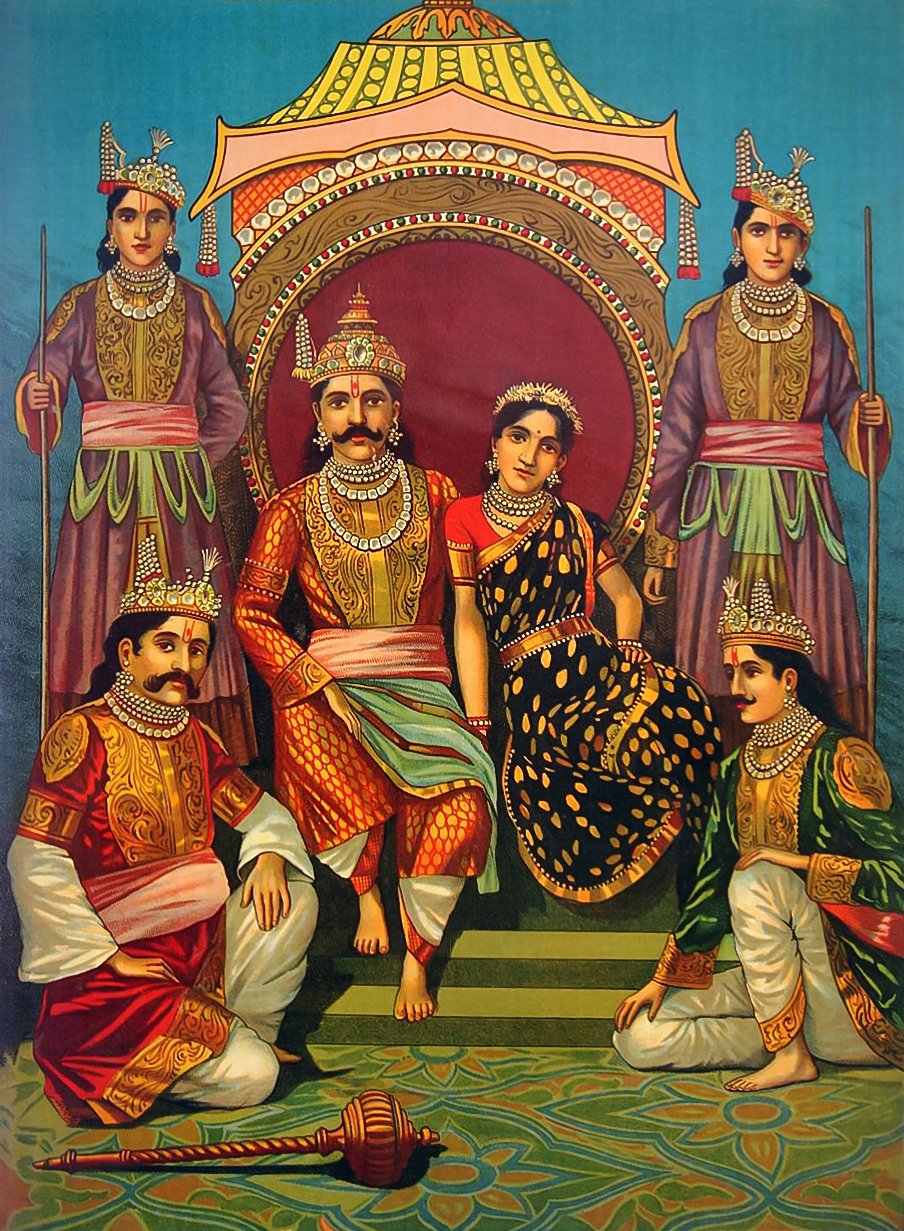
Polyandry is the form of marriage in which one woman is married to multiple husbands simultaneously. It is the mirror image of polygyny, the much more common arrangement of one man with several wives, and both fall under the broader umbrella of polygamy, meaning plural marriage. Among all these forms, polyandry is by far the rarest, documented in only a small number of societies worldwide.
The most common version is what anthropologists call fraternal polyandry, in which the husbands are brothers. In this arrangement, a woman marries a set of brothers, and the household is built around that shared marriage. While it may seem unusual from the outside, within these communities it has long been an accepted and respected institution, governed by clear customs about household roles, children, and inheritance.
Like our content? Follow us for more.
The Himalayas: The Heartland of Polyandry

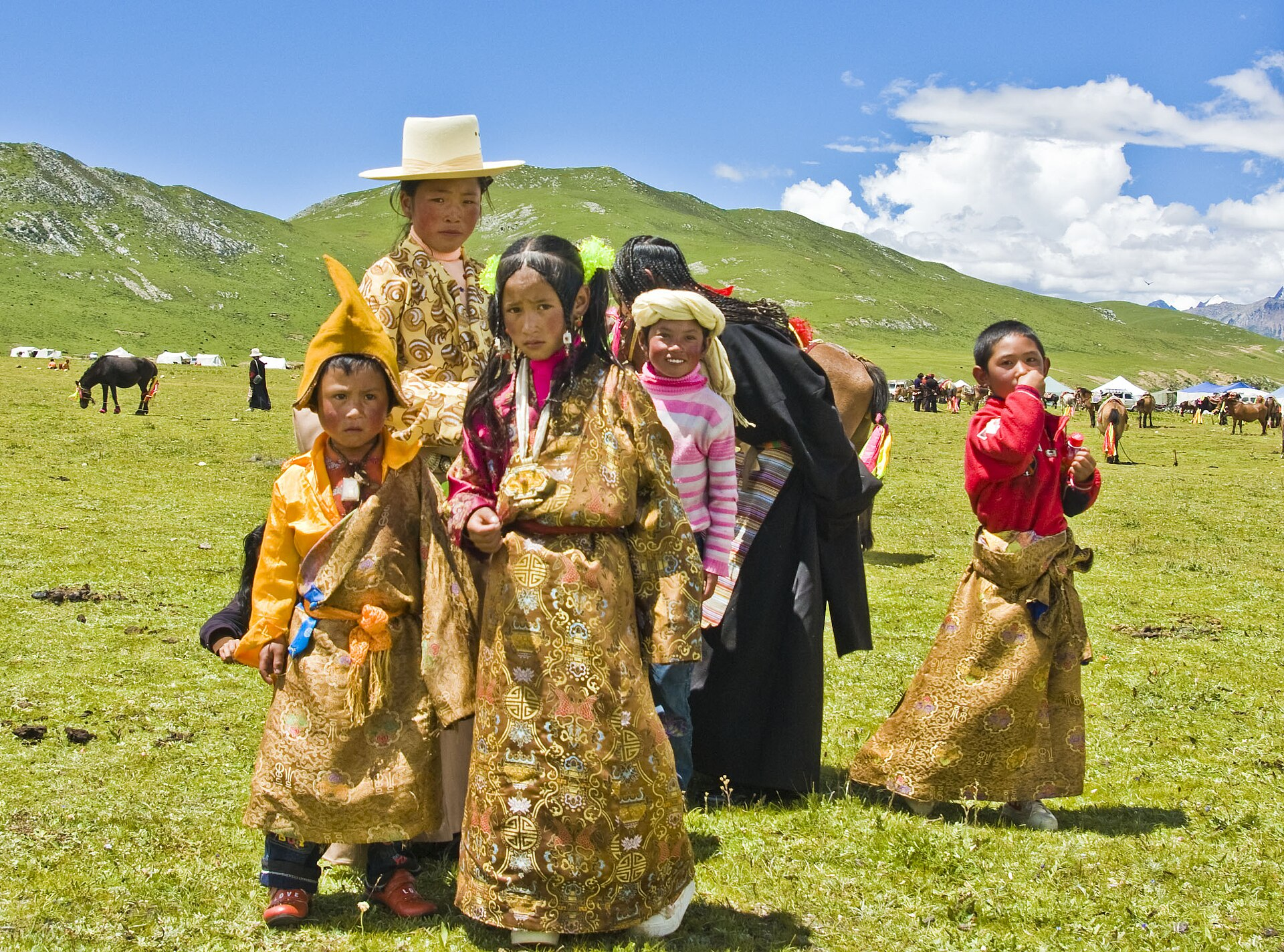
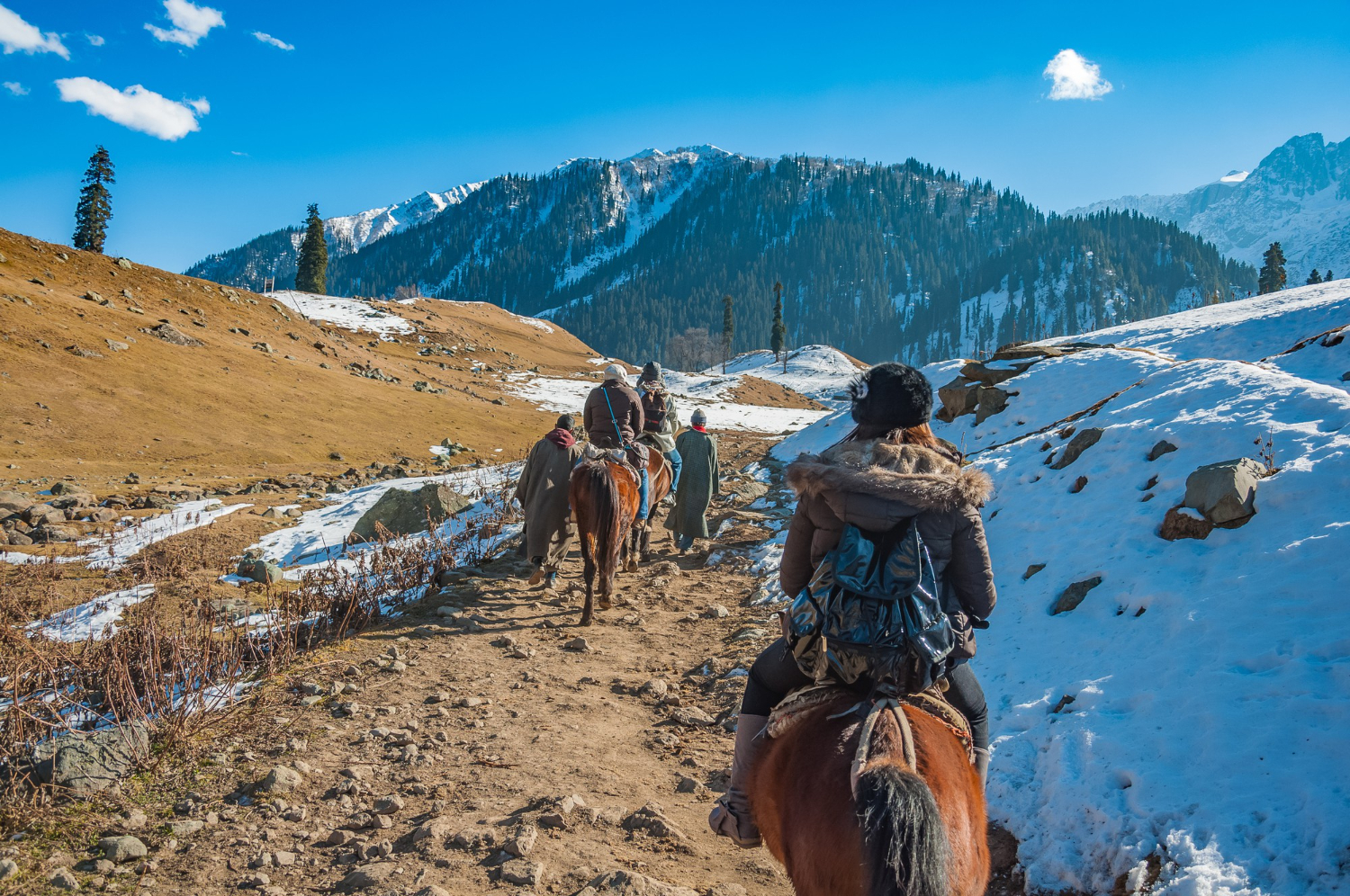
The best-known examples of polyandry come from the high Himalayas, including parts of Tibet, Nepal, and the Ladakh region of northern India. In these mountainous areas, fraternal polyandry was practiced for centuries, and it is here that anthropologists have studied the custom most closely.
The reasons are rooted in the harsh realities of mountain life. In a landscape where farmable land is extremely scarce and difficult to work, dividing a family’s small plot among several sons with each generation would quickly leave everyone with too little to survive on. By having brothers marry a single wife and keep one household, families avoided splitting their land and resources. The estate stayed intact, passed down whole rather than fragmented, and the combined labor of several husbands helped sustain the household in a demanding environment.
The Economic Logic Behind the Custom
Seen in this light, Himalayan polyandry was less about romance than about survival and the careful management of scarce resources. Keeping land undivided was crucial in regions where arable ground was precious and the margin between sufficiency and hardship was thin. A single household with multiple husbands could also spread its labor across different tasks: one brother might farm, another might trade over long distances, and another might tend herds, all while the family’s property and wealth remained unified.
This arrangement also helped limit population growth in environments that could only support so many people, since one wife bears fewer children than several would. Anthropologists have long pointed to these material factors, scarce land, difficult terrain, the need to keep estates intact, as the practical foundations of the custom, rather than any single belief or preference. It was, in essence, an ingenious adaptation to a tough environment.
Other Regions and Historical Examples
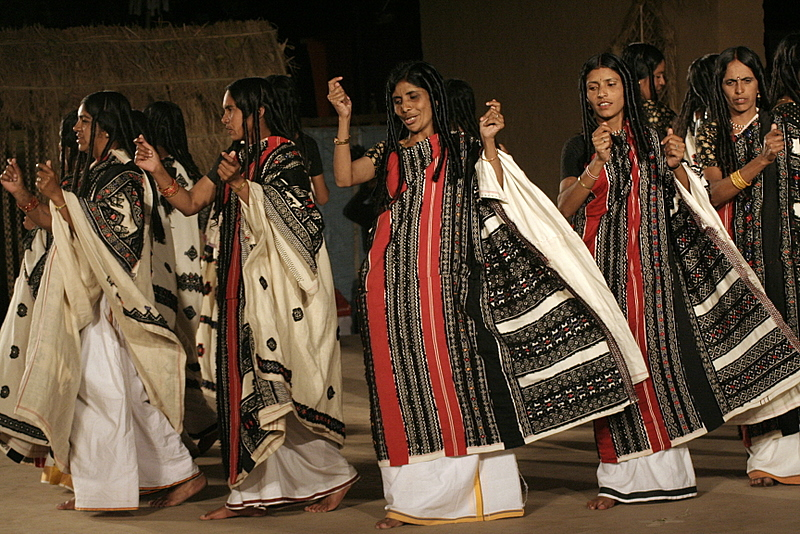
Although the Himalayas are the most famous setting, forms of polyandry have appeared elsewhere too. Some communities in southern India, such as the Toda people, were historically documented as practicing polyandry, though the custom there has changed greatly over time. Scattered examples have been recorded among certain other groups in parts of Asia, Africa, and elsewhere, usually in specific local circumstances.
In most of these cases, the practice was never widespread even within the broader region, but confined to particular communities with their own histories and pressures. The recurring theme, where scholars have studied it, tends to be similar to the Himalayan pattern: practical responses to challenging environments, scarce resources, or specific social structures. Marriage customs, in other words, often follow the logic of the conditions in which they arise.
A Custom in Decline
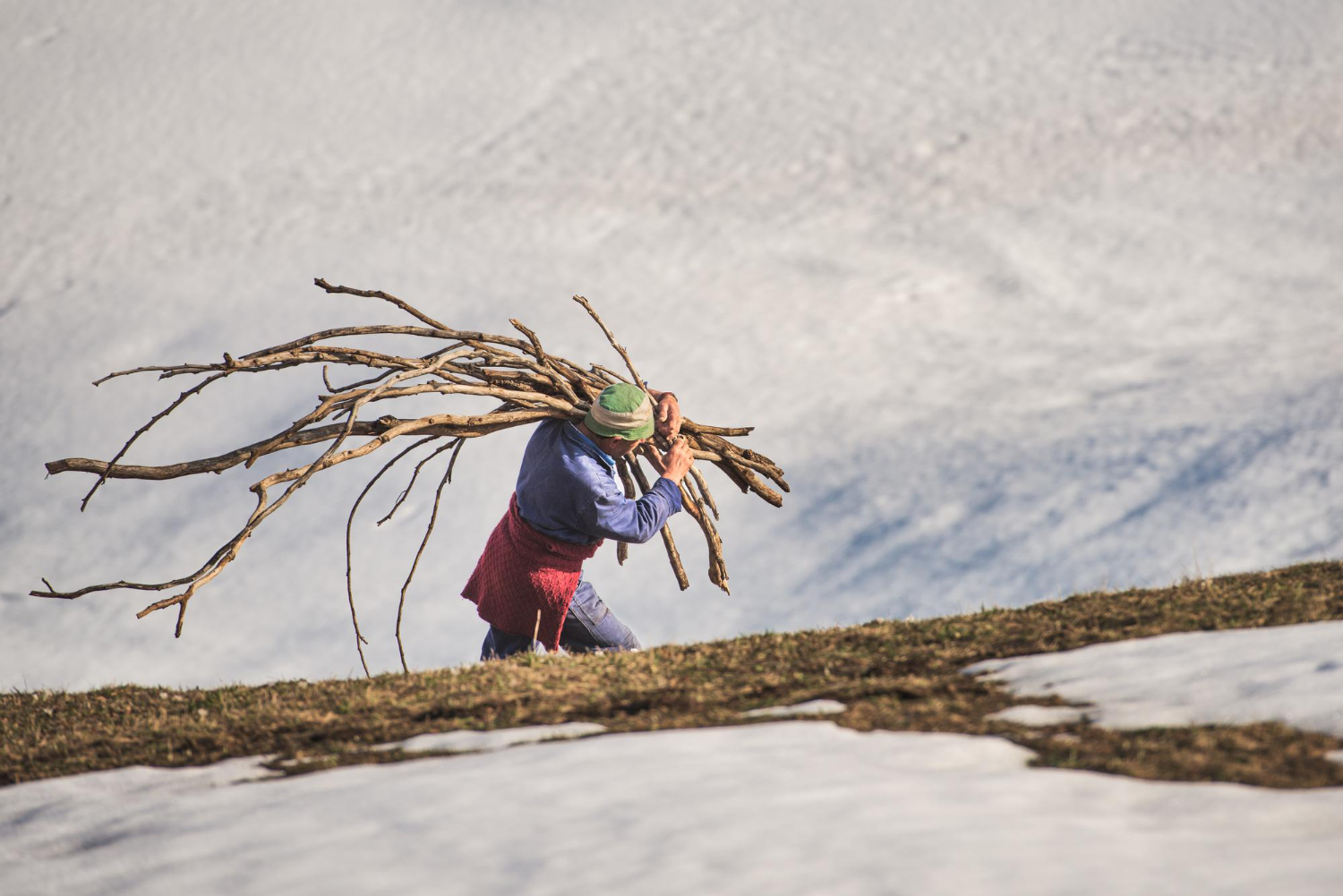
Whatever its historical reach, polyandry is fading in the modern world. As economies change, as education spreads, and as younger generations move to cities and pursue new kinds of work, the conditions that once made the custom practical have largely disappeared. Land is no longer the sole basis of survival in the way it once was, and modern law in many places does not recognize plural marriage.
In the Himalayan communities where fraternal polyandry was once common, it has become increasingly rare, practiced by far fewer families than in the past and often viewed as a tradition of older generations. Many factors have contributed, from legal changes to shifting attitudes and economic opportunity. The custom that endured for centuries as a clever solution to mountain life is now largely a subject of memory and study rather than everyday practice.
How These Households Worked Day to Day
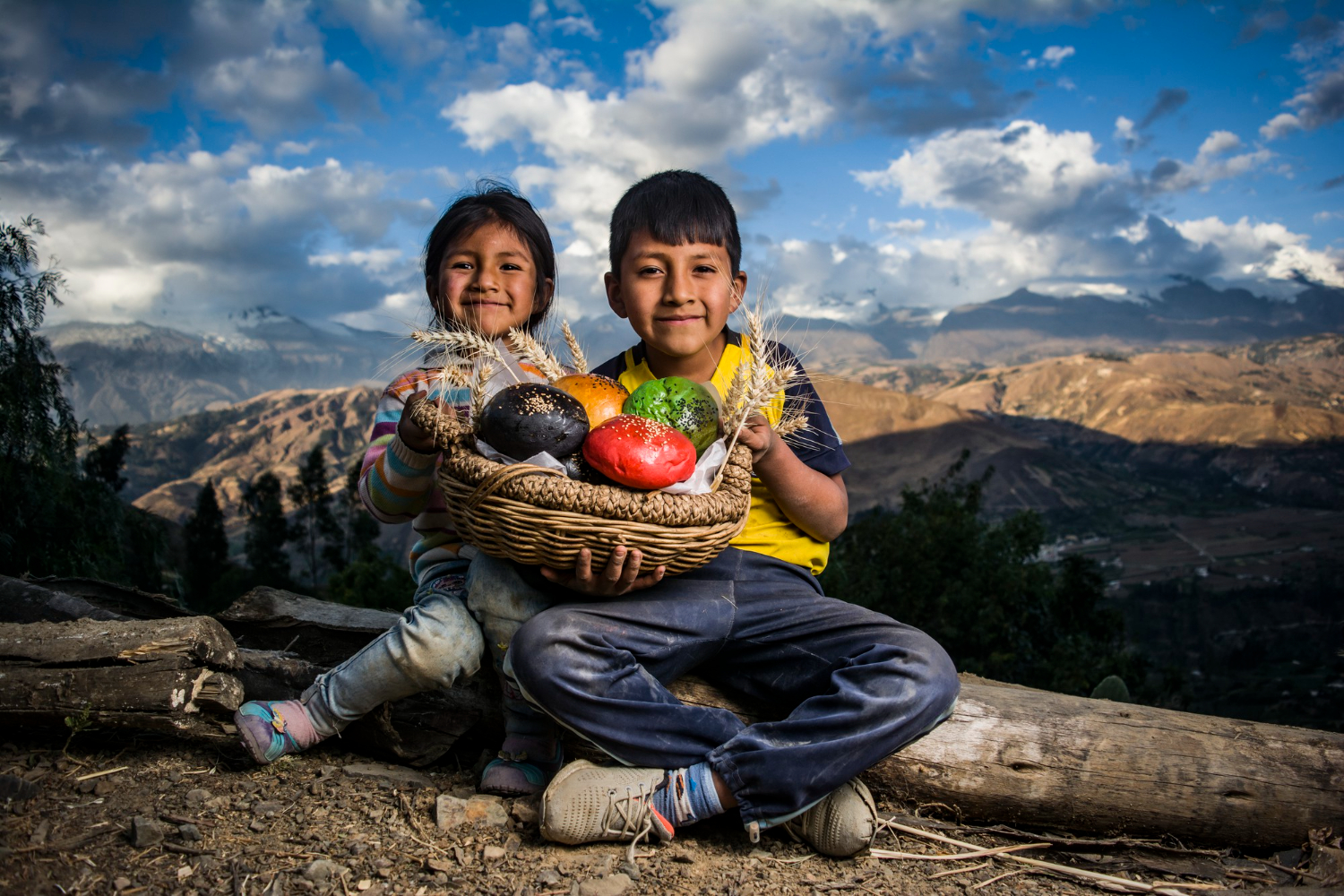
One of the questions outsiders ask most about fraternal polyandry is how the practical details were handled, particularly around children and family roles. In the Himalayan communities where the custom was studied, these arrangements were governed by well-established social conventions rather than left to improvisation. Children born into the household were typically regarded as belonging to the family as a whole, and in many communities the eldest brother held a recognized senior role within the marriage.
The system functioned because it was embedded in a wider web of custom, expectation, and necessity. Roles within the household were understood, responsibilities were shared, and the arrangement was socially respected rather than stigmatized. Anthropologists who lived among these communities have emphasized that, far from being chaotic, polyandrous households operated according to their own clear internal logic, with cooperation and the shared interest of preserving the family’s land and livelihood at the center. It is a reminder that family structures very different from our own can be just as orderly and stable, sustained by the social agreements that surround them.
What Marriage Customs Tell Us
The story of polyandry is ultimately a story about how flexible and adaptive human societies are. Marriage is often imagined as a fixed, universal institution, but in reality it has taken countless forms across cultures and eras, each shaped by the practical and social realities of a particular people in a particular place. What looks strange from one cultural vantage point can be perfectly logical from another, once you understand the conditions behind it.
That is the real value in learning about customs like polyandry: not to gawk at the unfamiliar, but to appreciate the ingenuity with which different societies have organized family life under very different circumstances. The high-mountain families who built their households around shared marriages were responding intelligently to a hard world, much as families everywhere shape their traditions around the realities they face. Seen that way, the diversity of human marriage is not a curiosity but a sign of human adaptability, and a reminder that there are many ways to build a family and a life. The more we learn about how other societies have organized themselves, the clearer it becomes that the arrangements we take for granted are themselves the product of particular histories and circumstances, no more inevitable than any other. That perspective is perhaps the most valuable thing the study of customs like polyandry can offer: a little more humility, and a little more curiosity, about the many forms human life can take.
Like our content? Follow us for more.