

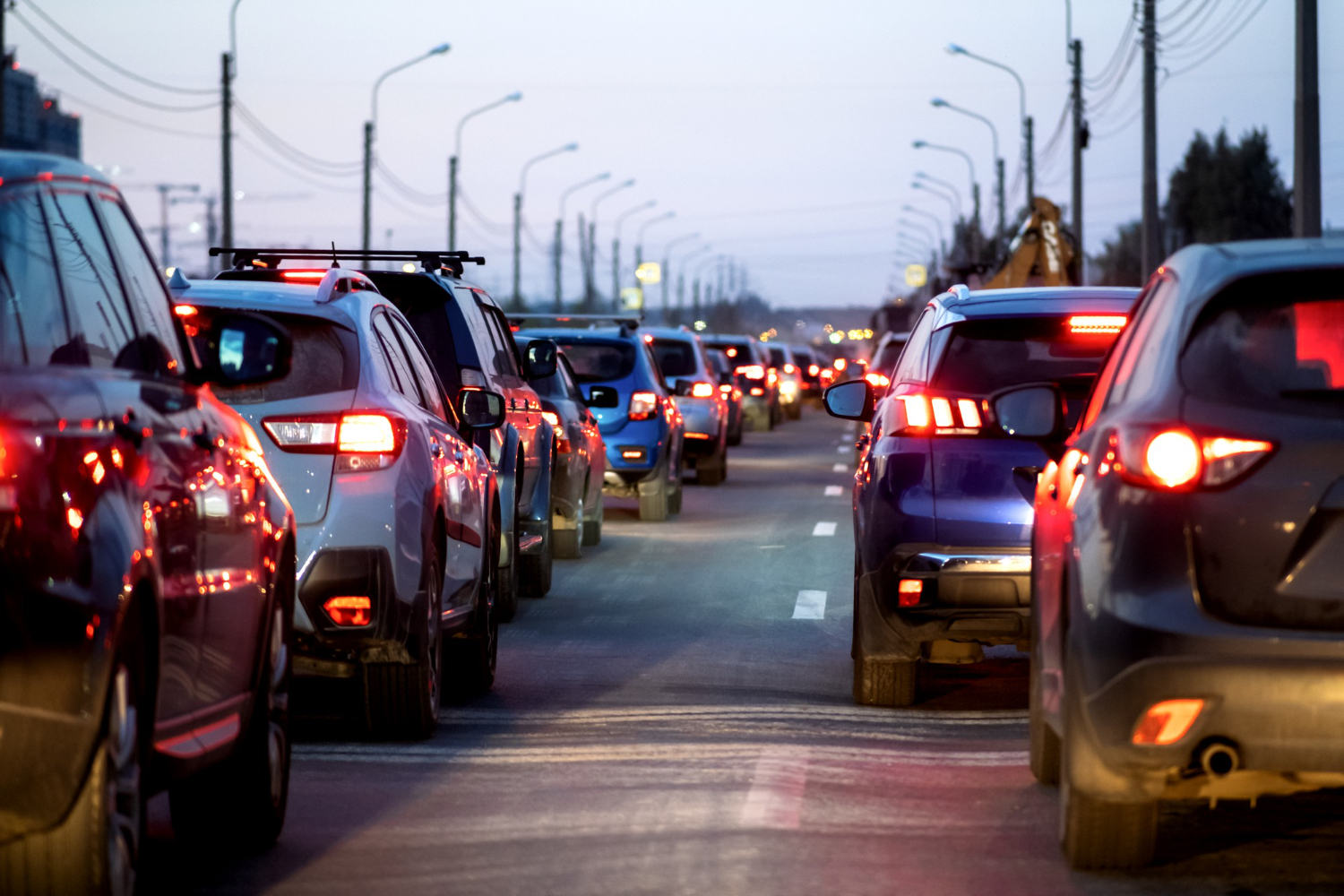
Everyone thinks the drivers in their own city are the worst, but the numbers tell a more specific story. One of the country’s largest auto insurers regularly analyzes its claims data across America’s 200 most populous cities to determine how often drivers will experience a collision, and the results reveal which places are genuinely the riskiest to drive in. The average American driver, the data shows, experiences a collision roughly once a decade, but in some cities that figure is dramatically worse. Here is a look at the cities where drivers are most likely to crash, based on the latest analysis, along with the regional patterns behind the rankings. Consider it a friendly heads-up, not a verdict on anyone’s hometown.
Boston: The Reigning Champion of Bad Driving

Topping the list as the riskiest driving city in America is Boston, Massachusetts, a distinction it has held with remarkable consistency. According to the insurer’s analysis, Boston drivers are nearly three and a half times more likely to be in a collision than the national average, a staggering figure that puts the city in a class of its own.
Boston’s notoriously difficult driving environment, with its tangle of old, narrow streets laid out long before cars, confusing intersections, and aggressive local driving culture, all contribute to its standing. The city has ranked as the nation’s most collision-prone for years running. For Boston drivers, the data simply confirms what they already know: navigating the city’s roads is a genuine contact sport.
Like our content? Follow us for more.
The Northeast Corridor Dominates

Boston is far from alone. The data shows that seven of the ten riskiest driving cities are located in the Northeast, making the region the undisputed capital of collision-prone driving. Major cities up and down the corridor consistently post collision rates well above the national average.
Cities including Washington, D.C., Baltimore, and Philadelphia rank among the most collision-prone in the country, joining Boston near the top of the list. The dense, old urban cores of the Northeast, with their congestion, complex road layouts, and fast-paced driving cultures, create conditions ripe for accidents. If you drive in the Northeast corridor, statistically, you are navigating some of the riskiest roads in America.
California’s Risky Cities

The West Coast is not exempt. Rounding out the ten riskiest cities for drivers are several California cities, proving that high collision rates are not solely a Northeastern phenomenon. The Golden State’s car-dependent culture and heavy congestion put several of its cities near the top of the risk rankings.
Los Angeles, along with Glendale and Oakland, appears among the cities with the highest collision rates in the country. California’s combination of dense traffic, sprawling freeway systems, and sheer volume of cars on the road contributes to the risk. The presence of these cities alongside the Northeastern leaders shows that collision-prone driving clusters in big, congested metro areas on both coasts.
The Midwest’s Surprising Decline
One of the more surprising findings is that driving in parts of the Midwest has gotten riskier over the past decade. Cities that once ranked among the safest have tumbled down the rankings, with some posting dramatic drops in their standing as collision rates climbed.
Several Midwestern cities, including some in Missouri and Kansas, have seen notable declines in their driver-safety rankings in recent years. The shift suggests that driving safety is not static; cities can become more or less risky over time as traffic patterns, road conditions, and driving behaviors change. The Midwest’s slide is a reminder that no region is permanently safe or risky behind the wheel.
Where Drivers Are Safest
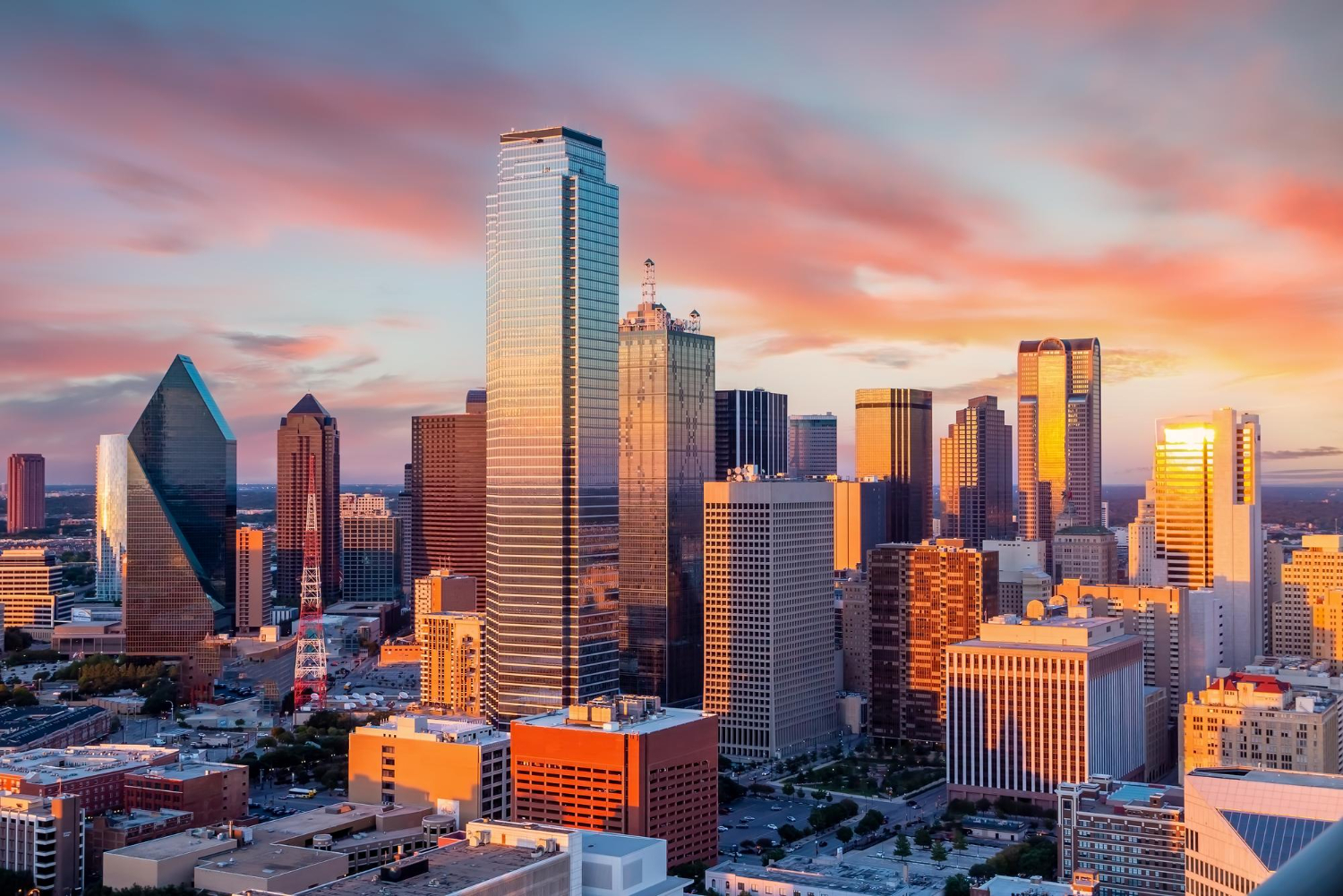
The flip side of the rankings is just as revealing. The safest driving in America, according to the analysis, is found largely in Texas, with the city of Brownsville claiming the title of safest driving city in the nation. The Lone Star State placed multiple cities near the top of the safety rankings.
Cities like Brownsville, Laredo, McAllen, and Corpus Christi in Texas, along with others in the Pacific Northwest and Mountain West, post collision rates well below the national average. The contrast is stark: drivers in the safest cities go far longer between accidents than those in the riskiest. Geography, road design, congestion levels, and local driving cultures all combine to make some cities dramatically safer than others.
Why Some Cities Are Just Harder to Drive In
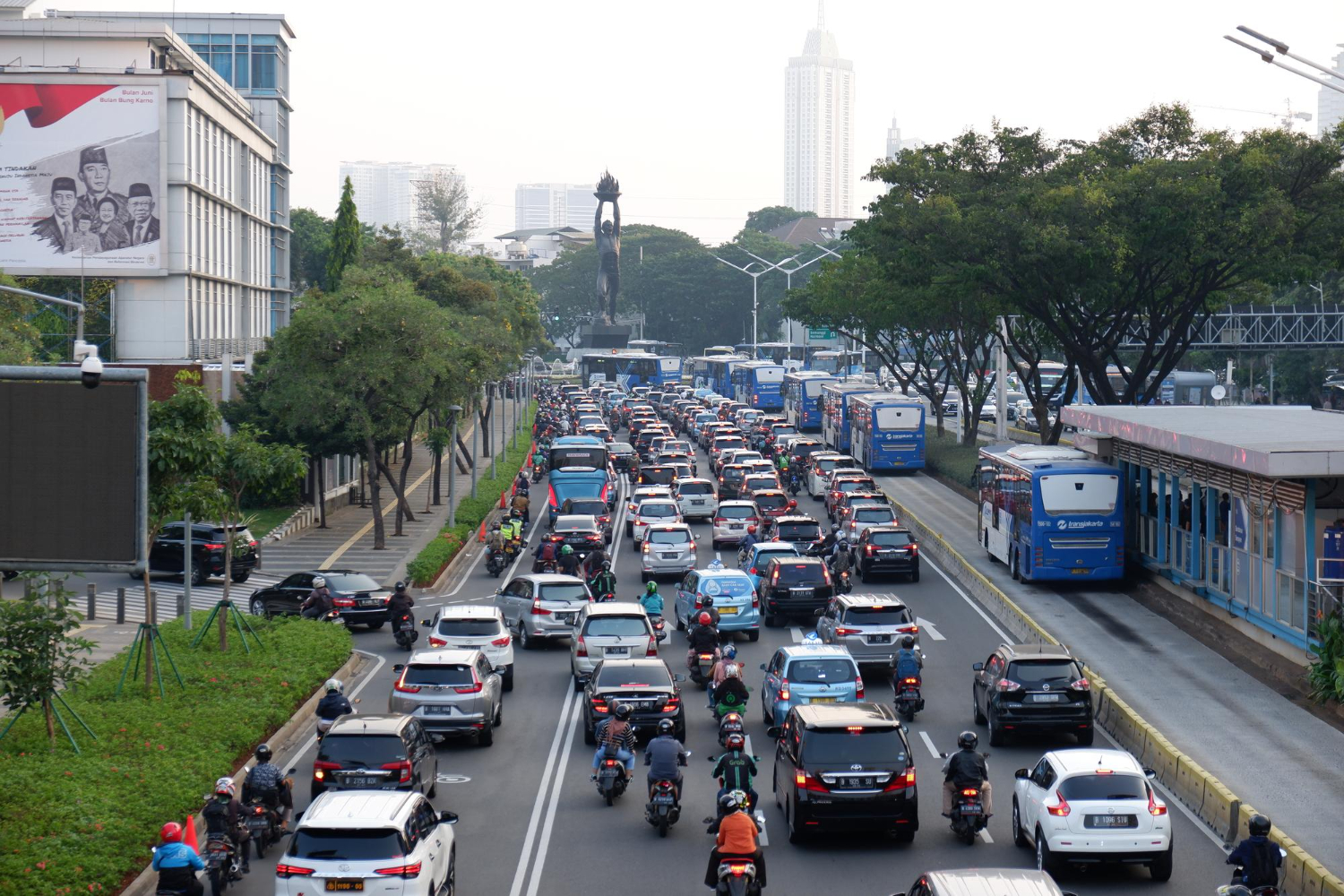
It is worth dwelling on why certain cities consistently rank as riskier, because the reasons often have little to do with the drivers themselves. Many of the most collision-prone cities, especially the older urban centers of the Northeast, were laid out long before the automobile existed. Their narrow, winding, irregular streets, confusing intersections, and dense traffic create genuinely challenging conditions that no amount of careful driving fully eliminates.
By contrast, many of the safest cities feature newer, more grid-like layouts, wider roads, and less congestion, simply offering an environment where collisions are less likely. Weather plays a role too, as does the volume of traffic, the prevalence of pedestrians and cyclists, and local enforcement of traffic laws. Understanding this helps put the rankings in perspective: a city’s collision rate reflects a whole environment, the roads, the layout, the density, the weather, far more than the character of any individual driver navigating it. The infrastructure a driver inherits matters enormously.
What the Rankings Actually Measure

It is worth understanding what these rankings are based on and what they are not. The analysis draws on one large insurer’s collision-claim data across the 200 most populous cities, measuring how often drivers experience a collision compared to the national average. It is a useful, data-grounded snapshot, but it reflects one company’s claims rather than every accident, and other studies using different metrics, such as fatal-crash rates or risky-driving behaviors, sometimes highlight different cities.
Several factors drive a city’s collision rate, including road design and age, traffic density, weather, enforcement, and local driving habits. A high ranking does not mean every driver in a city is bad; it reflects the overall environment, including conditions outside any individual’s control. The rankings are best read as a reflection of how challenging a city’s driving environment is, not a judgment of its residents.
Driving Safely Wherever You Are
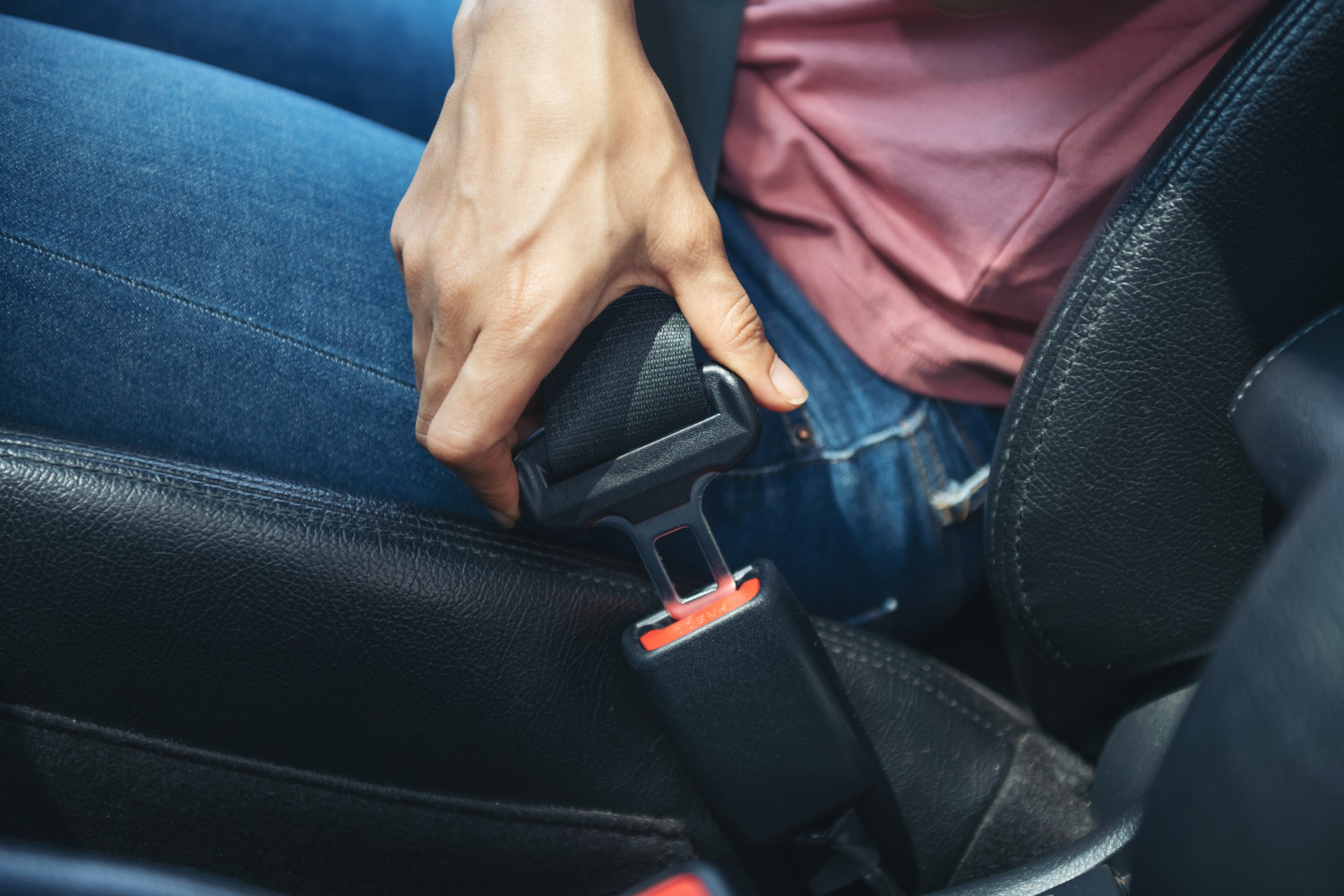
Whatever your city’s ranking, the keys to staying safe behind the wheel are universal and within every driver’s control. Buckling up, staying focused and free of distractions, slowing down, and keeping a safe following distance are the simple, proven habits that prevent the most crashes, regardless of how risky your city’s roads may be.
If you live in one of the riskier cities, the data is a reminder to drive defensively and stay alert, especially in congested, complex urban environments. And if your city ranks among the safest, it is no reason for complacency. The most important factor in any collision is not the city on the map but the choices each driver makes. Wherever you are on the list, the best response is the same: slow down, pay attention, and give yourself and everyone else on the road a little extra room.
Like our content? Follow us for more.
