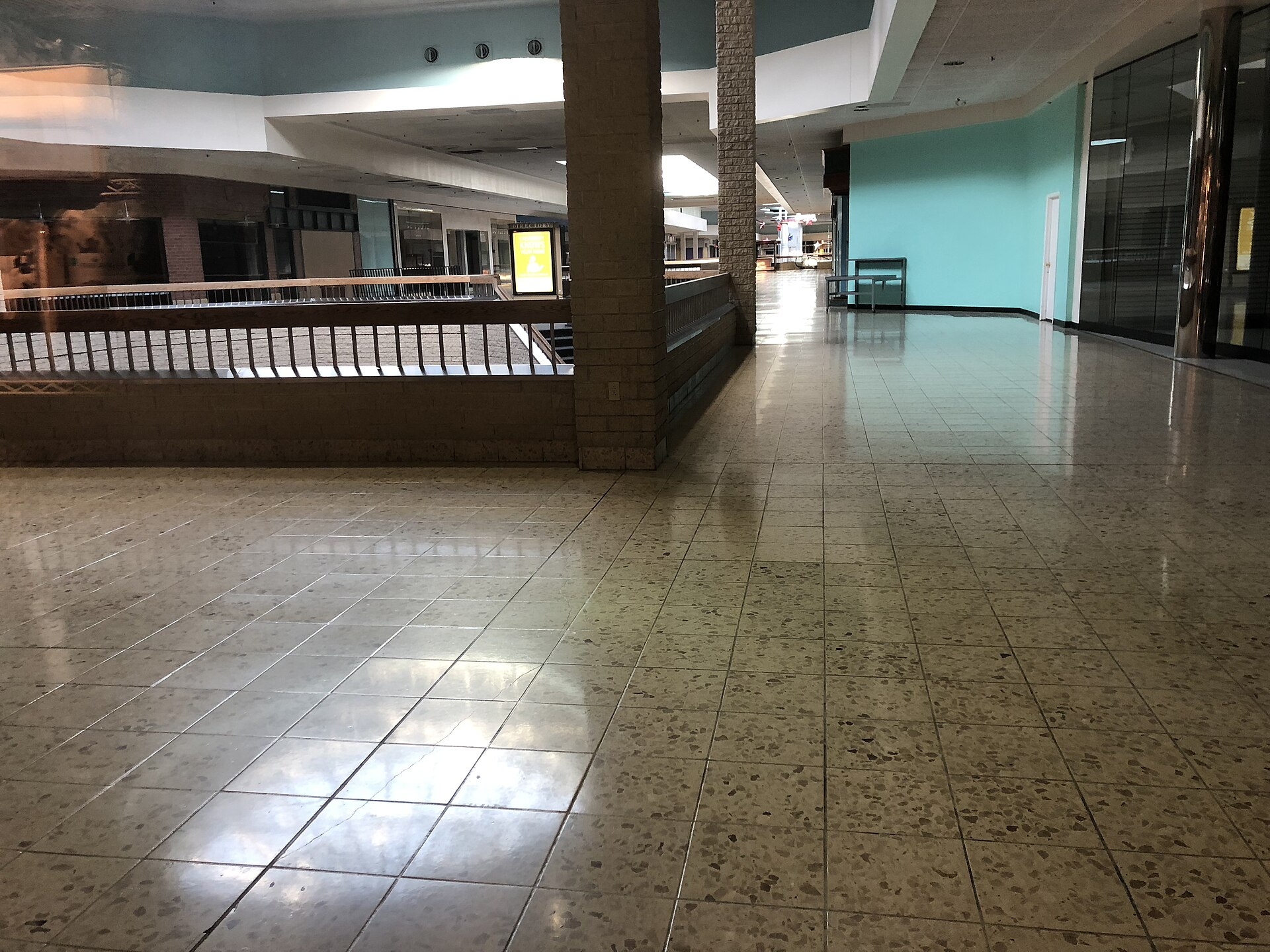
For the second half of the 20th century, the shopping mall was the center of American life, a climate-controlled town square where teenagers gathered, families spent weekends, and entire communities did their shopping under one vast roof. Then, with startling speed, the model began to collapse. Today, the “dead mall,” abandoned or barely clinging to life, has become a poignant and eerie fixture of the American landscape, drawing photographers and nostalgic visitors to wander its silent halls. Here is the story of the rise and fall of the American mall, and why so many now sit empty, decaying monuments to a way of life that has largely passed.
The Golden Age of the Mall
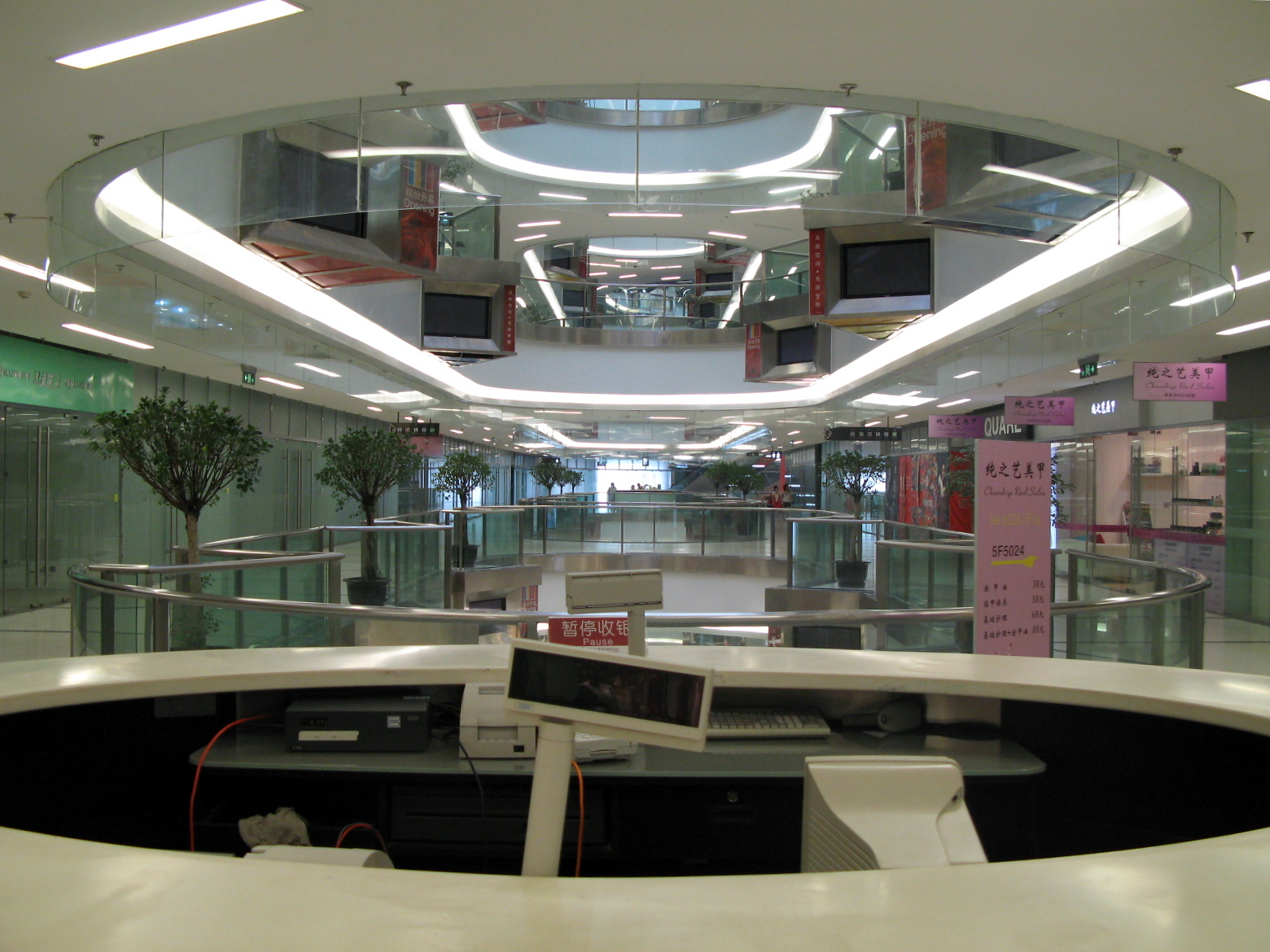
To understand the dead mall, you have to remember the living one. In its heyday, the enclosed shopping mall was a genuine cultural phenomenon and the undisputed center of suburban social life. Anchored by major department stores and filled with specialty shops, food courts, fountains, and movie theaters, the mall was where people came not just to shop but to socialize, to see and be seen.
For a generation of teenagers especially, the mall was a second home, a place to hang out, meet friends, and come of age, immortalized in countless films and television shows. The mall represented the optimism and abundance of late-20th-century American consumer culture, a glittering, air-conditioned palace of plenty. At their peak, malls seemed like permanent fixtures of American life, and new ones opened constantly across the growing suburbs.
Like our content? Follow us for more.
The Slow Collapse
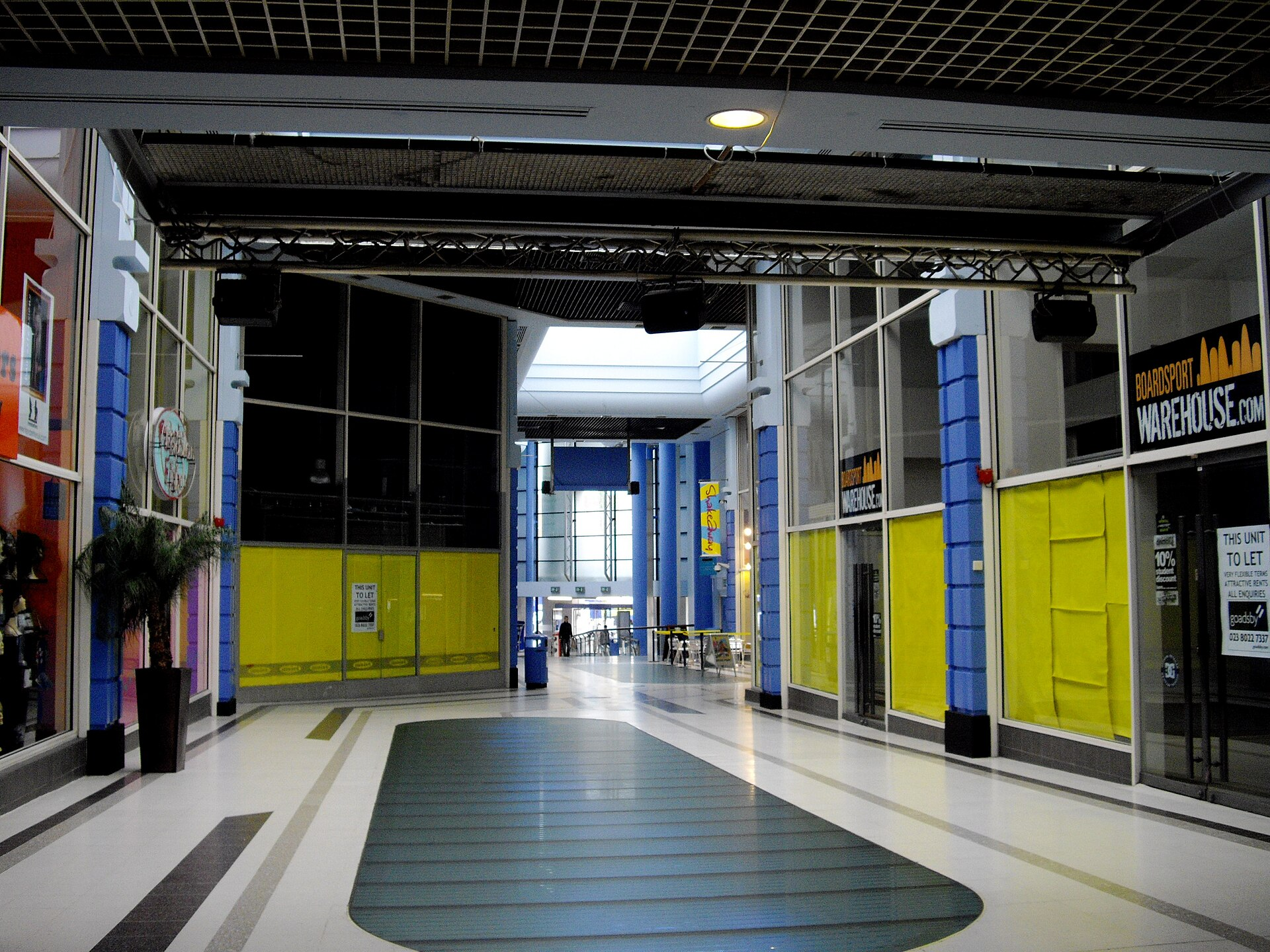
Then the decline set in, gradually at first and then dramatically. A combination of powerful forces converged to undermine the mall’s dominance. The rise of online shopping fundamentally changed how Americans buy things, drawing commerce away from physical stores. The struggles and bankruptcies of the major department stores that anchored malls left gaping holes that were hard to fill.
Changing shopping habits, the appeal of big-box and discount retailers, economic shifts, and an oversupply of retail space, the country had simply built more malls than it could sustain, all accelerated the decline. As anchor stores closed, foot traffic fell, smaller shops followed, and a downward spiral took hold. A mall that lost its anchors and its crowds could tip from thriving to dying with surprising speed, leaving communities to watch their once-lively gathering place hollow out.
The Anatomy of a Dead Mall
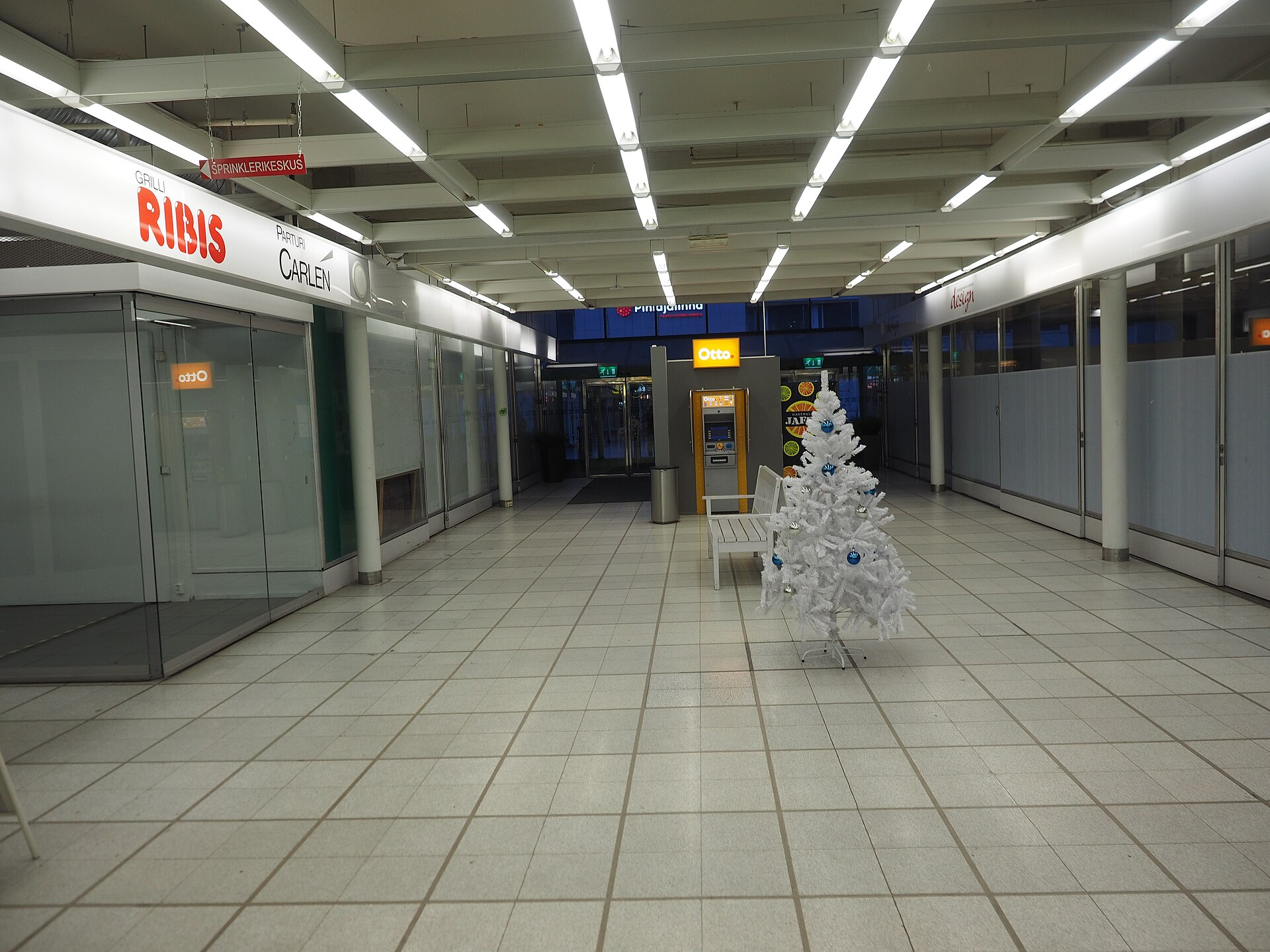
A “dead mall” is generally one that has lost most of its tenants and foot traffic, often with its anchor stores shuttered and high vacancy throughout. These places exist in various states of decline, from malls limping along with a handful of remaining stores to those completely abandoned and sealed off, slowly decaying.
The abandoned mall has a particular, haunting atmosphere that has fascinated explorers and photographers. Sunlight filters through dusty skylights onto silent, empty corridors. Dead escalators and still fountains evoke the crowds that once filled them. Faded store signs and stripped retail spaces stand as ghosts of commerce. Nature sometimes begins to intrude, with leaks, plant growth, and decay. The contrast between these spaces’ original purpose, bright, busy, commercial, and their current emptiness gives them an eerie, melancholy power.
The Online-Shopping Revolution

If any single force drove the dead-mall phenomenon, it was the transformation of how Americans shop. The explosive growth of e-commerce meant that the convenience the mall once offered, everything in one place, could now be had from a couch, with near-limitless selection and home delivery. The very function the mall was built to serve was substantially replaced by a screen.
This shift hit the mall’s economic model hard. As more spending moved online, the foot traffic that sustained mall stores dwindled, and retailers that depended on it struggled or folded. The department stores that anchored malls were particularly hard-hit, and their decline pulled the rug out from under the malls built around them. The dead mall is, in many ways, the physical wreckage left behind by the digital transformation of retail, a tangible monument to how profoundly online shopping reshaped American commerce.
A Symbol of Changing Times

Beyond economics, the dead mall has taken on a deeper cultural resonance. For many, these decaying spaces evoke powerful nostalgia, a longing for the era when the mall was the center of social life, when weekends meant a trip to a place full of people and possibility. The empty corridors stir memories of a communal way of life that has largely moved online or dispersed.
The dead mall has become a recognized cultural symbol, the subject of documentaries, online communities devoted to documenting them, and a whole aesthetic of melancholy nostalgia. It represents not just a failed business model but a shift in how Americans gather, shop, and spend their leisure time. The death of the mall mirrors broader changes: the decline of communal physical spaces, the rise of digital life, and the passing of a particular vision of suburban American abundance.
What Becomes of the Dead Malls
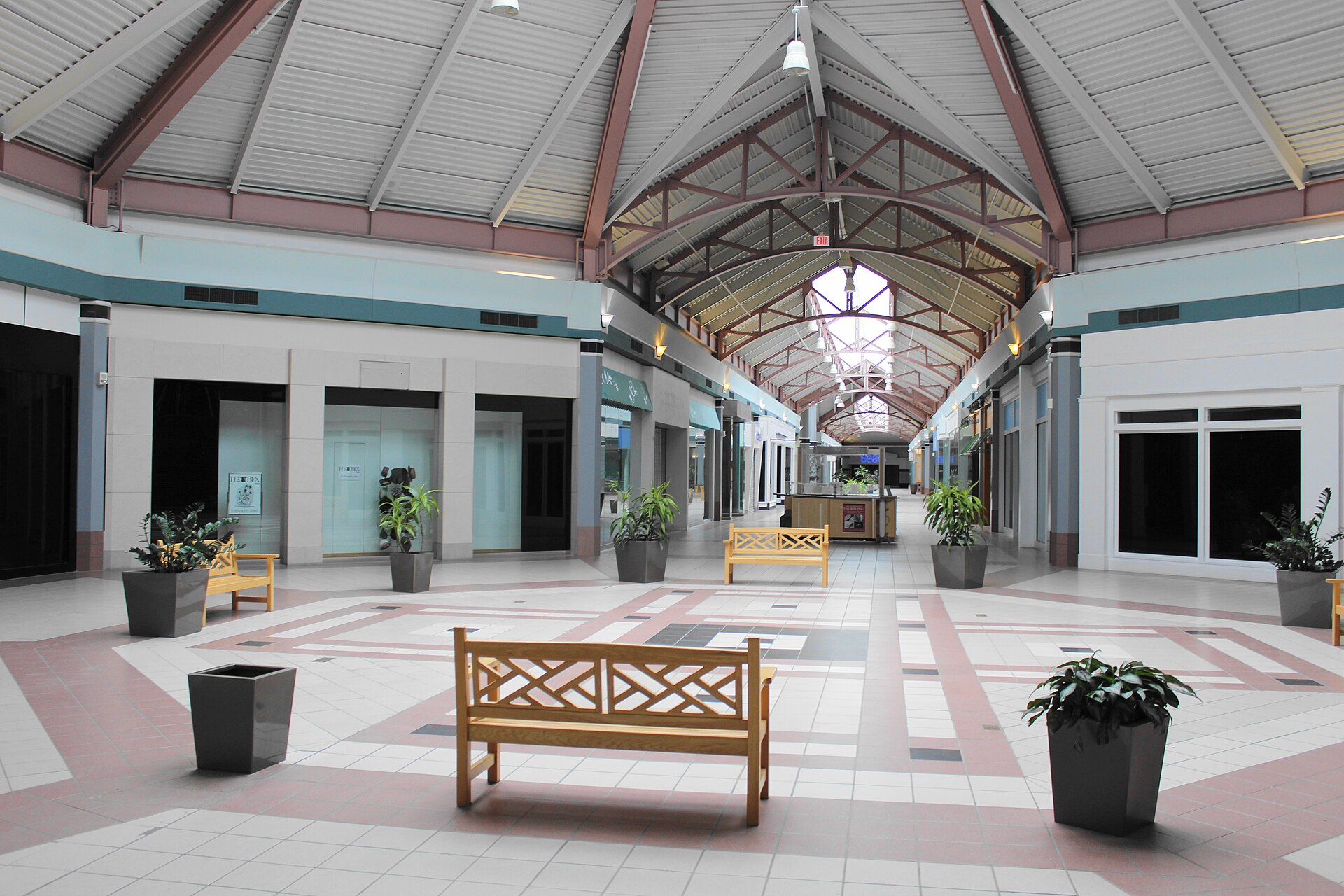
The story does not always end in decay. Across the country, communities and developers are grappling with what to do with these vast, empty structures, and some are finding creative second lives for them. Dead malls have been redeveloped into a remarkable variety of new uses: apartments and mixed-use communities, office space, medical centers, churches, schools, distribution warehouses for the very online retailers that helped kill them, and entertainment or community hubs.
Others are demolished to make way for entirely new development, while some simply sit, awaiting a future that may never come. The reinvention of dead malls reflects a broader rethinking of how communities use space in a changed retail landscape. Not every mall is doomed, either; some thriving malls have adapted by emphasizing experiences, dining, and entertainment over traditional retail. But for the hundreds that have died or are dying, the question of what comes next remains very much open.
The Communities Left Behind
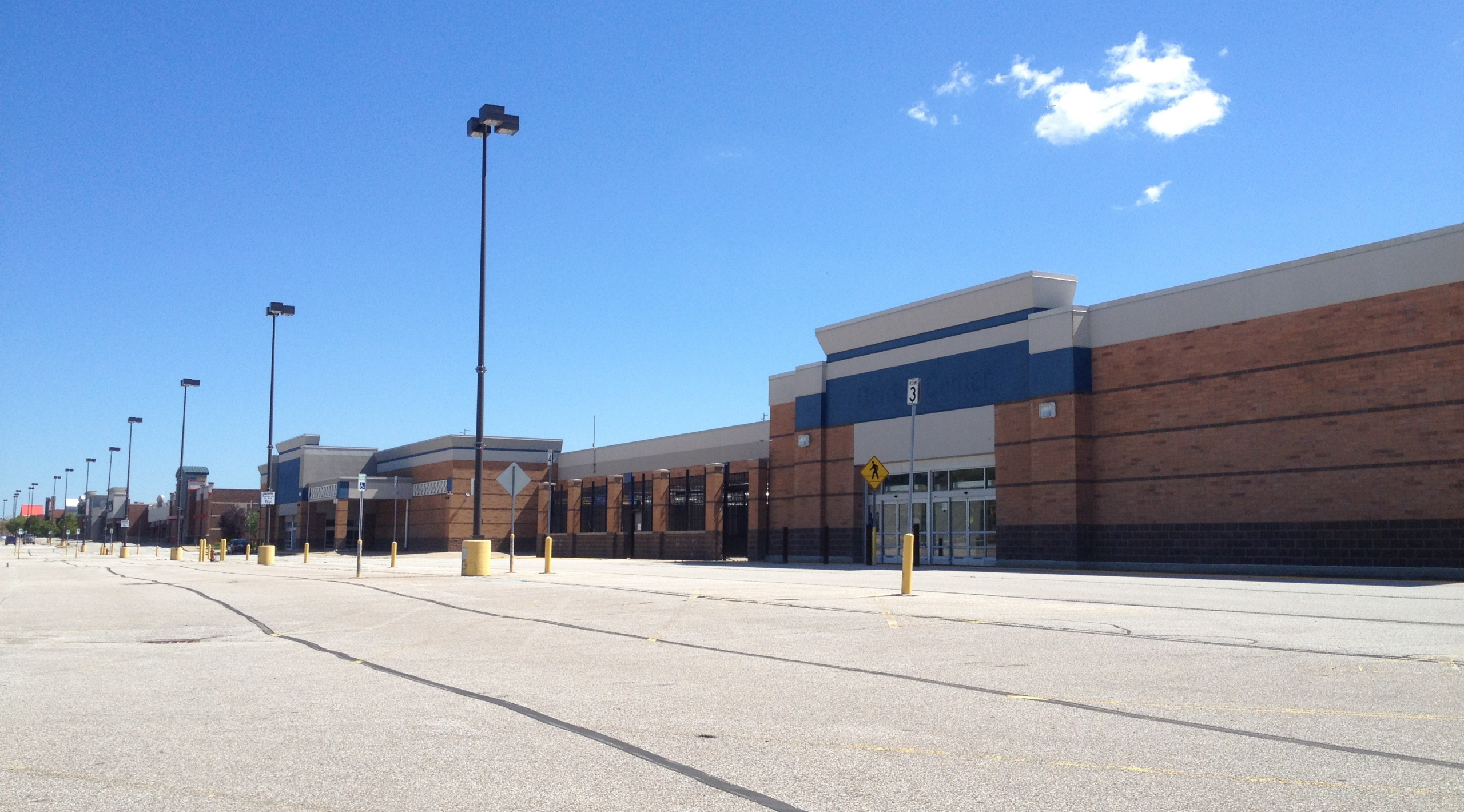
When a mall dies, the consequences ripple far beyond the empty building itself. For many towns and suburbs, the mall was not just a place to shop but a major employer, a tax base, and the closest thing to a town center. Its collapse can leave a genuine hole in a community, both economically and socially, with lost jobs, reduced local revenue, and the disappearance of a key gathering place.
For teenagers especially, the loss of the mall removed one of the few indoor public spaces where young people could gather freely without spending much money. The decline of these communal spaces has prompted broader conversations about where people now come together in an age of online shopping and digital socializing. The dead mall, in this sense, is not just an architectural ruin but a symbol of changing community life, raising real questions about what replaces the shared physical spaces that once anchored so many American towns.
The Haunting Legacy of the American Mall
The dead mall endures as one of the most evocative symbols of changing America, a place that captures a vanished era of commerce, community, and optimism. For those who grew up spending weekends wandering bright, crowded corridors, the sight of those same spaces silent and decaying carries a genuine emotional weight, a reminder of how quickly the familiar landmarks of a life can fade.
These ruins are worth contemplating not just for their eerie beauty but for what they tell us about how we live now. The mall died because we changed, because we shop, gather, and spend our time differently than we did a generation ago. The dead malls scattered across America stand as monuments to that transformation, hollow palaces that once held the center of suburban life and now hold only echoes and dust. They are a reminder that even the most permanent-seeming fixtures of an era can become its ruins, and that the way we live is always, steadily, remaking the world around us. For anyone tempted to explore one, it is worth remembering that many are private property or genuinely unsafe, best appreciated through the images and memories they leave behind.
Like our content? Follow us for more.