

For kids growing up in the 1970s, earning your own money was a rite of passage and a source of real pride. Long before the digital age, children found countless hands-on ways to make a few dollars of their own, whether to buy candy and comic books, save up for a coveted toy, or simply enjoy the independence of having their own spending money. These early jobs and ventures taught responsibility, the value of work, and a bit of entrepreneurial spirit, and they were a normal part of childhood. Many of these classic money-making activities have since faded, changed by new rules, technology, and shifting attitudes about childhood. Here is a fond and nostalgic tour of the ways American kids earned their own money in the 1970s, and why so many of them have disappeared.
The Paper Route
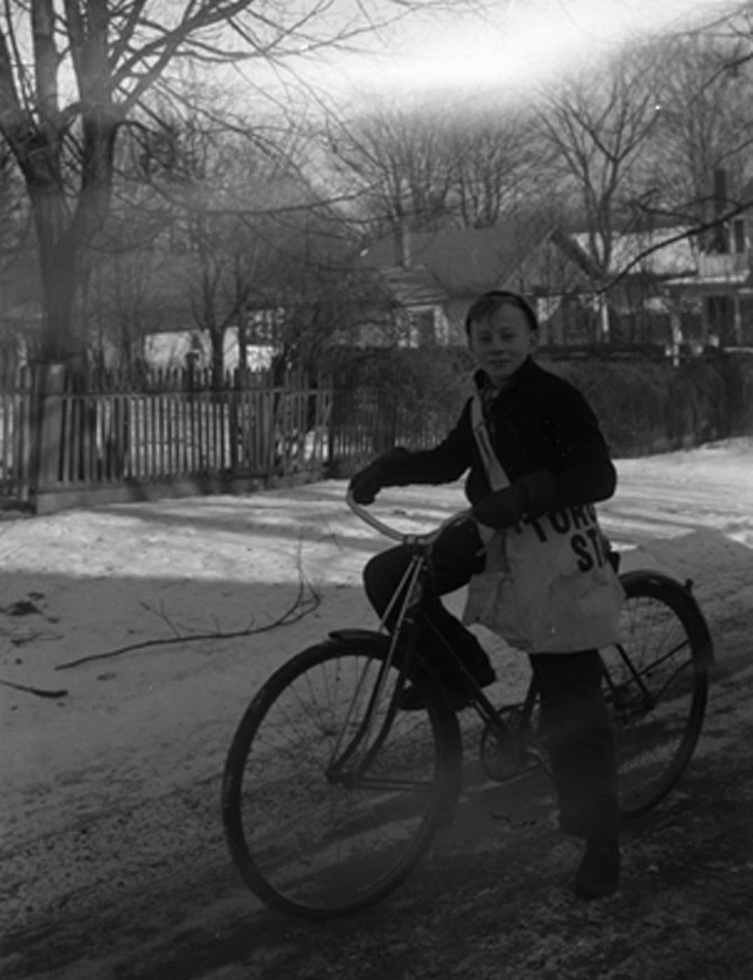
The classic kid job of the era was delivering newspapers. Countless children, often rising before dawn or heading out after school, took on paper routes, folding and bagging papers and delivering them to subscribers throughout the neighborhood by bicycle, with a canvas bag slung over the handlebars or shoulder.
The paper route was a real job with real responsibilities, including collecting payment from customers, which taught kids about money, reliability, and dealing with people. It was often a child’s first taste of regular employment and independence. As newspaper readership declined and adult drivers took over deliveries for efficiency and safety reasons, the childhood paper route has all but disappeared. For a whole generation, though, the early-morning paper route was a formative first job and a defining memory of growing up.
Like our content? Follow us for more.
The Lemonade Stand
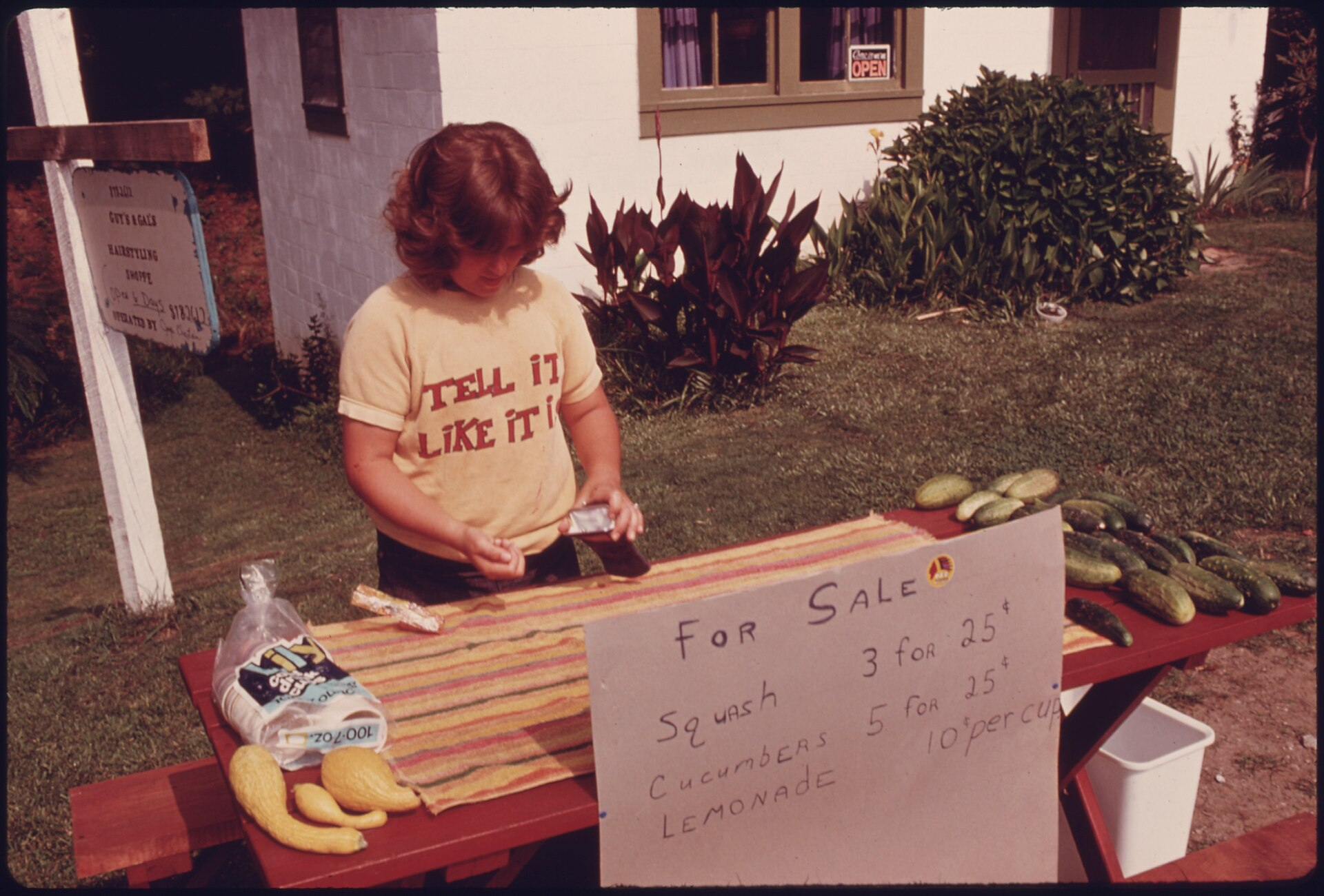
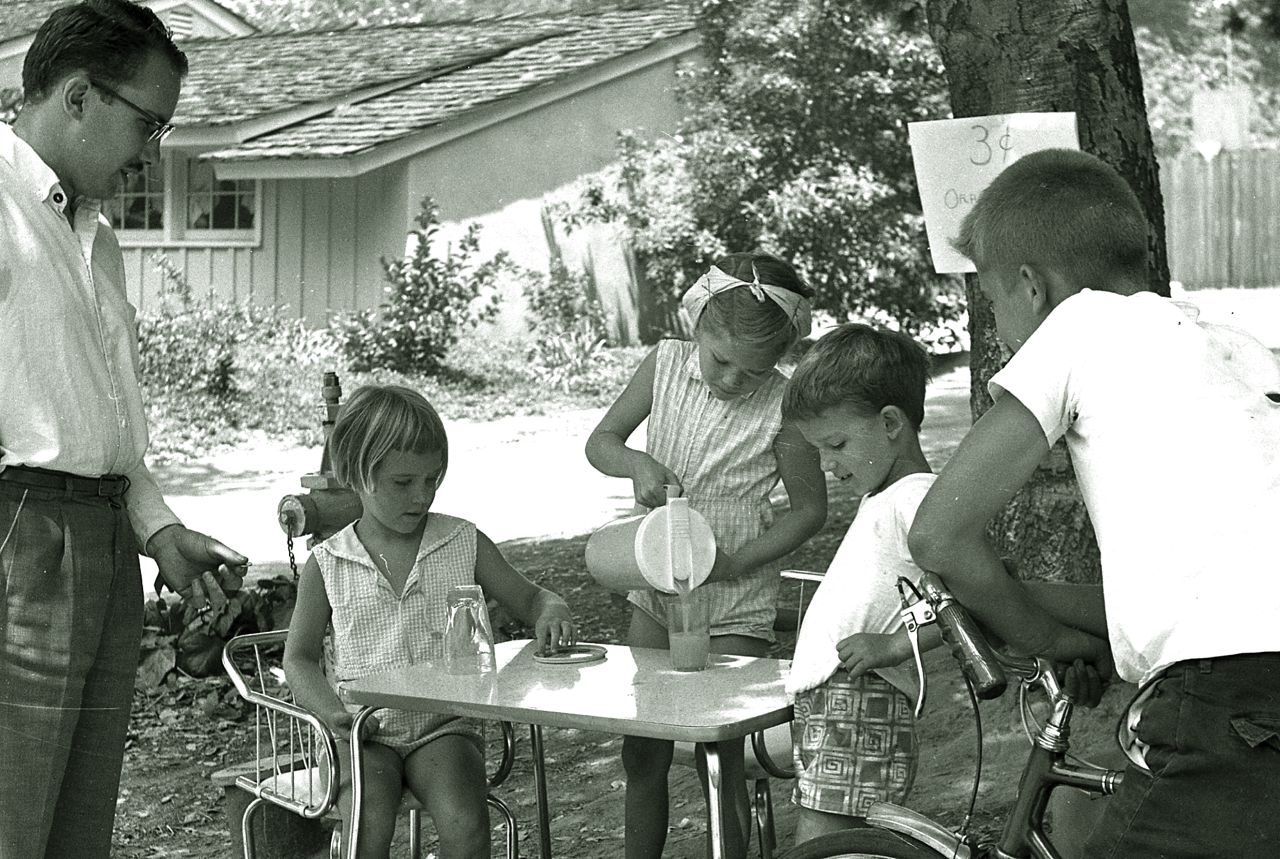
Perhaps the most iconic symbol of childhood enterprise, the lemonade stand was a beloved summer tradition. Kids would set up a simple table on the sidewalk or at the end of the driveway, mix up a pitcher of lemonade, make a hand-lettered sign, and sell cups to passersby and neighbors for a few cents each.
The lemonade stand was a child’s first taste of running a business, complete with the thrill of making a sale and counting up the earnings at the end of the day. It taught basic lessons about money, customers, and effort. While lemonade stands have not vanished entirely, they have become less common and, in some places, more complicated by regulations. The simple, spontaneous childhood lemonade stand, set up on a whim on a summer afternoon, remains a cherished symbol of youthful enterprise and a warm memory of simpler times.
Mowing Lawns and Yard Work
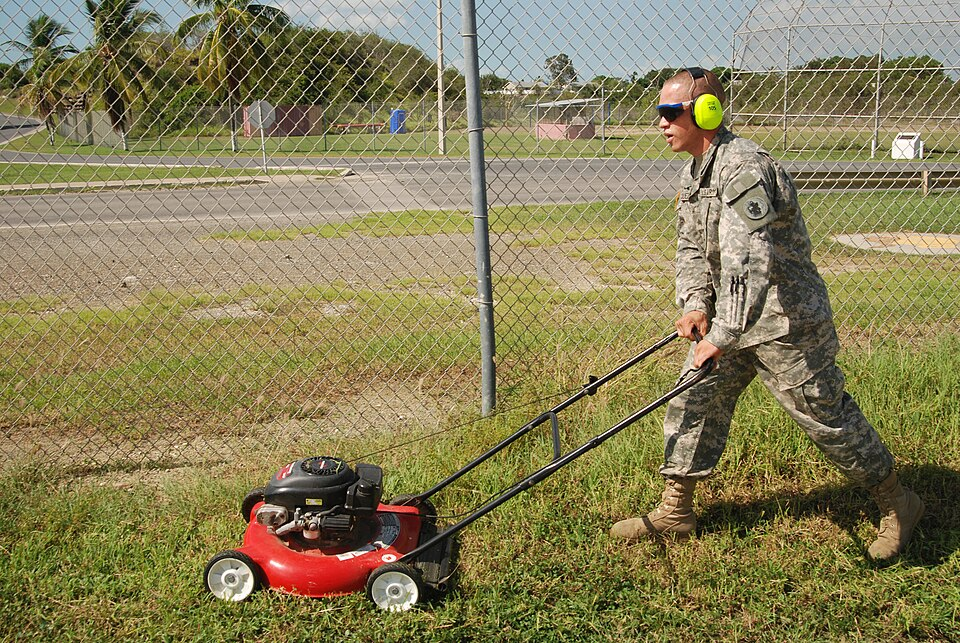
For slightly older kids, especially in the suburbs, mowing lawns was a reliable way to earn money. A kid with access to a lawn mower could line up several neighbors’ yards, spending summer days cutting grass, raking leaves in the fall, and shoveling snow in the winter for a fee.
This kind of seasonal work taught responsibility and the connection between effort and reward, and an industrious kid could build up a steady list of regular customers. It was honest, physical work that put real money in a young person’s pocket. While some teens still do yard work for neighbors, the widespread culture of kids running their own little lawn-care operations has diminished as professional services took over and neighborhood dynamics changed. For many who grew up then, mowing lawns was a first real source of independent income.
Collecting Bottles for the Deposit

A uniquely period way to earn money was collecting glass bottles to redeem for their deposit. Many bottles carried a small refundable deposit, so kids would scour parks, roadsides, and trash cans for discarded bottles, then haul them to the store to collect a few cents each, which added up over time.
This bottle-collecting was a resourceful way for kids to earn pocket money while cleaning up the neighborhood in the process. Finding a stash of returnable bottles felt like discovering treasure. As beverage packaging shifted and deposit systems changed over the years, this particular money-making activity faded in many areas. The image of a kid hauling a wagon full of glass bottles to the store to cash them in is a distinctly nostalgic one, a small enterprise born of the era’s particular customs.
Babysitting

For many young people, especially older kids and teens, babysitting was a primary way to earn money. Watching the neighbors’ children for an evening while the parents went out was a common and trusted arrangement, and a reliable babysitter could stay busy, particularly on weekends.
Babysitting taught responsibility, patience, and care, and it was a significant source of income for many teenagers of the era. Arrangements were usually informal, made between neighbors and families who knew each other well, with the babysitter often becoming a beloved fixture for the kids in their care. While babysitting certainly continues today, the informal, neighborhood-based system of the era has been partly reshaped by changing customs and more cautious attitudes. For many, babysitting was a defining first job and a meaningful early responsibility.
Odd Jobs and Errands for Neighbors
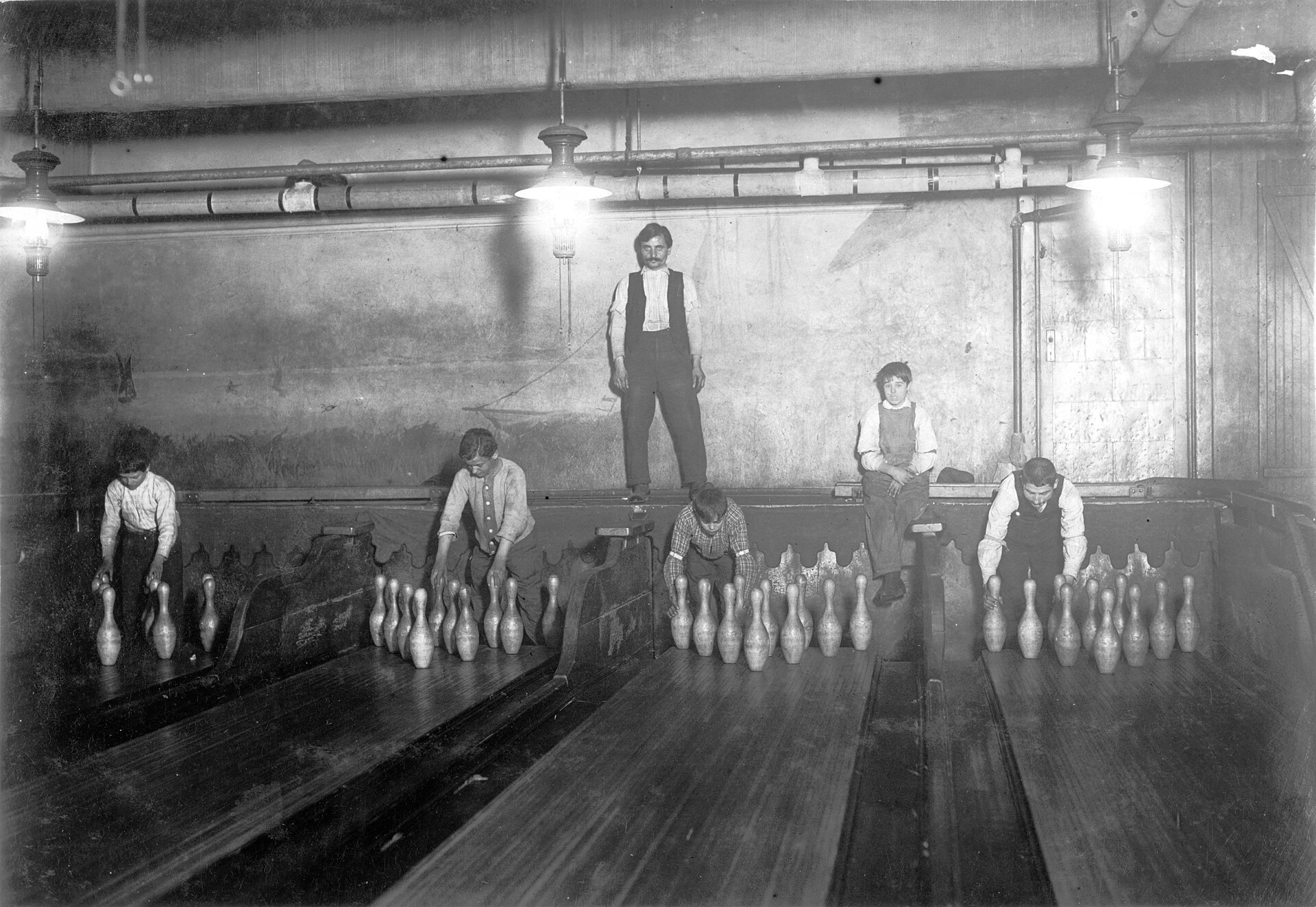
The 1970s kid was often an enterprising jack-of-all-trades, taking on odd jobs around the neighborhood. This might include walking dogs, washing cars, weeding gardens, running errands for elderly neighbors, carrying groceries, or any number of small tasks for a bit of money.
In tight-knit neighborhoods where families knew one another, kids could readily find adults willing to pay a little for help with chores and errands. This taught initiative, social skills, and a strong work ethic, and it connected children to their communities. As neighborhoods became less tight-knit in some places and attitudes shifted, the casual culture of kids going door to door offering to help has diminished. The resourceful neighborhood kid, always looking for a small job to earn a few dollars, is a fond memory of the era.
Returning Carts, Bagging, and First Real Jobs
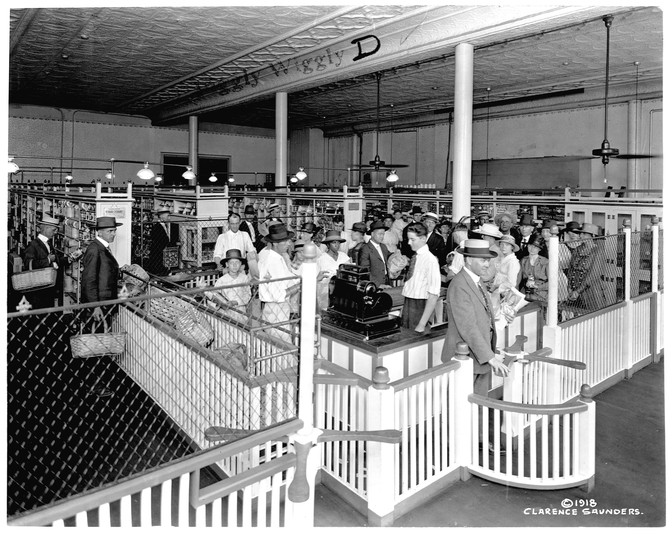
As kids grew into their teens, they often graduated to more formal first jobs. Bagging groceries, working as a soda jerk or counter help, returning shopping carts, washing dishes, or taking a position at a local shop, restaurant, or movie theater provided steadier income and a step toward adulthood.
These early jobs at local businesses were common rites of passage, teaching teens about work, responsibility, and managing their own earnings. Often the local hangouts and shops were staffed by neighborhood teenagers everyone knew. While teen jobs certainly still exist, the landscape has changed, and some traditional roles have faded with automation and shifting business models. For generations of Americans, that first paycheck from a local job was a proud milestone and a cherished part of growing up.
Why These Ways of Earning Have Faded

The decline of these classic childhood money-makers reflects a mix of changes in technology, rules, safety attitudes, and the structure of daily life. Automated services replaced kid-run tasks like paper routes and lawn care; changing beverage systems ended widespread bottle redemption; and more cautious, scheduled approaches to childhood reduced the unsupervised, entrepreneurial wandering that many of these activities required.
Broader shifts in childhood itself played a role, as kids’ time became more structured and supervised, and as the tight-knit neighborhood networks that supported odd jobs and babysitting changed. None of this means children no longer earn money, of course, but the specific hands-on, neighborhood-based ways of the 1970s have largely given way to different arrangements. For those who delivered papers at dawn, ran a lemonade stand, or hauled bottles to the store, these vanished ventures evoke warm memories of early independence and the simple pride of earning your own money, a formative part of growing up that looks very different today.
Like our content? Follow us for more.
