The 1960s and ’70s were a golden age of the dance craze, when a new step could sweep the nation and turn up at every party, wedding, and school dance overnight. Many of these dances had simple, catchy moves that anyone could pick up, often inspired by a hit song and spread by television. They got everyone, young and old, out on the floor together. Looking back at them brings back the music, the moves, and the pure fun of those eras. Here are twelve dances everyone seemed to do at American parties in the 1960s and ’70s, counted down one by one. See how many you remember.
1. The Twist
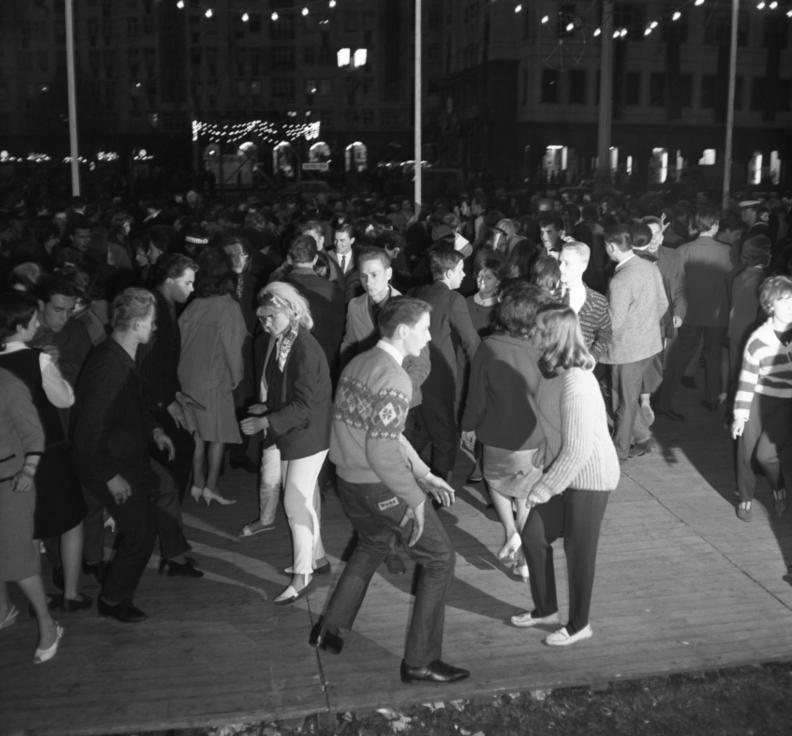
The dance that started it all, the Twist had everyone swiveling their hips as if drying off with a towel. It was a national sensation.
The Twist exploded in the early 1960s and became the dance craze that launched a thousand others. Its move was simple and irresistible: swivel your hips and feet as though grinding out a cigarette while toweling your back. Crucially, it required no partner, freeing dancers to do their own thing. From teenagers to grandparents, everyone twisted. The Twist is the most iconic dance craze of the era, the one that kicked off a whole decade of do-it-yourself dance fads and got all of America moving.
Like our content? Follow us for more.
2. The Mashed Potato
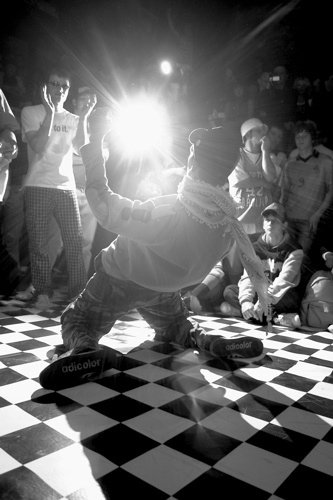
This goofy, fun dance had people twisting their feet as if mashing potatoes underfoot. It was pure playful energy.
Following the Twist’s lead, the Mashed Potato had dancers swiveling their heels in and out, as if squishing potatoes with their feet, while moving backward across the floor. The silly, energetic move was easy to learn and impossible to do with a straight face. It was a staple of early-’60s parties and TV dance shows. The Mashed Potato is a beloved, lighthearted dance craze of the era, remembered for its goofy charm and the way it got everyone laughing and moving on the dance floor.
3. The Twist’s Cousin, the Swim
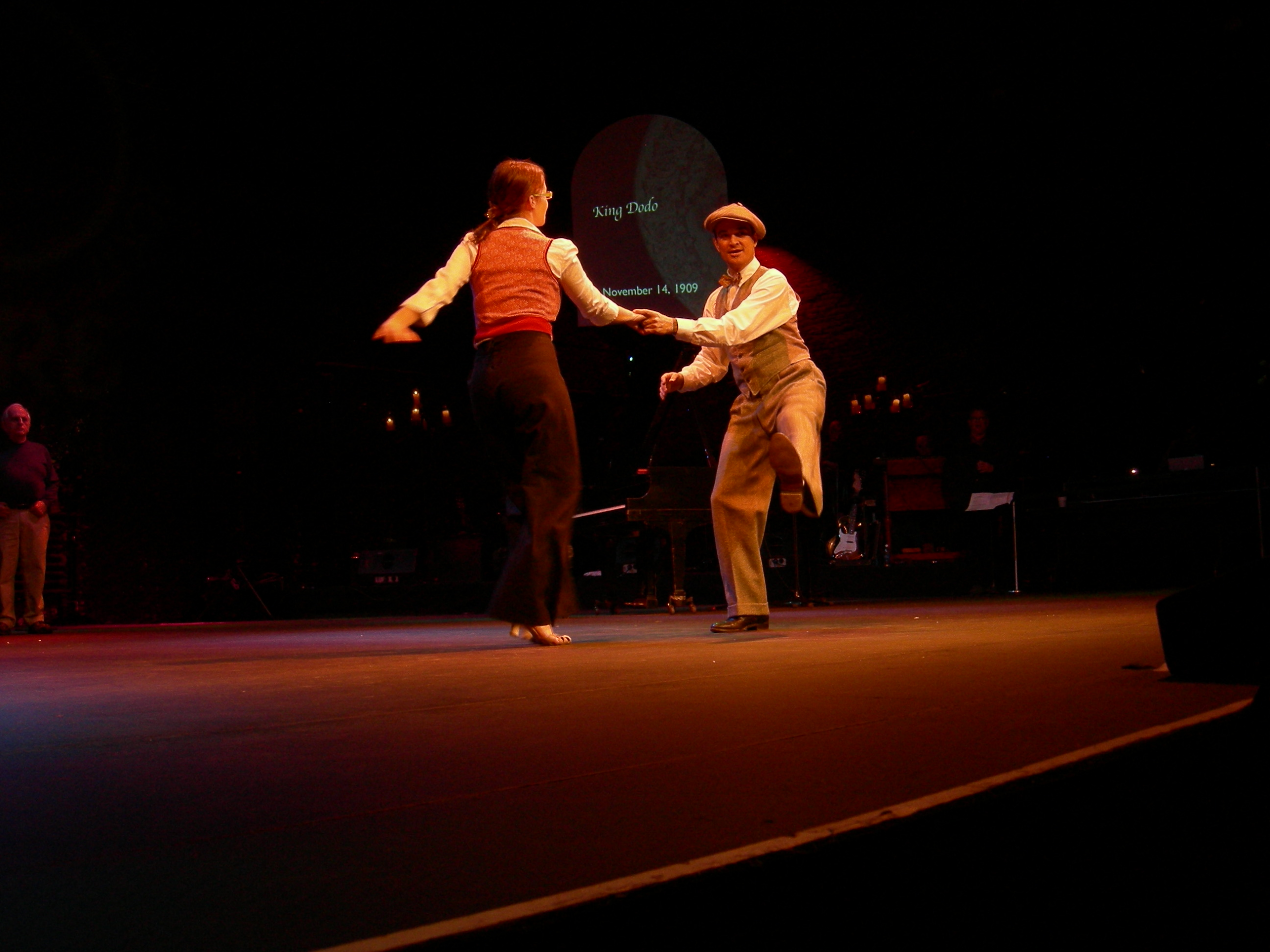
The Swim let dancers mime swimming strokes, holding the nose and “diving” for laughs. It turned the dance floor into a pool.
The Swim was one of the era’s playful “mime” dances, where dancers acted out swimming, doing the front crawl with their arms, treading water, and even pinching the nose to “dive” underwater. It was all about fun and exaggeration, requiring no skill, just a sense of humor. Like other crazes, it spread through music and television. The Swim is a delightfully silly dance of the era, remembered for turning party floors into imaginary swimming pools full of laughing dancers.
4. The Jerk
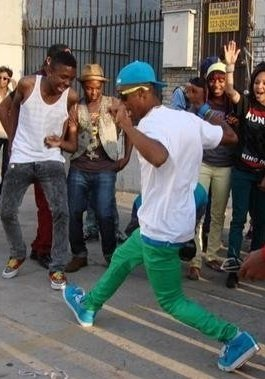
The Jerk had dancers throwing their arms and bodies in a sharp, rhythmic motion. It was cool, loose, and easy to pick up.
The Jerk was a popular mid-’60s dance built around a loose, rhythmic throwing motion of the arms and upper body in time with the beat. Cool and casual, it could be done solo and dressed up with personal style. It featured prominently on the era’s televised dance programs. The Jerk is a classic ’60s dance craze, remembered for its relaxed, rhythmic moves that let dancers express themselves while keeping things simple enough for anyone to join in.
5. The Watusi
A high-energy dance of fast footwork and waving arms, the Watusi got the whole floor moving. It demanded enthusiasm more than skill.
The Watusi was an upbeat, energetic dance of the 1960s featuring quick steps in place and arms waving and gesturing above the head. Lively and freeing, it was another solo dance that anyone could throw themselves into with enthusiasm. It became a fixture at parties and on dance shows. The Watusi is a spirited dance craze of the era, remembered for its infectious energy and the way it invited everyone to wave their arms and let loose on the floor.
6. The Hully Gully
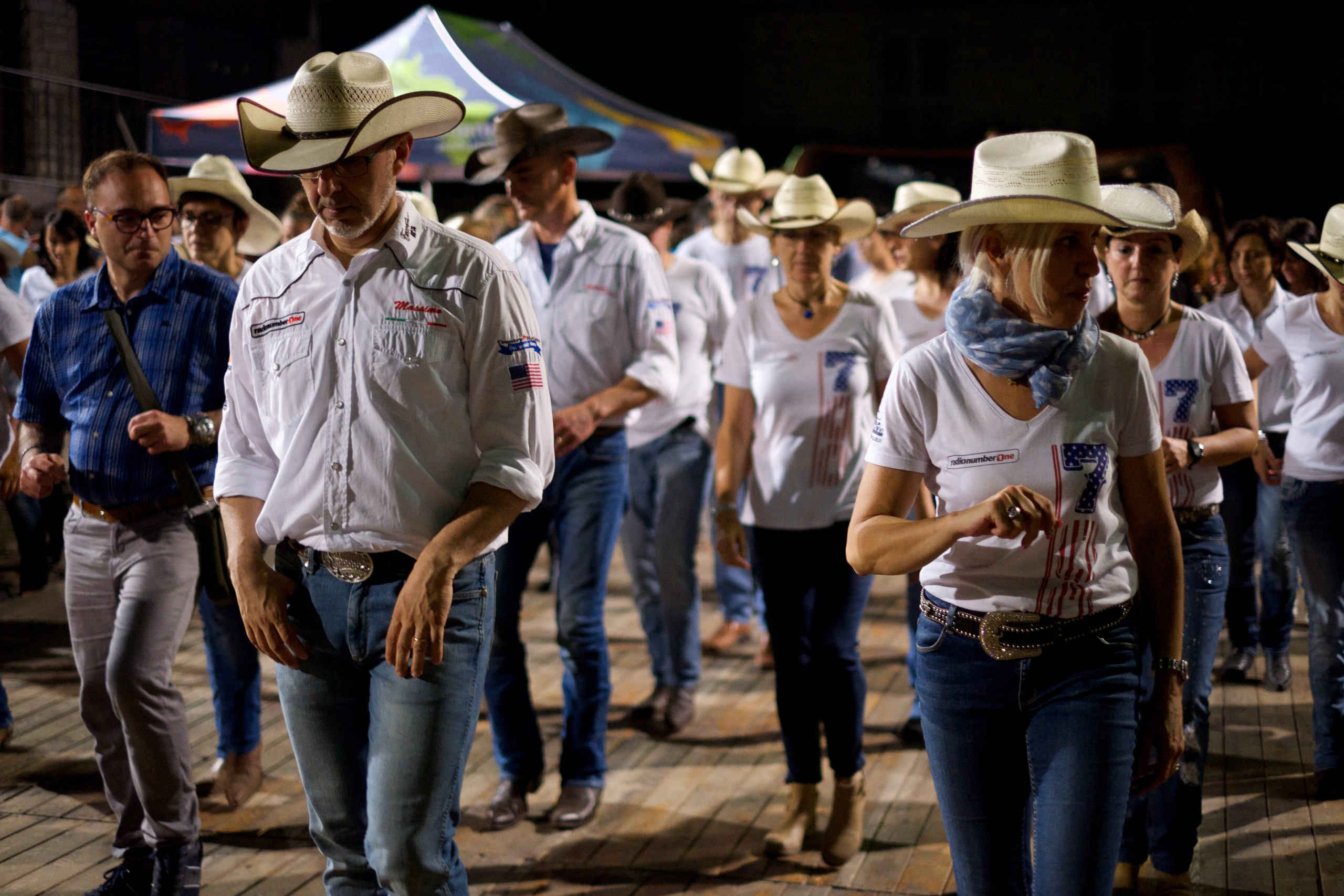
A line dance with simple called-out steps, the Hully Gully got groups moving in unison. Everyone could follow along.
The Hully Gully was an early line dance in which a group performed a series of simple steps together, sometimes following called-out instructions. Because everyone did the same easy moves at once, it was perfect for parties and group settings, building a fun sense of unison. It was popular through the early-to-mid ’60s. The Hully Gully is a charming group dance of the era, remembered as an early forerunner of the line dances that would keep crowds moving together for decades to come.
7. The Funky Chicken
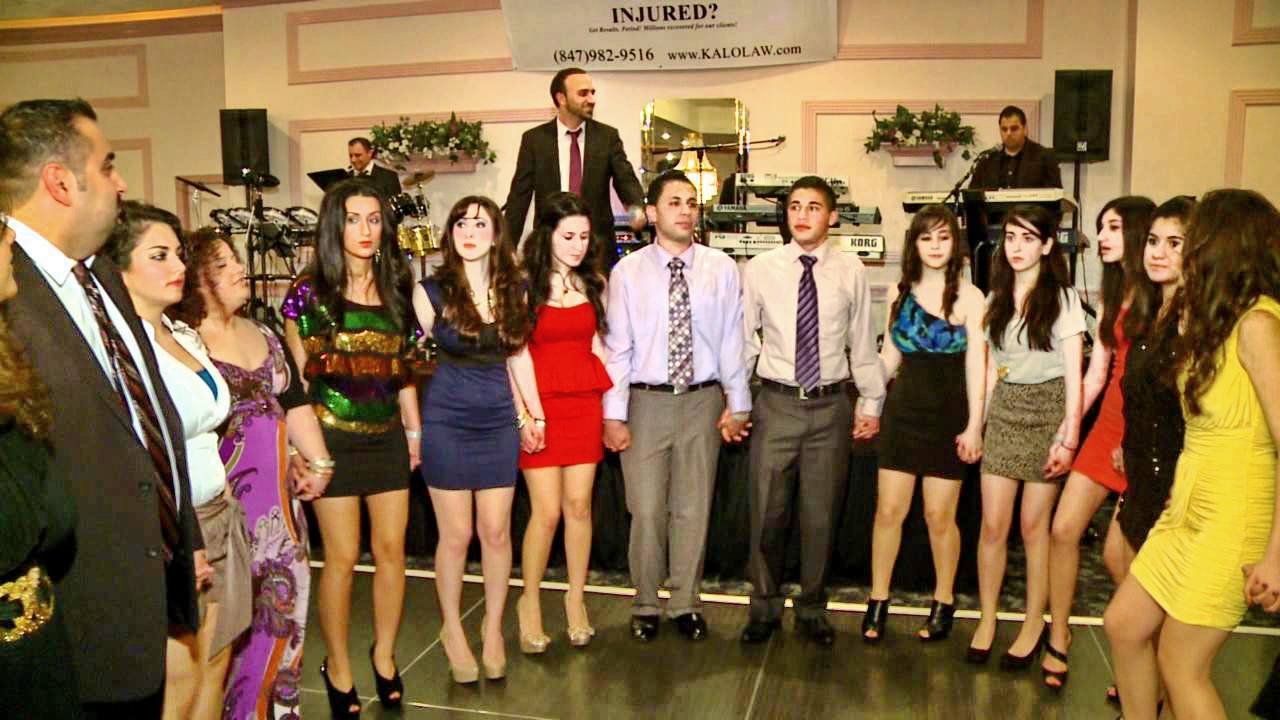
This comical dance had people flapping their arms like wings and strutting like a chicken. It was guaranteed party fun.
The Funky Chicken was a humorous dance that had people tucking their arms like wings and flapping them while strutting and bobbing like a barnyard chicken. Utterly silly and impossible to do without smiling, it was a hit at parties and a favorite for getting kids and adults alike out on the floor. The Funky Chicken is a wonderfully goofy dance craze remembered fondly from the era, the kind of move that turned any gathering into a flapping, laughing good time.
8. The Bump
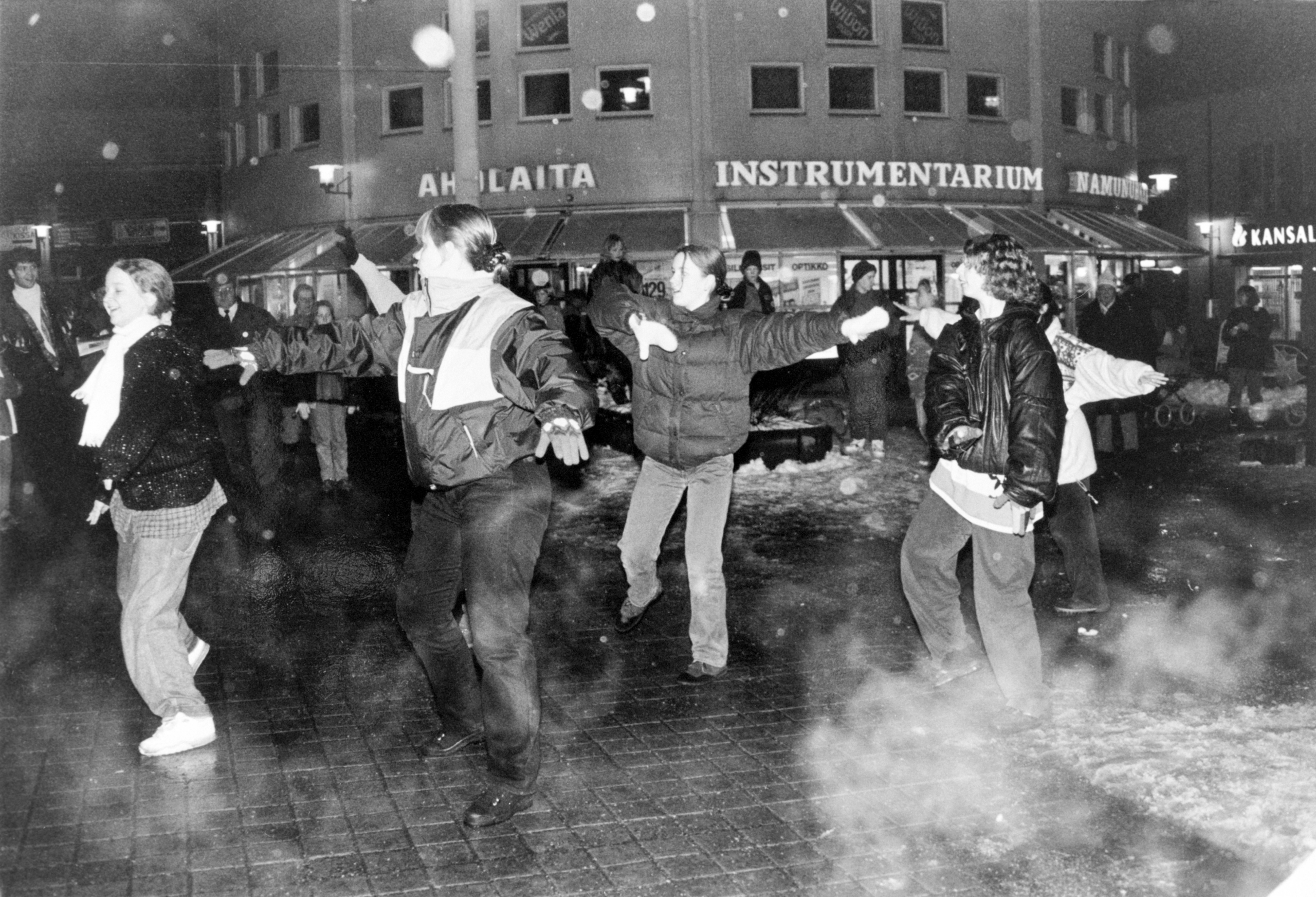
A partner dance where people bumped hips to the beat, the Bump was a playful ’70s favorite. It put a little contact into the fun.
The Bump arrived in the 1970s as a flirty, fun partner dance in which two people, well, bumped hips, and sometimes shoulders or backsides, together in time with the music. Simple and playful, it was a lighthearted staple of ’70s parties and discos. It needed no real skill, just rhythm and a partner game for a laugh. The Bump is a memorable disco-era dance, remembered for its playful contact and the easygoing fun it brought to the dance floors of the decade.
9. The Hustle
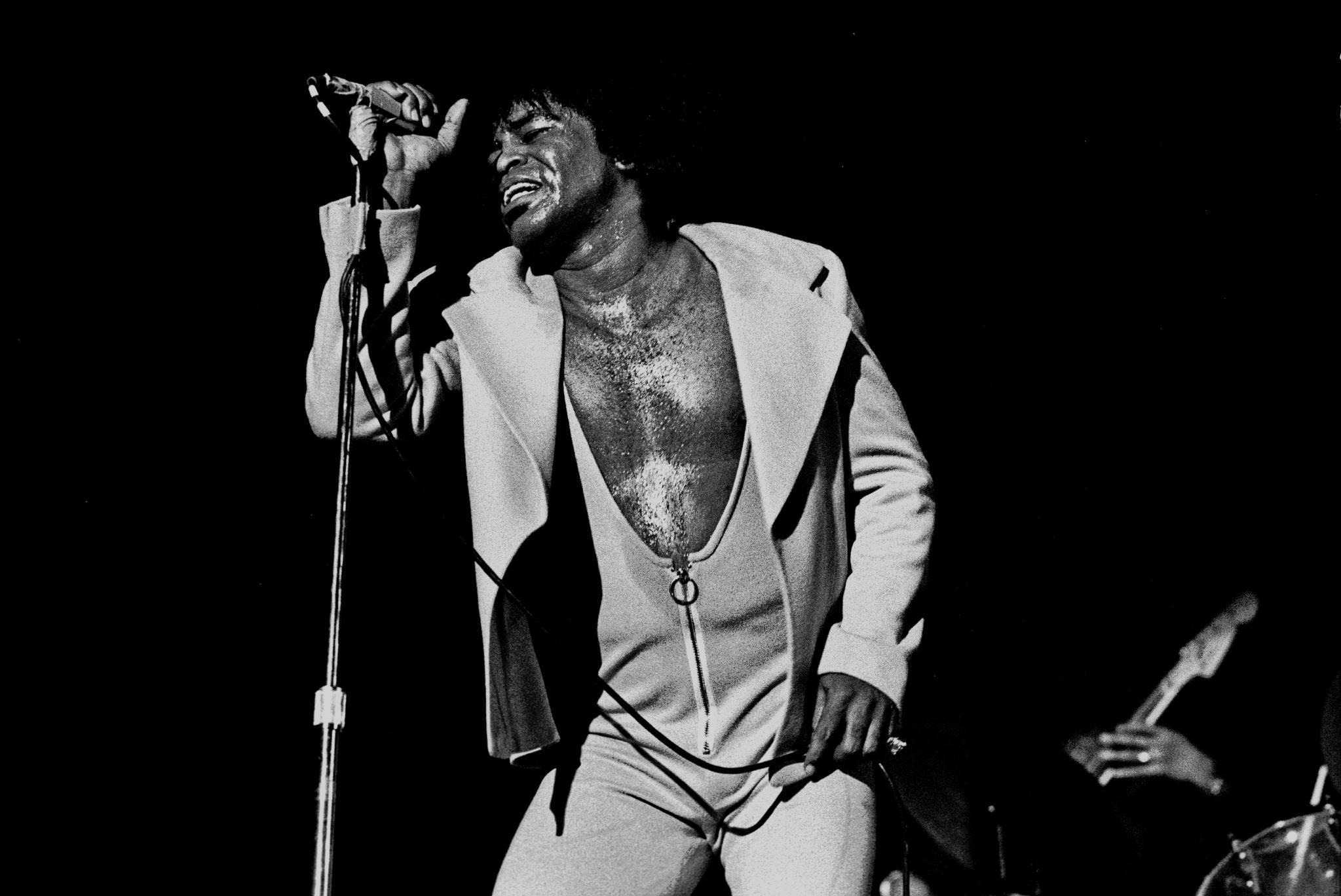
The signature disco dance, the Hustle brought structured steps and partner spins to the floor. It defined ’70s nightlife.
The Hustle was the defining dance of the disco era, a smoother, more structured dance with coordinated steps, turns, and partner work set to a driving beat. Versions ranged from simple line-dance forms anyone could follow to fancier partner routines with spins. It was the heartbeat of the ’70s dance club. The Hustle is the quintessential disco dance, remembered as the polished, stylish craze that filled dance floors and defined the glittering nightlife of the decade.
10. The Bus Stop
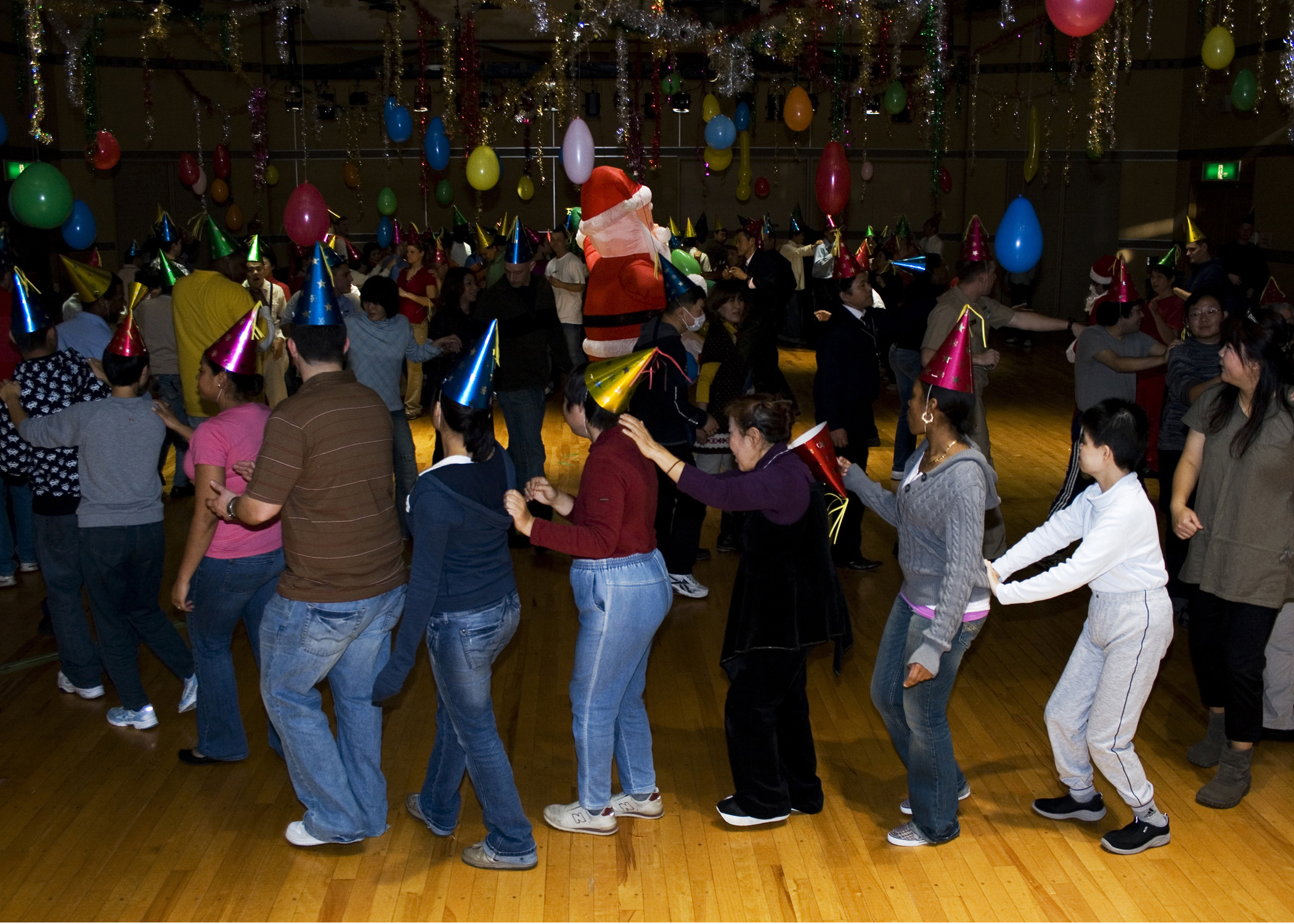
A popular line dance with grapevine steps and turns, the Bus Stop got groups moving as one. It was easy to learn and endlessly fun.
The Bus Stop was a beloved 1970s line dance built from grapevine steps, claps, and quarter-turns repeated in a sequence that the whole group performed together. Its simple, repeating pattern made it easy for anyone to join, and the synchronized moves were a crowd-pleaser at parties and weddings. The Bus Stop is a fondly remembered line dance of the disco era, remembered for getting entire rooms stepping, turning, and clapping in cheerful unison.
11. The YMCA
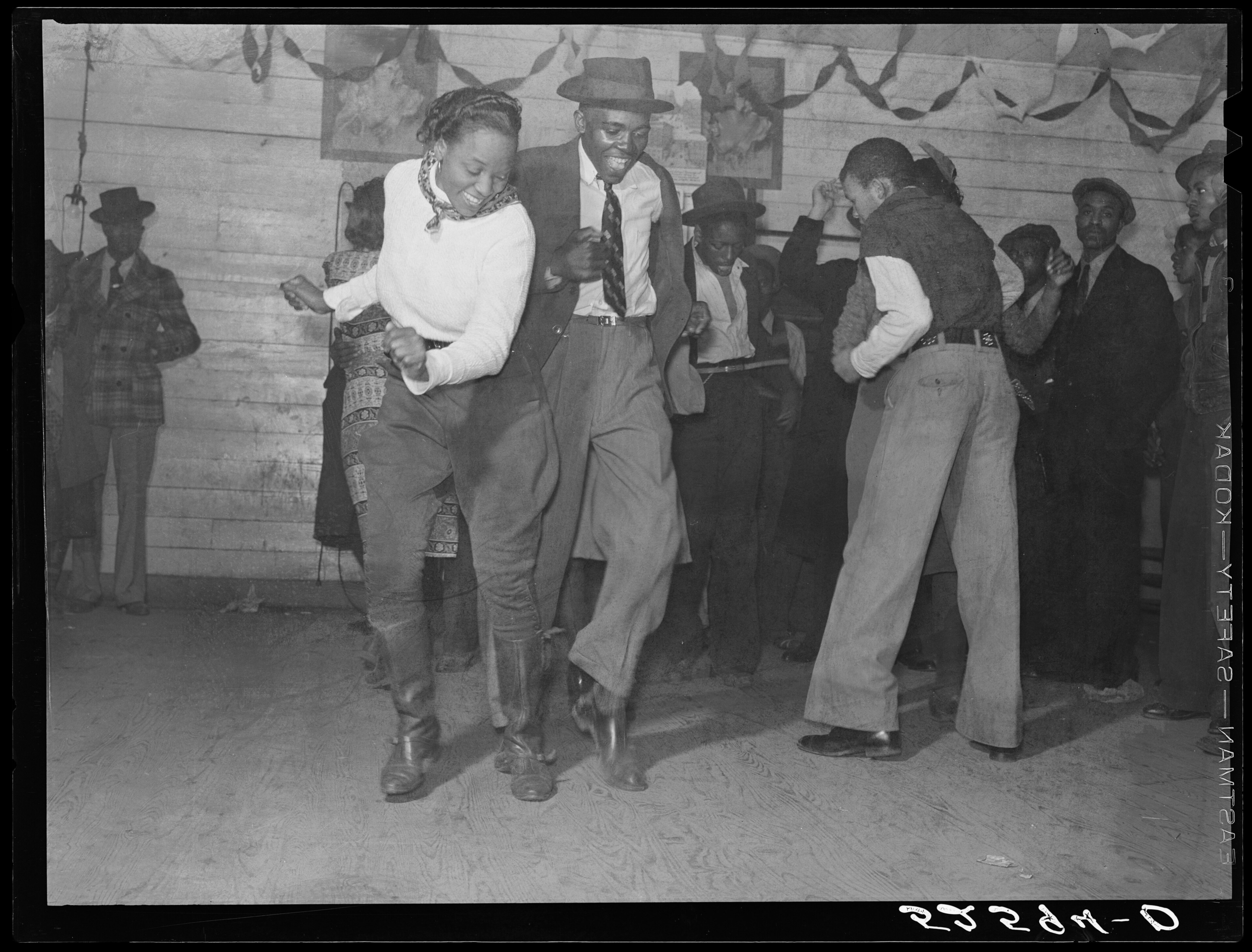
This crowd dance had everyone spelling out letters with their arms to a famous song. It packed every party and wedding.
One of the most enduring party dances to emerge from the late 1970s had everyone raising their arms to spell out four letters in time with its unmistakable anthem. Simple, participatory, and joyful, it got entire crowds, of all ages, on their feet doing the same motions together. It remains a wedding and party staple to this day. This arm-spelling crowd dance is one of the most beloved and lasting dances of the era, a guaranteed floor-filler that still gets everyone joining in.
12. The Bump’s Heir, the Freestyle Disco
By the late ’70s, freestyle solo disco dancing let everyone show off their own moves. Individual flair ruled the floor.
As the disco era peaked, much of the dancing became freestyle, with individuals showing off their own moves, points, spins, and struts, under the lights and the mirror ball. Inspired by the era’s hit films and music, dancers developed personal styles and flair. It was self-expression set to a beat. This freestyle disco dancing rounds out the era’s dance scene, remembered for the confidence and individual style it celebrated, capping a decade and a half of crazes with pure, expressive fun.
Get Up and Dance
Taken together, these twelve dances capture the joyful, craze-driven dance culture of the 1960s and ’70s, from the hip-swiveling Twist to the disco-era Hustle. They were simple, fun, and contagious, sweeping the nation through hit songs and television and getting everyone, regardless of age or skill, out on the floor together.
Part of what made these dances so special was how participatory they were, designed for everyone to join in and have a good time, no lessons required. Many, like the arm-spelling party anthem and the line dances, are still pulled out at weddings and celebrations today, proving their staying power. Looking back at these crazes is a joyful reminder of an era when a catchy song and a simple step could get a whole country dancing. So go ahead, give one a try, the dance floor is calling.
Like our content? Follow us for more.