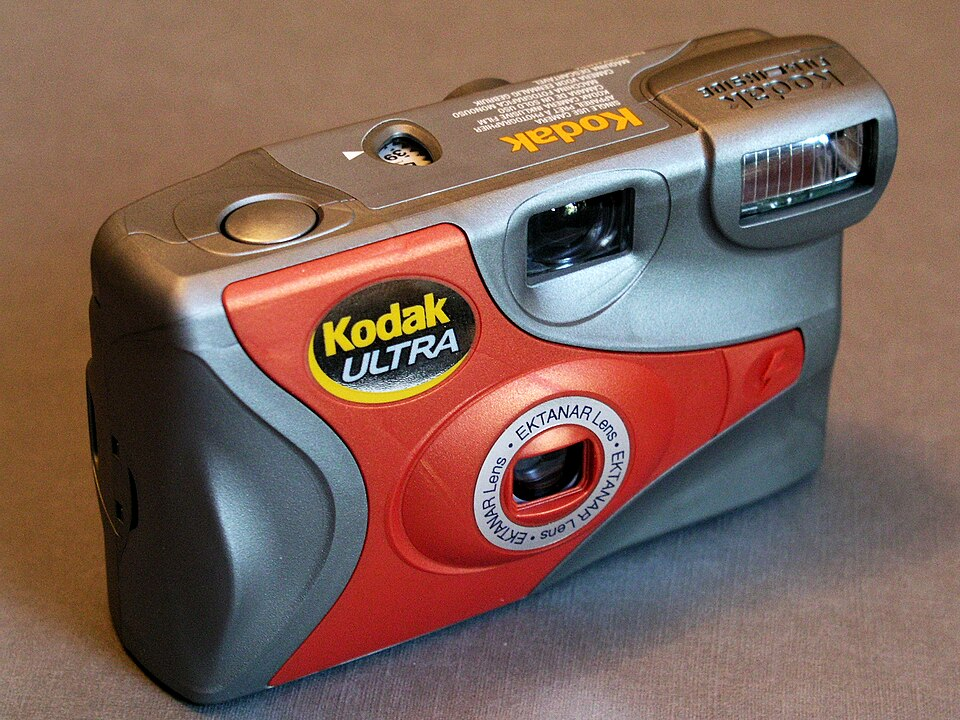
Before every phone had a camera capable of instant, unlimited photos, capturing a memory often meant reaching for a disposable camera, a cheap, single-use device loaded with a roll of film that turned every vacation, party, and birthday into a mystery waiting to be solved. You had a limited number of shots, no way to preview them, and days of waiting before you’d know if any actually turned out. That delayed gratification made every finished roll feel like an event. Here are ten things everyone remembers about disposable cameras and getting film developed, counted down one by one.
1. Grabbing One Off the Store Shelf
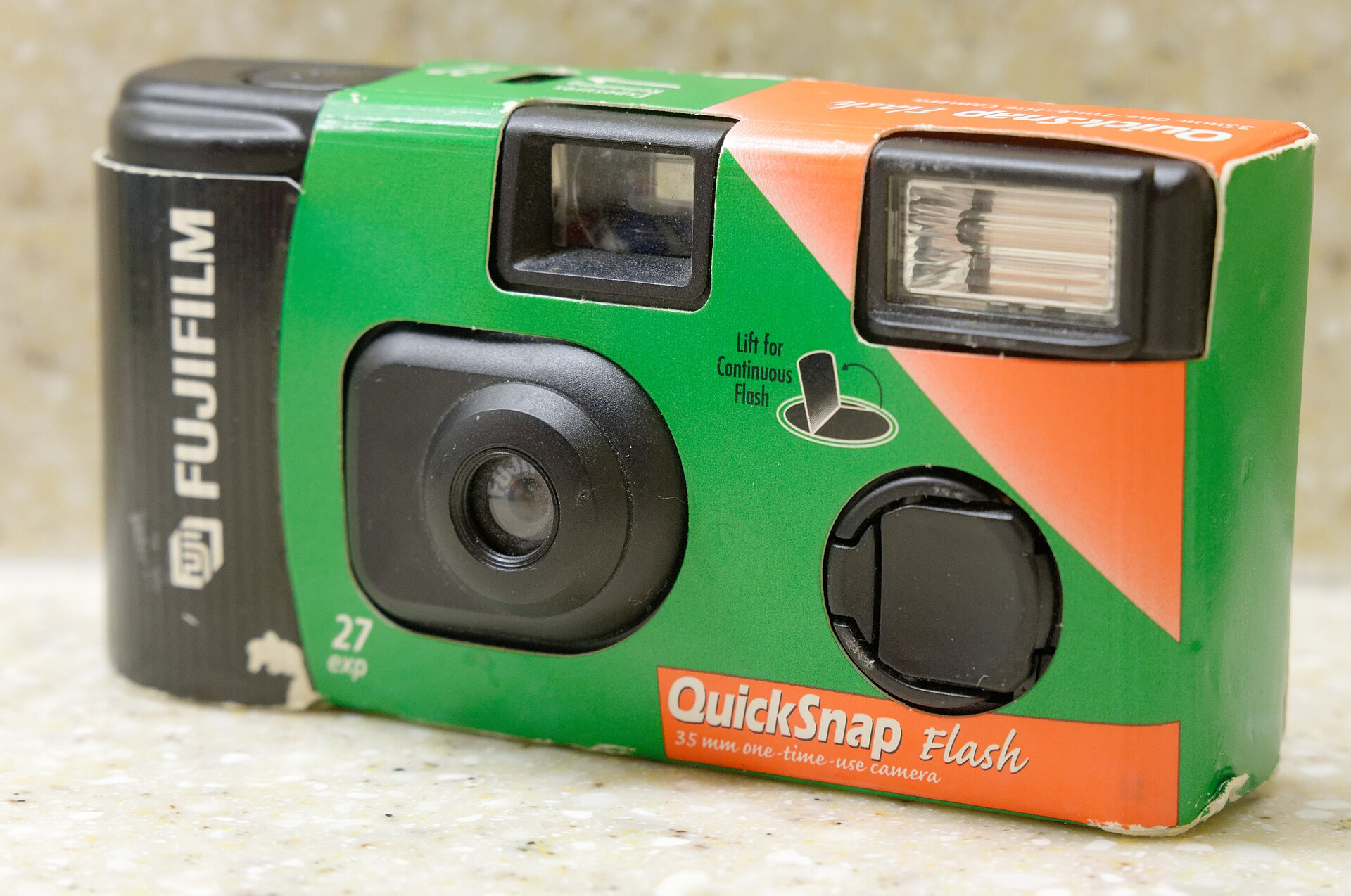
Disposable cameras sat near checkout counters. Grabbing one for an event was easy and cheap.
Disposable cameras were a familiar sight near checkout counters at drugstores and grocery stores, cheap, ready-to-use cameras you could grab on impulse before a party, vacation, or event where you didn’t want to bring your good camera. Picking one up felt like an easy, no-fuss way to make sure you’d have photos. It required zero setup. Grabbing one off the store shelf is a classic disposable-camera memory, the impulse purchase that made photography accessible for any occasion, a convenient, affordable option that anyone who wanted quick photo memories reached for without a second thought.
Like our content? Follow us for more.
2. The Simple Cardboard-and-Plastic Body
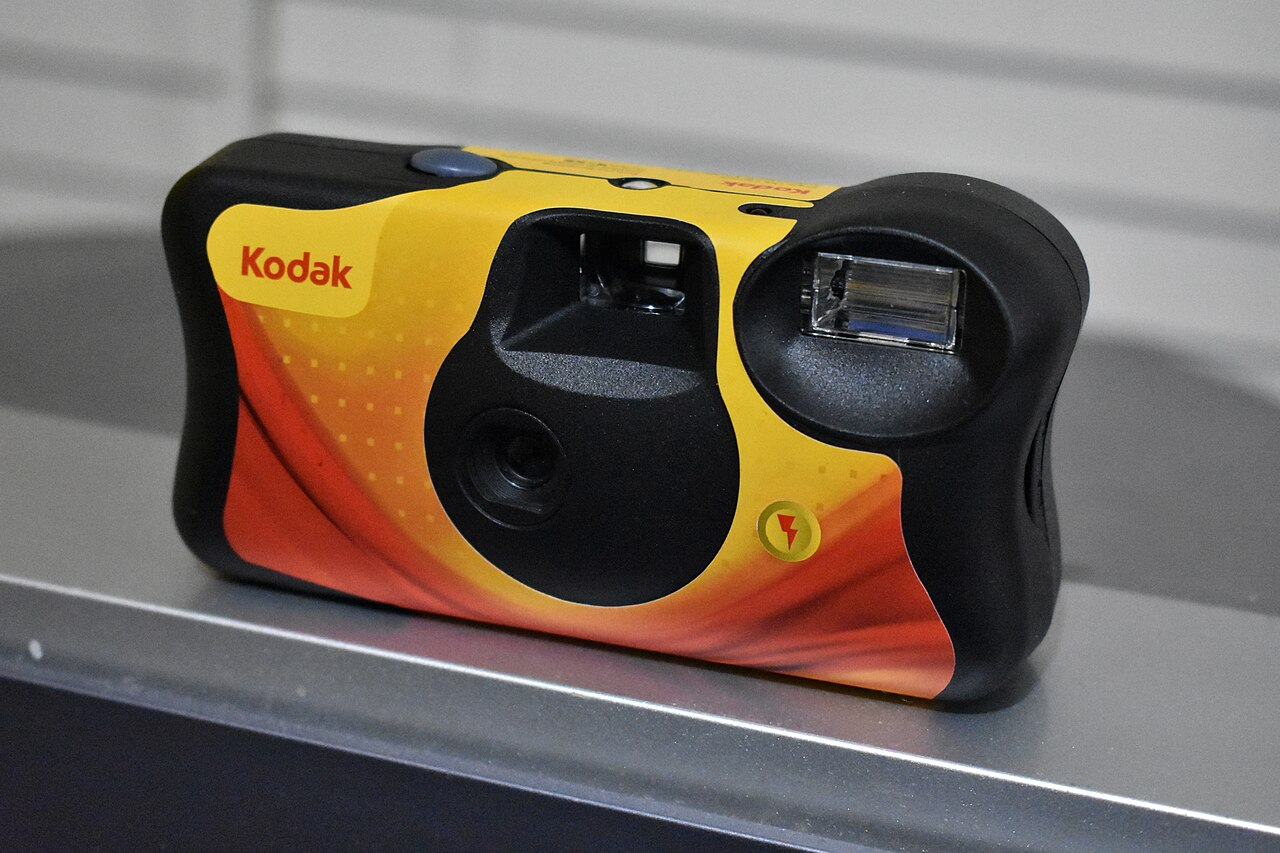
The camera itself was lightweight and basic. It had one job and did it simply.
The disposable camera itself was refreshingly simple, a lightweight cardboard-and-plastic body with a basic lens, a shutter button, and not much else. There were no settings to fuss with, no screen to check, just point and shoot. Its no-frills design was part of the appeal. The simple cardboard-and-plastic body is a defining feature of the disposable camera, the stripped-down, no-nonsense construction that made it approachable for absolutely anyone, a humble little device that asked nothing of you beyond aiming it in the right direction.
3. Winding the Film After Every Shot
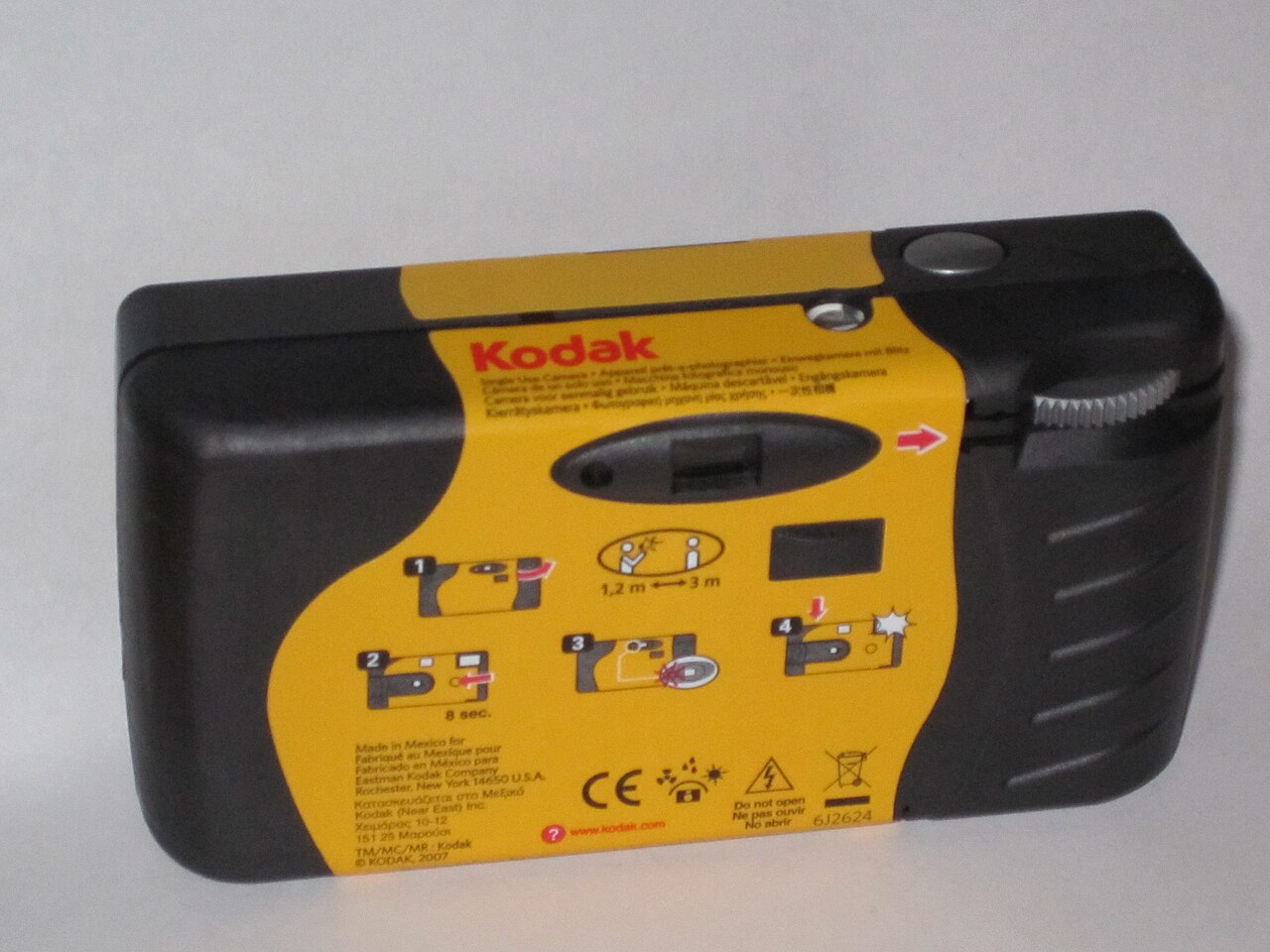
A small wheel advanced the film manually. Forgetting to wind meant a wasted shot.
After every photo, you had to manually wind the film forward using a small thumb wheel, feeling and hearing the mechanical click as it advanced to the next frame. Forgetting this step meant an accidental double exposure or a wasted shot. It became a quick, automatic habit. Winding the film after every shot is a distinctive disposable-camera ritual, the manual advancing motion that punctuated every photo taken, a small mechanical task that anyone who used one of these cameras remembers as an essential, if easily forgotten, part of the process.
4. Counting Down Your Limited Shots
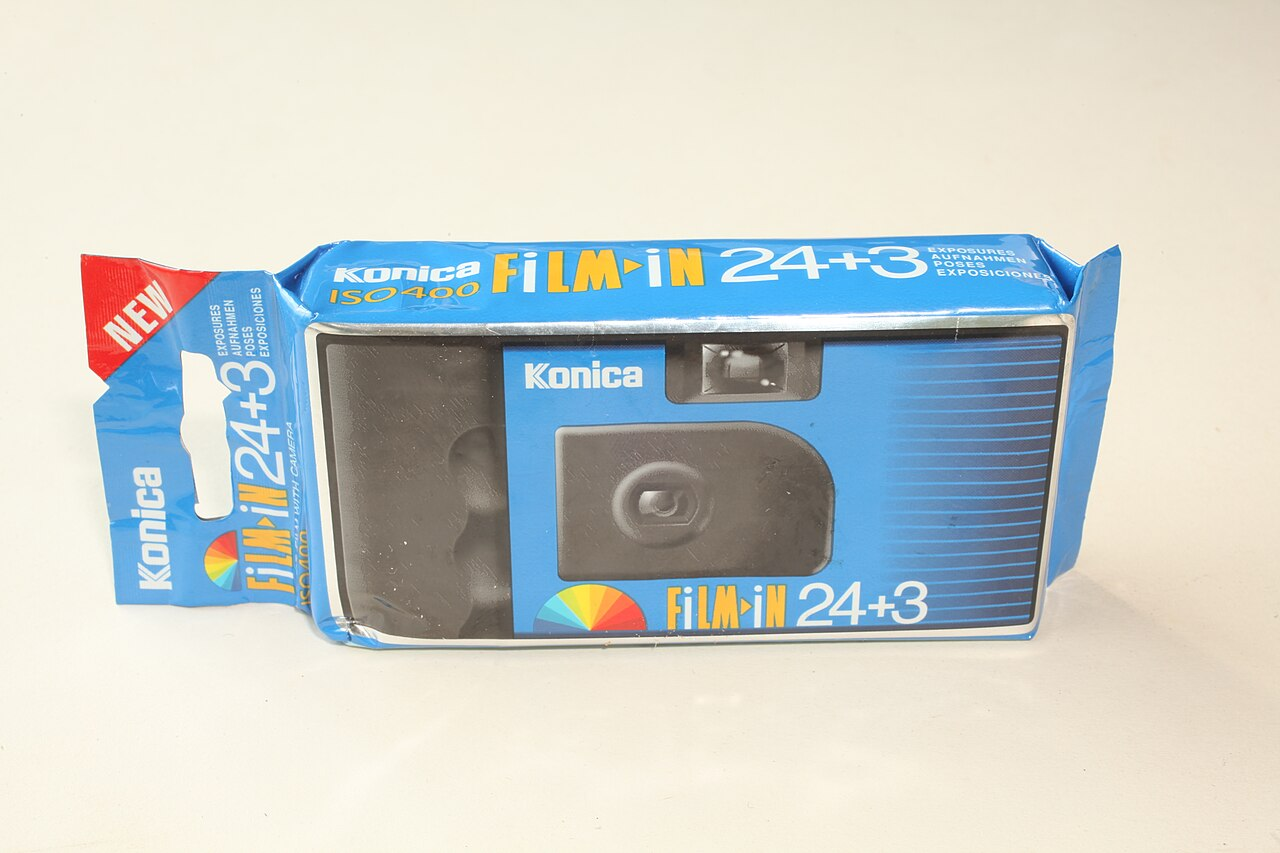
Each camera held a set number of exposures. You had to make every shot count.
A disposable camera typically held a set number of exposures, often around 24 or 27, and a small window displayed the countdown as you used them up. Knowing your shots were limited made you think twice before snapping a photo, saving them for moments that really mattered. Every click counted. Counting down your limited shots is a defining constraint of the disposable camera, the finite number of exposures that shaped how thoughtfully people photographed, a built-in discipline that stands in sharp contrast to the unlimited, consequence-free photos taken on smartphones today.
5. Not Knowing If the Photo Turned Out
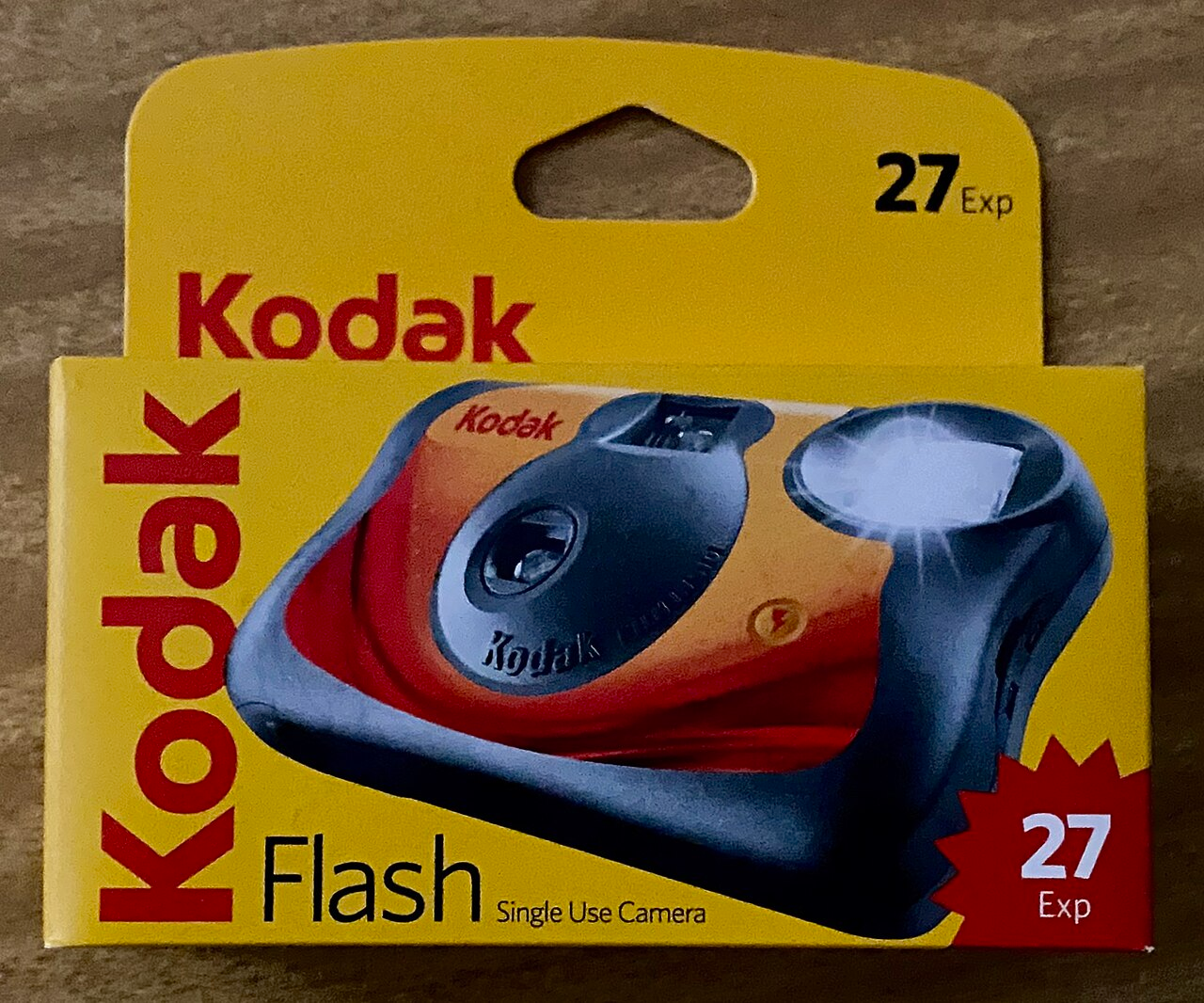
There was no screen to preview shots. You simply had to trust the camera.
With no digital screen to check your work, using a disposable camera meant snapping a photo and simply trusting it turned out well, no way to know if eyes were closed, the flash fired correctly, or the framing was right until the film was developed. That uncertainty was baked into the whole experience. It required a leap of faith with every shot. Not knowing if the photo turned out is a defining feature of disposable-camera photography, the total absence of instant feedback that made every picture a small gamble, a stark difference from the immediate review that digital photography made possible.
6. Dropping the Film Off to Be Developed
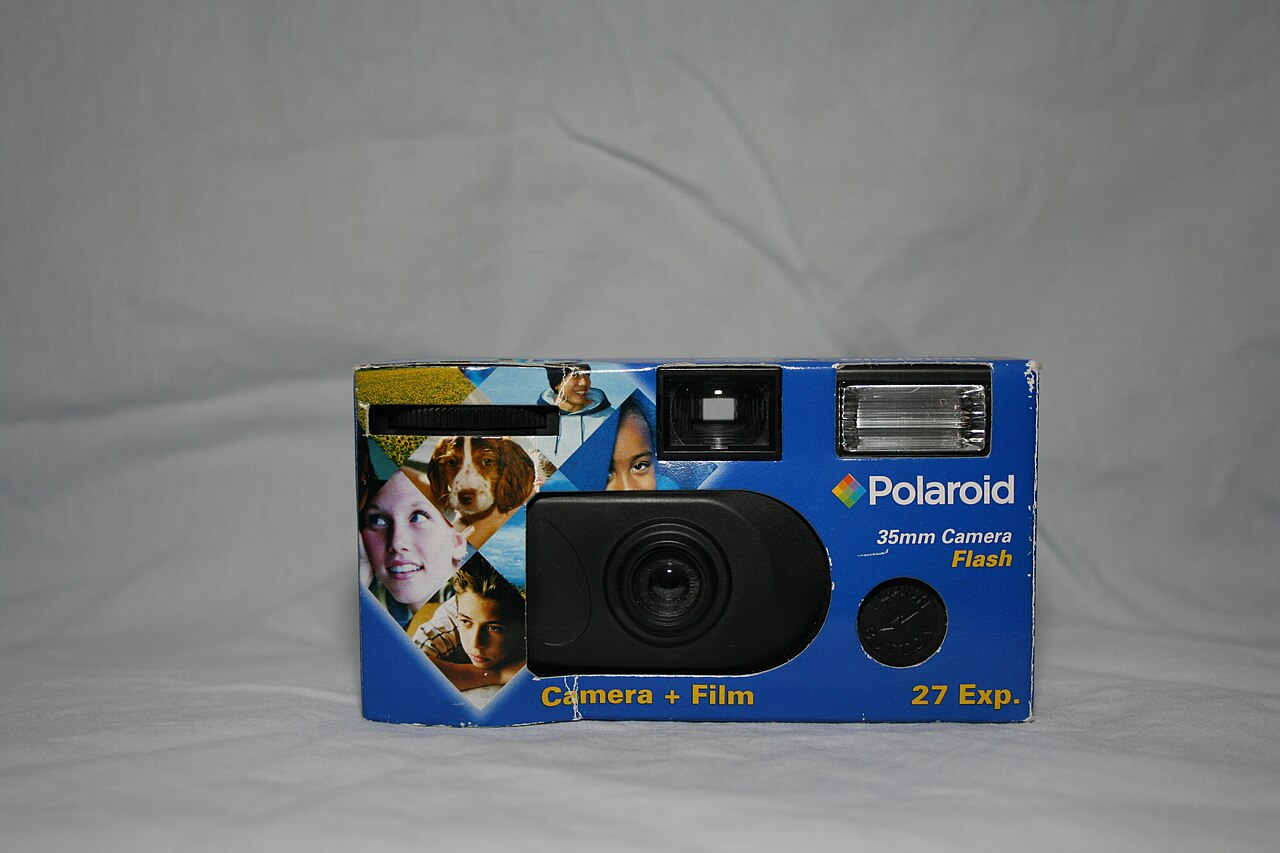
Finished rolls went to a photo counter. An envelope tracked your order.
Once you’d used up all your shots, the next step was dropping the film off at a drugstore or photo counter to be developed, filling out a small envelope with your name and choosing your print size. Handing over the little canister of film and walking away without your pictures felt strange at first. It kicked off the wait. Dropping the film off to be developed is a key step in the disposable-camera process, the handoff that sent your undeveloped memories out of your hands entirely, an act of trust that set the countdown to finally seeing your photos in motion.
7. The Agonizing Wait for Prints
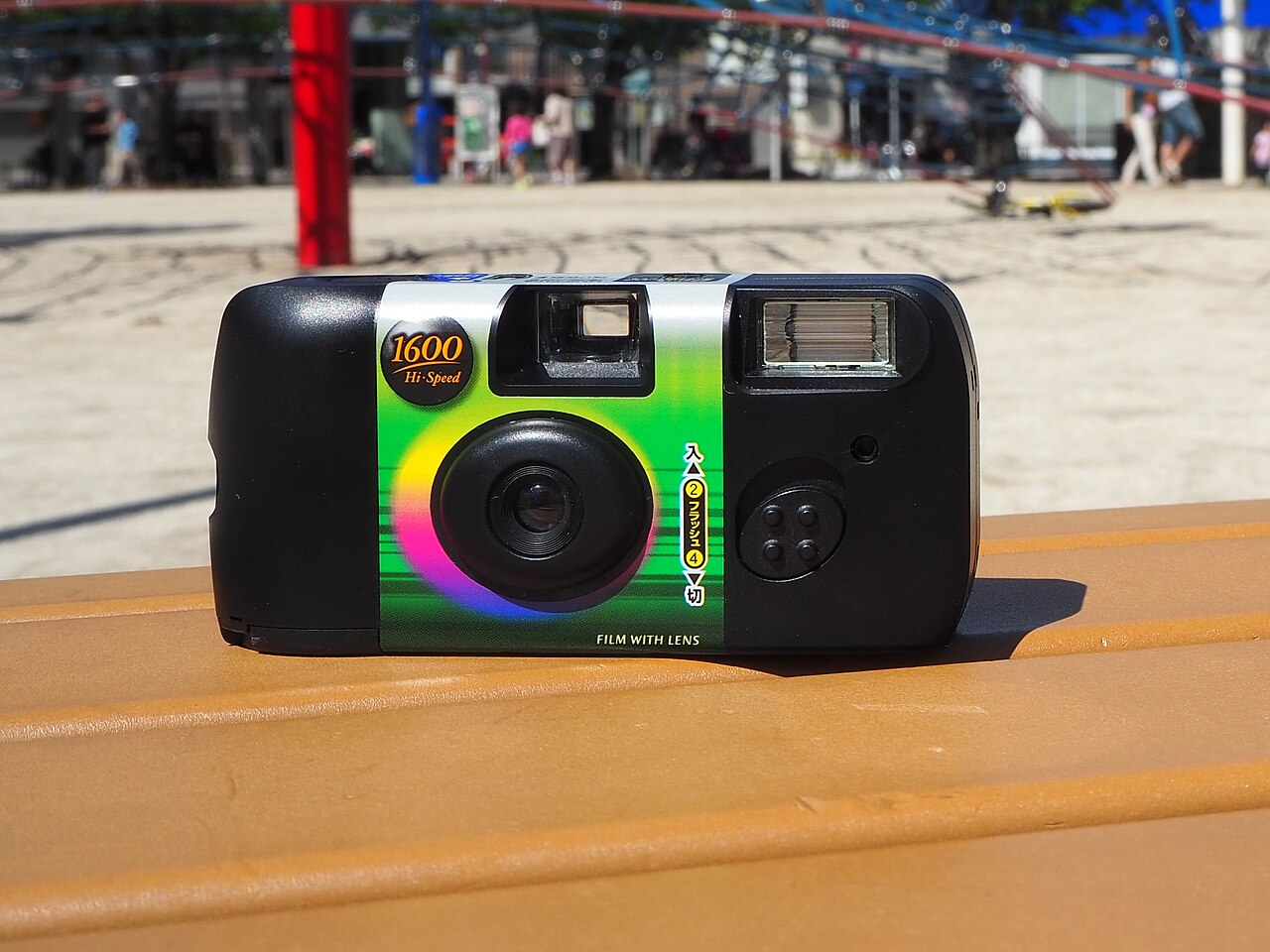
Developing took anywhere from an hour to a week. The wait built real anticipation.
Depending on the service, developing took anywhere from about an hour at a one-hour photo counter to nearly a week by mail, and that stretch of waiting built genuine anticipation. Wondering how the pictures from a big event turned out, with no way to check early, made the wait feel long. Patience was simply required. The agonizing wait for prints is one of the most memorable aspects of disposable-camera photography, the delay between capturing a moment and actually seeing it, a built-in suspense that made photography feel like an event with its own timeline, rather than something instantaneous.
8. Picking Up the Envelope of Photos
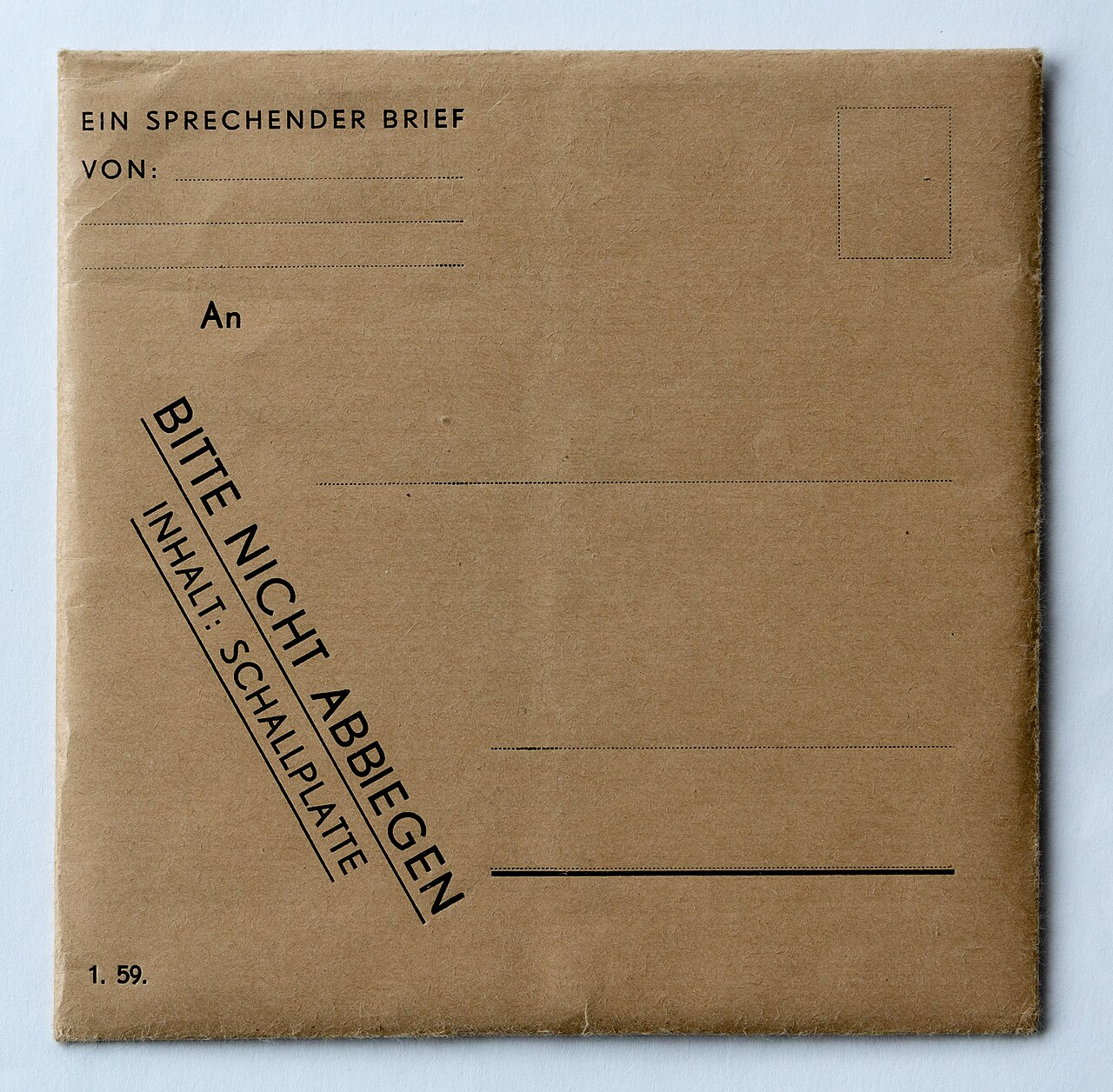
Collecting the finished prints was exciting. The envelope held every surprise from the roll.
Finally picking up your developed photos meant receiving a paper envelope stuffed with glossy prints, plus the negatives tucked into their own little sleeve. Opening that envelope for the first time was a genuinely exciting moment, the culmination of days of waiting. It felt like unwrapping a small gift. Picking up the envelope of photos is the payoff of the whole disposable-camera process, the moment of finally holding your developed prints in hand, a satisfying reward that made the earlier wait feel entirely worthwhile once you had the finished pictures.
9. Flipping Through to See What Turned Out
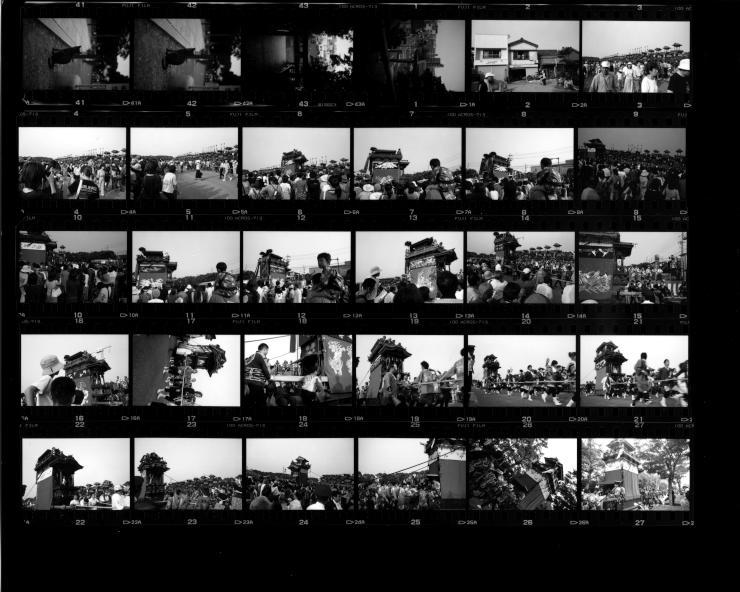
Some photos were perfect, others blurry or dark. Every roll had its share of surprises.
The real fun began flipping through the stack of prints right there at the counter or in the car, discovering which shots came out beautifully and which were blurry, poorly lit, or accidentally featured someone’s thumb over the lens. Every roll was a mixed bag of hits and misses. The surprises were part of the charm. Flipping through to see what turned out is the delightful climax of disposable-camera photography, the moment of discovery that revealed which memories had been captured well, a genuinely fun, unpredictable payoff that digital photography’s instant previews have largely eliminated.
10. Treasuring the Physical Prints Forever
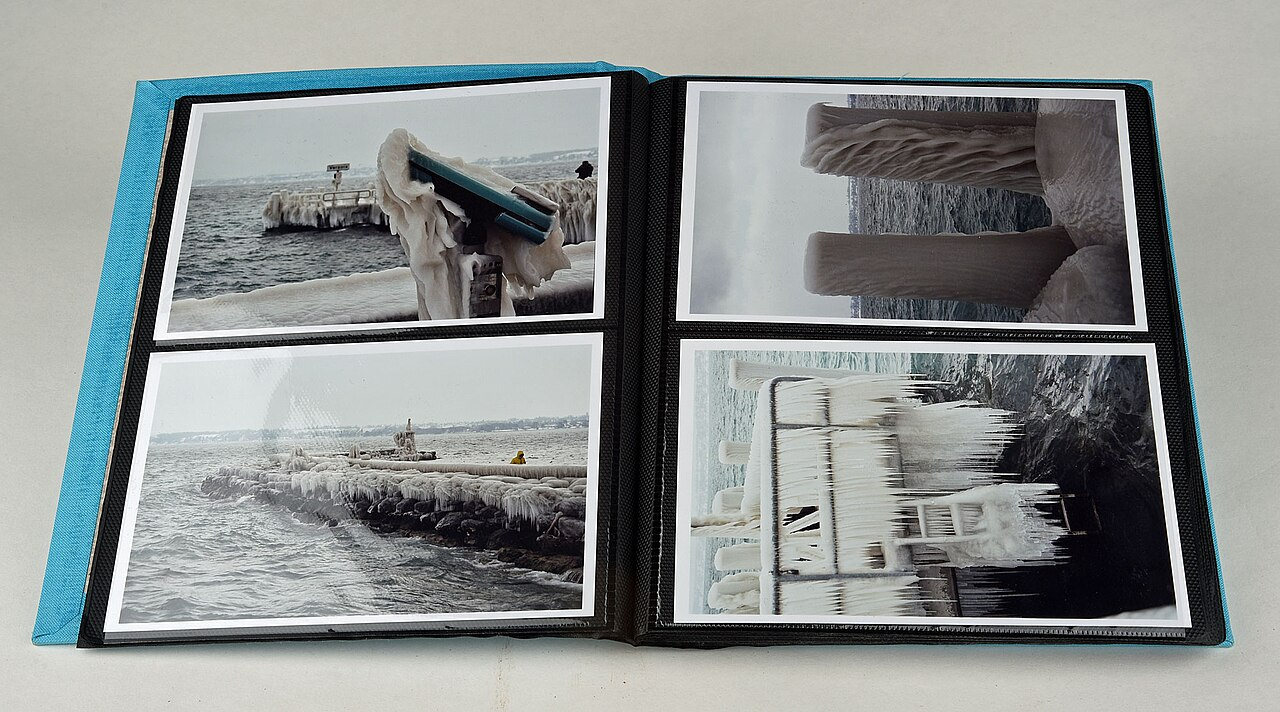
The photos became tangible keepsakes. They ended up in albums, frames, and shoeboxes.
Once developed, those prints became tangible keepsakes, tucked into photo albums, pinned to bulletin boards, or stashed in a shoebox for safekeeping, physical objects you could hold, share, and revisit for decades. Unlike a digital file, a printed photo felt permanent and real. It became a genuine treasure. Treasuring the physical prints forever is the lasting legacy of the disposable camera, the tangible, hold-in-your-hands photographs that became cherished keepsakes, a physical connection to memory that many people still value even in an age of endless digital photos.
A Different Kind of Photography
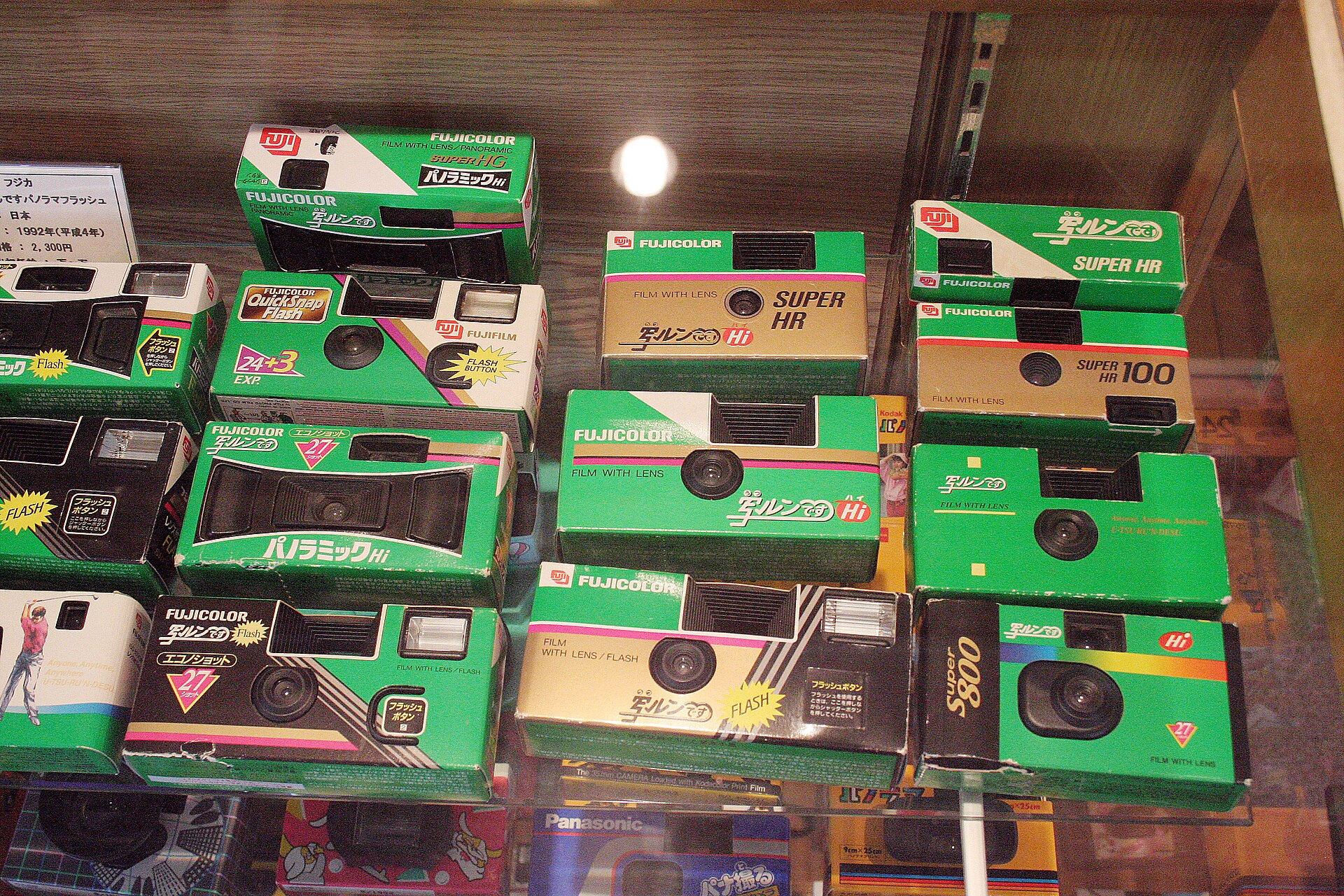
Taken together, these ten things capture the experience of the disposable camera, from the impulse purchase and the film-winding ritual to the countdown of shots, the agonizing wait, and the joy of flipping through finished prints. It was a different kind of photography, one built on patience, limitation, and delightful surprise, that anyone who lived through it remembers fondly.
Digital cameras and smartphones have transformed photography entirely, giving everyone instant, unlimited photos with no waiting and no mystery. The convenience is undeniable, but something has changed about how photos are taken and valued. Yet for those who grew up with disposable cameras, these details bring it all back: the film-winding click, the envelope of prints, the thrill of finally seeing how the pictures turned out. Looking back at disposable cameras and getting film developed is a nostalgic tribute to a slower, more anticipation-filled kind of photography, when every roll of film held a genuine surprise.
Like our content? Follow us for more.