Ask someone from New York, Chicago, or St. Louis to define “real pizza,” and you’ll get very different, very passionate answers. That’s because American pizza isn’t a single dish but a genuinely diverse collection of regional styles, each shaped by the immigrant communities who brought it here and generations of local adaptation since. Here are nine distinct American pizza styles and what makes each one different, counted down one by one.
1. New York: The Foldable Slice
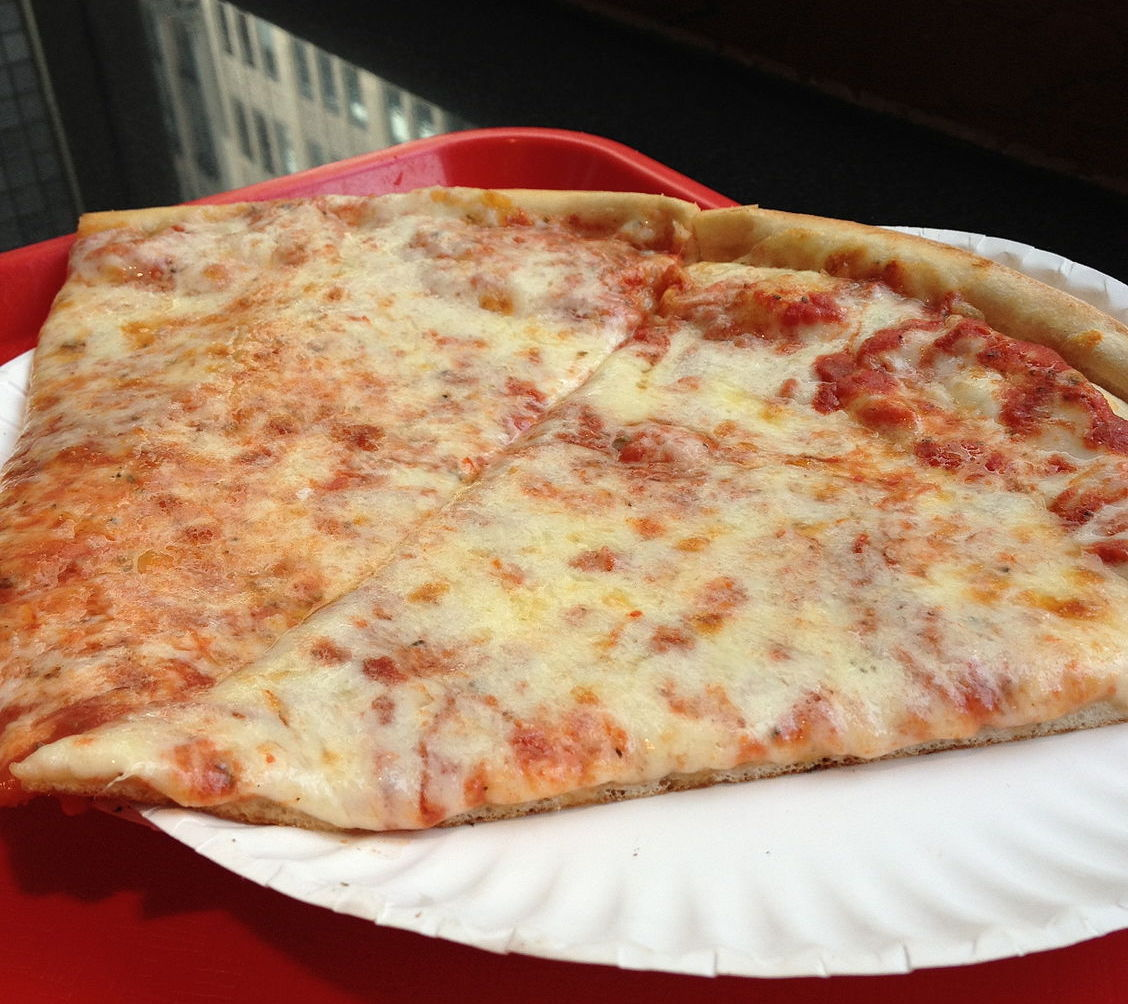
New York pizza is thin, wide, and built to fold. A simple, well-balanced topping ratio defines it.
New York-style pizza is defined by its large, thin, hand-tossed crust, foldable in half for eating on the go, with a light, well-balanced layer of tomato sauce and mozzarella that lets the crust’s char and chew take center stage. Sold by the slice at countless corner shops, it’s built for speed and simplicity. New York pizza’s foldable slice is arguably the most recognized American pizza style nationwide, a format so tied to the city’s street-level food culture that “New York slice” has become shorthand for classic American pizza itself.
Like our content? Follow us for more.
2. Chicago: The Deep-Dish Casserole
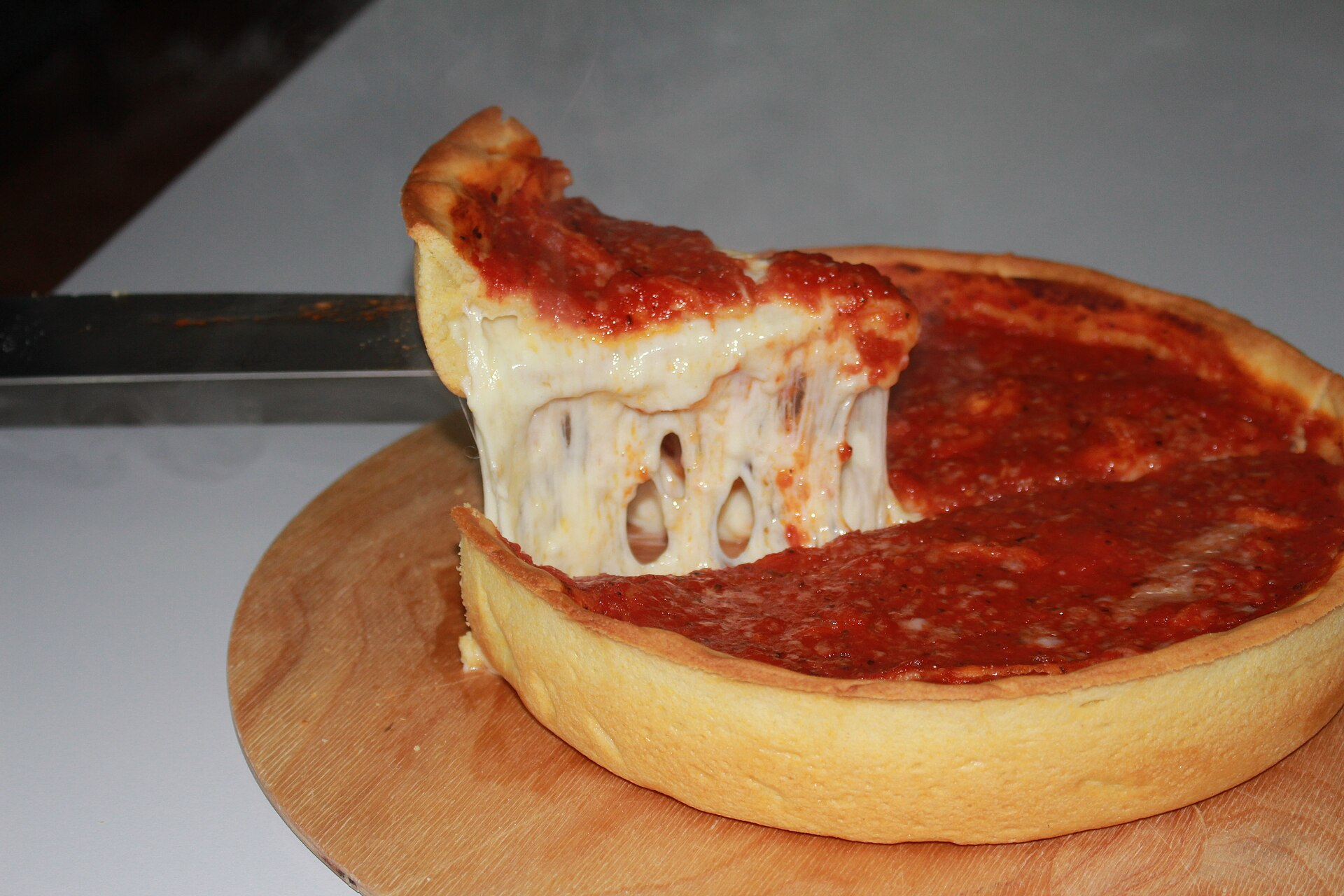
Chicago’s deep-dish is a knife-and-fork meal. Its thick crust holds a reversed layering of cheese and sauce.
Chicago deep-dish pizza is built in a tall, buttery crust pressed up the sides of a round pan, layered with cheese first, then toppings, and topped with chunky tomato sauce rather than the usual order, a reversal that keeps the cheese from burning during its notably long bake time. It’s less a slice than a substantial, knife-and-fork meal. Chicago’s deep-dish casserole style stands apart from nearly every other American pizza, a bold, hearty reinvention that reflects the city’s reputation for large, unapologetically rich comfort food.
3. Detroit: The Crispy-Edged Rectangle
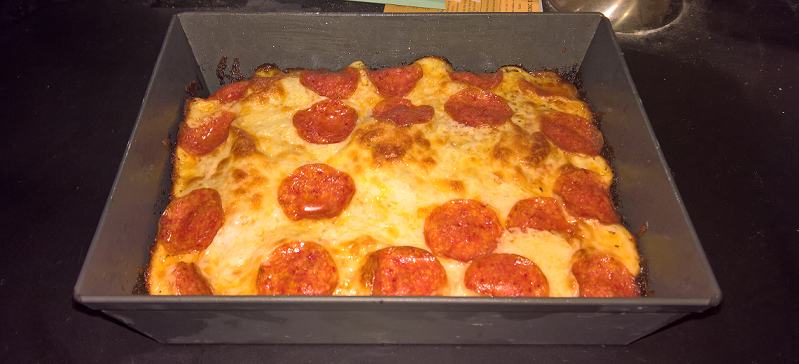
Detroit pizza bakes in a rectangular steel pan. Its cheese is pushed right to the crispy edges.
Detroit-style pizza is baked in a rectangular steel pan, originally repurposed automotive parts trays, producing a thick, airy crust with a notably crispy, caramelized cheese edge where the mozzarella meets the pan. Sauce is often striped on top after baking rather than beneath the cheese. Detroit’s crispy-edged rectangle has surged in popularity nationally in recent years, a distinctive style whose caramelized cheese border has become one of the most sought-after textures in the entire pizza world.
4. New Haven: The Charred Apizza
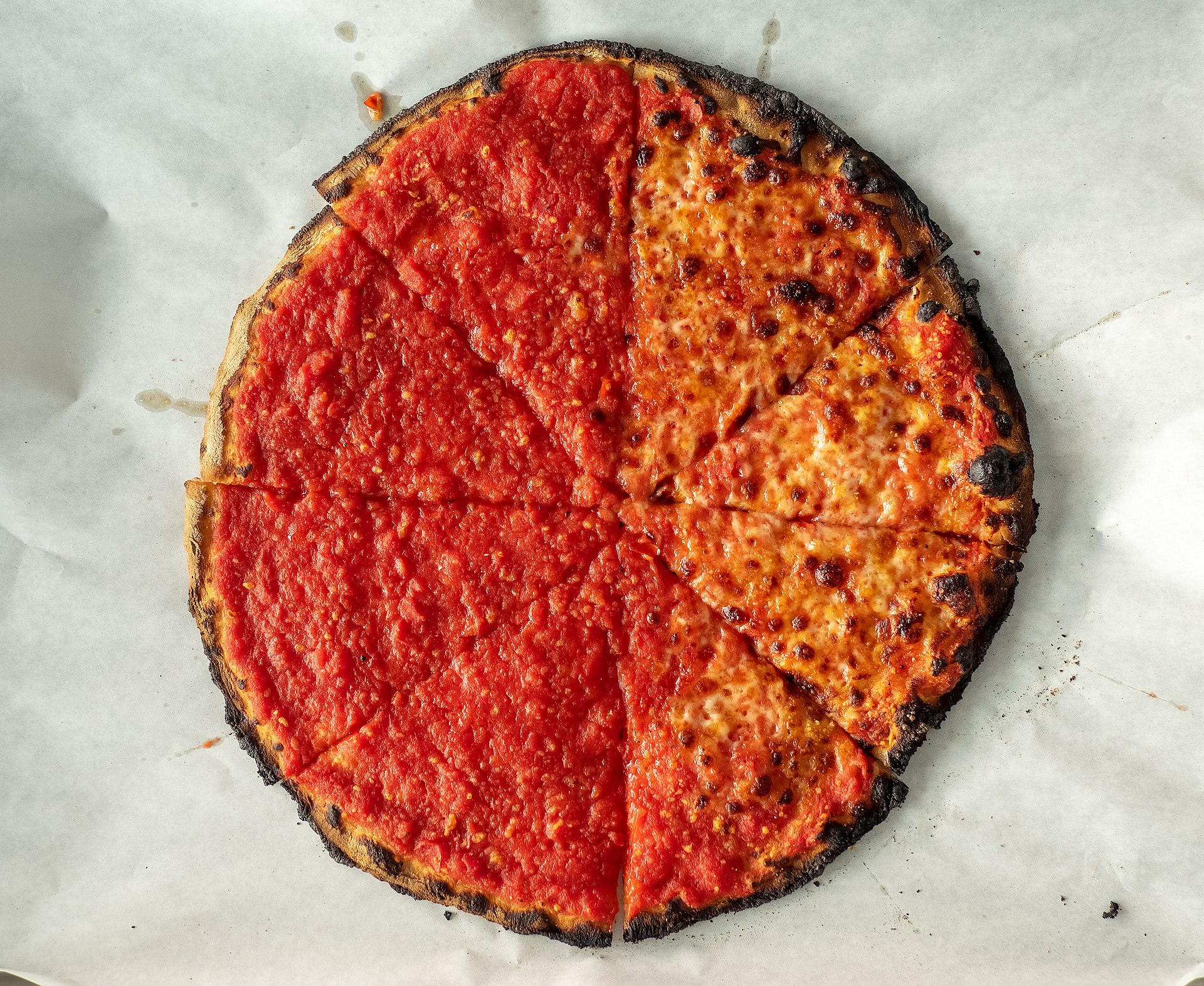
New Haven’s “apizza” comes from coal-fired ovens. A blistered, smoky crust is its signature.
New Haven, Connecticut’s distinctive “apizza,” pronounced ah-BEETS in the local Italian-American dialect, comes from coal-fired ovens burning at extremely high heat, producing a thin, irregularly charred, smoky crust unlike anything found elsewhere. The classic version, topped simply with clams, garlic, and olive oil, has no mozzarella at all. New Haven’s charred apizza is a fiercely defended local specialty, a smoky, high-heat style whose devoted regional following considers it among the finest pizza traditions in the entire country.
5. St. Louis: The Cracker-Thin Cut
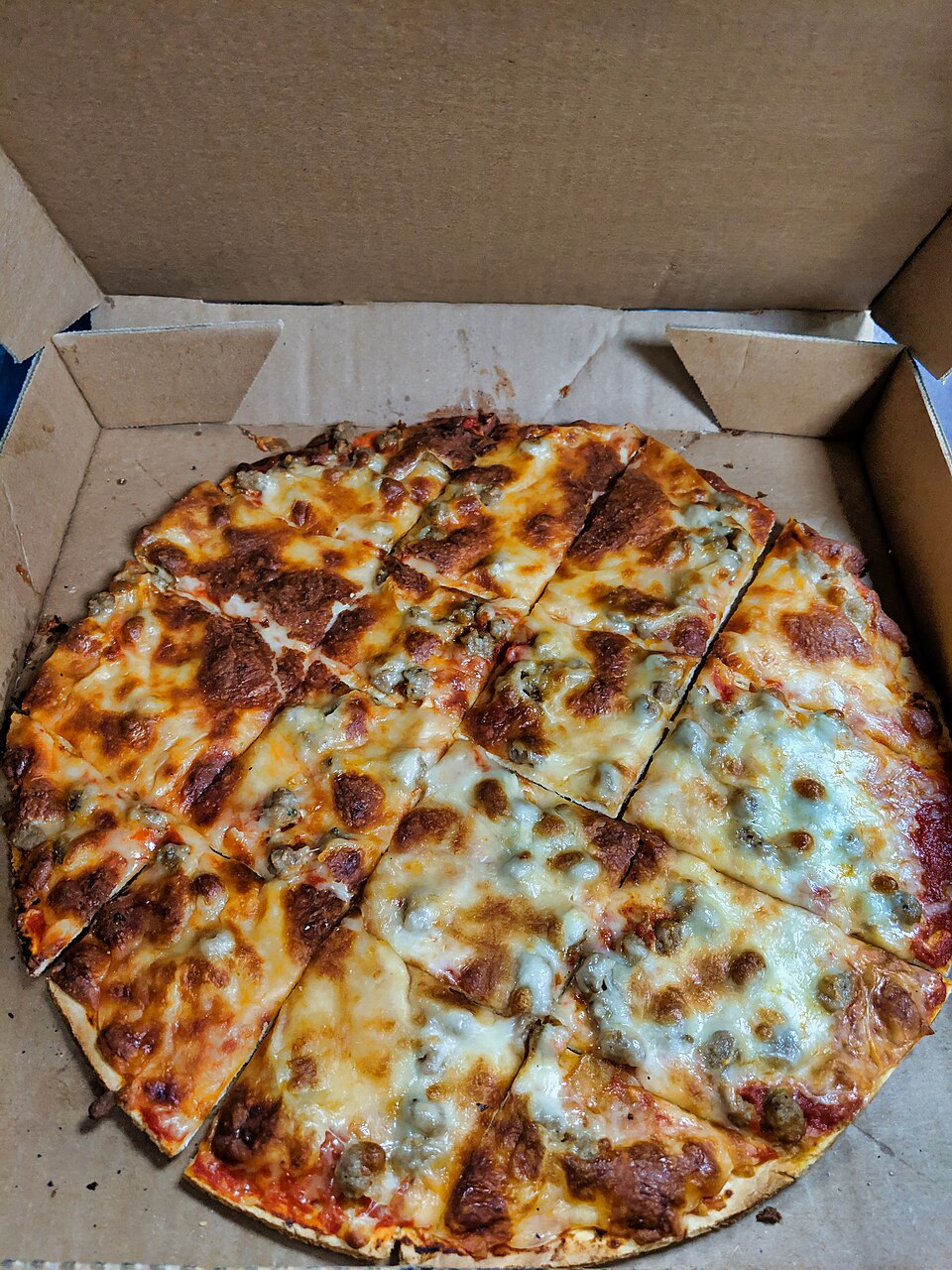
St. Louis pizza uses an ultra-thin, cracker-like crust. It’s cut into small squares, not wedges.
St. Louis-style pizza features an ultra-thin, cracker-like crust made without yeast, topped with Provel, a distinctive processed cheese blend of cheddar, swiss, and provolone, and cut into small squares rather than traditional wedges, a format locally called “party cut.” It’s a genuinely polarizing style outside the region. St. Louis’s cracker-thin cut is one of the most distinctive American pizza traditions, a crisp, snackable format built around a unique regional cheese blend found almost nowhere else in the country.
6. California: The Gourmet Reinvention
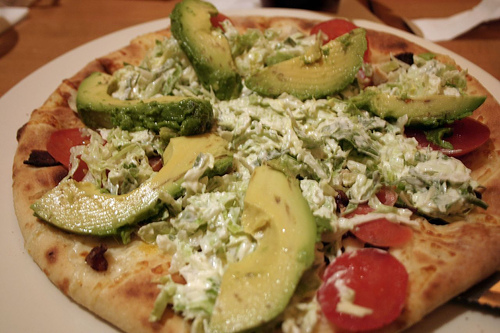
California-style pizza favors thin crusts and unconventional toppings. It reflects the state’s farm-to-table food culture.
California-style pizza, popularized in the late 20th century, features a thin, crisp crust topped with unconventional, often high-end ingredients, goat cheese, arugula, smoked salmon, or seasonal vegetables, reflecting the state’s broader farm-to-table culinary movement. It prioritizes fresh, unexpected flavor combinations over tradition. California’s gourmet reinvention broke sharply from established pizza conventions, a boundary-pushing style that treated pizza as a genuine canvas for creative, chef-driven cuisine rather than a fixed, traditional formula.
7. Sicilian: The Thick Focaccia-Style Square
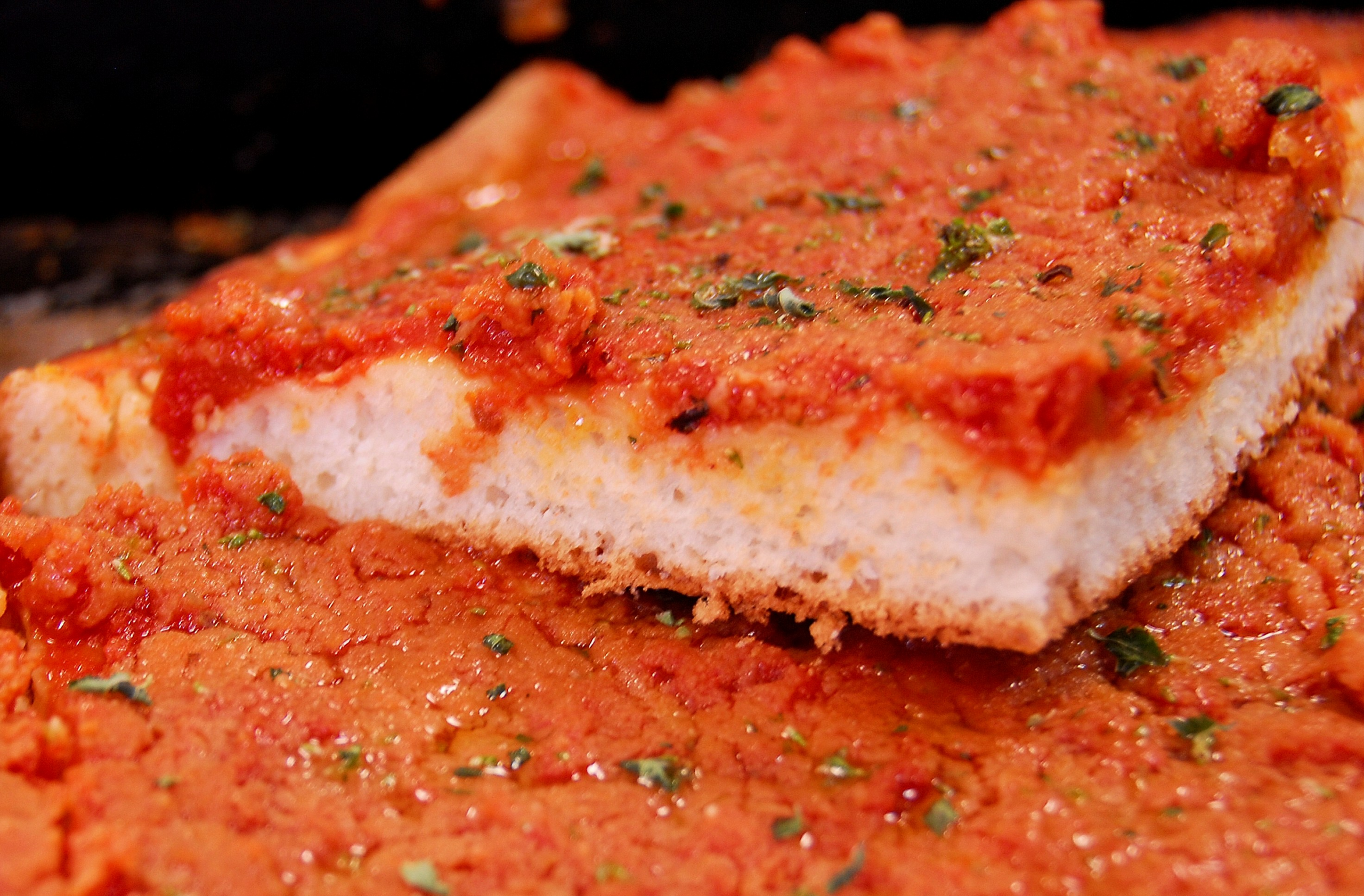
Sicilian pizza is thick, square, and airy. Its focaccia-like base holds up hearty toppings well.
Sicilian-style pizza, brought to America by Sicilian immigrants, features a thick, airy, focaccia-like crust baked in a rectangular pan, sturdy enough to support generous, hearty toppings without becoming soggy. Its bready, substantial base sets it apart from thinner regional styles. Sicilian’s thick focaccia-style square is a foundational American pizza tradition, an immigrant-brought style whose robust, bready base has influenced countless other regional pan-pizza variations found across the country today.
8. Grandma Pizza: The Home-Style Original
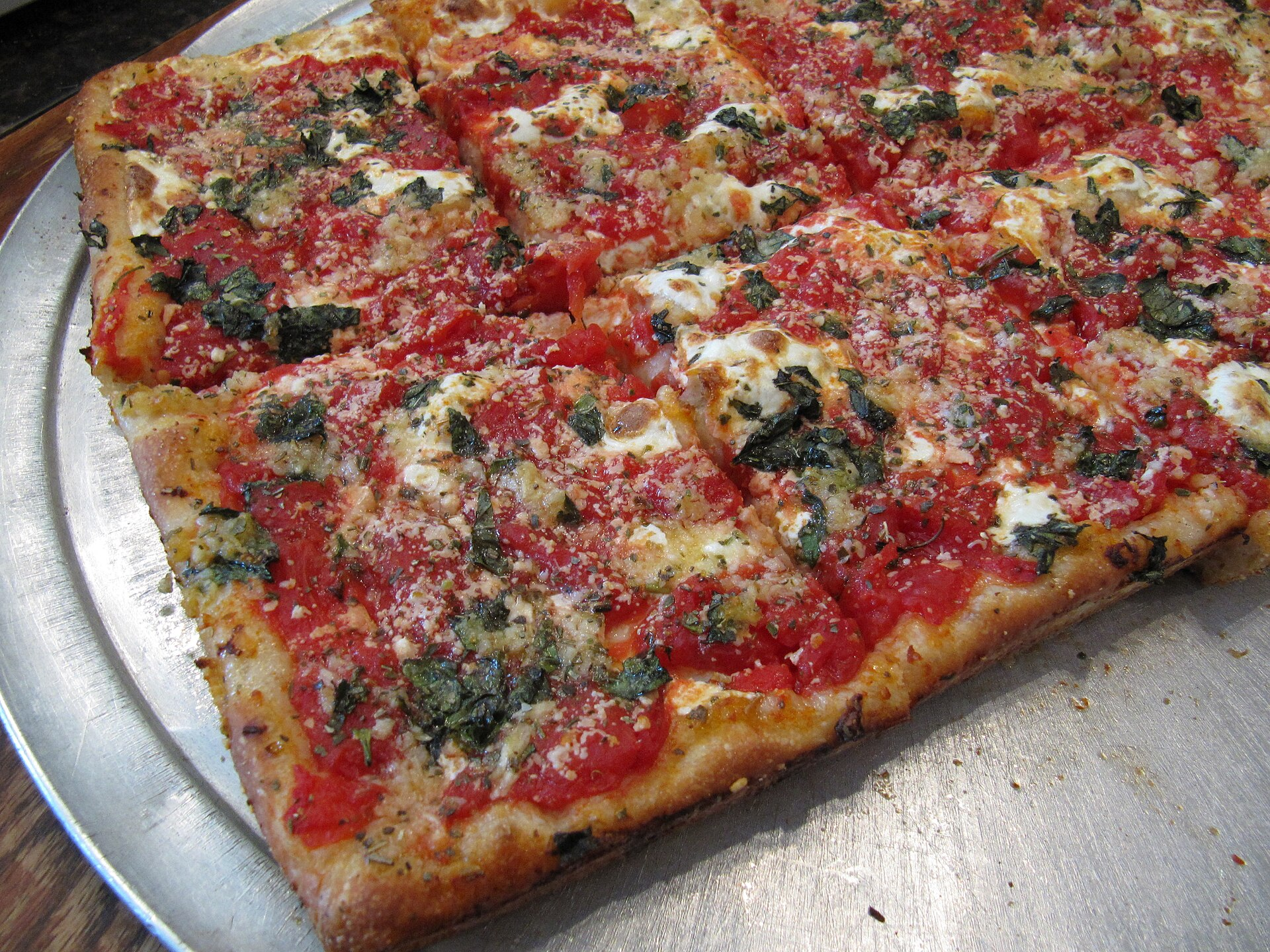
Grandma pizza uses a thin, dense home-baked style. It reflects an older, simpler Italian-American tradition.
Grandma pizza, originating on Long Island, New York, features a thin, dense crust baked in a small square pan, evoking the simpler, home-kitchen pizzas Italian-American grandmothers once made without the specialized ovens of professional pizzerias. Garlic, olive oil, and a light hand with sauce are traditional hallmarks. Grandma pizza’s home-style original honors an older culinary tradition, a humble, unpretentious style that intentionally recalls the pizza of home kitchens rather than restaurant ovens, giving it a genuinely nostalgic, homemade character.
9. Old Forge: The Cut-and-Tray Rectangle
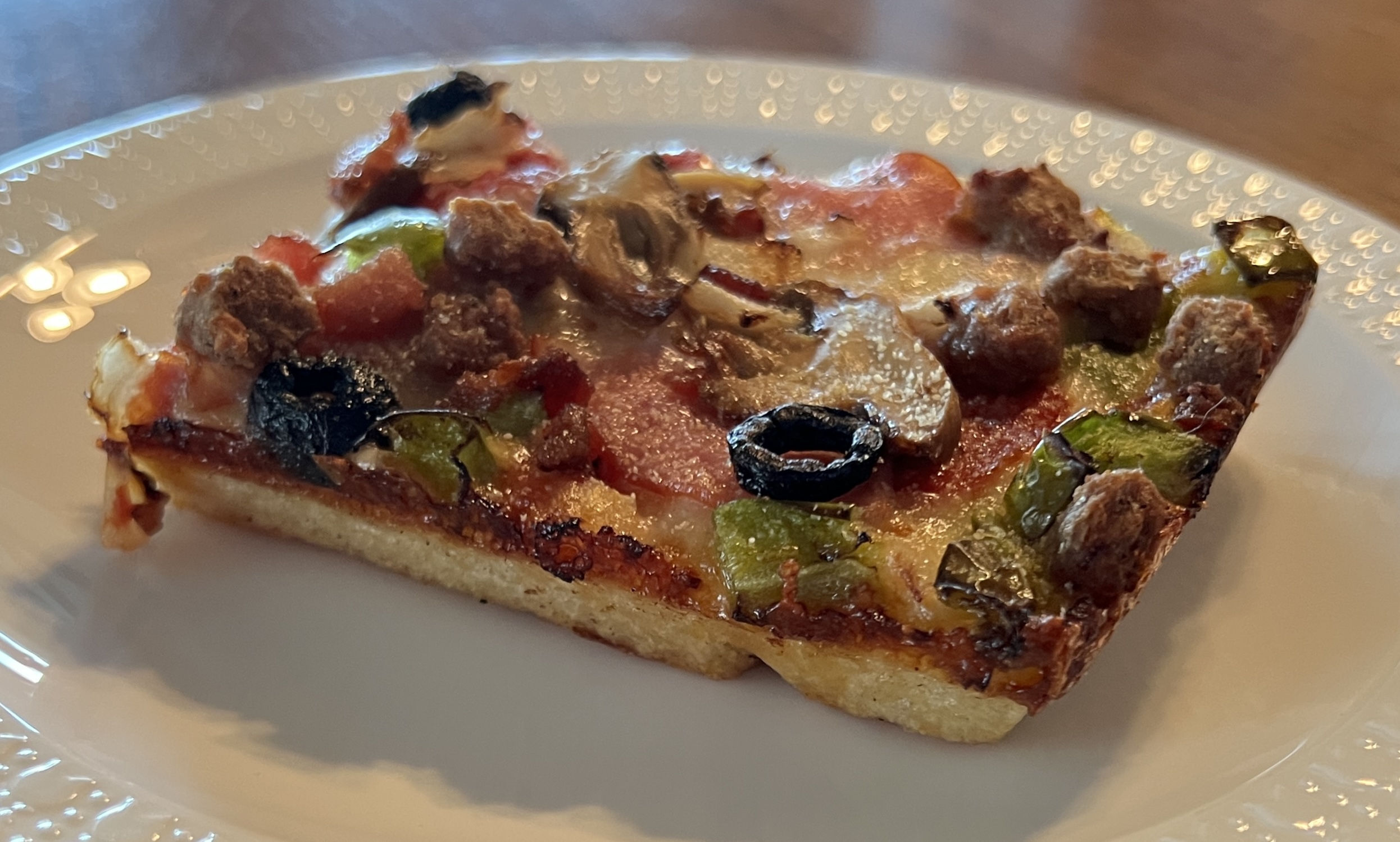
Old Forge, Pennsylvania serves pizza by the tray. Cheese and sauce trade places in an unusual layering.
Old Forge, Pennsylvania, a small town near Scranton, developed its own distinctive pizza style, baked in large rectangular trays and sold by the “cut” rather than the slice, with sauce sometimes layered over rather than under the cheese. It’s a genuinely local specialty that rarely appears outside the immediate region. Old Forge’s cut-and-tray rectangle remains one of America’s most under-the-radar pizza styles, a proudly local tradition whose distinctive layering and tray-based serving format have earned the small town an outsized reputation among pizza enthusiasts.
A Delicious, Deeply Regional Debate
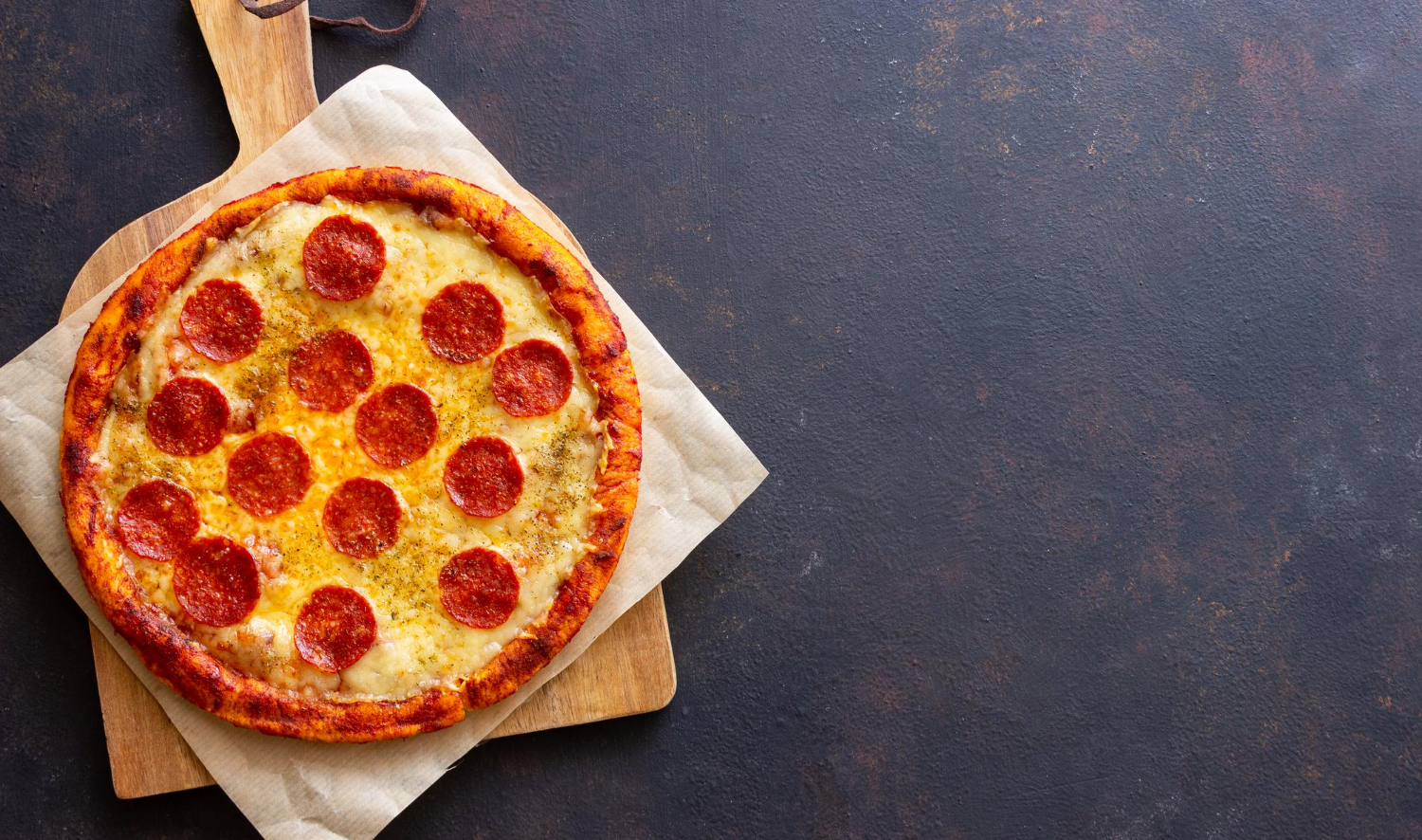
Taken together, these nine styles show just how regionally diverse American pizza really is, from New York’s foldable slice and Chicago’s deep-dish casserole to St. Louis’s cracker-thin squares and New Haven’s smoky apizza. Rather than one national dish, pizza in America is really a deeply regional debate, with each city defending its own tradition with genuine, often fierce pride.
What unites all these styles, despite their real differences, is a shared immigrant origin story, waves of Italian immigrants who brought their techniques to different American cities and adapted them to local ingredients, ovens, and tastes over generations. Each region’s particular combination of available equipment, local cheese and produce, and the specific tastes of the immigrant communities who settled there produced something genuinely distinct, even when the starting point, dough, sauce, and cheese, was fundamentally the same. Exploring the country’s pizza regions is one of the most delicious ways to understand America’s culinary diversity, since a single dish carries as much local identity and history as almost any other regional food. A serious cross-country pizza tour, sampling a foldable slice in Manhattan, a deep-dish pie in Chicago, and a coal-fired apizza in New Haven, would cover barely a few hundred miles yet reveal an entirely different culinary philosophy at every stop. Whichever style you consider “the best,” and that debate will likely never be settled, there’s no denying that American pizza’s regional variety is one of the country’s great, endlessly arguable culinary treasures, a single dish that somehow contains multitudes.
Like our content? Follow us for more.