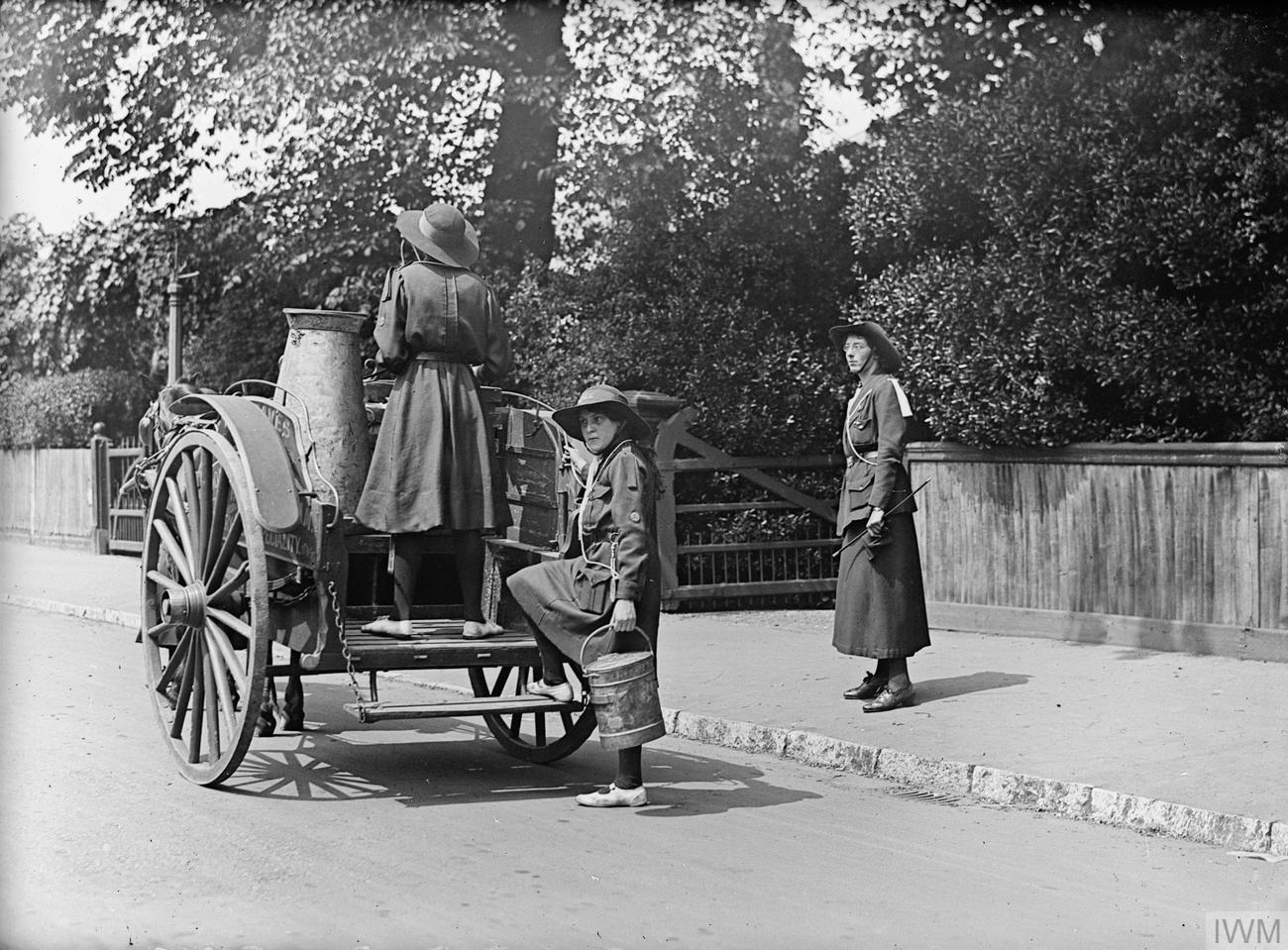
For millions of American families in 1962, the day began with the quiet clink of glass bottles being set down on the front porch before sunrise, courtesy of the neighborhood milkman. Home dairy delivery was still a thriving business, a genuinely convenient service that brought fresh products right to the door several times a week. The milkman’s truck carried far more than milk. Here are thirteen things every American milkman delivered on his route in 1962, counted down one by one.
1. Glass Bottles of Fresh Milk
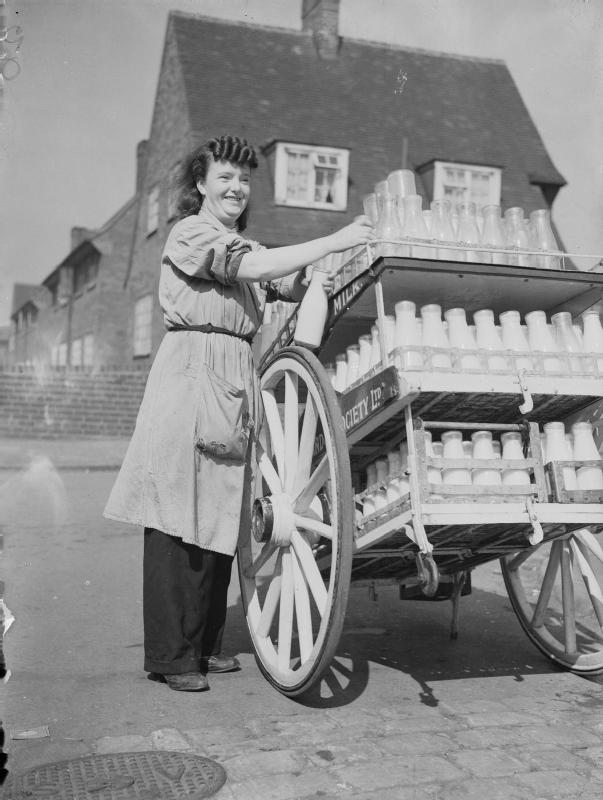
Milk arrived in returnable glass bottles. Cream visibly separated at the top.
The centerpiece of every delivery was fresh milk in returnable glass bottles, the cream visibly separated and risen to the top since it hadn’t yet been homogenized in many local dairies. Families shook the bottle before pouring to redistribute the cream evenly. The glass bottle itself became an iconic image of the era. Glass bottles of fresh milk are the defining product of the 1962 milk route, the daily delivery that families built their mornings around, a simple staple that arrived with a level of freshness and personal service that supermarket shopping would eventually replace.
Like our content? Follow us for more.
2. An Insulated Porch Box to Keep It Cold
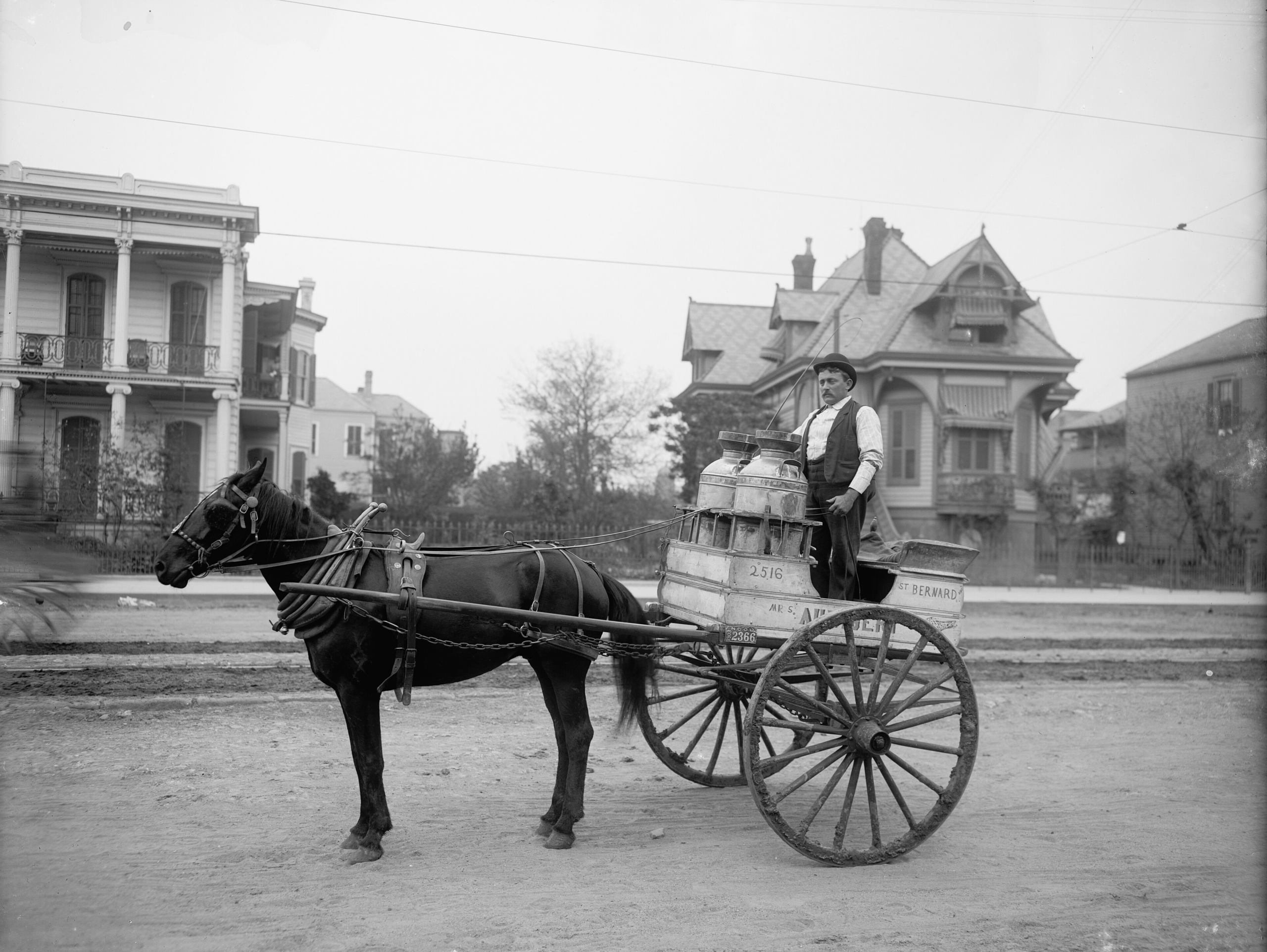
A metal or wooden box sat on the porch. It kept deliveries cool until the family woke up.
Many households kept a small insulated box, metal or wood, right on the porch specifically for milk deliveries, keeping the bottles reasonably cool in the hours between the early-morning drop-off and the family waking up. The milkman opened it, swapped empty bottles for full ones, and closed it again without ever needing to knock. An insulated porch box to keep it cold is a practical fixture of the 1962 delivery system, the dedicated household equipment that made the entire milkman relationship work smoothly without any direct contact required each morning.
3. Cottage Cheese in Small Waxed Containers
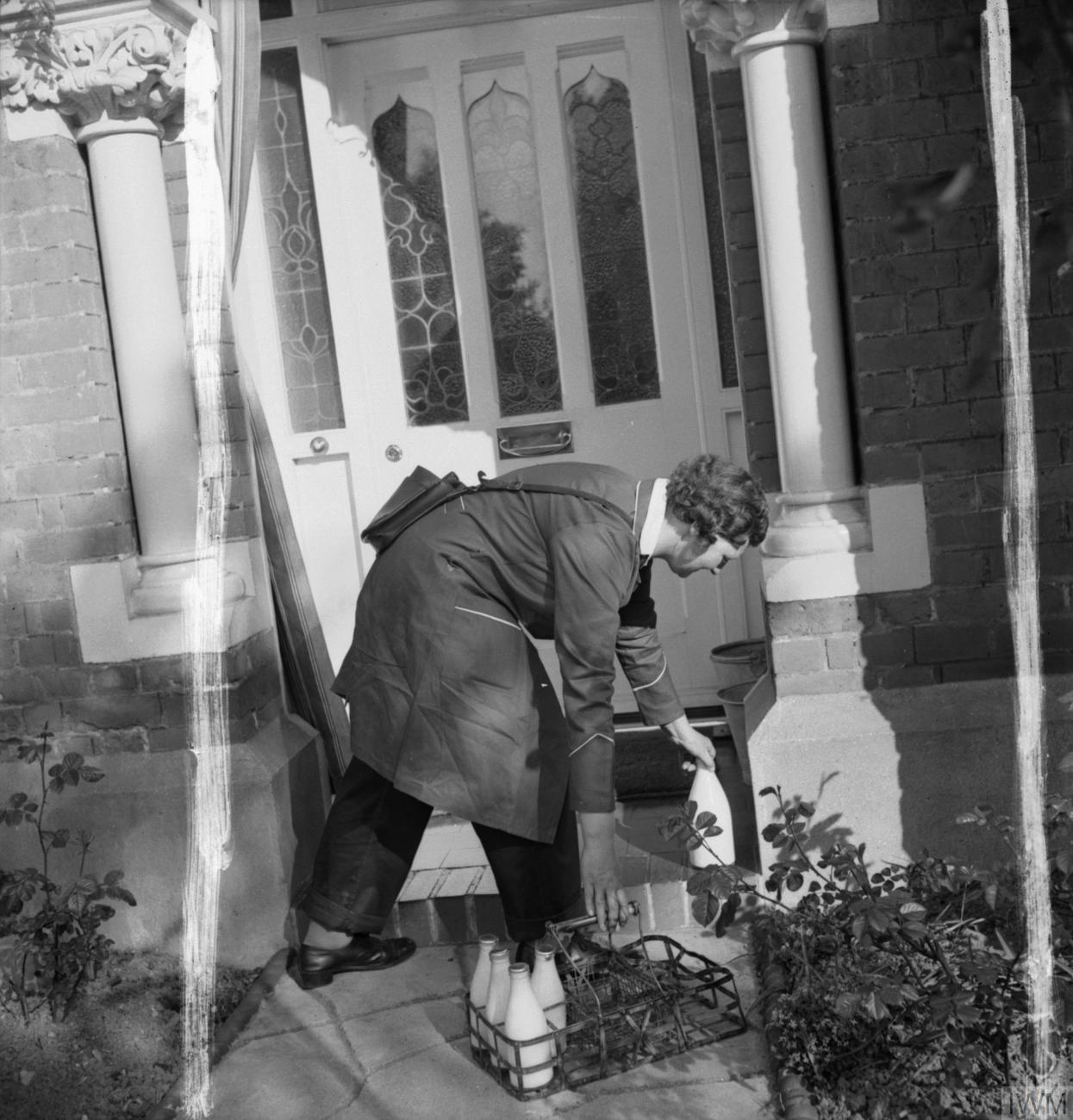
Cottage cheese came in small paper tubs. It was a popular regular order.
Beyond milk, the milkman regularly delivered cottage cheese in small waxed paper containers, a popular staple for many households that ordered it as a standing weekly item alongside their usual milk order. It was a simple, reliable addition to the route. Cottage cheese in small waxed containers is a familiar milkman-route item, the dairy staple that rounded out many families’ regular order, a small but meaningful part of the broader home dairy-delivery service.
4. Butter Wrapped in Wax Paper
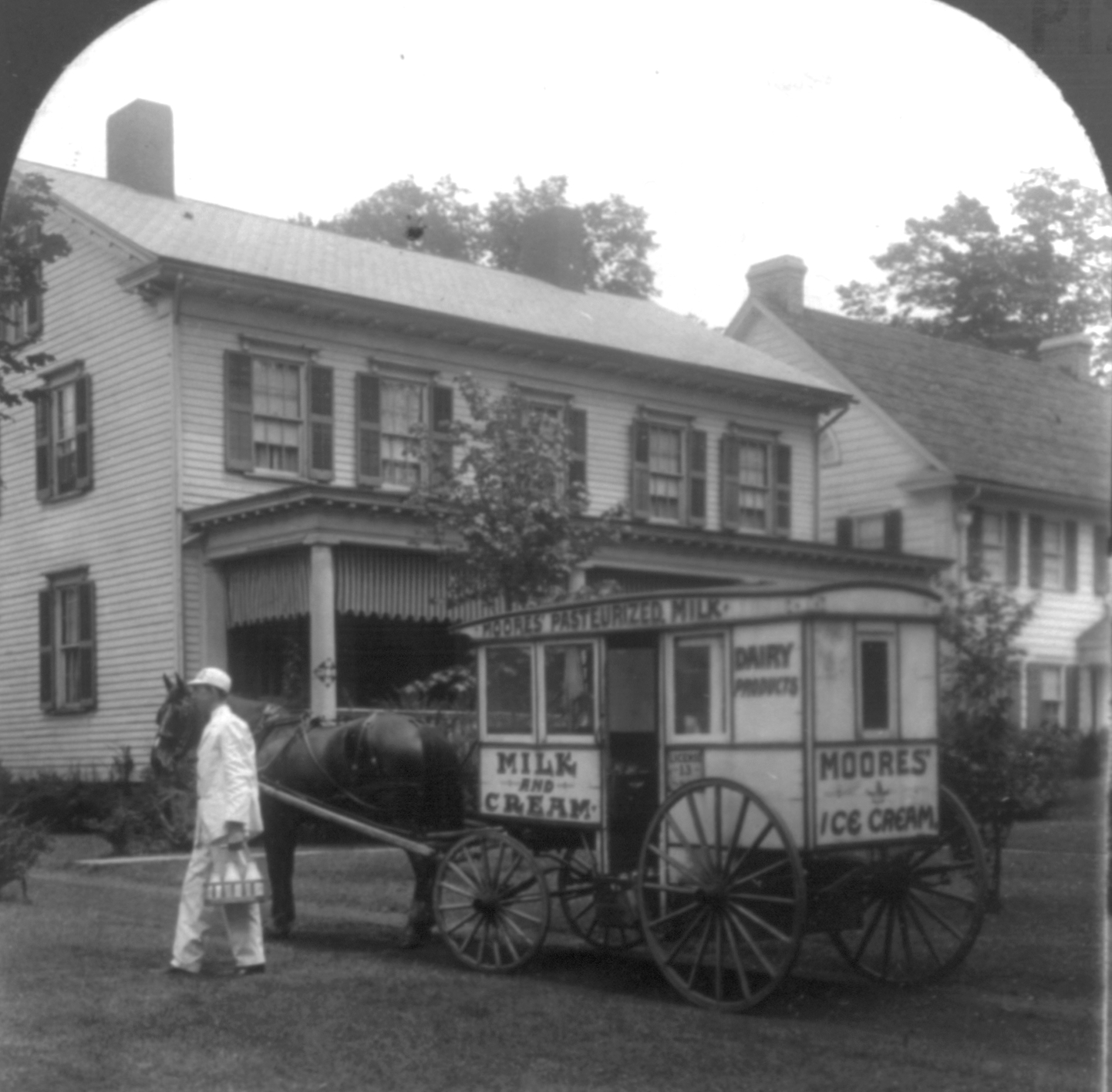
Fresh butter arrived wrapped simply. It was a regular staple on many routes.
Butter, wrapped simply in wax paper, was another common item on the milkman’s route, delivered fresh alongside the milk for families who preferred the dairy’s product over what was available at the local grocery store. Its simple packaging reflected the straightforward, no-frills nature of home dairy delivery. Butter wrapped in wax paper is a classic milkman-route staple, the simply packaged product that extended the milkman’s role well beyond just milk itself into a genuine full dairy-delivery service.
5. A Handwritten Note for Tomorrow’s Order
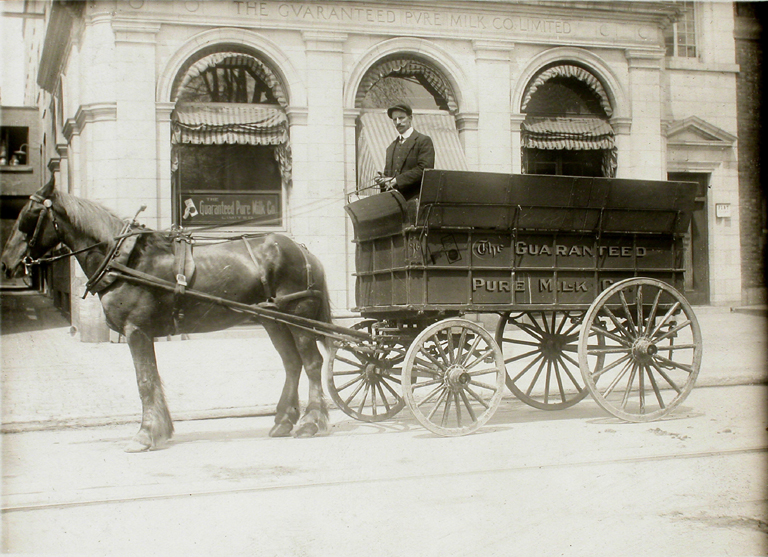
Customers left notes specifying changes. It was a simple, personal ordering system.
Families communicated changes to their standing order by leaving a simple handwritten note in the empty bottles, requesting an extra quart, canceling a delivery for a vacation, or adding a special item for an upcoming occasion. It was a remarkably simple, low-tech ordering system that worked reliably for millions of households. A handwritten note for tomorrow’s order is a charming milkman-route memory, the informal communication system that let families adjust their delivery without ever needing a phone call or a formal order form.
6. Orange Juice in Glass Bottles
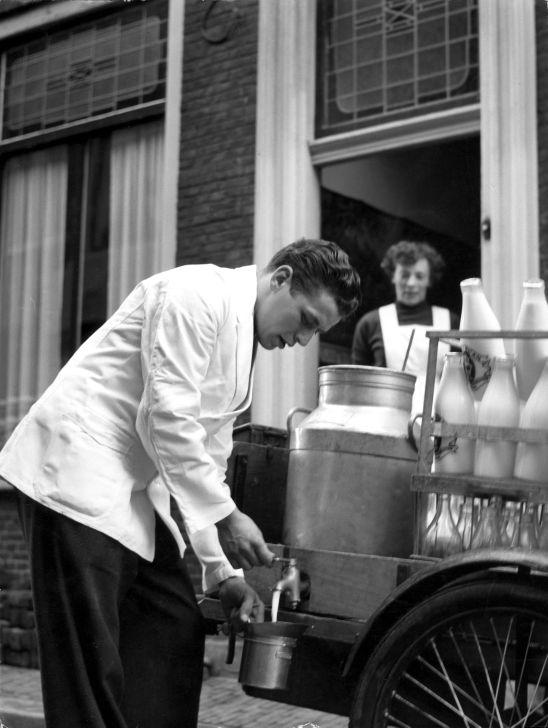
Fresh juice was another common delivery item. It arrived alongside the regular milk order.
Orange juice, packaged in glass bottles similar to the milk itself, was another popular item many dairies offered as part of their delivery service, letting families enjoy fresh juice without a special trip to the store. It rode alongside the regular milk order in the same wire carrier. Orange juice in glass bottles is a refreshing milkman-route item, the beverage delivery that expanded the service well beyond dairy products alone and reflected just how comprehensive home delivery had become by the early 1960s.
7. Eggs Packed Carefully in Cartons
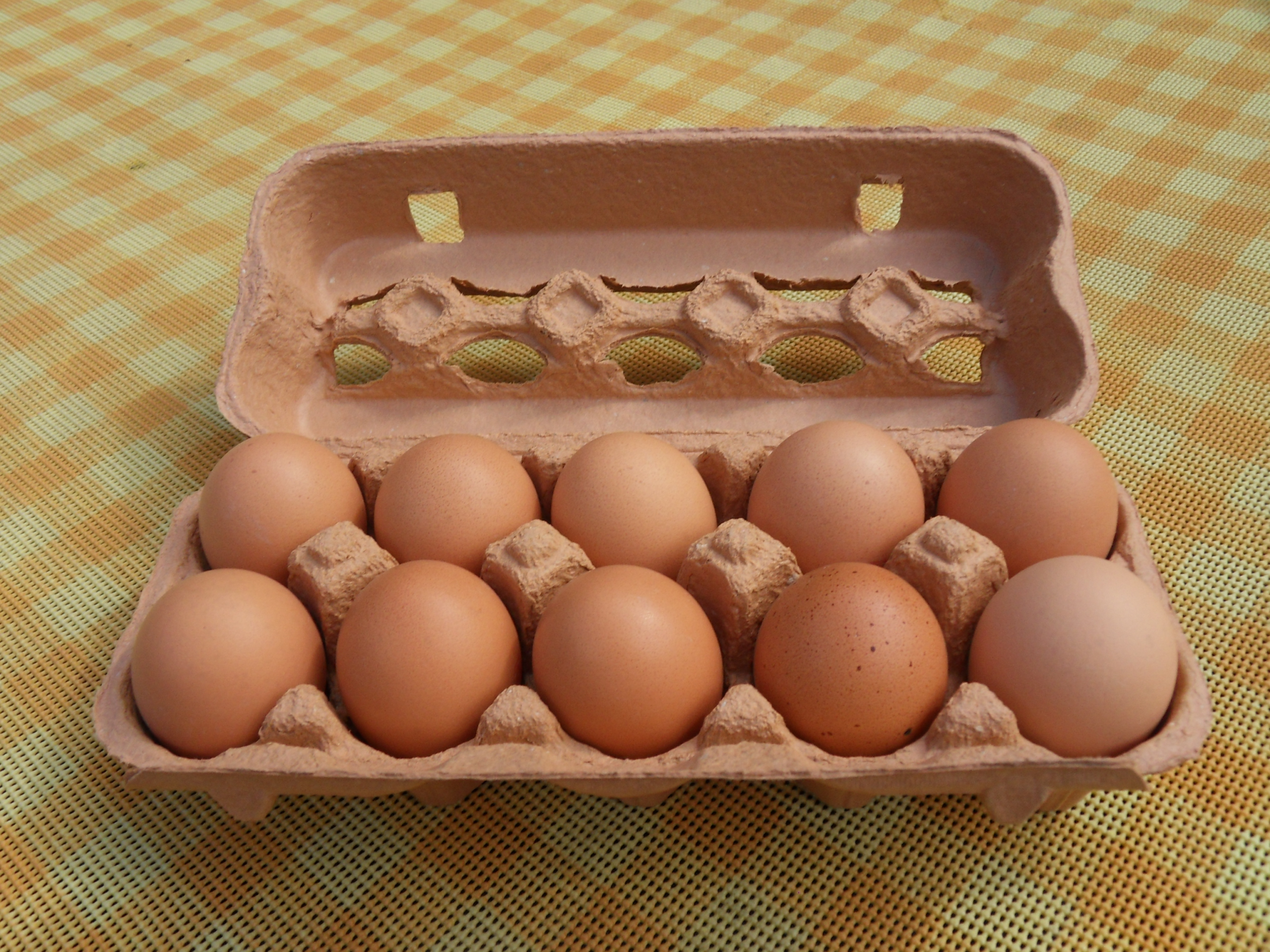
Fresh eggs were a common weekly order. They required careful handling on the route.
Fresh eggs, carefully packed in cardboard cartons, were a regular weekly order for many households, delivered alongside the milk and requiring the milkman to handle them with particular care while navigating his route. Cracked eggs were a rare but genuinely disappointing mishap. Eggs packed carefully in cartons are a practical milkman-route item, the fragile cargo that required real attention during delivery, a staple product that made the milkman’s service feel like a genuinely complete grocery run delivered right to the door.
8. A Wire Carrier for Multiple Bottles
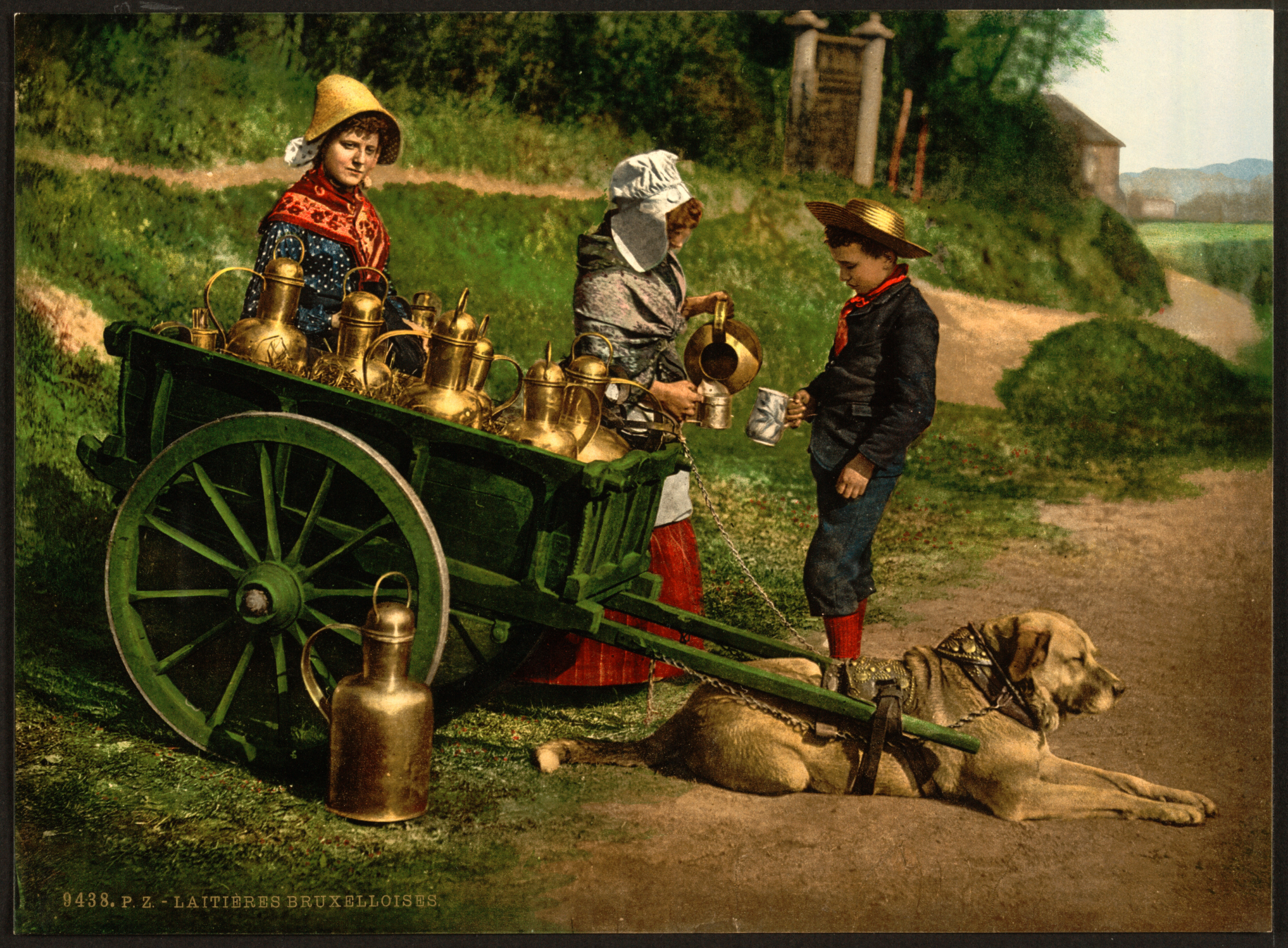
A metal wire basket held several bottles at once. It made carrying deliveries to the door efficient.
A sturdy wire carrier, holding four to six bottles at once, let the milkman efficiently transport a full order from the truck to the porch box in a single trip, rather than making multiple runs for a larger family’s order. It was simple, practical equipment used on every single stop. A wire carrier for multiple bottles is an essential piece of milkman equipment, the efficient tool that streamlined the physical work of delivery, a small but genuinely useful design that made the whole route manageable across dozens of daily stops.
9. The Distinctive Rattle of the Delivery Truck
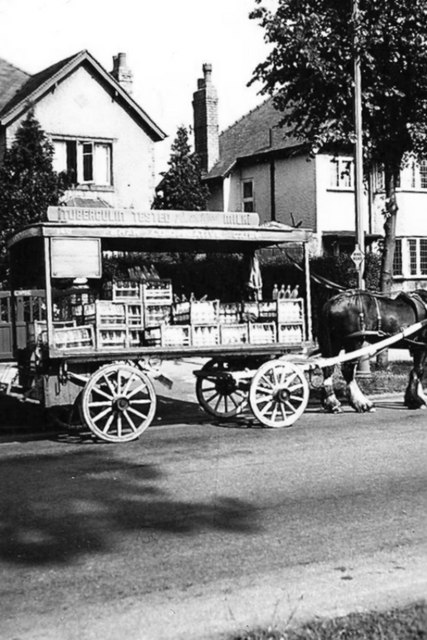
The milk truck had a recognizable engine sound. Families woke to its familiar rattle each morning.
The milk truck itself, often electric-powered and built specifically for frequent stop-and-go delivery, had a distinctive low rattle and hum that many families came to recognize and even wake to in the pre-dawn hours. Hearing it round the corner meant delivery was moments away. The distinctive rattle of the delivery truck is an evocative milkman-route memory, the recognizable sound that announced the start of the day for households across the neighborhood, a sensory detail that instantly transports anyone who grew up with home delivery back to those early mornings.
10. Ice Cream for Special Occasions
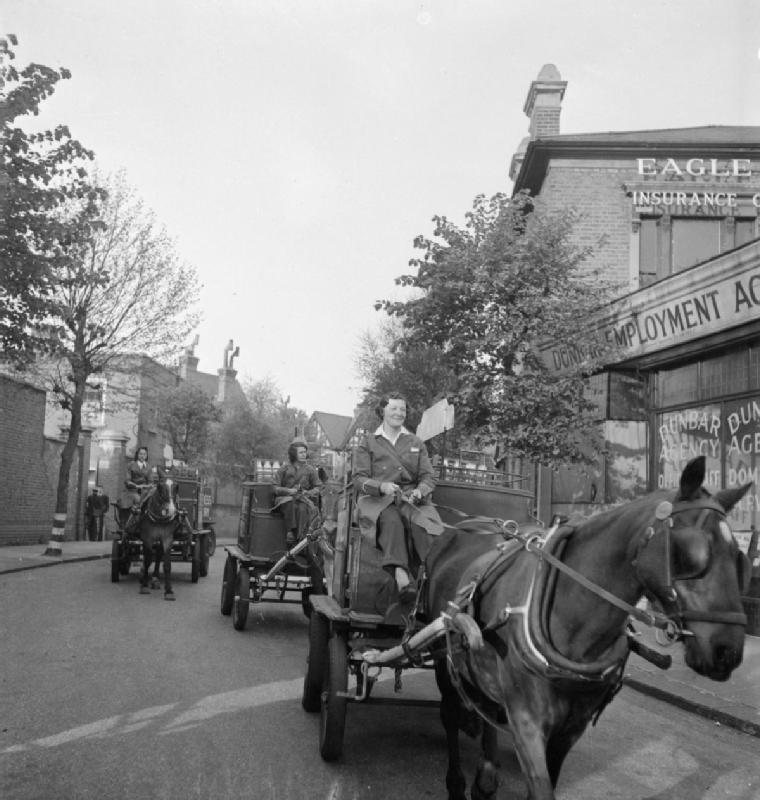
Some dairies offered occasional ice cream delivery. It was a special treat added to the order.
For special occasions, some dairies offered ice cream as an occasional add-on to the regular delivery, packed to survive the trip in an insulated container and requiring families to bring it inside promptly. It was a delightful surprise addition to an otherwise routine order. Ice cream for special occasions is a sweet milkman-route memory, the occasional treat that turned an ordinary delivery into something a little more exciting, a small indulgence that families looked forward to requesting for birthdays and celebrations.
11. Empty Bottles Collected for Reuse
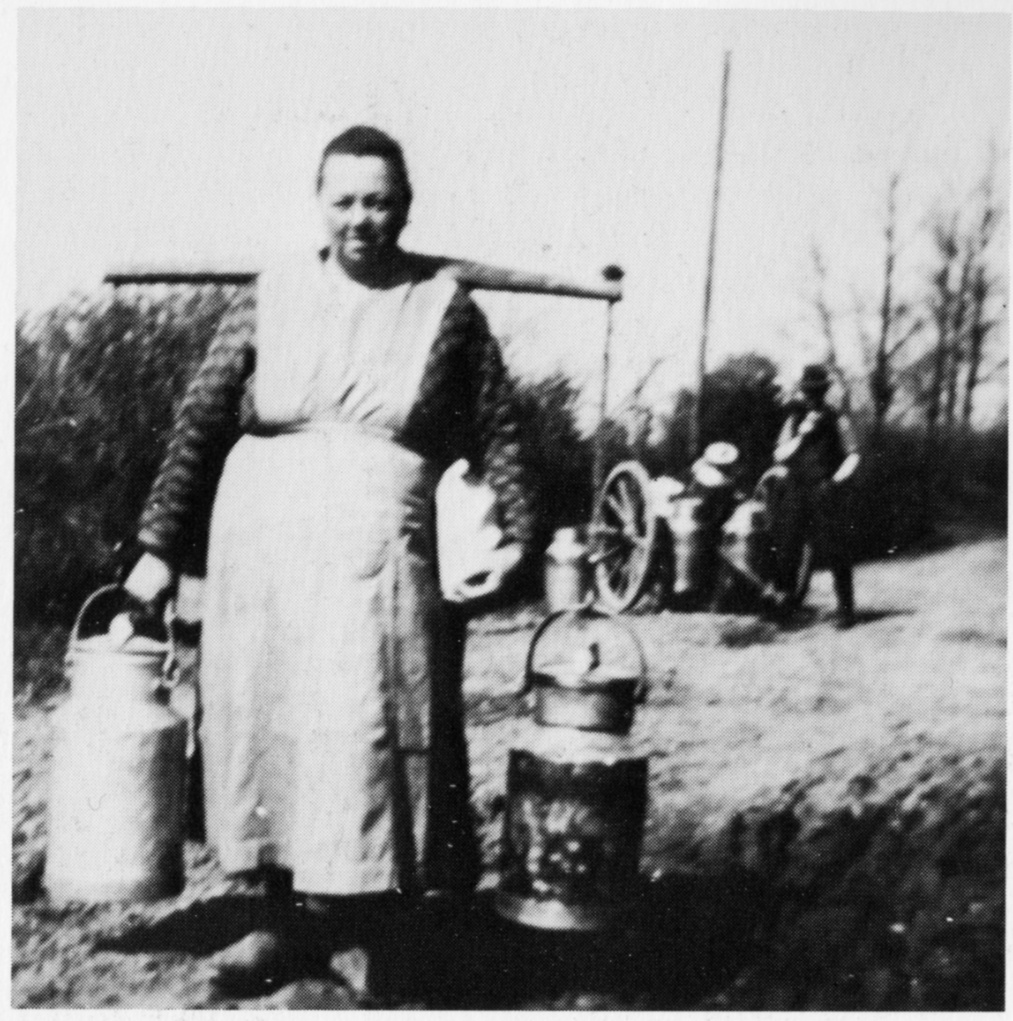
Empty bottles were picked up and returned. The whole system relied on reusable glass.
Just as important as delivering full bottles was collecting the empties left out from the previous delivery, since the entire system relied on reusable glass that got washed, sterilized, and refilled at the dairy before heading back out on the route. It was an efficient, genuinely sustainable model well before the concept had that name. Empty bottles collected for reuse are a defining feature of the milkman system, the return-and-refill process that made home delivery both practical and remarkably low-waste for its era.
12. A Friendly Wave to Early Risers
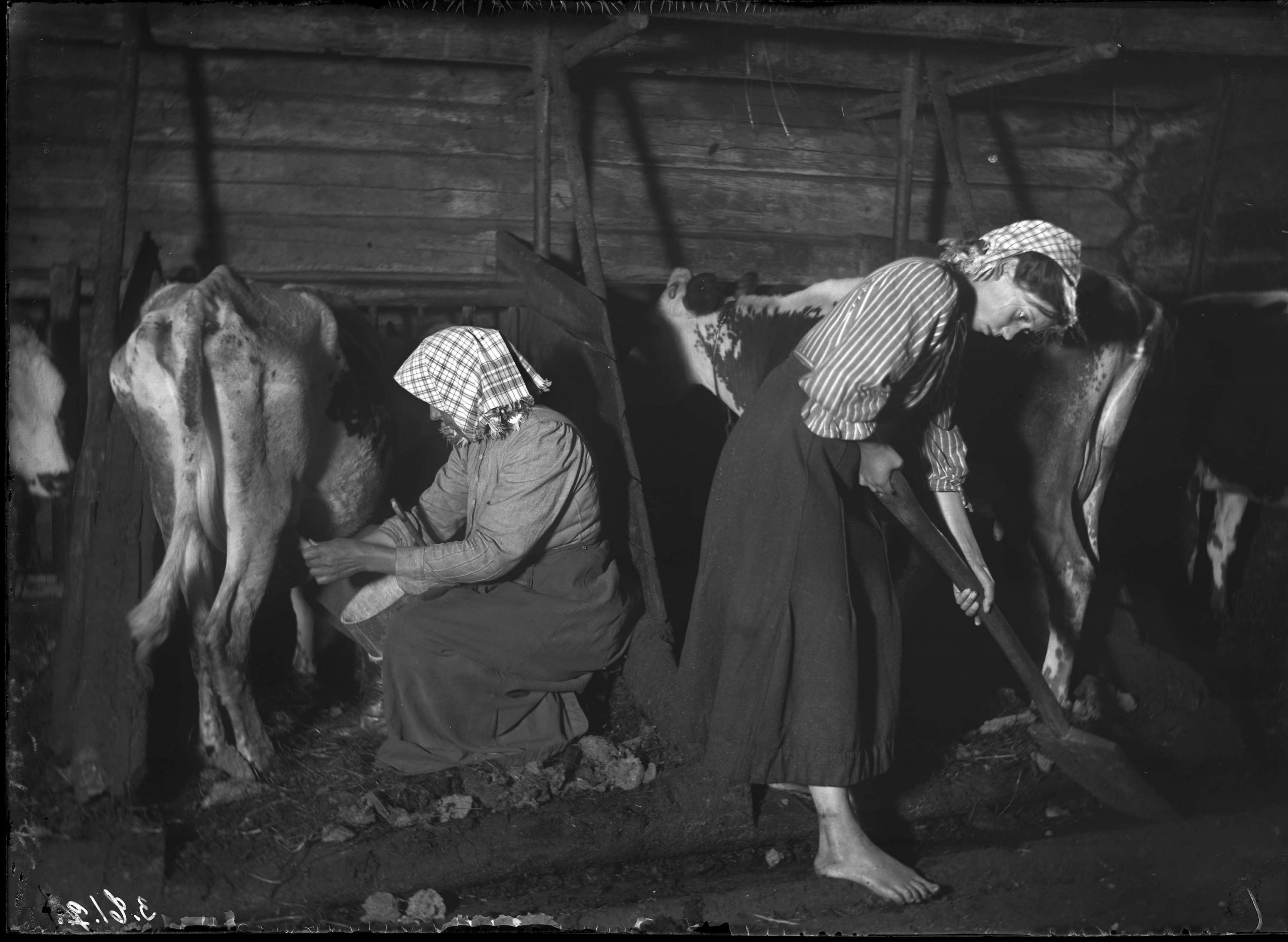
The milkman greeted the occasional early-rising neighbor. It was a small, familiar morning interaction.
Occasionally, an early-rising neighbor or child would catch the milkman mid-delivery and exchange a friendly wave or quick word, a small, familiar interaction that reflected just how personal and community-oriented the job really was. Regular customers often knew him by name. A friendly wave to early risers is a warm milkman-route memory, the brief human connection that punctuated an otherwise solitary early-morning job, a small gesture that captured the genuine neighborliness built into home delivery service.
A Beloved Daily Ritual
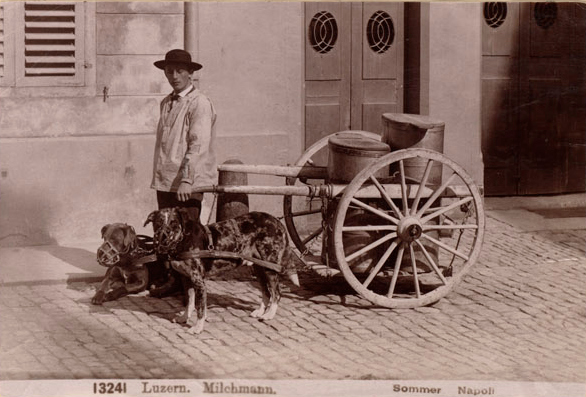
Taken together, these thirteen things capture the world of the 1962 milkman’s route, from the glass bottles and the porch box to the handwritten notes and the friendly early-morning waves. It was a beloved daily ritual, a genuinely personal service that brought fresh dairy products right to the door and became a cherished, dependable part of American family life.
Home milk delivery declined steadily through the following decades, as supermarkets, refrigeration improvements, and changing shopping habits made the daily milkman visit increasingly unnecessary for most households. The shift reflects broader changes in how Americans came to shop for groceries. Yet for those who remember waking to the clink of glass bottles on the porch, these details bring it all back: the wire carrier, the cream risen to the top, the friendly rattle of the truck rounding the corner. Looking back at what every milkman delivered in 1962 is a warm, nostalgic tribute to a genuinely beloved daily ritual.
Like our content? Follow us for more.