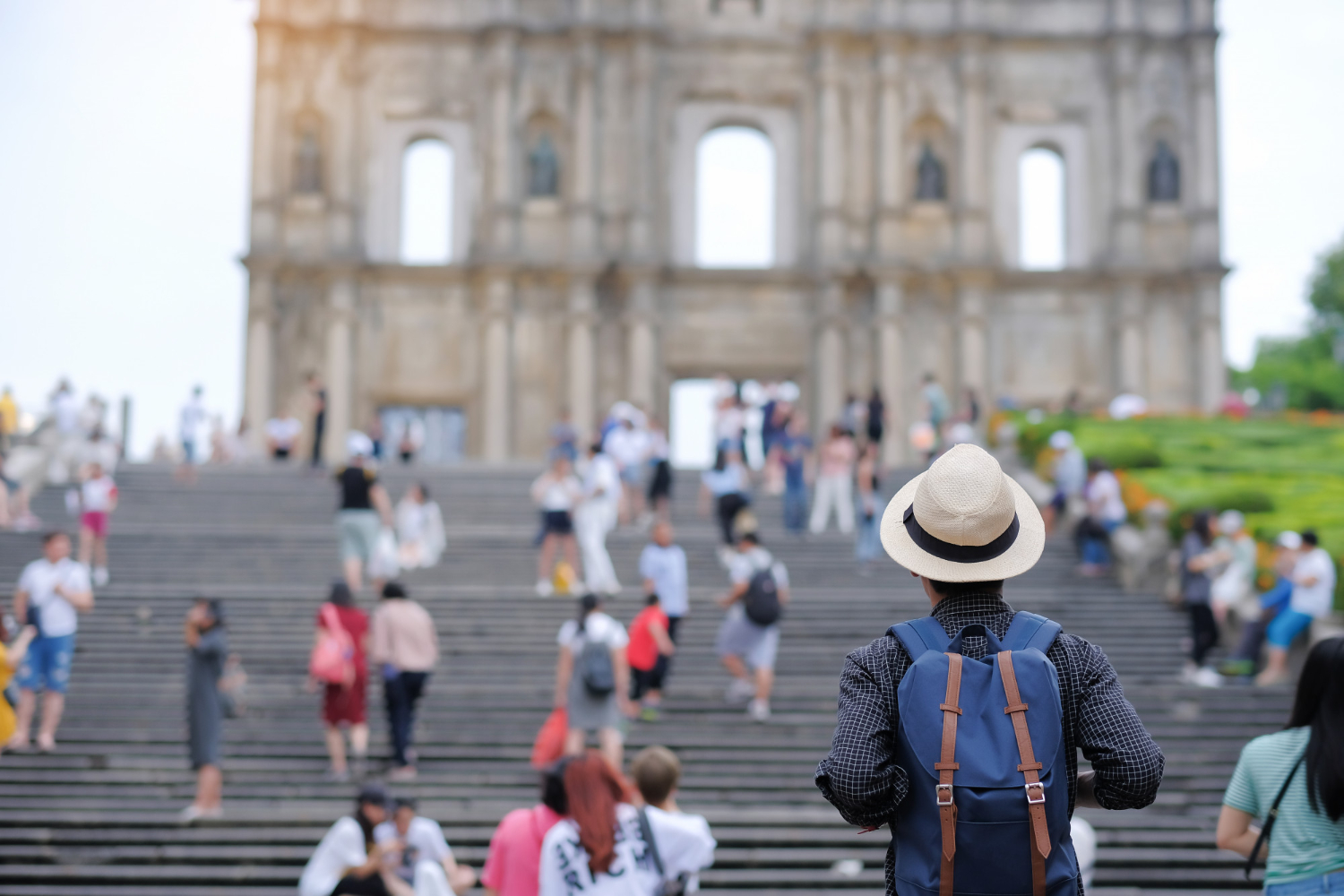
For travelers no longer bound by school vacation schedules or limited annual leave, a flexible calendar is a genuinely underused advantage, one that can transform crowded, overpriced destinations into peaceful, better-value experiences with nothing more than a shift in timing. Here are ten ways to use a flexible schedule to avoid travel crowds, counted down one by one.
1. Travel During Shoulder Season, Not Peak Season

The weeks just before or after peak season offer real benefits. Weather is often still pleasant with far fewer visitors.
Shoulder season, the weeks just before or after a destination’s peak tourist period, typically offers noticeably smaller crowds and lower prices while still delivering reasonably good weather and full access to attractions. A destination popular in July might be nearly as pleasant, and considerably quieter, in early June or September. Traveling during shoulder season, not peak season, is one of the most effective and widely applicable ways to use a flexible schedule, a simple timing shift that meaningfully changes the entire character of a trip.
Like our content? Follow us for more.
2. Visit Popular Attractions on Weekdays, Not Weekends
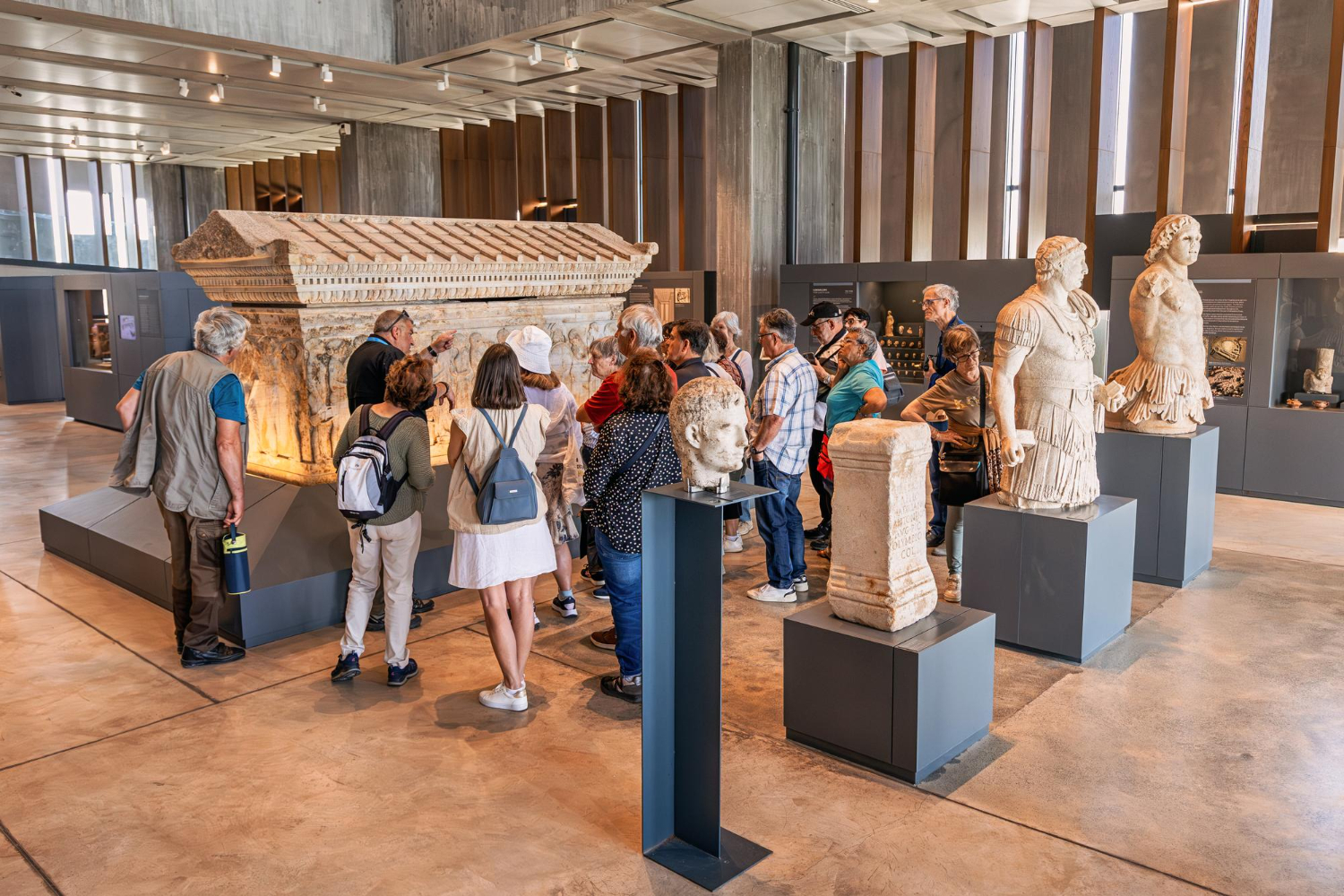
Weekday visits see noticeably fewer local and regional visitors. Weekends draw larger crowds even outside peak tourist season.
Even during a destination’s regular season, weekday visits to popular attractions typically draw noticeably smaller crowds than weekends, when local and regional visitors join the usual tourist traffic. Scheduling museum visits, popular hikes, or major landmarks for a Tuesday or Wednesday rather than a Saturday makes a genuine difference. Visiting popular attractions on weekdays, not weekends, is a simple scheduling tweak available to anyone with a flexible calendar, one that consistently delivers a calmer, less crowded experience.
3. Arrive Right When Attractions Open

The first hour after opening sees the lightest crowds. It also often provides the best light for photography.
Arriving at a popular attraction right when it opens, rather than mid-morning or afternoon, consistently delivers the lightest crowds of the day, along with often the most pleasant temperatures and the best natural light for photography. Most tour buses and day-trippers arrive later, leaving the first hour meaningfully quieter. Arriving right when attractions open is a simple habit with an outsized payoff, the small sacrifice of an early start rewarded with a noticeably more peaceful and enjoyable visit.
4. Avoid School Holiday Periods Entirely

Traveling outside school breaks avoids the largest crowd surges. This flexibility is a major advantage for those without school-age children.
Major school holiday periods, summer break, spring break, and the winter holidays, reliably produce the largest crowd surges at nearly every popular destination, since families with school-age children are constrained to travel during these specific windows. Anyone without that constraint can simply travel during the many weeks in between. Avoiding school holiday periods entirely is one of the single most effective crowd-avoidance strategies available, a genuine structural advantage for travelers whose schedules aren’t tied to an academic calendar.
5. Consider Midweek Cruise Departures

Weekend cruise embarkations tend to be busier. Midweek departures often mean calmer ports and terminals.
Cruise ships that depart midweek rather than on the traditional Friday, Saturday, or Sunday tend to have calmer embarkation terminals and less crowded departure-day logistics, simply because fewer passengers and fewer ships are moving through the port at the same time. Considering midweek cruise departures is a useful, lesser-known way to reduce crowd-related stress right from the very start of a cruise vacation, often without any real difference in the itinerary itself.
6. Book Popular National Parks in the Off-Season
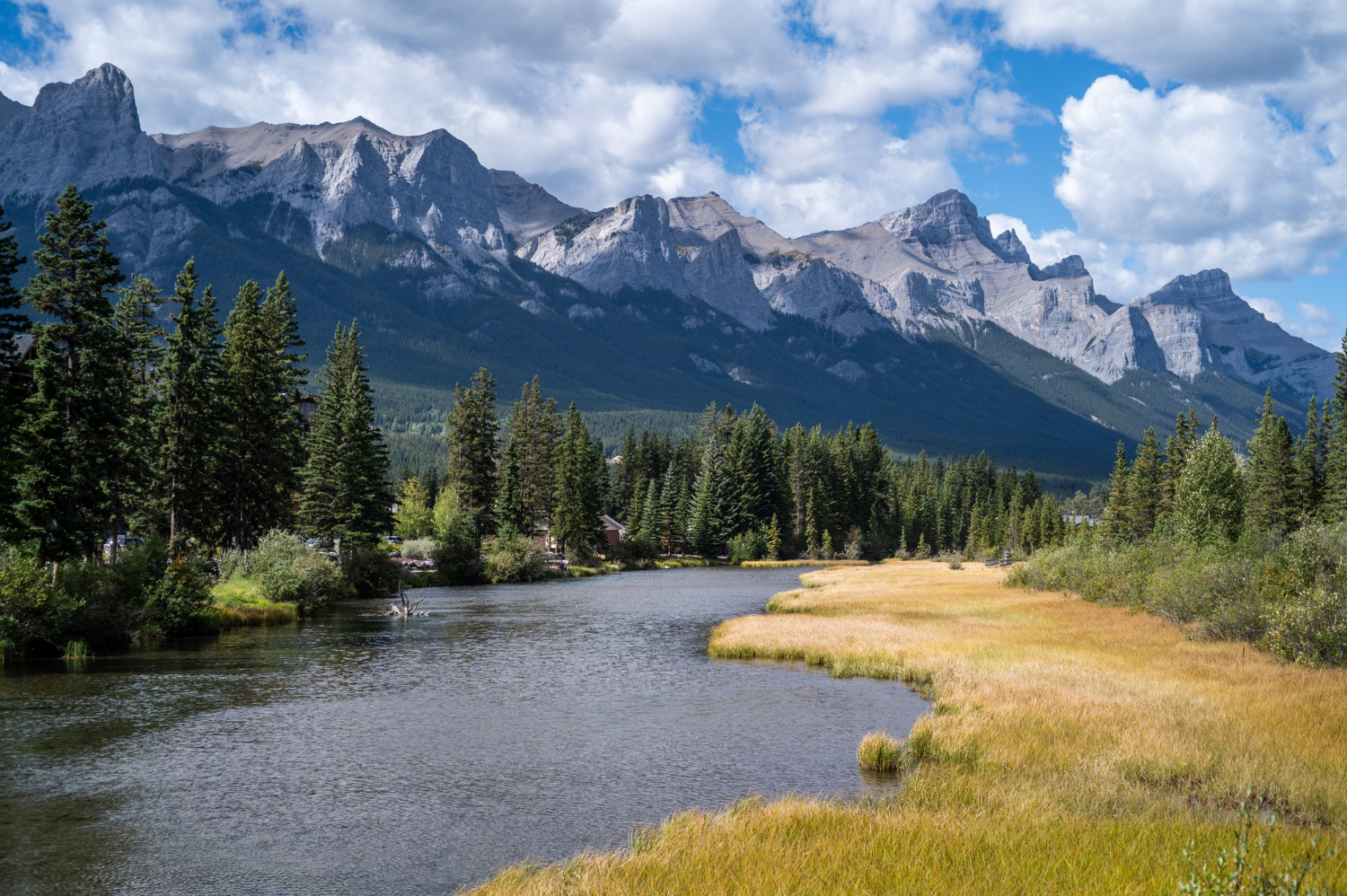
Peak summer months bring the heaviest park crowds. Spring, fall, or even winter visits offer a dramatically different experience.
America’s most popular national parks see the overwhelming majority of their annual visitation concentrated in the summer months, meaning a spring, fall, or even carefully planned winter visit can deliver a dramatically quieter, often more scenic experience, complete with fall foliage or snow-dusted landscapes unavailable in July. Booking popular national parks in the off-season rewards flexible travelers with both easier logistics, including campground and lodging availability, and a fundamentally different, often more beautiful, seasonal character.
7. Choose Red-Eye or Early Morning Flights
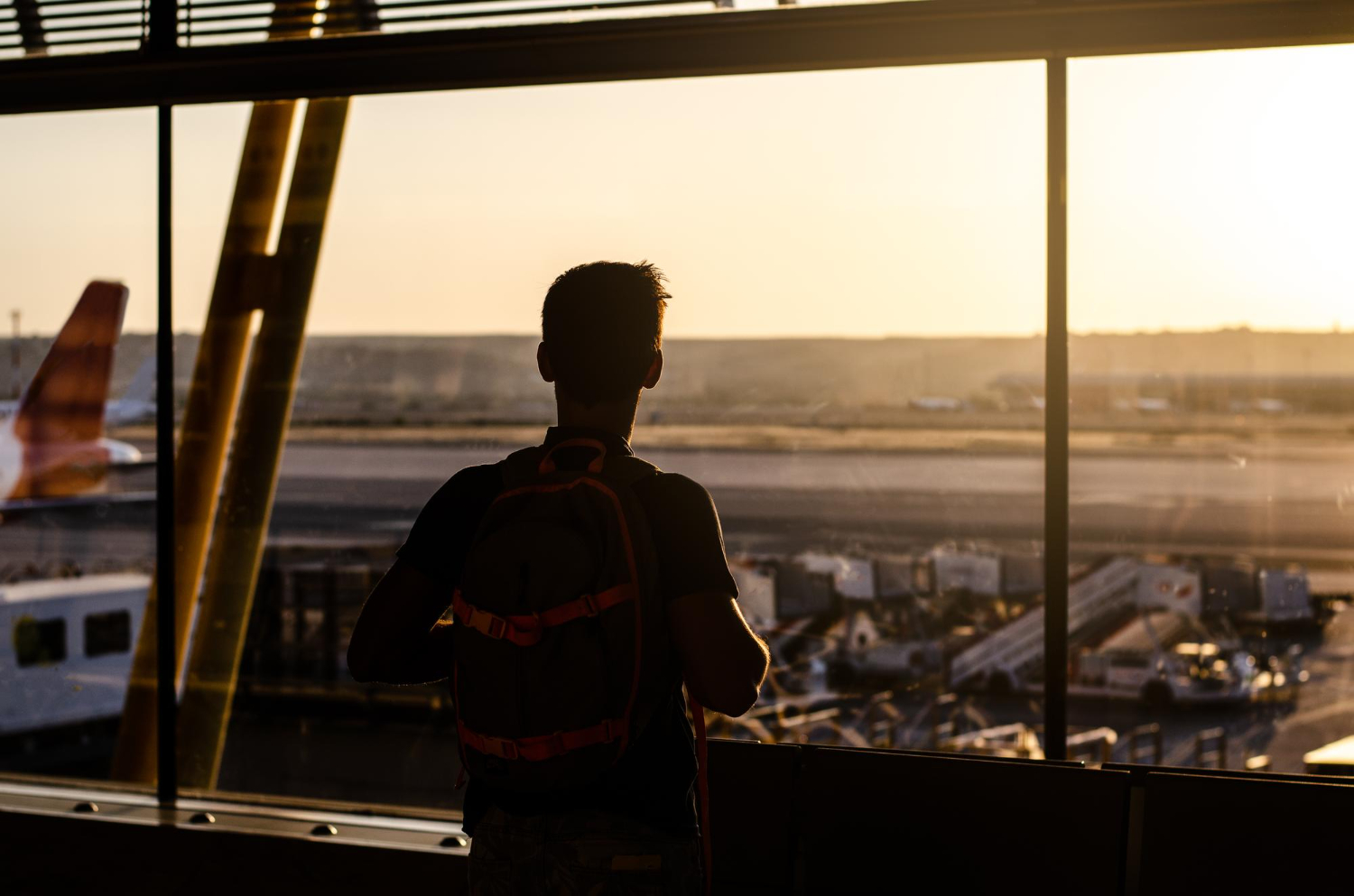
These less popular flight times see fewer travelers overall. Airports and security lines are often noticeably calmer.
Red-eye and very early morning flights are consistently less popular than mid-day and evening departures, resulting in shorter security lines, calmer airport terminals, and often better on-time performance since the whole system hasn’t yet accumulated the day’s delays. Choosing red-eye or early morning flights trades a bit of personal comfort for a considerably smoother overall travel day, a worthwhile exchange for travelers not tied to specific departure preferences.
8. Time International Trips Around the Destination’s Local Calendar

Local holidays and events affect crowd levels significantly. Researching the destination’s own calendar avoids unexpected surges.
Beyond the American school calendar, researching a destination’s own local holidays, festivals, and school break periods helps avoid unexpected crowd surges tied to regional or national events a U.S. traveler might not otherwise anticipate. A quiet week by American standards might coincide with a major local holiday elsewhere. Timing international trips around the destination’s local calendar is thoughtful, worthwhile research, ensuring that crowd-avoidance planning accounts for the actual place being visited, not just American scheduling patterns.
9. Extend Stays to Include Both Ends of the Weekend

A longer stay naturally includes quieter weekdays. This can offset a busier arrival or departure day.
Rather than a tight weekend trip that concentrates entirely on the busiest days, extending a stay to include several weekdays naturally balances out a busier arrival or departure with meaningfully quieter days in the middle of the trip. This approach also tends to reduce overall daily costs, since midweek rates for accommodations are often lower. Extending stays to include both ends of the weekend is a smart structural choice, one that maximizes the quiet-weekday advantage a flexible schedule makes possible.
10. Watch for Shifted “Secondary Peak” Periods

Some destinations have less obvious secondary busy periods. Researching a specific destination’s full calendar avoids these lesser-known surges.
Beyond the obvious summer and holiday peaks, many destinations have less obvious secondary busy periods, a major local festival, a graduation season, or a regional sporting event, that can catch travelers off guard even when the broader calendar seems otherwise quiet. Researching a specific destination’s full annual calendar, not just general seasonal assumptions, helps avoid these lesser-known crowd surges entirely.
The Freedom of an Open Calendar

Taken together, these ten strategies show just how much a flexible schedule can improve the actual experience of travel, quieter attractions, shorter lines, and often meaningfully lower prices, simply by shifting when a trip happens rather than where. For travelers no longer bound by a school or rigid work calendar, this flexibility is a genuine, underused advantage.
None of these strategies require sacrificing a destination’s best features, the same landmarks, trails, and attractions remain available, just experienced without the heaviest crowds competing for the same views and photo opportunities. A little research into a specific destination’s shoulder season, local calendar, and typical crowd patterns pays off considerably in the actual quality of the trip. For anyone with genuine flexibility in when they travel, this advantage is well worth building deliberately into every trip-planning decision.
Like our content? Follow us for more.