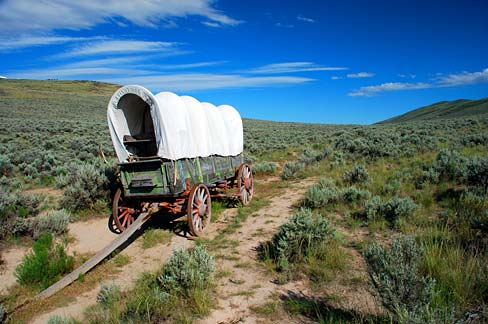
Between the 1840s and 1860s, hundreds of thousands of Americans loaded covered wagons and set out on the grueling, months-long journey along the Oregon Trail, and what they packed to eat had to meet a very particular set of demands: it needed to be lightweight, resistant to spoiling in extreme heat and jostling wagons, and calorie-dense enough to fuel days of walking beside the oxen. Here are ten foods that actually sustained pioneers on the Oregon Trail, counted down one by one.
1. Flour, by the Hundreds of Pounds
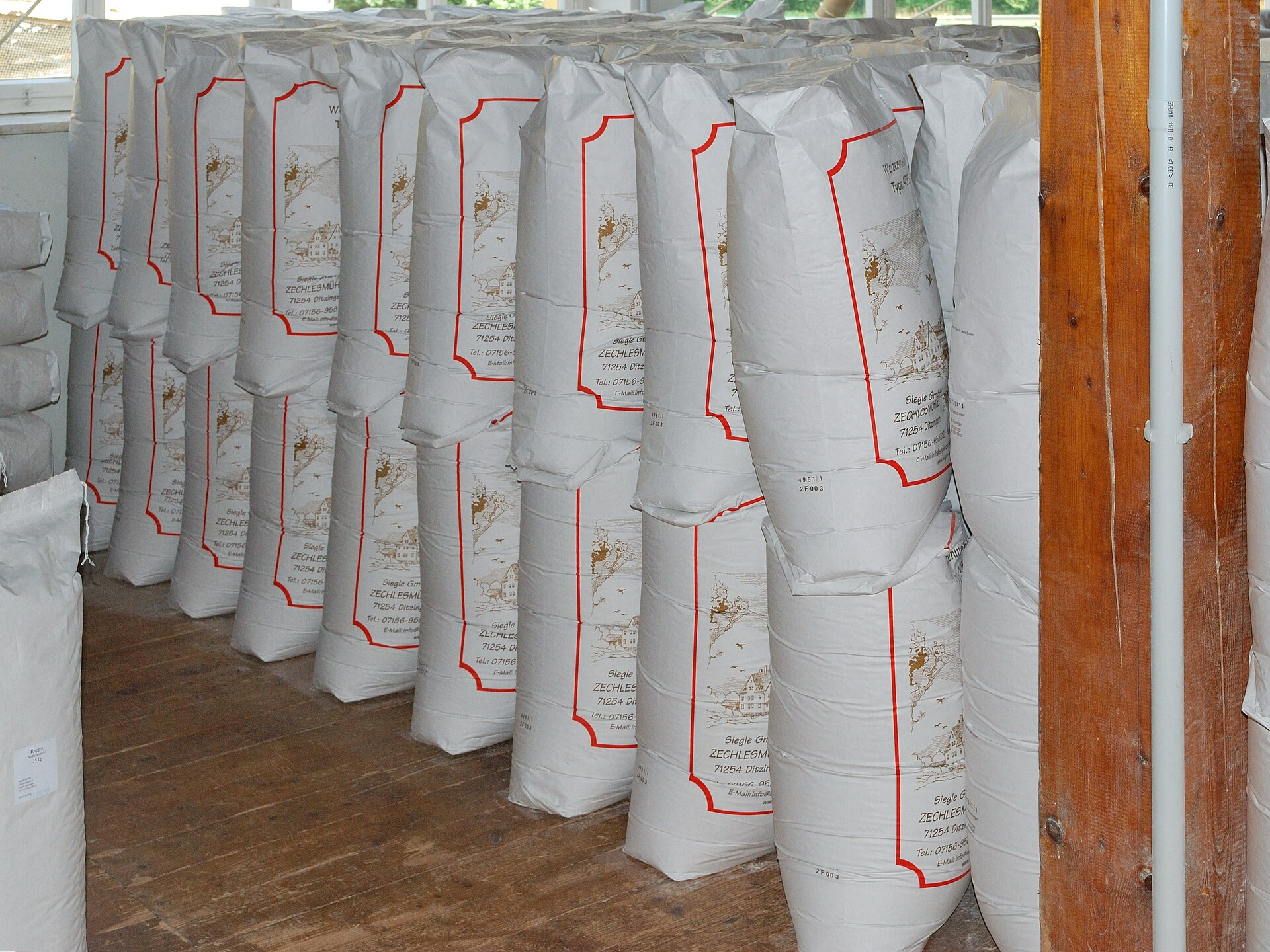
Flour was the single most essential trail staple. Families packed enormous quantities to last the entire journey.
Guidebooks of the era typically recommended around 200 pounds of flour per adult for the full journey, an enormous quantity that formed the absolute backbone of the pioneer diet, used daily to make bread, biscuits, and other simple baked staples cooked over an open campfire. Flour packed by the hundreds of pounds reflects just how central this single ingredient was to trail survival, the essential base that, combined with little more than water and basic leavening, kept families fed across thousands of miles of travel.
Like our content? Follow us for more.
2. Bacon, Preserved in Salt

Salted, cured bacon resisted spoilage remarkably well. It became the primary source of protein and cooking fat.
Heavily salted and cured bacon was the trail’s primary meat source, prized specifically because the salt-curing process let it withstand weeks of heat and jostling without spoiling, unlike fresh meat, which was rarely practical to transport. Bacon preserved in salt served double duty as both protein and cooking fat, rendered down to fry other foods and add crucial calories to an otherwise simple, repetitive daily diet built for sheer endurance rather than variety.
3. Hardtack and Other Dense Crackers

Simple flour-and-water crackers resisted spoilage almost indefinitely. They provided quick, portable calories.
Simple, extremely dense crackers made from little more than flour and water, sometimes called hardtack, could last almost indefinitely without spoiling, making them a reliable emergency food source when time or fuel for proper cooking was scarce along the trail. Hardtack and other dense crackers offered genuinely practical trail nutrition, a nearly indestructible food that required no refrigeration and could be eaten straight from the wagon during a long, exhausting day of travel.
4. Dried Beans
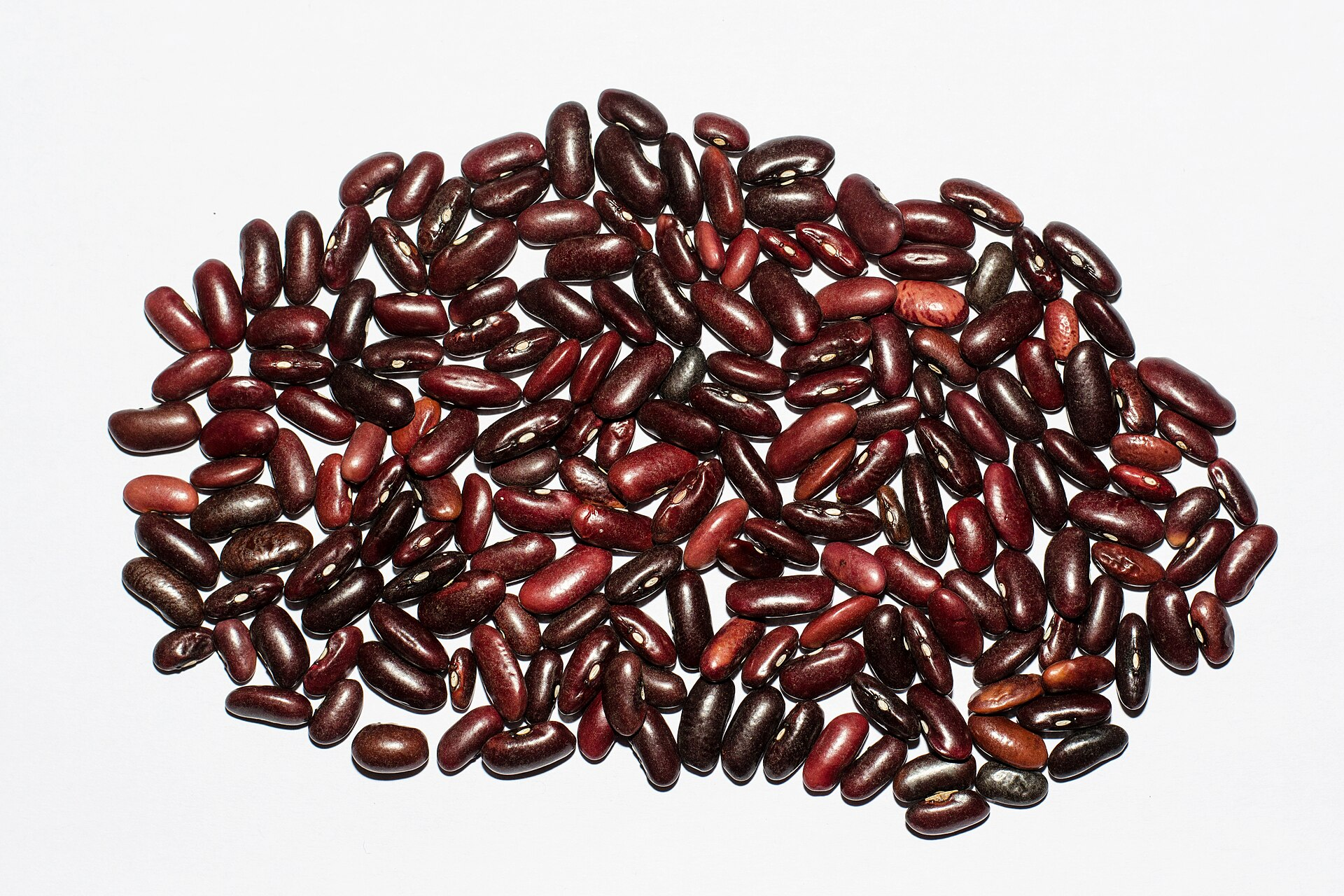
Dried beans provided lasting, nutritious calories. They rehydrated easily over a campfire when time allowed.
Dried beans were another trail staple, lightweight and shelf-stable for the journey’s duration, and easily rehydrated by simmering over a campfire when the day’s travel allowed enough time to properly cook a meal. Dried beans provided essential, lasting nutrition that fresh vegetables simply couldn’t offer on a months-long journey, a practical, protein-rich staple that rounded out the otherwise heavily bread-and-meat-focused pioneer diet.
5. Coffee, Brewed Strong Each Morning

Coffee was considered nearly essential for morale and energy. Beans were roasted and ground fresh along the trail.
Coffee was considered nearly indispensable by most pioneer families, brewed strong each morning over the campfire to provide both genuine energy and a small, comforting ritual amid the grueling monotony of daily travel. Coffee brewed strong each morning offered pioneers a crucial psychological boost as much as a physical one, a familiar daily comfort that helped travelers face another long day of walking behind a slow-moving wagon.
6. Dried Fruit, When Available
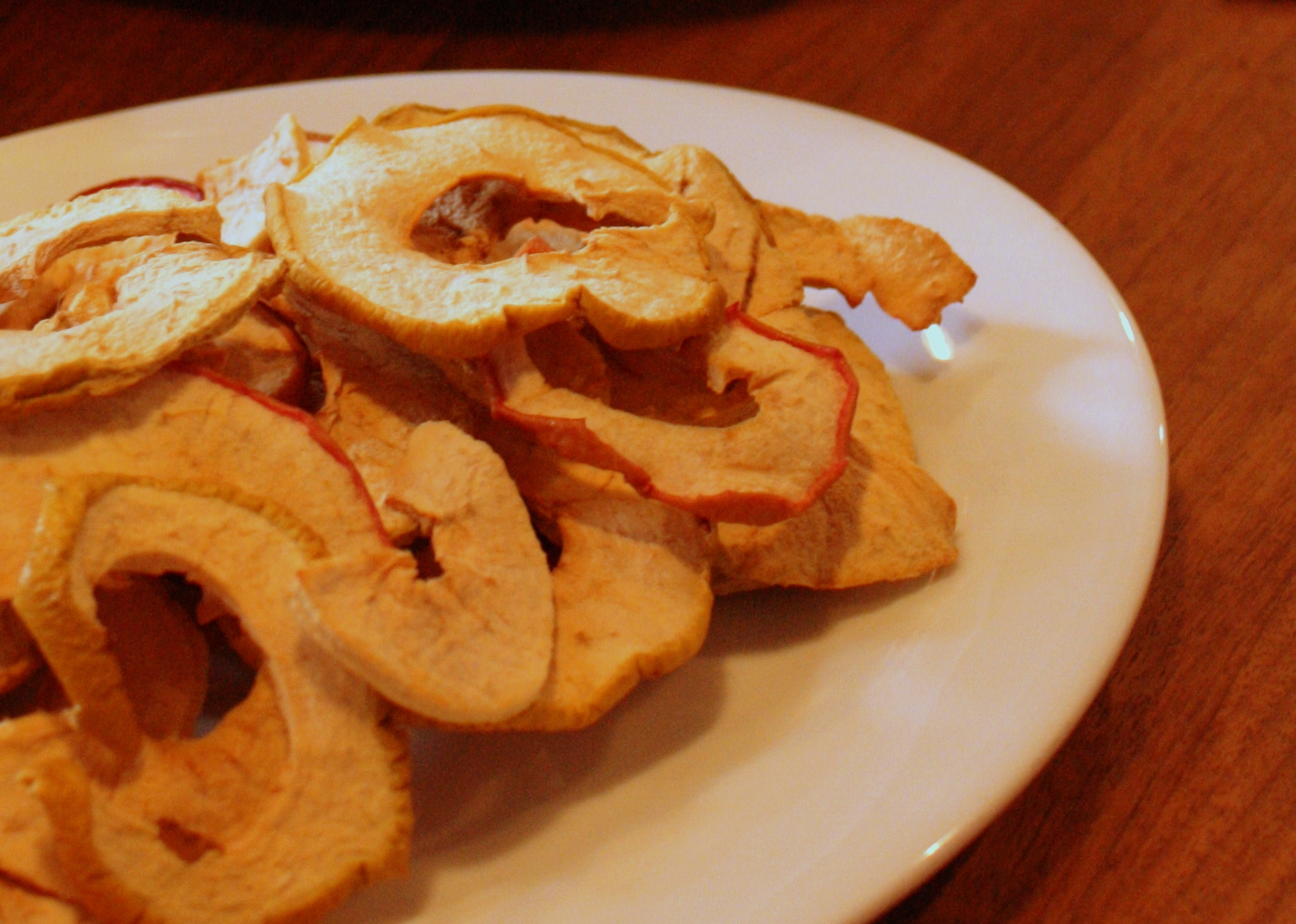
Dried apples and other fruit offered a rare source of natural sweetness. They also helped prevent nutritional deficiencies.
Families who could afford it packed dried fruit, dried apples especially, offering a rare source of natural sweetness and useful nutrients that helped offset the otherwise heavily starchy, meat-forward trail diet. Dried fruit, when available, provided a welcome variety in flavor and nutrition, a small luxury that helped guard against the kind of dietary deficiencies that could develop over months of eating largely the same handful of preserved staples.
7. Cornmeal for Simple Johnnycakes
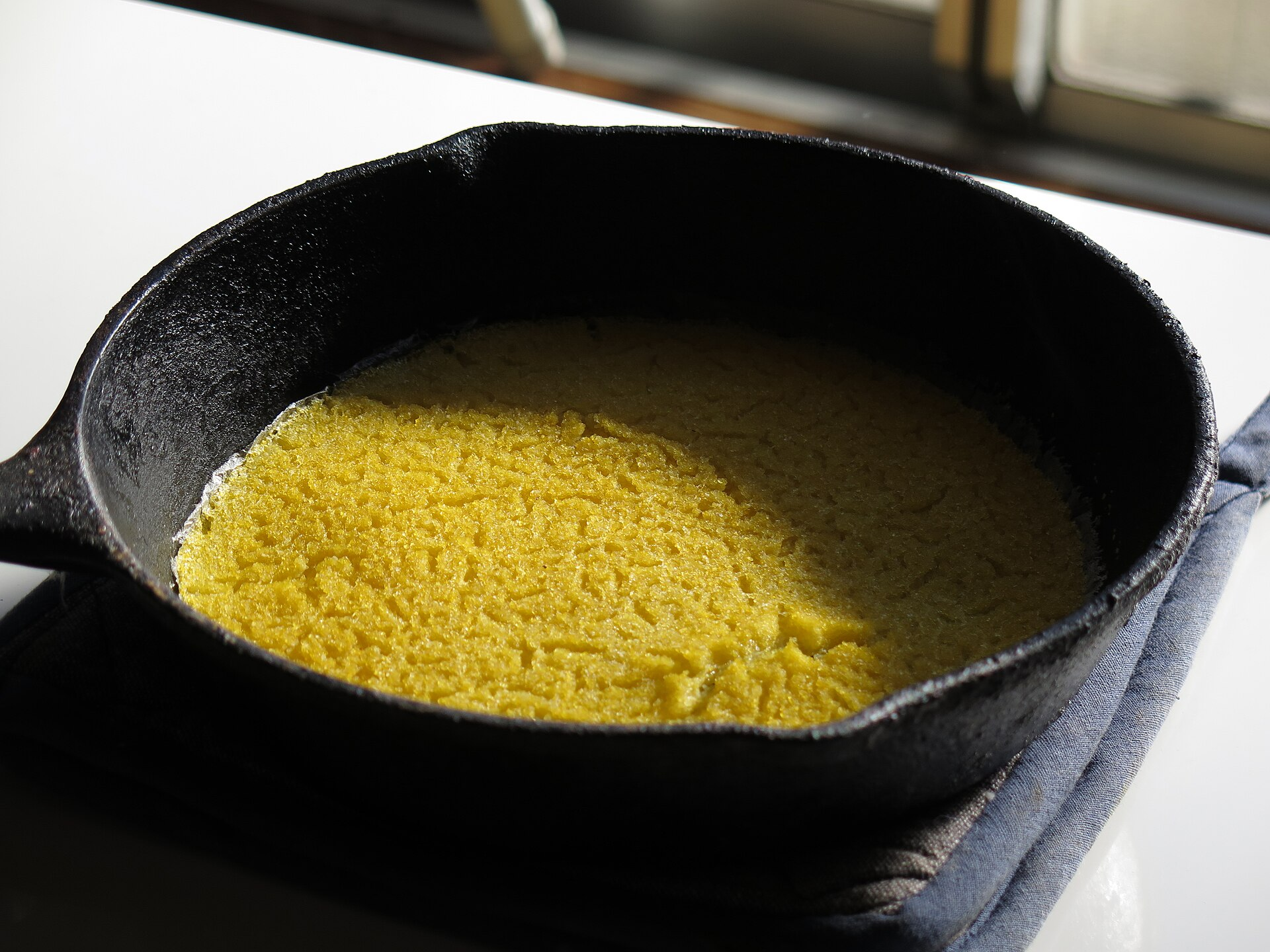
Cornmeal offered another versatile, shelf-stable grain option. Simple fried cakes provided a change from wheat bread.
Cornmeal, another shelf-stable staple, was often mixed with water and fried into simple flat cakes known as johnnycakes, offering pioneers a change of texture and flavor from the heavier wheat-flour bread that otherwise dominated the daily menu. Cornmeal for simple johnnycakes reflects the practical resourcefulness of trail cooking, a straightforward, versatile grain that stretched limited cooking time and fuel into another filling, easily prepared staple.
8. Wild Game Hunted Along the Way
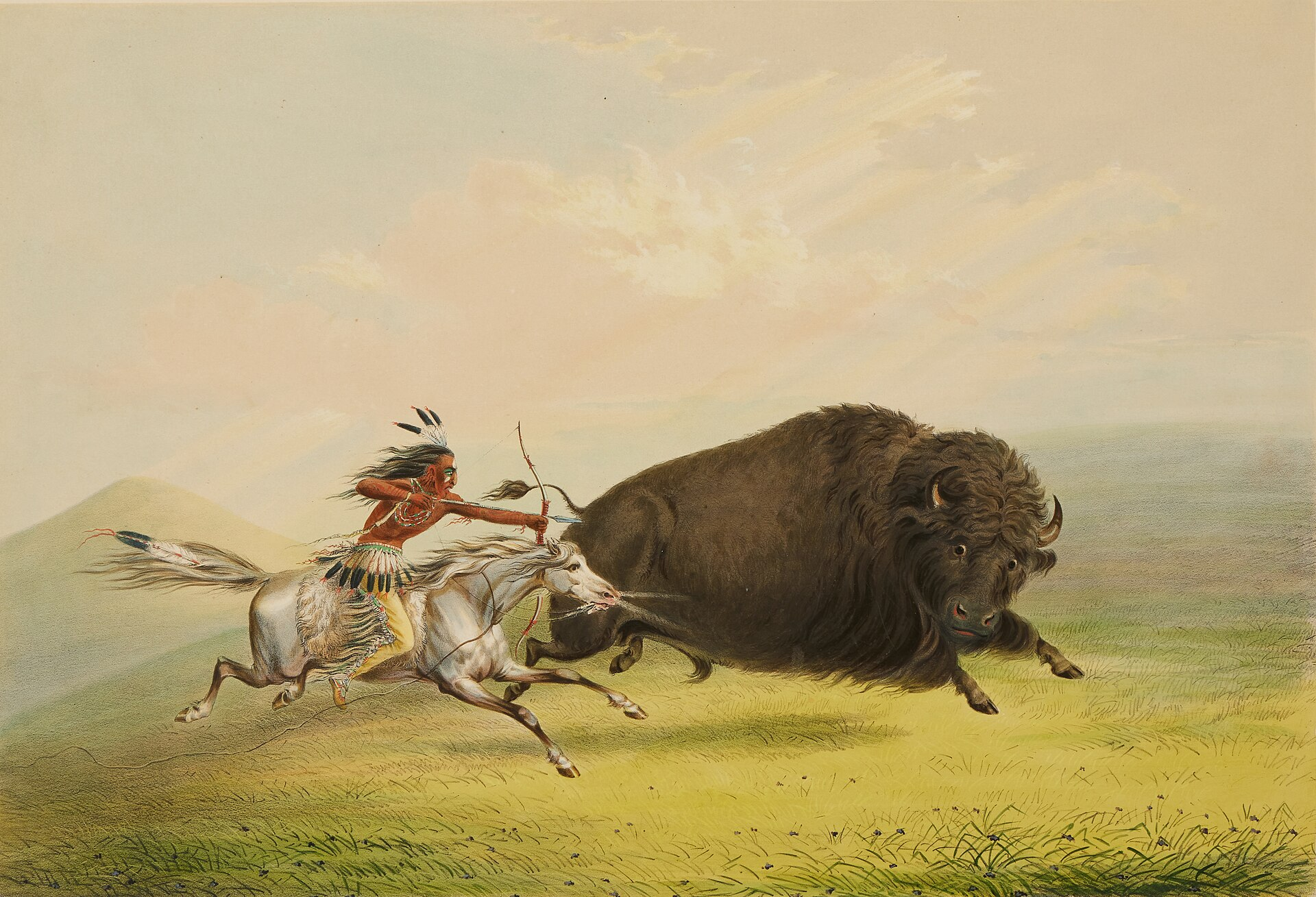
Buffalo, deer, and other game supplemented preserved supplies. Fresh meat was a welcome, if unpredictable, addition.
When the opportunity arose, pioneer men hunted buffalo, deer, and other wild game along the trail, supplementing the family’s preserved supplies with genuinely fresh meat, a welcome if entirely unpredictable addition to the otherwise monotonous daily diet. Wild game hunted along the way offered a rare taste of variety and abundance, a resourceful supplement to the trail’s core provisions that depended entirely on the skill, luck, and available wildlife encountered on any given stretch of the journey.
9. Milk From Cows Brought Along
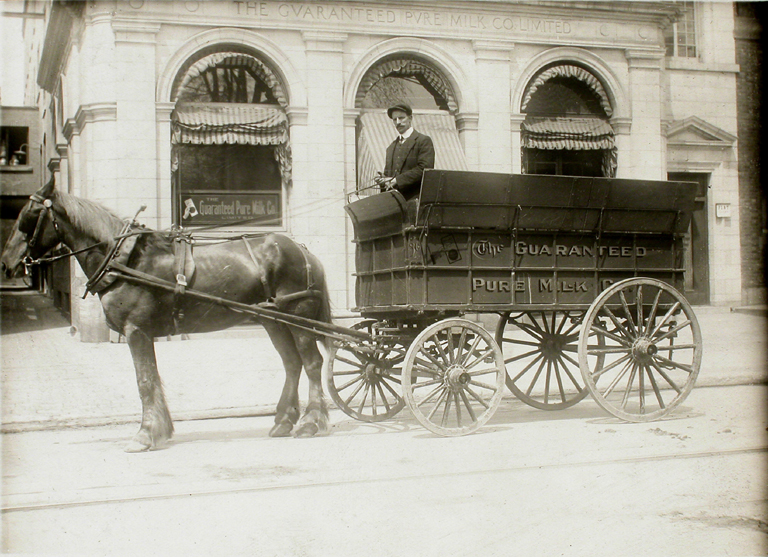
Some families brought a milk cow tethered to the wagon. Fresh milk, and even butter churned by the wagon’s motion, resulted.
Some families brought along a milk cow, tethered behind or alongside the wagon, providing a source of fresh milk throughout the journey and, according to popular trail lore, sometimes even naturally churning into butter from the constant jostling motion of the wagon itself. Milk from cows brought along offered pioneer children in particular a genuinely valuable source of fresh nutrition, a rare bit of dairy freshness amid an otherwise entirely preserved and dried trail diet.
10. Foraged Wild Greens and Berries
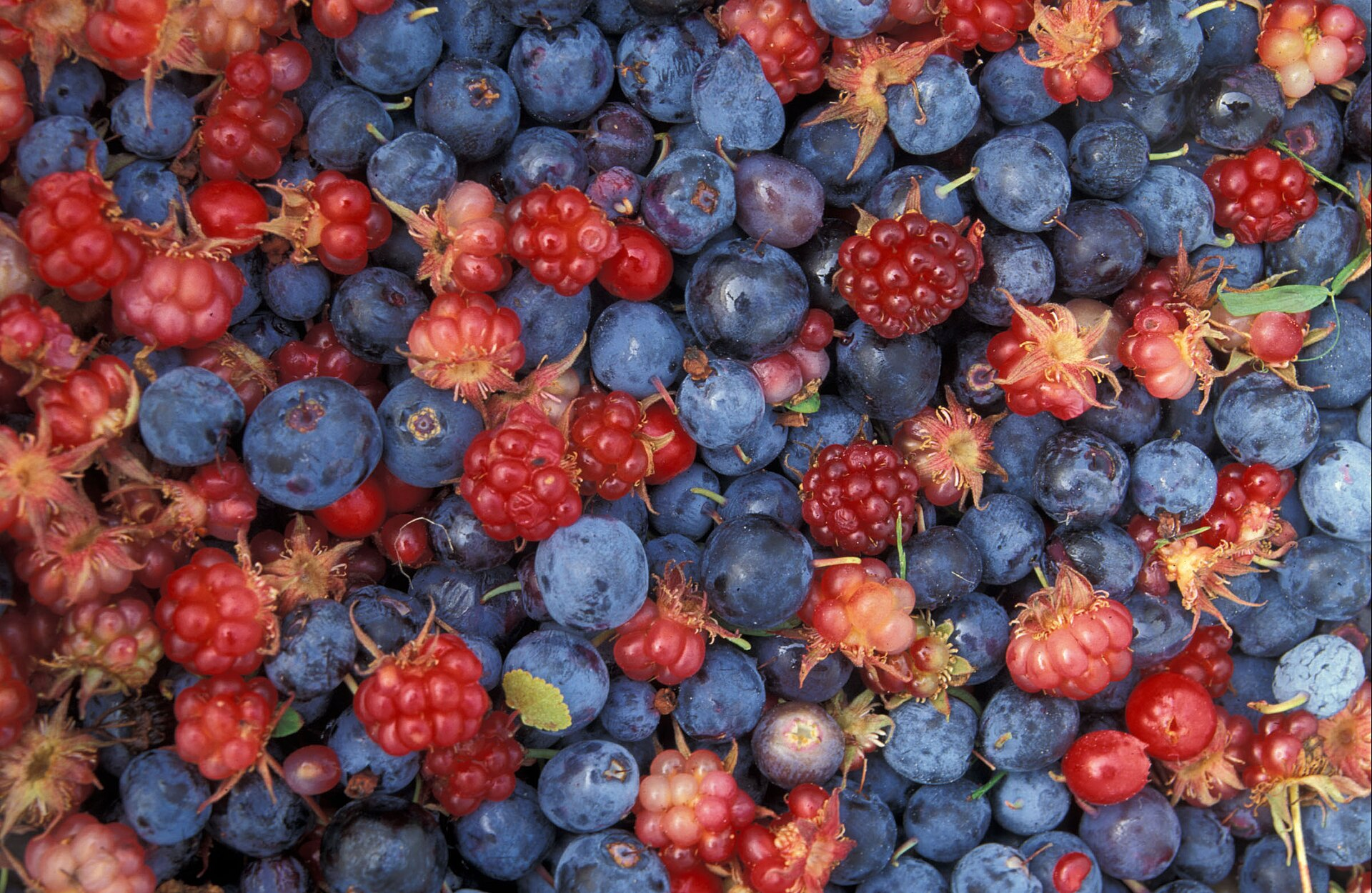
Travelers supplemented meals with foraged plants along the route. Fresh greens and berries added rare nutritional variety.
When the trail passed through areas with edible wild plants, pioneers foraged for greens, berries, and other seasonal finds, adding a welcome bit of fresh nutrition and flavor to a diet otherwise dominated by preserved staples. Foraged wild greens and berries provided a genuinely important nutritional supplement, a resourceful practice that helped fill gaps in vitamins and minerals largely absent from the trail’s core supply of flour, bacon, and dried beans.
A Diet Built for Survival
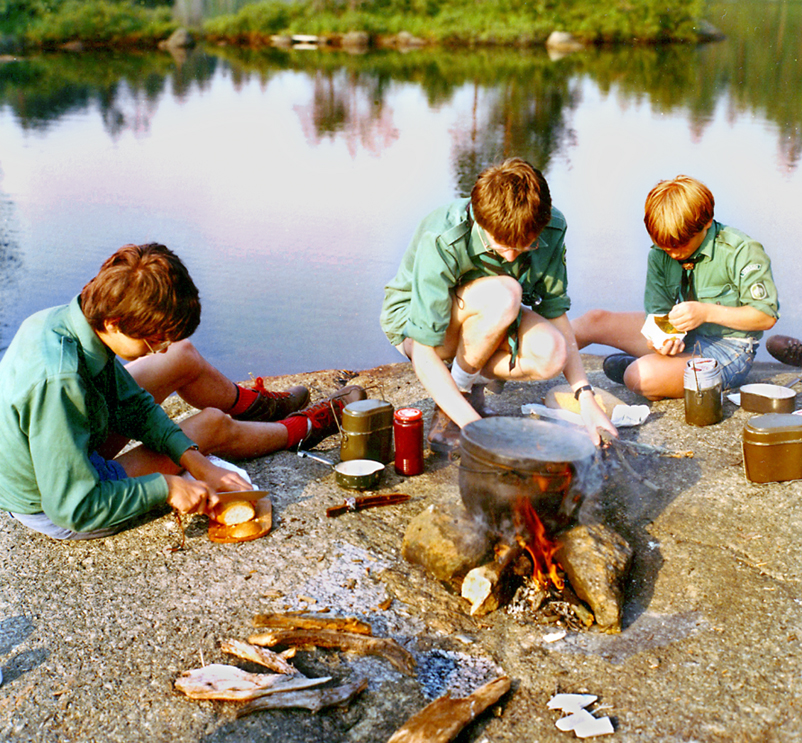
Taken together, these ten foods capture exactly what sustained pioneer families across one of the most grueling journeys in American history, staples chosen not for flavor or variety but for their ability to survive months of heat, jostling, and unpredictable weather without spoiling. It was a diet built entirely around endurance.
Modern reenactments and historical accounts consistently emphasize just how monotonous and physically demanding the pioneer diet actually was, a stark contrast to the abundance most Americans take for granted today. The foods that sustained these travelers reflect genuine ingenuity under difficult circumstances, a resourceful approach to nutrition shaped entirely by the practical constraints of a covered wagon and a months-long journey with no reliable resupply along much of the route. Understanding what pioneers actually ate offers a genuinely vivid window into the daily reality behind one of America’s most storied westward migrations, a diet defined by necessity, preservation, and remarkable resilience, one that fed hundreds of thousands of ordinary families across some of the harshest overland travel conditions in the country’s history.
Like our content? Follow us for more.