
Packing for a cruise isn’t quite like packing for a typical vacation, since a single trip might involve multiple climates, formal dinners, port excursions, and days entirely at sea, all while working within the limited storage space of a cabin. Here are ten things to know about packing for a cruise, counted down one by one.
1. Cabin Storage Is More Limited Than You’d Expect

Cruise cabins offer surprisingly little closet and drawer space. Packing efficiently matters more than on a typical trip.
Standard cruise cabins, particularly interior and oceanview categories, typically offer considerably less closet and drawer space than a hotel room, making efficient packing genuinely more important than on a typical land-based trip. Using packing cubes and collapsible items helps maximize the limited space available. Cabin storage being more limited than you’d expect is essential to plan around, since overpacking on a cruise creates a more immediate, tangible problem than it would in a spacious hotel room.
Like our content? Follow us for more.
2. Formal Night Attire Is Still Expected on Many Lines

Traditional cruise lines maintain at least one formal evening. Packing appropriate attire avoids an awkward mismatch.
Many traditional cruise lines still designate at least one or two formal nights during a typical sailing, when the main dining room expects collared shirts and dresses at minimum, sometimes suits or gowns on more upscale lines. Formal night attire still being expected on many lines is worth confirming specifically for your cruise line and itinerary, since dress codes vary considerably and packing appropriately avoids feeling underdressed at a highlight dinner of the trip.
3. Layers Matter More Than a Single Climate Wardrobe

Ship interiors run cool with strong air conditioning. Port days can swing dramatically warmer.
[IMAGE SUGGESTION] Wikimedia Commons “layered clothing cruise temperature variety” — CC-licensed image of layered clothing.
Cruise ship interiors are often kept noticeably cool with strong air conditioning, while port excursions in tropical or warm-climate destinations can be dramatically hotter, meaning a packing strategy built around versatile layers works better than a wardrobe suited to just one temperature. Layers mattering more than a single climate wardrobe reflects the genuinely variable conditions of a cruise, since a single day might move between a chilly dining room and a sweltering beach excursion.
4. A Portable Power Strip Solves a Common Outlet Shortage

Cabins often have very few electrical outlets. A non-surge power strip adds welcome charging capacity.
Many cruise cabins offer just one or two electrical outlets, a genuine shortage for travelers carrying phones, cameras, and other devices needing regular charging. A portable, non-surge-protected power strip, most cruise lines prohibit surge protectors specifically for safety reasons, solves this common problem effectively. A portable power strip solving a common outlet shortage is a small but genuinely useful packing addition, provided you confirm your specific cruise line’s policy on power strips before bringing one aboard.
5. Motion Sickness Remedies Are Worth Packing Preemptively
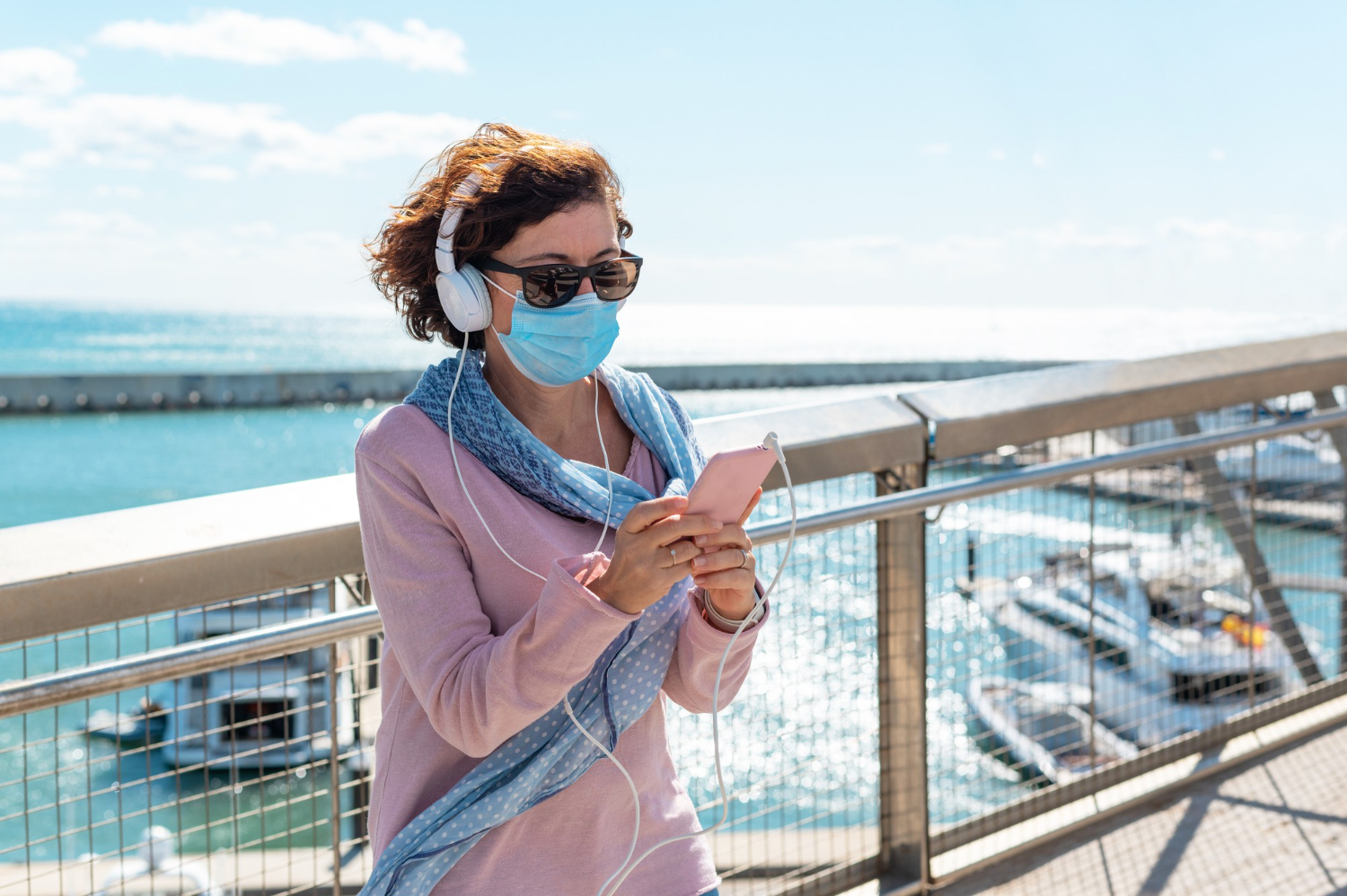
Rough seas can affect even experienced travelers. Having remedies on hand before symptoms start helps considerably.
Even travelers who don’t typically experience motion sickness can be affected by genuinely rough seas, and packing preferred remedies, whether over-the-counter medication, acupressure bands, or other preventive measures, before symptoms start is far more effective than trying to address them after the fact. Motion sickness remedies being worth packing preemptively is sensible preparation for any cruise, a small precaution that can meaningfully protect an otherwise enjoyable trip from being derailed by a few uncomfortable days at sea.
6. A Day Bag Simplifies Port Excursions

A separate small bag makes shore excursions considerably easier. Carrying everything from the cabin isn’t practical.
Bringing a separate, smaller day bag or backpack specifically for port excursions, holding sunscreen, a water bottle, identification, and a small amount of cash, makes shore days considerably more comfortable than trying to manage everything from a larger suitcase left back in the cabin. A day bag simplifying port excursions is a practical packing addition, one that keeps essentials organized and easily accessible during the busiest, most activity-filled days of the entire cruise.
7. Certain Items Are Prohibited or Restricted Onboard
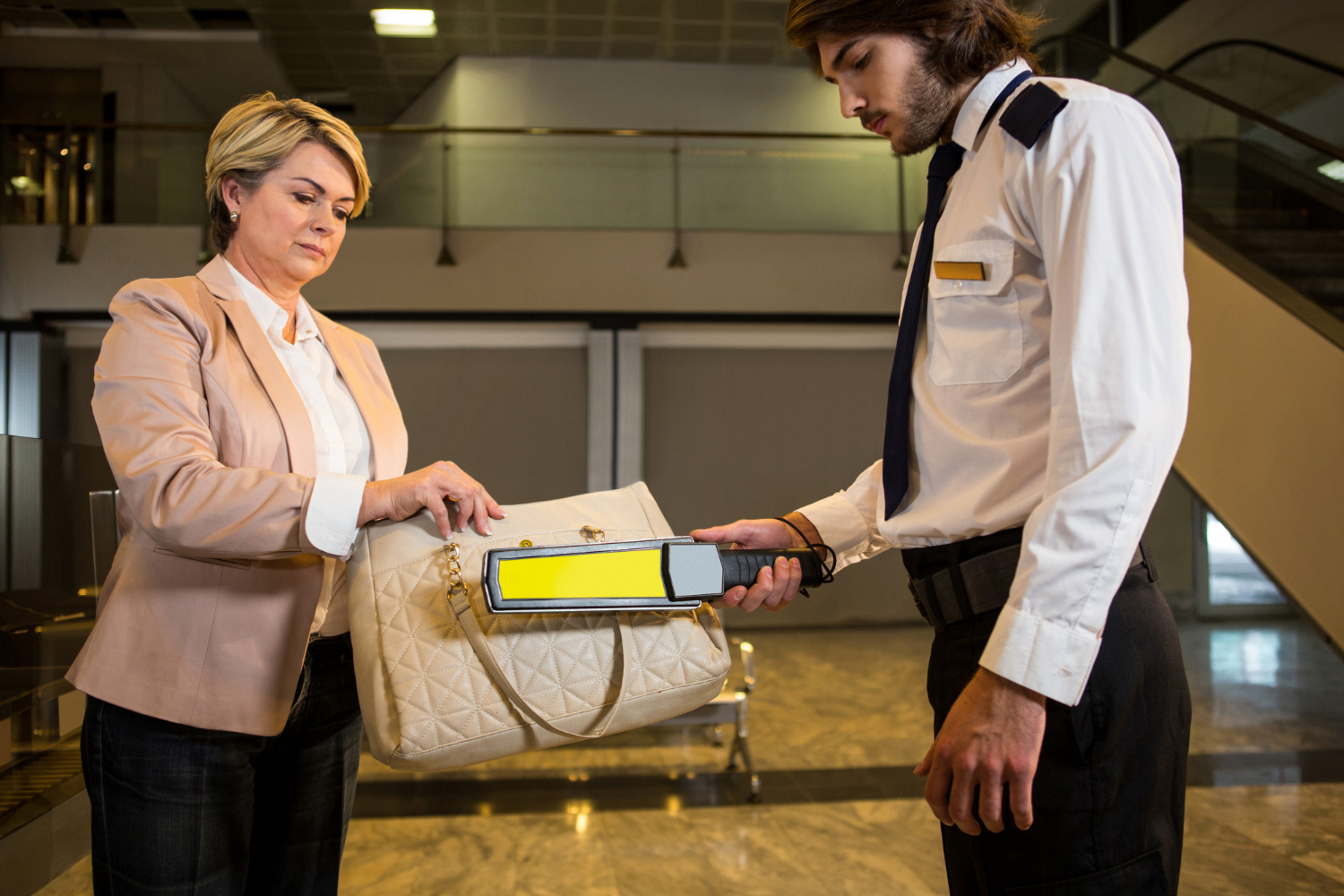
Cruise lines maintain specific banned-item lists. Checking these in advance avoids confiscation at boarding.
Most cruise lines maintain specific lists of prohibited or restricted items, certain appliances, weapons, and often limits on how much alcohol can be brought aboard, and checking your specific cruise line’s current policy before packing prevents an item from being confiscated during the boarding security check. Certain items being prohibited or restricted onboard is essential to research ahead of time, since policies vary meaningfully between cruise lines and even between different ship classes within the same line.
8. Reef-Safe Sunscreen Is Increasingly Required
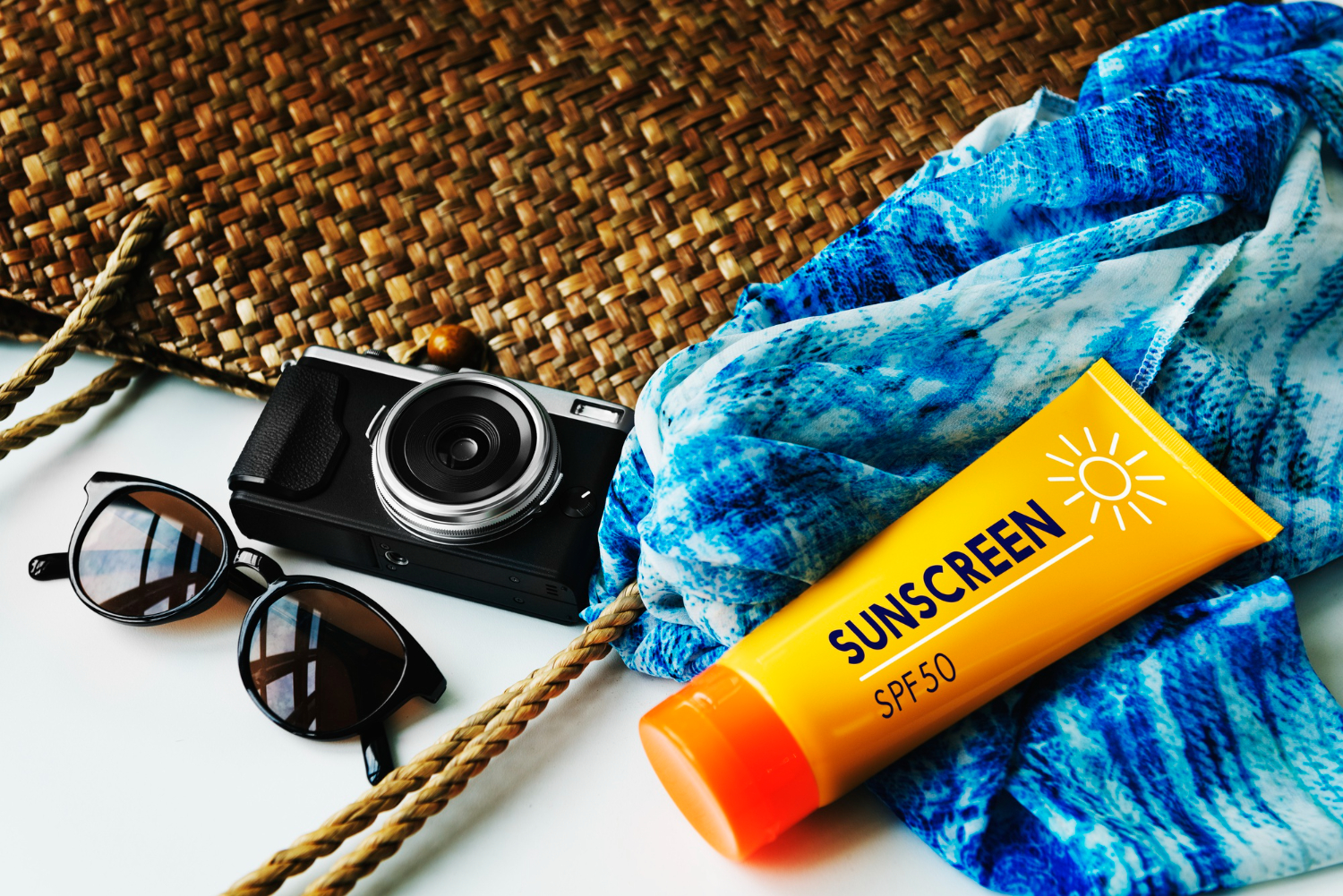
Many destinations now mandate reef-safe formulations. Standard sunscreen may be confiscated or restricted at certain ports.
A growing number of destinations, particularly in Hawaii and parts of the Caribbean, have restricted or banned certain sunscreen ingredients believed to harm coral reefs, meaning packing reef-safe sunscreen specifically is increasingly important for cruises visiting these regions. Reef-safe sunscreen being increasingly required reflects genuine environmental regulations at specific ports, making it worth checking your itinerary’s destinations for any local sunscreen restrictions before departure.
9. Comfortable, Broken-In Walking Shoes Matter More Than Style

Port days often involve significant walking on uneven terrain. Well-worn, supportive shoes prevent real discomfort.
Port excursions frequently involve considerable walking on cobblestone streets, uneven trails, or extended standing during tours, making genuinely comfortable, already broken-in shoes far more valuable than a stylish but untested pair packed purely for appearance. Comfortable, broken-in walking shoes mattering more than style is practical advice worth heeding, since sore feet from new shoes can genuinely diminish an otherwise enjoyable day exploring a new port.
10. Packing a Printed Copy of Key Documents Adds Security

Digital documents can fail at the worst moment. Physical backups provide genuine peace of mind.
While most cruise lines now handle boarding digitally, packing a printed copy of your passport, cruise documents, and any required visas provides a genuine backup if a phone battery dies or a digital document proves inaccessible at a critical moment. Packing a printed copy of key documents adds security that’s easy to overlook, a low-effort precaution that removes one more potential point of failure from an otherwise smooth boarding and travel process.
Ready for Whatever the Cruise Brings

Taken together, these ten points show that packing for a cruise rewards thinking beyond a standard vacation wardrobe, formal attire, layered clothing, day-excursion essentials, and destination-specific requirements like reef-safe sunscreen all deserve real consideration. A little extra planning ensures the packing itself doesn’t become a source of stress before the trip even begins.
None of this preparation needs to be complicated, but reviewing your specific cruise line’s policies, checking the itinerary’s likely weather and formal night schedule, and packing a few cruise-specific essentials like a power strip and day bag can meaningfully improve the actual experience once you’re aboard. With the right preparation, packing for a cruise becomes a manageable, even enjoyable, part of getting ready for a trip built around genuinely variable days, from formal dinners to sun-soaked port excursions.
First-time cruisers in particular benefit from checking their specific cruise line’s website for a suggested packing list, since these can vary meaningfully by itinerary length, destination climate, and the ship’s particular onboard amenities and dress culture. Packing a small, resealable bag of laundry detergent pods is also worth considering for longer sailings, since most ships offer coin-operated or paid self-service laundry facilities that let travelers pack lighter overall by planning to wash a few items partway through the trip rather than bringing an entirely fresh outfit for every single day at sea.
Like our content? Follow us for more.