

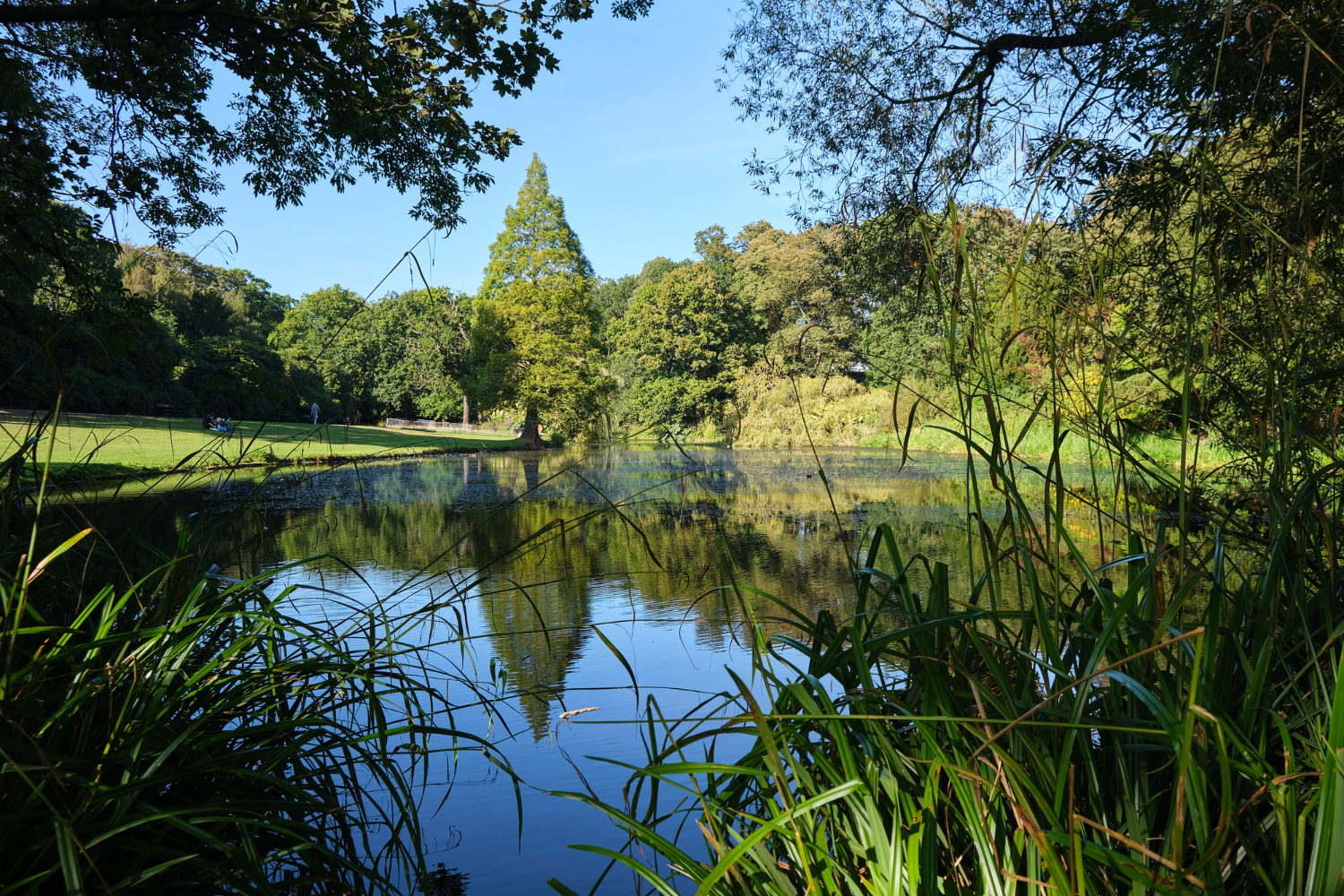
In Iberia Parish, Louisiana, near the town of New Iberia, sits a placid, 1,300-acre lake that most visitors would never guess was the site of one of the most remarkable man-made disasters in American history. Lake Peigneur’s transformation from a shallow, unremarkable fishing spot into the deepest lake in the state happened in the span of a single morning, and the story remains one of the most astonishing engineering accidents ever recorded.
An Ordinary Lake Above an Extraordinary Mine
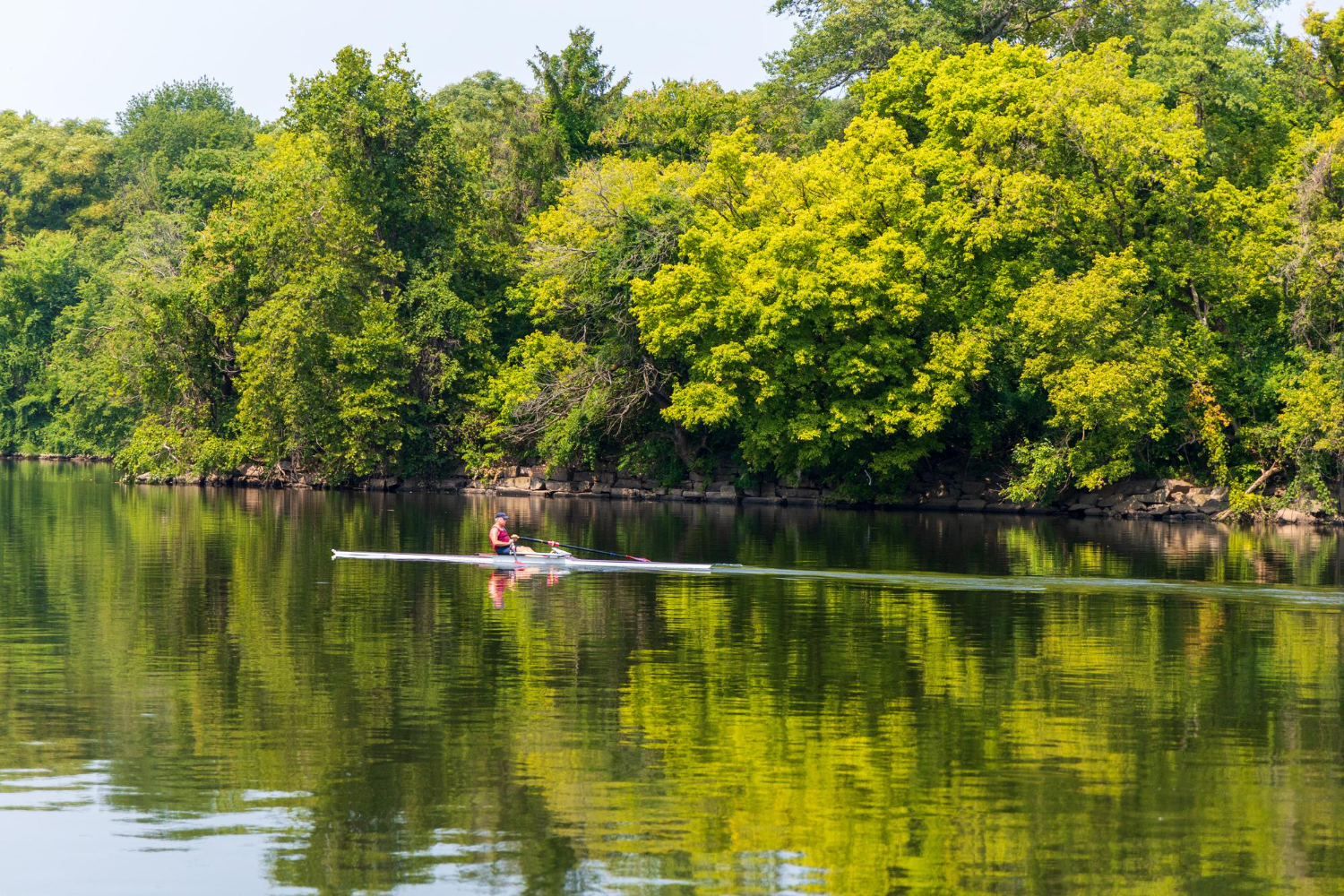
Before 1980, Lake Peigneur was a modest, roughly 10-foot-deep freshwater lake, popular for fishing and boating, sitting adjacent to Jefferson Island, home to a beautiful botanical garden and, far beneath the surface, an active salt mine operated by the Diamond Crystal Salt Company. The lake and mine had coexisted for decades without incident, part of a cluster of salt domes along the Louisiana coast known locally as the “five islands.” Few residents gave much thought to what lay beneath the water they fished from every weekend.
Like our content? Follow us for more.
A Drilling Error With Catastrophic Consequences
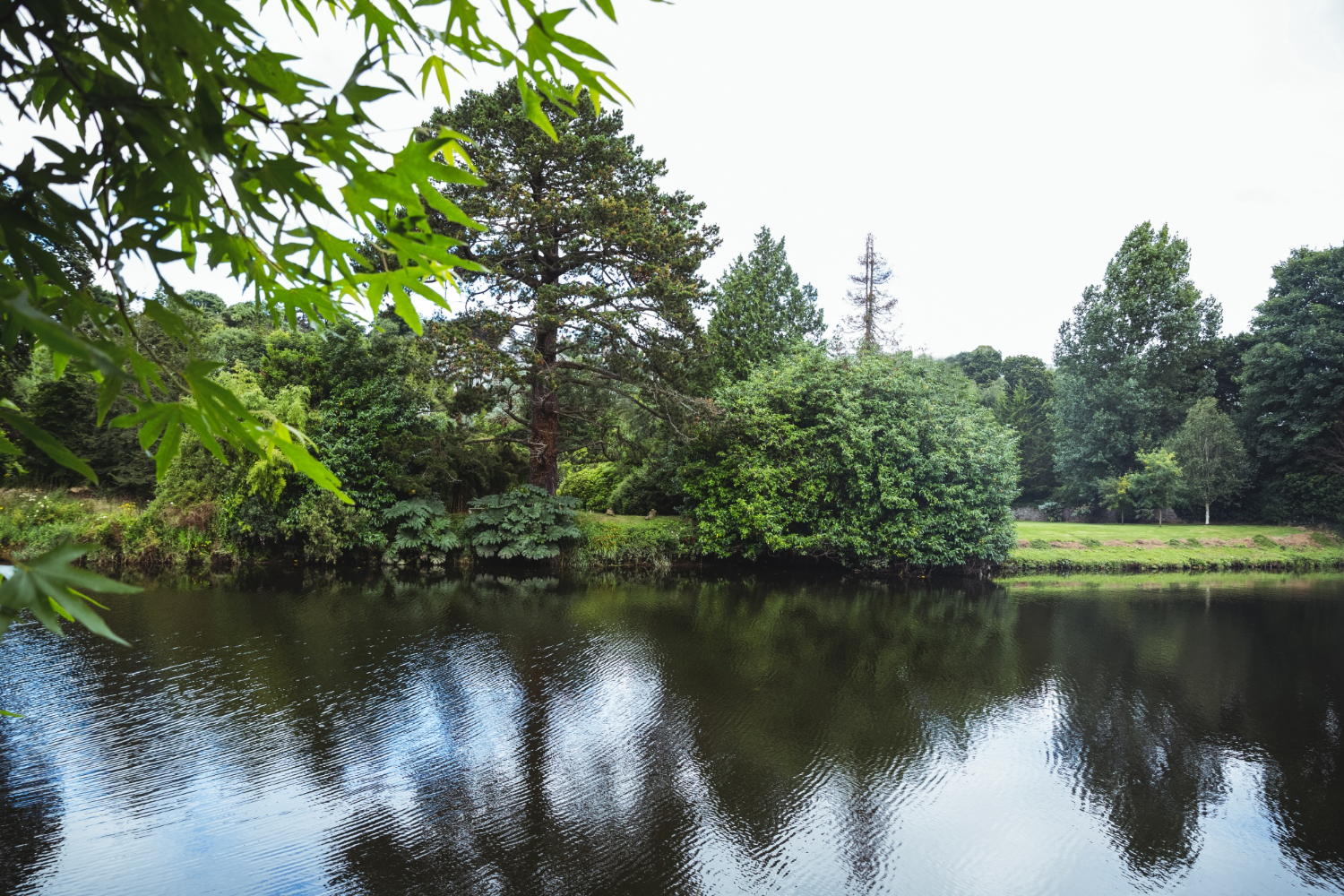
On the morning of November 20, 1980, a Texaco-contracted oil rig was drilling into the lakebed searching for petroleum when its drill bit, at a depth of roughly 1,230 feet, became stuck. As the crew worked to free it, they heard a series of ominous popping sounds, and the rig itself began tilting precariously. Sensing serious trouble, the crew evacuated immediately. They had, as it turned out, accidentally punctured the roof of the active salt mine directly below, and the lake began pouring into the opening.
A Lake Vanishes in Three Hours
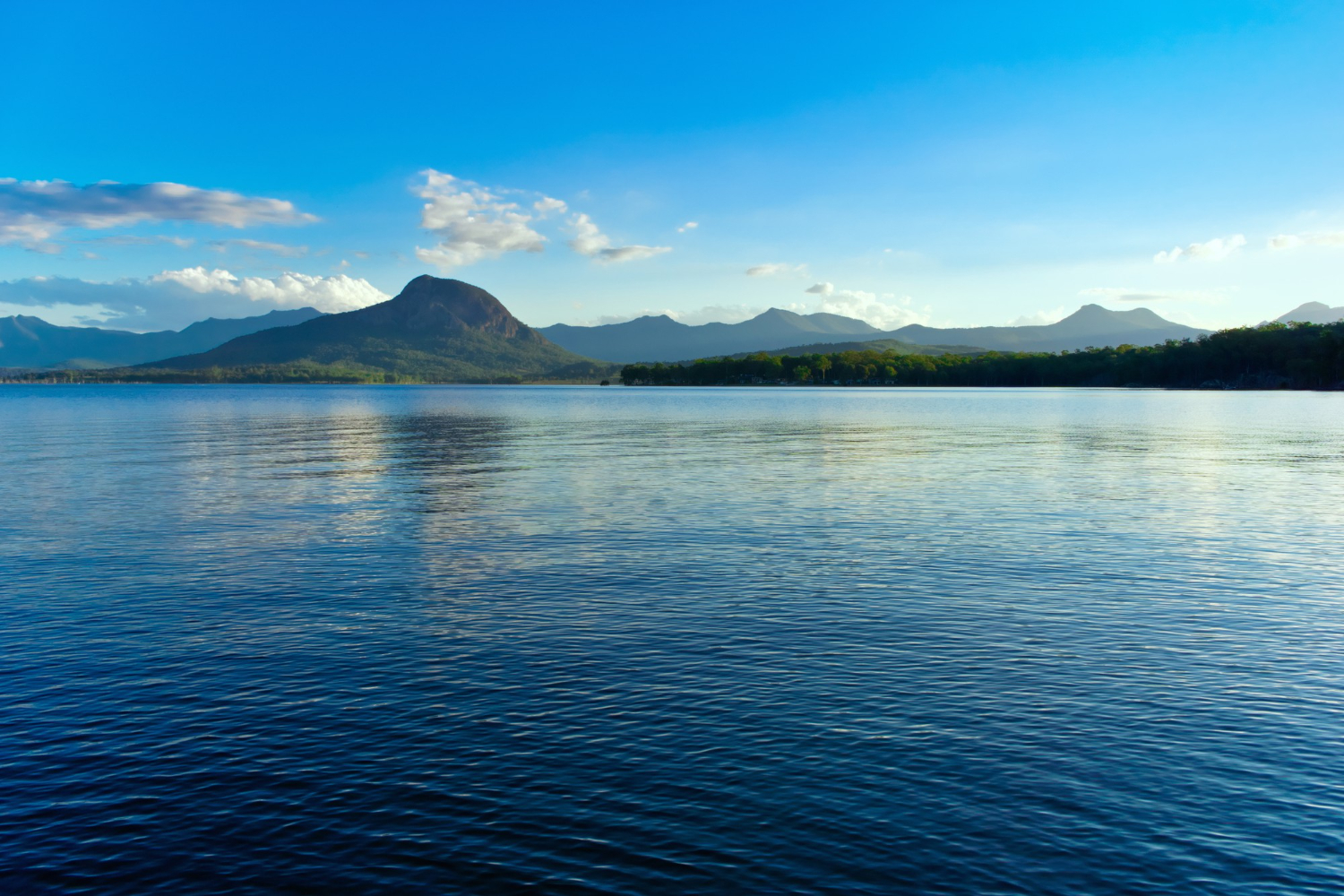
What followed was almost impossible to comprehend. The relatively small puncture rapidly widened as water dissolved the surrounding salt, creating a massive whirlpool that swallowed the drilling platform, eleven barges, a tugboat, and roughly 65 acres of the surrounding shoreline, including a significant portion of Jefferson Island itself and a historic home whose brick chimney remains visible above the water to this day. Within approximately three hours, the entire 10-foot-deep lake, an estimated 3.5 billion gallons of water, had drained completely into the mine below.
A Waterfall Where None Had Existed
With the lake suddenly empty, the canal that normally drained it into nearby Vermilion Bay reversed its flow entirely, and Gulf of Mexico saltwater began pouring backward into the empty lakebed. This reversed flow briefly created a 164-foot waterfall, the tallest ever recorded in Louisiana, as the crater refilled over the following days. Displaced air escaping the flooded mine shafts erupted through the ground as compressed geysers reaching as high as 400 feet, an extraordinary sight that drew stunned onlookers from across the region.
No Lives Lost, Against All Odds
Given the scale of destruction, the disaster’s most remarkable fact may be its human cost: nobody died. All 55 miners working underground at the time escaped safely, alerted by an electrician who noticed water flooding into the tunnels and immediately raised the alarm. All twelve workers on the drilling rig above evacuated before it disappeared into the sinkhole entirely. Even the barges that vanished into the vortex mostly resurfaced intact days later, popping back up like corks once the crater had refilled. Only three dogs were reported killed in the disaster.
A Legal Battle That Followed for Years
The aftermath produced a substantial legal reckoning. Texaco and Diamond Crystal Salt Company each blamed the other, with Diamond accusing Texaco of drilling based on an incorrectly triangulated location, while Texaco maintained the mining operation’s layout hadn’t been properly disclosed. Settlements eventually totaled tens of millions of dollars, including $45 million Texaco was ordered to pay Diamond Crystal and $12 million awarded to the owners of the destroyed botanical gardens, though hundreds of displaced mine workers who lost their jobs when the mine permanently closed were left out of the major settlements entirely.
A Transformed Lake, Permanently
Lake Peigneur never returned to its original form. What had been a shallow, 10-foot freshwater lake became a brackish, 200-foot-deep body of water, the deepest lake in Louisiana, permanently altering the local ecosystem. The botanical gardens, flooded with mineral-laden groundwater that turned the surviving plants an alarming shade of yellow, required years of restoration work, including a specially constructed aeration system to filter the water before it reached the nursery again.
Visiting Lake Peigneur Today
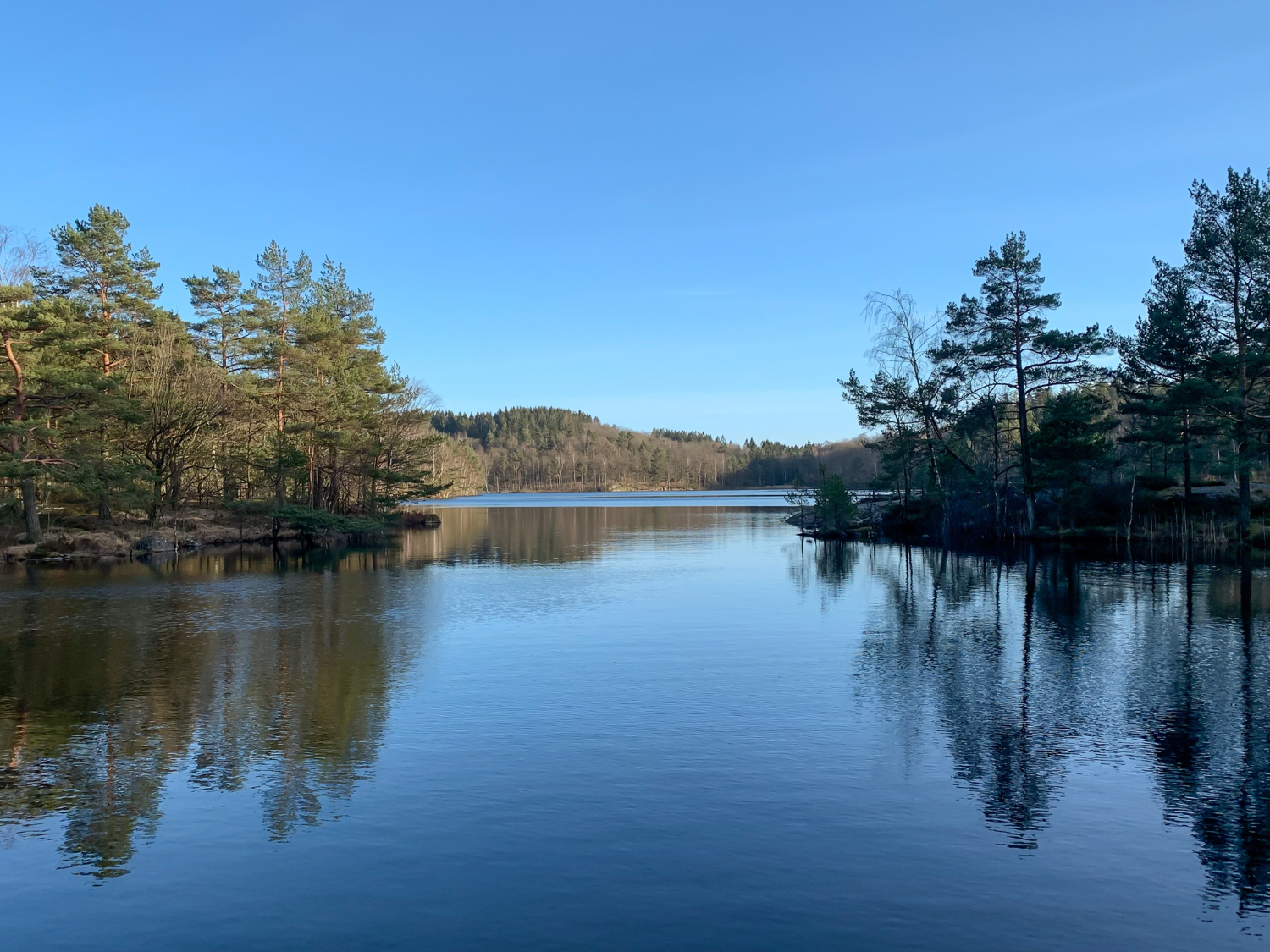
Remarkably, the disaster site is not only safe to visit today but has become a genuine attraction in its own right. Rip Van Winkle Gardens, the restored botanical property on Jefferson Island overlooking the lake, remains open to visitors, offering tours of the grounds, a historic 1870 mansion, and sweeping views of the lake itself, including the lone chimney still standing in the water as a haunting, permanent monument to the disaster. The lake beneath now serves as an active natural gas storage facility, a productive second life for the very salt caverns that caused its transformation.
An Astonishing Story Hiding in Plain Sight
Lake Peigneur endures as one of the most remarkable accidental disasters in American industrial history, an event that reshaped an entire landscape in a matter of hours yet somehow claimed no human lives. For travelers exploring Louisiana’s Cajun coast, a stop at Rip Van Winkle Gardens offers a rare chance to stand beside a genuinely astonishing piece of geological and industrial history, one written directly into the depth and shape of the water itself.
Like our content? Follow us for more.
