For travelers who remember hotel stays before digital check-in and keyless entry, arriving at a hotel meant a series of familiar, distinctly human rituals, a physical key, a bellhop’s help, and a front desk clerk who often handled everything from wake-up calls to restaurant reservations personally. Here are ten things about how checking into a hotel used to work, counted down one by one.
1. Room Keys Were Heavy Metal, Attached to a Bulky Fob
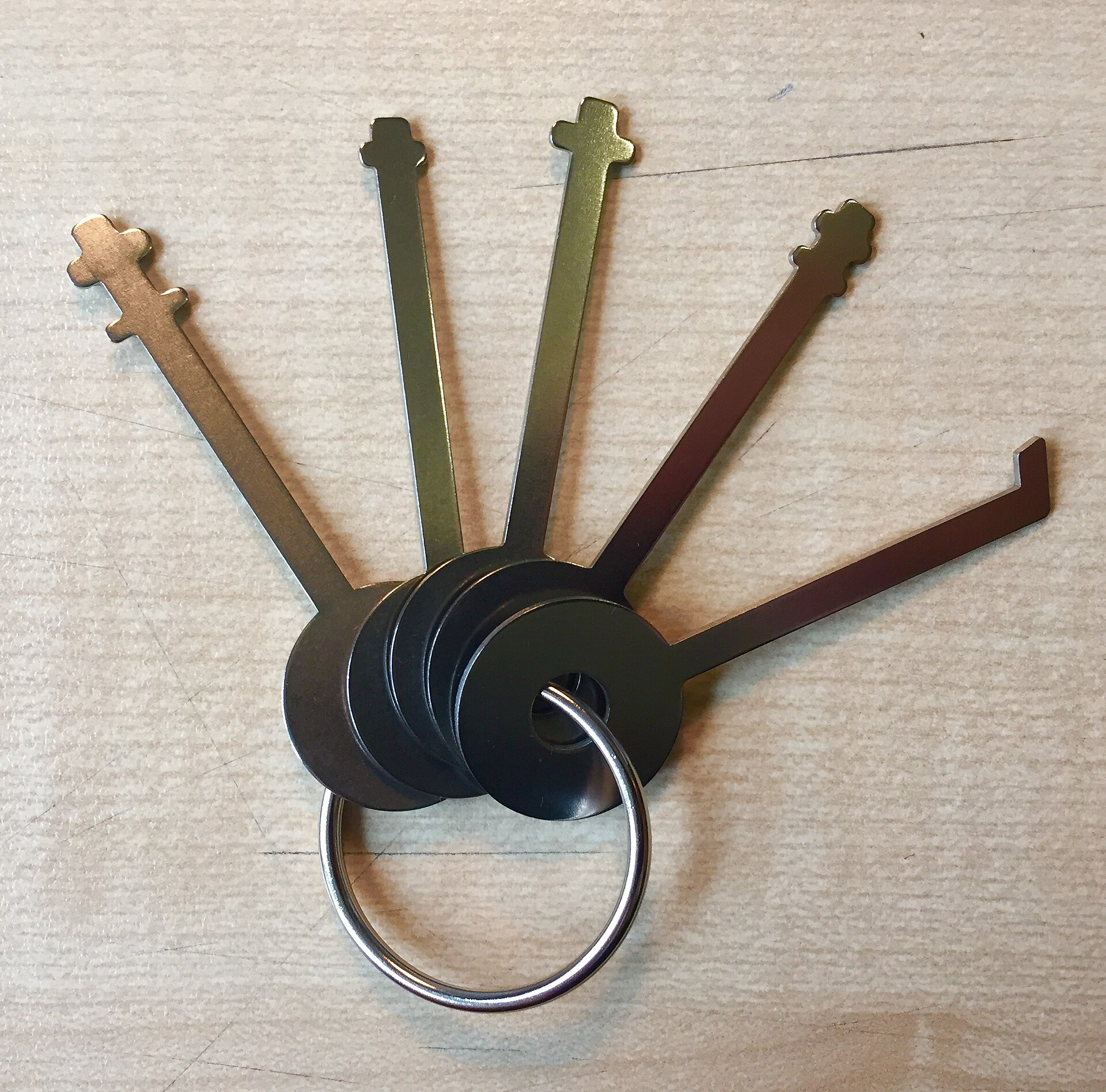
Actual metal keys opened every hotel room. A large, awkward fob discouraged guests from walking off with them.
Every hotel room was opened with a genuine metal key, attached to a deliberately large, heavy fob or tag stamped with the room number, a design meant to discourage guests from accidentally, or deliberately, pocketing it when they left the building. Turning that actual metal key in the lock was a small, satisfying ritual every hotel guest knew well. Room keys being heavy metal, attached to a bulky fob, is a defining hotel memory of the era, a physical object that digital key cards and smartphone-based entry have since made almost entirely obsolete.
Like our content? Follow us for more.
2. A Bellhop Carried Your Bags Without Being Asked
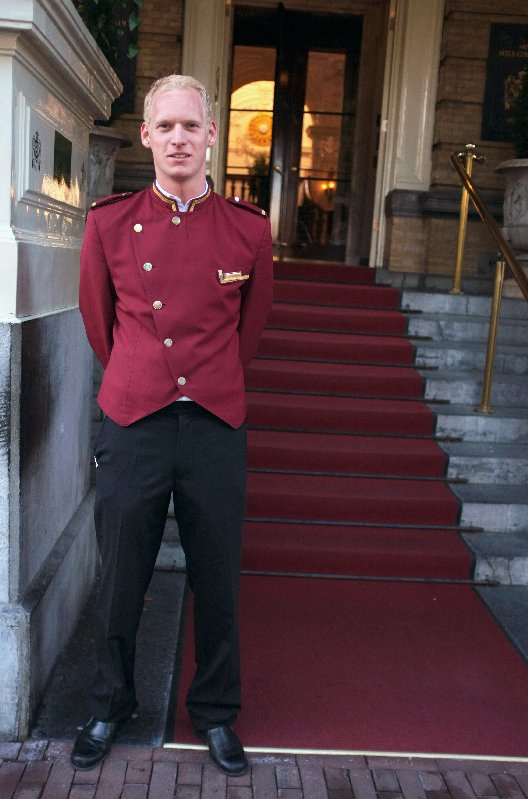
Uniformed staff automatically assisted with luggage. Tipping the bellhop was simply an expected part of the routine.
A uniformed bellhop typically greeted arriving guests automatically, loading luggage onto a brass cart and escorting the party directly to their room, a service assumed rather than specifically requested. A modest tip for this help was simply an expected, routine part of checking in. A bellhop carrying your bags without being asked reflects the genuinely full-service nature of hotel arrival during this era, a level of personal attention that many hotels have since scaled back considerably as self-service check-in has become more common.
3. A Human Switchboard Operator Connected Every Call
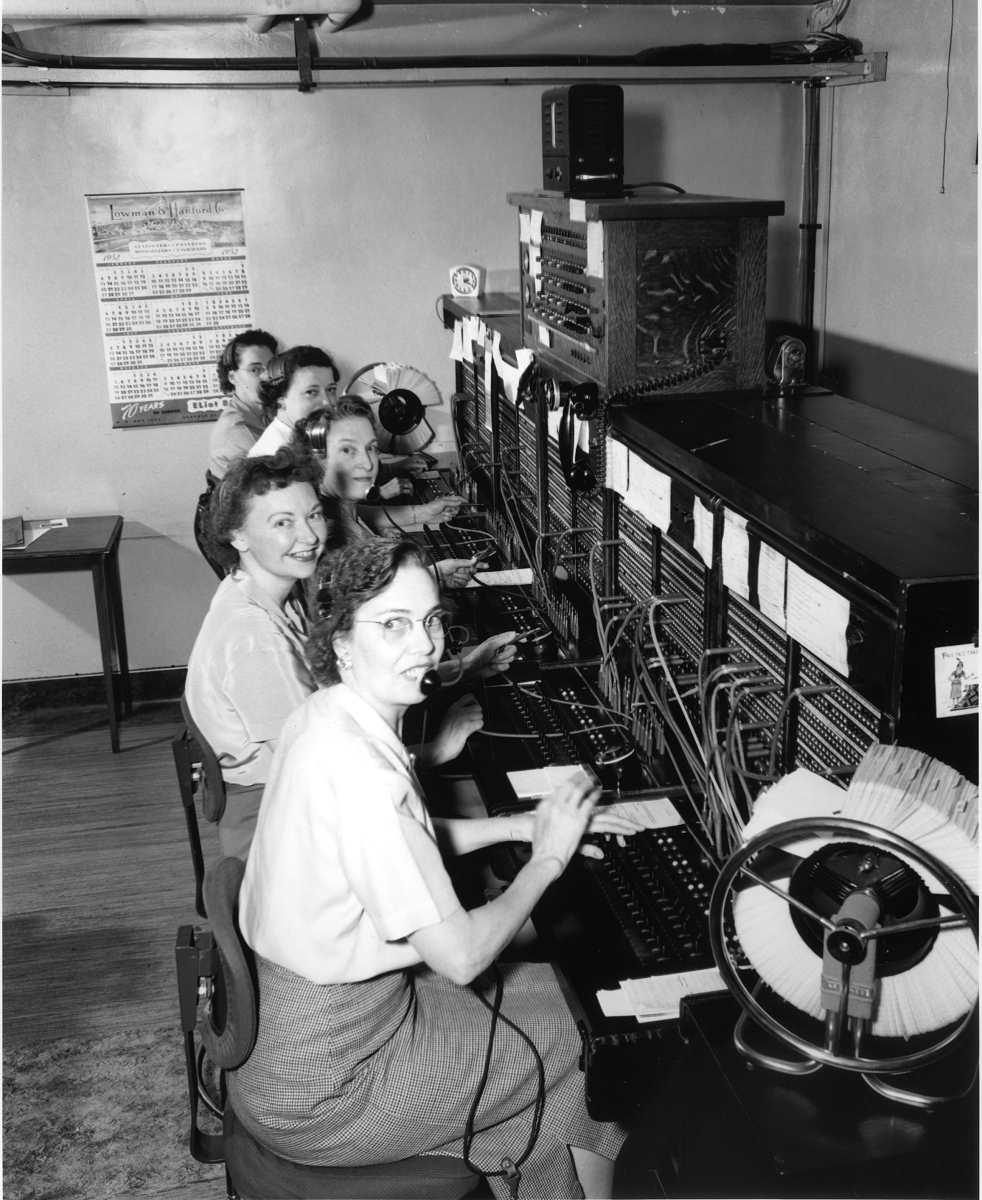
Room-to-room and outside calls required a hotel operator. Direct dialing from a guest room simply wasn’t standard.
Placing a phone call from a hotel room, whether to another room or an outside line, typically required going through a human switchboard operator stationed behind the front desk, who physically connected the call by hand. Direct-dial technology in guest rooms wasn’t yet standard equipment. A human switchboard operator connecting every call reflects the genuinely personal, labor-intensive telephone system of the era, a role that in-room direct dialing and, later, personal cell phones have since eliminated entirely from hotel operations.
4. Wake-Up Calls Came From an Actual Person
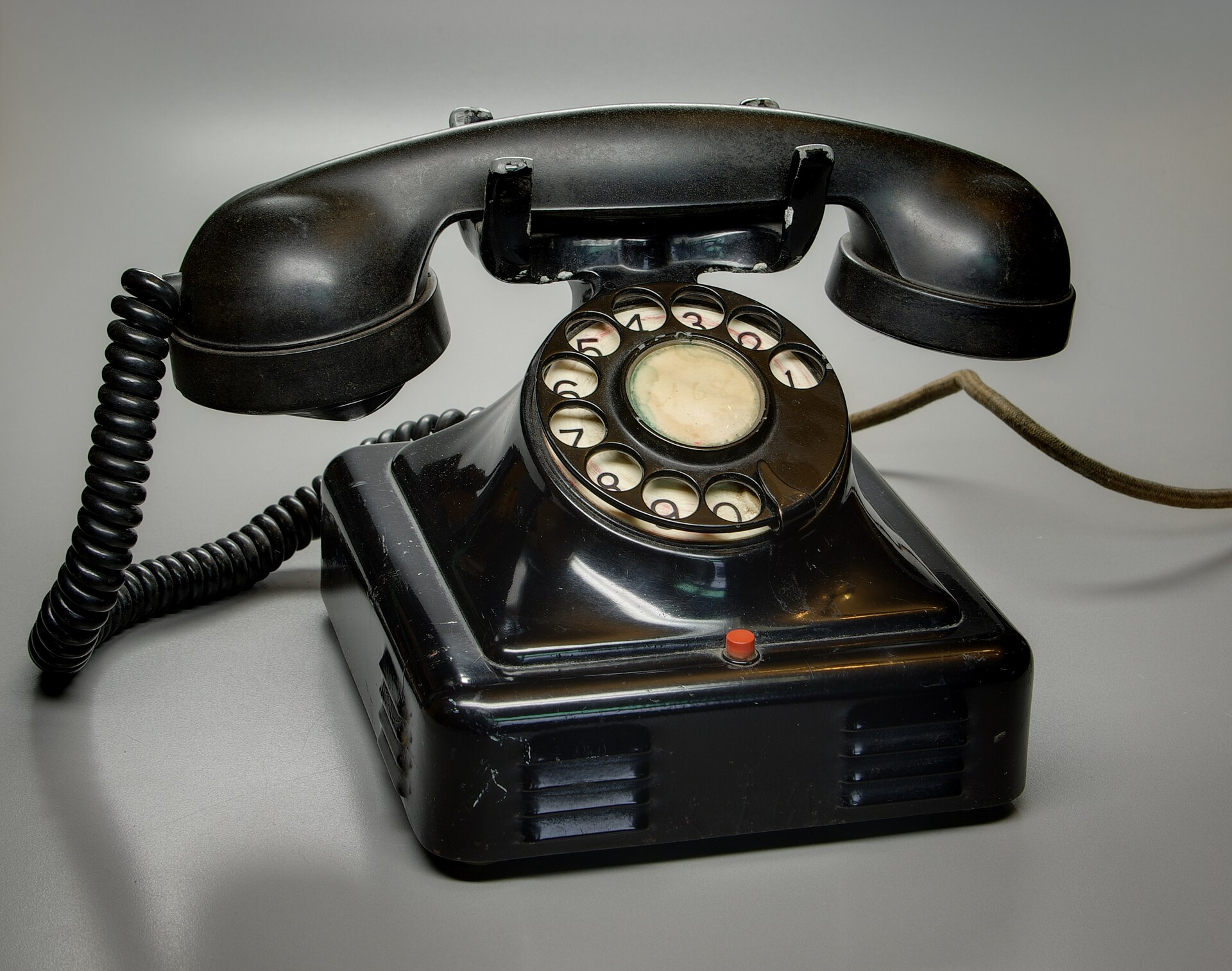
A front desk employee personally called each guest’s room. It required real, individual attention rather than an automated system.
Requesting a wake-up call meant a hotel employee personally noting your room number and the requested time, then physically calling your room at that exact hour the next morning, a genuinely individualized service performed by a real person rather than an automated system. Wake-up calls coming from an actual person reflects the hands-on, personal service standard of the era, a small daily task that automated systems and, eventually, smartphone alarms have since made an almost entirely forgotten hotel amenity.
5. Checking In Meant Filling Out a Paper Registration Card
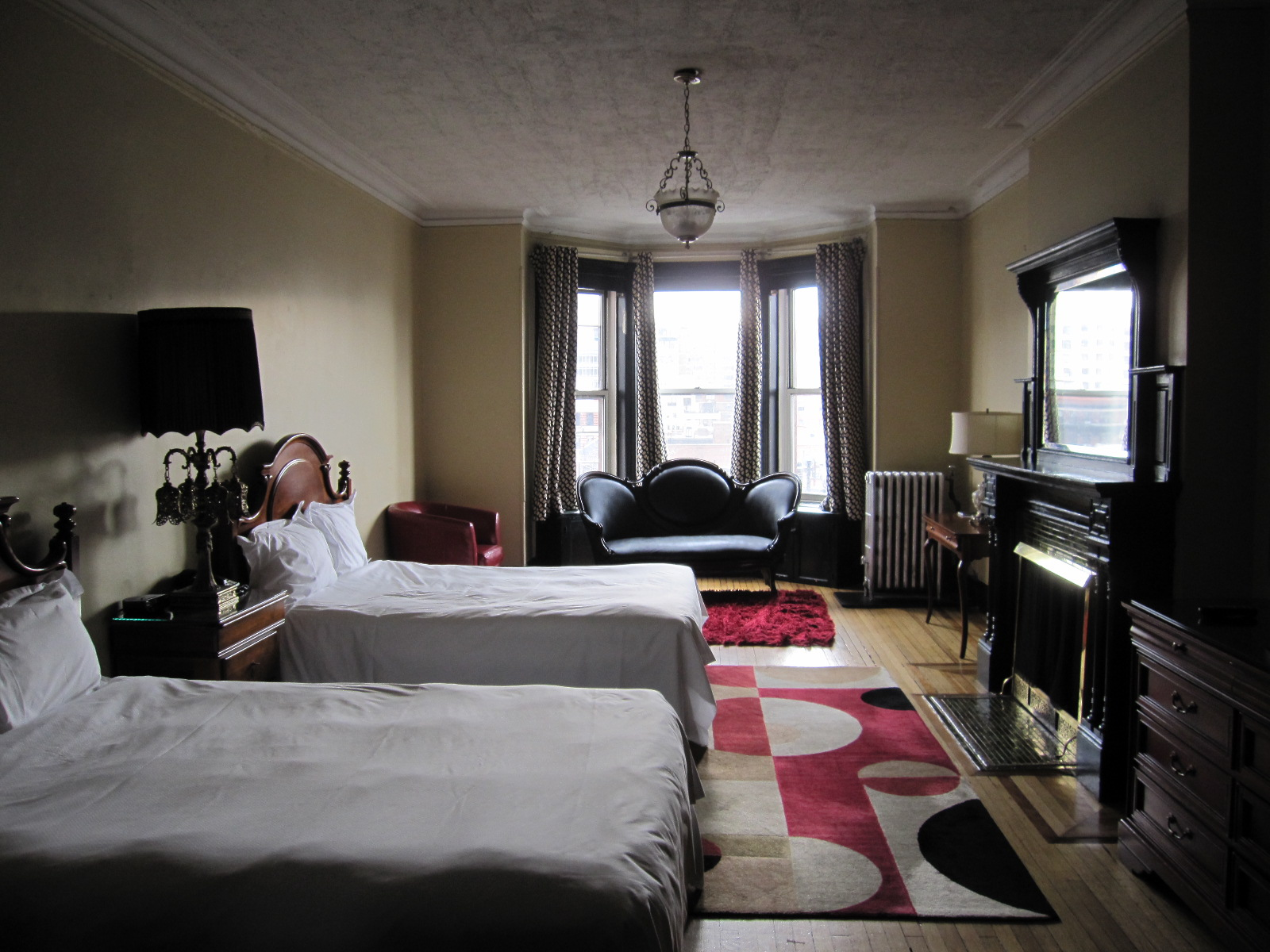
Guests handwrote their information onto a physical card. It was filed away as the hotel’s official record of the stay.
Every arriving guest filled out a paper registration card by hand, name, address, and often vehicle information, which the front desk filed away as the hotel’s official record of the stay. There was no digital database, just a growing stack of handwritten cards. Checking in meaning filling out a paper registration card reflects the entirely manual record-keeping of the era, a system that digital reservation databases have since streamlined into something guests barely notice happening at all.
6. A Front Desk Clerk Handled Restaurant Reservations Personally
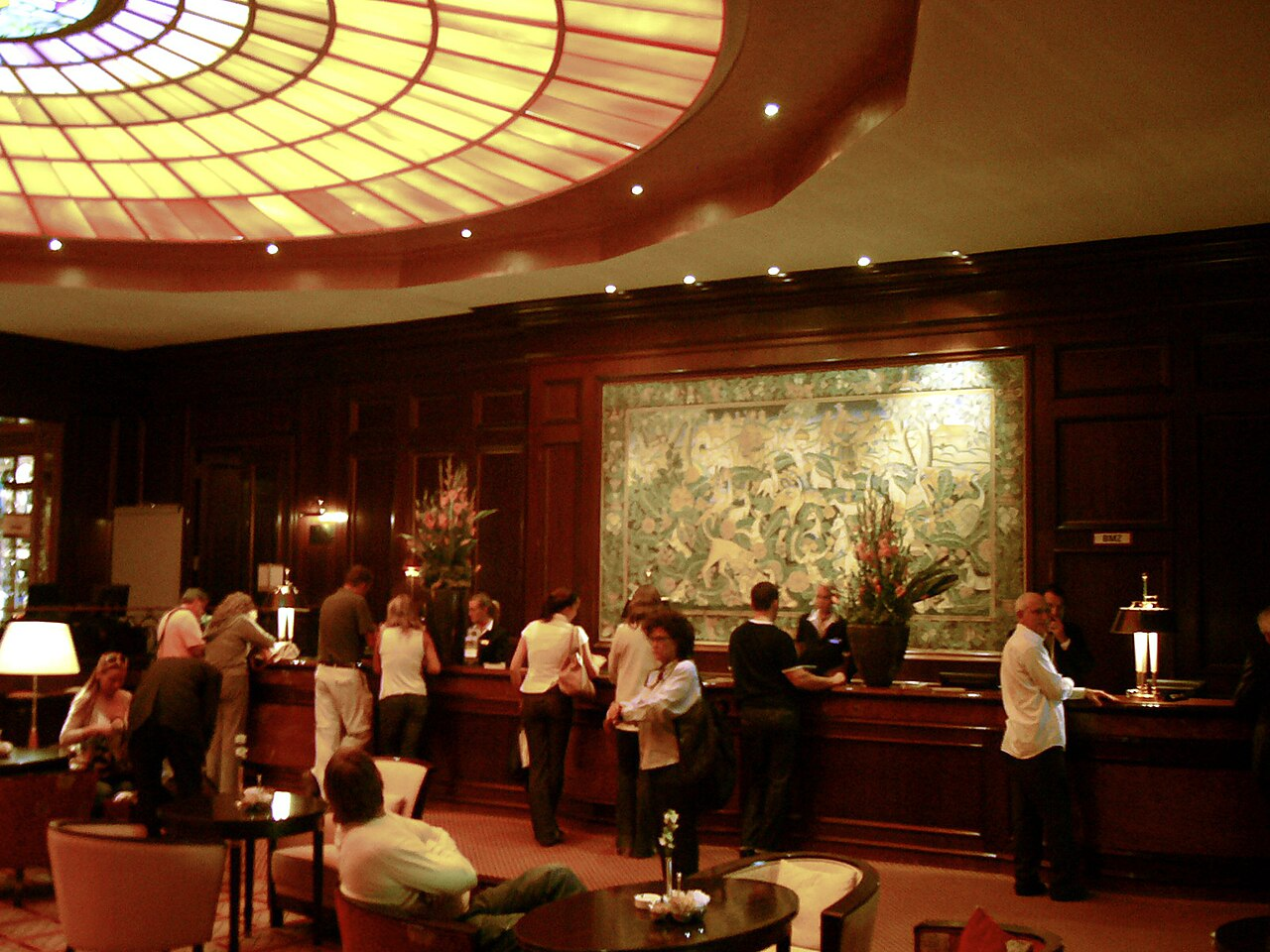
Hotel staff made calls on a guest’s behalf. Booking dinner meant a genuine, personal conversation with the desk.
Wanting a dinner reservation at a nearby restaurant meant asking the front desk clerk directly, who would personally place a phone call on the guest’s behalf to secure a table, a genuinely hands-on concierge service handled by whoever happened to be working the desk. A front desk clerk handling restaurant reservations personally reflects the individualized guest service of the era, a level of direct human assistance that online booking platforms and hotel apps have since made largely unnecessary for most travelers.
7. Ice Machines Down the Hall Were a Genuine Nightly Ritual
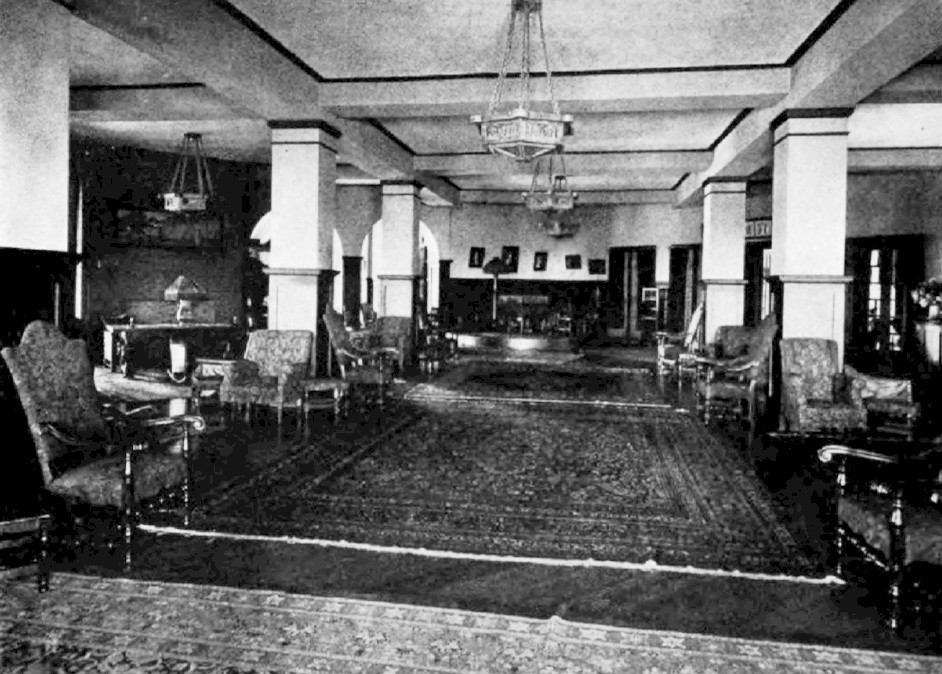
Guests walked to a shared ice machine with a plastic bucket. It became a small, familiar evening routine.
Since in-room refrigerators weren’t yet standard, guests carried the room’s plastic ice bucket down the hall to a shared ice machine most evenings, a small, familiar ritual that also doubled as an easy way to bump into other hotel guests along the hallway. Ice machines down the hall being a genuine nightly ritual reflects a simple, communal part of the hotel-stay experience, a small errand that in-room mini-fridges and ice dispensers have since made largely unnecessary.
8. Postcards at the Front Desk Doubled as Free Advertising
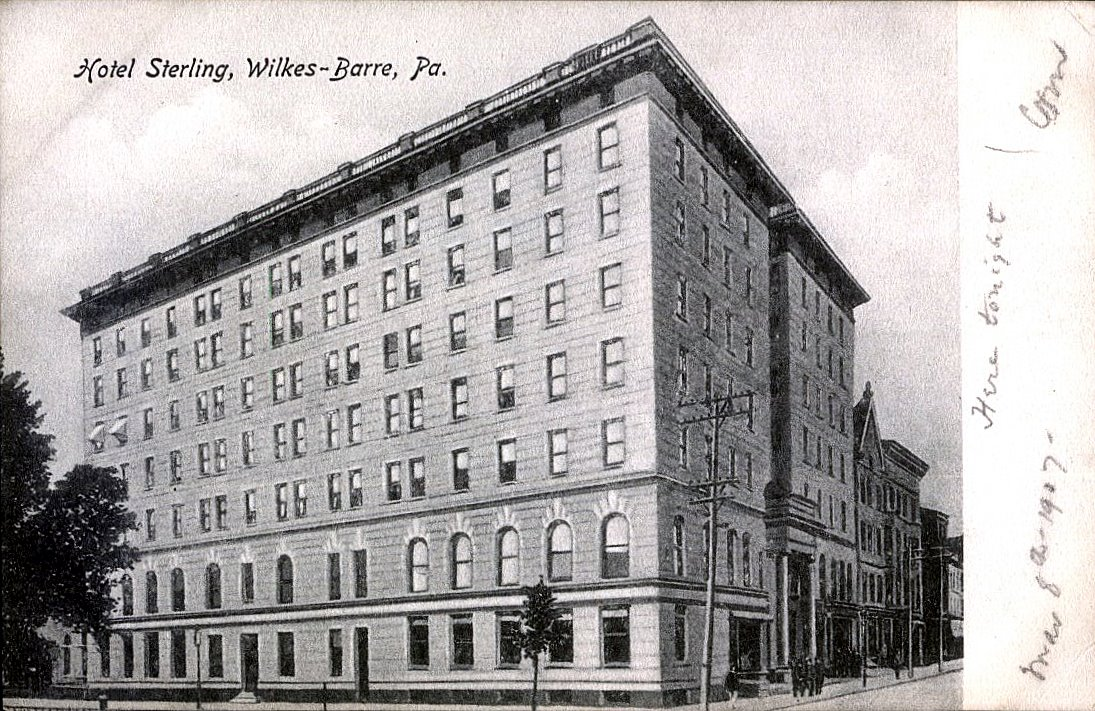
Hotels supplied branded postcards at the counter. Guests mailed them home as both a souvenir and a keepsake.
Most hotel lobbies displayed a rack of branded postcards, free for guests to take, address, and drop in the mail, doubling as both a thoughtful keepsake for the traveler and a small piece of free advertising for the hotel itself. Postcards at the front desk doubling as free advertising reflects a simple, mutually beneficial marketing tradition of the era, a small gesture that digital photo-sharing has since made an almost entirely forgotten part of the hotel stay.
9. A Physical “Do Not Disturb” Sign Hung on the Doorknob
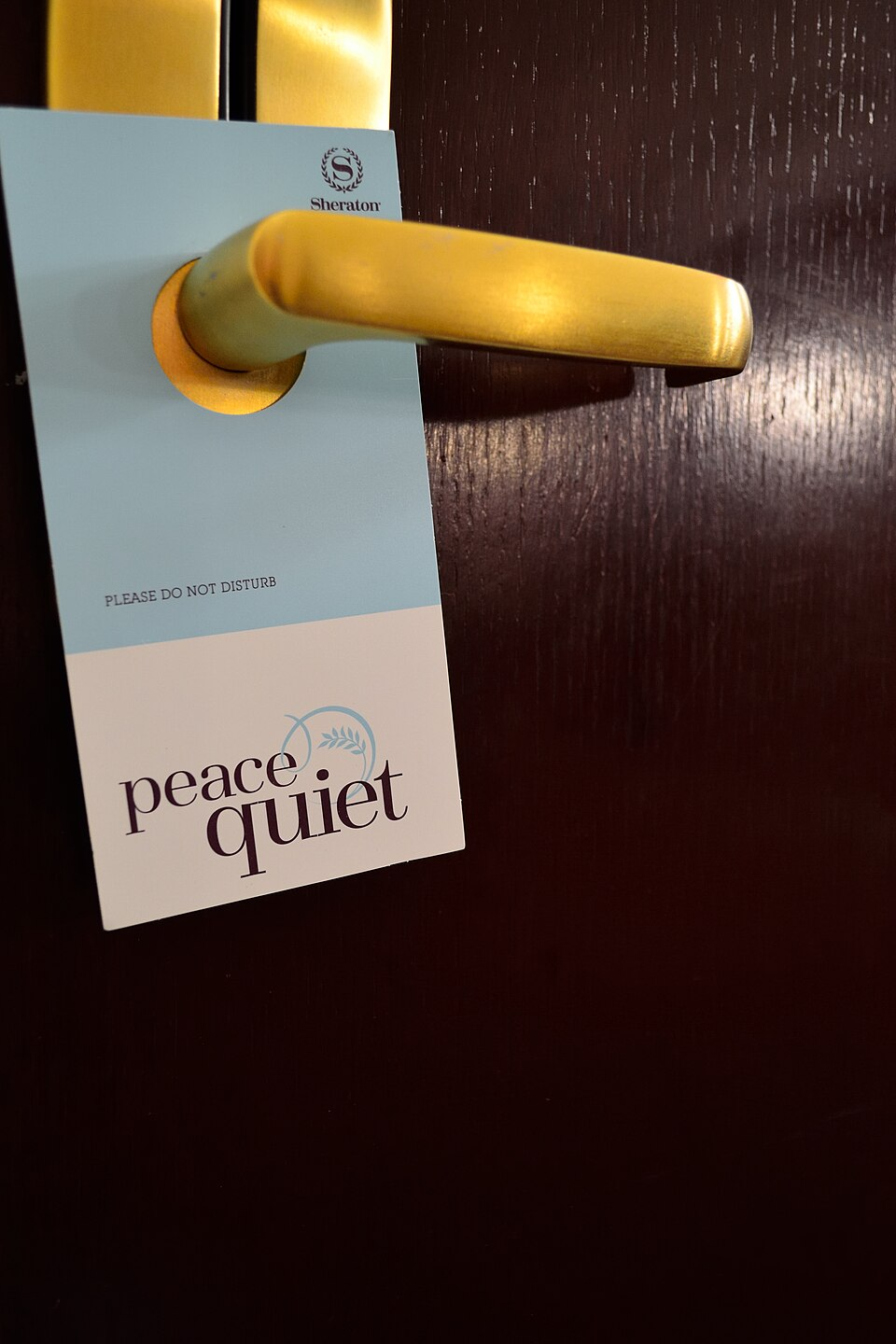
A cardboard sign communicated a guest’s privacy needs. Housekeeping respected it without any digital notification system.
A simple cardboard “Do Not Disturb” sign, hung on the outside doorknob, communicated a guest’s need for privacy to housekeeping staff, a low-tech but entirely reliable system that required no digital coordination whatsoever. A physical “Do Not Disturb” sign hanging on the doorknob remains, remarkably, one of the few hotel-check-in traditions from this era that has genuinely survived largely unchanged, a simple, effective system that modern hotels have kept precisely because it still works exactly as well today.
10. Checking Out Meant Settling the Bill in Person
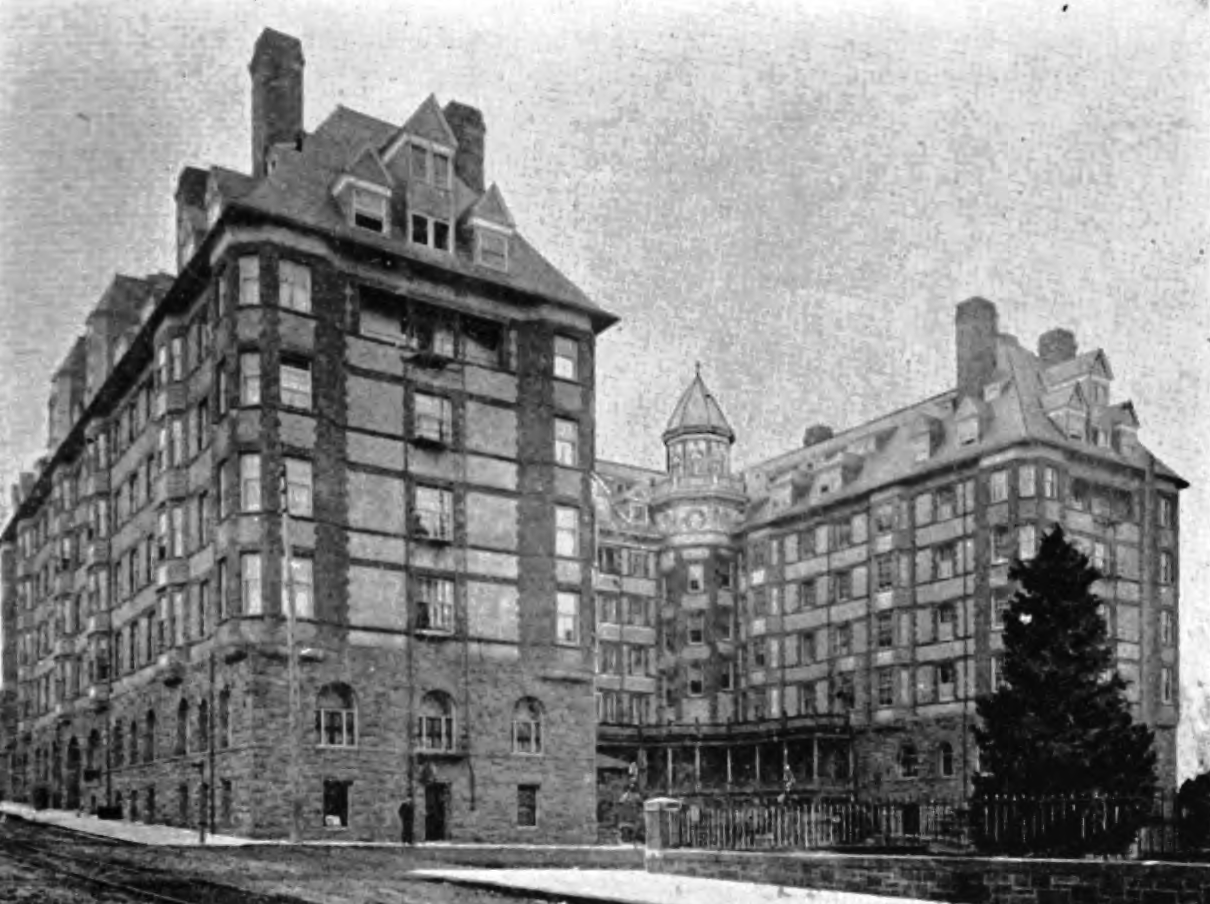
Departure required a physical stop at the front desk. Reviewing and paying the final bill happened face to face.
Leaving a hotel required a physical stop at the front desk, reviewing an itemized paper bill line by line with the clerk and settling payment face to face before departing, rather than simply walking out and having the final charge processed automatically. Checking out meaning settling the bill in person reflects the fundamentally manual, human-centered nature of the entire hotel stay, a final interaction that automated checkout and mobile billing have since made an increasingly optional step for many modern travelers.
A Fully Human System, From Arrival to Departure
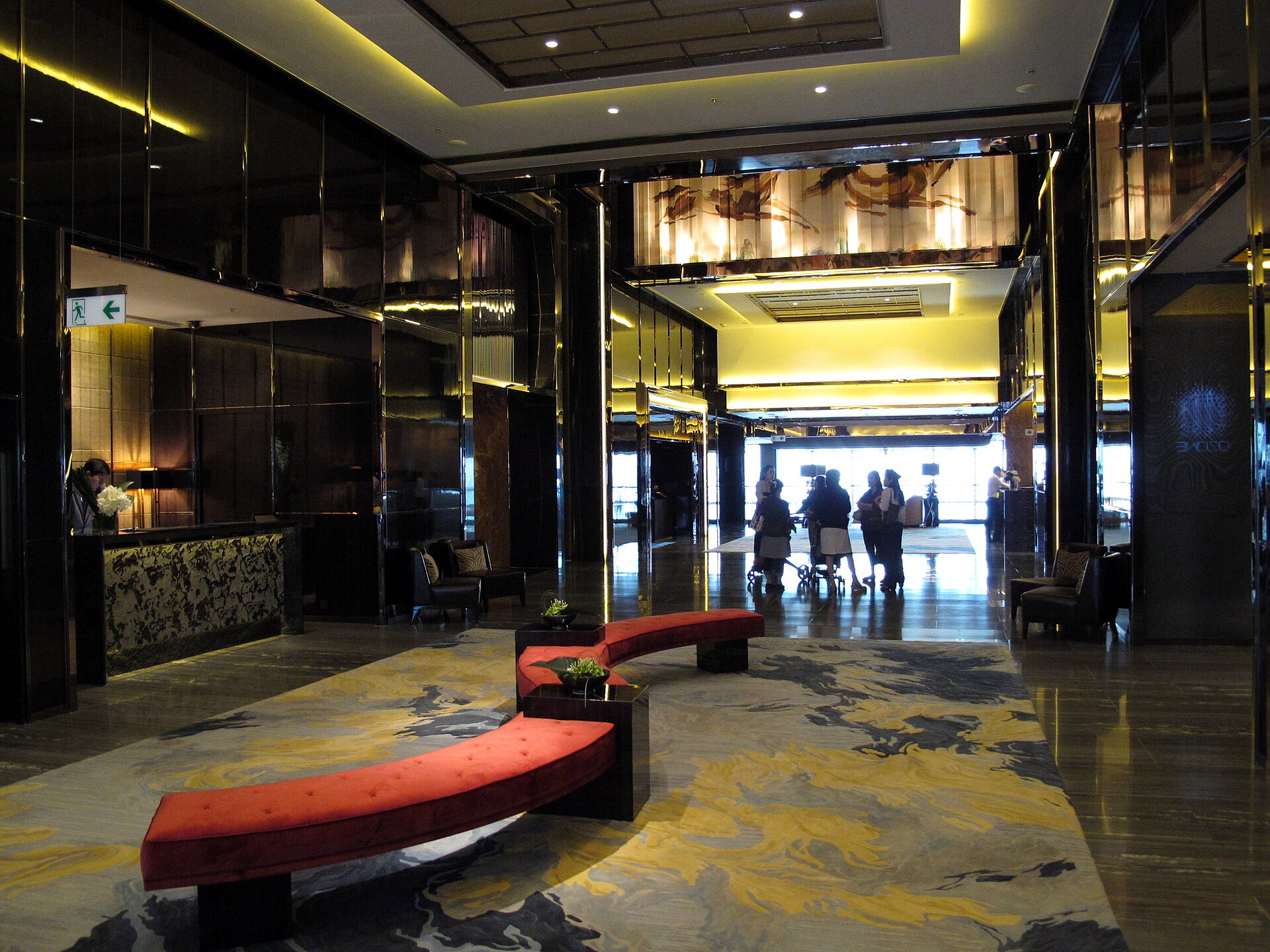
Taken together, these ten things capture exactly how differently a hotel stay unfolded decades ago, from the heavy metal key and the bellhop’s automatic assistance to the human switchboard operator and the personally handled wake-up call. It was a fully human-run system, built on individual attention rather than digital automation.
Digital key cards, online check-in, and smartphone apps have transformed the hotel experience considerably, trading much of the earlier era’s personal, hands-on service for genuine speed and convenience. The change reflects real technological progress, even as it eliminated many small, human interactions that once defined a hotel stay. For those who remember checking in this way, these details bring it all back: the heavy metal key, the bellhop’s cart, the personal wake-up call from a real voice on the line. Looking back at how checking into a hotel used to work is a nostalgic reminder of just how much a simple overnight stay has changed.
Like our content? Follow us for more.