Every hot country on Earth solved the same problem — how to make sweltering weather worth living through — and no two solved it alike. Some shaved ice into snow, some froze cream into silk, and at least one country decided the correct answer was ice, ice cream, jello, beans, and a slice of flan in the same glass. For International summer-dessert diplomacy, here are ten of the world’s great warm-weather sweets, and where each one rules.
1. Kakigōri — Japan’s Thousand-Year-Old Snow
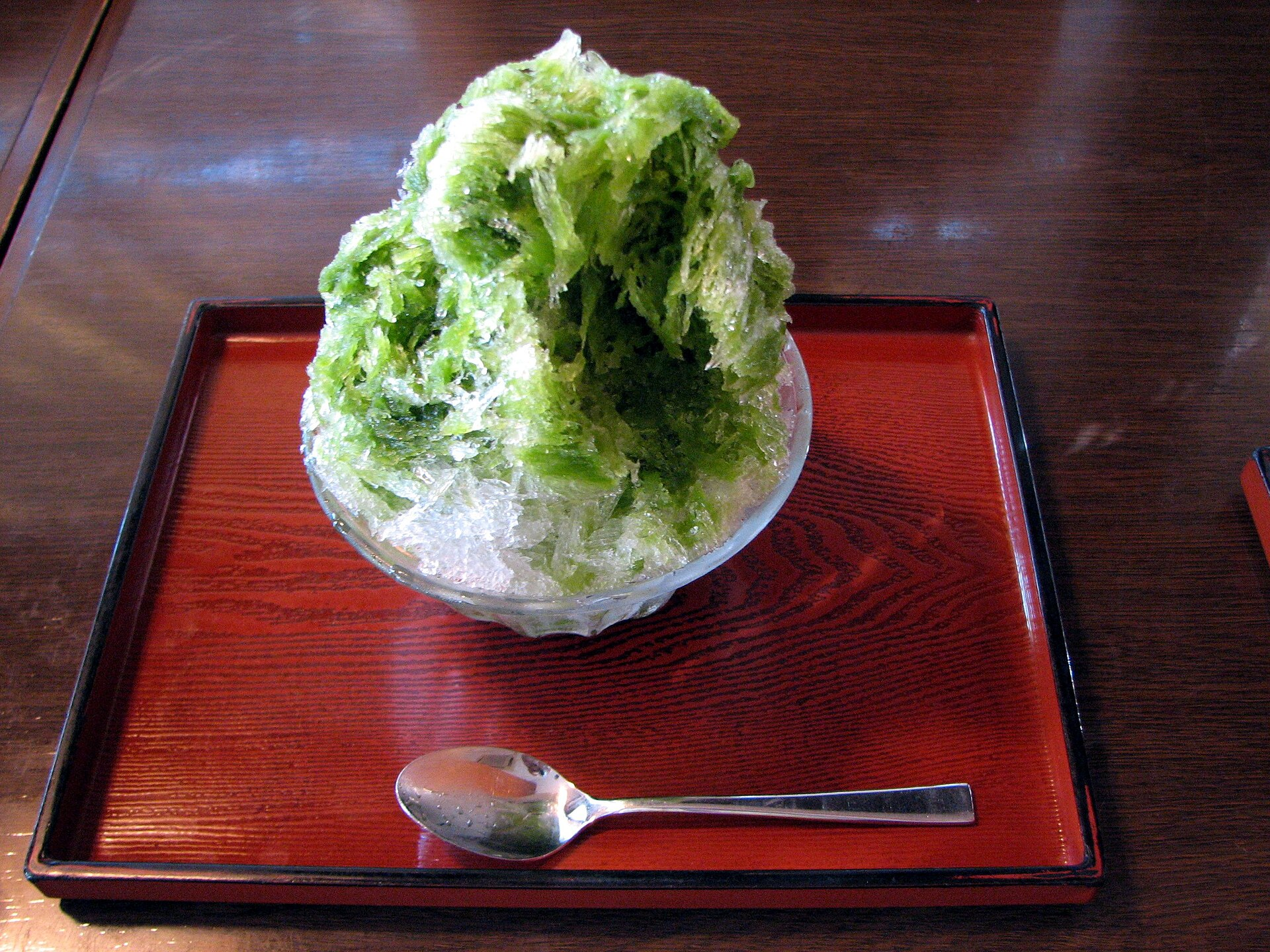
Shaved ice so fine it melts like cold air. Japanese aristocrats were eating it in the year 1000.
Japan’s summer dessert has the oldest paper trail on this list: court writings from the Heian period, a millennium ago, describe aristocrats eating ice shaved with a blade and dressed with sweet syrup — ice being then so precious it was stored in insulated mountain houses for the emperor’s circle. Modern kakigōri democratized the luxury without losing the refinement: the ice is shaved to a snow so fine it dissolves on contact, flavored with matcha, strawberry, or sweetened condensed milk, and served in summer festival stalls and dedicated cafés nationwide, marked by a traditional flag bearing the character for ice. It out-elegants every snow cone on Earth, and it isn’t close.
Like our content? Follow us for more.
2. Bingsu — Korea’s Towering Snowflake
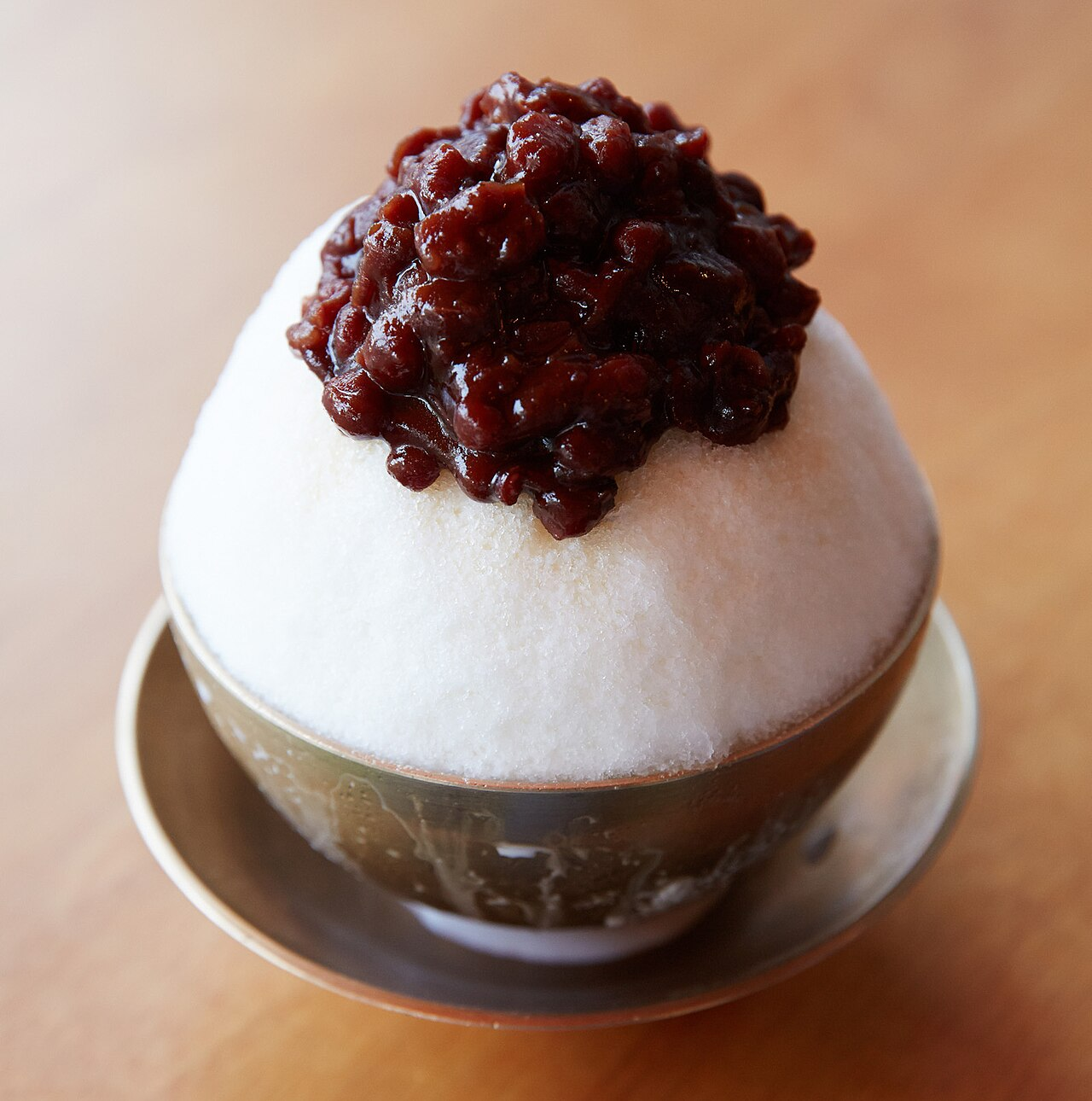
Milk ice shaved into ribbons, piled high, and buried in toppings. Sharing is mandatory.
Korea took shaved ice in the direction of abundance: bingsu arrives as a snowdrift — classically topped with sweet red beans and chewy rice cakes in the patbingsu of older generations, now piled with mango, cheesecake chunks, or injeolmi powder in the café versions that dominate Seoul summers — and it is engineered for the center of the table, multiple spoons required. The modern refinement shaves frozen milk rather than water, producing ribbons that fall somewhere between snow and soft-serve. Korean summer social life is substantially organized around who’s getting bingsu after dinner. The answer is everyone.
3. Halo-Halo — The Philippines’ Beautiful Chaos
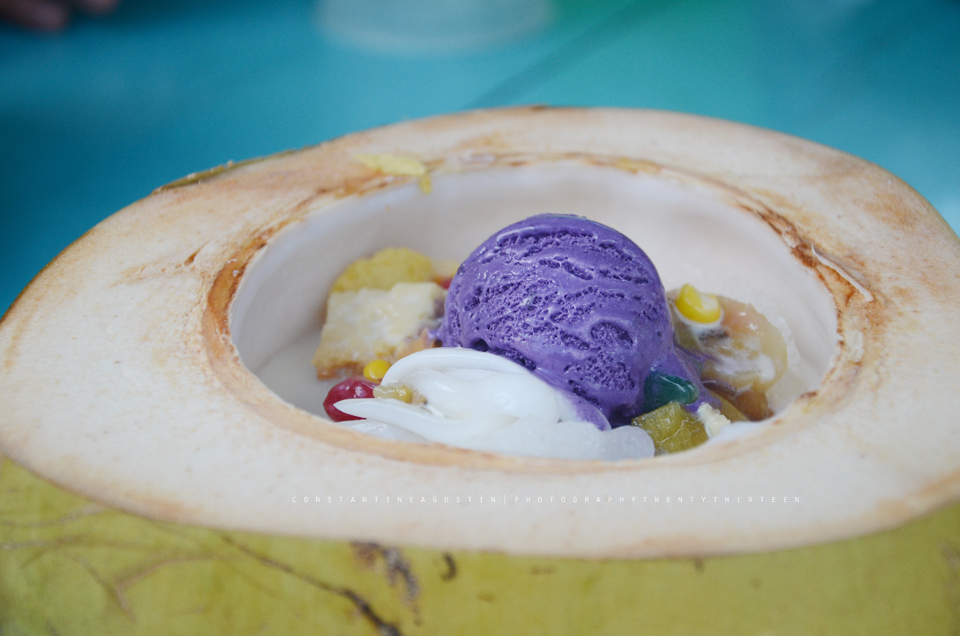
Shaved ice, beans, jellies, fruit, purple yam ice cream, and flan. The name means “mix-mix,” and you must.
The Philippines assembled the maximalist masterpiece: halo-halo stacks shaved ice and evaporated milk over sweet beans, palm fruit, jellies, plantains, and tapioca, then crowns the tower with ube (purple yam) ice cream and, in the full ceremonial version, a slab of leche flan. The name means “mix-mix,” which is also the instruction — the eater churns the strata into a lavender-hued whole before the first spoonful. Born partly from Japanese shaved-ice traditions carried by pre-war migrants and thoroughly Filipino ever since, it’s the national answer to tropical heat and the country’s edible argument that more is more. The argument is persuasive.
4. Paletas — Mexico’s Fruit, Frozen Honestly
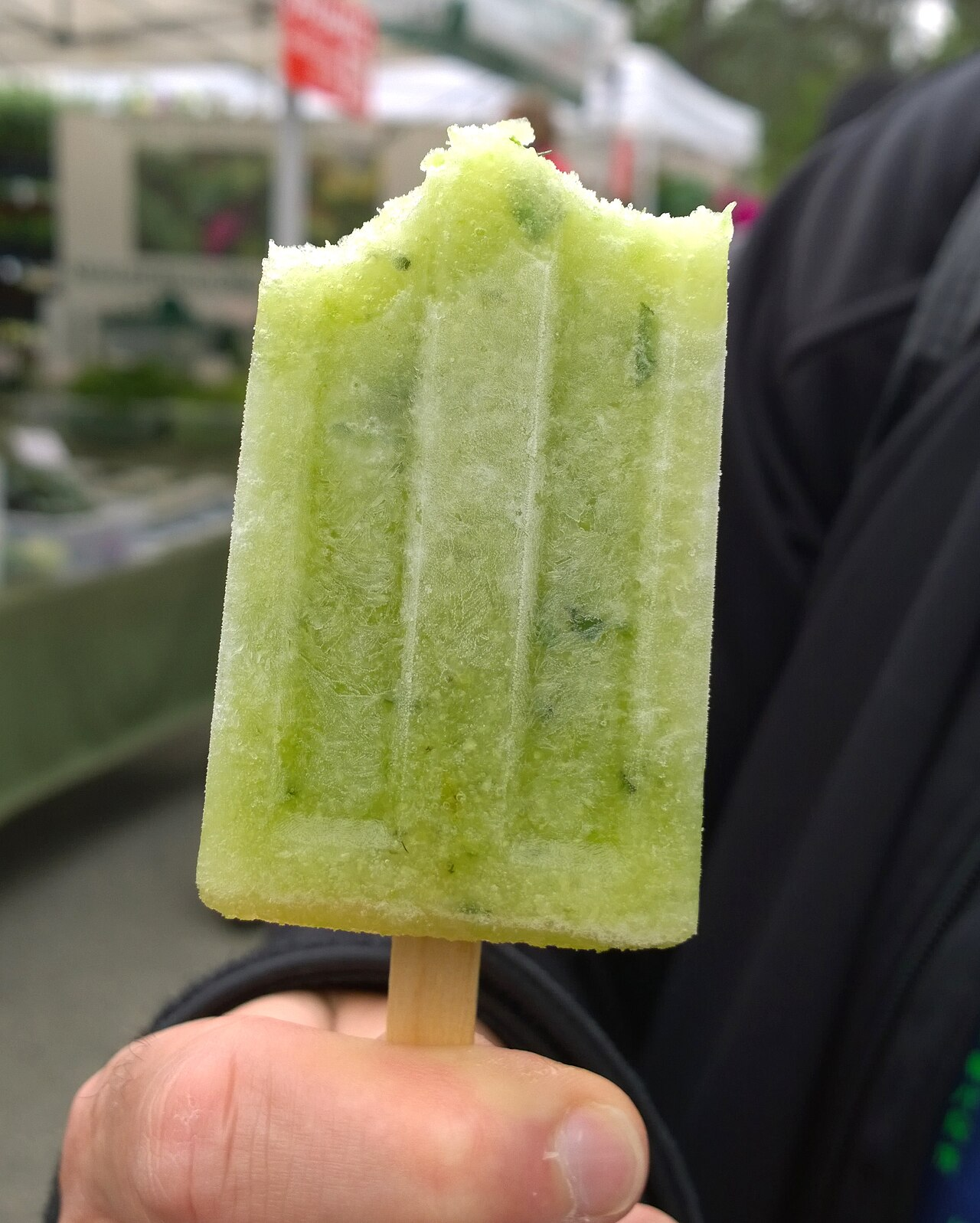
Ice pops made of actual fruit — chunks included. The paleterías of Michoacán conquered a continent.
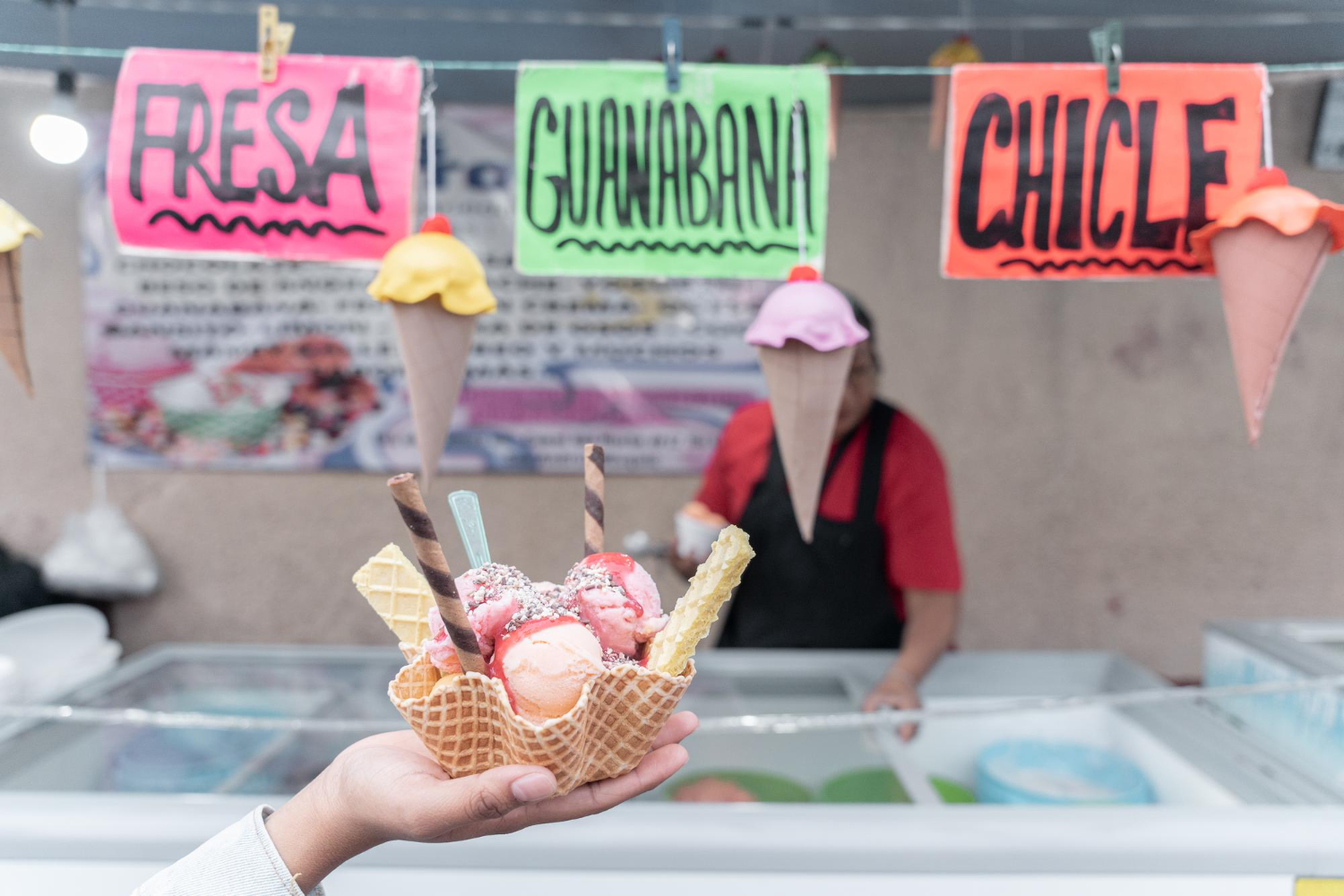
Mexico’s summer icon is the paleta — an ice pop that respects the fruit it came from, packed with real strawberries, mango, lime, or coconut, whole pieces suspended in the ice, alongside grown-up flavors running from cucumber-chile to tamarind. The modern tradition traces to the town of Tocumbo, Michoacán, whose paleta-making families spread their “La Michoacana” shops across Mexico so thoroughly that the town erected a giant paleta monument in gratitude, and the paleterías have long since crossed into the U.S., where the cart bell means summer in hundreds of neighborhoods. The chile-dusted mango paleta, eaten fast in the sun, is a complete argument for open borders in dessert.
5. Granita — Sicily’s Breakfast of Champions
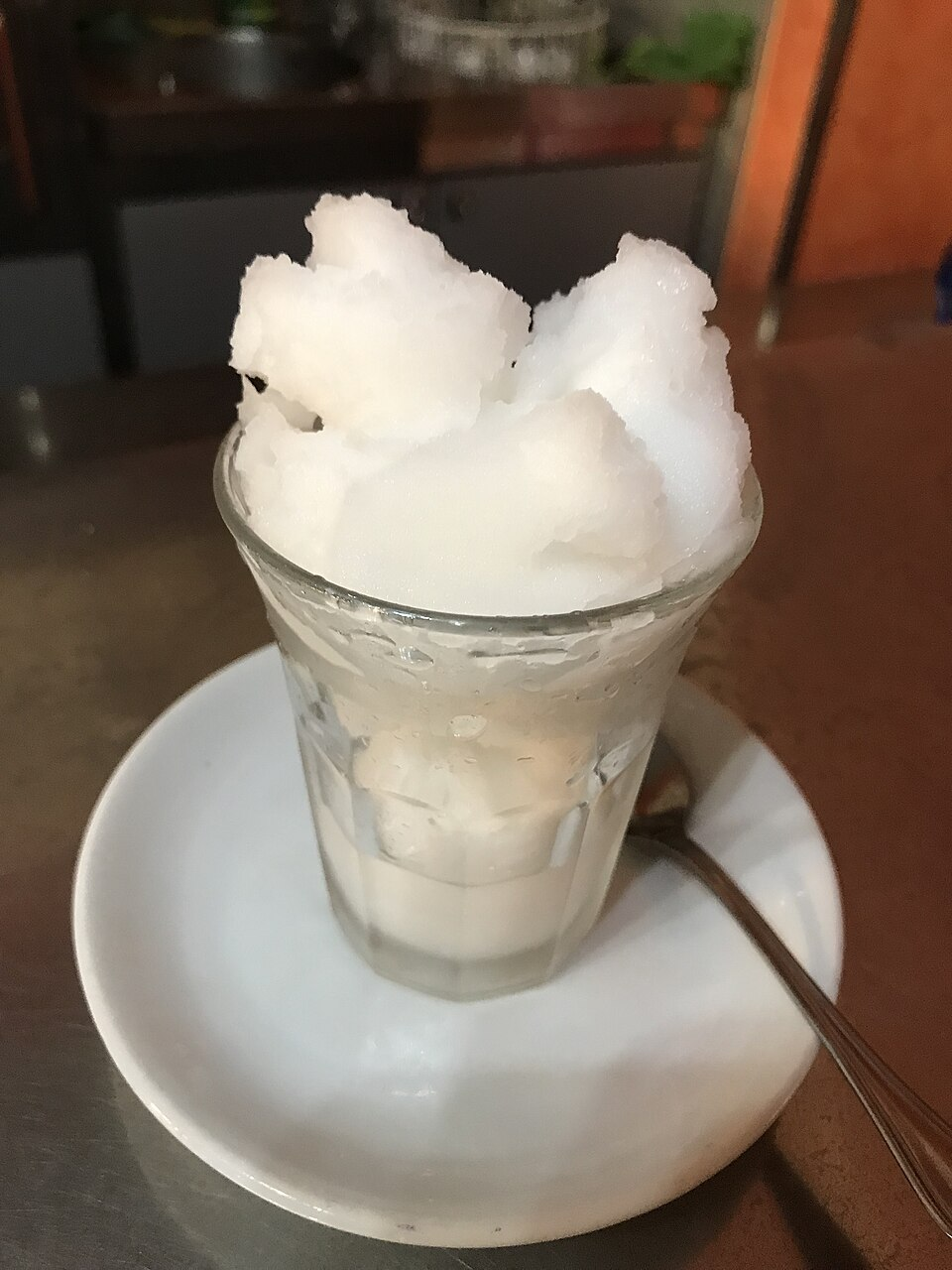
Coarse-crystaled flavored ice, eaten with a brioche. In the morning. Sicilians insist, correctly.
Sicily’s contribution descends, romantically, from snow harvested off Mount Etna and flavored by Arab confectioners a thousand years ago — and modern granita keeps the pedigree: almond, lemon, coffee, or mulberry ice with a coarse, crystalline crunch that separates it firmly from mere slush. The scandalous part is the schedule. Sicilians eat granita for breakfast, coffee-flavored and topped with whipped cream, with a warm brioche for dunking, and consider this the only civilized response to an August morning. Visitors resist for approximately one day. The brioche-and-granita breakfast then joins the list of things they will spend the rest of their lives missing.
6. Kulfi — India’s Slow-Frozen Silk
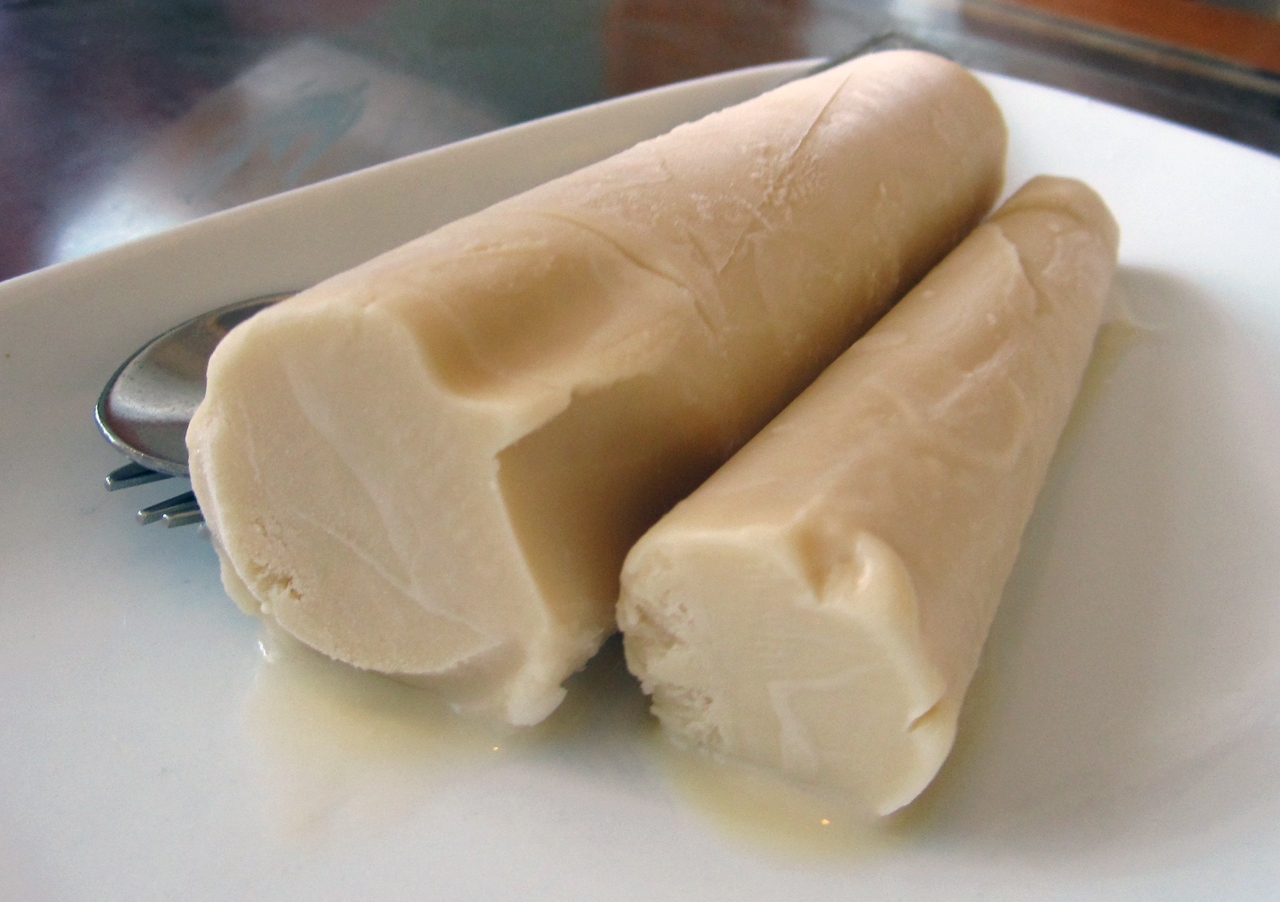
Denser than ice cream, perfumed with cardamom and saffron. The Mughal emperors froze it first.
Kulfi predates mechanical refrigeration by centuries: Mughal-era cooks reduced milk slowly until it thickened and caramelized faintly, flavored it with cardamom, saffron, and pistachio, and froze it in sealed metal cones plunged into ice and salt hauled down from the mountains. The result is denser and slower-melting than Western ice cream — no churning, no air — which makes it summer-proof engineering as much as dessert. Sold from carts by kulfiwallahs and unmolded at street stalls across the subcontinent, it’s eaten in slices or off the stick, and its texture — somewhere between fudge and frozen silk — converts ice cream loyalists in a single serving.
7. Pavlova — The Meringue Two Nations Refuse to Share
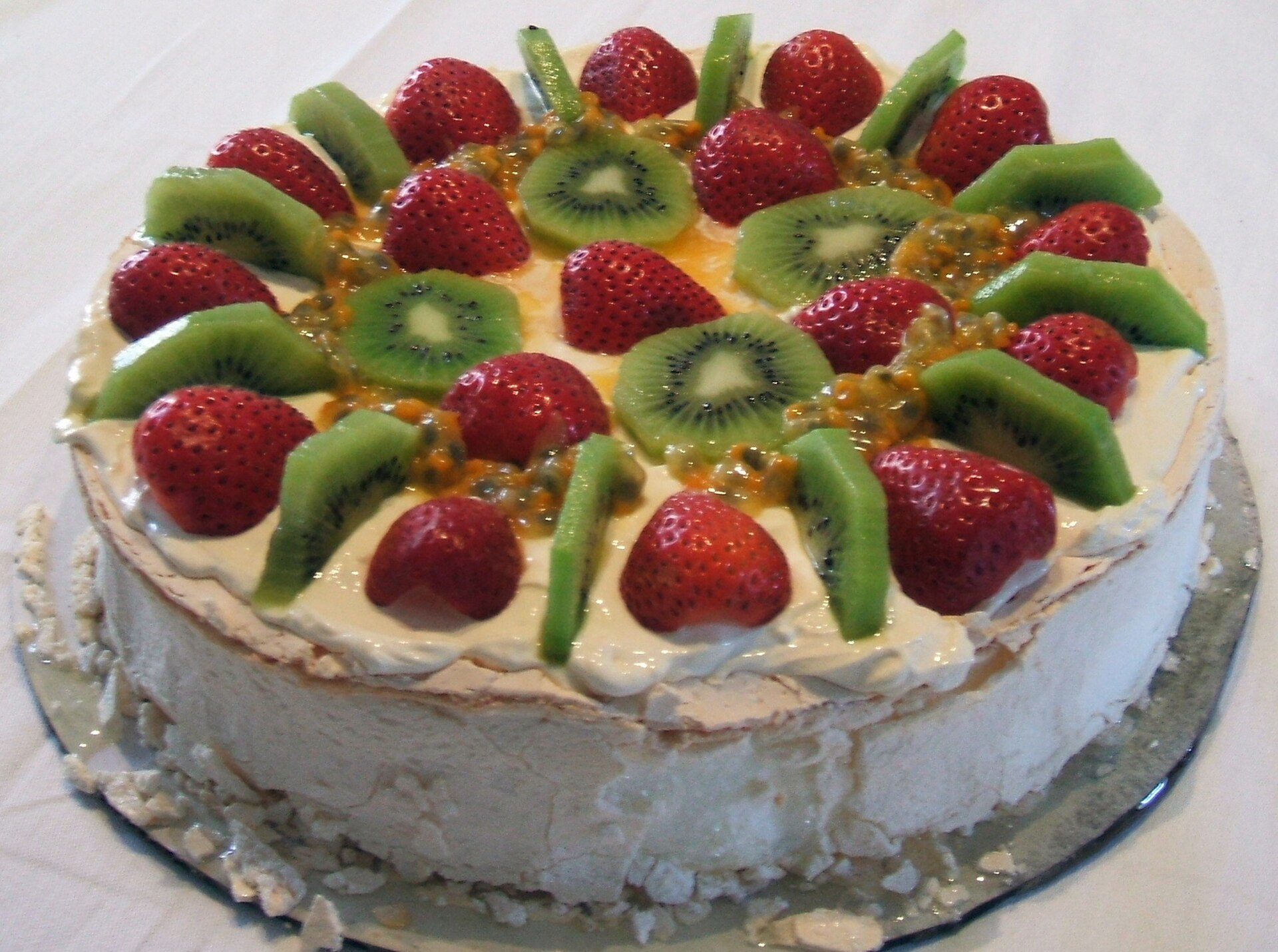
Crisp shell, marshmallow heart, summer fruit on top. Australia and New Zealand both claim it. Permanently.
The Southern Hemisphere’s summer centerpiece — a meringue baked crisp outside and marshmallow-soft within, heaped with cream and fruit — was named for the ballerina Anna Pavlova after her 1920s tour of Australia and New Zealand, and the two countries have spent the century since in polite, unresolvable combat over which invented it. Food historians have traced recipes on both sides of the Tasman Sea; dictionaries have issued rulings; nobody has surrendered. What’s undisputed: pavlova anchors the Christmas table, which in the Southern Hemisphere is a summer table — strawberries, kiwifruit, and passionfruit in December heat — making it the rare December dessert that belongs on this list.
8. Eton Mess — England’s Perfect Accident
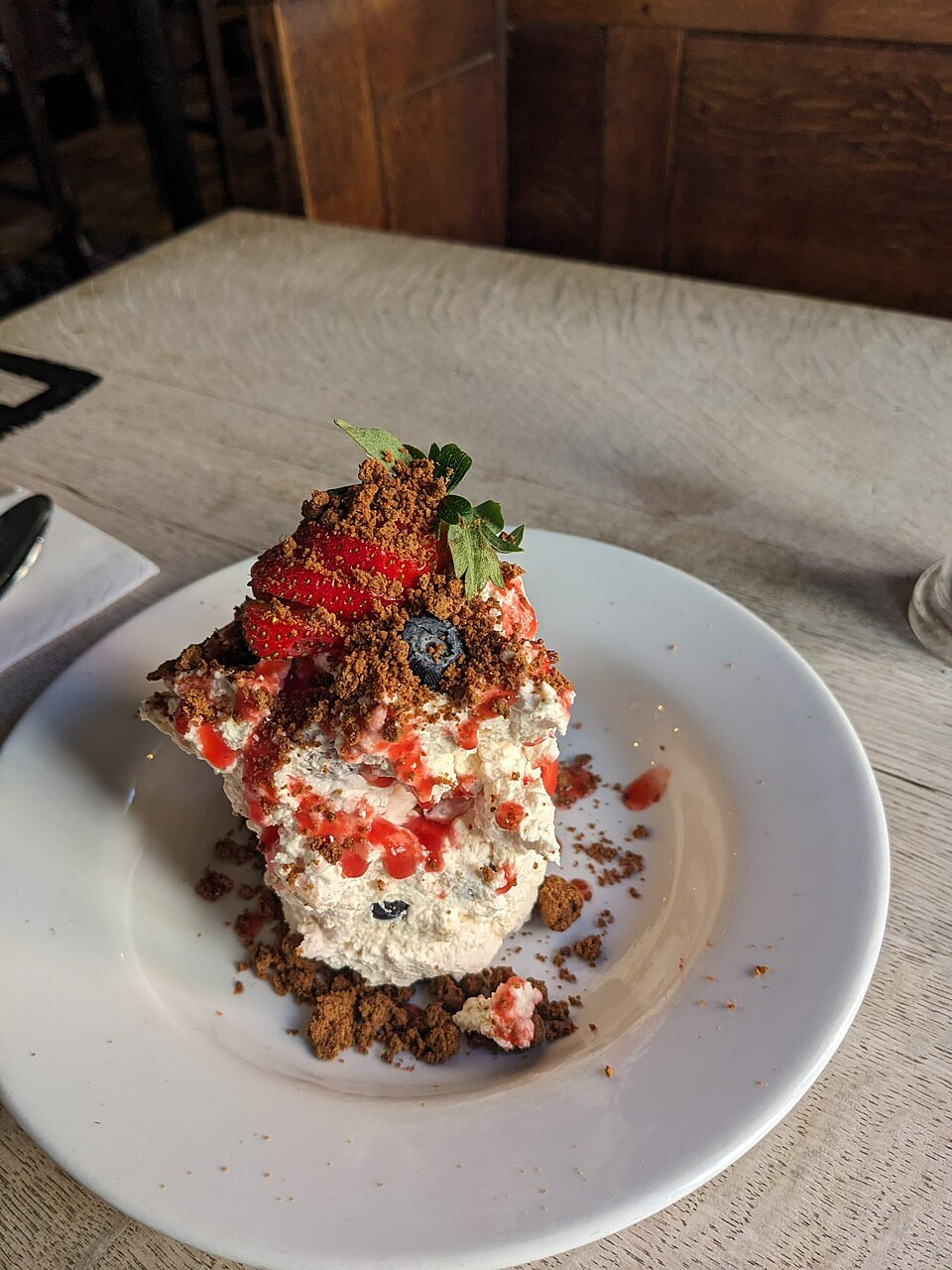
Crushed meringue, strawberries, and cream in glorious disorder. Named for the school that spilled it, says the legend.
[IMAGE SUGGESTION] Wikimedia Commons “Eton mess strawberries cream meringue” — CC-licensed image of Eton mess.
England’s summer classic embraces catastrophe by design: broken meringue folded through whipped cream and strawberries, traditionally served at Eton College’s summer cricket fixture since the 1800s, with a cheerful legend attached about a pavlova-like dessert dropped or sat upon and served anyway. The story is probably embroidery — “mess” likely just meant a mixture — but the dessert’s genius is real: it’s unwreckable, assembled in minutes, and superior to the tidy version it supposedly ruined. Wimbledon fortnight and strawberry season keep it on every June table in Britain, national proof that some accidents deserve tenure.
9. Ais Kacang — Malaysia’s Rainbow on Ice
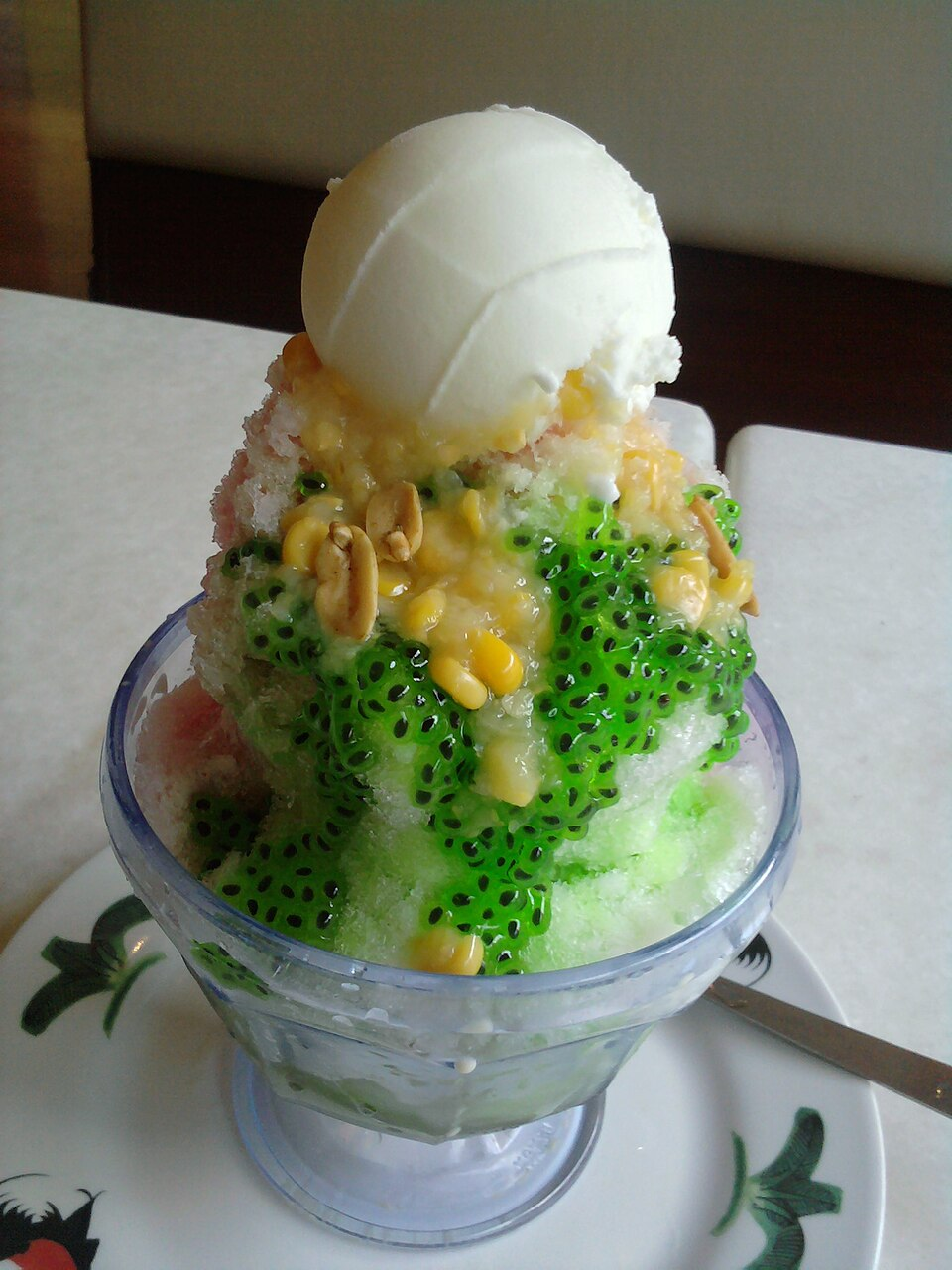
Shaved ice over red beans, corn, and jellies, drenched in syrups. The hawker stalls perfected it.
Malaysia’s hawker-stall champion — the name means “bean ice” — starts with red beans, sweet corn, grass jelly, and palm seeds, buries them under a dome of shaved ice, then paints the dome with rose syrup, palm sugar, and evaporated milk until it resembles a snow-capped carnival. Singapore serves its own beloved version as ice kachang, and the friendly cross-strait rivalry over whose hawkers do it best is conducted at full volume and settled never. Eaten at plastic tables in tropical humidity, spoon racing the melt, it’s Southeast Asia’s argument that dessert should be a spectacle, a race, and a bargain at once.
10. Affogato — Italy’s Two-Ingredient Mic Drop
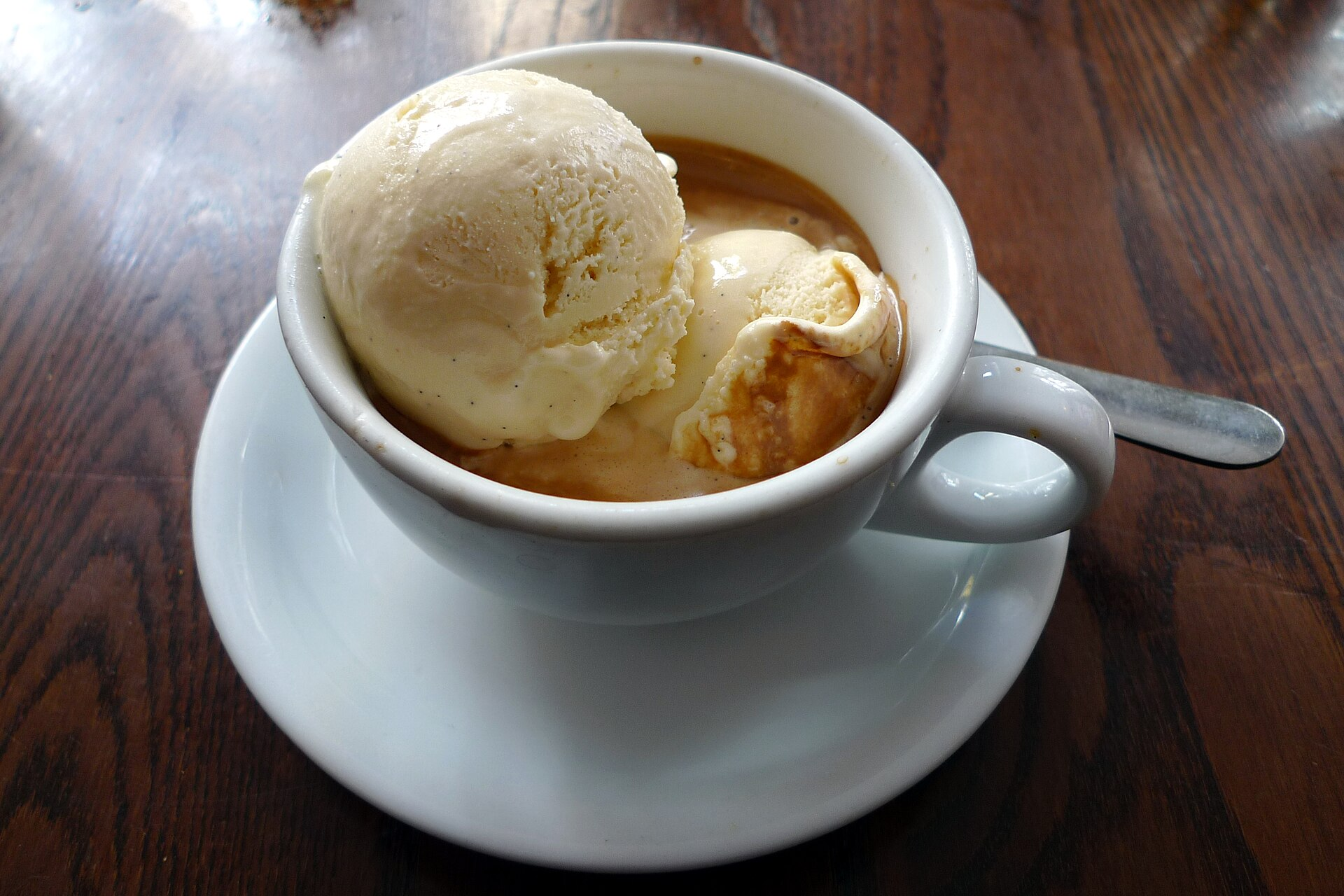
Hot espresso poured over cold gelato. Italy solved summer in one move.
After nine desserts of joyful excess, Italy closes the list with subtraction: the affogato — “drowned” — is a scoop of dense vanilla or fior di latte gelato with a shot of hot espresso poured over it at the table, hot and cold, bitter and sweet, dessert and coffee resolving into each other in under a minute. It requires no recipe, survives no delay, and demonstrates the Italian principle that two perfect ingredients need no third. Cafés worldwide have adopted it; none improve it. As a final exam in summer dessert philosophy, it’s the whole course in one glass — and the glass needs finishing before it melts, so.
One Planet, Ten Answers to July

A millennium of shaved ice, a meringue with dual citizenship, and an espresso mic drop — the world’s summer desserts share one conviction: heat is not a problem to endure but an occasion to rise to. Every culture on this list treated a hot afternoon as a design brief, and every one of them passed.
For travelers, these ten double as an itinerary of the best kind — each one tastes right only in its own climate, at its own stall, in its proper season, which is the whole argument for eating your way across a summer somewhere new. And for everyone staying home: most of these are achievable in an American kitchen with a blender, a freezer, and nerve. Start with the affogato tonight. Work up to the halo-halo. Report back by September.
Like our content? Follow us for more.