Boston has its molasses; London has its beer. On an autumn afternoon in 1814, in one of the poorest districts of the world’s richest city, a wall of porter — dark, strong London beer — came crashing through the streets without warning, a tidal wave of alcohol that flattened houses, swept people off their feet, and drowned eight of them in the flooded cellars and courtyards of the St. Giles rookery. It is one of history’s strangest catastrophes: too absurd to sound real, too deadly to be funny, and almost entirely forgotten today even in the city where it happened.
The London Beer Flood has all the hallmarks of an urban legend — a beer tsunami, deaths at a funeral wake, a courtroom ruling that no one was to blame — except that every element of it is documented fact. Understanding how a brewery managed to drown its neighbors in porter, and why no one was ever held responsible, opens a window onto a London that has otherwise vanished: an era of monstrous industrial vats, desperate urban poverty, and a legal system with no vocabulary yet for corporate accountability.
The Age of the Giant Vat
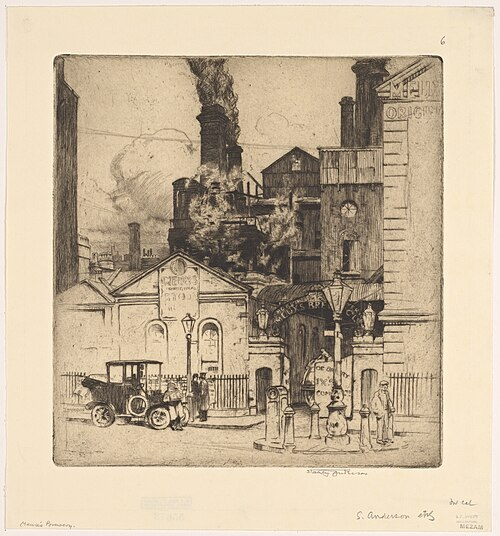
To understand the flood, you have to understand the vats. In the early 1800s, London’s great porter breweries competed partly on spectacle, and one form that spectacle took was the aging vat — enormous wooden containers, bound with iron hoops, in which porter was matured for months. These vessels had grown to almost unimaginable size; brewers boasted of them, threw dinners inside newly built ones, and treated the largest as tourist attractions. A big commercial vat could hold hundreds of thousands of gallons, standing more than twenty feet tall, a wooden tower of fermenting beer looming over the surrounding streets.
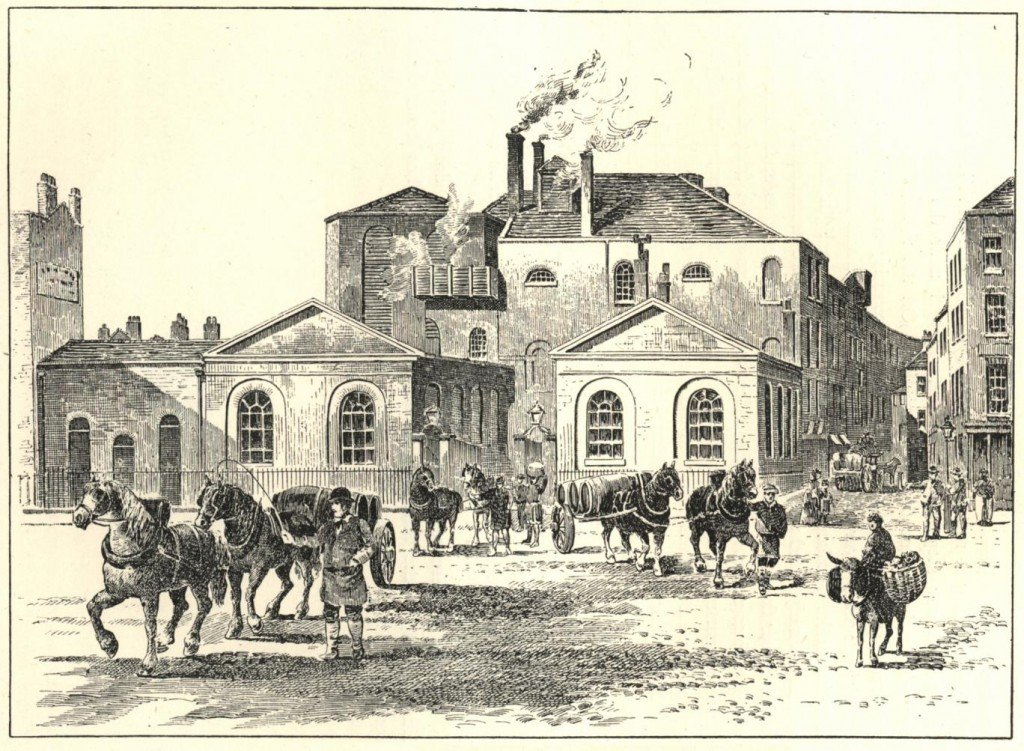
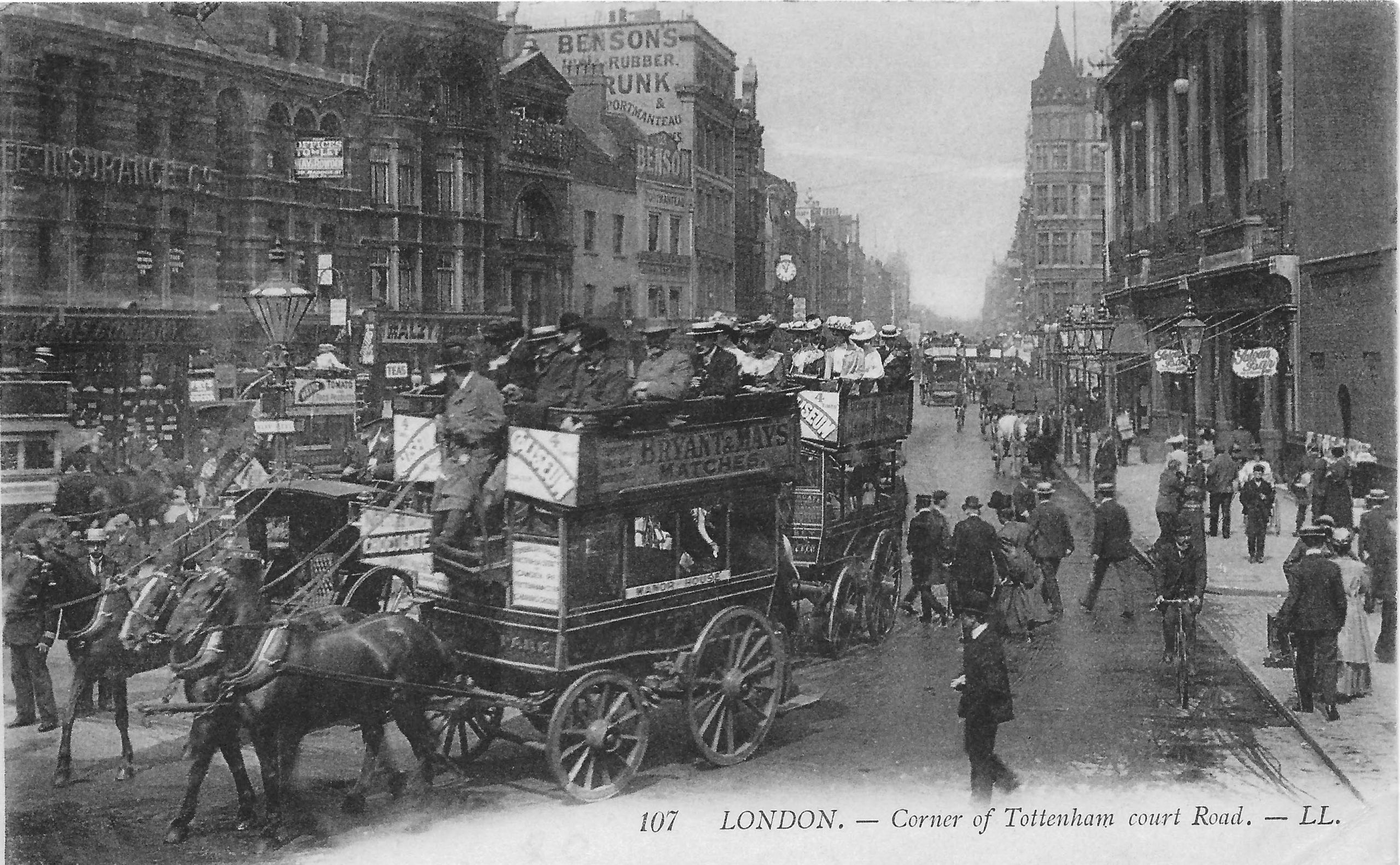
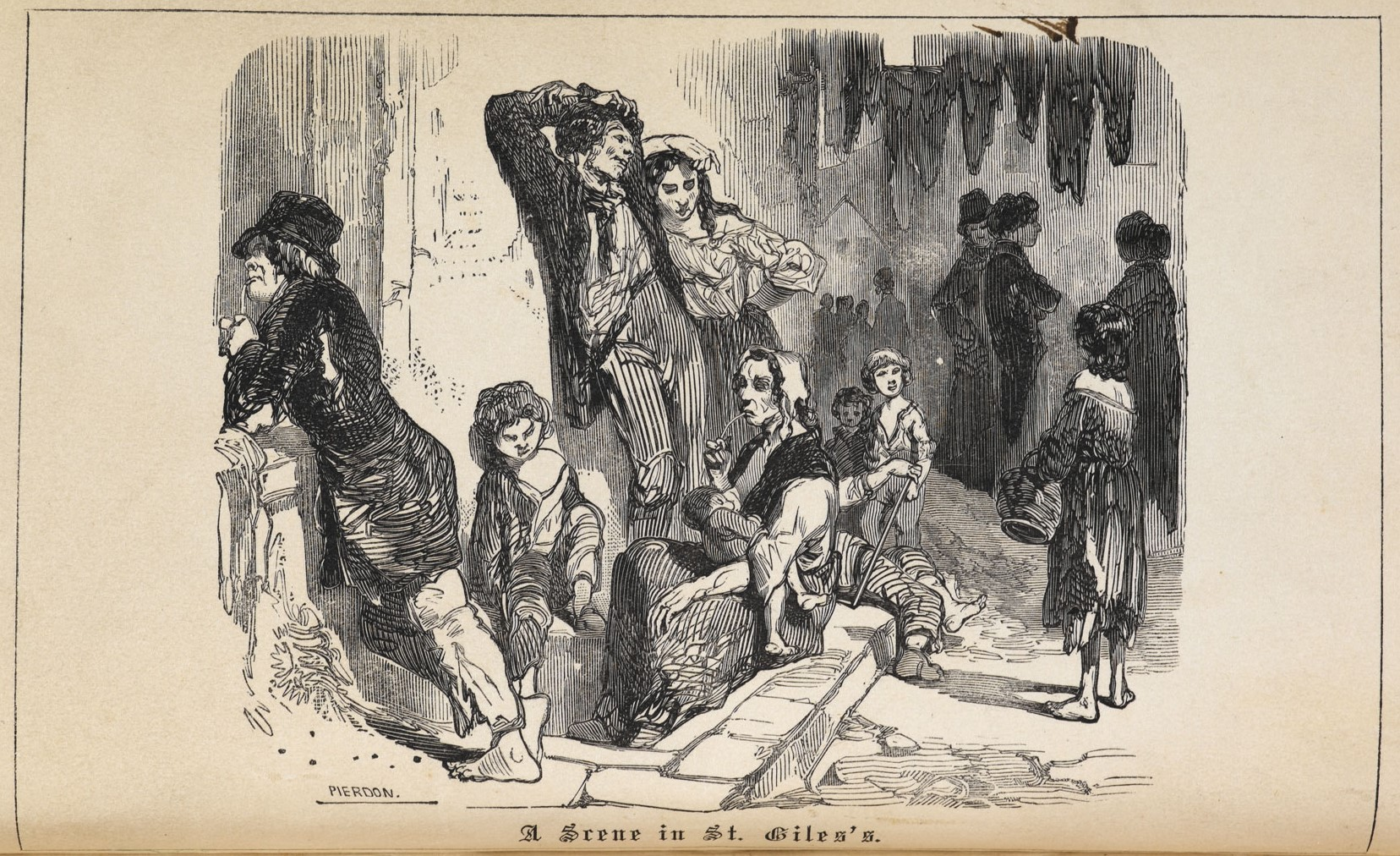
The Horse Shoe Brewery, on Tottenham Court Road at the edge of the St. Giles district, operated several such giants. The technology, however, had outrun the engineering: these were wooden vessels held together by iron hoops under tremendous pressure from the weight of their contents, and the consequences of a failure had not been seriously reckoned with. The brewery sat directly against one of London’s most notoriously overcrowded slums, where families packed into cellar rooms and crumbling tenements — meaning that when one of these towers of porter let go, it would empty not into open ground but straight into a warren of homes crammed with people.
Like our content? Follow us for more.
Twenty Minutes That Drowned a Neighborhood
On the afternoon of October 17, 1814, a storehouse clerk at the Horse Shoe Brewery noticed that one of the large iron hoops on a vat holding well over 100,000 gallons of aging porter had slipped. Slipped hoops were apparently common enough that he wasn’t alarmed; he noted it and, by the accounts that survive, expected it to be dealt with in due course. It was not dealt with in time. About an hour later, the weakened vat ruptured.
The failure was catastrophic and instantaneous, and it triggered a chain reaction: the force of the bursting vat and its released torrent tore apart neighboring vats and knocked out a brewery wall, so that in moments more than 300,000 gallons of porter — over 1,000 tons of beer — surged out at once. The wave that swept into the streets of St. Giles was, by contemporary estimates, around 15 feet high, and it hit a densely packed slum with the force of a flash flood. Brick walls collapsed. Cellar dwellings, where the poorest families lived below street level, filled in seconds. People were knocked down and swept along in a rushing tide of beer and debris through courtyards and alleys that gave the water nowhere to drain.
Eight people died, and the circumstances were as grim as they were strange. Several of the victims were gathered in a room for a wake, mourning the death of a child, when the wave struck the building and killed them. Others were domestic residents caught in flooding cellars, or people simply overwhelmed in the streets. Most of the dead were women and children — the demographics of the slum’s daytime population — and the deaths came not from the alcohol but from the sheer physical violence of the flood and the collapse of buildings it caused. Rescue was chaotic and desperate, neighbors digging through beer-soaked rubble by hand to reach the trapped, and the district reeked of porter for days as the beer drained slowly through the sodden neighborhood.
The Grimmer, Weirder Aftermath
The disaster’s aftermath produced details that have kept it alive in the annals of the bizarre. As word spread, crowds reportedly descended on the flooded streets — some to help, but others, in a neighborhood of terrible poverty, to scoop up and drink the free beer running through the gutters, a macabre scene of scavenging amid the wreckage. The persistent legend that some died later of alcohol poisoning from overindulging appears to be embellishment, but it captures the surreal tone of the event: a fatal flood that also, briefly, offered the destitute a river of the thing they could rarely afford.
There is a darker footnote, too. In the days after, the bereaved reportedly charged admission to view the bodies of the dead — a grim custom of the era’s poor, turning tragedy into a few desperately needed pennies — until, by one account, the crush of paying spectators caused a further accident. Whether every such detail is precisely true or partly the accretion of legend, the core is documented: eight dead, a slum devastated, and a city confronting a kind of disaster it had never imagined.
An “Act of God” and No One to Blame
The legal reckoning is where the London Beer Flood becomes truly revealing. The families of the dead and the ruined residents had suffered enormously, and the cause was plainly the brewery’s giant vats. But when the matter came before a coroner’s inquest, the jury reached a verdict that would be unthinkable today: they ruled the deaths an “act of God” — a casualty, in the law’s eyes, of unforeseeable accident rather than anyone’s negligence. No one at the Horse Shoe Brewery was held responsible; no compensation of any consequence flowed to the victims’ families.
By the standards of a later age, the ruling looks like a corporation escaping accountability for a lethal failure of its own equipment, and in a sense it was — the early nineteenth century simply lacked the legal concepts, and arguably the will, to hold industrial enterprises liable for the collateral damage of their operations, especially when the dead were poor. There is a bleak irony in the coda: the brewery, having drowned its neighbors, reportedly recovered financially in part by successfully reclaiming the excise tax it had already paid on the beer it lost, treating the flood as a loss of inventory. The porter that killed eight people was, to the ledger, spilled stock.
There’s a grim symmetry worth noting between London’s flood and Boston’s famous molasses disaster a century later: both involved a vast industrial container of a sweet or intoxicating liquid bursting into a crowded working-class neighborhood, both killed and maimed the poor who happened to live in the flood’s path, and both entered history with a faintly absurd surface that belies the real suffering underneath. The difference is memory — Boston never forgot its molasses, while London let its beer flood drain almost entirely out of the public mind.
The Disaster London Forgot
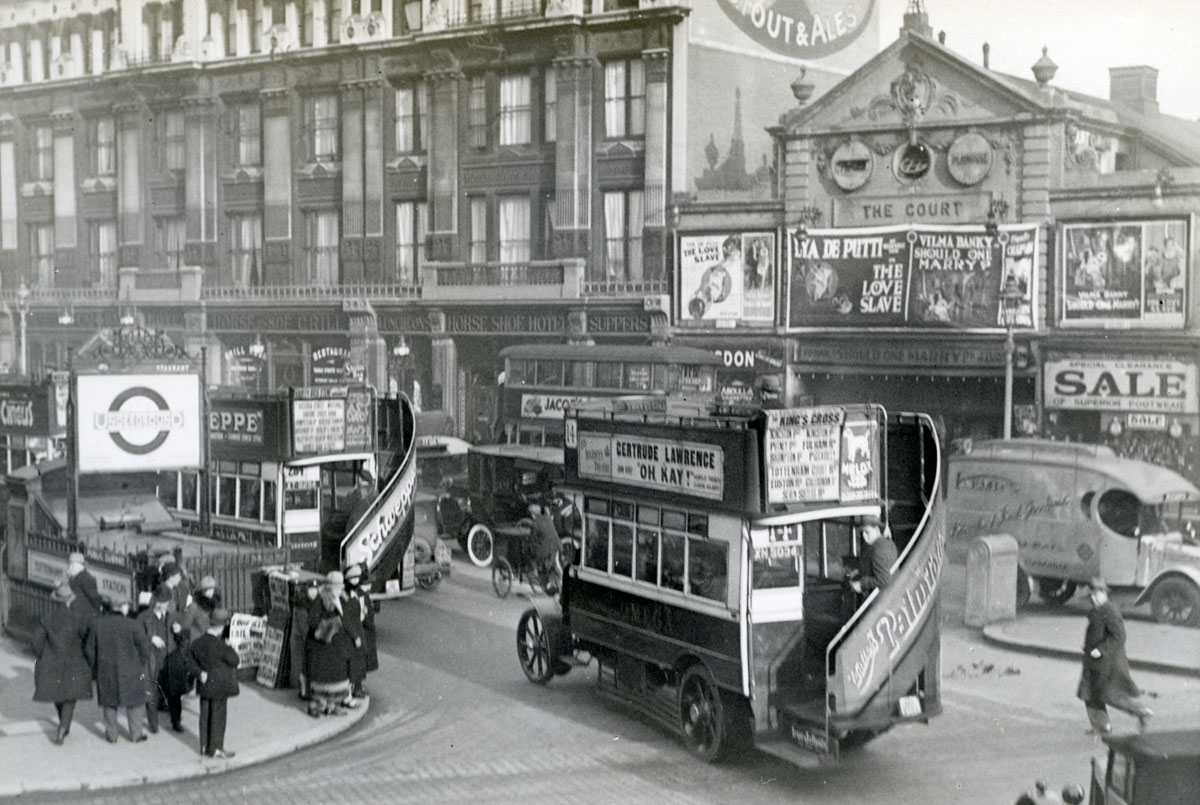
Perhaps the strangest thing about the London Beer Flood is how thoroughly it vanished from memory. Unlike Boston’s molasses flood, which became a permanent piece of the city’s identity, London’s beer flood faded into obscurity, remembered mainly by historians of the odd and the occasional pub quiz. The St. Giles rookery itself was cleared and rebuilt later in the century, erasing the physical scene entirely; the Horse Shoe Brewery survived for over a century before being demolished in the 1920s, and the site today, near the busy junction of Tottenham Court Road, carries no grand memorial — just, in recent years, a modest plaque and the occasional commemoration marking where the porter once ran through the streets.
For the modern visitor to London, there’s a small, strange pleasure in knowing the story while standing in the utterly transformed neighborhood — one of the city’s busiest, most redeveloped districts sitting atop the site of a beer tsunami most Londoners have never heard of. It’s a reminder that even the most familiar cities are layered with forgotten catastrophes, and that history’s truly bizarre episodes are not always the invented ones. Sometimes a wave of beer really did sweep through the capital and drown eight people at a wake, and the law really did shrug and call it an act of God. London moved on, as cities do, and mostly forgot. The porter, at least, is long since drained away.
Like our content? Follow us for more.