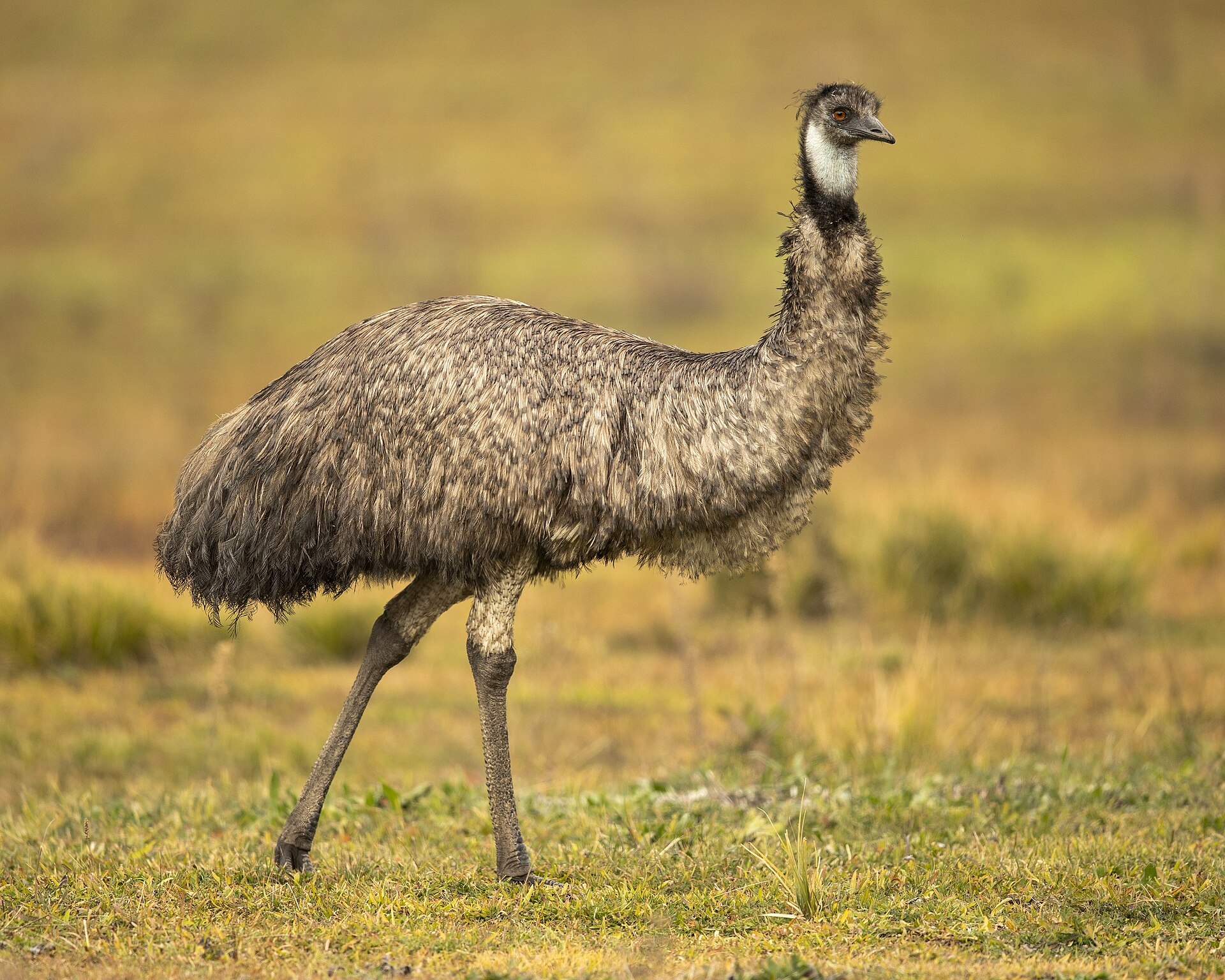
Of all the strange-but-true stories in the annals of history, few can top this one: a modern nation, armed with machine guns and commanded by military officers, declared what amounted to war on a population of large birds — and the birds emerged victorious. This actually happened. In 1932, in Western Australia, the government deployed soldiers with automatic weapons to cull tens of thousands of emus that were ravaging farmland, and the operation went so poorly, so comically, that it has gone down in history as the “Great Emu War,” a real military campaign against wildlife that the humans decisively failed to win.
It sounds like satire, or a tall tale invented for laughs, but the Great Emu War is thoroughly documented history, complete with soldiers, machine guns, official reports, and a bemused public that followed the whole debacle in the newspapers. It is a story that has everything: desperate farmers, a well-meaning but doomed military response, an enemy that turned out to be far more formidable than anyone anticipated, and an ending in which the mighty apparatus of a modern army was, essentially, defeated by birds. Here is how one of history’s most absurd conflicts unfolded, and why the emus won.
Desperate Farmers and an Emu Invasion
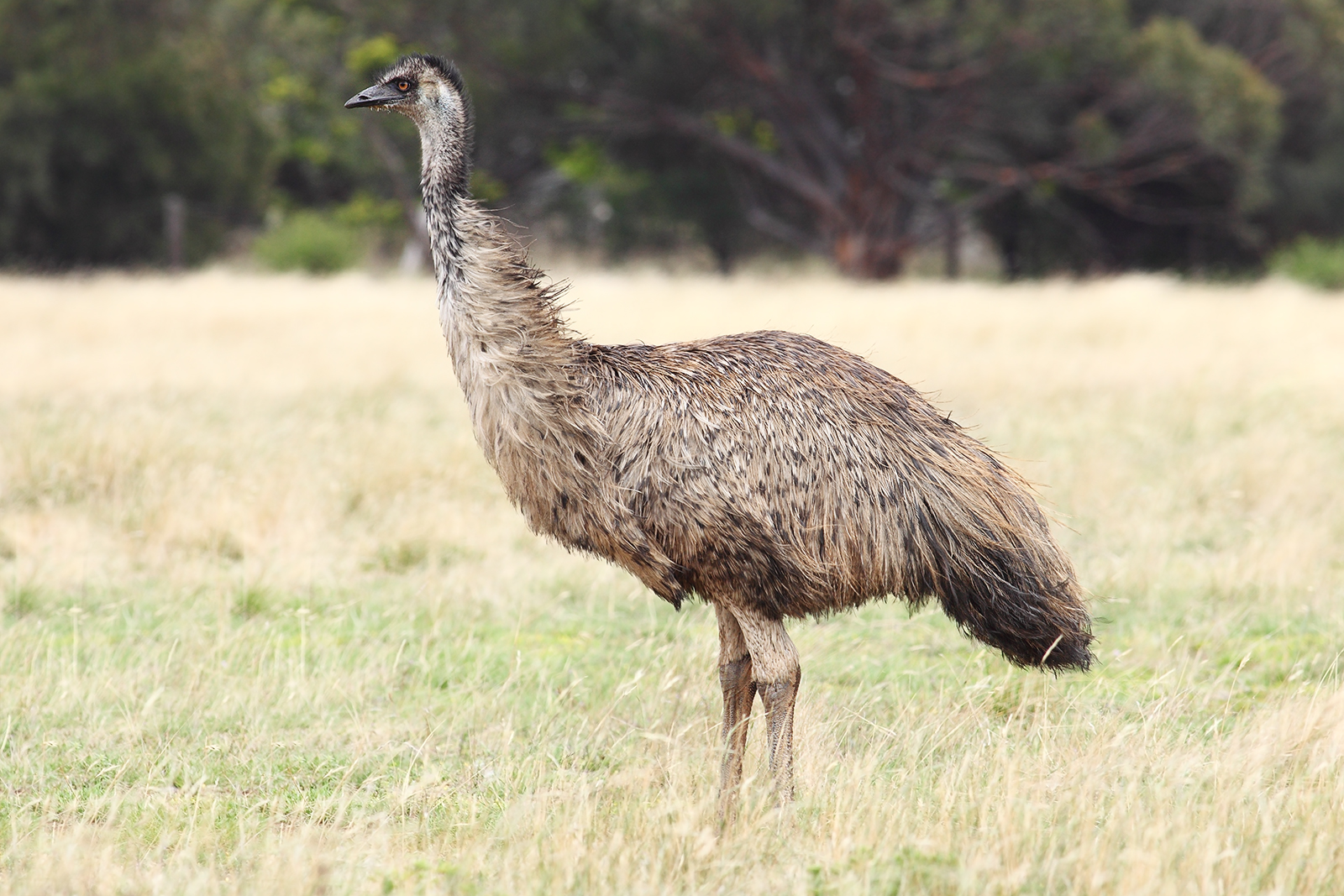
The Great Emu War grew out of a real and serious problem. In the aftermath of the First World War, many Australian veterans had been given land in the marginal farming country of Western Australia to take up wheat farming, and by the early 1930s these farmers were already struggling against the hardships of the Great Depression and low crop prices. Into this precarious situation arrived a natural disaster with feathers: a massive population of emus.
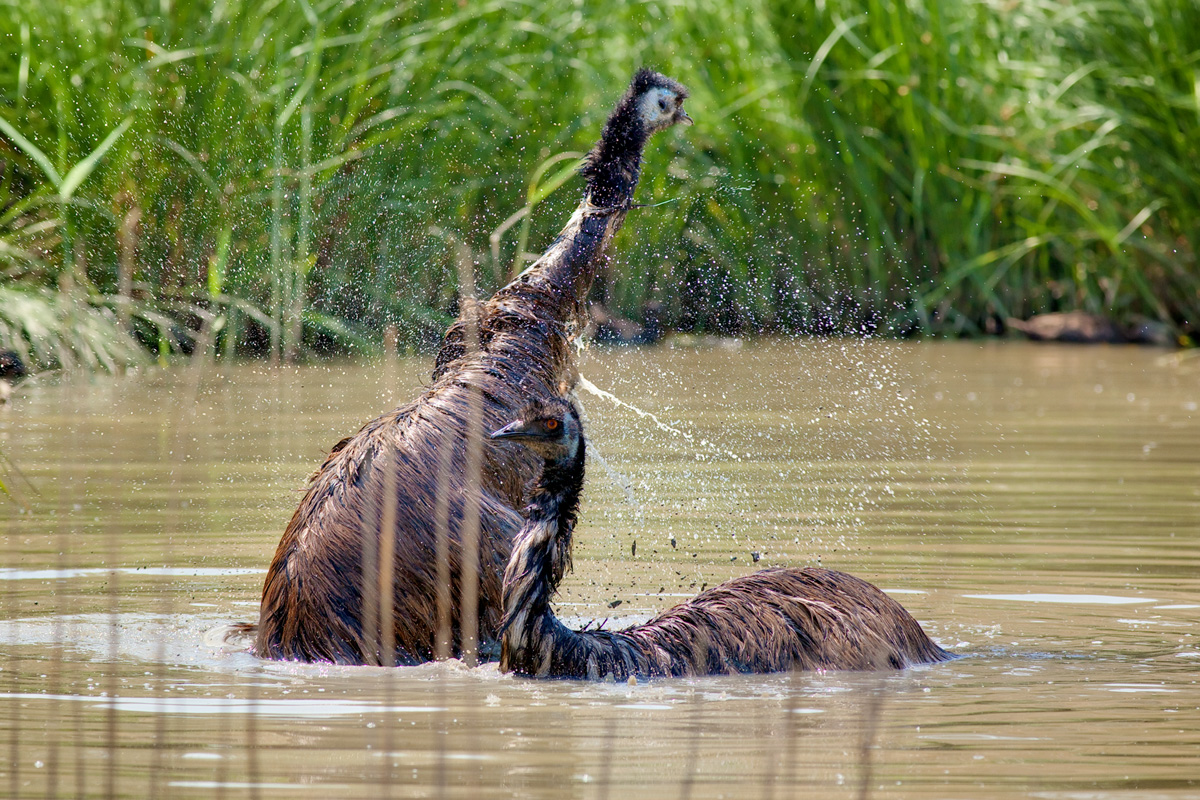
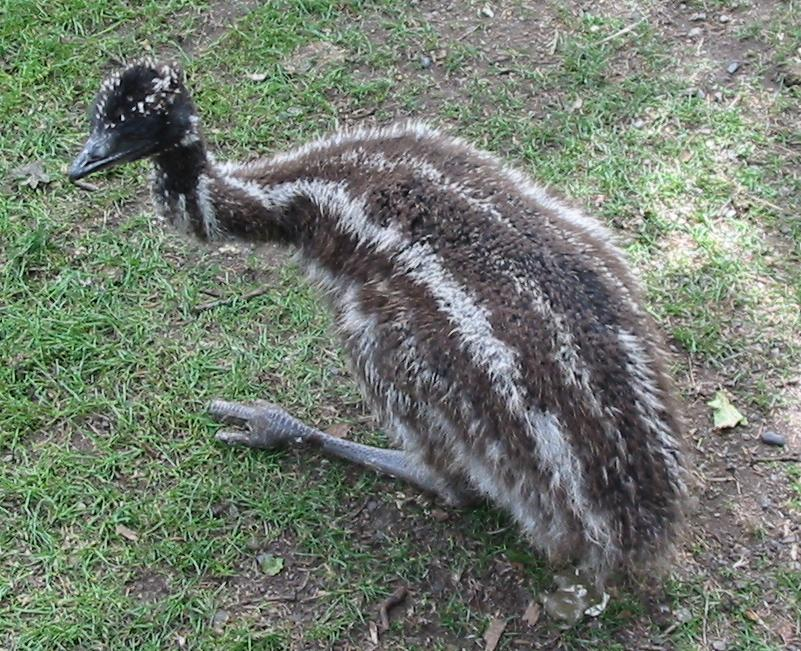
Emus, Australia’s large native flightless birds — standing up to around six feet tall and capable of running at high speed — migrate seasonally, and in 1932 an enormous number of them, estimated in the tens of thousands, descended on the wheat-growing districts. Drawn by the cleared land and water supplies the farmers had created, the birds ran rampant through the farms, trampling crops, consuming grain, and wrecking the fences that were meant to keep rabbits out, opening the way for further pests. For farmers already on the edge of ruin, the emu invasion was potentially catastrophic, and their desperate appeals for help reached the government. The farmers, many of them ex-soldiers themselves, requested military assistance — and, remarkably, they got it.
Like our content? Follow us for more.
Bring in the Machine Guns
The government’s response was to authorize a military solution. A small detachment of soldiers was dispatched to the affected region, armed with machine guns and a supply of ammunition, under the command of a military officer, with the straightforward-sounding mission of culling the emu population to protect the farms. On paper, it seemed like a simple operation: modern automatic weapons against flightless birds should, one would think, be no contest at all. The soldiers and the authorities anticipated a quick and effective cull.
The emus had not read the plan. From almost the moment the operation began, the birds proved to be a far more challenging adversary than anyone had imagined. When the soldiers attempted to engage large groups of emus, the birds scattered with remarkable speed and coordination, breaking into small, fast-moving groups that were extraordinarily difficult to target effectively. Emus turned out to be fast — able to run at speeds that let them outpace pursuit — and astonishingly hardy, with reports suggesting the birds could absorb hits and keep running. The machine guns, effective against massed stationary targets, proved frustratingly ineffective against a fast, scattered, unpredictable enemy spread across the open countryside. Early attempts yielded far fewer birds than expected, and the operation quickly descended into a frustrating chase.
An Enemy That Would Not Be Beaten
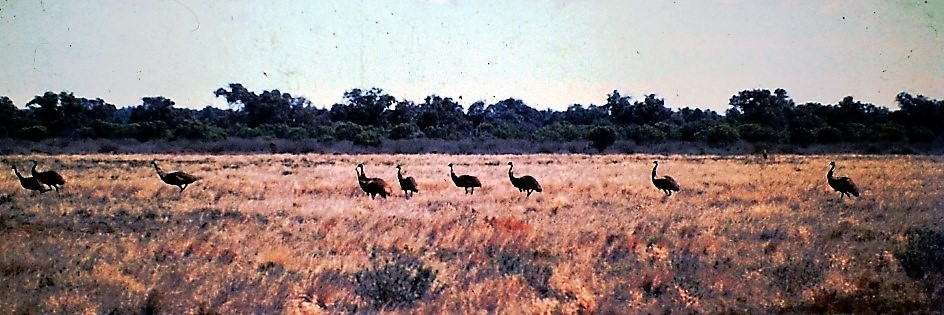
As the campaign continued, the emus seemed to grow only more elusive, and the accounts of the operation took on an increasingly comic and almost admiring tone toward the birds. Observers described the emus as displaying something like guerrilla tactics, scattering at the first sign of the soldiers, each group seeming to have a “leader” that kept watch and signaled the others to flee. The soldiers tried various approaches, including attempting to mount a gun on a vehicle to chase the birds down, but the emus simply outran and outmaneuvered their pursuers across terrain that favored the fast, agile birds over the machinery.
The numbers told the embarrassing story. Despite expending a substantial amount of ammunition, the operation managed to kill only a modest number of emus relative to the enormous population and the resources committed — a ratio that made the whole endeavor look, frankly, ridiculous. The military campaign against the birds was achieving little beyond demonstrating the surprising resilience and speed of the emu, and the episode began attracting attention and mockery. As word spread of the army being outmatched by flightless birds, the operation became a source of public amusement and some official embarrassment, with commentary noting the apparent futility of the exercise and the emus’ unexpected triumph.
Retreat and the Emus’ Victory
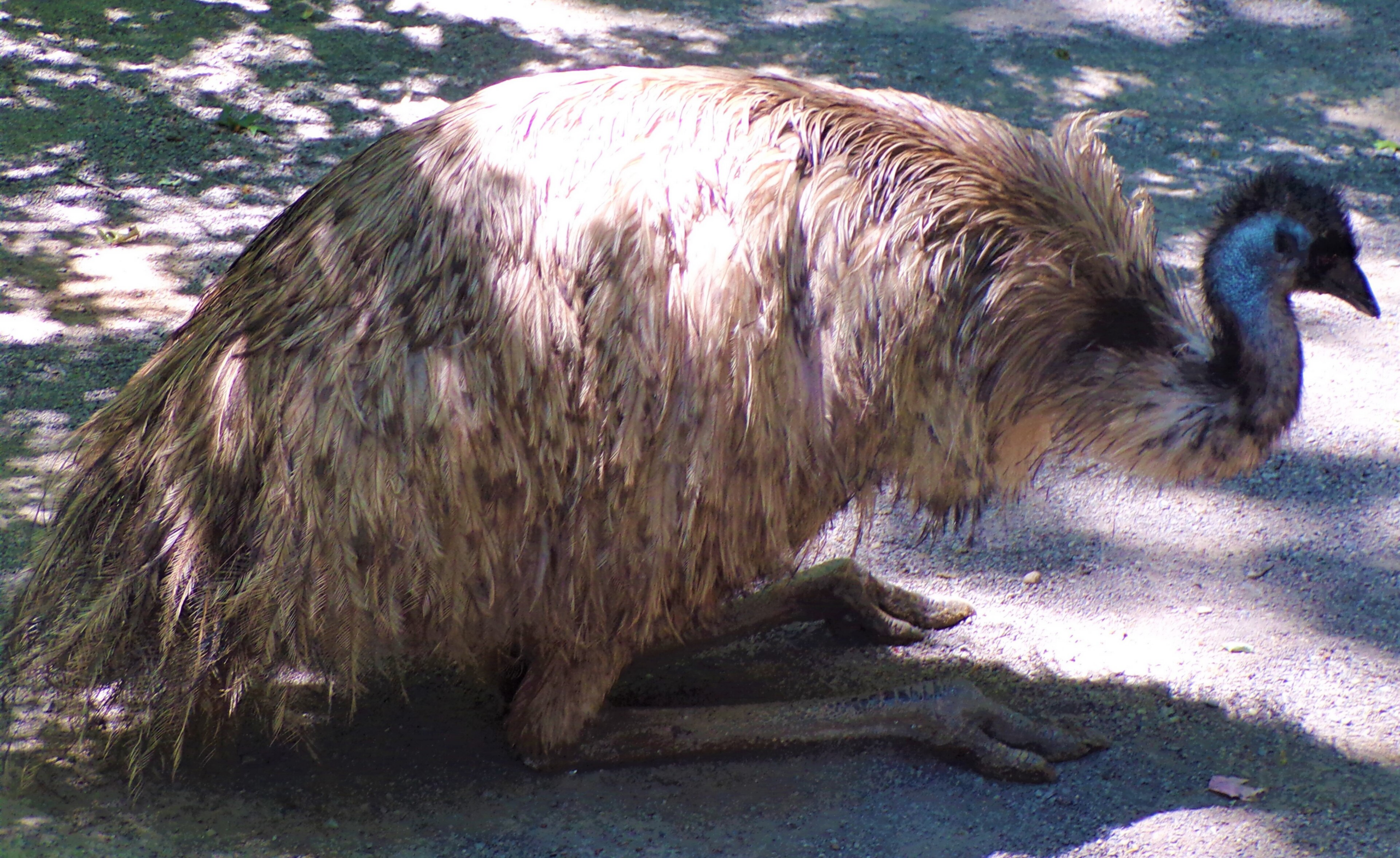
Faced with poor results, mounting ammunition expenditure, and growing ridicule, the operation was called off. The military withdrew, the guns fell largely silent, and the Great Emu War ended in what was, by any reasonable assessment, a defeat for the humans and a victory for the birds. The emus remained, having lost only a fraction of their number, their overall population and their raids on the farmland substantially undiminished. The great military campaign against the emus had failed to achieve its objective, and the birds had, in effect, won.
The defeat was so complete and so absurd that it entered the historical record with a wry sense of humor that has never faded. The idea of a modern army, equipped with machine guns, being bested by a population of large flightless birds struck people then and strikes people now as irresistibly funny — a perfect illustration of human overconfidence meeting the stubborn realities of nature. The farmers, it should be noted, were left with their emu problem largely unsolved, and the region continued to grapple with the birds through other means in the years that followed. But the “war” itself, the military operation with its soldiers and machine guns, was over, and the emus had prevailed.
A Second Attempt, and the Same Result
The embarrassment of the initial failure was compounded by what came next. After the operation was first called off amid public mockery, the pressure from desperate farmers did not go away — the emus were still there, still raiding the crops — and so, remarkably, the military effort was resumed for another attempt to bring the birds under control. If the authorities hoped the second try would redeem the first, they were to be disappointed.
The renewed operation fared only modestly better than the original. The emus remained as fast, scattered, and resilient as ever, and while the second effort managed to account for somewhat more birds over a longer period, it still fell far short of anything resembling a decisive victory against the enormous population. The fundamental problem never changed: machine guns, for all their firepower, were simply the wrong tool for eliminating tens of thousands of fast, dispersed, hardy birds spread across a vast open landscape. Eventually the military involvement wound down for good, and the authorities turned to other methods — bounties and barrier fencing among them — to manage the emu problem in the years that followed. The army’s direct war against the emus, in both its attempts, had proven a failure, and the birds had held their ground through all of it.
The persistence of the effort only deepens the legend. It wasn’t a single unlucky outing but a sustained campaign, tried and retried, that the emus withstood — which makes their victory all the more complete and the story all the more irresistible.
Why the Emu War Endures
The Great Emu War has enjoyed a remarkable second life as one of the most beloved pieces of historical trivia, endlessly shared and retold precisely because it sounds too absurd to be true and yet is entirely real. It has become a favorite example of nature humbling human ambition, a go-to story for the observation that things don’t always go as planned, and a source of enduring affection for the emu as the unlikely victor over the might of a modern military. The story’s blend of real history and inherent comedy makes it irresistible, and it circulates widely as a reminder that reality is often stranger and funnier than fiction.
Beneath the humor, though, the Emu War contains a truly interesting lesson about the limits of force and technology against the natural world. The soldiers assumed that superior weaponry would translate automatically into an easy victory, and they were wrong, defeated not by a lack of firepower but by the speed, adaptability, and sheer resilience of the animals they were fighting on the animals’ own terrain. It’s a small, funny historical episode that nonetheless captures something real about hubris and the natural world’s capacity to confound human plans. And it left behind an unbeatable piece of trivia: that once, a country went to war against birds, deployed the army and the machine guns, and lost. The emus, against all odds and all firepower, won the Great Emu War — and the story has been delighting people ever since.
Like our content? Follow us for more.