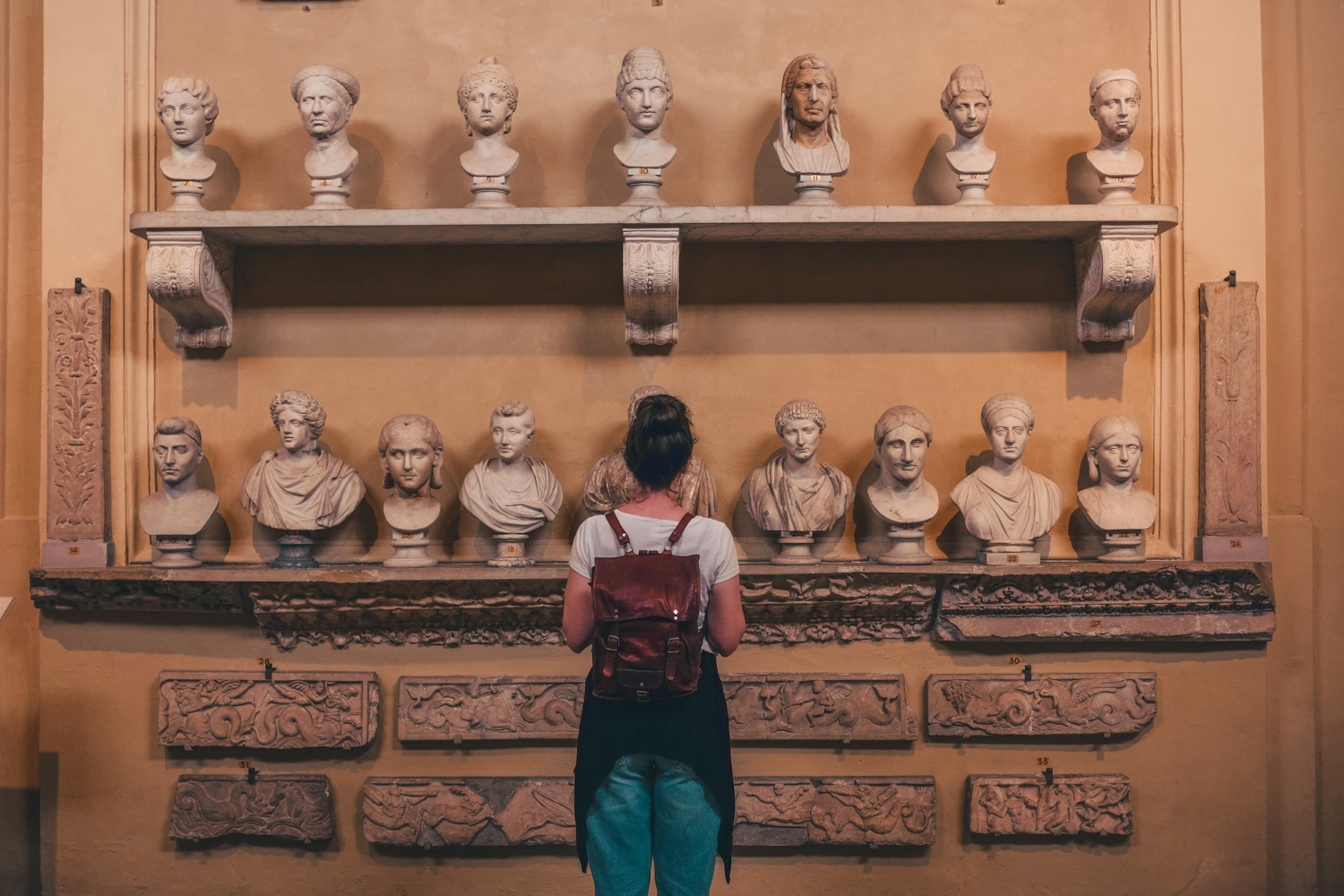
Museums are among the few remaining public spaces with real shared etiquette, and most of it is learned by osmosis rather than instruction. The posted rules cover the obvious hazards. What they don’t cover is how to move through a gallery without spoiling it for the two hundred other people who paid to be there, or how to get more out of a visit than an aching back and a phone full of photographs you’ll never look at. Here are twelve unwritten rules worth knowing.
1. Take Your Backpack Off Before You Walk In
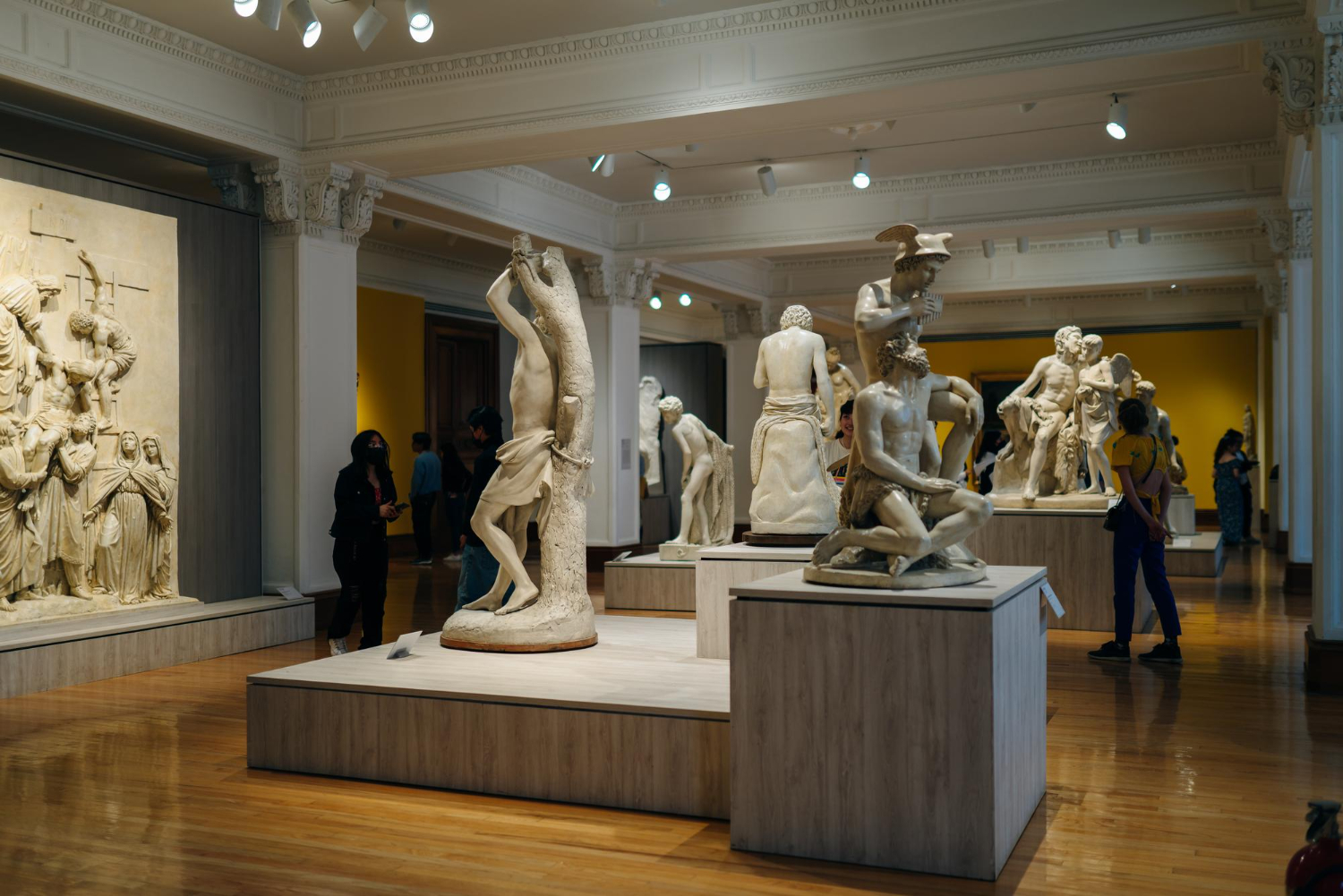
The most common cause of accidental damage is a bag its owner forgot about.
Ask a museum guard what worries them and backpacks come up immediately. A bag on your back extends your body by a foot and a half in a direction you cannot see, and in a crowded gallery it swings into artworks, cases, and other visitors constantly. Most large museums require bags to be carried in front or checked, and the unwritten version applies everywhere: take it off at the door, carry it in your hand or on your front, or leave it at the cloakroom. This single habit prevents more near-misses than any other rule on the list.
Like our content? Follow us for more.
2. Stay Farther Back Than You Think You Need To
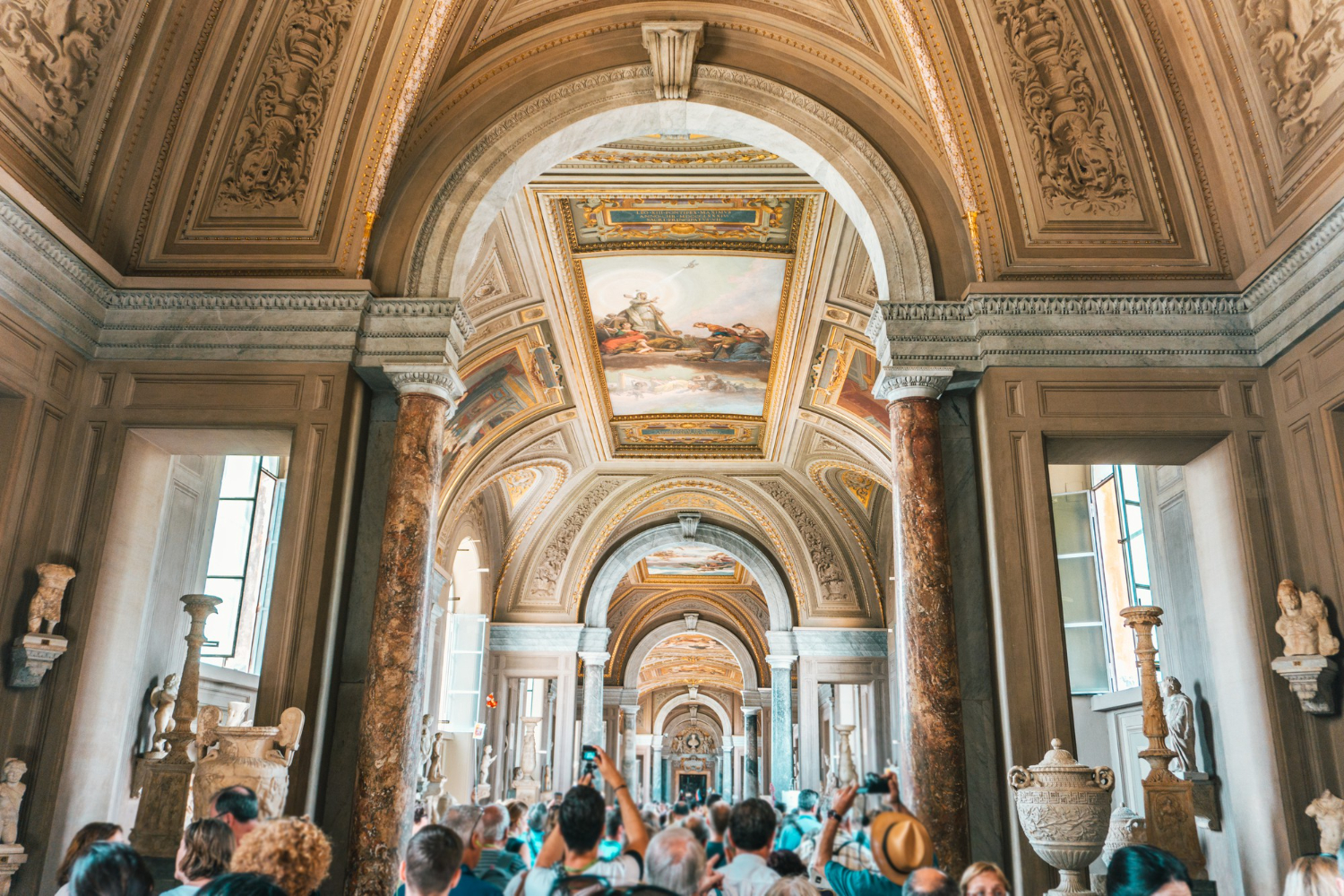
There’s usually a line, a rail, or a floor marking. It’s there for a reason.
Every gallery has some indication of how close you may approach — a rope, a low rail, a strip on the floor, or simply a convention. Leaning in past it triggers alarms, brings a guard over, and risks contact with objects that are often irreplaceable and sometimes fragile in ways that aren’t visible. Bear in mind that breath, humidity, and skin oils affect artworks over time, which is why the distances exist even where nothing looks delicate. If you want to see brushwork closely, lean from the waist while keeping your feet behind the line rather than stepping forward.
3. Don’t Stand Directly in Front of Something and Stay There
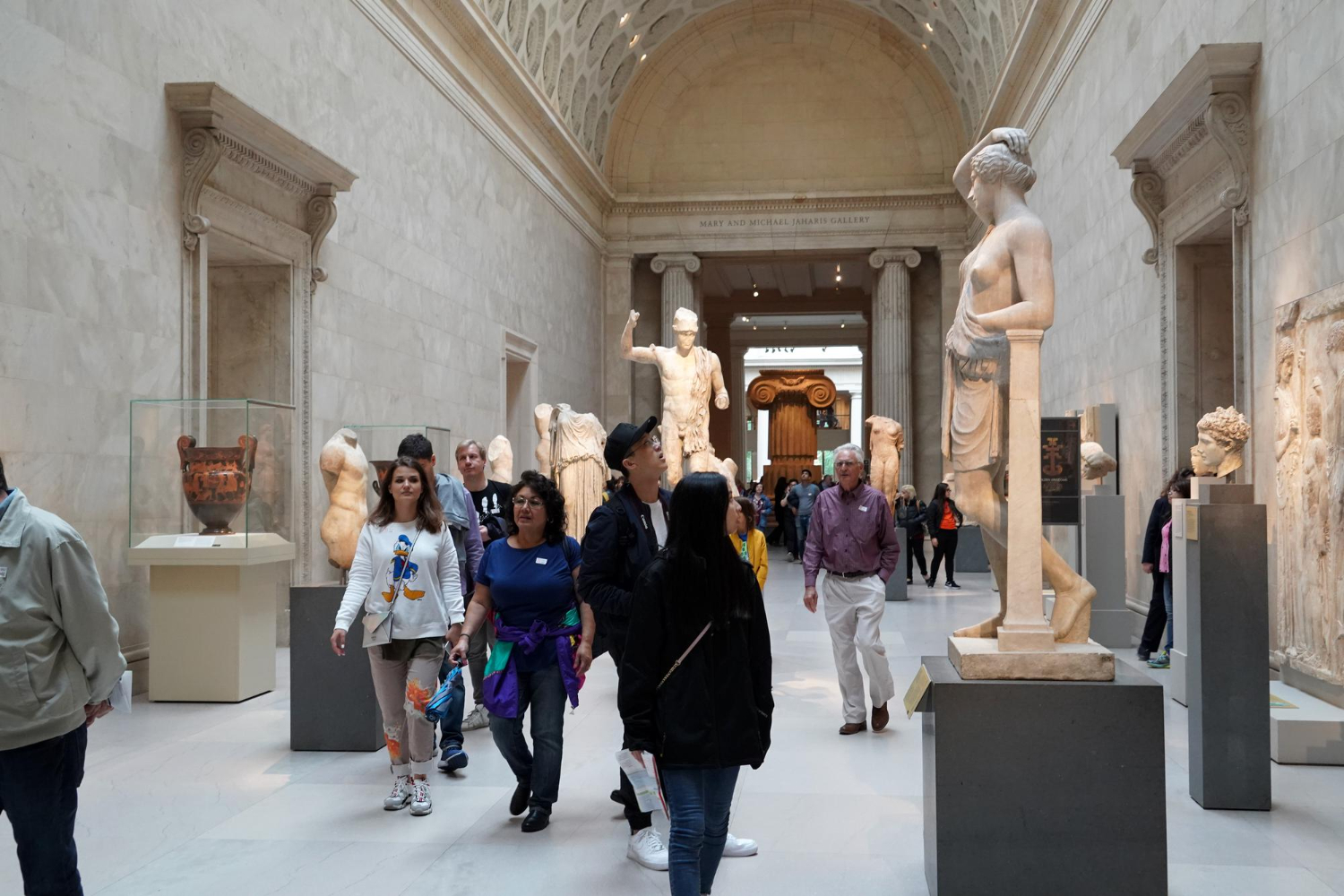
Look, absorb, then step back and let others in. Galleries are shared space.
The most common inconsiderate behavior in a museum is the extended occupation of the prime viewing position in front of a popular work. Spend as long as you like with a piece — that’s the point of going — but be aware of the people behind you, and step to the side or back periodically so others can take a turn at the center. The same applies to reading the label: step aside once you’ve read it rather than standing in the direct sightline while you finish. In front of the very famous works, the queue is real even when it isn’t a formal line.
4. Keep Your Voice Down, and Take Calls Outside
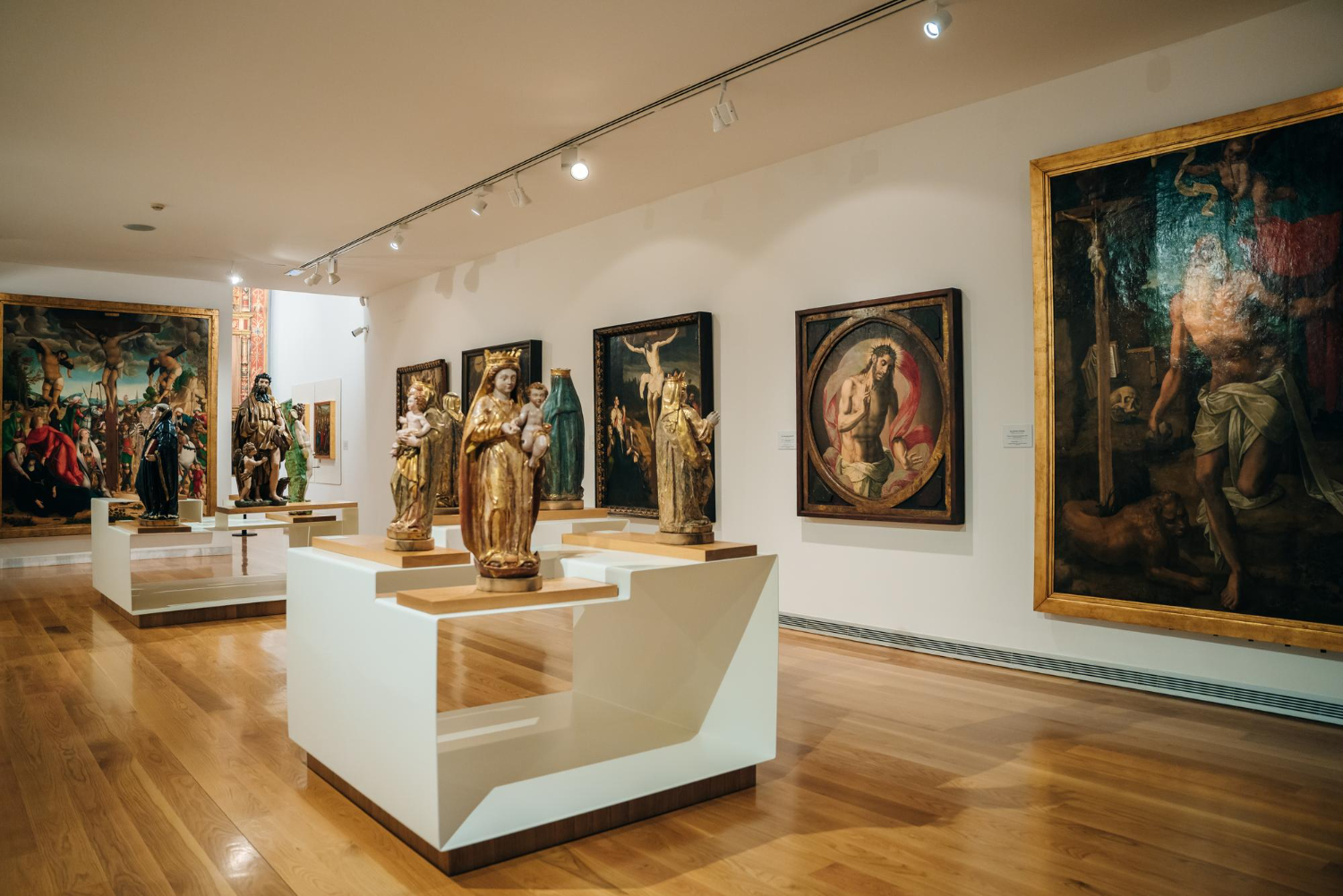
Galleries carry sound. A normal conversational volume is louder than you think.
Hard floors, high ceilings, and stone walls make galleries acoustically live, and a conversation at ordinary volume travels much farther than it would in a living room. Keep discussion low and brief, step into a corridor or lobby for anything longer, and take phone calls outside the galleries entirely. If you’re using an audio guide, keep it on headphones at a level only you can hear. Museums are one of the last places where quiet is part of the product, and a substantial share of visitors are there specifically for that.
5. Turn the Flash Off — and Check Whether Photos Are Allowed at All
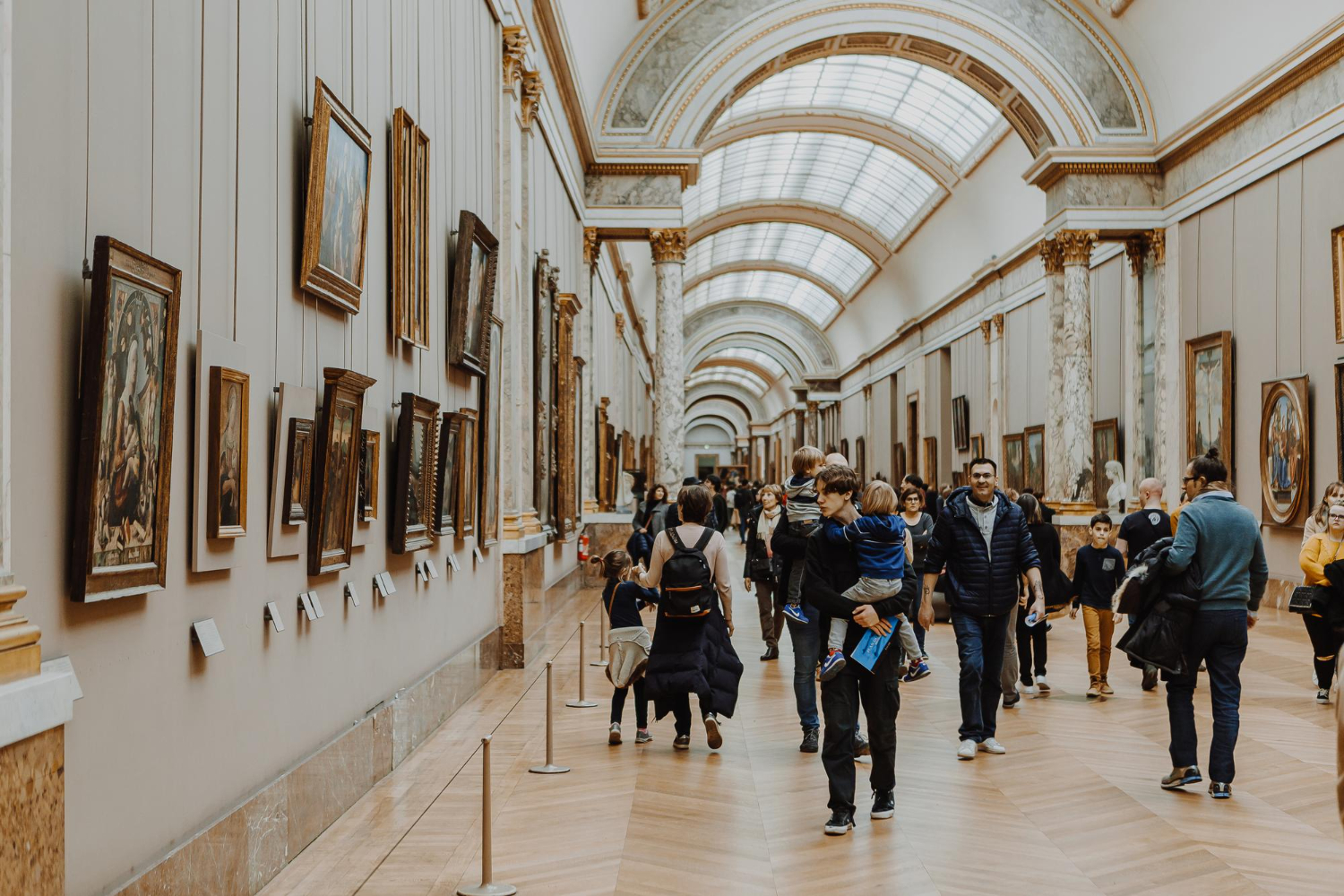
Flash damages light-sensitive works, and some collections prohibit photography entirely.
Photography rules vary: many museums allow it without flash, some prohibit it in special exhibitions or for loaned works, and a few ban it altogether. Flash is the near-universal prohibition, because repeated light exposure cumulatively damages pigments, dyes, textiles, and works on paper. Check the signs on entry and at each special exhibition, since the rules often differ room by room, and turn your flash off before you start rather than discovering it’s on when it fires in a silent gallery. Where photography is banned for loaned works, it’s typically a condition of the loan rather than institutional fussiness.
6. Never Touch Anything, Including the Frame and the Case
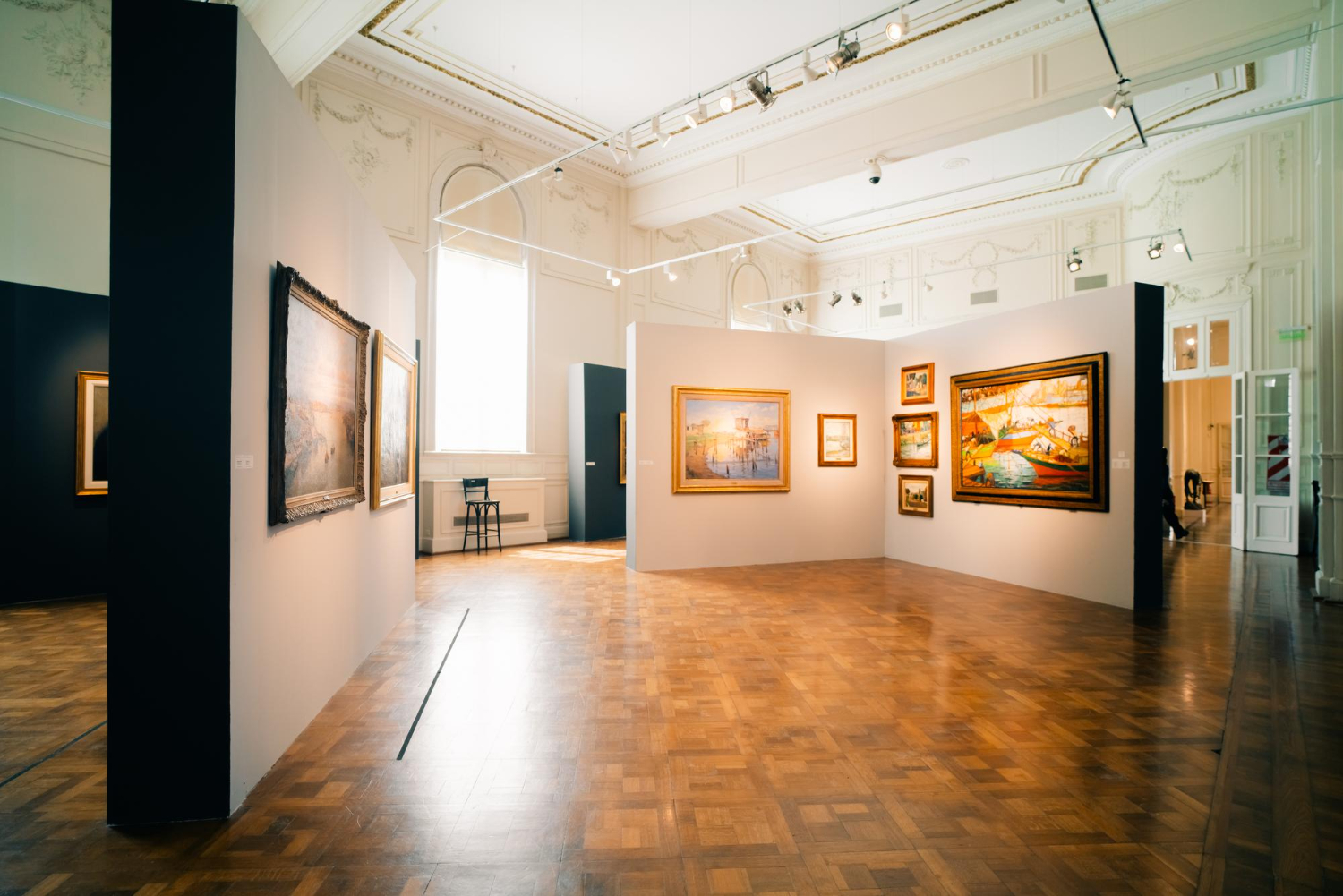
Skin oils cause cumulative damage, and the frame is often part of the artwork.
The no-touching rule is well known for artworks and less well understood for everything around them. Frames are frequently historic objects in their own right, sometimes original to the piece and more fragile than the painting; display cases smudge and require cleaning that takes conservation staff away from other work; plinths and mounts are part of the installation. Oils and acids from skin transfer with a single contact and accumulate over thousands of visitors, which is why the rule is absolute rather than proportionate to how hard you touch. If there’s a designated hands-on element, it will be clearly labeled.
7. Manage Children Actively, and Don’t Apologize for Bringing Them

Kids belong in museums. Running and touching don’t.
Museums want children there, and any regular visitor who glares at a family is in the wrong. The expectation is simply active supervision: no running in galleries where a fall means hitting an object, no touching, and an adult within reach in crowded rooms. Practical tactics from parents who do this well include keeping visits short, letting children choose a few things to look for, using the family trails and activity sheets most museums provide, and heading for the interactive galleries where they exist. A bored child in a silent gallery is a problem for everyone, including the child.
8. Don’t Read Every Label — Pick and Choose

Trying to see everything is how people end up exhausted and remembering nothing.
The most useful advice experienced museumgoers give is to abandon completeness. A large museum contains more than anyone can absorb in a day, and marching through every room reading every label produces fatigue and very little retention. The better approach is to pick a few galleries or a theme, look properly at a smaller number of things, and skip the rest without guilt. Many people find that spending ten minutes with one work teaches them more than an hour of skimming past a hundred. The museum will still be there next time.
9. Step Out of the Flow to Stop
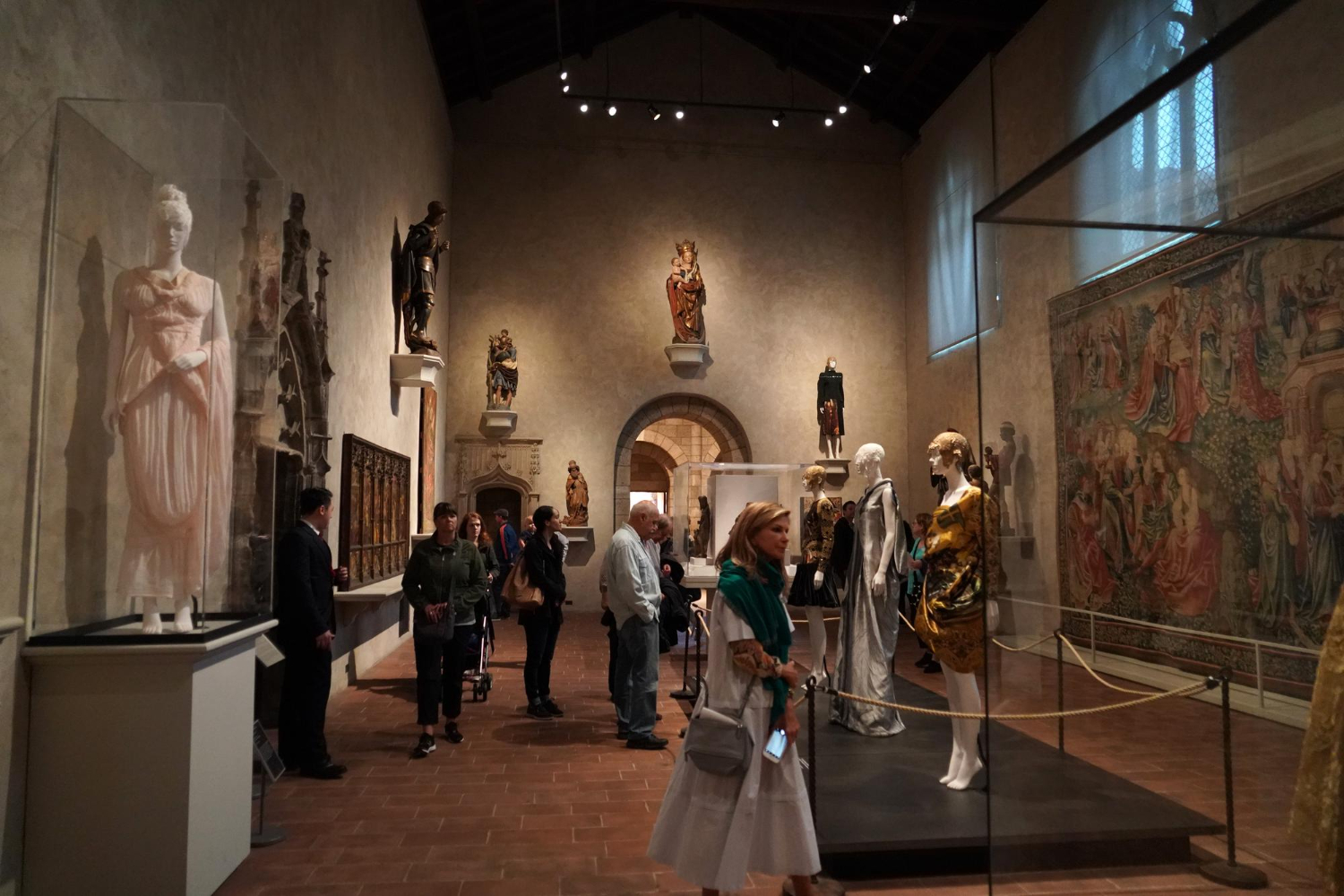
Doorways, stair landings, and gallery entrances are the worst places to pause.
Museums have chokepoints, and the instinct to stop and consult a map or a phone tends to strike precisely at them — in a doorway, at the top of stairs, or just inside the entrance to a busy room. Move to the side of the space before stopping, the same way you would step out of a walkway on a sidewalk. This applies to group huddles as well: a family conference in a doorway blocks a lot of people. It’s a small awareness, and it makes a noticeable difference in a crowded institution.
10. Be Aware of Whose Shot You’re Walking Through
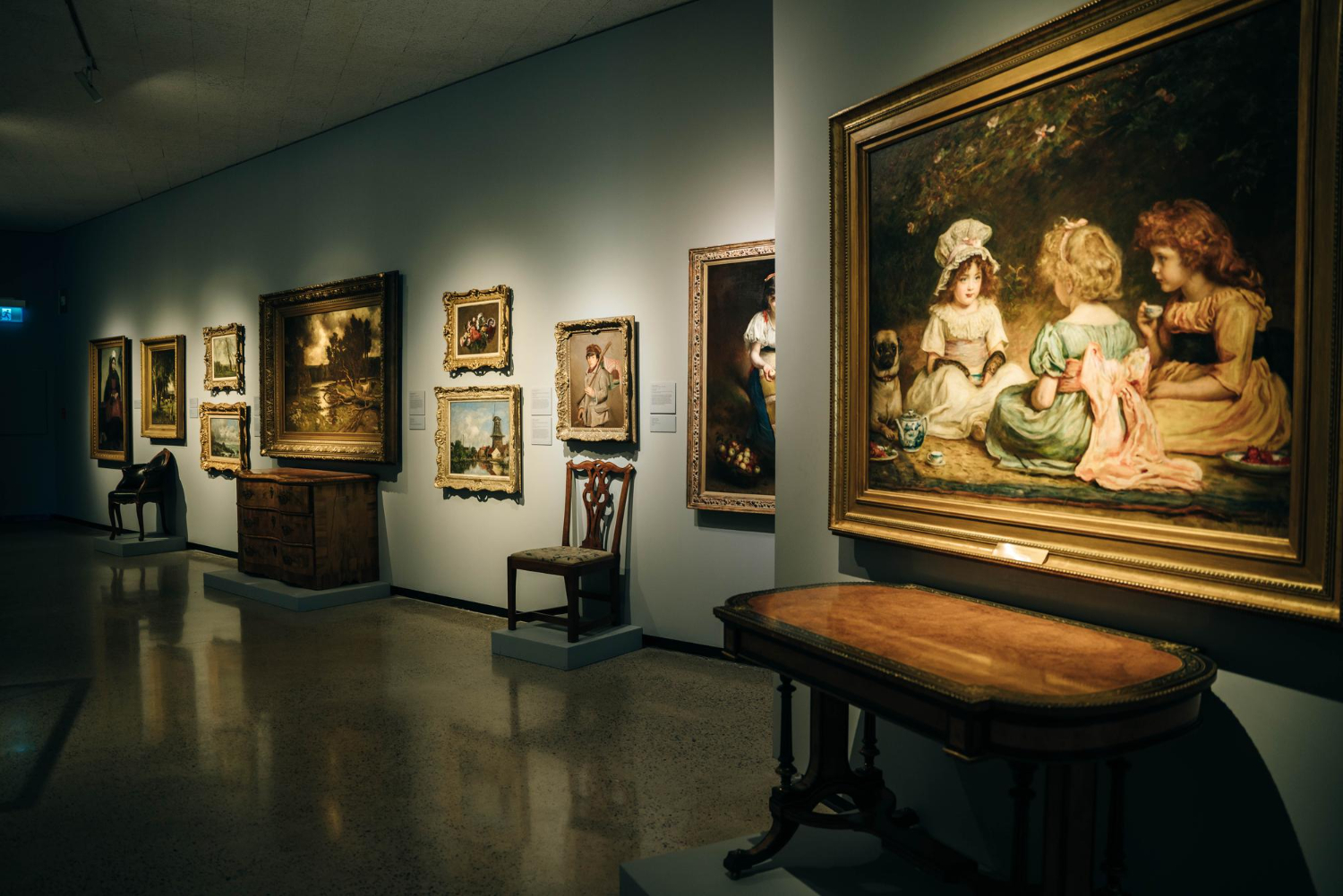
A brief pause costs you nothing and saves someone else’s photograph.
Wherever photography is permitted, people will be taking photos, and the courtesy is the same as anywhere else: if someone is clearly composing a shot, wait a couple of seconds rather than walking through it, and they’ll extend you the same. On the other side of it, don’t set up an extended photo session in front of a popular work while people wait, and don’t ask strangers to move so you can get a clean shot of something everyone came to see. Take the photo, then actually look at the thing with your own eyes.
11. Follow the Room’s Cues on How to Move Through It
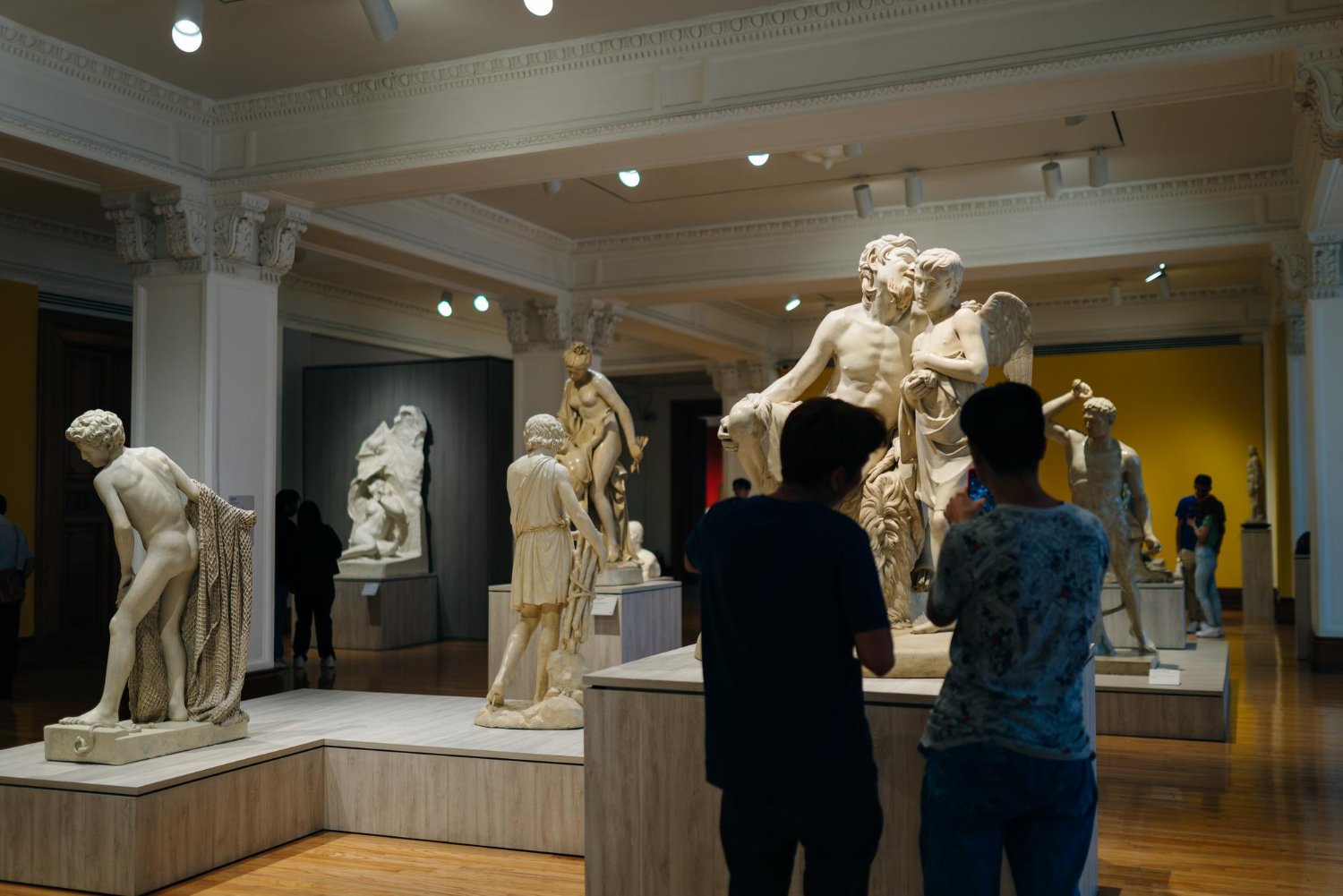
Some exhibitions are designed as a sequence. Others aren’t. Read the room.
Special exhibitions in particular are often curated as a narrative with a deliberate order, and walking in backwards against the flow both spoils the argument and creates congestion as you push against everyone moving the other way. Look for numbering, an introductory panel, or the obvious direction of traffic when you enter. In permanent collections, wandering freely is usually fine and often the best way to see things. The rule is to notice which kind of space you’re in rather than assuming.
12. Give Something Back Where You Can
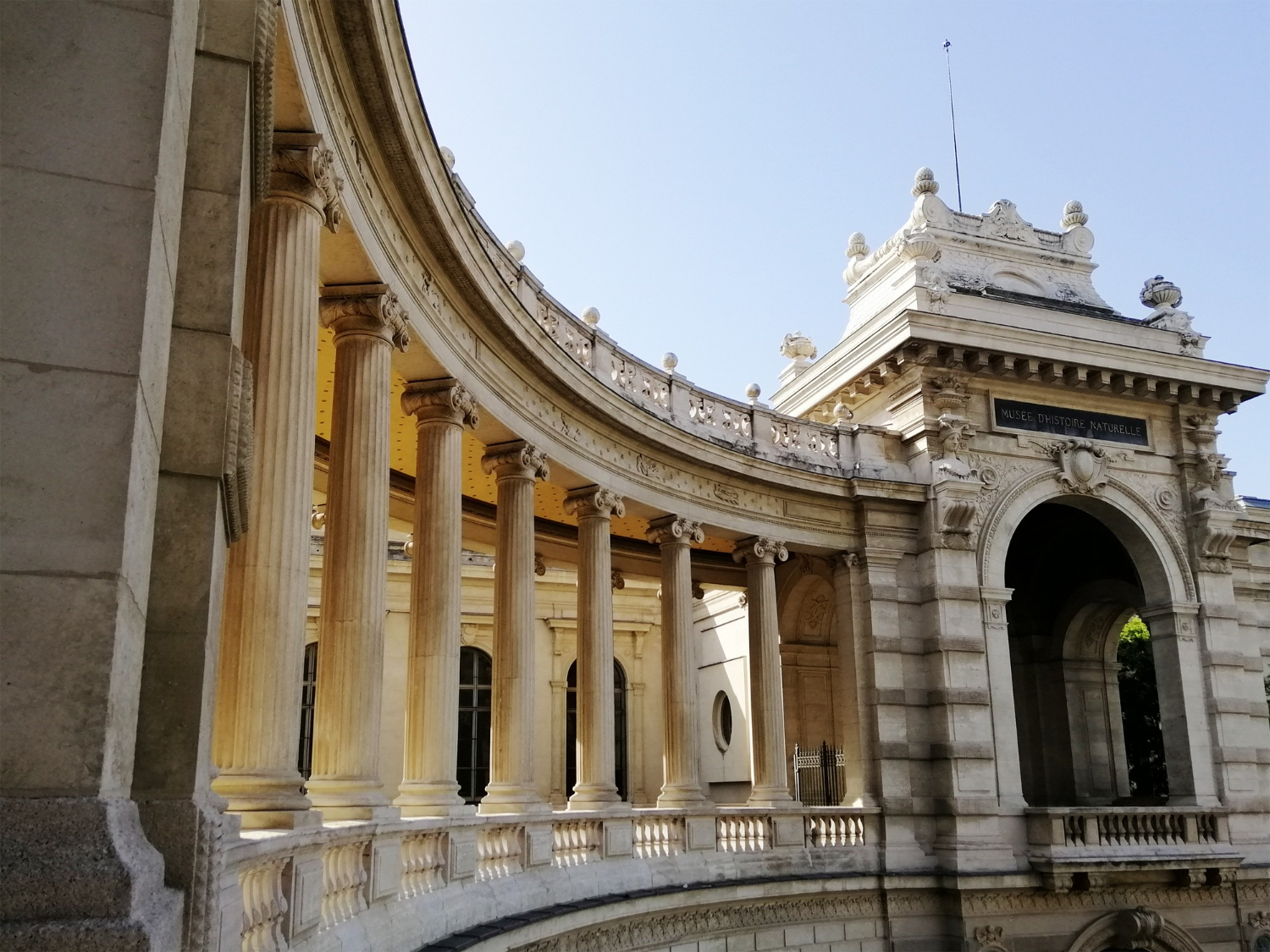
Many museums are free or subsidized. The donation box and the café are how they survive.
A great many museums operate free or on suggested donations, and the funding behind them is frequently precarious. If you’ve had a good afternoon somewhere that didn’t charge you, putting something in the box, buying a coffee, joining as a member, or picking up something in the shop is the mechanism that keeps the doors open. Where a suggested donation is posted, it’s truly suggested — pay what you can and don’t feel awkward about paying less — but walking past the box without a thought, repeatedly, is how free museums stop being free.
Looking Properly at a Few Things
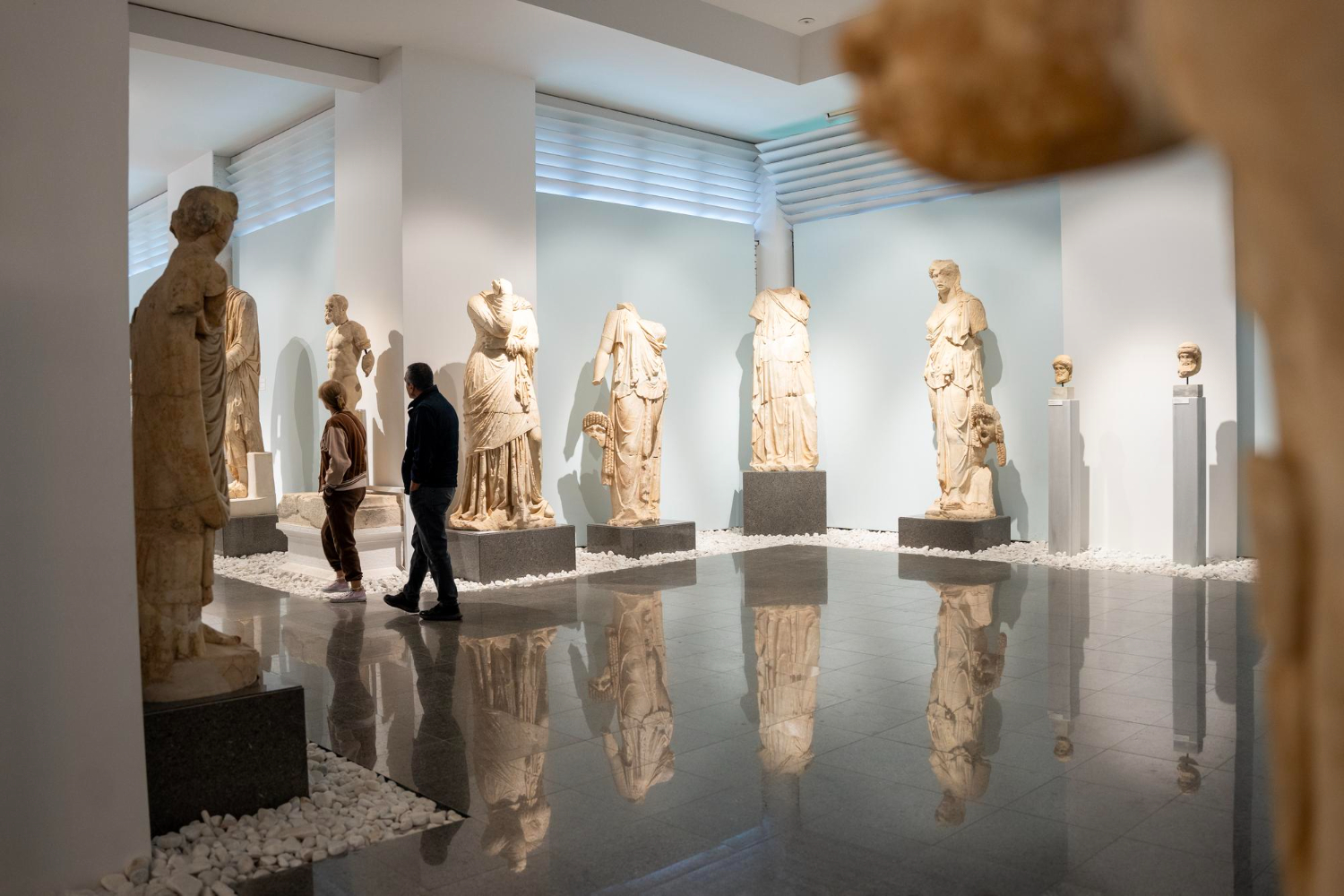
Bag off, stay back, don’t camp in front of the famous one, keep your voice down, flash off, hands off, supervise the kids, skip most of it, step aside to stop, mind other people’s photos, follow the route, and drop something in the box — the museum code is mostly about awareness of the people and objects around you.
Underneath all of it is one idea worth holding onto: the objects in a museum survived long enough to get there, often through remarkable luck, and the institution’s entire job is to make sure they’re still there for people not yet born. Every rule about distance, touching, light, and noise traces back to that. Follow them, look properly at a small number of things, and you’ll leave with more than a sore back — which is, in the end, what the whole arrangement is for.
Like our content? Follow us for more.