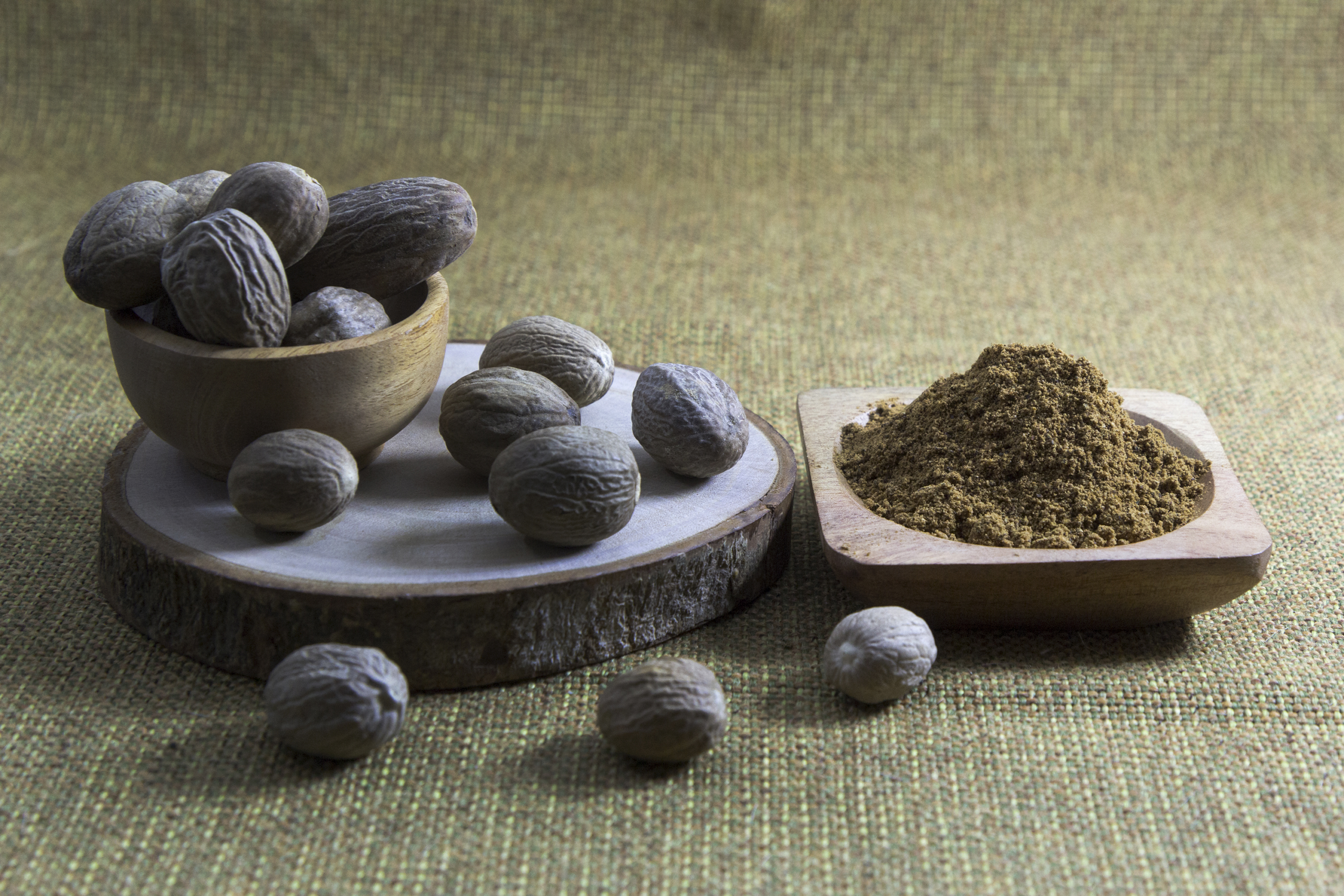
Here is a fact that sounds like it must be a myth, but isn’t: the island of Manhattan, home today to one of the greatest cities on Earth, was once traded away for a tiny, remote tropical island most people have never heard of — and at the time, the people giving up Manhattan were quite sure they’d come out ahead. The reason for this seemingly absurd calculation was a spice. Specifically, nutmeg, which in the seventeenth century was one of the most valuable commodities in the world, and which grew, in that era, in only one place on the planet: a handful of tiny islands in the East Indies, of which the little island of Run was one.
The story of how nutmeg came to be worth trading Manhattan for is a wild tale of global trade, obscene profit margins, imperial rivalry, and, at its heart, a real atrocity that should not be glossed over. It’s a story that connects a spice rack in your kitchen to the founding of New York City, to a brutal chapter of colonialism, and to one of the strangest real-estate deals in the history of the world. Here is how a spice reshaped the map.
The Spice Worth More Than Gold
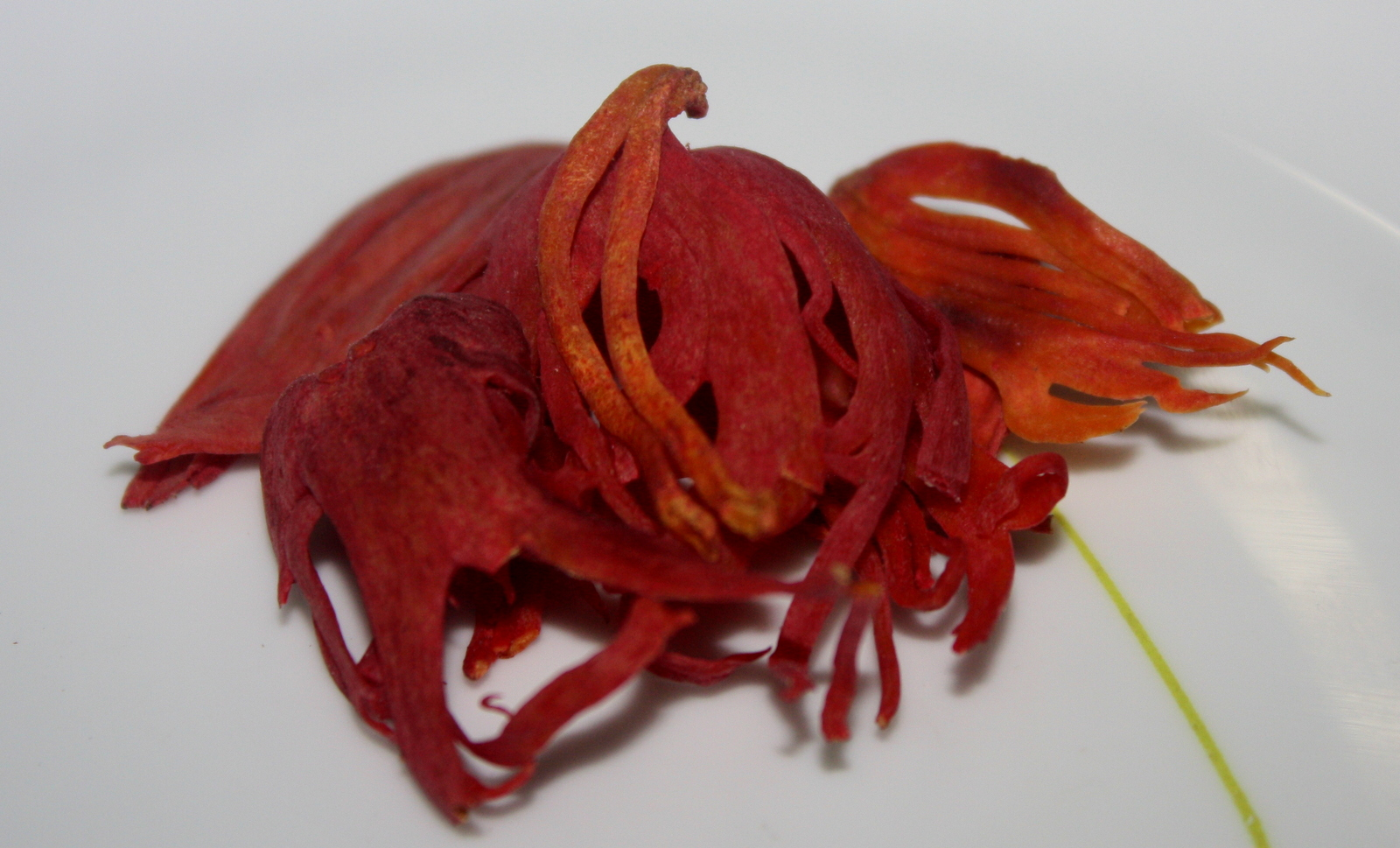
To understand the trade, you have to understand what nutmeg meant in the 1600s. Today it’s a cheap, mild spice you grate onto eggnog at the holidays. But in seventeenth-century Europe, nutmeg was a sensation and a luxury of the highest order. It was prized as a flavoring, as a supposed medicine, and even as a charm believed to ward off the plague — a belief that made it, in an age of recurring epidemics, almost priceless to the desperate and wealthy alike.
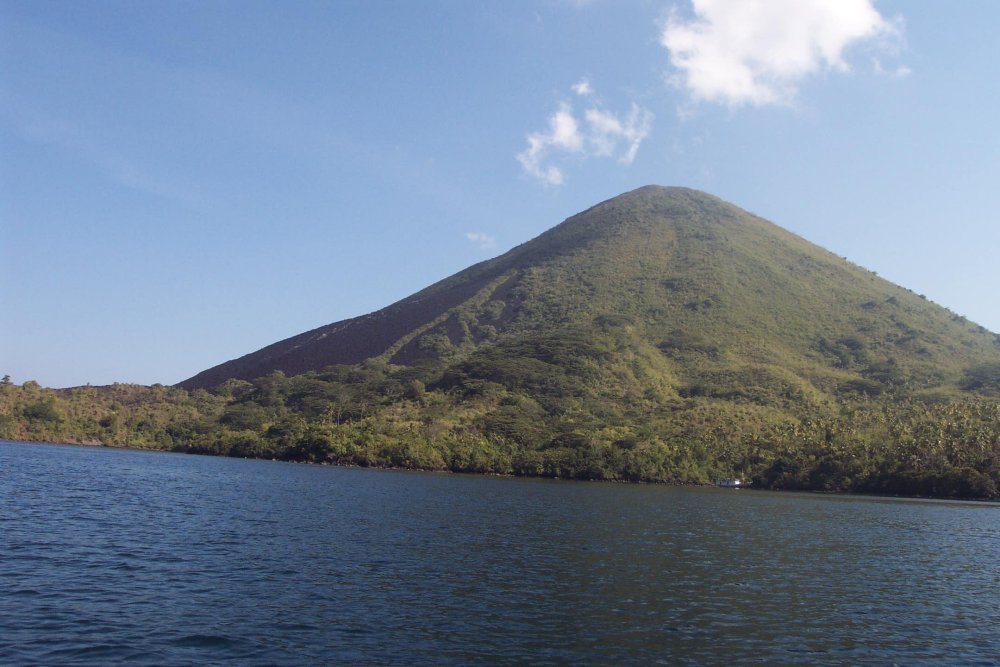
And it was staggeringly expensive, because of a quirk of botany combined with the brutal economics of a monopoly. Nutmeg came from a tree that, at the time, grew in only one place on Earth: the Banda Islands, a minuscule volcanic archipelago in what is now Indonesia. That’s it. The entire world’s supply of one of its most coveted commodities came from a few specks of land in a remote sea. The scarcity, combined with the enormous cost and danger of shipping it halfway around the world, meant that nutmeg could be bought for a pittance in the Banda Islands and sold in Europe for a markup that reportedly ran into the thousands of percent. Fortunes could be made on a single successful shipment. This was the prize that drove European powers to the other side of the planet, and it was worth, quite literally, more than its weight in gold.
Like our content? Follow us for more.
The Race for the Bandas
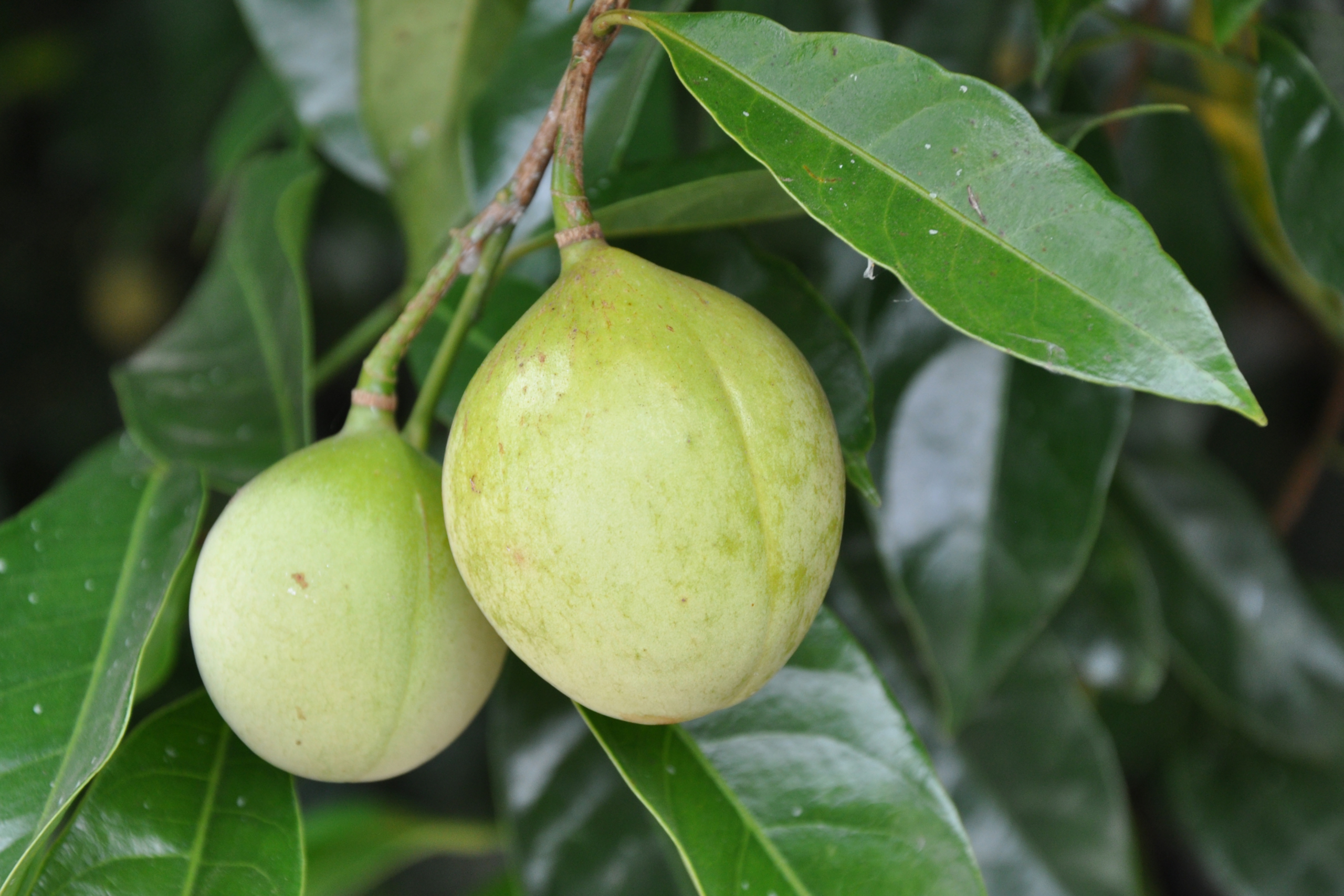
Where there is that much money, there is conflict, and the Banda Islands became the focus of a fierce European scramble. The Portuguese reached the region first in the early sixteenth century, but it was the Dutch, through their immensely powerful Dutch East India Company, who ultimately determined to seize total control of the nutmeg trade and turn it into an absolute monopoly. And here the story turns very dark.
To control nutmeg completely, the Dutch needed to control every island where it grew, and to eliminate anyone who might sell it to their rivals. In 1621, the Dutch East India Company carried out what is now recognized as a genocide against the Indigenous Bandanese people. In their drive to enforce the monopoly, the Dutch killed, starved, drove out, or enslaved the vast majority of the native population of the Banda Islands — a people who had lived there and traded nutmeg freely for generations. The islands’ population was decimated, the survivors largely enslaved and put to work on nutmeg plantations, and the free trading society that had existed there was destroyed and replaced with a brutal plantation system. This is the human cost that sits beneath the charming “traded for Manhattan” trivia, and it deserves to be named plainly: the Dutch nutmeg monopoly was built on mass killing and slavery. The spice in the story was, quite literally, blood-soaked.
The One Island That Held Out
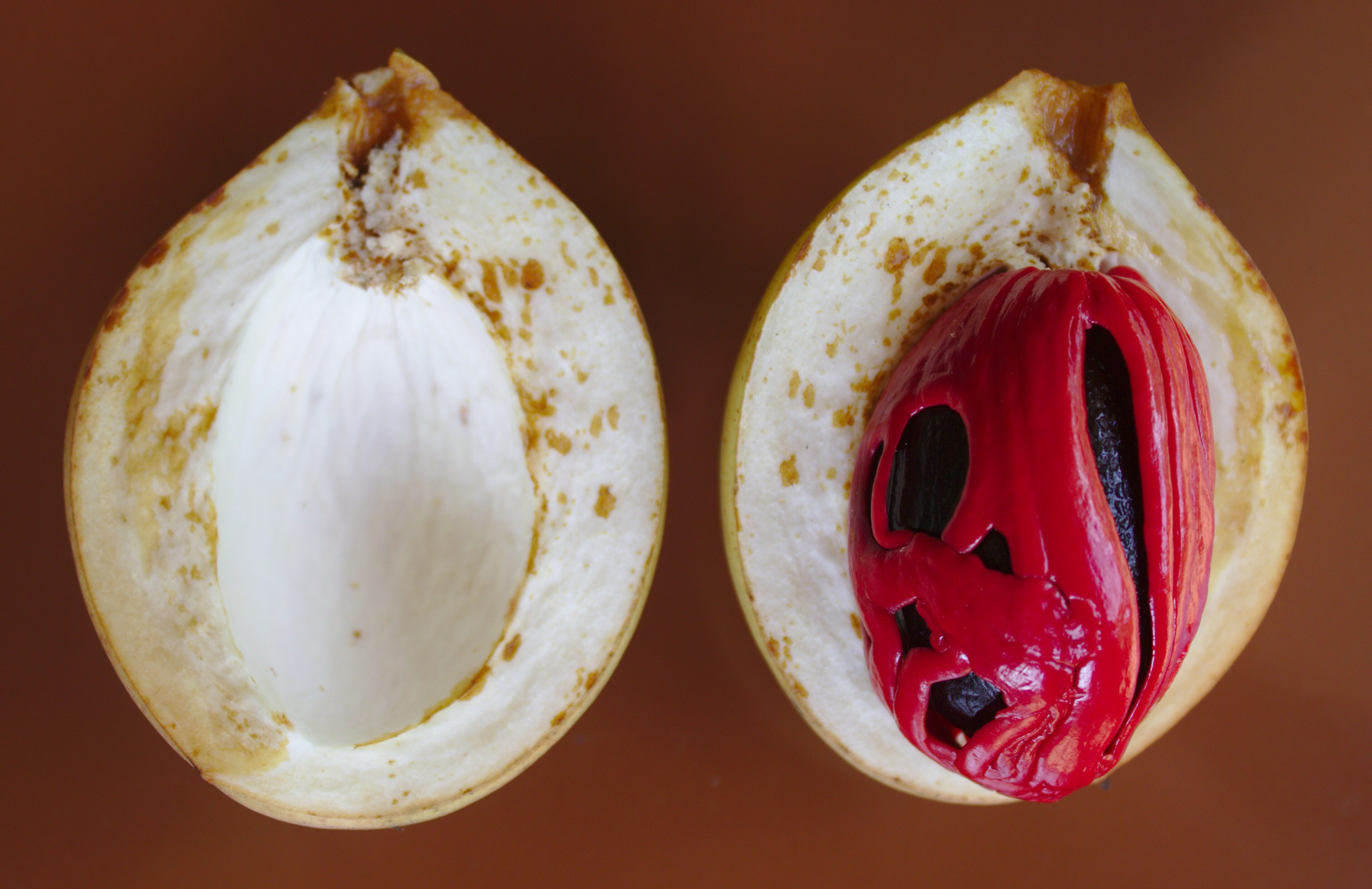
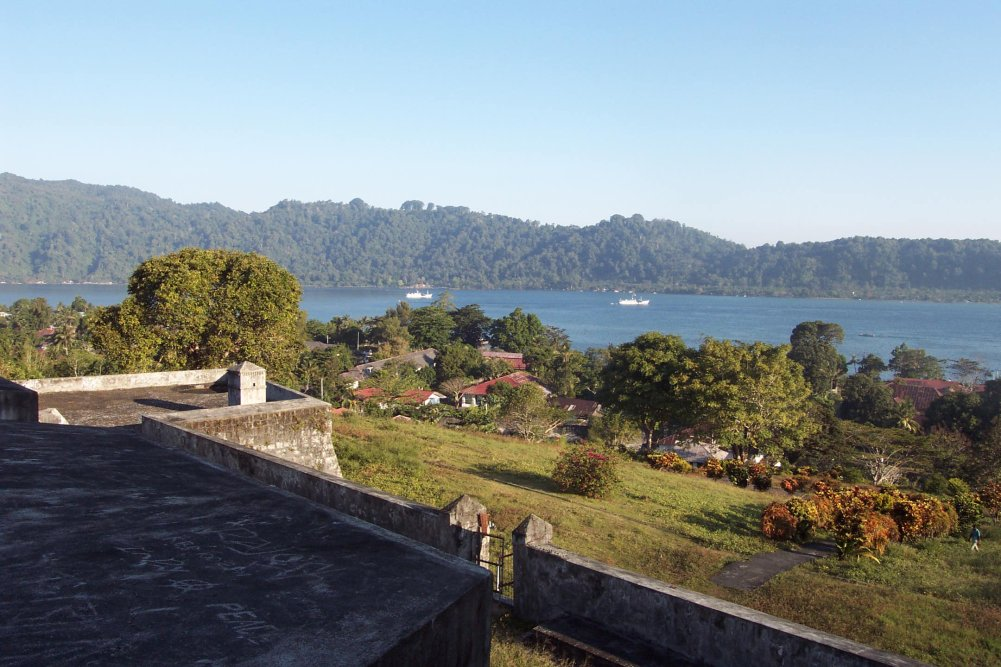
There was, however, a holdout. Amid the Dutch conquest of the Bandas, one tiny island resisted their control: Run, a slip of land only a couple of kilometers long, at the far end of the archipelago. And crucially, Run had been claimed by the Dutch’s great rivals, the English. English traders had reached Run early in the seventeenth century and secured an agreement with its inhabitants, effectively making the little island an English possession — and giving the English a foothold in the world’s only nutmeg-producing region, a thorn in the side of the Dutch monopoly.
Run thus became a point of contention between two ambitious empires. To the English, it was a foothold in the most lucrative spice trade on Earth. To the Dutch, it was the last obstacle to total control of nutmeg. The little island, for all its remoteness and tiny size, carried enormous strategic and economic weight, precisely because of what grew on it. The stage was set for the two powers to settle their competing claims — and they would do so as part of a much larger reckoning.
The Trade of the Century
The resolution came through war and treaty. England and the Dutch Republic fought a series of naval wars in the seventeenth century over trade and empire. In the course of this rivalry, the English had, in 1664, seized the Dutch colony of New Amsterdam, a modest fur-trading settlement on the North American island the Dutch had acquired decades earlier and which sat at the mouth of a great river. The English renamed it New York.
When the Second Anglo-Dutch War was brought to a close by the Treaty of Breda in 1667, the two sides essentially agreed to keep what they had taken. The English formally kept New Amsterdam — Manhattan — which they had renamed New York. And the Dutch, in exchange, secured formal control of the island of Run, removing the last English foothold in the Banda Islands and completing their total monopoly over the world’s nutmeg supply. Both sides walked away believing they had done well, and here is the part that astonishes modern readers: the Dutch, by most accounts, thought they were the clear winners. A total monopoly on one of the most valuable commodities on the planet seemed obviously more valuable than a swampy, undeveloped trading post in the wilds of North America. From the vantage point of 1667, giving up Manhattan to lock down all the world’s nutmeg looked like a shrewd deal.
How the Bet Went Wrong
History, of course, had other plans, and the trade would come to look very different with the passage of time. Two things happened that inverted the apparent logic of the deal.
First, the nutmeg monopoly didn’t last. In the following century, the British managed to smuggle nutmeg seedlings and plants out of the Dutch-controlled islands and transplant them to other tropical territories they controlled, such as islands in the Caribbean and Indian Ocean. Once nutmeg grew in multiple places under different flags, the Dutch monopoly was broken, and with it the extraordinary value that had made Run worth an ocean-side metropolis. The spice that had been worth more than gold became, over time, just another commodity — the cheap seasoning it is today. Second, and far more dramatically, the “swampy trading post” the Dutch had shrugged off became New York City, growing into one of the largest, wealthiest, and most important cities in the history of the world, its value soaring beyond anything the seventeenth-century negotiators could have imagined. The island the Dutch gave away became priceless; the island they prized became a quiet, forgotten speck. It stands as perhaps the ultimate lesson in how the value of things can flip completely over time, and in the limits of even shrewd people’s ability to see the future.
The Islands Today
The two islands at the heart of this story could hardly be more different now. Manhattan is Manhattan — skyscrapers, millions of people, the financial and cultural capital of a superpower, land worth astronomical sums per square foot. Run, meanwhile, remains a tiny, remote, sparsely populated island in Indonesia, home to a small community, still growing nutmeg, and largely untouched by the modern world, with little infrastructure and few visitors. Standing on Run today, it is almost impossible to believe that this quiet speck of land was once considered a fair trade for Manhattan.
For the adventurous traveler, the Banda Islands are a truly remarkable and off-the-beaten-path destination, reachable only with real effort, offering beautiful scenery, world-class diving, the still-present nutmeg groves, and the haunting historical weight of a place that was once the center of a global obsession. But the deeper reason the story matters is not the travel trivia or the delicious irony of the trade. It’s the reminder embedded in that spice rack in your kitchen: that the mild, cheap nutmeg you grate without a thought was once so precious that empires went to war over it, that a genocide was committed to control it, and that the map of the modern world — including the name and ownership of Manhattan — was shaped in part by the global hunger for a single seed. The next time you smell nutmeg, remember that it once redrew the world.
Like our content? Follow us for more.