Soup is the most universal thing people cook. It stretches scarce ingredients, it uses the parts of an animal nobody else wants, and it turns up in some form in essentially every food culture there is. Here are fifteen from around the world that reward the effort.
1. French Onion Soup — France
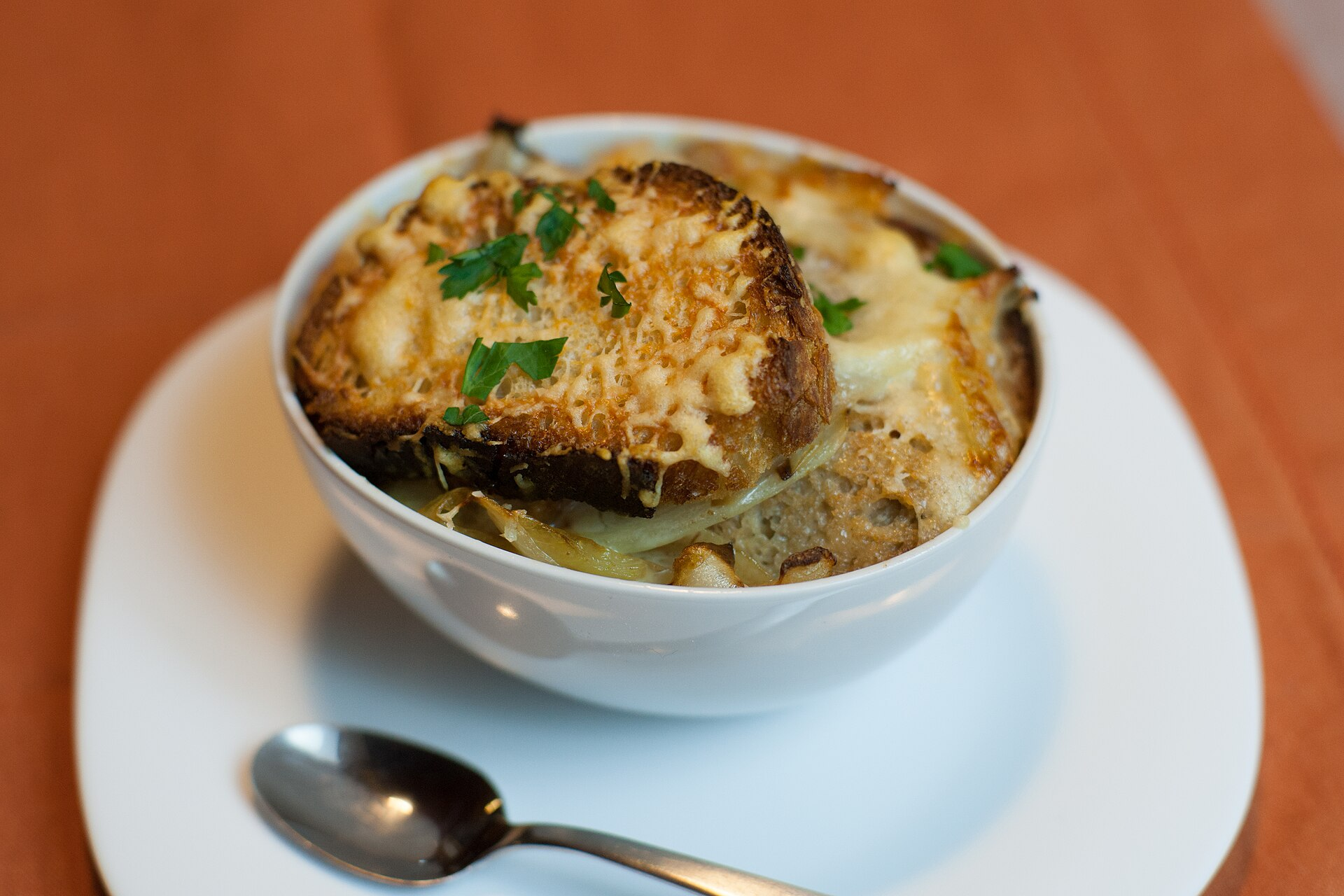
Onions cooked down slowly until deeply browned and sweet, in beef broth, under a raft of bread and melted cheese. The onions take the better part of an hour.
There is no shortcut worth taking here; the flavor comes entirely from the patience of that caramelization. It is a peasant dish that ended up in fine restaurants. French onion soup is a world classic that proves what slow cooking does to a cheap ingredient.
Like our content? Follow us for more.
2. Tom Yum — Thailand
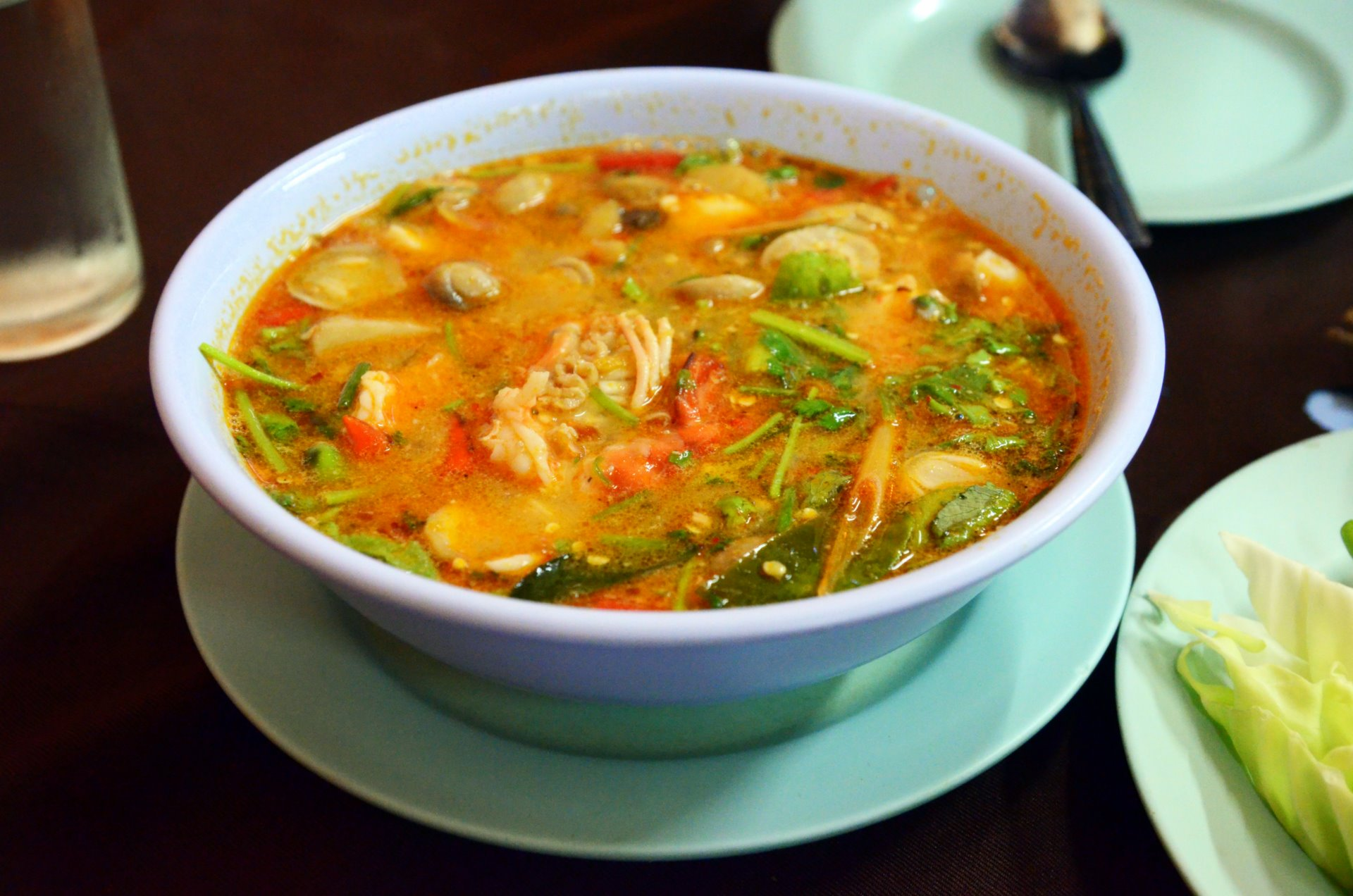
A hot and sour broth built on lemongrass, galangal, kaffir lime leaves, chili, and lime juice, usually with shrimp. The aromatics are the whole point.
It arrives fragrant and bracing, sour and spicy at once, and it wakes up your entire palate. The herbs are typically left in the bowl rather than strained out. Tom yum is a soup from around the world that shows how much flavor comes from aromatics alone.
3. Borscht — Eastern Europe
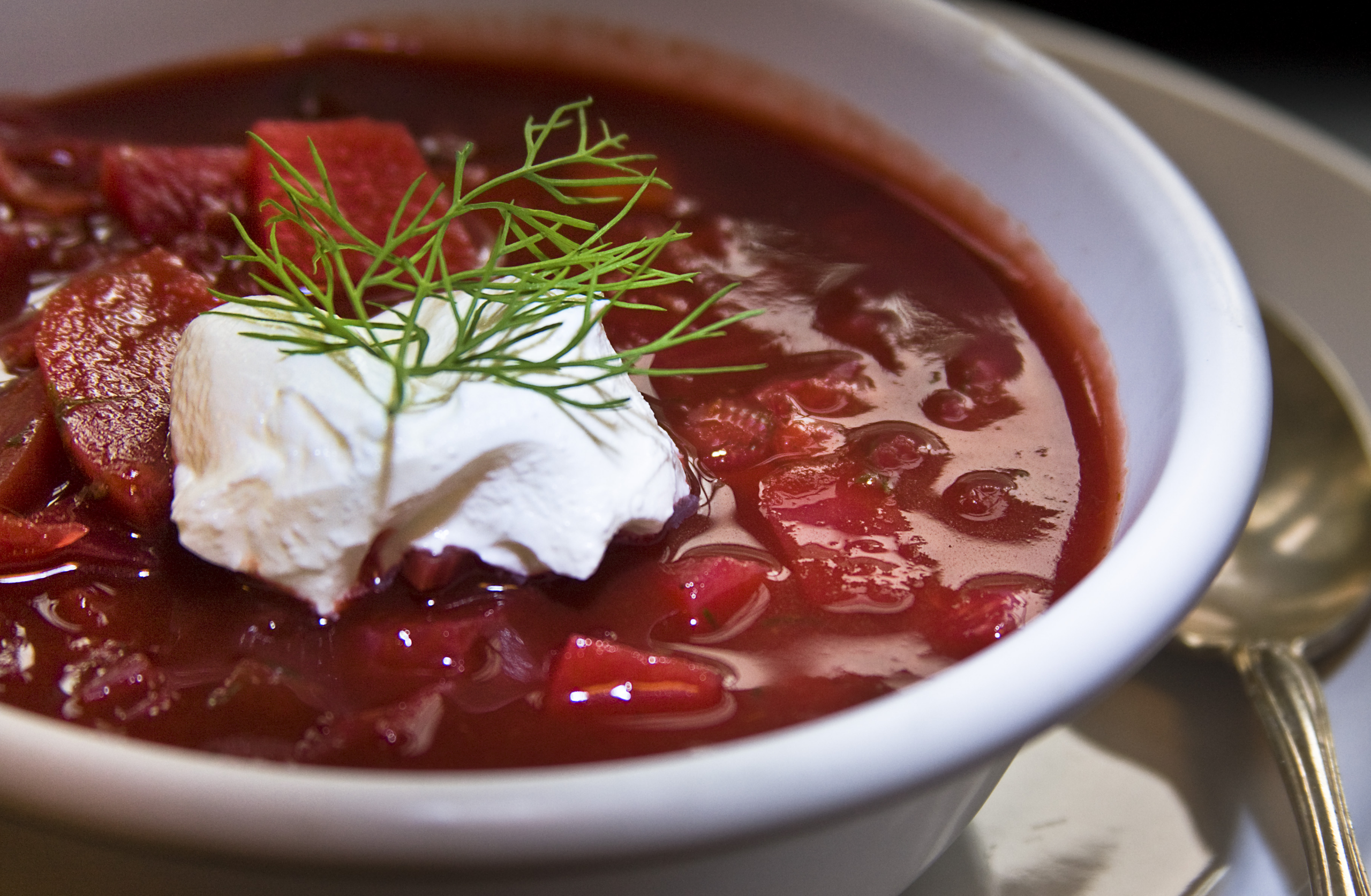
A beetroot soup with a deep ruby color, served hot or cold depending on the country and the season. Sour cream on top is standard.
Versions vary widely across Ukraine, Poland, Russia, and neighboring countries, some with meat and cabbage, some clear and simple. Every family has its own. Borscht is a soup with countless regional variations and a color no other bowl can match.
4. Ramen — Japan
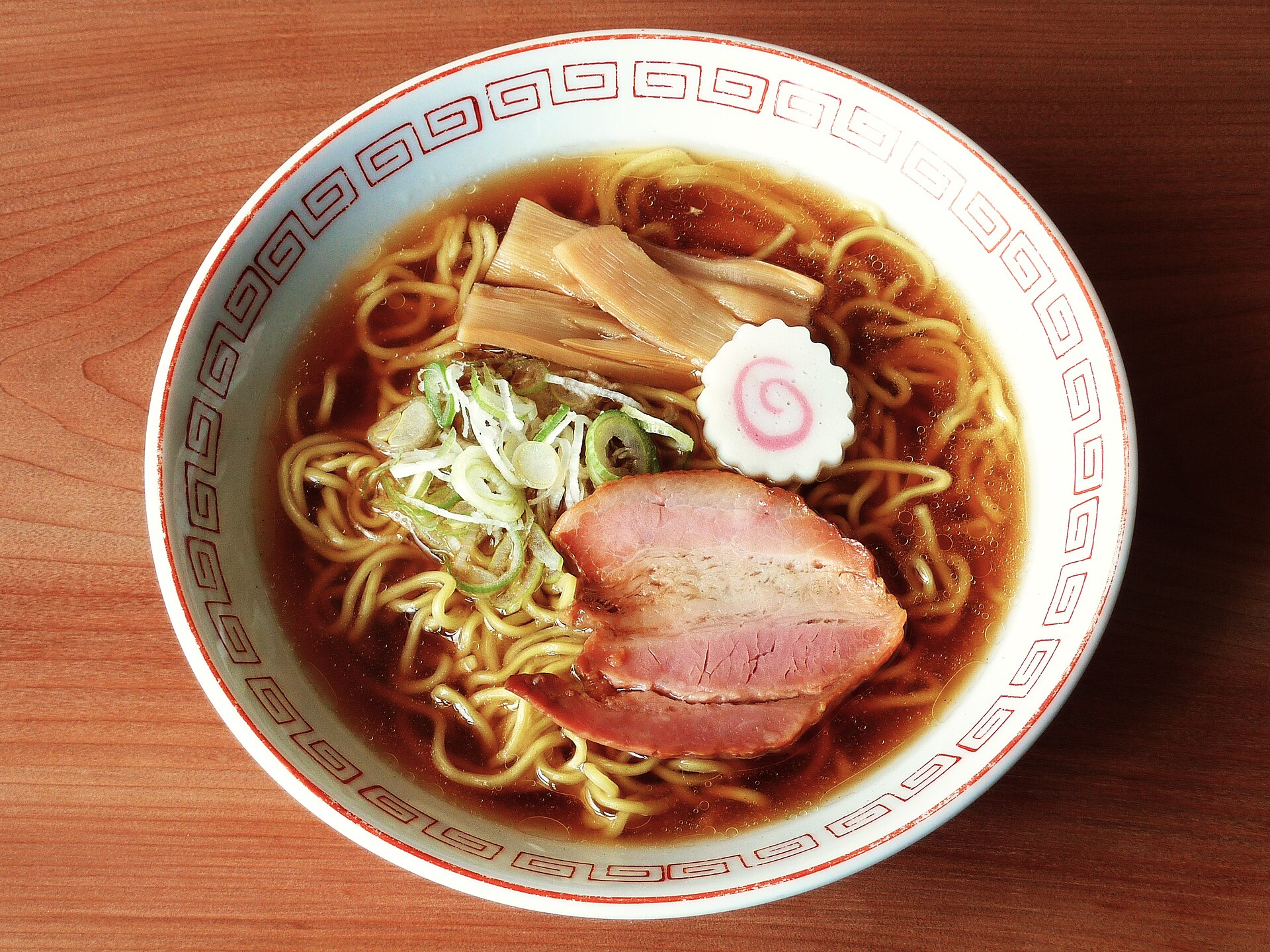
Wheat noodles in a long-simmered broth, topped with sliced pork, egg, and vegetables. Serious versions take a day or more.
Regional styles differ enormously, from rich pork-bone broths to lighter soy or salt-based bowls, and devotees argue passionately about all of them. The broth is where the work lives. Ramen is a soup worth making once just to understand how much goes into a proper bowl.
5. Caldo Verde — Portugal
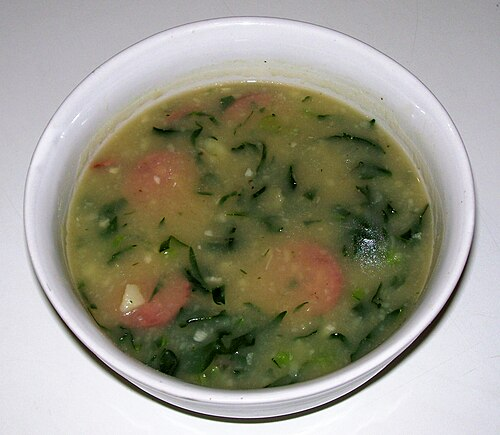
A simple purée of potato and onion with finely shredded dark greens and sliced sausage. It is Portugal’s comfort food.
The greens are cut into fine ribbons and added at the last moment so they stay bright, and the sausage lends smokiness to an otherwise plain base. Simplicity done right. Caldo verde is a soup that turns four humble ingredients into something people crave.
6. Mulligatawny — India and Britain
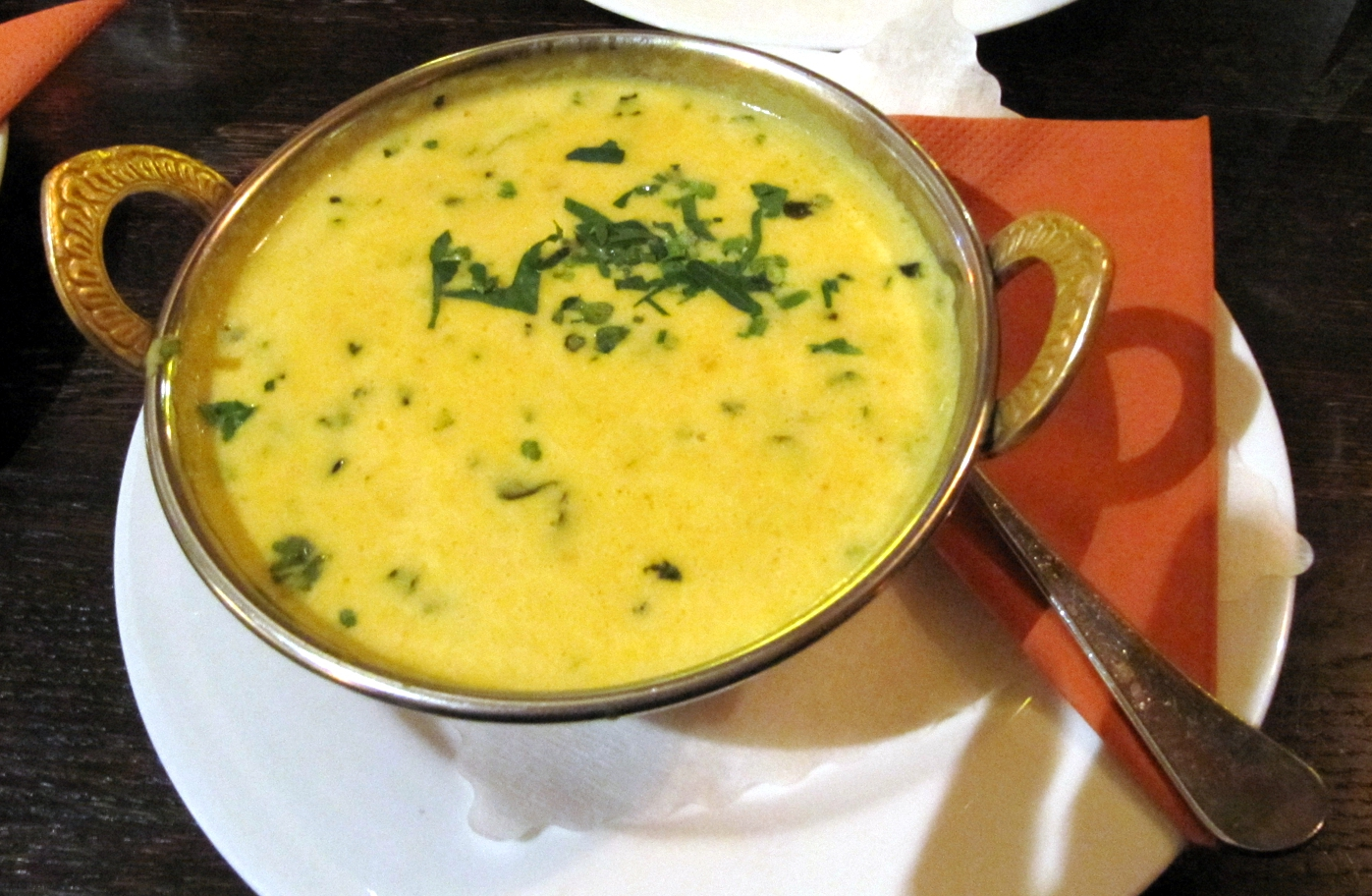
A curried soup with lentils, rice, and vegetables, sometimes with chicken. Its name comes from a Tamil phrase meaning pepper water.
It emerged from the encounter between South Indian cooking and British colonial-era tastes, and it exists in versions on both sides of that history. It is warming and mildly spiced. Mulligatawny is a soup with a truly tangled origin story and a comforting result.
7. Pozole — Mexico
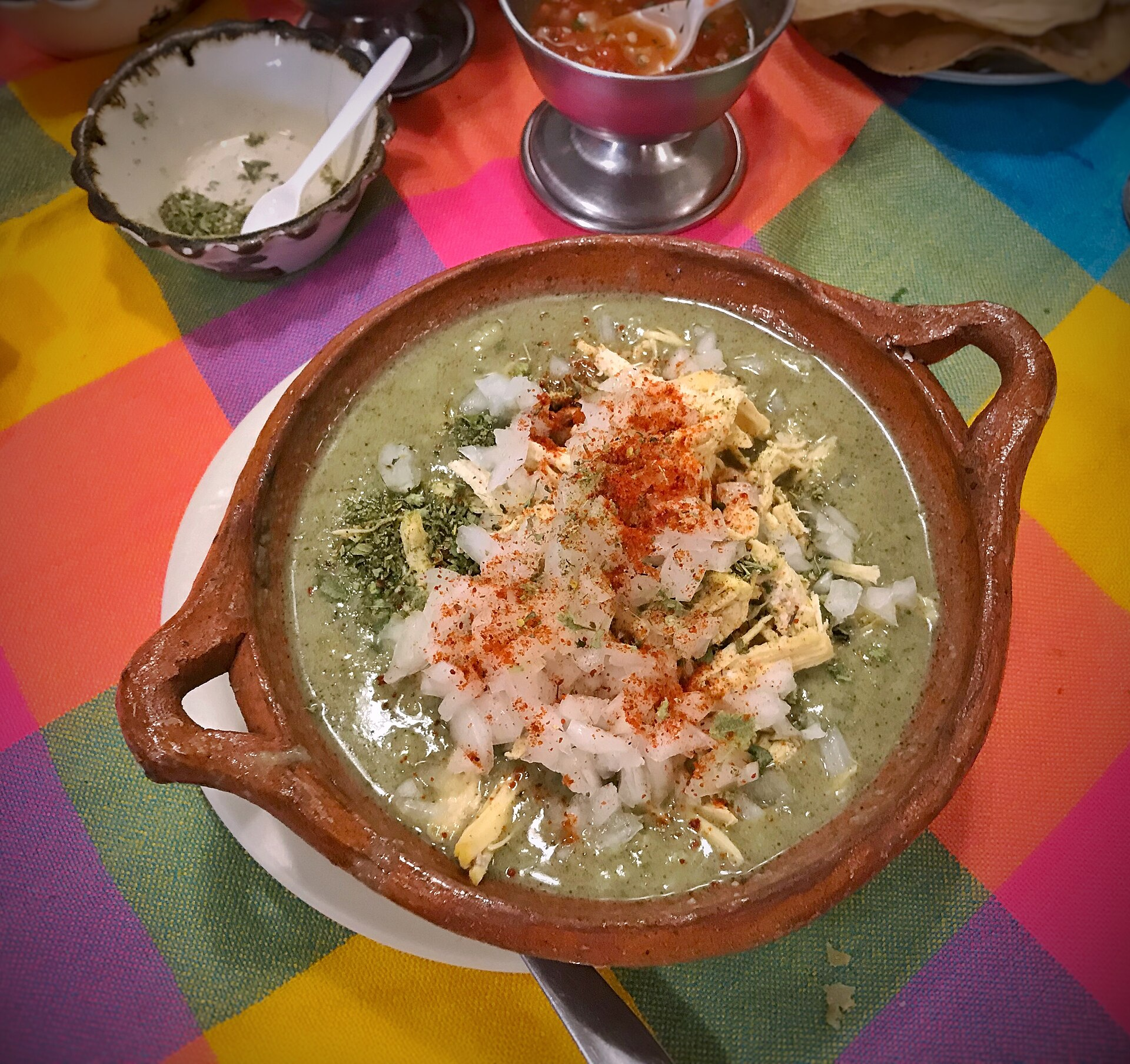
A hearty hominy stew with pork or chicken, garnished at the table with shredded cabbage, radish, onion, oregano, and lime. The garnishes are essential.
The large hominy kernels give it a distinctive texture, and the broth is often built on dried chilies. It is celebration food, made in large quantities. Pozole is a soup from around the world designed for feeding a crowd properly.
8. Harira — Morocco
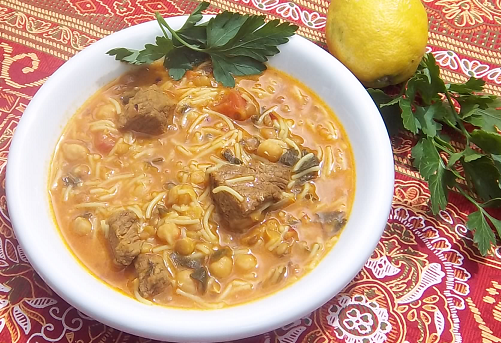
A tomato-based soup with lentils, chickpeas, herbs, and warm spices, often thickened at the end. It is traditionally eaten to break the fast during Ramadan.
Fragrant with ginger, cinnamon, and coriander, it manages to be both nourishing and light. Dates and lemon are frequent accompaniments. Harira is a soup that carries real cultural weight alongside its flavor.
9. Minestrone — Italy
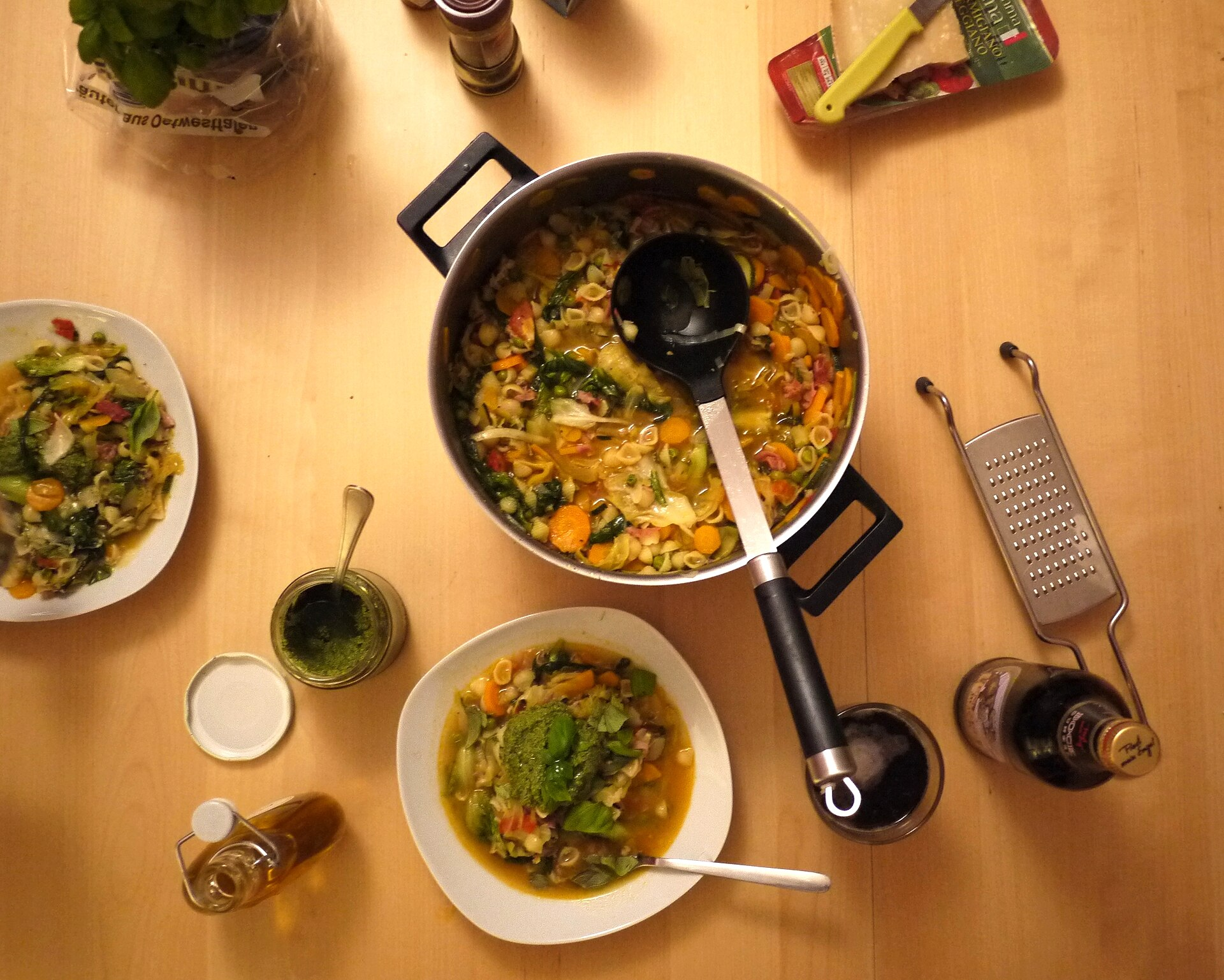
A thick vegetable soup with beans and pasta, varying entirely by season and by what needs using up. There is no fixed recipe.
That flexibility is the tradition: minestrone is defined by its approach rather than its ingredient list, which is why no two versions match. It improves overnight. Minestrone is a soup built on the principle that nothing in the kitchen should go to waste.
10. Chicken Soup — Many Cultures
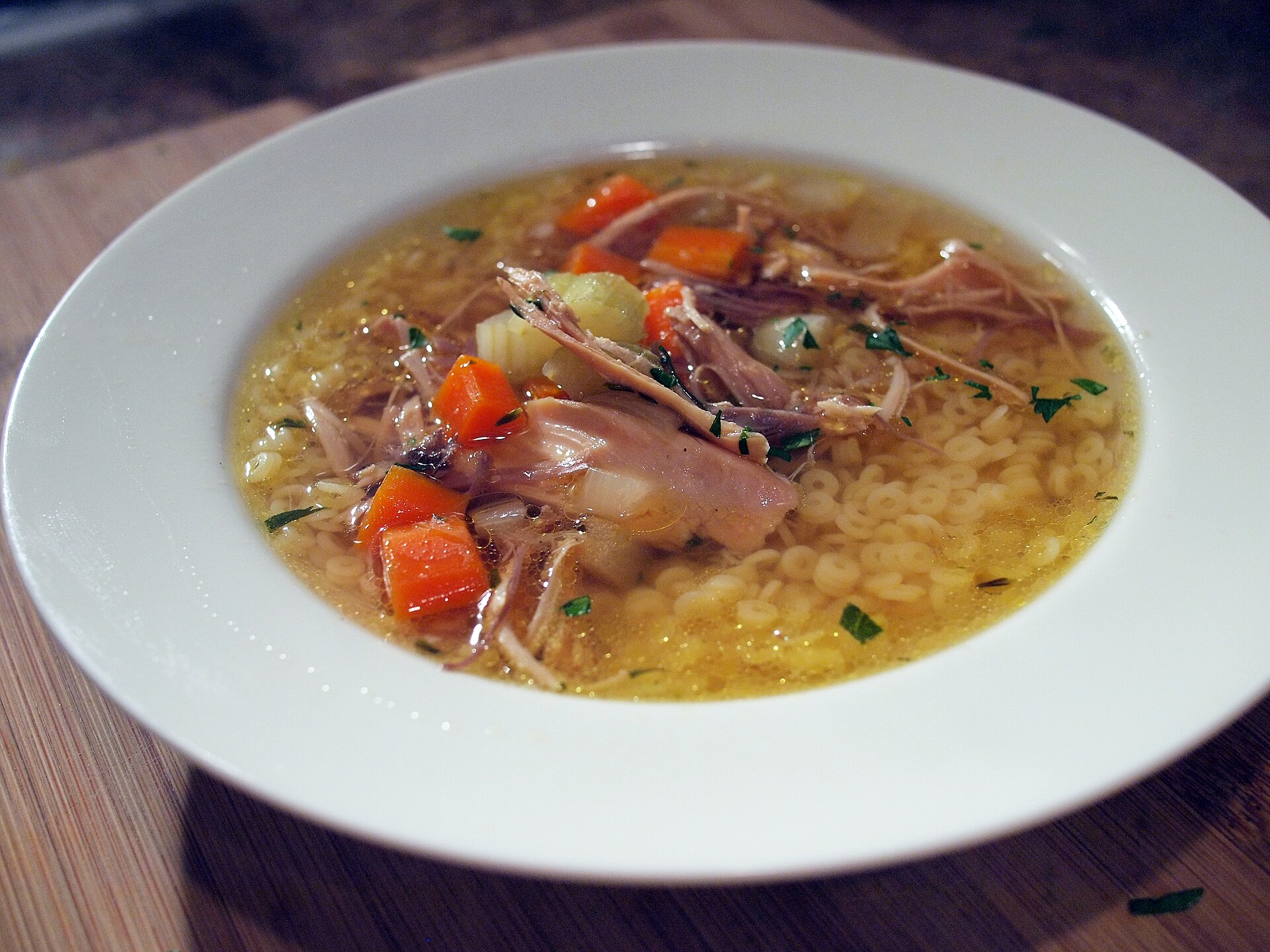
Chicken simmered with vegetables and aromatics, appearing in nearly every cuisine in some form. Matzo balls, noodles, rice, or dumplings vary by tradition.
Its reputation as restorative food is close to universal, and the version people grew up with is usually the one they consider correct. Familiarity is the appeal. Chicken soup is the world’s most widespread comfort food, claimed with equal conviction by dozens of cultures.
11. Gazpacho — Spain
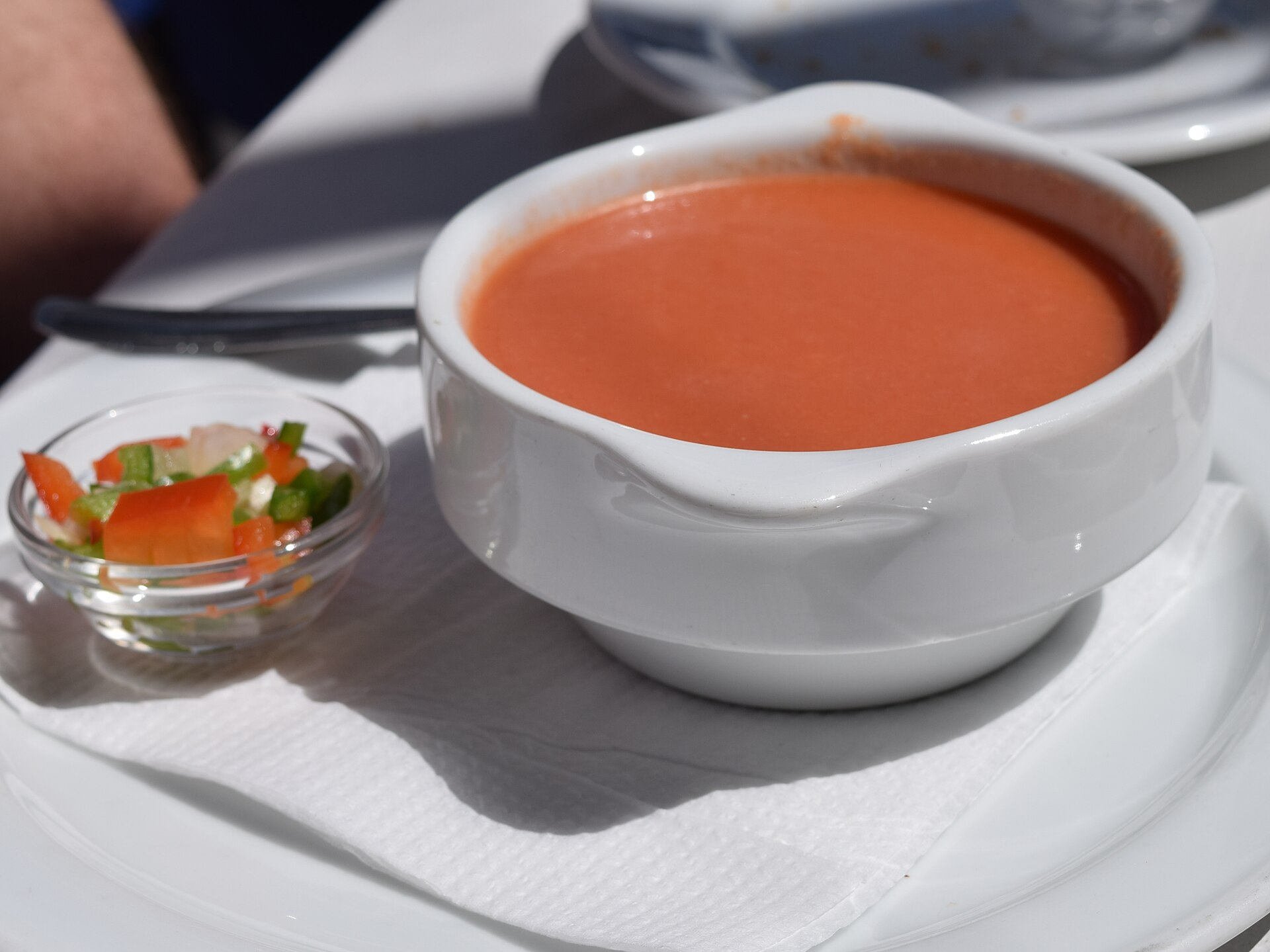
A cold soup of raw tomatoes, cucumber, pepper, garlic, bread, olive oil, and vinegar, blended smooth. It is served chilled.
Built for Andalusian summers, it is refreshing rather than filling and requires no cooking at all, only good produce and a blender. The tomatoes must be excellent. Gazpacho is the soup to make when it is far too hot to turn on the stove.
12. Cullen Skink — Scotland
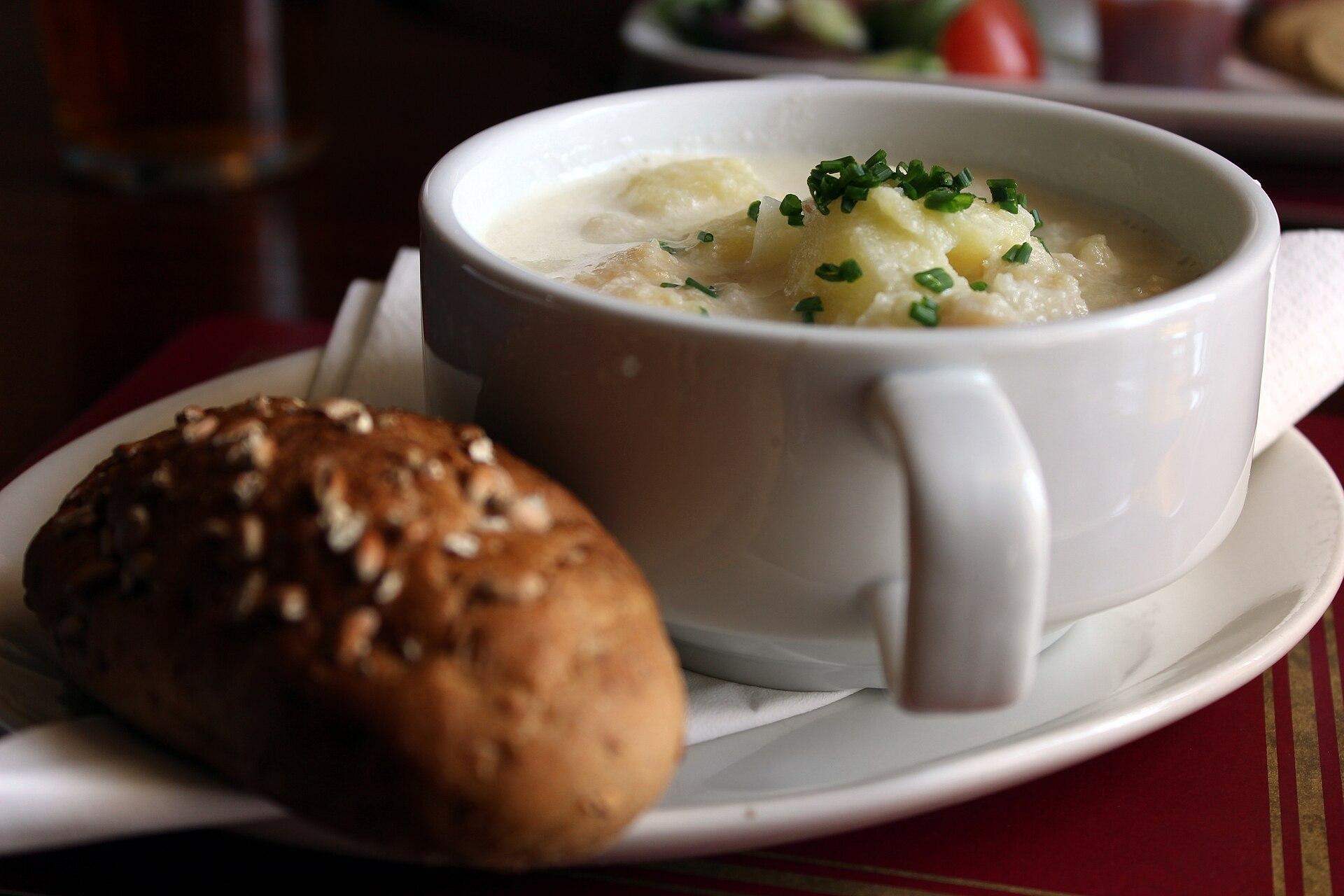
A thick chowder of smoked haddock, potato, onion, and milk, named after a fishing village on the northeast coast. The smoke is the whole character.
It is unapologetically plain in construction and depends entirely on getting properly smoked fish rather than anything dyed to look the part. It takes barely half an hour. Cullen skink is a soup that shows how far one good ingredient can carry a simple pot.
14. Miso Soup — Japan
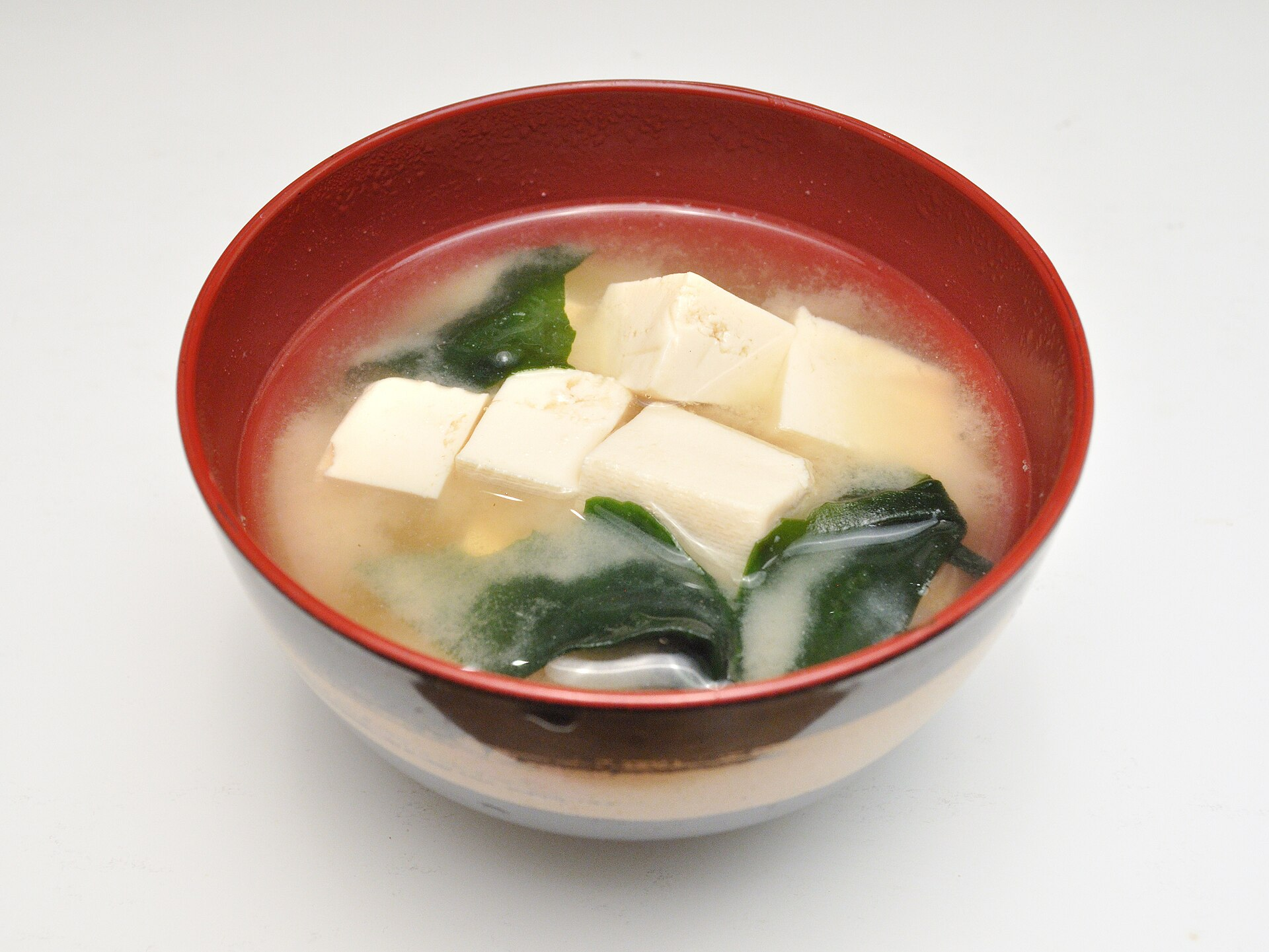
A light broth of dashi and fermented soybean paste, usually with tofu and seaweed. It appears at breakfast as readily as at dinner.
Quick to make and endlessly variable, it is savory in a way that is difficult to describe and easy to miss until it is absent. The miso should never boil. Miso soup is a daily staple that takes minutes and rewards good ingredients.
15. Avgolemono — Greece
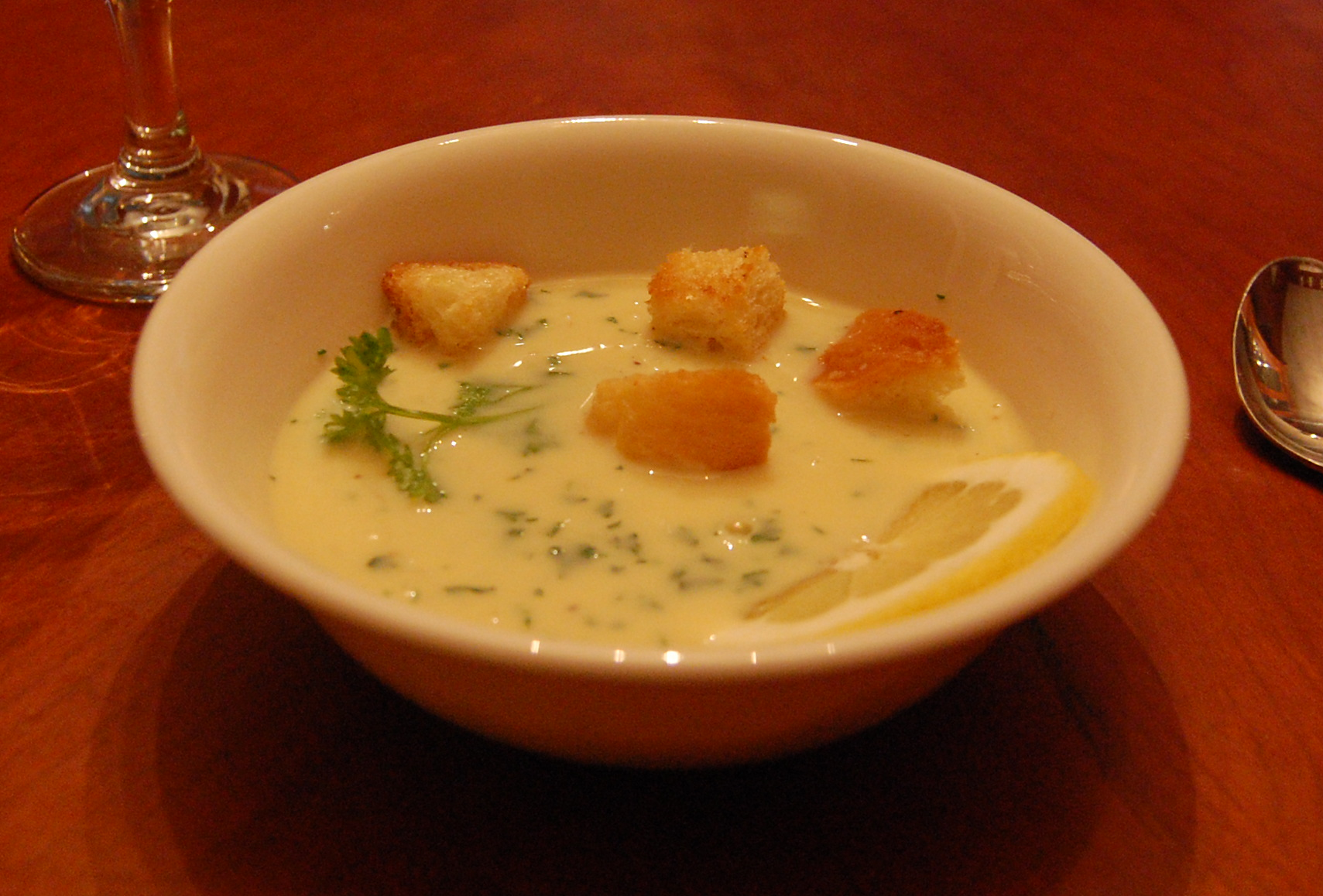
A chicken and rice soup finished with eggs whisked together with lemon juice, which thickens it into something silky. The technique is the star.
Tempering the egg mixture so it enriches rather than scrambles takes a little nerve the first time, and the result is bright, creamy, and tart at once. It is worth practicing. Avgolemono is a soup that teaches one truly useful kitchen technique.
16. Sinigang — Philippines
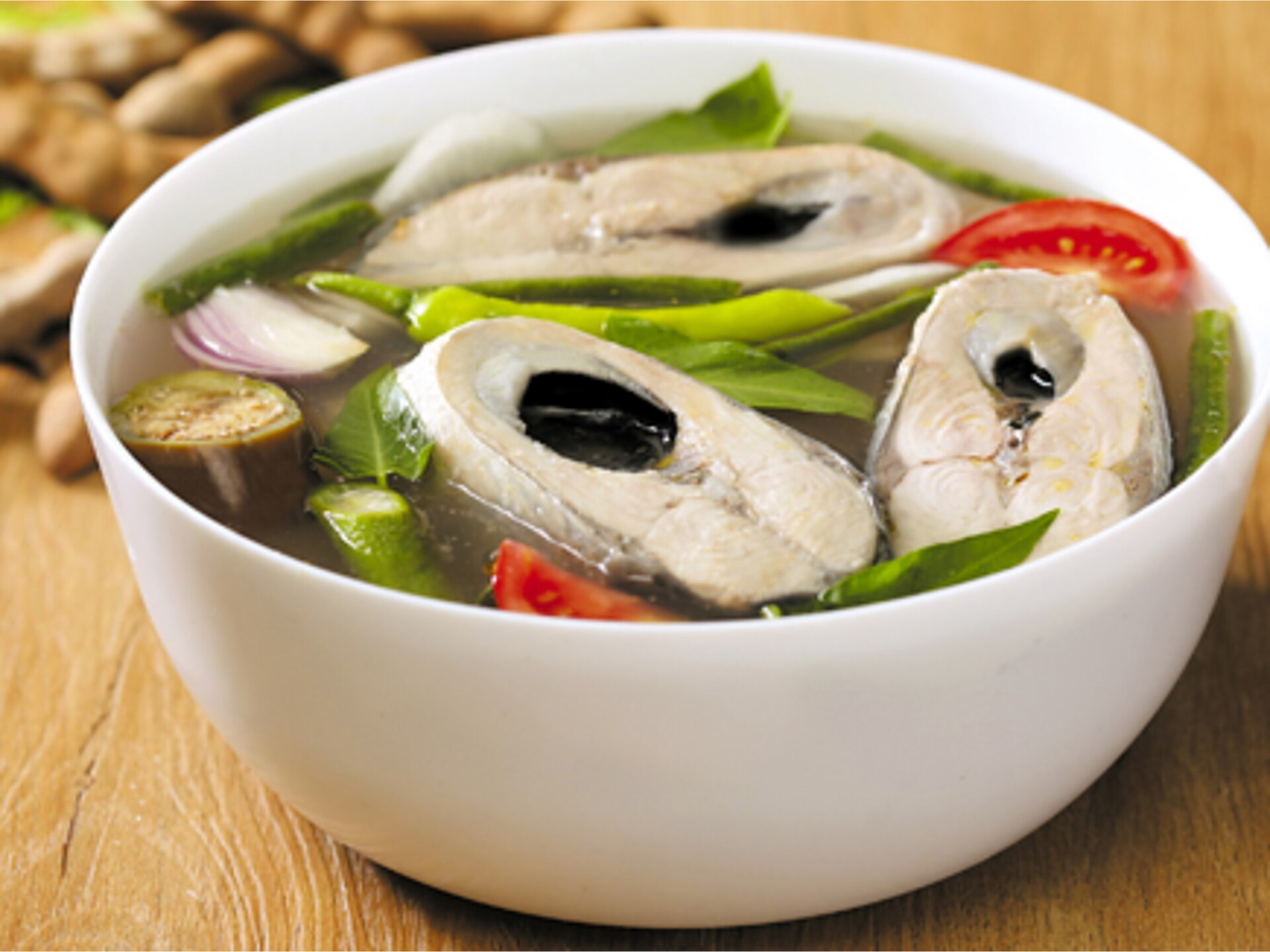
A sour broth soured traditionally with tamarind, filled with pork or seafood and whatever vegetables are on hand. The sourness is the defining trait.
Guava, calamansi, or green mango can stand in for tamarind depending on the region and the household, and the sourness is adjusted to taste rather than to a recipe. It is everyday cooking. Sinigang is a soup built around an idea rather than a fixed ingredient list.
A Bowl From Everywhere
What these have in common is thrift and time. Nearly every one began as a way to make a small amount of expensive ingredients feed a lot of people, and nearly every one improved because generations kept refining it.
You do not need to master all fifteen. Pick the one that sounds most unlike anything currently in your rotation and start there, because the fastest way to understand a cuisine is usually through the pot it keeps on the stove. Soup travels well, and it has been doing so for a very long time.
Like our content? Follow us for more.