The first trip abroad is mostly a series of small discoveries about things nobody thought to mention. These are the twelve that catch out the largest number of people.
1. Trying to See Everything

The instinct on a first trip is to maximise, cramming four cities into six days because you may never come back. It reliably backfires.
Travel days consume more time than they appear to, and a schedule with no slack turns a holiday into logistics. Two places properly beat five in passing. Trying to see everything is the most common mistake first-time travellers make, and the one they most regret.
Like our content? Follow us for more.
2. Overpacking by a Wide Margin
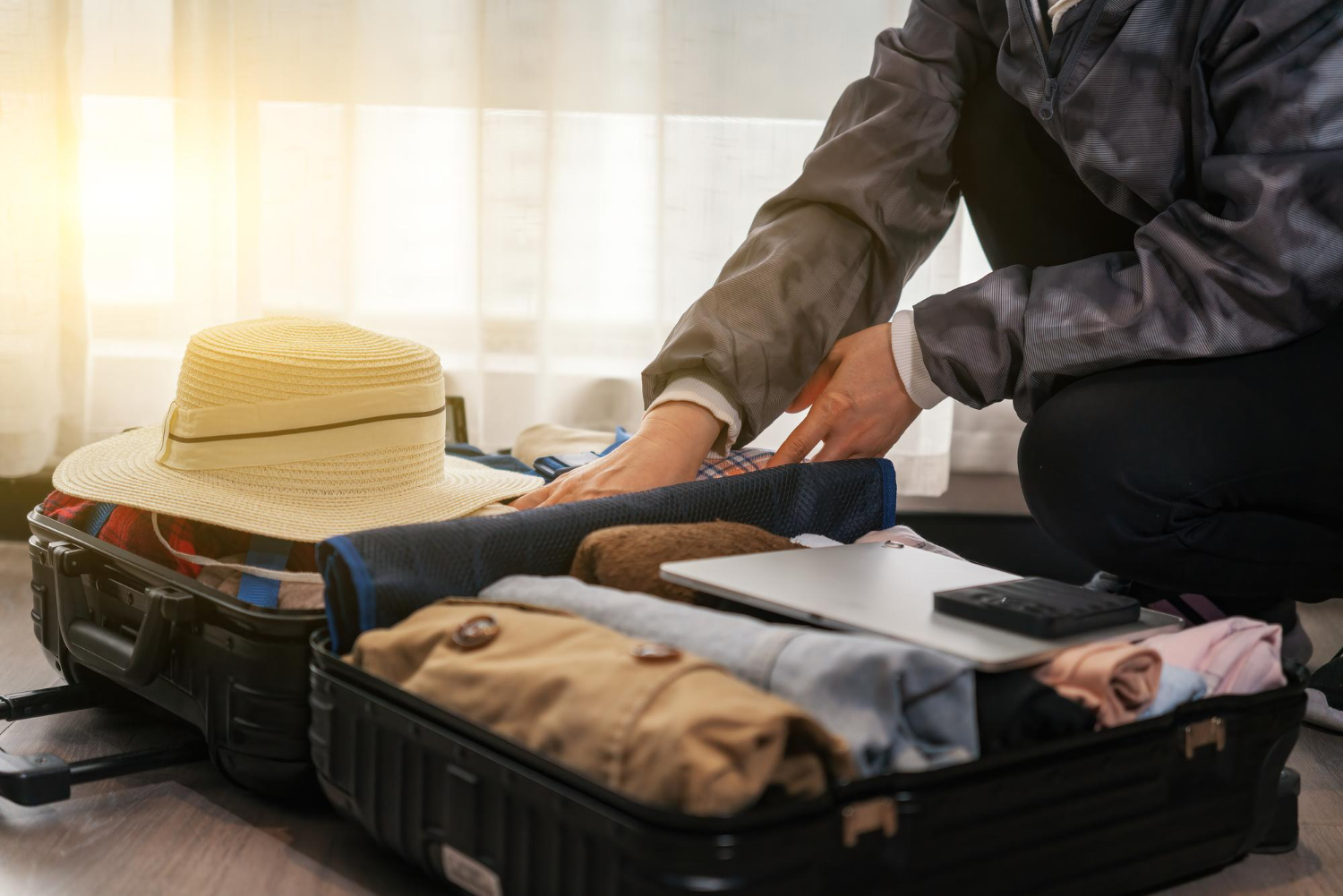
First-timers pack for every eventuality and then carry it up stairs, along platforms and over cobbles for a fortnight.
Almost everyone returns having worn perhaps half of what they brought, and nearly everything forgotten can be bought at the destination. Pack for a week, whatever the length of trip. Overpacking is the mistake first-time travellers feel most physically.
3. Assuming Cards Work Everywhere

Card acceptance varies enormously by country, by region and by the size of the business. Markets, small cafés, rural transport and tips often need cash.
Arriving with no local currency at all is a common and easily avoided problem. A modest amount covers the gaps. Assuming cards work everywhere is a mistake that first-time travellers usually discover at the worst possible moment.
4. Not Checking Passport Validity Rules
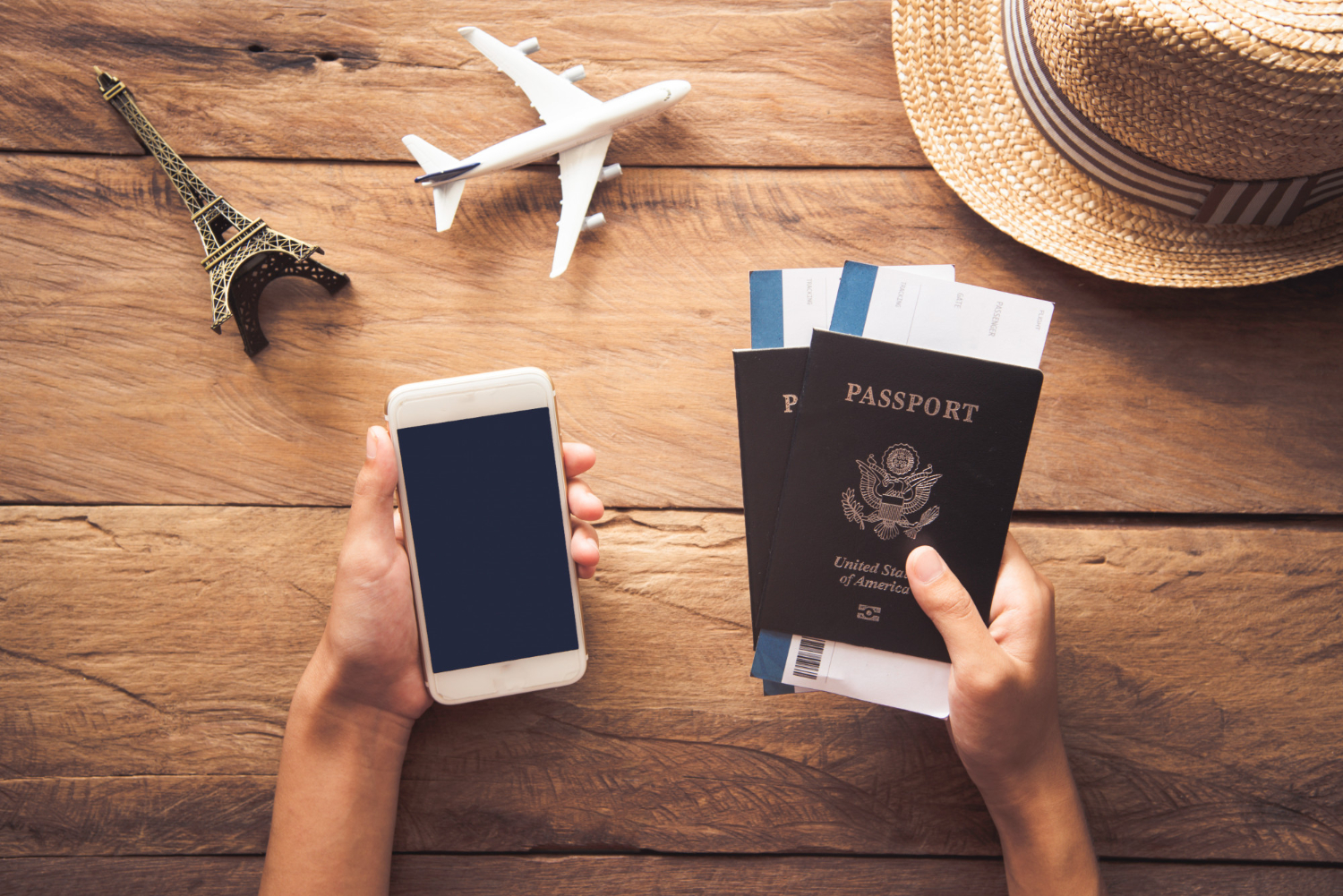
Many countries require a passport valid for a set period beyond the date of entry, and some require blank pages. An in-date passport is not automatically an acceptable one.
Requirements depend on your nationality and destination and do change, so check the official government source for your own passport well before booking. Not checking passport validity rules is the mistake with the most severe consequences.
5. Booking the Tightest Possible Connection
A short layover looks efficient on a booking site and leaves no room for the ordinary delays that happen constantly.
Airports require walking, queuing and sometimes changing terminals, and a missed connection on a separately booked ticket is your problem rather than the airline’s. Allow more time than seems necessary. Booking the tightest possible connection is a mistake first-time travellers make on the screen and pay for at the airport.
6. Ignoring Local Customs Around Dress

Some places have expectations about clothing, particularly at religious sites, and turning up unprepared can mean being refused entry.
A quick check before you go, and carrying something to cover shoulders or knees, resolves it entirely. It is a matter of courtesy as much as access. Ignoring local customs around dress is a mistake that can close doors you travelled specifically to walk through.
7. Eating Only Where the Menus Have Pictures
Restaurants immediately beside major attractions, with laminated multilingual menus and someone outside inviting you in, are optimised for people who will never return.
Walking a few streets away almost always improves the food and lowers the price. Look for places with locals in them. Eating only where the menus have pictures is a mistake that steadily downgrades an entire trip.
8. Not Telling Anyone the Plan
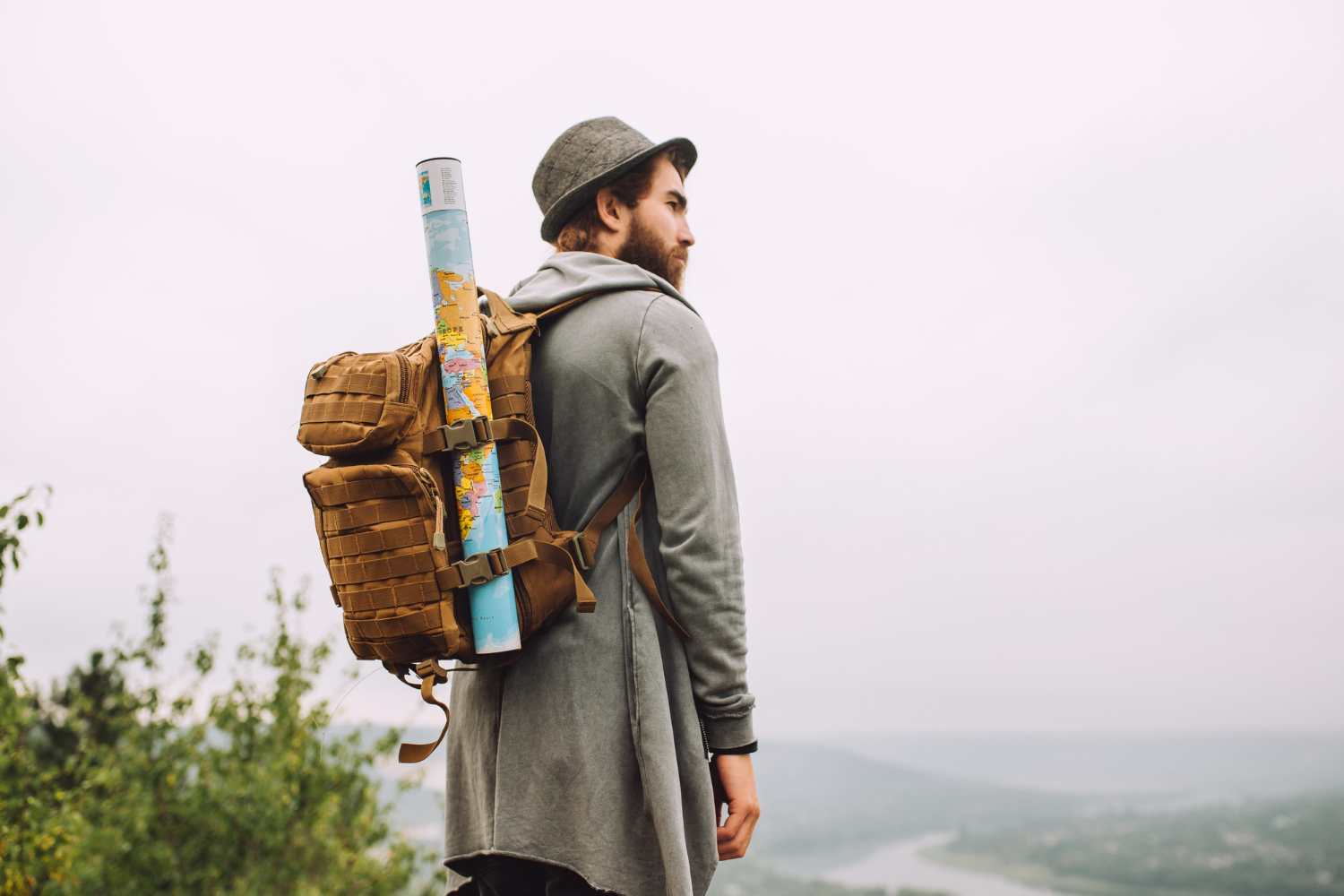
First-time travellers often leave without giving anyone at home a clear picture of where they will be and when.
Sharing an itinerary, accommodation details and rough movements with someone at home costs nothing and matters if anything goes wrong. Update it if plans change. Not telling anyone the plan is a mistake that turns a small problem into a worrying one.
9. Underestimating How Tiring It Is

Enthusiasm on a first trip produces itineraries that assume twelve-hour days of walking, in heat, on unfamiliar terrain, after poor sleep.
Building in real rest — a slow morning, an afternoon doing nothing — makes everything else better. Exhaustion ruins more first trips than any disaster. Underestimating how tiring it is is the mistake that catches out the most enthusiastic travellers.
10. Changing Money in the Wrong Places
Airport exchange counters and street-side booths in tourist districts offer some of the poorest rates available, and first-timers use them because they are there.
Withdrawing from a bank machine or exchanging at a bank generally works out substantially better. Change a small amount on arrival, the rest later. Changing money in the wrong places is a mistake that costs a little at a time, repeatedly.
11. Not Learning Any of the Language
Arriving with no words at all is common and unnecessary. Six will do: hello, please, thank you, excuse me, yes and no.
Making a small effort changes how people respond to you almost everywhere, and the alternative reads as indifference even when it is only nerves. Nobody expects fluency. Not learning any of the language is the mistake that most affects how a first trip feels.
12. Treating the Trip as a Performance
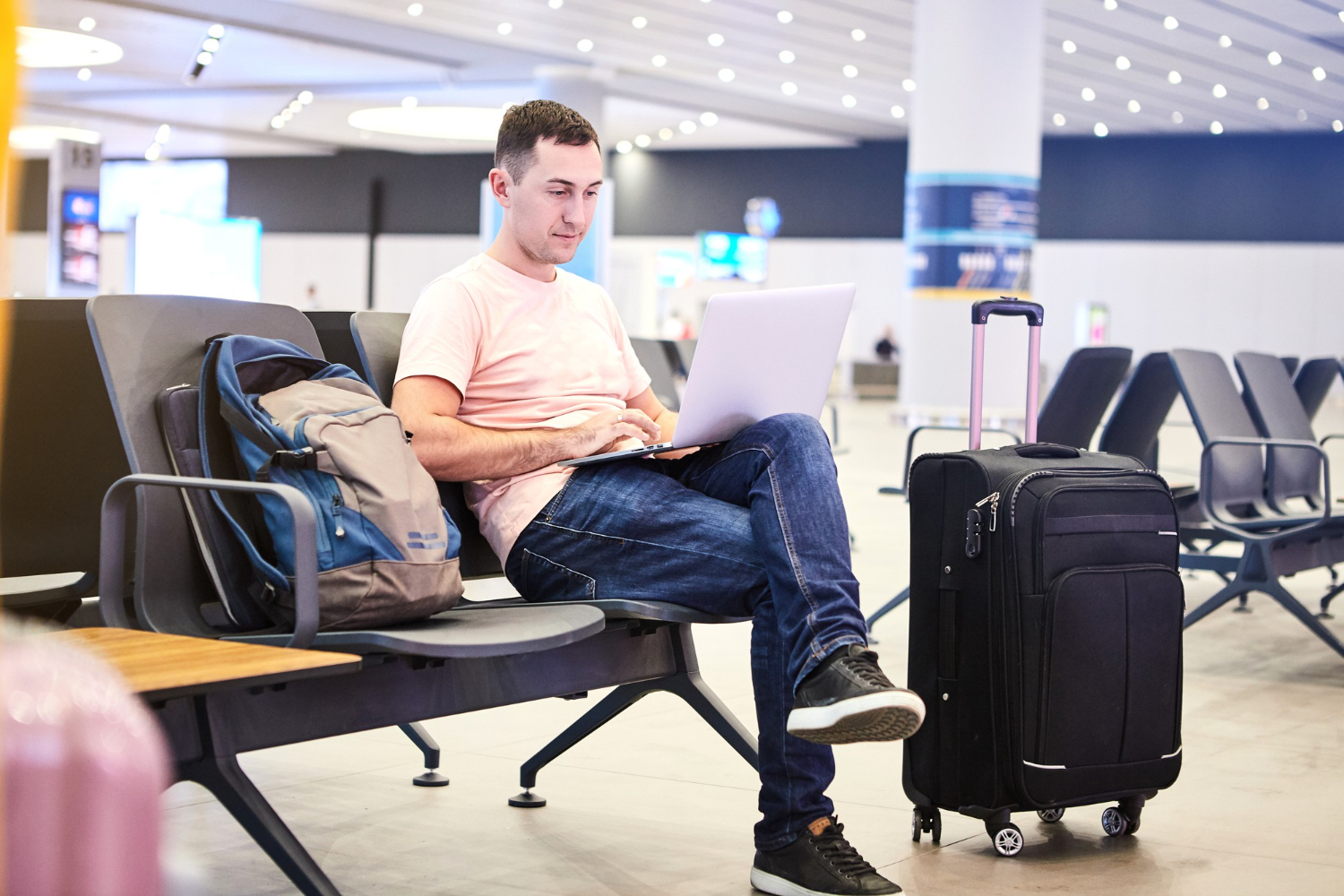
The modern version of the first-trip mistake is spending it composing images of itself rather than being there.
Photographs are worth taking, but the day-long project of documenting a place for other people to look at competes directly with experiencing it. Put the phone away for stretches. Treating the trip as a performance is the mistake most likely to leave you with a full camera roll and a thin memory.
Nobody Gets It Right the First Time
Every one of these is normal, and most experienced travellers made several of them. The point is not to travel flawlessly but to spend fewer of the good hours fixing avoidable problems.
A first trip abroad is supposed to be slightly overwhelming; that is most of the appeal. Sort out the passport rules, pack half of what you planned, keep some cash, allow more time than you think, learn six words, and leave room in the schedule for the thing you did not know was there. The rest looks after itself.
Like our content? Follow us for more.