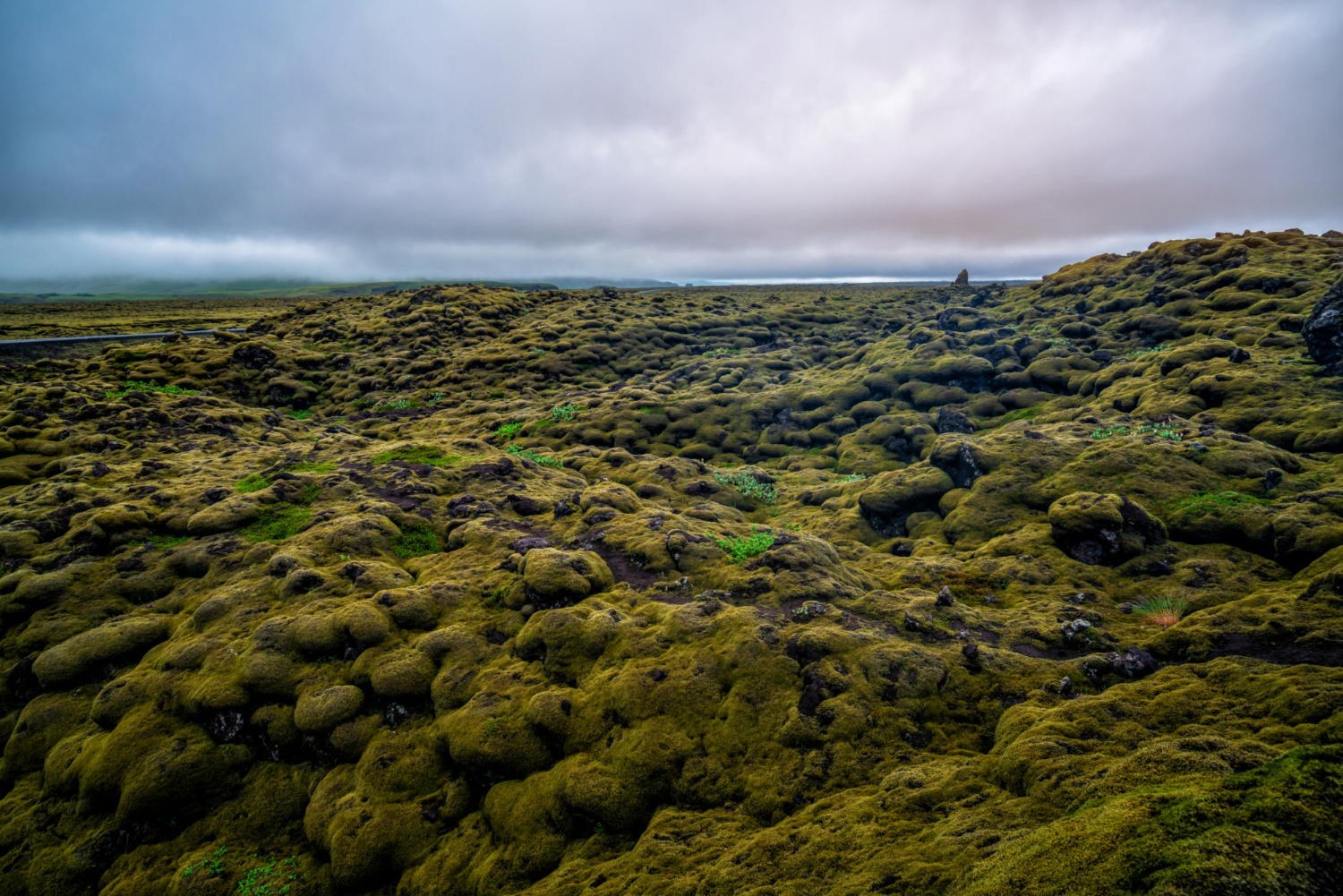
The Icelandic landscape is one of the most photographed on Earth: black sand, green moss, waterfalls, glaciers, and a horizon that runs uninterrupted for miles. Part of what makes it so striking is what is missing. There are almost no trees.
Most visitors assume this is natural — that the island is too far north, too windy, too volcanic for forest. That assumption is wrong, and the correct explanation is one of the clearest examples anywhere of how quickly a landscape can be permanently altered.
When the first Norse settlers arrived in the late ninth century, they found a wooded island. Historical and pollen evidence indicates birch woodland and willow scrub covered between roughly 25 and 40 percent of the land area.
By the mid-twentieth century, forest cover had fallen to around one percent, and by some estimates less. Here is what happened, why the forests never came back on their own, and what is being done about it now.
What Was Actually There
Iceland’s pre-settlement woodland was not the towering forest the word might suggest.
The dominant species was downy birch, and it remains the only native tree that forms woodland in Iceland. Rowan was present, along with small numbers of willow and aspen. In sheltered valleys birch could reach around 15 metres, but in exposed areas it graded into low scrub.
So the picture is of extensive low woodland and scrub rather than cathedral-like forest. Still, it covered a substantial share of the island’s lowlands, and critically it formed a protective layer over the fragile volcanic soil beneath.
That last point turns out to matter enormously.
Like our content? Follow us for more.
Roughly a Century
The clearance was rapid, and the reasons were entirely practical rather than wanton.
Settlers arriving on a treeless-once-cleared volcanic island needed timber for houses and ships, fuel for heating, and charcoal for smelting iron. They also needed open ground for grazing livestock, particularly sheep, and for cultivation.
Estimates of the speed and scale are stark. One account holds that within a century of arrival, settlers had cut down around 97 percent of the original forests. Historians and archaeologists attribute roughly 95 percent of Iceland’s total deforestation to the first settlers.
It did not take a large population to do it. Iceland’s settlement numbers were modest by European standards, and the woodland was slow-growing and finite. A small number of people and a lot of sheep were sufficient to strip an island.
The Norse were not unusual in this. Comparable deforestation followed European settlement in many places; what makes Iceland distinctive is how complete the result was and how visible it remains.
Why It Never Grew Back
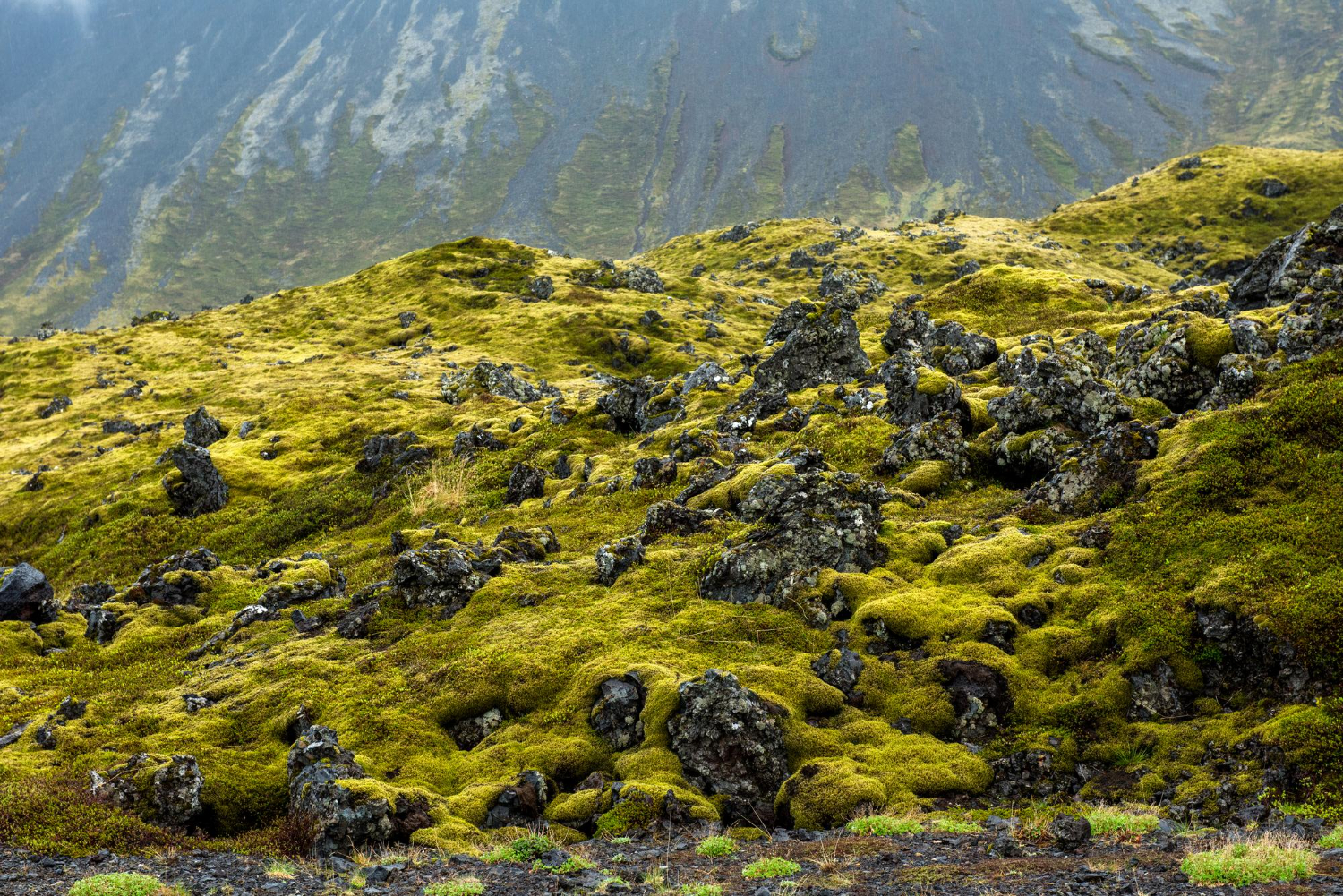
This is the part most people find surprising. The settlers stopped cutting centuries ago. Why is Iceland still bare?
The answer is sheep, and it is not a historical answer but a present-tense one.
Icelandic sheep graze freely across the landscape, and they browse young birch saplings. A birch seed can germinate perfectly well; it simply gets eaten before it can establish. Natural regeneration failure caused by livestock grazing is described by conservation groups working there as the principal driver of Iceland’s continued lack of forest — not the original clearance, which finished long ago.
The land tenure convention reinforces it. In Iceland, sheep roam, and if you want to keep them off your land, the responsibility is yours to build a fence. That single arrangement shapes what can grow across enormous areas.
Then there is the soil, and this is where the damage compounds. Once woodland and vegetation were removed, the volcanic soil was exposed to wind and rain. Icelandic soils are aeolian volcanic ash deposits, and they are among the most vulnerable to wind erosion anywhere in the world — one assessment describes Iceland as possibly the most eroded land in Europe, or on Earth.
So the sequence runs: trees removed, soil destabilised, soil eroded away, remaining substrate poor in nutrients and structure, making it harder for trees to re-establish even where sheep are excluded. Deforestation was the first stage in a longer degradation process, and the later stages are self-sustaining.
Volcanic activity adds a further complication, periodically burying areas in lava and ash.
Trying to Put It Back
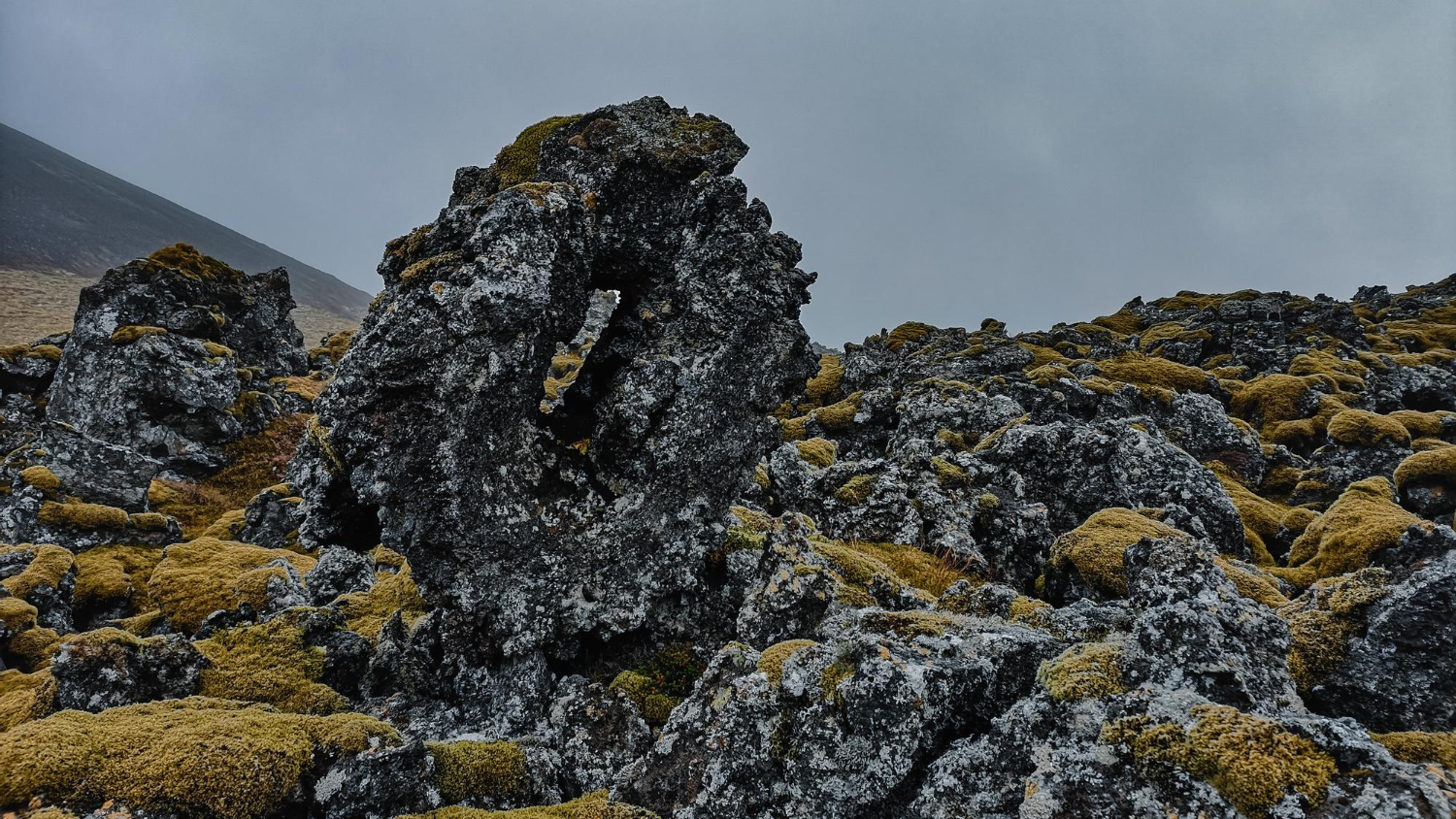
Reforestation has been under way for over a century, and the story is one of slow, difficult, partial progress.
Efforts began around 1900, with the establishment of forestry and soil conservation work in the early twentieth century. Iceland now has a national forest service and a range of organisations engaged in planting.
The results are modest against the scale of the loss. Native woodland cover stands at roughly one percent, with some estimates putting total forest cover between one and two percent. Despite the planting of three million or more trees in recent years, the total area under forest has increased only slowly.
The obstacles are the same ones that prevented natural recovery. Eroded soil requires extensive preparation before planting. Growth is slow in the climate. Wind is relentless. Sheep have to be excluded, which means fencing. And each planted seedling needs protection for years.
There is also a real dilemma about which trees to plant. The native downy birch is the obvious choice ecologically, but it is slow-growing, struggles in degraded soil, and is described by foresters as not a productive species. So programmes also use non-native conifers — Sitka spruce, lodgepole pine, larch, black cottonwood — largely sourced from cold-hardy regions such as Alaska. Because tree imports are prohibited, these are grown from seed in Icelandic nurseries.
The ambitions are long-term. The government has aimed to raise native woodland cover to around 5 percent over fifty years, and some partnerships target 12 percent national tree coverage by 2100. The arithmetic is daunting: reaching that would mean reforesting well over a million hectares in eighty years, while the maximum planted in a single year has been in the region of 1,500 hectares.
What Grows There Instead
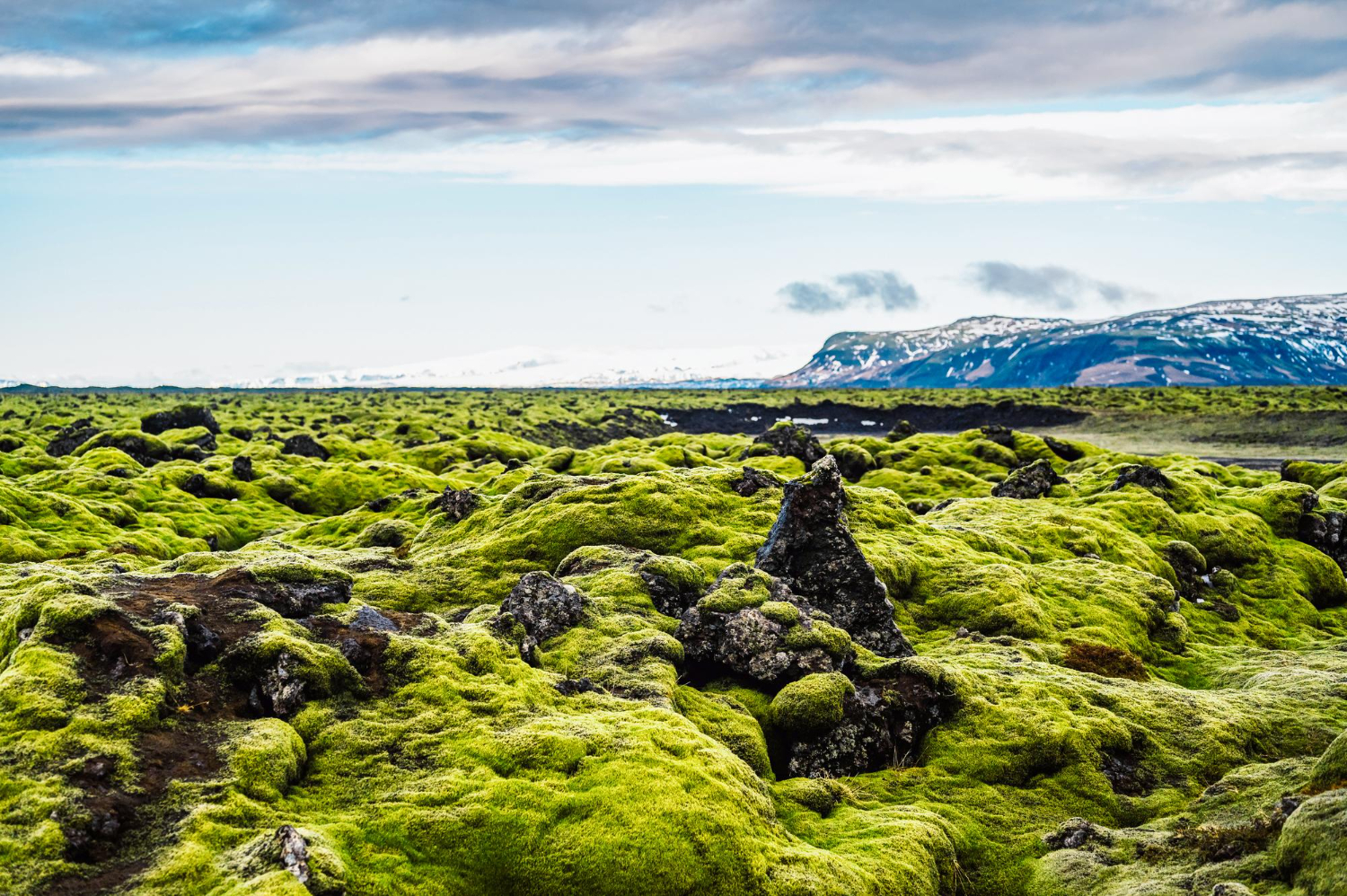
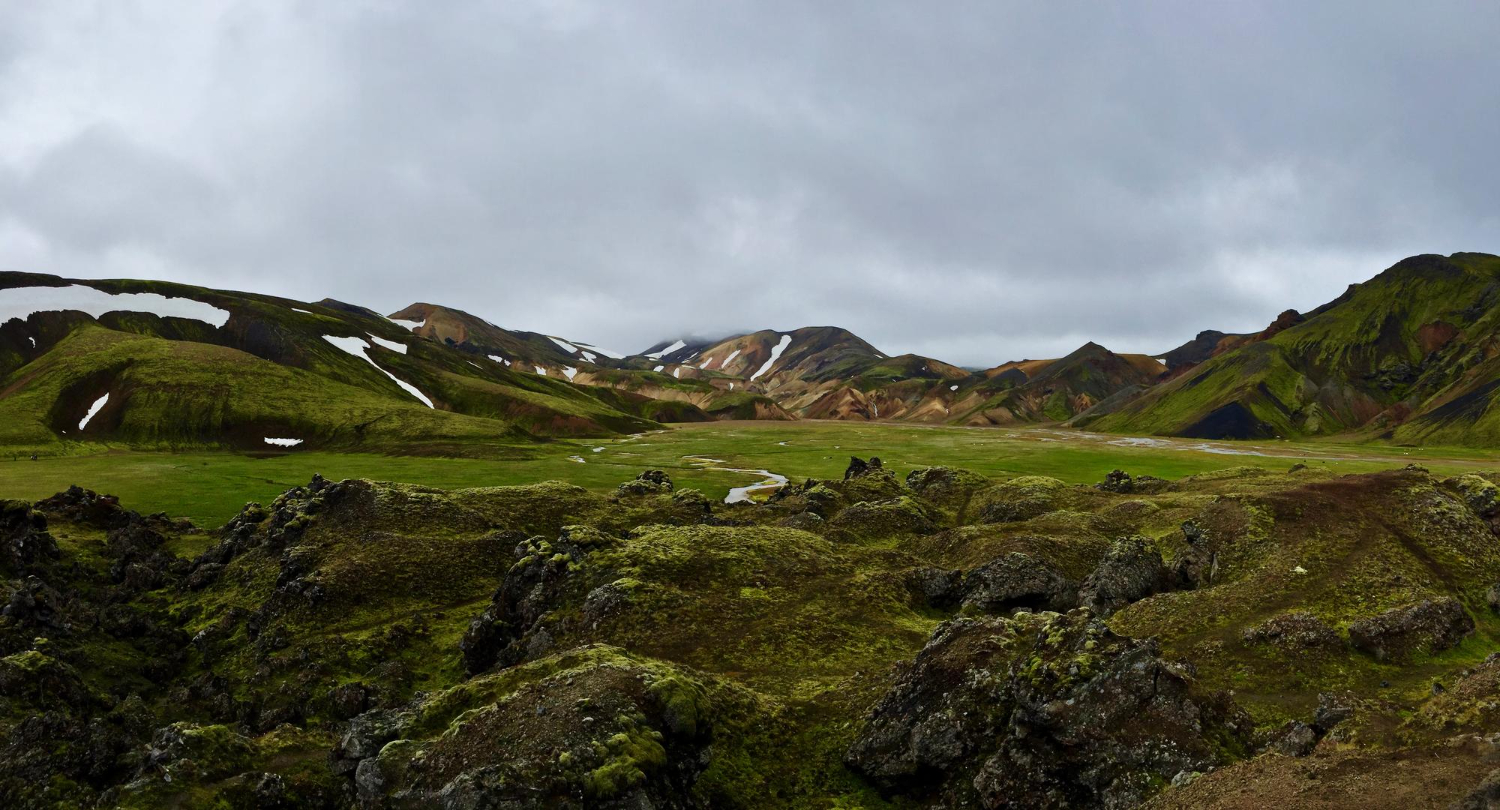
Removing the woodland did not leave bare rock everywhere, and what replaced it is a substantial part of what visitors photograph.
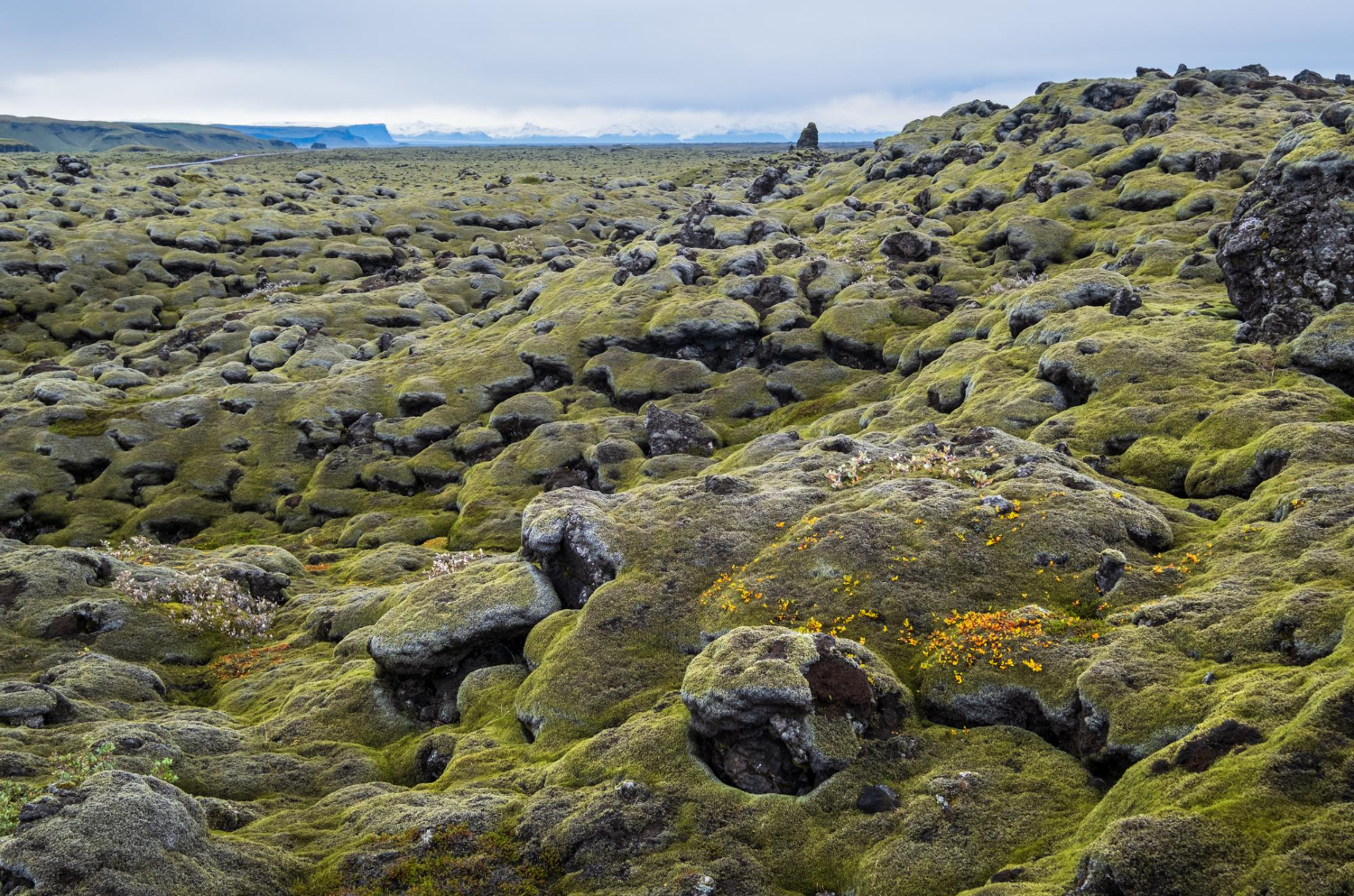
Moss is the most conspicuous. Lava fields across Iceland are carpeted in thick woolly fringe moss, which colonises rough volcanic rock and forms a deep, springy layer over it. It grows extremely slowly — damage from a single footprint can take decades to recover, which is why walking on it is discouraged.
Beyond moss there are grasses, sedges, low shrubs including crowberry and bilberry, and in places dwarf birch growing as ground-hugging scrub rather than as a tree.
Lupine complicates the picture. Nootka lupine was deliberately introduced in the twentieth century to stabilise eroded soil and add nitrogen, and it has been effective at that job. It has also spread aggressively, and its role is debated in Iceland — valued as a soil-restoration tool by some, regarded as an invasive problem by others.
The result is a landscape that reads as timeless and is in fact heavily managed, restored, contested and comparatively recent in its current form.
The Wider Cost of Losing the Trees
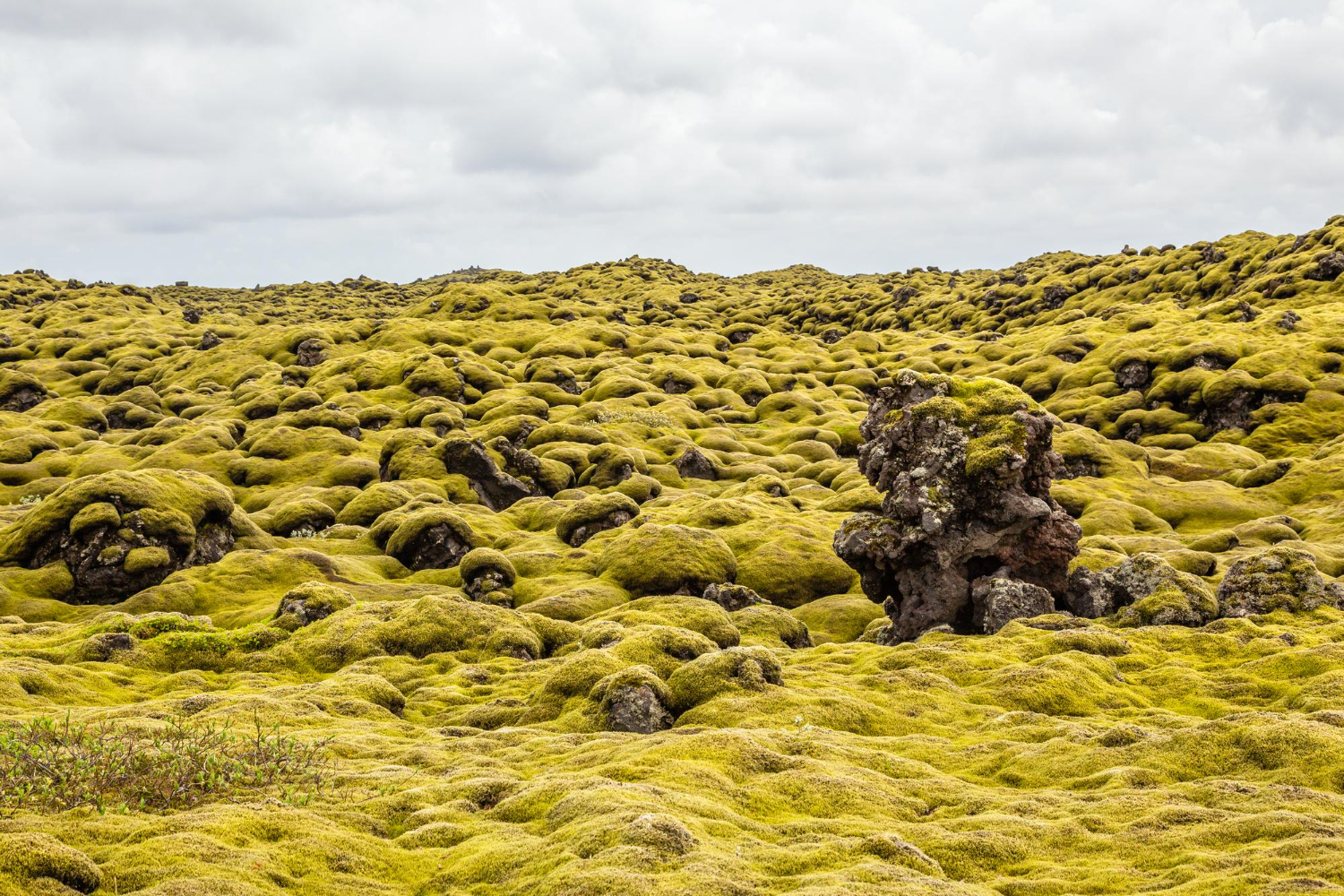
The consequences ran well beyond appearance, and they shaped how Iceland could be lived in.
Woodland does a set of jobs simultaneously: it breaks wind, holds soil with root systems, retains water, moderates temperature at ground level and drops organic matter that builds soil over time. Remove it and every one of those functions stops.
The result across Iceland was described in one assessment as extensive desertification, which is a strange word for a cold, wet North Atlantic island and an accurate one. Without vegetation to hold it, soil blew and washed away, leaving areas of bare gravel and sand where there had been productive land.
That in turn reduced the grazing capacity the clearance had been intended to create, which is the uncomfortable irony at the centre of the story: land cleared for sheep was progressively degraded by the sheep, reducing what it could support.
Soil conservation work therefore began before forestry did, with a dedicated service established in the early twentieth century to halt erosion. Reforestation was in part a soil project rather than a landscape one.
What the Bare Landscape Actually Means
There is a way of seeing Iceland that changes once you know this, and it is worth carrying on a visit.
The vast open views that make the island so photogenic are, in significant part, a human artefact. The moss-covered lava fields and endless treeless horizons are not purely the raw output of geology and latitude; they are what a wooded island looks like a thousand years after it was cleared and then continuously grazed.
That is not a reason to enjoy the landscape less. It is spectacular, and the geology underneath it is truly dramatic. But it is a different thing to look at — less an untouched wilderness than a very old wound that the country is now slowly working on.
It also makes Iceland an unusually clear case study. Most environmental change is gradual, contested and hard to see. Here the before-and-after is documented, the mechanism is understood, the timeline is short, and the ongoing obstacle is a specific and identifiable one.
And the joke about standing up if you get lost in an Icelandic forest, which Icelanders tell about themselves, carries a small sting. There were forests. It took about a hundred years to remove them and it has so far taken over a hundred to put back a fraction, one fenced, protected, slow-growing seedling at a time.
Like our content? Follow us for more.