

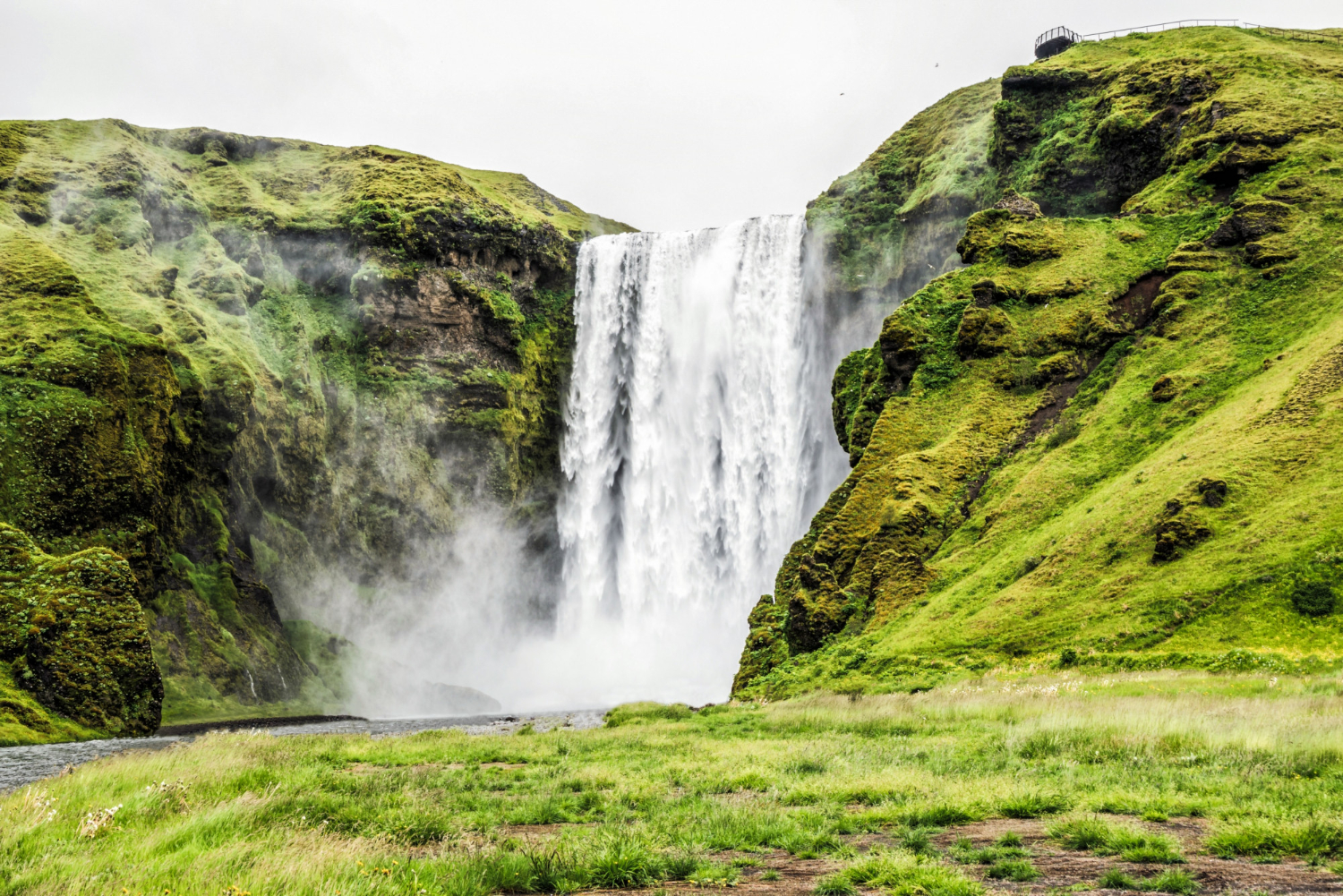
Standing behind falling water is a truly strange sensation: the noise, the light coming through the curtain, the cold air pushed out by the fall. The geology that produces it is common enough that these places exist on most continents. Here are fourteen worth the detour.
1. Seljalandsfoss, Iceland
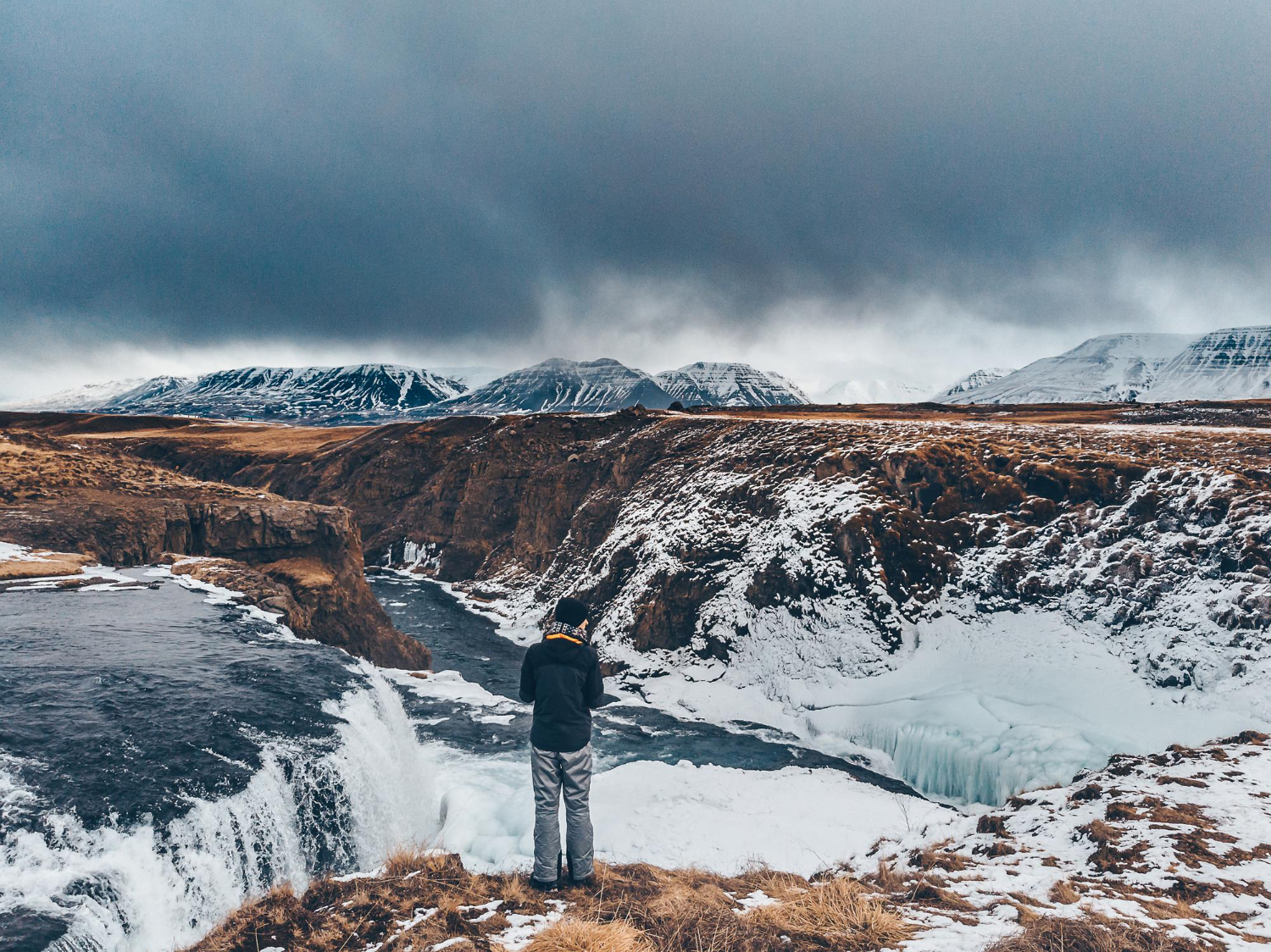
The best-known walk-behind waterfall in the world, dropping about 60 metres off a former sea cliff on Iceland’s south coast, with a path running the full way round.
The route gets extremely wet, the spray reaches everywhere, and the view out through the water toward the coastal plain is the reason the photograph is on every Iceland guide. Waterproofs are essential. Seljalandsfoss is the waterfall that made walking behind one a mainstream travel ambition.
Like our content? Follow us for more.
2. Behind the Falls, Niagara, Canada
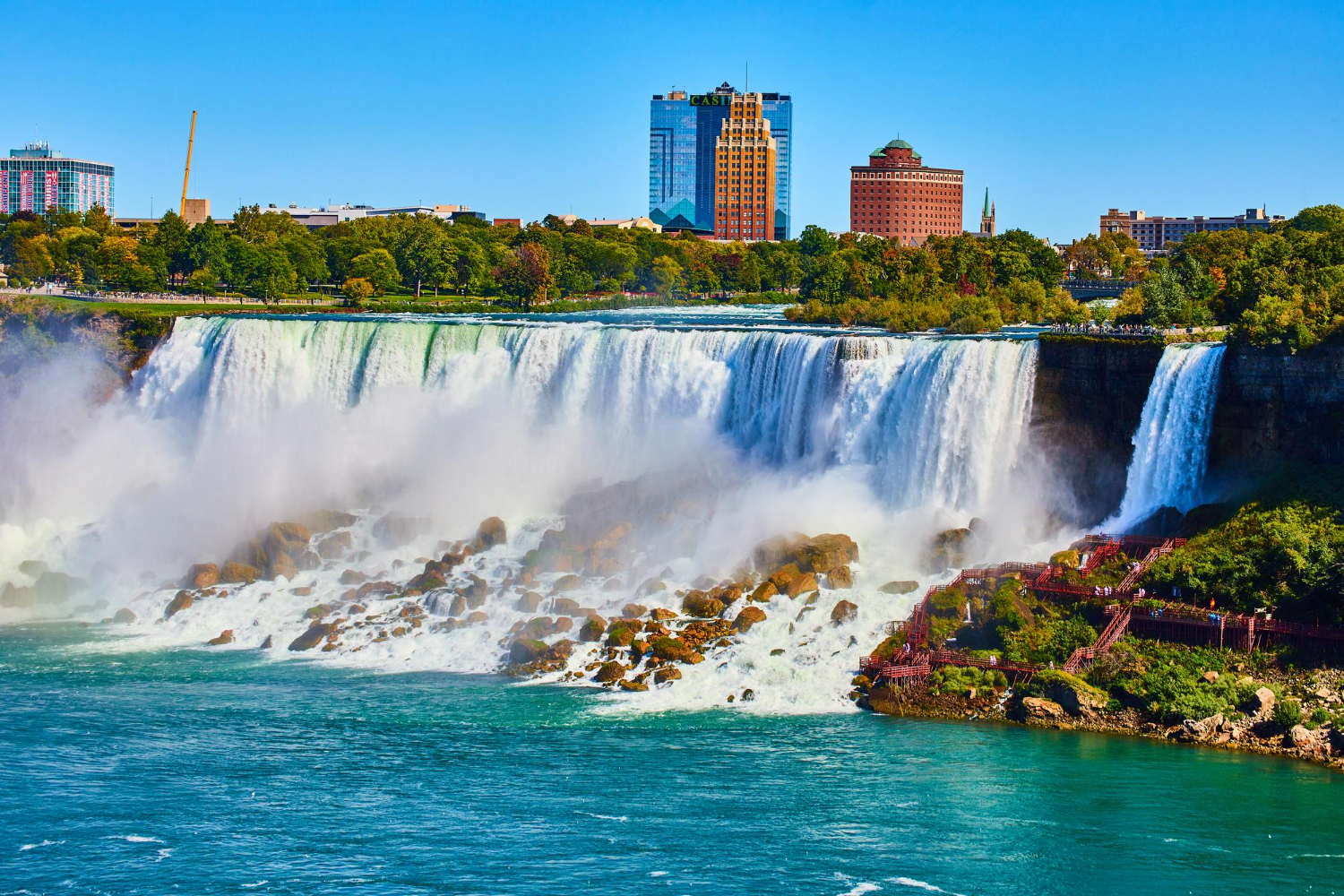
Tunnels cut into the rock behind the Horseshoe Falls lead to portals opening directly onto the back of the water curtain, along with an observation deck below.
The sheer volume is what registers — this is one of the highest-flow waterfalls on Earth, and standing behind it is more felt than seen. It operates year-round. Niagara offers the loudest walk-behind waterfall experience anywhere.
3. The Falls of Bruar, Scotland
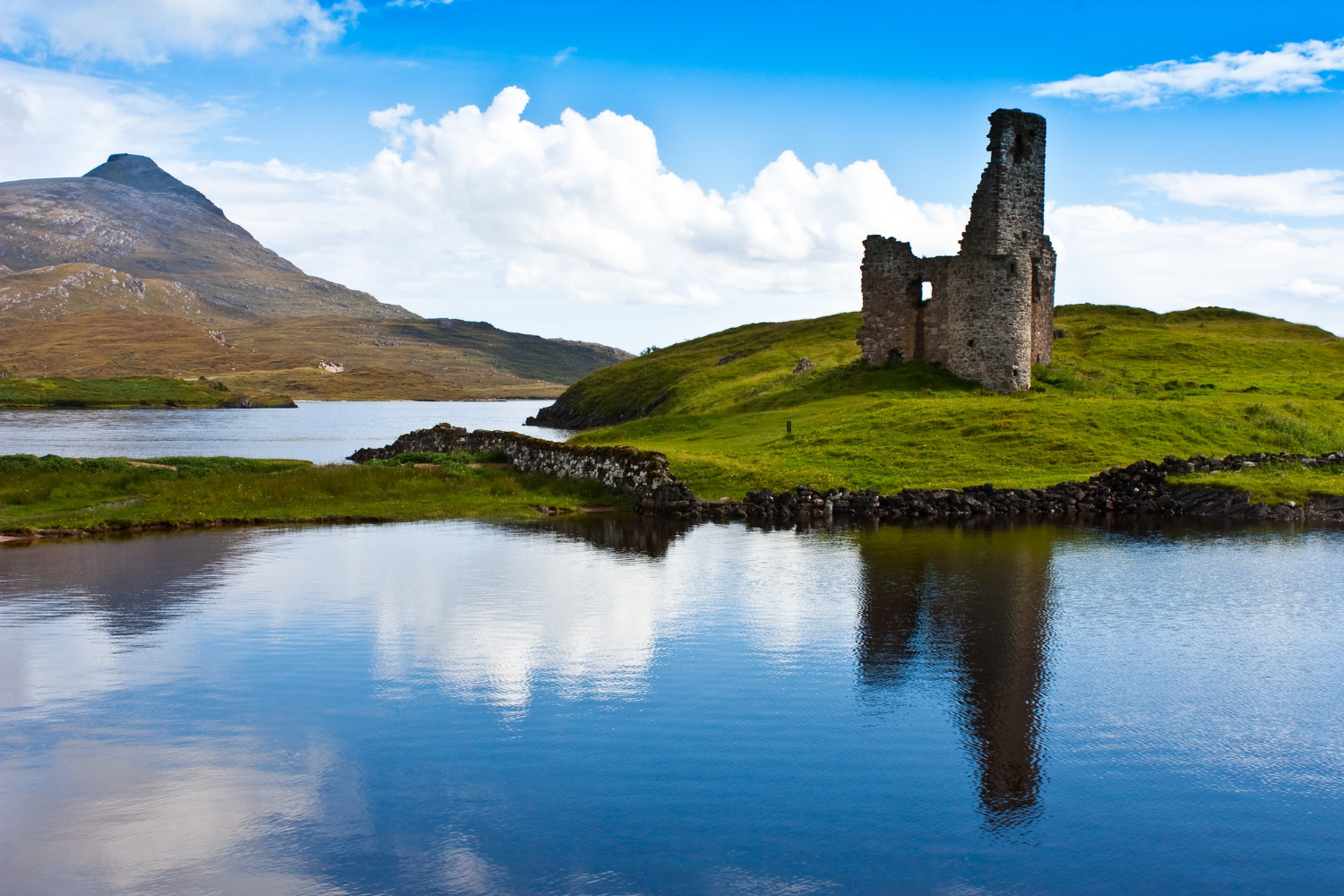
The Falls of Bruar in Perthshire run through a wooded gorge with paths, bridges and rock overhangs that let visitors get behind and beneath sections of the water.
The gorge was landscaped deliberately in the late eighteenth century after a poet complained about its bare surroundings, and the resulting woodland walk is part of the appeal. The Falls of Bruar are the walk-behind waterfall that came with its own literary campaign.
4. Sgwd yr Eira, Wales
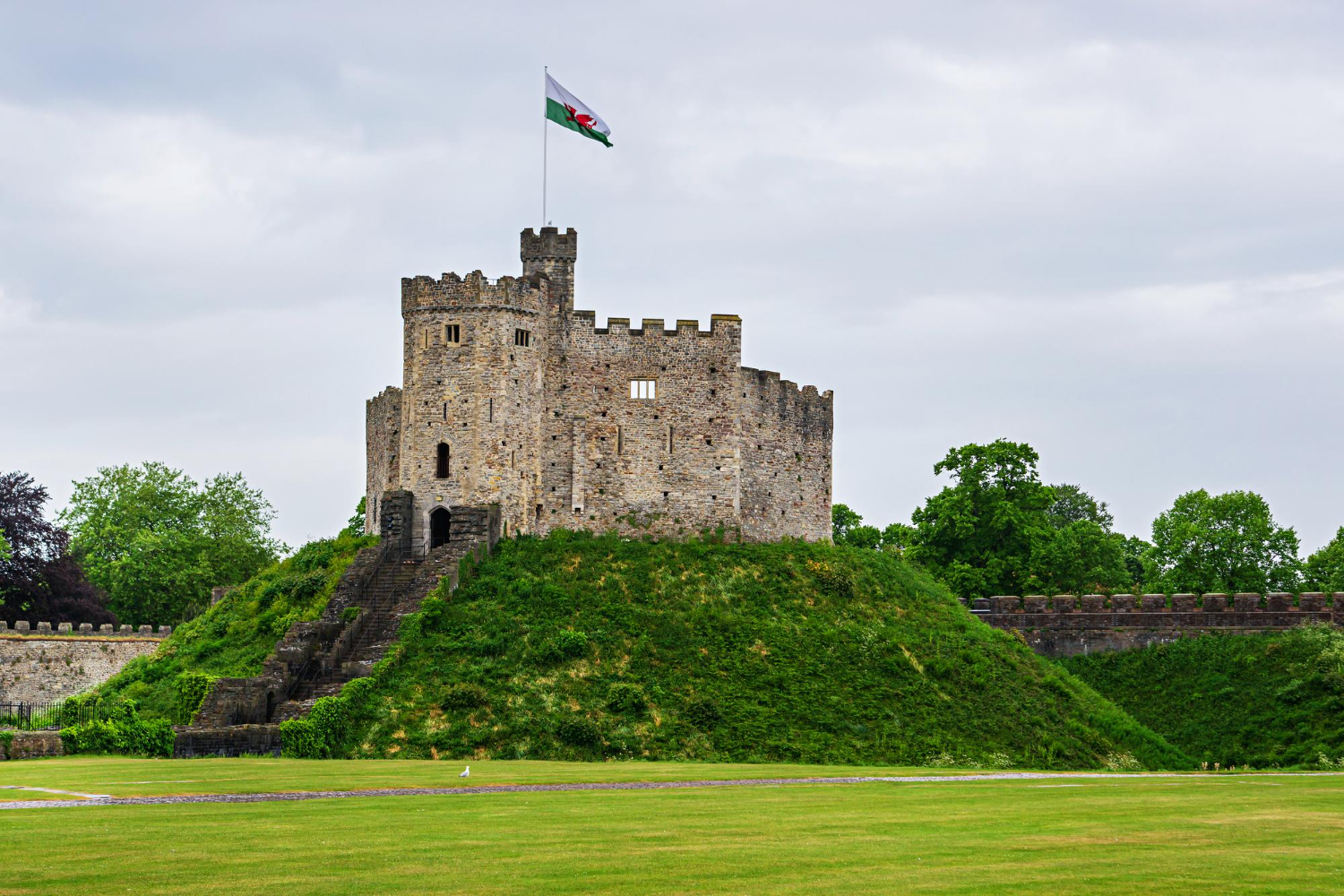
The name means fall of snow, and this waterfall in the Brecon Beacons has a well-established path running directly behind the curtain along a rock ledge.
It sits on a walking route through a valley containing several waterfalls, and the ledge behind was reportedly used historically as a route for moving livestock. The path is slippery. Sgwd yr Eira is the walk-behind waterfall that doubles as a working right of way.
5. Silver Falls State Park, Oregon, USA

Silver Falls State Park has a trail that passes behind several waterfalls along a single route, which is unusual — most places offer one.
The Trail of Ten Falls runs through a mossy canyon in temperate rainforest, with the path cutting into basalt hollows behind multiple curtains. It is a full-day walk. Silver Falls is the walk-behind waterfall experience you can repeat several times on one trail.
6. Volcanic Falls of Hawaii, USA
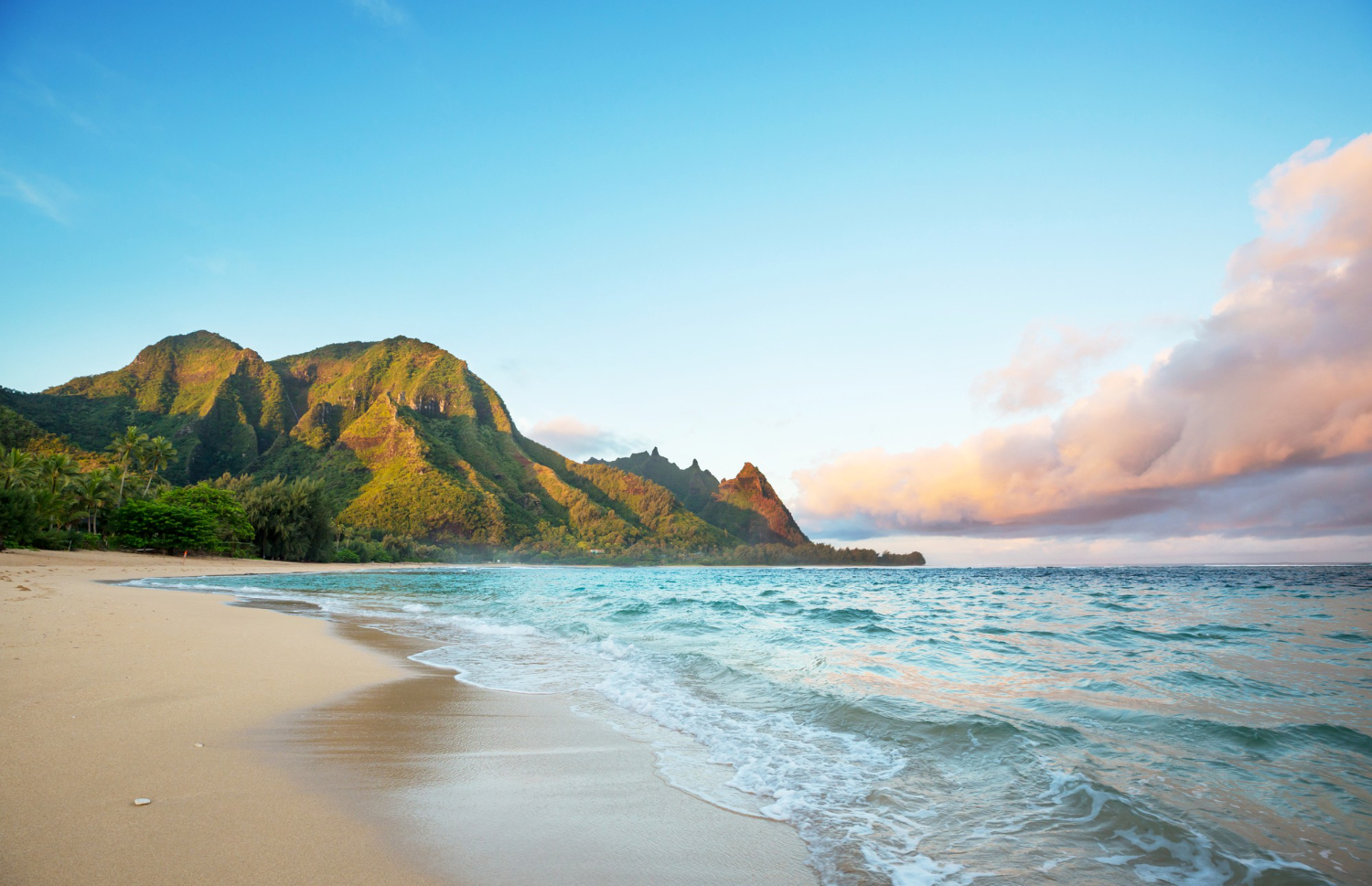
Volcanic basalt erodes readily into ledges and caves, and several Hawaiian falls have accessible hollows behind them where flow and access conditions allow.
Conditions vary substantially with rainfall and some sites are restricted or closed for safety, so checking locally is essential rather than optional. Hawaiian volcanic waterfalls are the walk-behind experience most dependent on checking current access.
7. Ruby Falls, Tennessee, USA

An unusual entry: a waterfall inside a cave system, reached by lift and walkway deep underground, with the water falling into a chamber visitors walk around.
It is a commercial attraction rather than a wild site, which means reliable access, lighting and no weather dependency. The setting is distinctly peculiar. Ruby Falls is the walk-behind waterfall that is entirely indoors.
8. Gljúfrabúi, Iceland
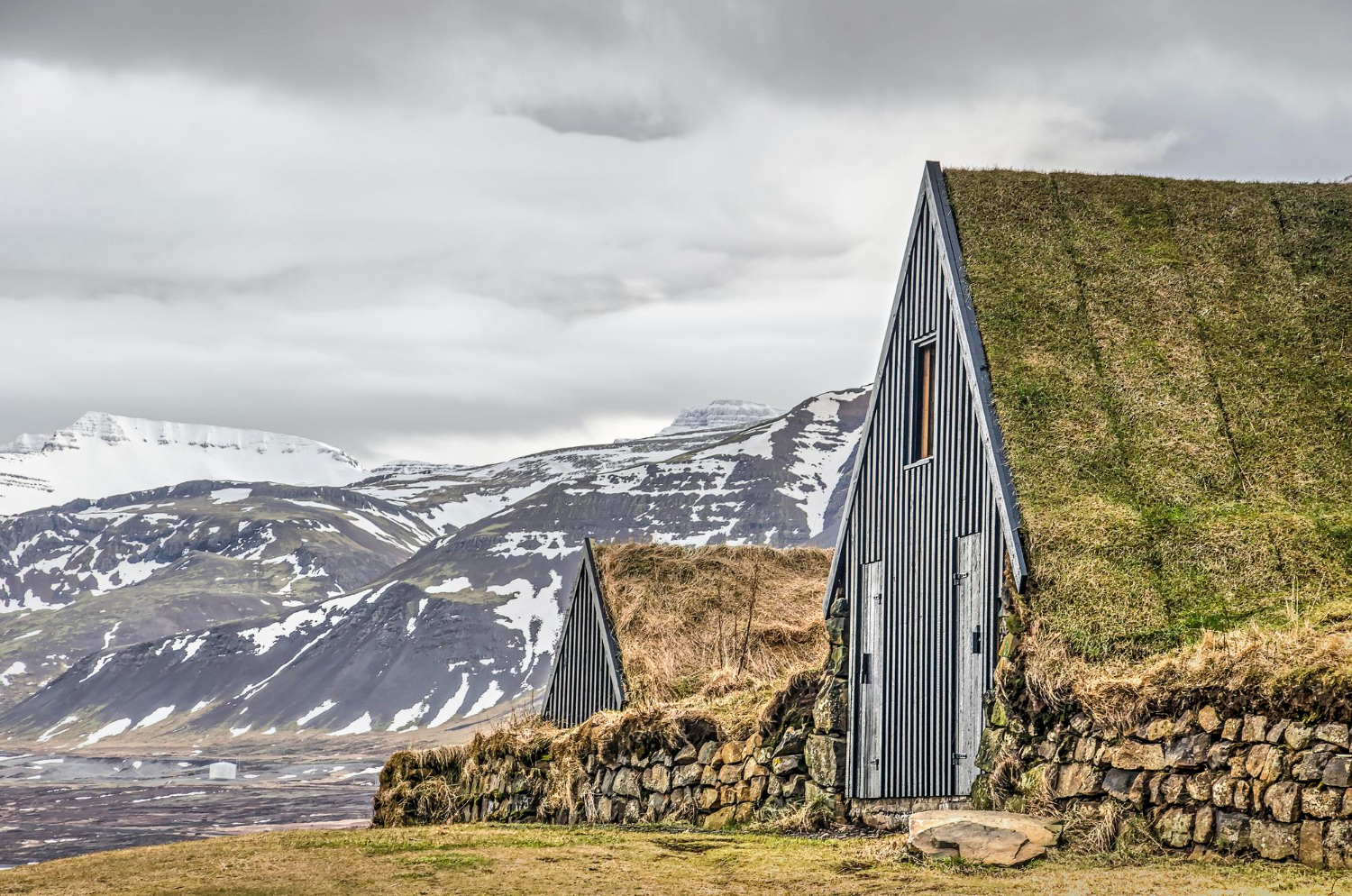
A short distance from Seljalandsfoss, this fall is partly hidden inside a narrow canyon, reached by wading up a shallow stream through a cleft in the rock.
The reward is standing in a small chamber with the waterfall thundering into it and a slot of sky overhead. You will get soaked. Gljúfrabúi is the walk-behind waterfall that makes you work for it.
9. Dettifoss Area Falls, Iceland
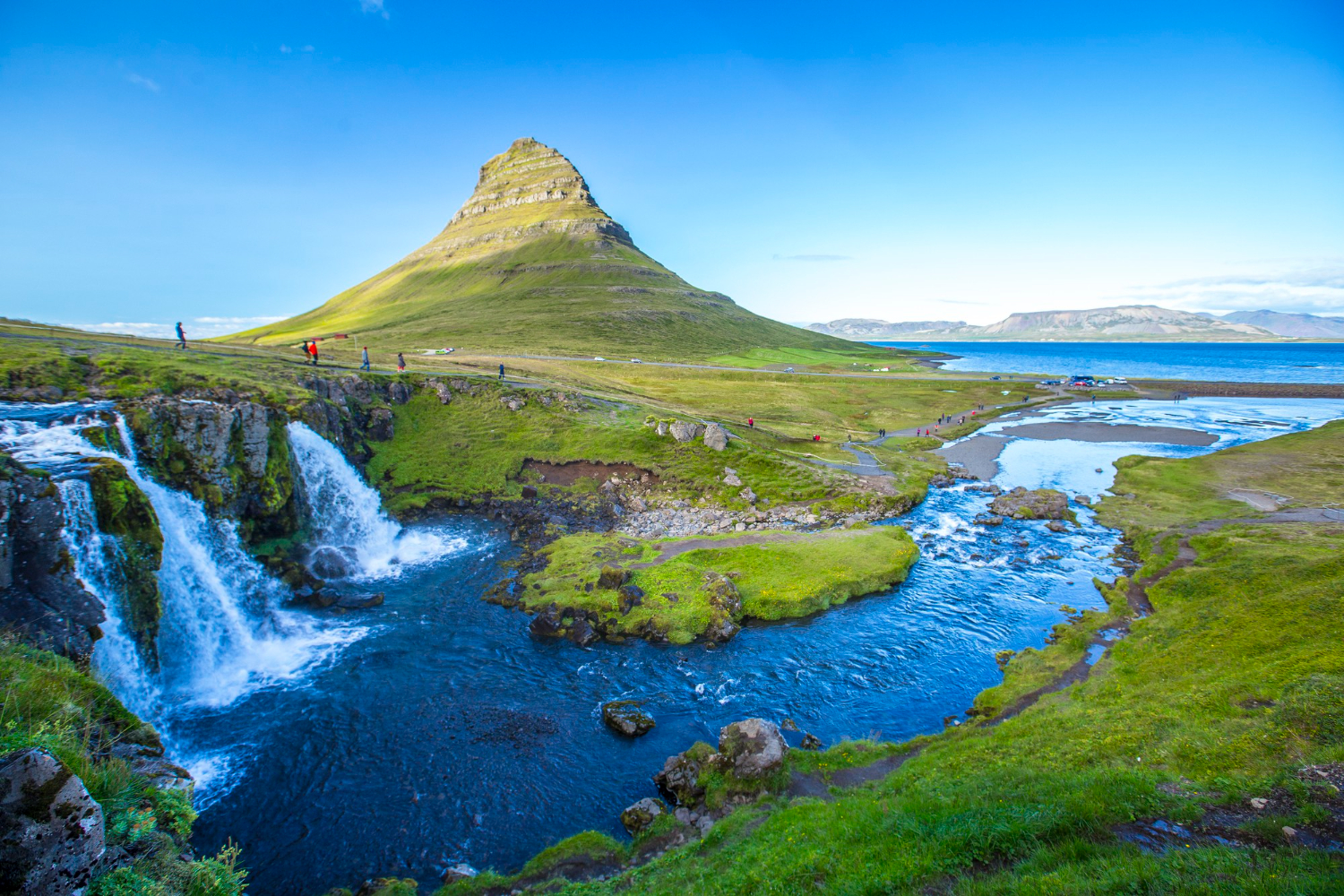
Northern Iceland’s Jökulsárgljúfur canyon system includes falls with overhangs and shelters where paths approach closely, though the largest are viewed rather than entered.
Access varies by season and route, and northern Icelandic weather closes trails regularly. Check road and path status before setting out. The northern Icelandic falls are the walk-behind experience most limited by season.
10. Behind the Falls at Hraunfossar Region, Iceland
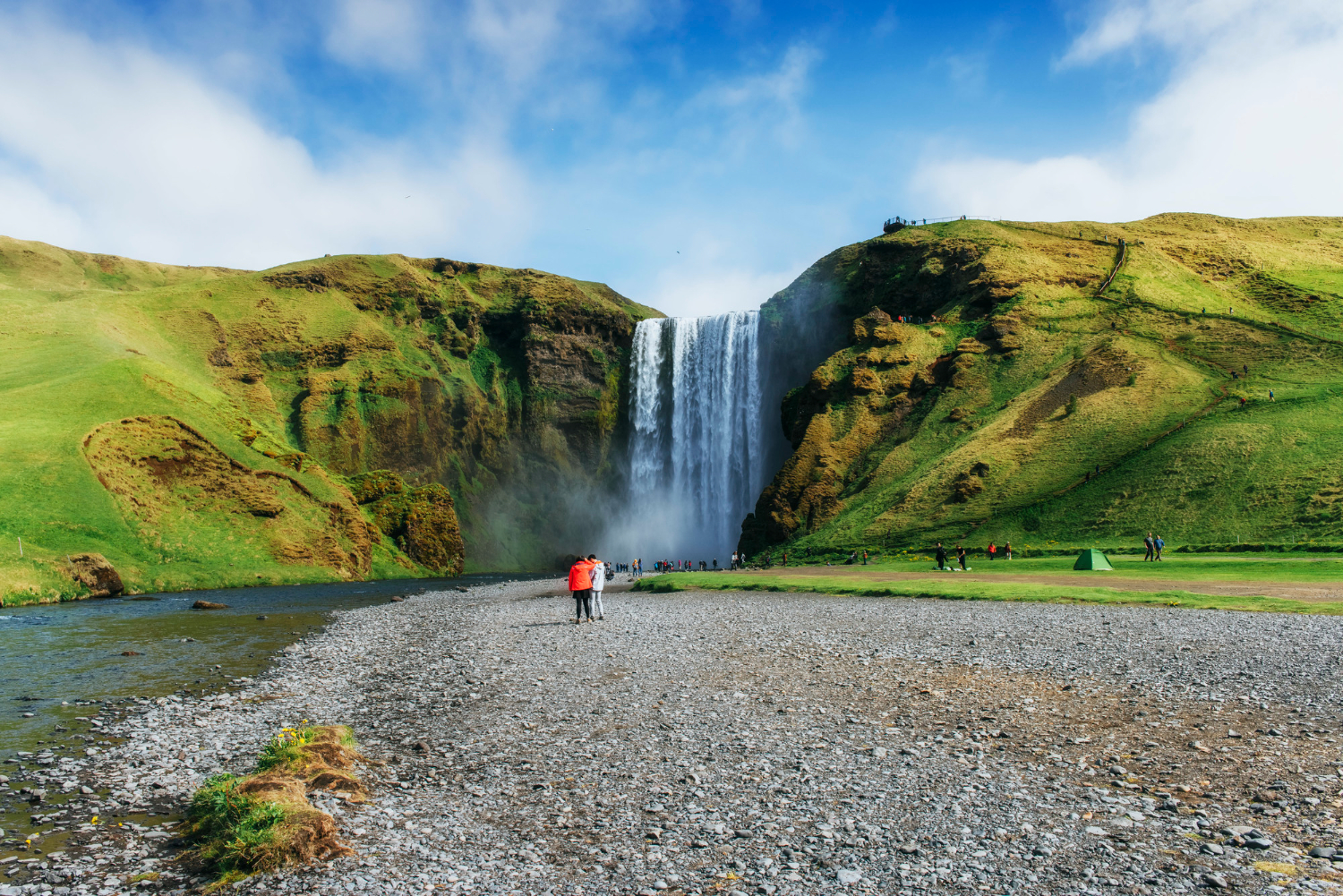
Western Iceland’s lava-field falls emerge from beneath a lava flow rather than over a single ledge, and nearby Barnafoss cuts through rock arches and hollows.
The structure is unusual: water seeps out along a whole hillside rather than dropping in one curtain, creating overhangs and gaps along the bank. Paths are formal and fenced. These are the walk-behind style falls where the water arrives out of the rock itself.
11. Cascata del Varone, Italy
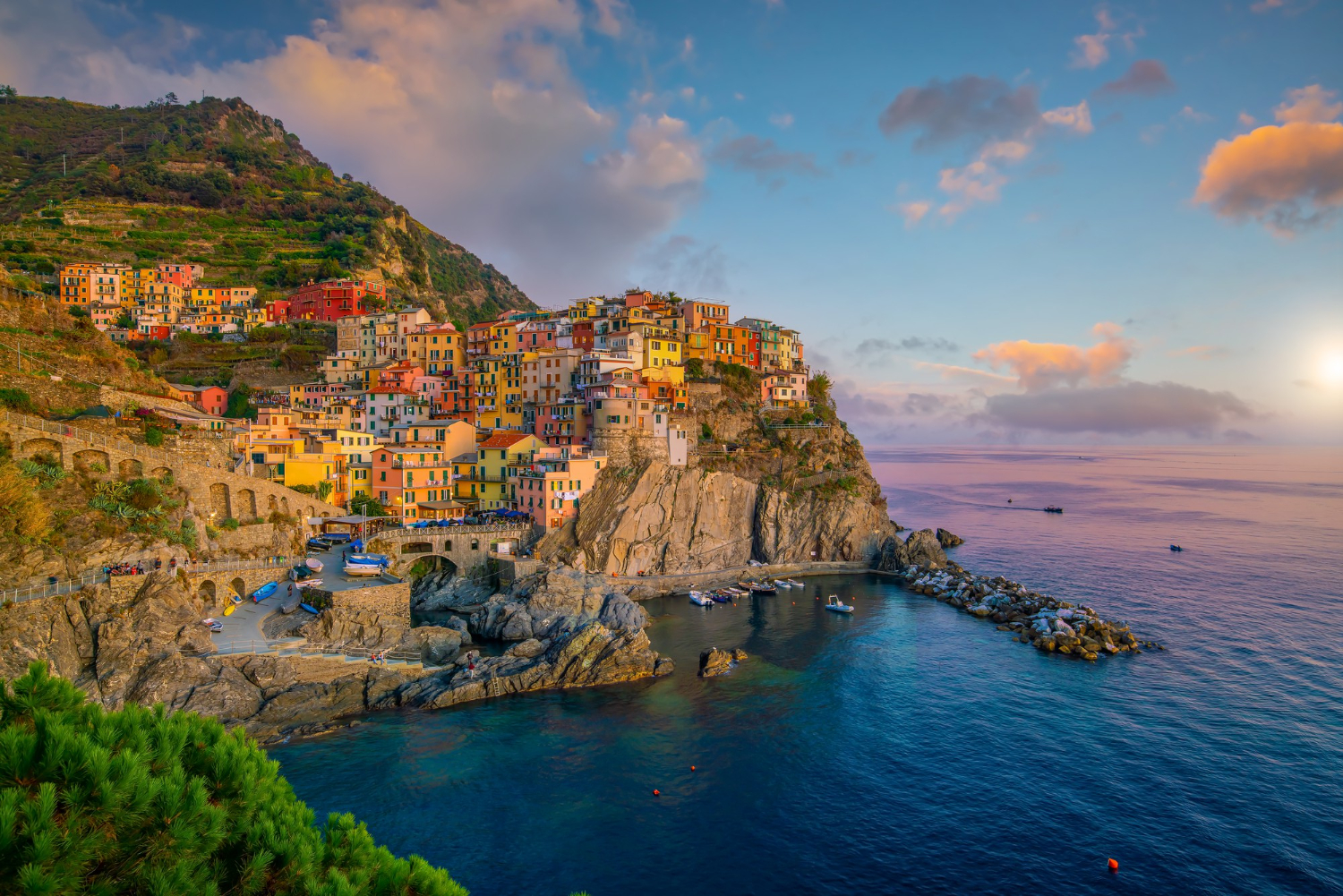
A waterfall inside a gorge near Lake Garda, where a constructed walkway takes visitors into the rock chamber the water has carved, alongside the falling column.
The gorge was made accessible in the late nineteenth century and the engineering is part of the experience. It stays cool inside. Cascata del Varone is the walk-behind waterfall reached through Victorian tunnelling.
12. Dry Falls, North Carolina, USA

A short, well-made path runs directly behind this fall in the Nantahala National Forest, and the name refers to the possibility of passing behind without getting wet.
That is optimistic in high flow, but in normal conditions the walkway truly keeps you reasonably dry. It is one of the easiest on this list. Dry Falls is the walk-behind waterfall that requires almost no effort at all.
14. Cascada de los Tres Chorros Region, Spain

Several Spanish gorges in limestone country have falls with hollows behind them, reached by short trails in national and natural parks.
Limestone erodes into overhangs readily, which is why walk-behind sites cluster in karst regions. Access and flow are highly seasonal in a dry climate. Spanish limestone falls are the walk-behind waterfalls most affected by how much rain has fallen.
15. Fitzroy Falls Region, Australia

Australian escarpment country produces falls dropping over hard sandstone caprock with softer rock beneath, creating overhangs along several gorge walks.
Access to the area behind curtains varies by site and is often restricted for conservation and safety, so marked lookouts are the norm. Australian escarpment falls are the walk-behind waterfalls where viewing platforms usually replace the walk.
Water, Rock, and a Gap Between Them
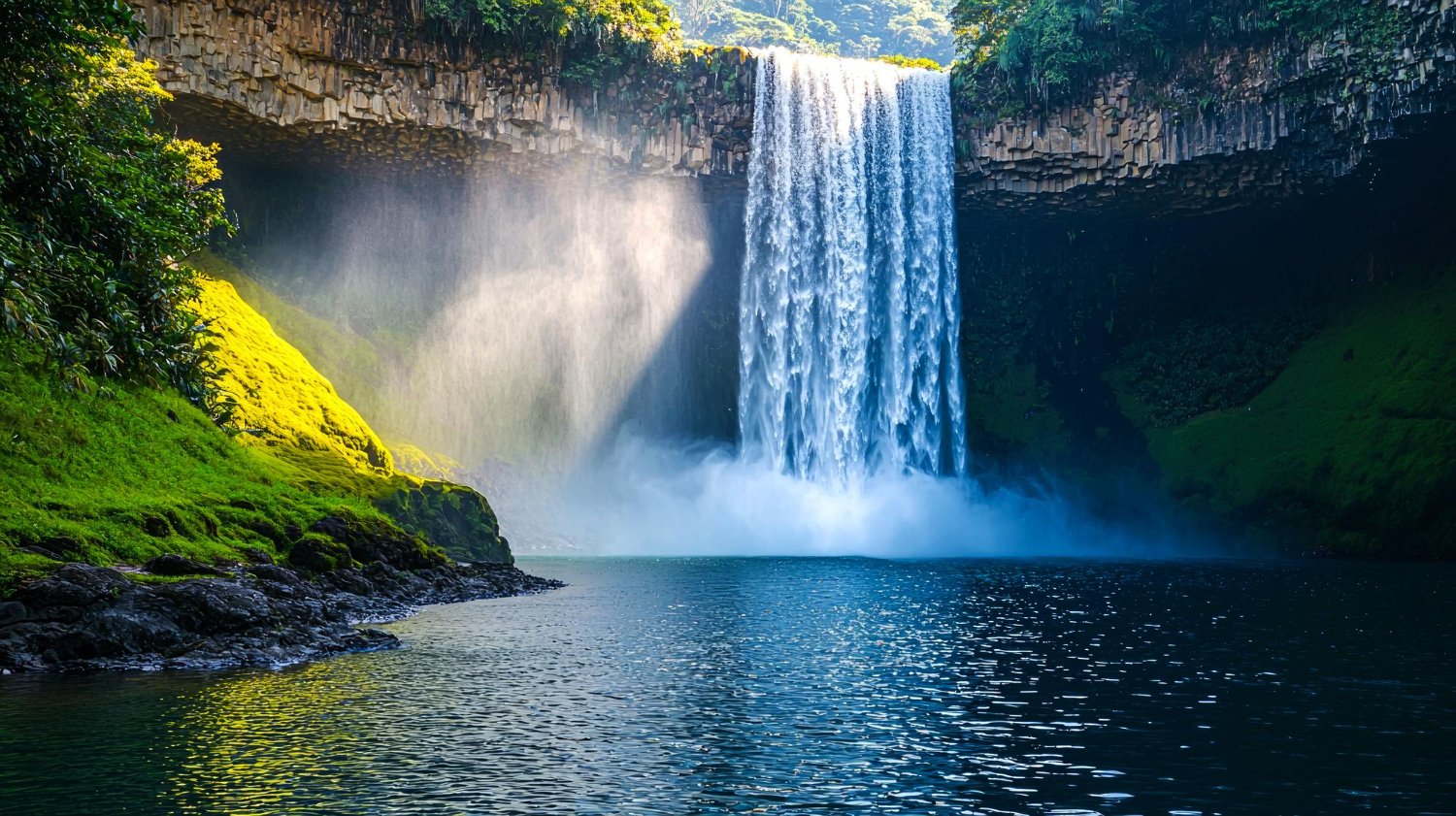
Every site here exists for the same geological reason: a hard layer on top, a softer layer beneath, and enough time for the difference to become a hollow.
One practical note worth stating plainly: paths behind waterfalls are wet, slippery and frequently uneven, flow varies enormously with rainfall and season, and several of these sites close or restrict access without notice. Check current conditions and official guidance before you go, stay on marked routes, and wear something with grip. Then get thoroughly soaked, which is the entire point.
Like our content? Follow us for more.

