

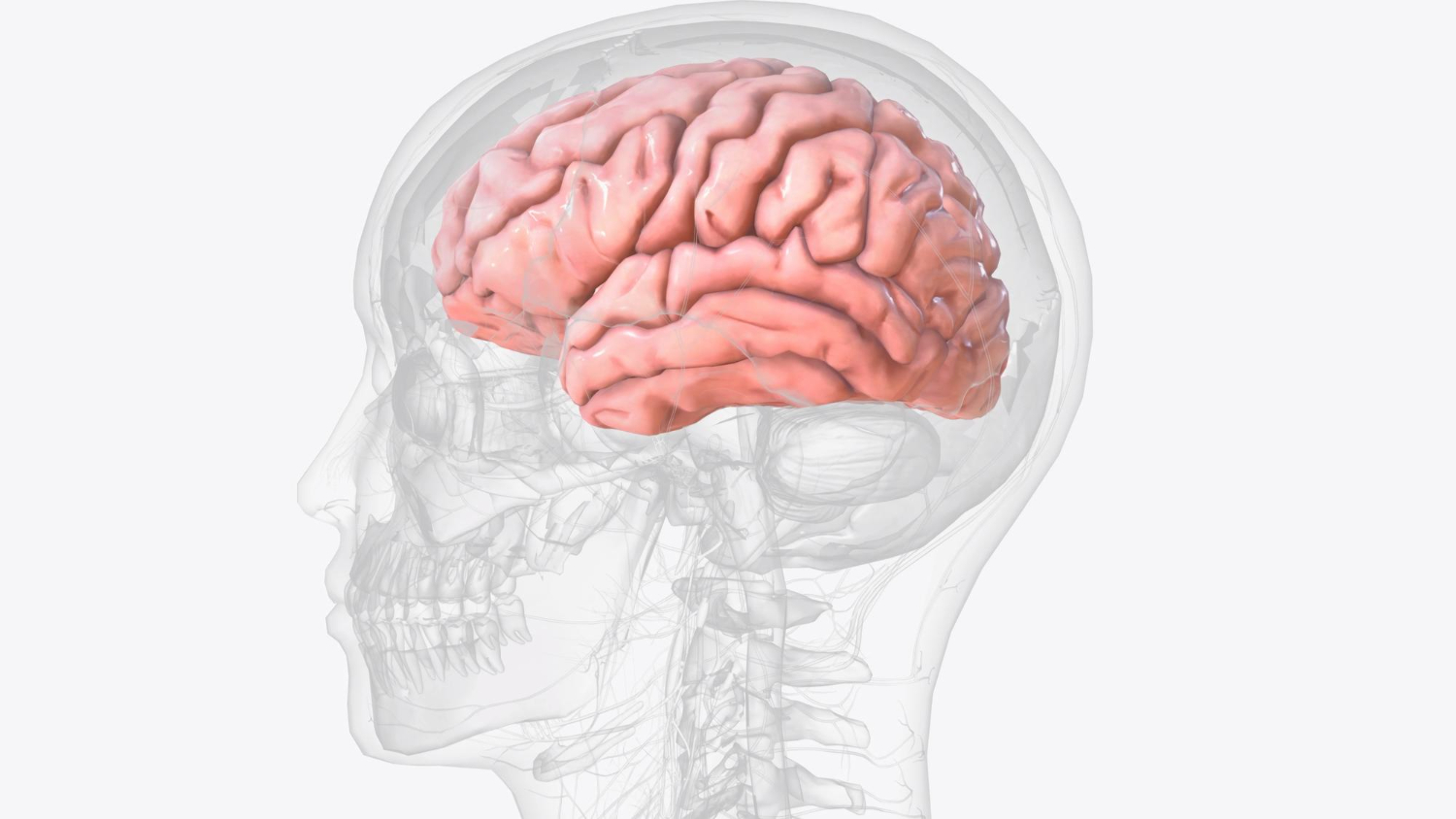
Try it. Run your fingers along your own ribs, or the sole of your own foot, using exactly the motion that would reduce you to helpless laughter if somebody else did it.
Nothing happens. You feel the touch, and it is unremarkable.
This is such a familiar failure that most people never think to ask why, but it is really odd. The nerves are the same, the skin is the same, the movement is the same. The only variable is who is doing it, and somehow that changes the sensation completely.
Aristotle puzzled over it, and the question sat unresolved for a very long time. The answer, when it arrived, turned out to explain something much larger than tickling: how your brain distinguishes what you did from what happened to you.
Two Kinds of Tickle
Before the explanation, a distinction that clears up a good deal of confusion, because “tickling” describes two different sensations.
The first is called knismesis. It is the light, feathery, creeping sensation of something moving across the skin — the feeling of a thread brushing your arm, or the suspicion that an insect is crawling on you. It is closer to an itch than to anything funny.
The second is gargalesis. This is the heavy, rhythmic, laughter-inducing kind, and it works only on particular parts of the body: the ribs, the armpits, the neck, the soles of the feet. It is, as researchers have noted, the only form of touch that reliably provokes laughter, which places it in a unusual position in human behaviour.
The distinction matters because the two behave differently. You can produce a mild version of knismesis on yourself — dragging a fingernail lightly across your own forearm does something. What is impossible is gargalesis. The laughing kind requires another person.
Like our content? Follow us for more.
The Prediction Machine
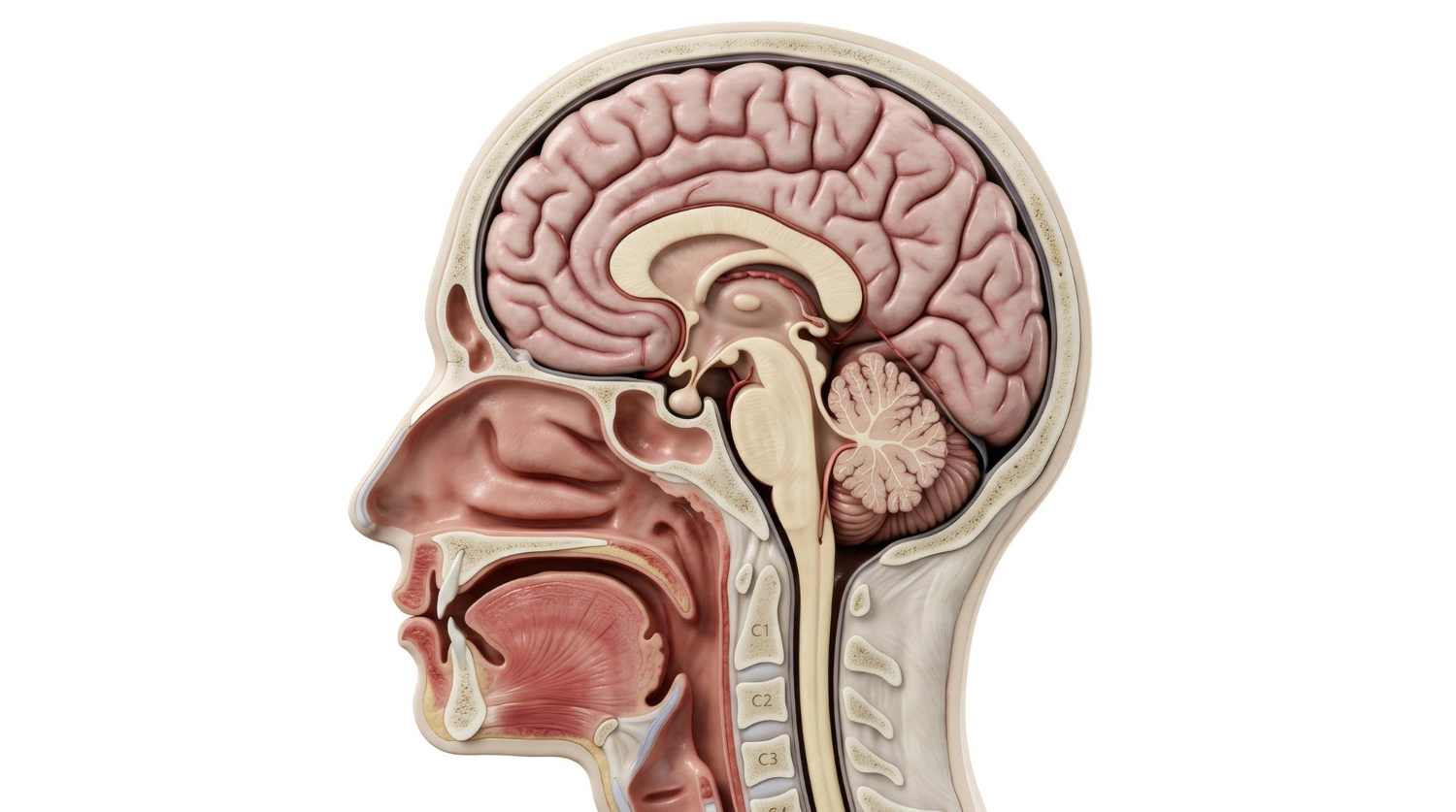
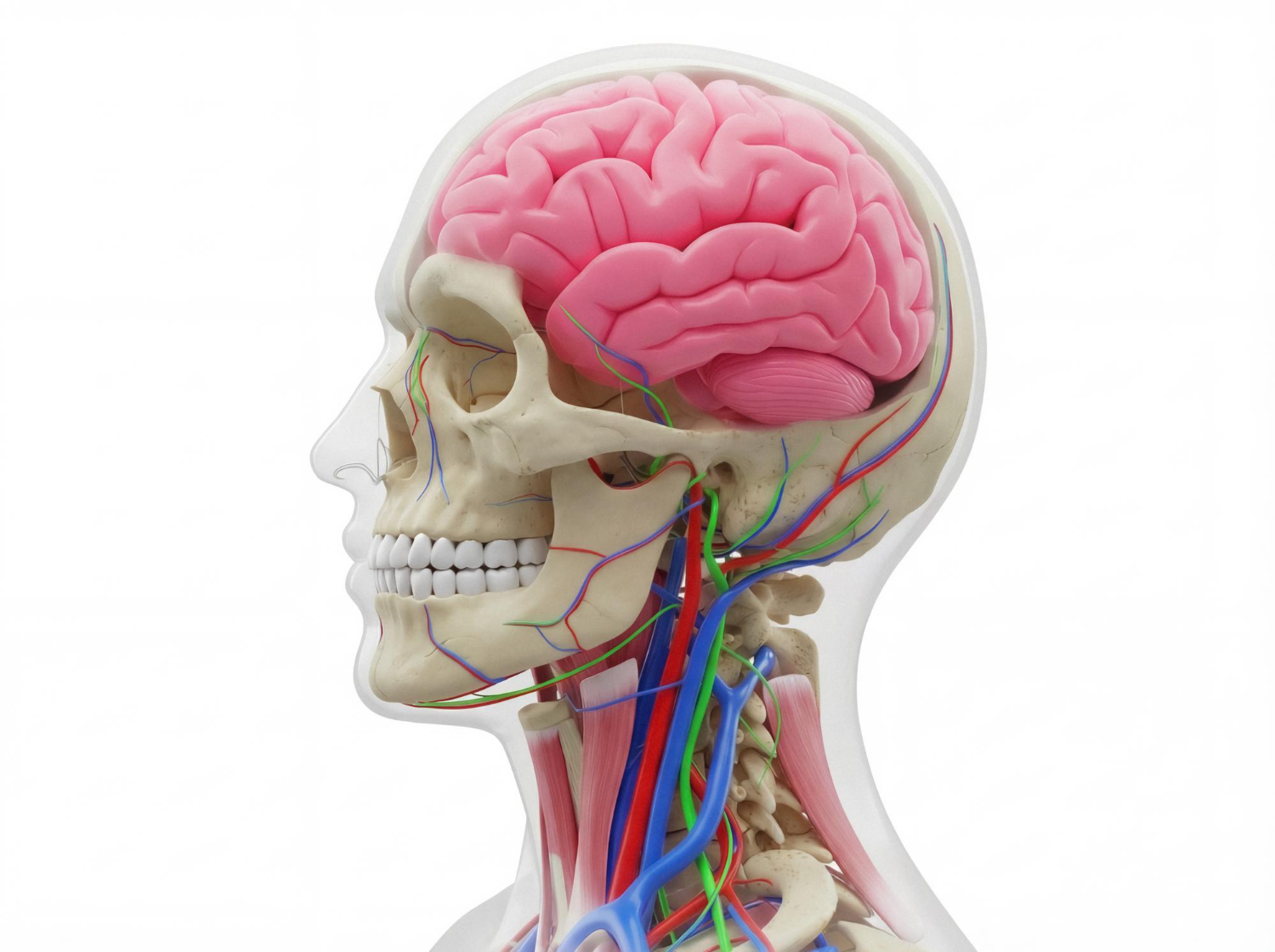
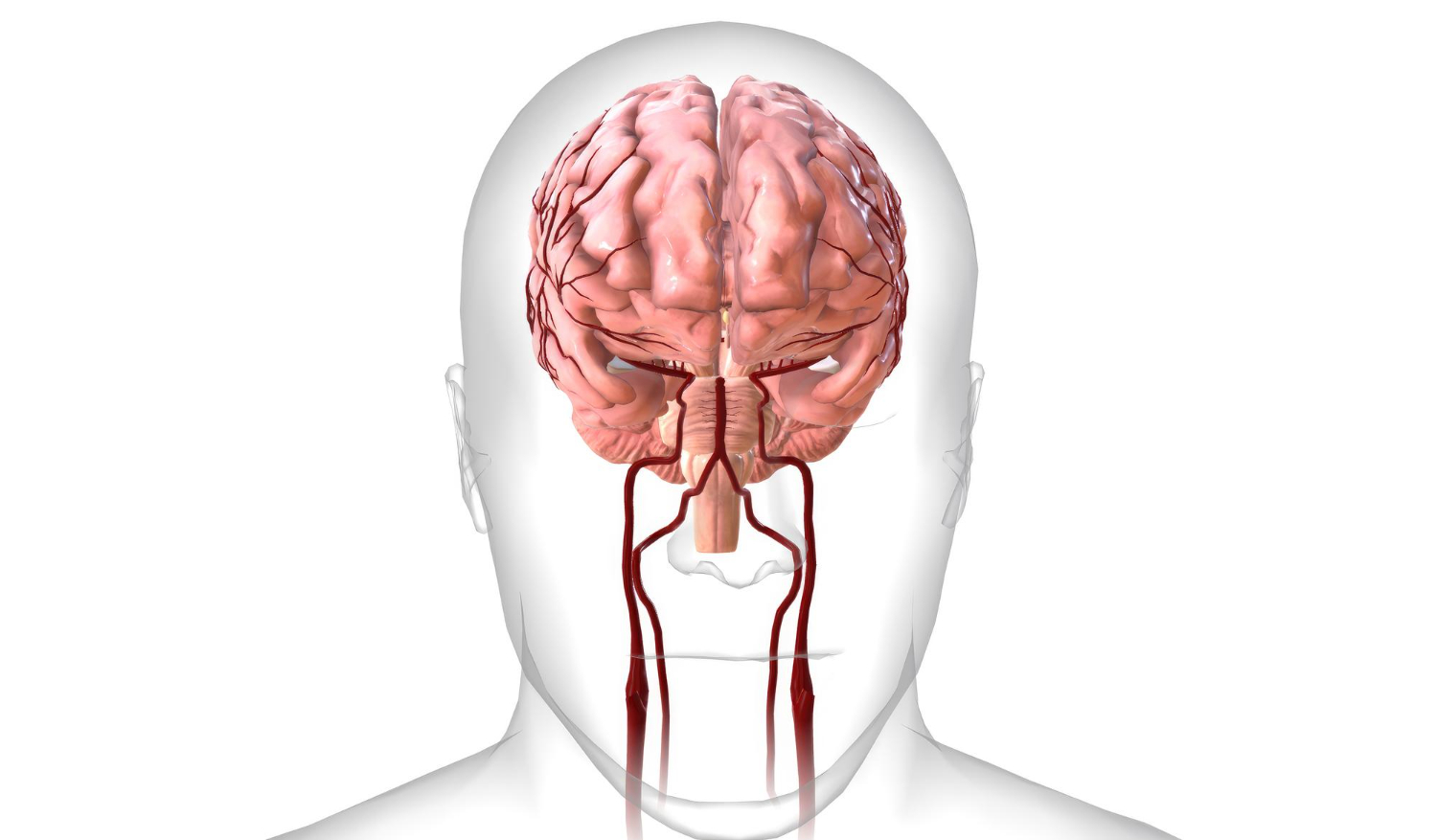
The explanation centres on the cerebellum, the structure at the back of the brain involved in monitoring and coordinating movement.
The clearest summary comes from Sarah-Jayne Blakemore, a neuroscientist who did much of the foundational work on this at University College London. Her account is that the cerebellum can predict sensations when your own movement causes them, but not when someone else does — and that when you try to tickle yourself, the cerebellum predicts the sensation and that prediction is used to cancel the response of other brain areas.
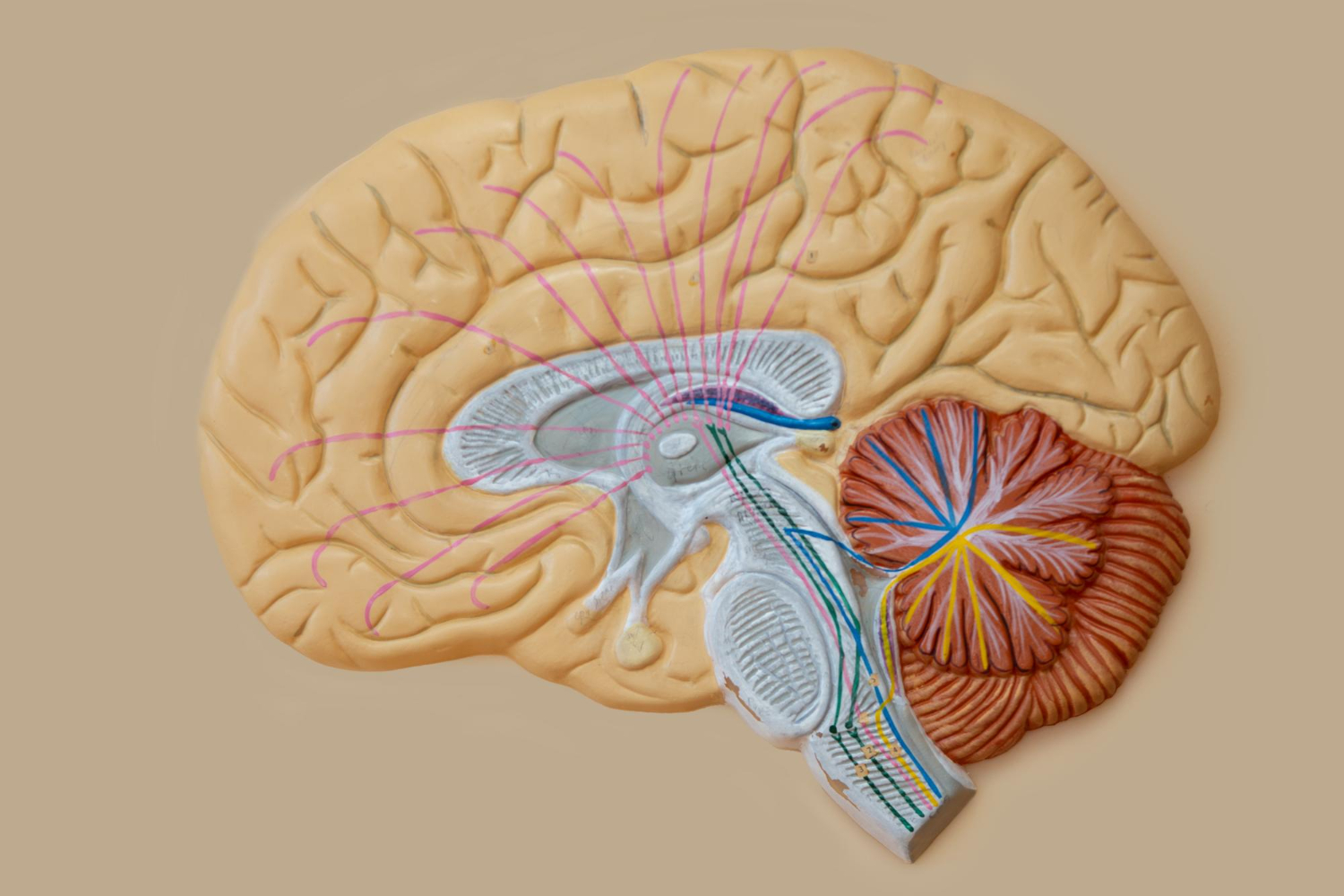
The mechanism is worth spelling out. Whenever you move a limb, the cerebellum generates a precise prediction of what that movement will produce, then sends what Blakemore has described as a shadow signal that damps down activity in the somatosensory cortex, where touch is processed.
The result is that self-generated touch arrives already anticipated, and the brain turns the volume down on it. Someone else’s touch arrives unpredicted, and the system flags it as external and worth attending to.
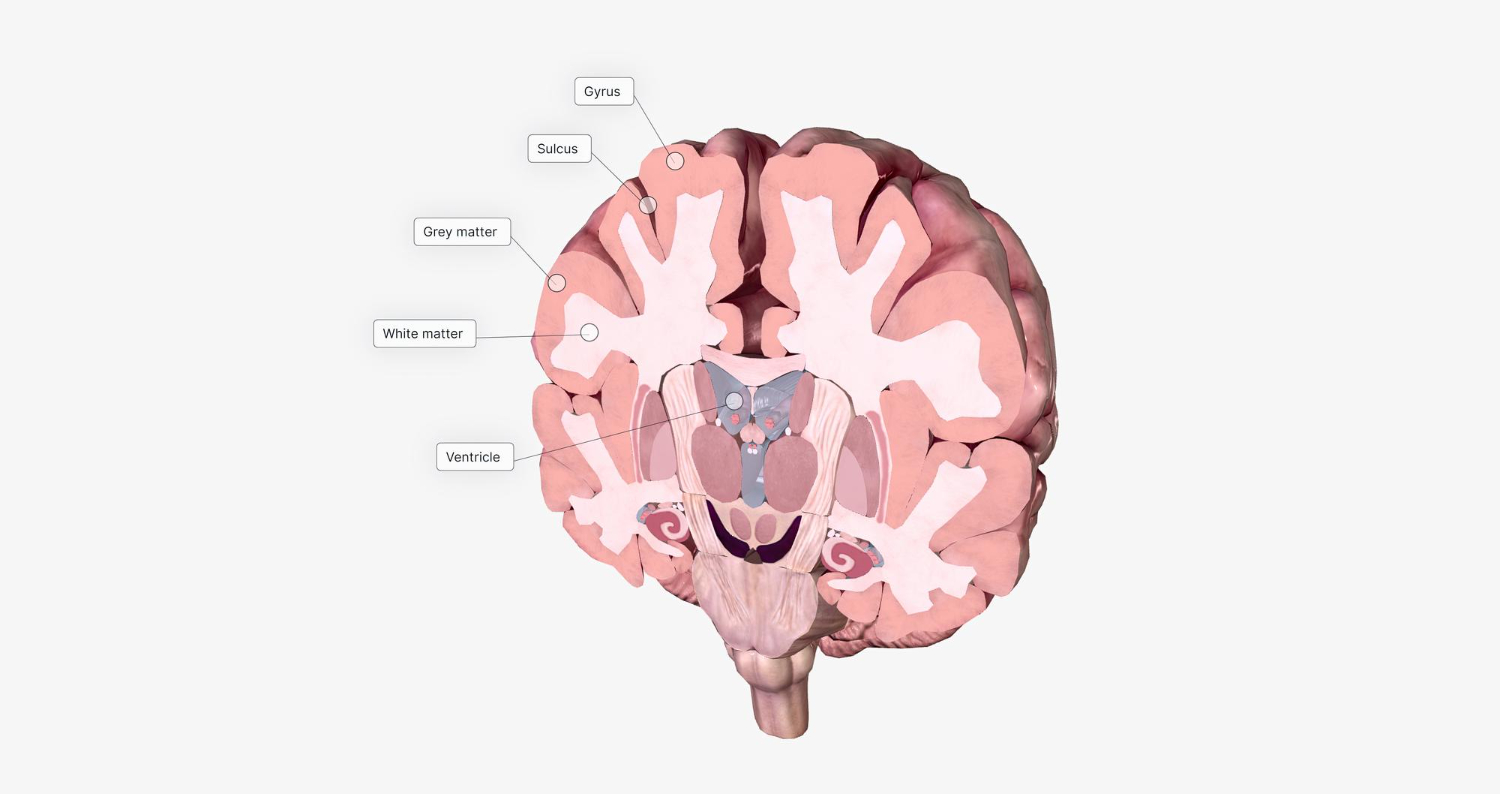
Brain imaging shows this directly. When another person touches your forearm, the sensory cortex on the opposite side of the brain responds strongly. During self-touch, that same region stays comparatively quiet, and deactivation extends across areas involved in touch, emotion and social processing.
Two regions in particular handle how tickling feels: the somatosensory cortex, which processes the touch itself, and the anterior cingulate cortex, which processes the pleasant component. Both are suppressed when you are the one doing it.
The Robot That Beat the System
The elegant part of the research is that the suppression can be defeated, and the way it was defeated proves the mechanism.
If the cancellation depends on an accurate prediction, then introducing a mismatch between what you do and what you feel should restore the sensation. That is exactly what was tested.
Researchers built an apparatus in which a participant moved one hand to control a device that delivered a tactile stimulus to the other palm. When the touch arrived immediately and along the expected path, it felt unremarkable — self-generated, cancelled.
Then they introduced a delay, and separately a rotation of the trajectory. The finding was that ticklishness increased as the delay grew and as the rotation increased. The larger the discrepancy between what the cerebellum predicted and what actually arrived, the less the sensation was attenuated and the more ticklish it became.
That is a clean experimental confirmation. The brain is not asking “did I move?” It is asking “does this match the prediction I made?” — and a fraction of a second of delay is enough to make the answer no.
What This Is Actually For
Tickling looks like a trivial thing for evolution to have built a dedicated mechanism around, and it did not. The suppression of self-generated sensation serves a much broader purpose.
Your body is producing sensory input constantly. Clothes moving against skin, your own footsteps, the feeling of your tongue in your mouth, the sound of your own voice. If all of that arrived at full intensity, the actually important signals — something touching you that you did not expect — would be buried in noise.
So the brain suppresses what it predicted and highlights what it did not. Self-generated sensation gets damped; unexpected sensation gets flagged. That is an enormously useful filter, and the inability to tickle yourself is simply a side effect of it working correctly.
The same system underlies a broader function: distinguishing self from other. Knowing which sensations you caused and which came from outside is foundational to having a coherent sense of agency, and it operates below conscious awareness at every moment.
There is a documented clinical dimension here. Research has found that this predictive mechanism operates differently in some people experiencing certain perceptual symptoms associated with schizophrenia, which has made self-tickling a small but very useful research tool. That is a finding about a specific mechanism in a clinical research context, and nothing about it says anything diagnostic about anyone reading this.
The Same System, Everywhere Else
Once you know what the cerebellum is doing during a failed self-tickle, you start noticing it operating constantly.
Your own voice is the clearest example. Recordings of yourself sound wrong partly because of bone conduction, but also because speech you produce is predicted and attenuated as you make it, while a recording arrives unpredicted and at full volume.
The same applies to sound more generally. Your own footsteps, your own chewing, the rustle of your own clothes — all of it is suppressed relative to the identical sound produced by someone next to you, which is why another person eating an apple is far more intrusive than eating one yourself.
Touch works the same way throughout. You do not feel your clothes against your skin most of the time, because that sensation is continuous, predicted and therefore filtered out. It returns the moment something unexpected brushes against you.
Even the eyes participate. When your gaze jumps from one point to another, the world does not appear to smear, because the visual input during that movement is suppressed by a prediction that you moved rather than the room did.
Tickling is simply the most obvious case, because it is the one where the suppression produces a difference you can demonstrate to someone in about two seconds.
Why It Takes Two
There is a social dimension that the neuroscience does not fully explain, and it is worth noting because it is part of the answer.
Gargalesis appears to be fundamentally a two-person behaviour. It depends on mood and context in a way that few sensations do: being tickled by someone you trust in a playful moment produces laughter, while the same touch from a stranger in the wrong circumstances is unpleasant.
One long-standing proposal is that tickling functions as a kind of mock combat — that it trains children to defend vulnerable areas such as the neck, armpits and ribs during play-fighting, which would explain both why those specific sites are ticklish and why the response is defensive writhing combined with laughter.
That remains a hypothesis rather than an established fact, and researchers continue to work on the neuroscience of ticklishness and playfulness.
What is established is the prediction mechanism, and it produces a satisfying resolution to Aristotle’s puzzle. You cannot tickle yourself because tickling requires the brain to register a touch as unpredicted and external, and your own hand is neither.
The next time somebody tickles you and you find yourself laughing helplessly and slightly resenting it, what is actually happening is that a prediction system running silently in the back of your skull has failed to anticipate an incoming touch, flagged it as coming from outside, and passed it through at full volume. Which it does thousands of times a day without you noticing — this is just the one occasion where the result is undignified.
Like our content? Follow us for more.
