A grand hotel lobby is a piece of architecture the public was always meant to walk into. These twelve have histories worth knowing and interiors worth seeing, and in most cases a pot of tea buys you an hour inside. Here they are.
1. Raffles, Singapore
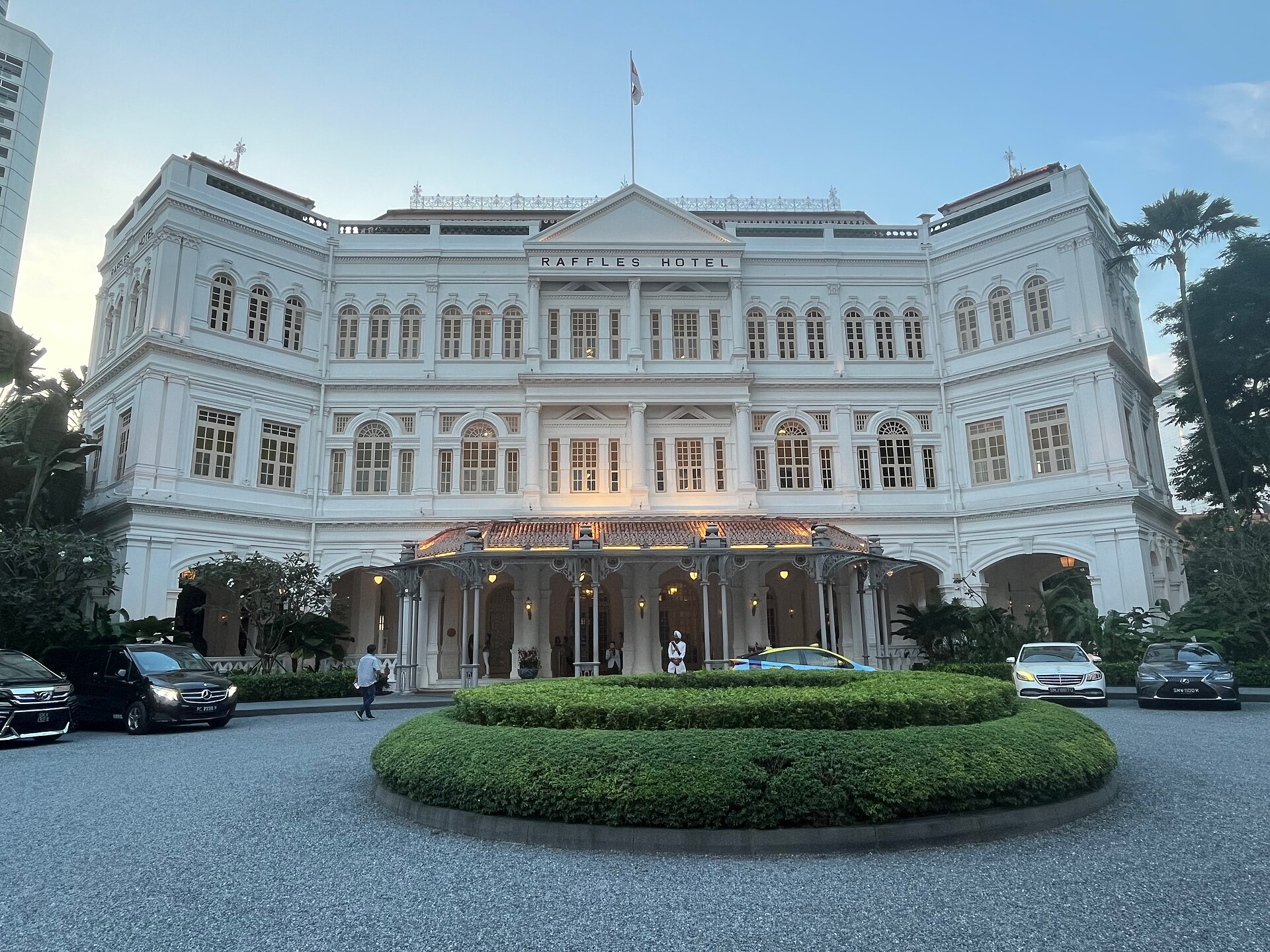
A colonial-era hotel built in the late nineteenth century, with a white arcaded facade, courtyards and a long association with writers who stayed there.
It has been extensively restored, and while much of the property is for residents, public areas and its bars remain accessible. Its history is complicated and worth reading about. Raffles is the historic hotel most closely tied to the literature of an era.
Like our content? Follow us for more.
2. Hotel Sacher, Vienna, Austria
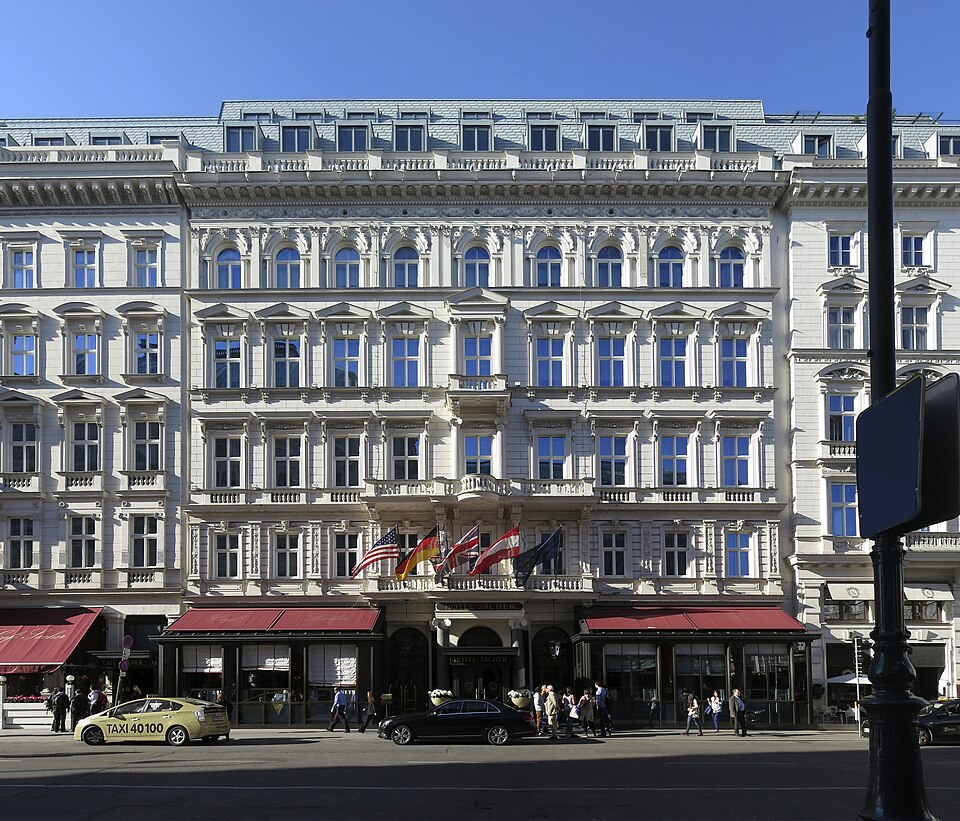
A nineteenth-century hotel opposite the opera house, known internationally for a chocolate cake whose recipe has been the subject of a long legal dispute.
The café is open to the public and is an institution in its own right, though queues are common. The interiors are richly Viennese. The Sacher is the historic hotel with its own contested dessert.
3. Pera Palace, Istanbul, Turkey
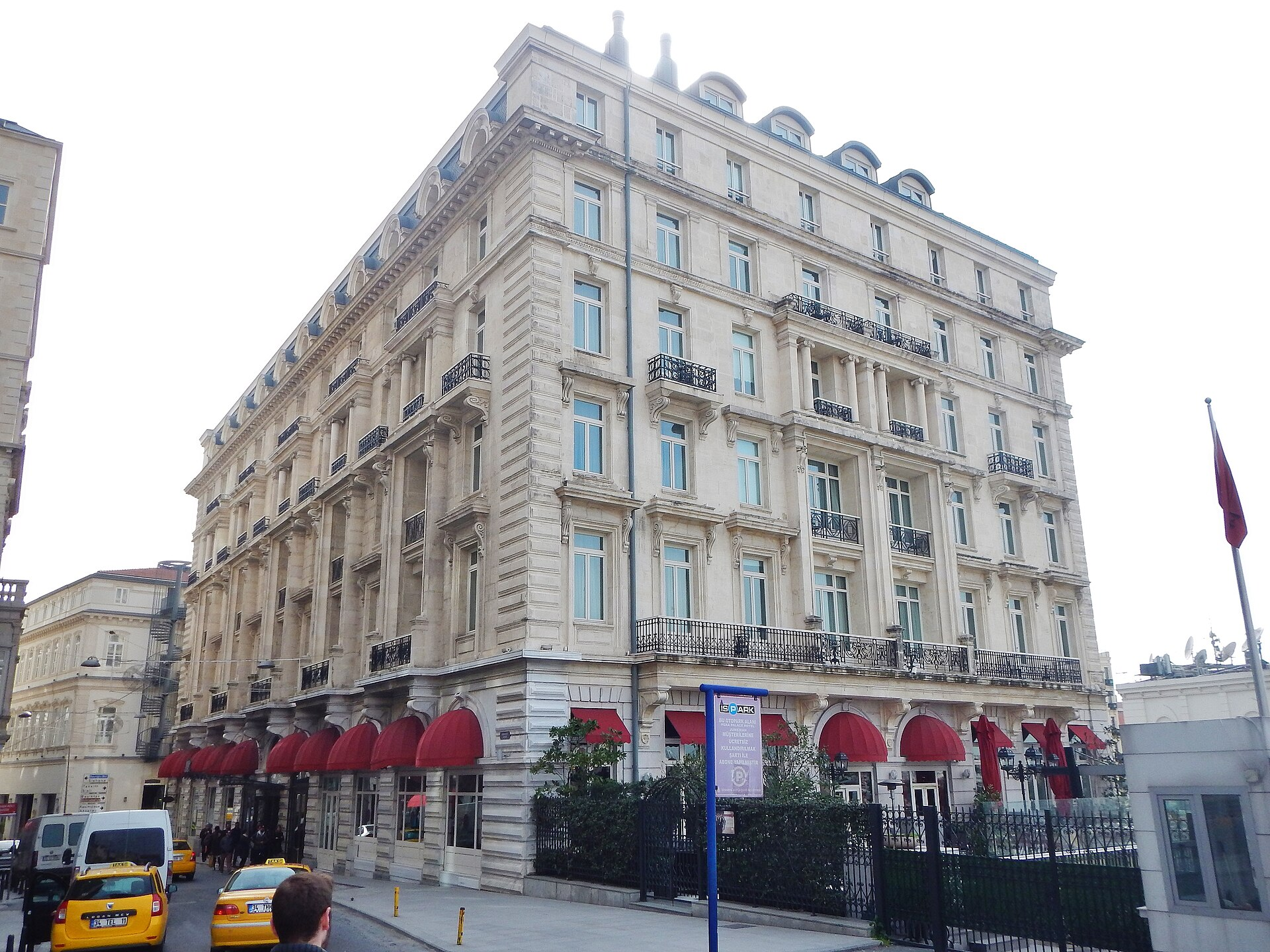
Built in the late nineteenth century to accommodate passengers arriving on a famous long-distance train service, with a wrought-iron lift and period interiors.
It has a long association with writers and diplomats, and a museum room is maintained within the hotel. The bar is open to visitors. Pera Palace is the historic hotel built specifically to receive one railway line.
4. Grand Hotel, Mackinac Island, Michigan, USA
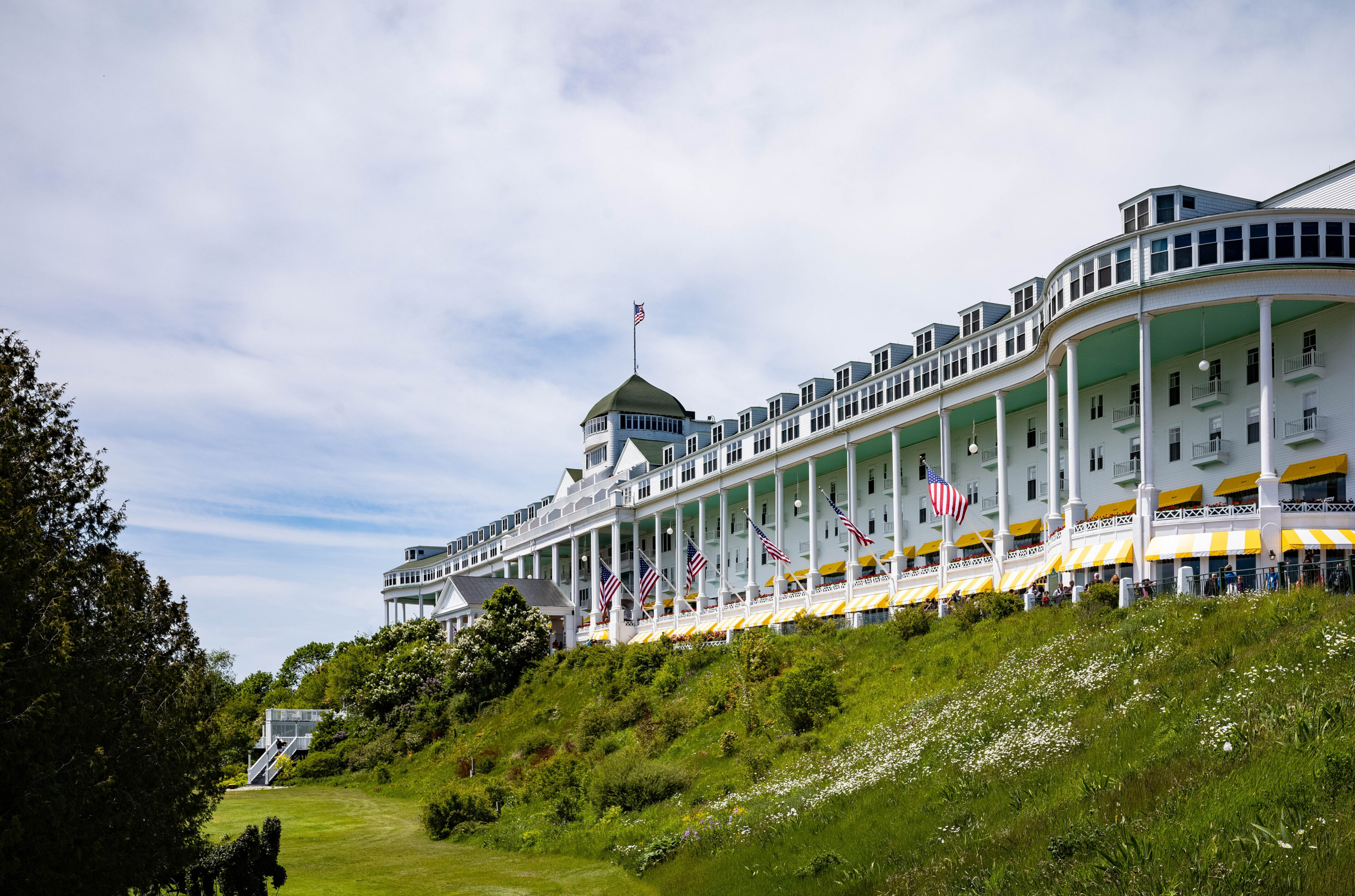
A vast white clapboard resort with an exceptionally long front porch, on an island where motor vehicles are largely prohibited and transport is by horse or bicycle.
Non-residents are typically charged an admission fee to enter the grounds and public areas, which is unusual and worth checking before arriving. The Grand Hotel is the historic hotel you reach without a car.
5. Hotel Negresco, Nice, France
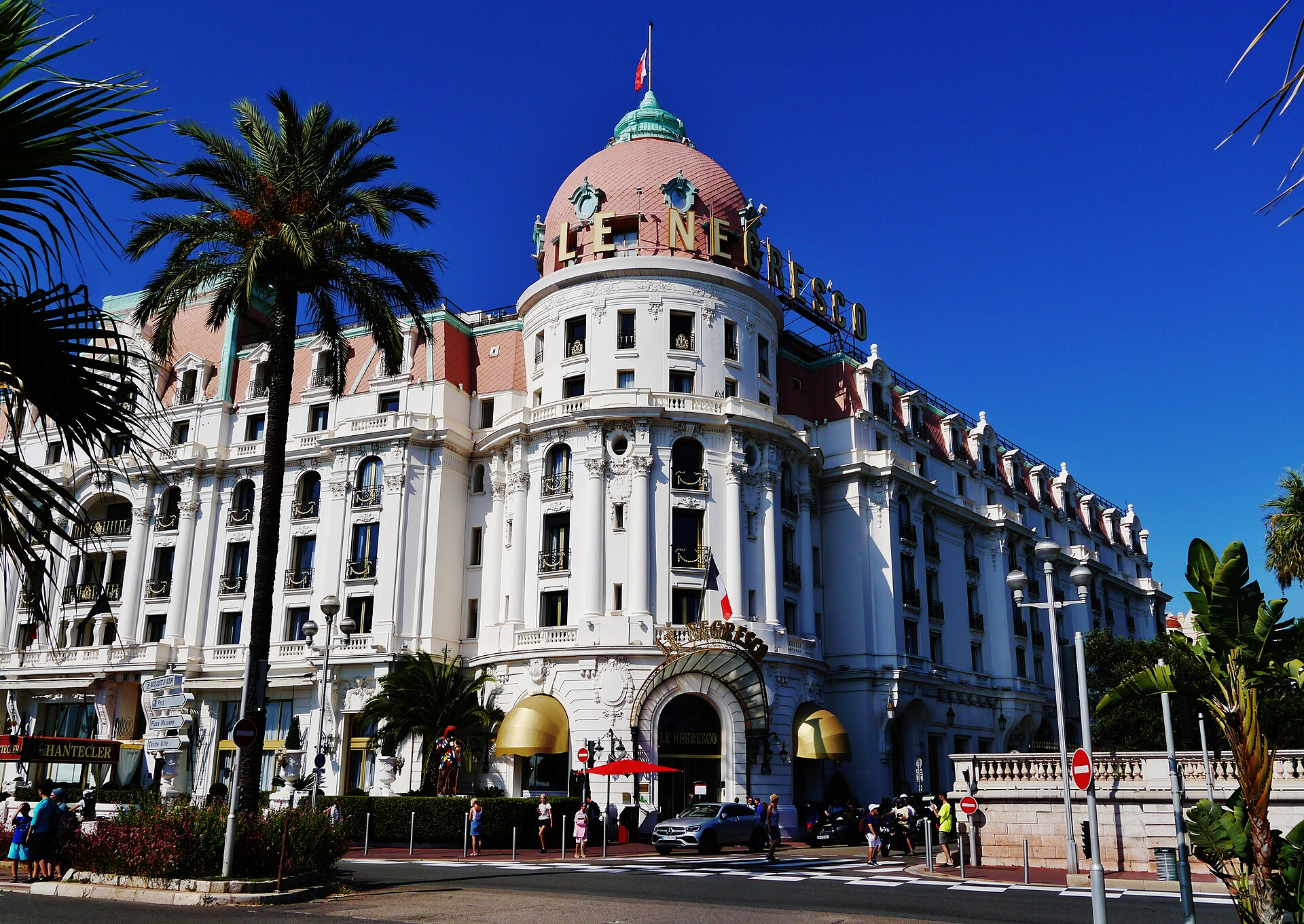
A belle époque hotel on the Promenade des Anglais with a distinctive pink dome, opened just before the First World War.
Its interiors house a substantial art collection, and the building itself is protected as a historic monument. The bar is accessible. The Negresco is the historic hotel that doubles as a gallery.
6. Hotel del Coronado, California, USA
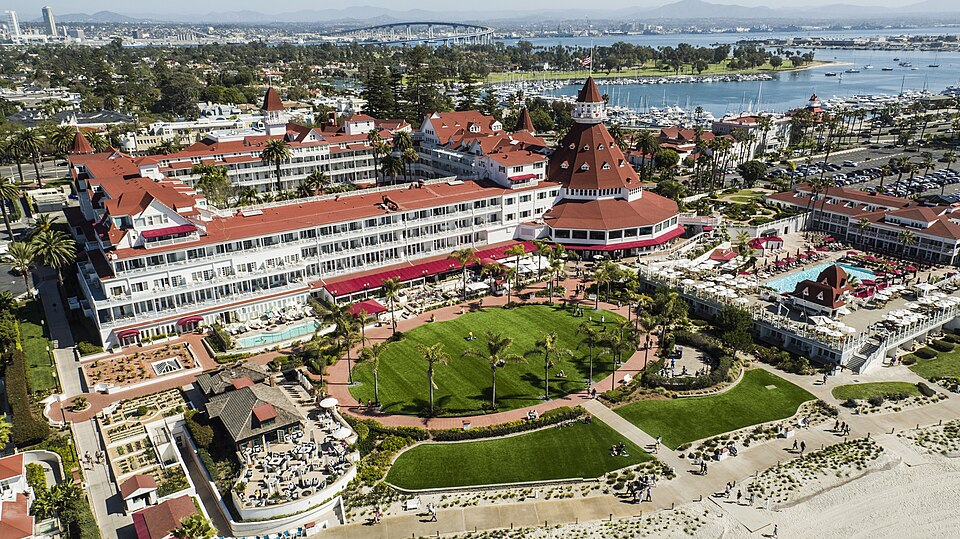
A wooden Victorian seaside resort near San Diego, opened in the 1880s, with red turrets and a long association with film.
It is enormous, largely built of timber, and open enough that visitors regularly walk the grounds and the beach frontage. Tours are sometimes offered. The Del is the historic hotel most recognisable from the outside.
7. Reid’s Palace, Madeira, Portugal
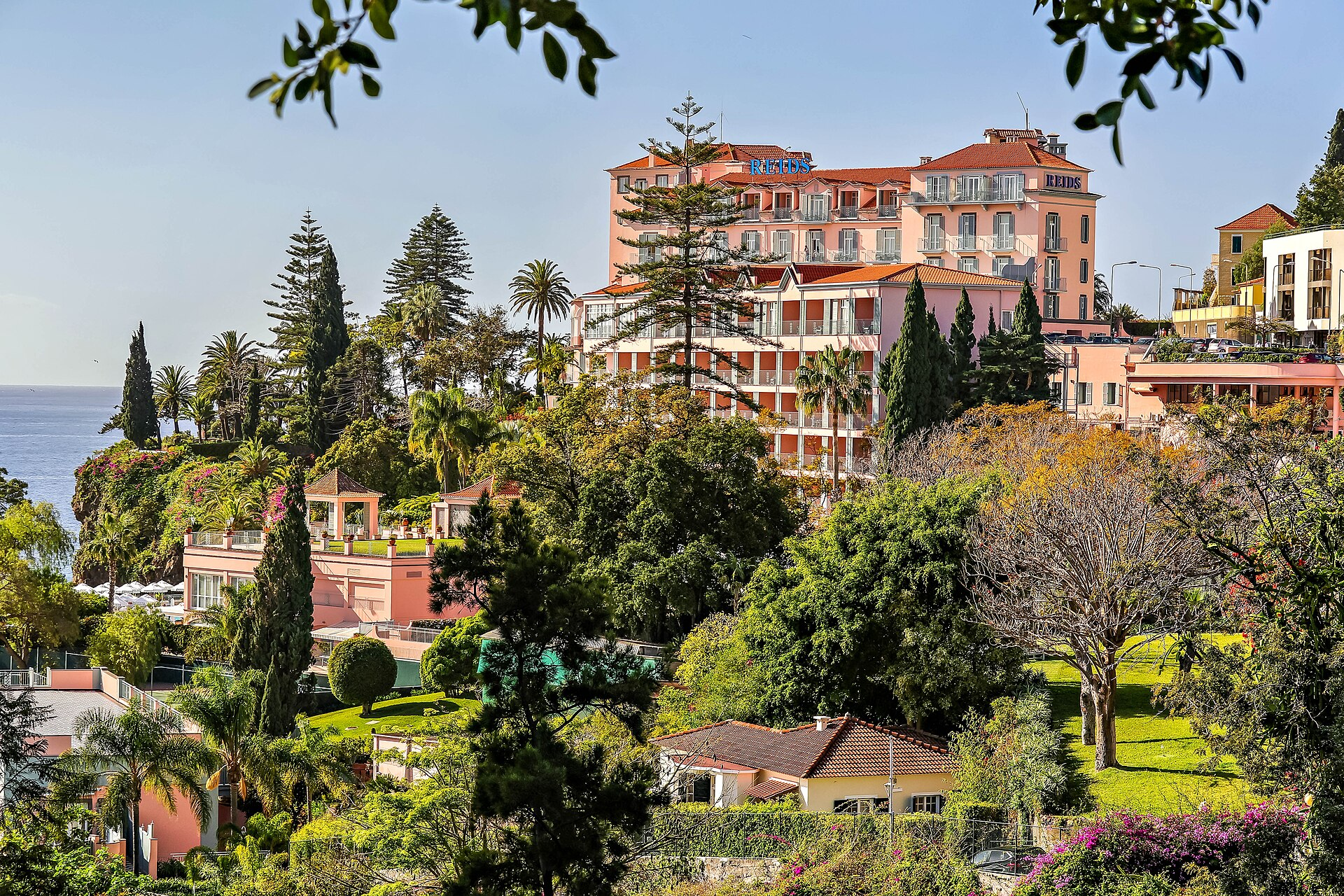
A clifftop hotel above Funchal, opened at the end of the nineteenth century, known for terraced gardens overlooking the Atlantic.
Afternoon tea on the terrace is a long-running tradition open to non-residents, usually with a dress code and booking required. Reid’s is the historic hotel where the terrace is the main event.
8. Hotel Continental Saigon, Vietnam
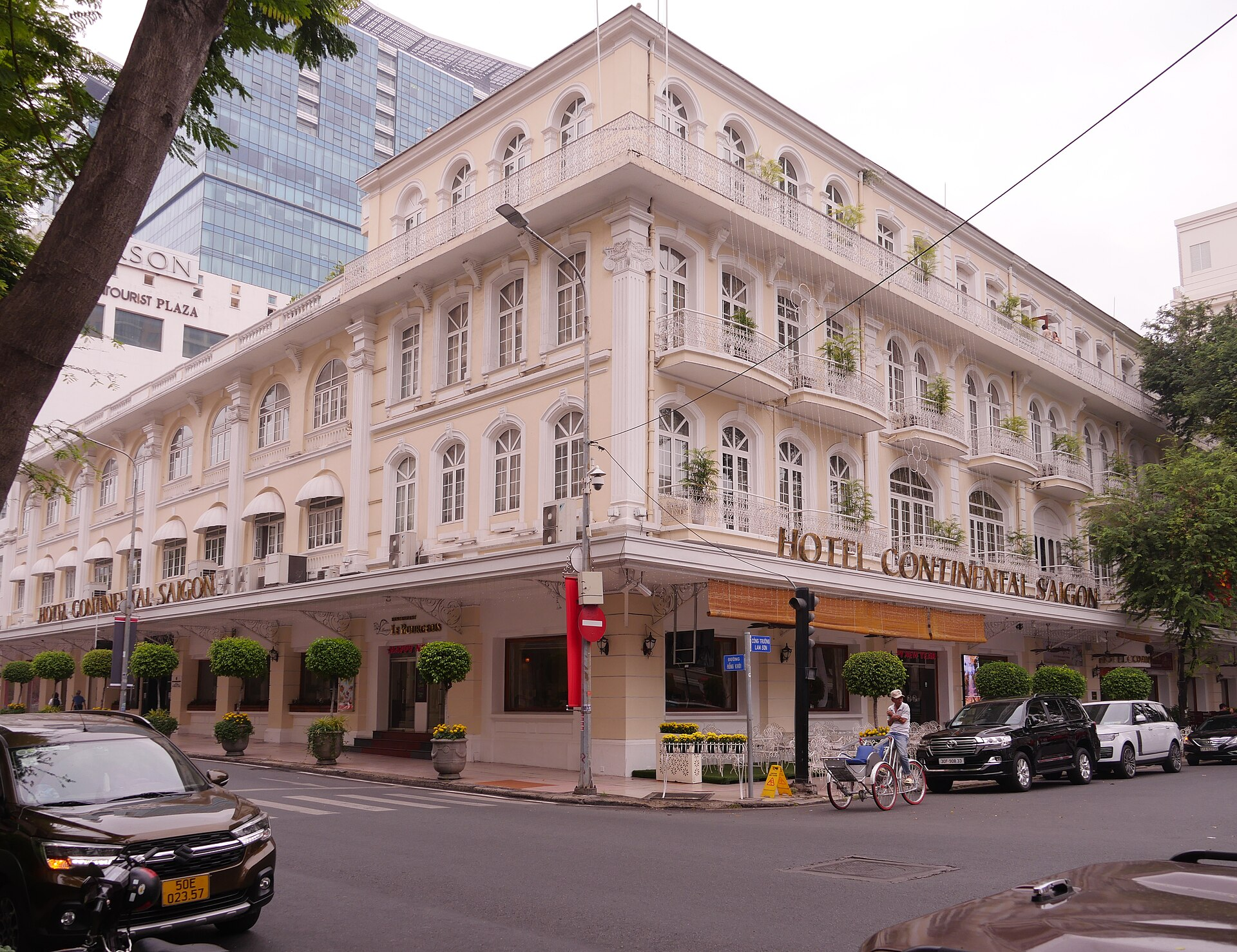
Opened in the 1880s in Ho Chi Minh City, a colonial-era building with a shaded terrace that was a well-known gathering place for correspondents.
The architecture is French colonial and the location central, opposite the opera house. Its twentieth-century history is significant. The Continental is the historic hotel whose terrace features in a great deal of reportage.
9. The Peninsula, Hong Kong
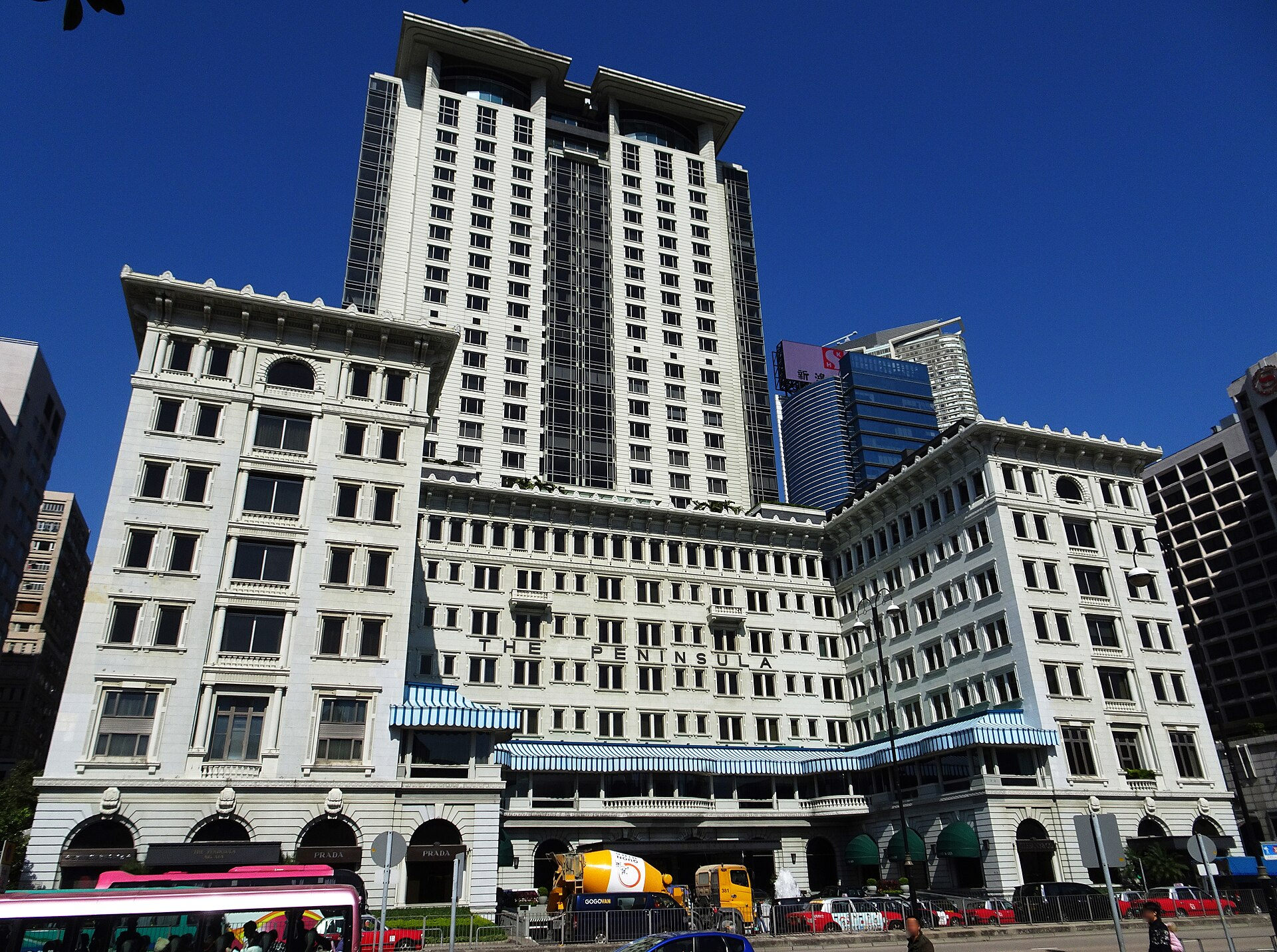
Opened in the late 1920s, with a colonnaded lobby where afternoon tea is served to a string ensemble, and a long-standing fleet of green cars.
Tea is open to non-residents, does not usually take bookings, and the queue is part of the ritual. Dress codes apply. The Peninsula is the historic hotel where the lobby is the attraction.
10. Hotel Danieli, Venice, Italy
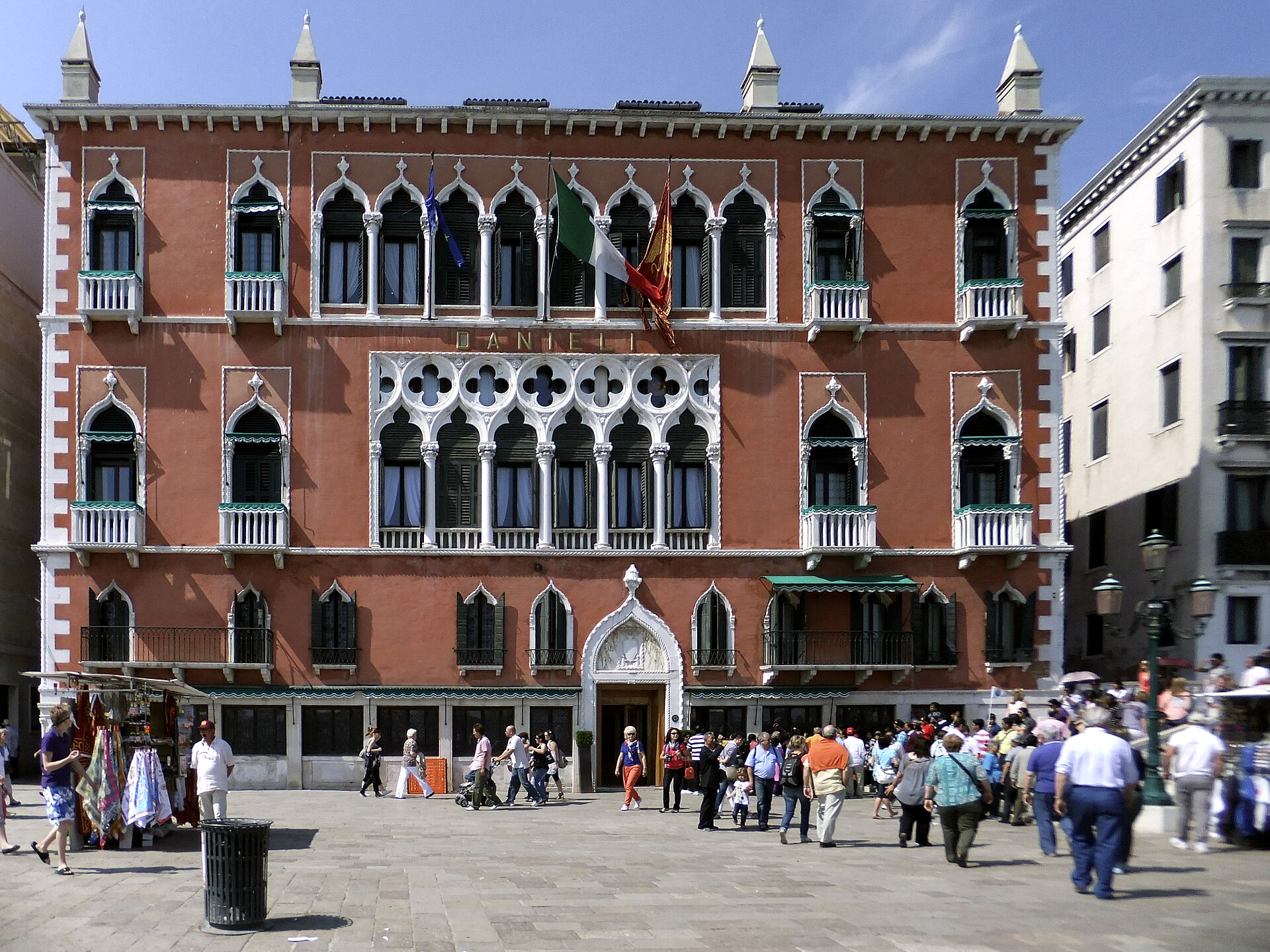
A hotel occupying a Gothic palace near St Mark’s Square, with a courtyard staircase that is among the most photographed hotel interiors in Europe.
Public access varies with renovation work and hotel policy, so checking current arrangements matters. The Danieli is the historic hotel built inside a fourteenth-century palace.
11. The Convent Hotels of Cusco, Peru
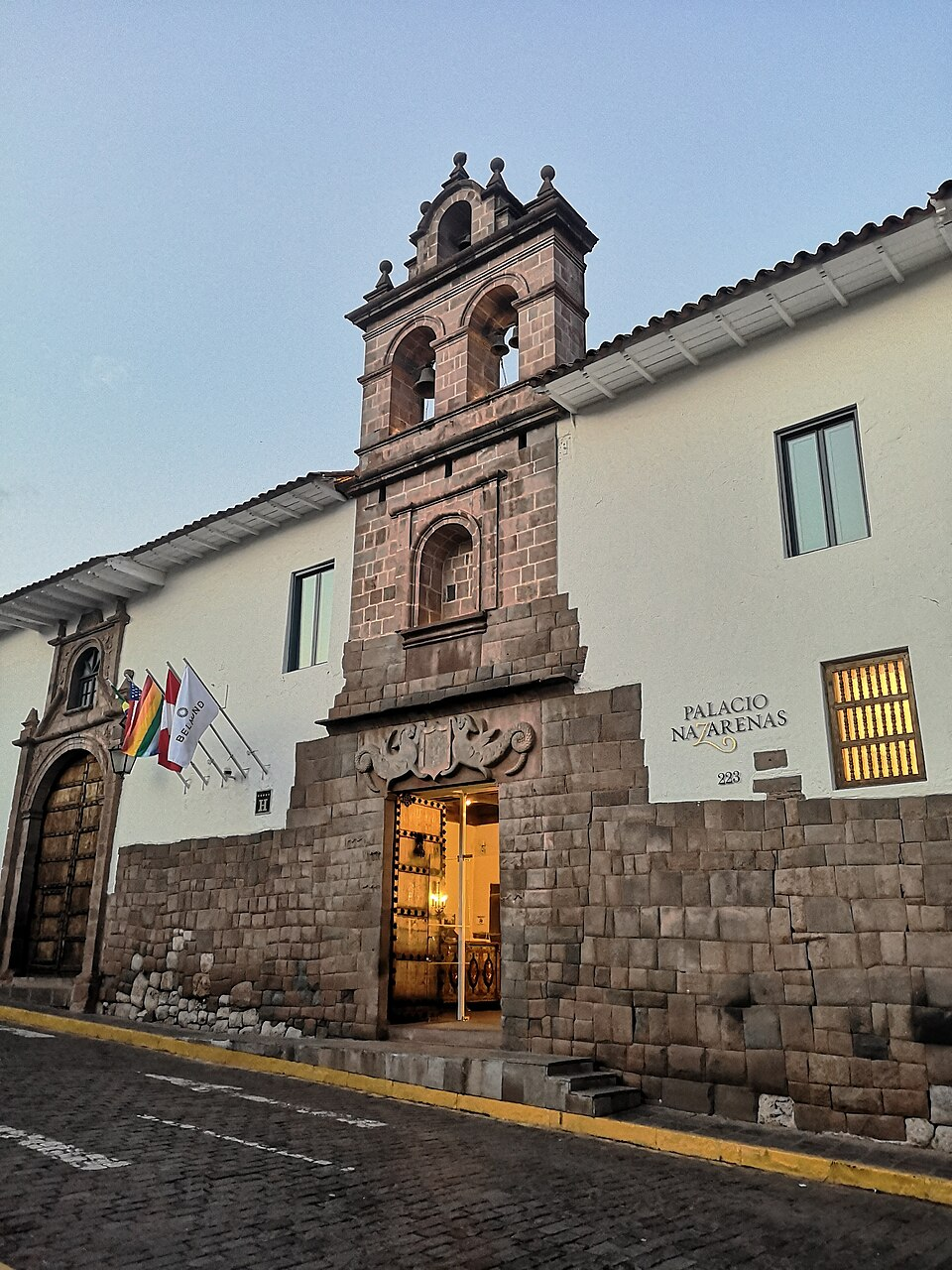
Several historic properties in Cusco and the Sacred Valley occupy former monasteries and colonial buildings, with cloisters and courtyards open to visitors.
Converted religious buildings retain original stonework and gardens, and some maintain small museum displays. Altitude affects some visitors. The Cusco convent hotels are the historic hotels where the building predates the hospitality by centuries.
12. Britain’s Railway Hotels
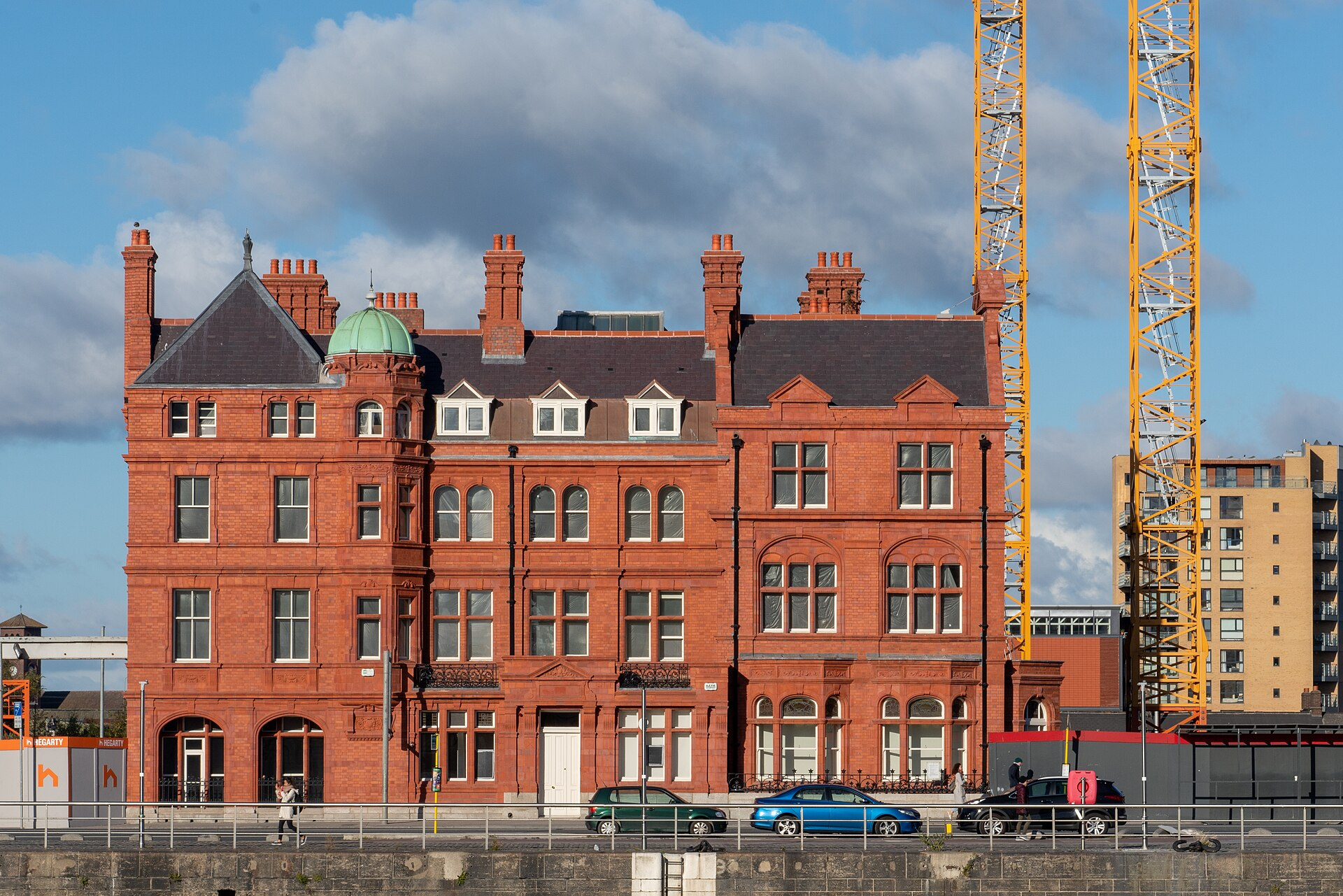
Britain’s railway companies built grand hotels beside their stations and at resort destinations, and many survive as working hotels with original public rooms.
They were designed to impress arriving passengers, so the lobbies, lounges and staircases were the point. Afternoon tea is the usual way in. The railway hotels are the historic hotels built as advertisements for train travel.
Buildings That Expected Visitors
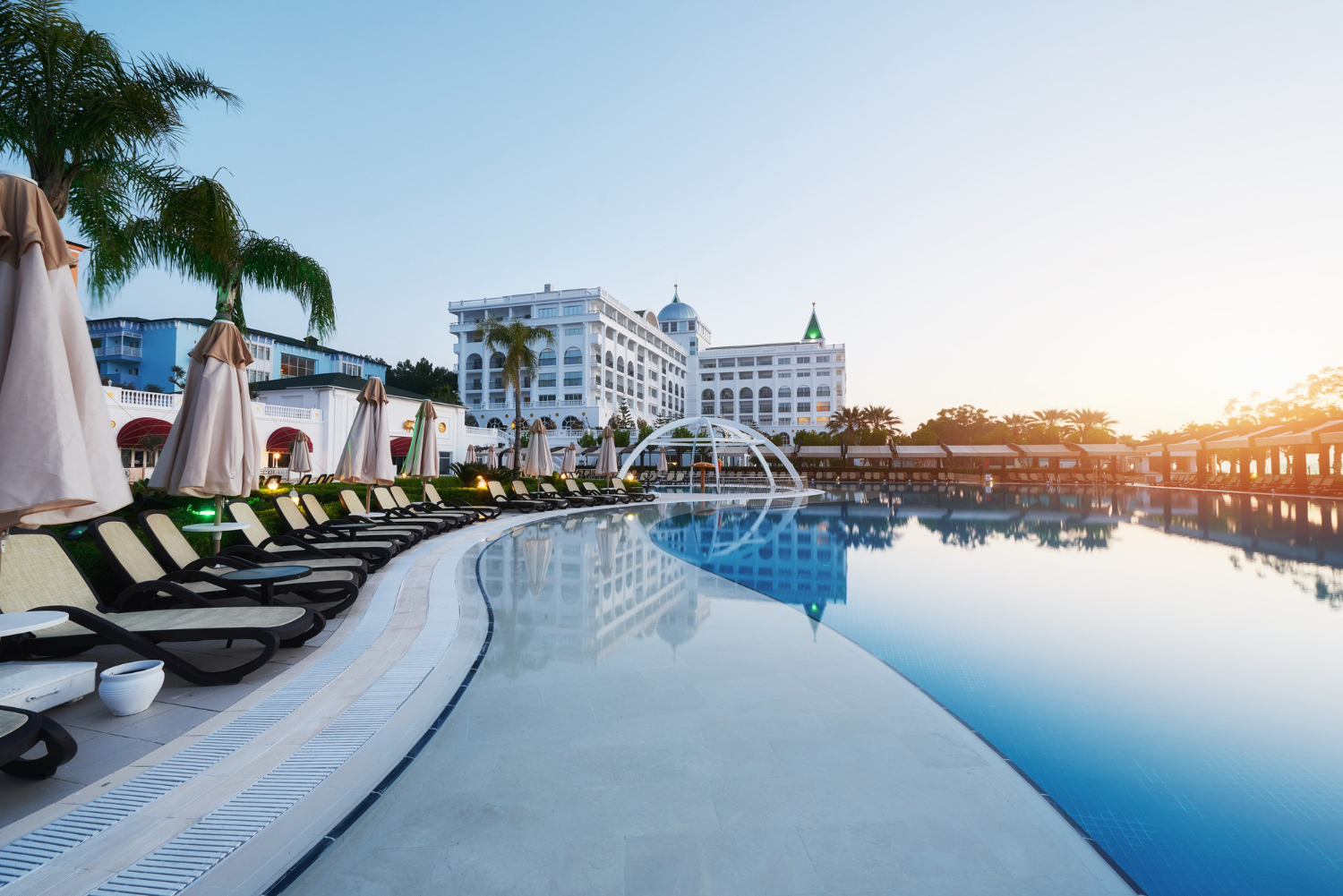
These were public buildings with bedrooms attached. The lobbies, tea rooms and staircases were designed to be walked through and looked at, which is why so many still allow it.
A few practical notes: policies on non-resident access vary widely and change, several of these require booking for tea or have dress codes, some charge admission, and renovation regularly closes public areas. Check the hotel’s current arrangements before travelling, dress appropriately, and buy something. Do that and you get an hour inside a building most people only see from the pavement.
Like our content? Follow us for more.