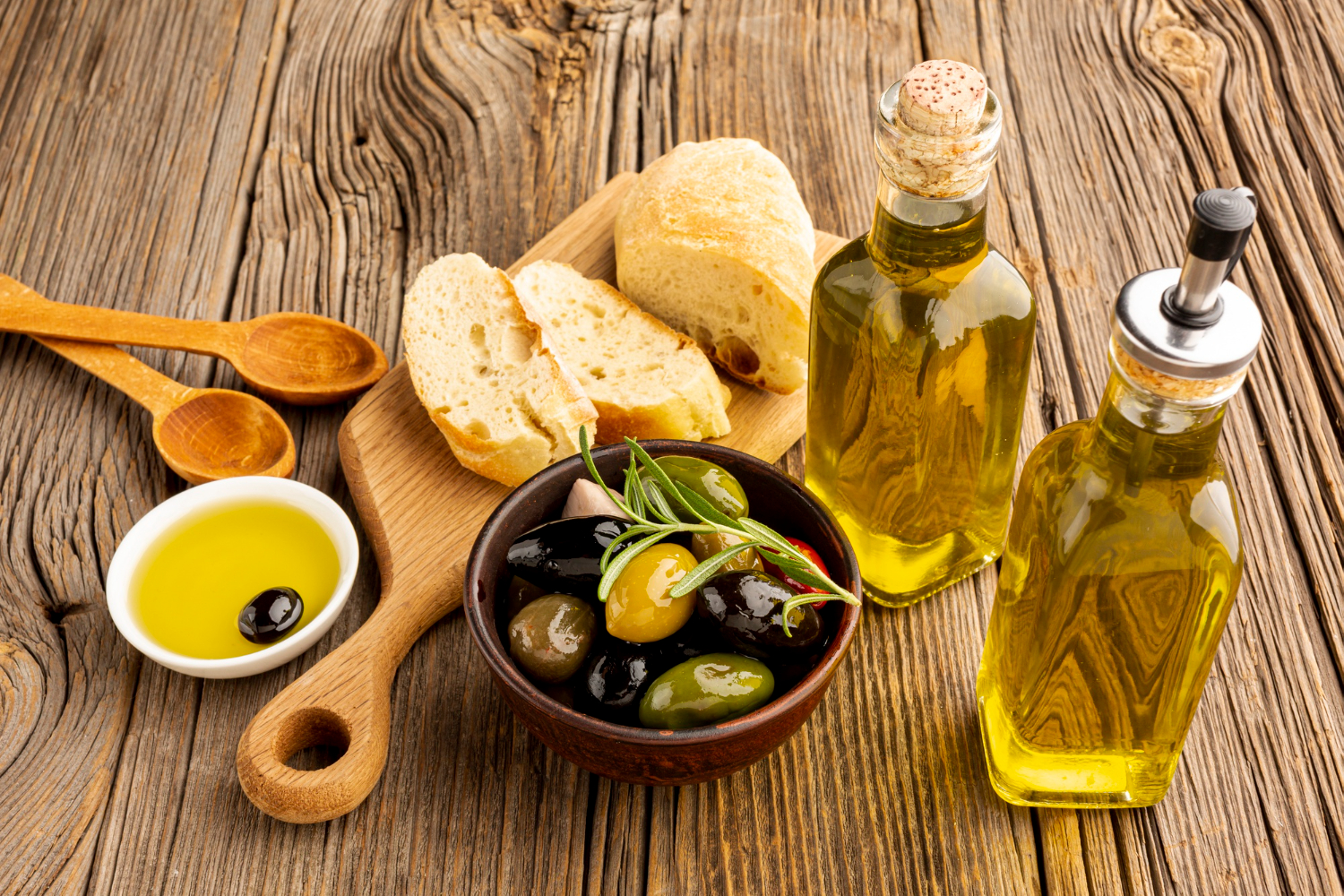
Olive oil occupies a strange position in the supermarket. It is one of the few products where the packaging carries a technical classification most shoppers have never had explained, and where the price range for apparently identical bottles spans an order of magnitude.
Most people treat “extra virgin” as a marketing flourish, roughly equivalent to “premium” or “finest.” It is nothing of the sort. It is the top grade in a defined system, with specific chemical and sensory requirements, and a bottle either meets them or does not.
A substantial body of testing suggests a great many bottles do not. Understanding why requires knowing what the grade actually means, and the reasons turn out to be more mundane and more fixable than the fraud headlines suggest.
Here is what the labels mean and what the testing found.
What the Grade Actually Requires
Extra virgin is the highest grade of olive oil, and qualifying involves both how the oil is made and what it measures.
On production, the oil must be extracted mechanically — pressed or centrifuged — without excessive heat and without chemical solvents. That is what “virgin” denotes in this context: no chemical refining.
On measurement, the oil must meet thresholds on several parameters. Free acidity must fall below a defined low limit. Peroxide value, an indicator of oxidation, must sit below its own ceiling. Ultraviolet absorbency measurements must fall within specified ranges. And the oil must pass a sensory panel: trained tasters assess it for defects, and any detectable defect disqualifies it.
That last requirement is unusual in food regulation. Extra virgin status depends partly on a human panel finding no fault, which means the grade encodes flavour as well as chemistry.
Below extra virgin sit other grades. Virgin olive oil is also mechanically extracted but permits higher acidity and some sensory defects. Plain “olive oil” is typically refined oil blended with a small proportion of virgin oil to restore flavour. Refined oil has been chemically treated to remove defects.
Terms outside this system carry little meaning. “Cold pressed,” “pure” and “light” are not grades — “light” in particular refers to flavour and colour rather than calories, which is a common misunderstanding.
Like our content? Follow us for more.
What the Testing Found
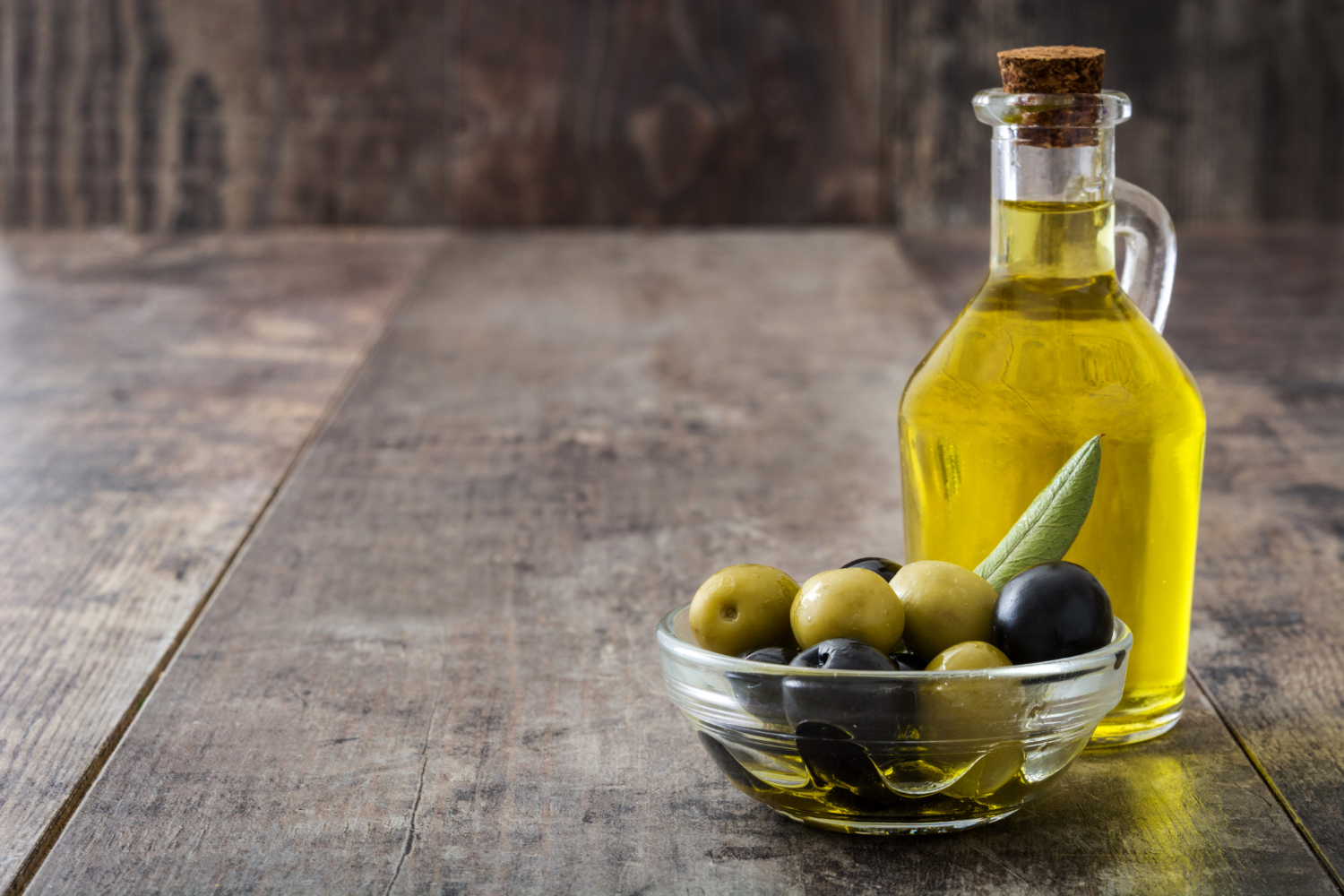
The most-cited research comes from the UC Davis Olive Center, which tested extra virgin olive oil samples bought from major California retailers.
The results were striking. Among imported brands, roughly 69 percent of samples failed to meet international standards for the extra virgin classification. A follow-up study reported a comparable failure rate across a larger set of samples from top-selling imported brands.
Californian producers fared substantially better, with around 10 percent failing — a difference the researchers connected to shorter, simpler supply chains.
Figures circulating in popular coverage run higher still, with claims of 75 to 80 percent frequently repeated. Those numbers should be treated with more caution; they often trace back to media reporting rather than to the underlying studies, and much of the commentary on this subject comes from companies selling olive oil, which is a reason for scepticism in both directions.
What the failures consisted of is the important part, and it is where the popular framing goes wrong.
Mostly Not Fraud
The word attached to this subject is usually “fraud,” implying bottles of sunflower oil dyed green. That does happen, and it has been prosecuted. But it is not what most failures are.
The UC Davis failures fell into a few categories: oils that had oxidised and gone stale or rancid; oils showing signs of blending with other vegetable oils; and oils that simply missed the chemical thresholds for acidity or peroxide value.
Separately, the US Food and Drug Administration tested a set of samples from retailers and found no confirmed adulteration with non-olive oils — suggesting that outright substitution is less common than degradation and mislabelling.
That distinction matters enormously. A bottle can fail the extra virgin standard while containing nothing but olive oil, simply because the oil is old, was stored badly, was made from poor fruit, or was exposed to heat and light on its journey.
Olive oil is perishable in a way many people do not realise. It degrades with time, light, heat and oxygen, and it does not improve with age the way wine can. An oil that left the mill meeting the standard can fail it by the time it reaches a shelf.
Other documented problems are about labelling rather than contents: false harvest dates, and origin claims that misrepresent where the olives were grown, with oil from one country bottled in another and marketed accordingly.
Why the Supply Chain Produces This
The structural explanation is worth understanding, because it makes the pattern predictable rather than sinister.
Olive oil frequently travels a long way. Oil may be pressed in one country, shipped in bulk, blended, bottled elsewhere, distributed and then sit on a shelf under bright lighting. Each stage adds time and exposure.
Enforcement is limited. Regulatory agencies can investigate specific complaints, but they do not systematically verify that every bottle labelled extra virgin still meets the standard at the point of sale. Testing is expensive and the sensory component requires trained panels.
And there is a price incentive. Extra virgin commands a premium, so there is commercial pressure to apply the label to oil that no longer earns it.
One study reported that adulterated oils came exclusively from products selling at more than half below the average retail price, which is a useful signal even if it does not prove much on its own.
What to Do About It
The practical guidance follows from the mechanism rather than from any kitchen test.
Ignore the home tests. The most circulated one — refrigerate the oil and see whether it solidifies — does not work. Olive oil’s behaviour when chilled depends on its fatty acid profile and varies between real oils, so the result tells you almost nothing.
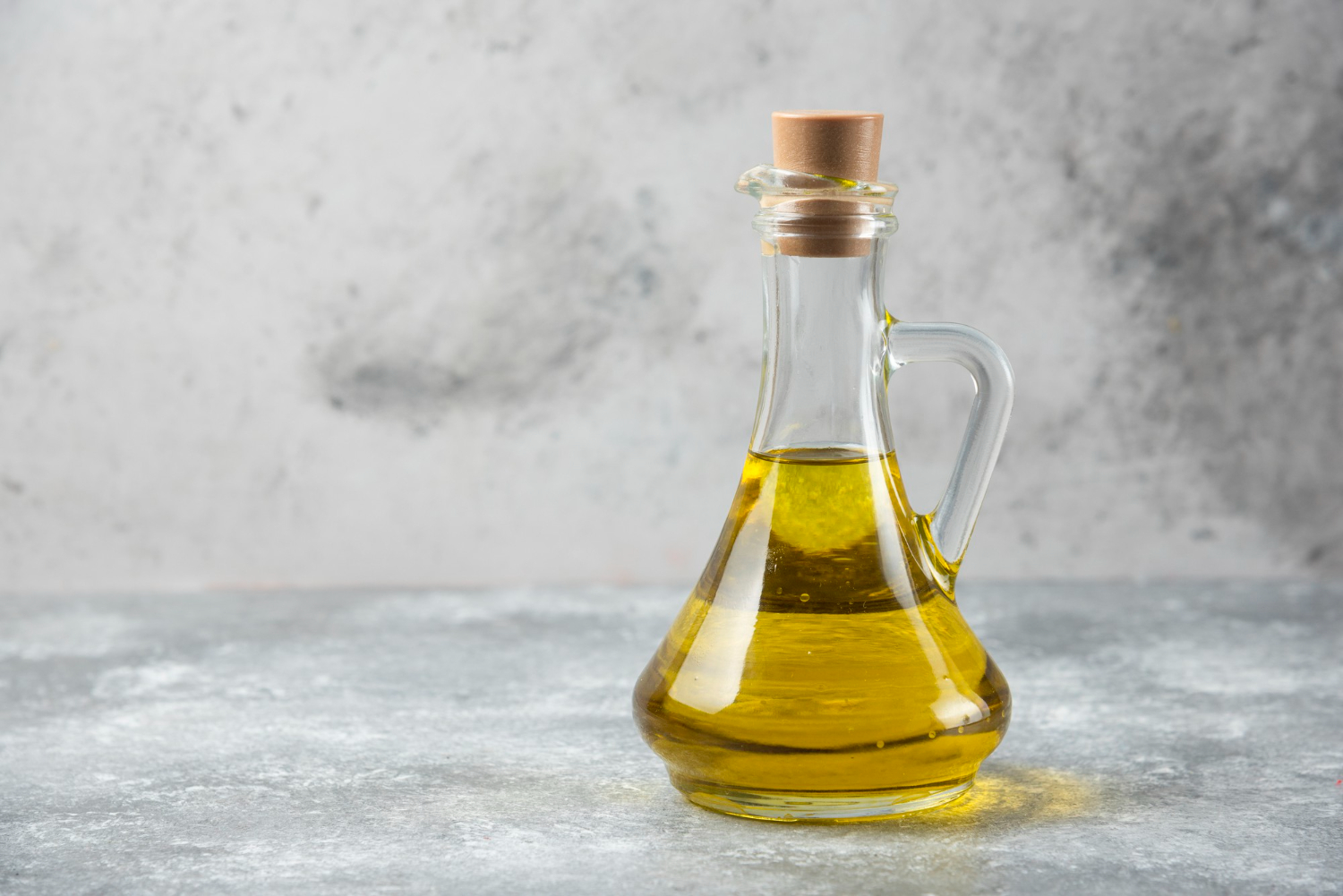
Buy dark glass or tin. Olive oil contains chlorophyll, which reacts under light in a process that degrades the oil. Clear bottles allow that to happen under supermarket lighting. A producer choosing clear glass has prioritised appearance.
Look for a harvest date. A production or harvest date is far more informative than a best-before date, and its presence signals a producer willing to be judged on freshness. Oil is best used within a year or so of pressing.
Look for specific origin. A named region, estate or mill is a better sign than a general country claim, and better still than vague wording about oils from multiple countries.
Treat very cheap extra virgin with suspicion. Producing real extra virgin is expensive, and an unusually low price is the most reliable warning available.
Store it properly at home. Away from the hob, away from light, sealed. A great deal of degradation happens in kitchens rather than in supply chains.
None of this requires expertise. It requires reading two things on the label — the date and the origin — and noticing what the bottle is made of.
What the Oil Should Taste Like
One reason the grade is poorly understood is that most people have no reference point for what real extra virgin tastes like, and the sensory standard is the part that most often fails.
Fresh, well-made extra virgin has three qualities that trained tasters look for. Fruitiness, which is the aroma of the olives themselves, running from grassy and green to riper and softer depending on variety and harvest time. Bitterness, tasted at the sides of the tongue. And pungency — a peppery catch at the back of the throat that can make you cough.
That throat catch surprises people. It is a positive attribute, associated with compounds present in fresh oil, and its absence in a supermarket bottle is a signal rather than a relief.
The defects are equally defined. Rancid is the most common, a stale, crayon-like or putty-like note from oxidation. Fusty comes from olives fermenting before pressing. Musty indicates mould. Winey suggests a vinegary fermentation.
A trained panel disqualifies an oil for any perceptible defect, which is why so many bottles fail on sensory grounds despite passing the chemistry.
The useful consequence for a shopper is that you can learn this. Buy one bottle from a producer with a harvest date and a specific origin, taste it neat from a spoon, and you will have a reference for the rest of your life.
The Useful Correction
The story that circulates about olive oil is a fraud story, and it produces a slightly paranoid conclusion: everything is fake, nothing can be trusted.
The accurate version is duller and more actionable. Extra virgin is a real and measurable standard. A large proportion of tested bottles have failed it. Most failures are staleness, poor handling and mislabelling rather than substitution with other oils. The causes are long supply chains, limited testing and price pressure. And the consumer signals that correlate with quality — a harvest date, a specific origin, opaque packaging, a realistic price — are all visible on the shelf.
That is a solvable problem rather than a conspiracy, and the correction costs nothing except turning the bottle around before you put it in the basket.
Like our content? Follow us for more.