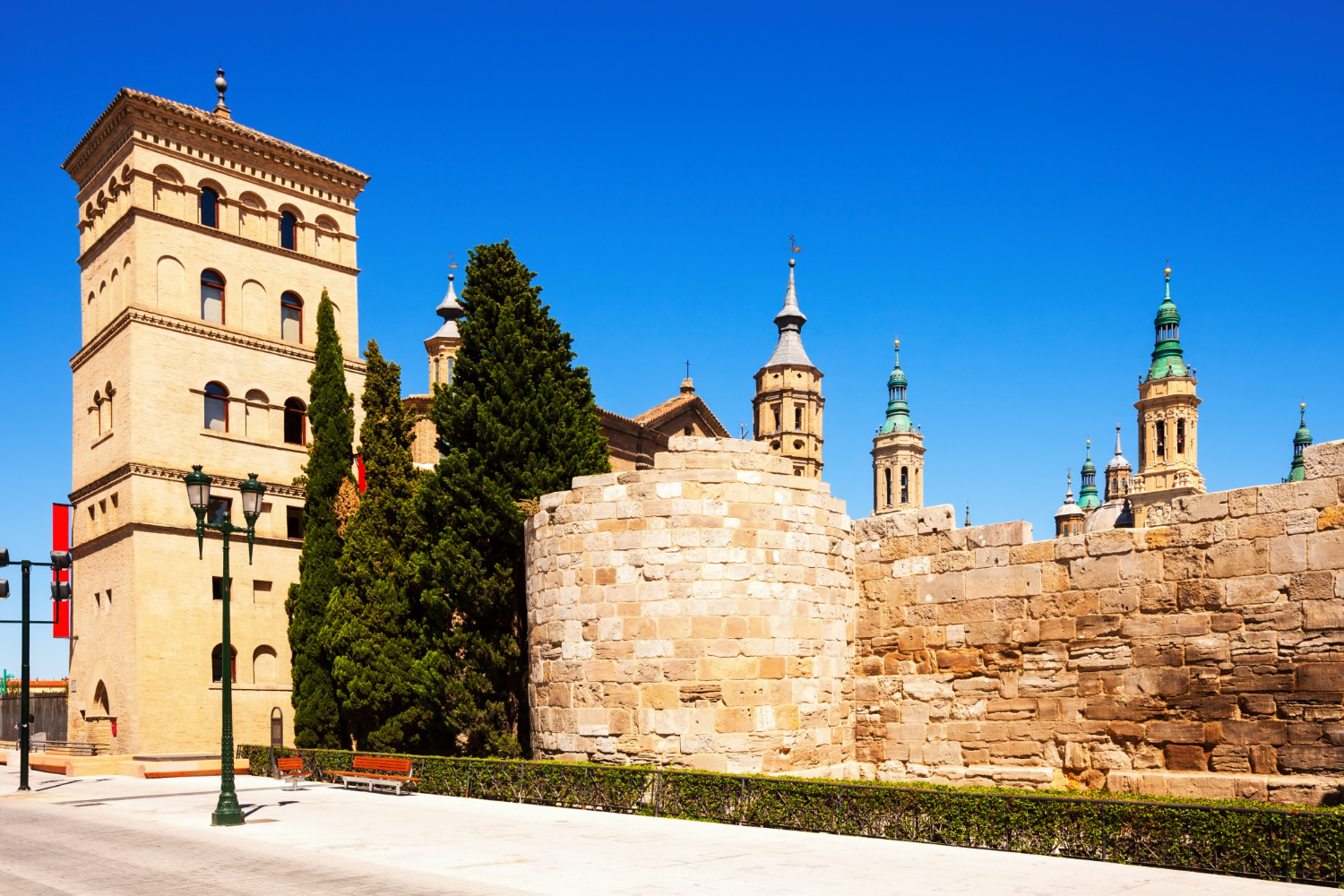
A complete circuit of walls is rare, because walls are expensive to maintain and inconvenient to keep once nobody is attacking. These fifteen survived, and most can be walked.
1. Dubrovnik, Croatia
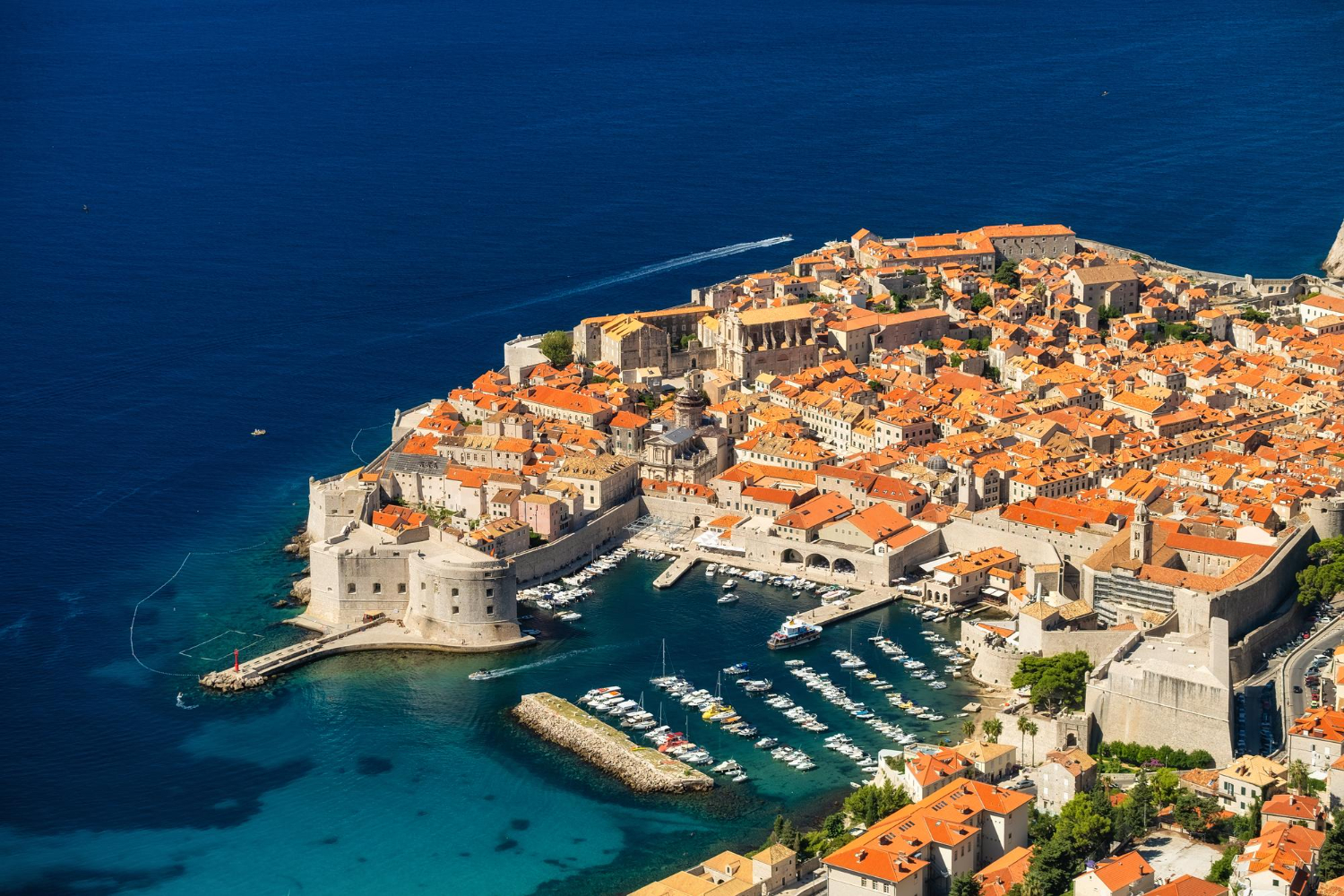
Nearly two kilometres of walls enclosing a compact stone old town, with a circuit path running the full way round above the rooftops and the Adriatic.
It is walked in one direction, takes a couple of hours, and is punishingly hot in summer with almost no shade. Dubrovnik is the walled city with the most photographed circuit in Europe.
Like our content? Follow us for more.
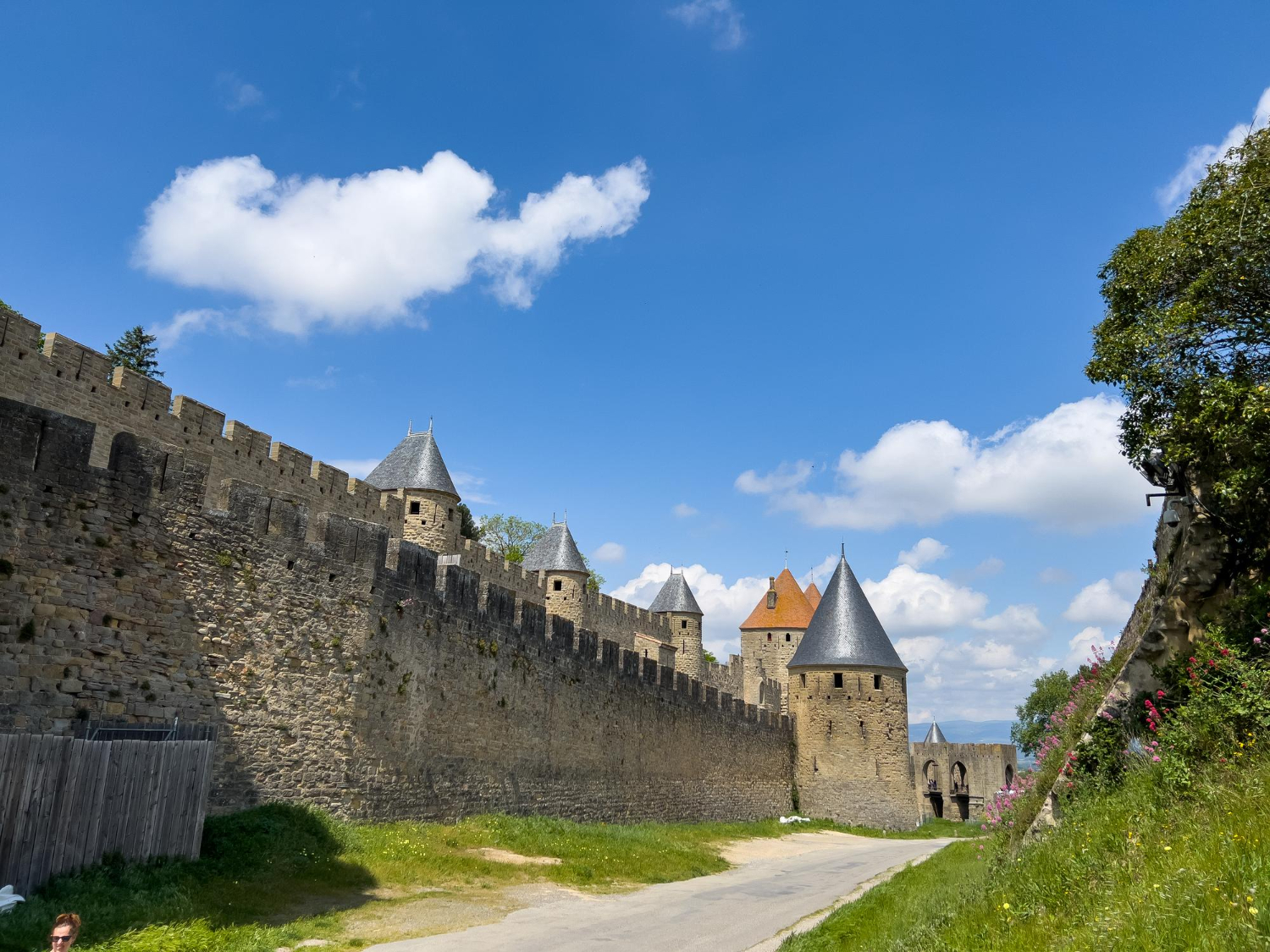
2. Carcassonne, France
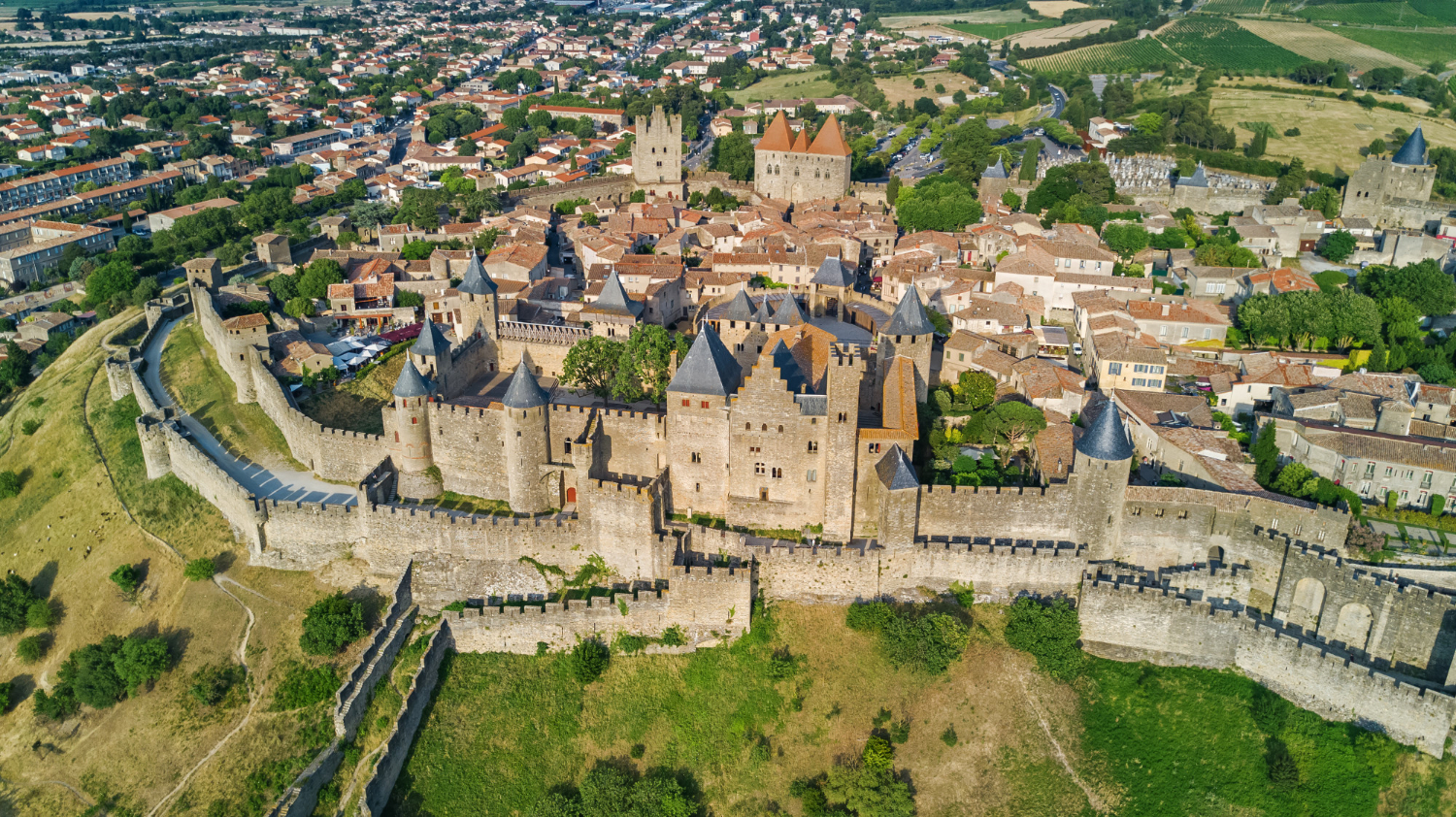
A double ring of walls and dozens of towers above the Aude valley, heavily restored in the nineteenth century in a way that remains debated.
The restoration is itself part of the site’s history, and the silhouette is unmistakable from a distance. Carcassonne is the walled city whose famous outline is partly a Victorian interpretation.
3. York, England
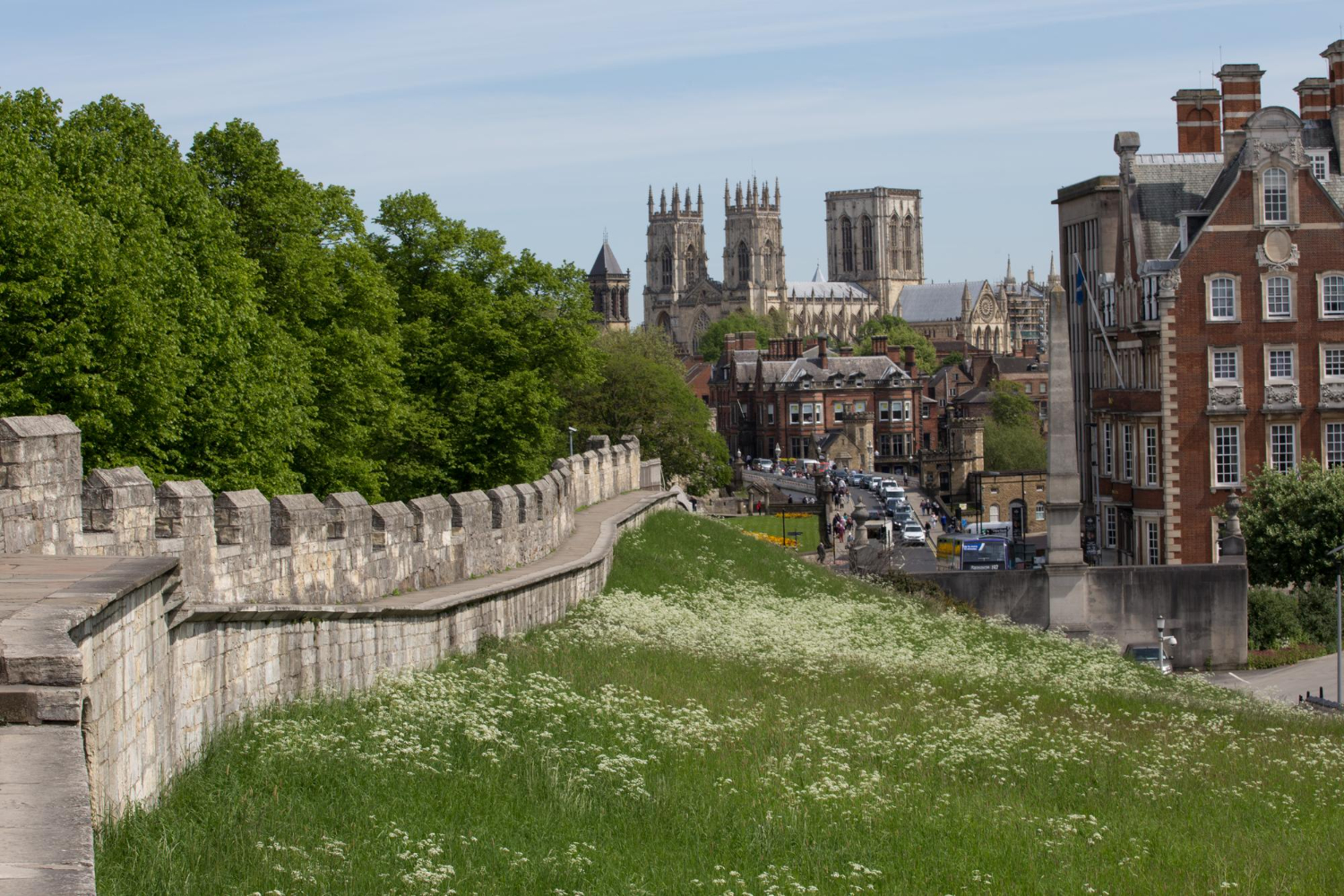
Britain’s most complete circuit of medieval walls, built on earlier foundations, with a raised walkway running above the streets past several surviving gateways.
It is free to walk, split into sections, and passes directly beside the minster. York is the walled city where the ramparts are simply part of the pedestrian network.
4. Ávila, Spain
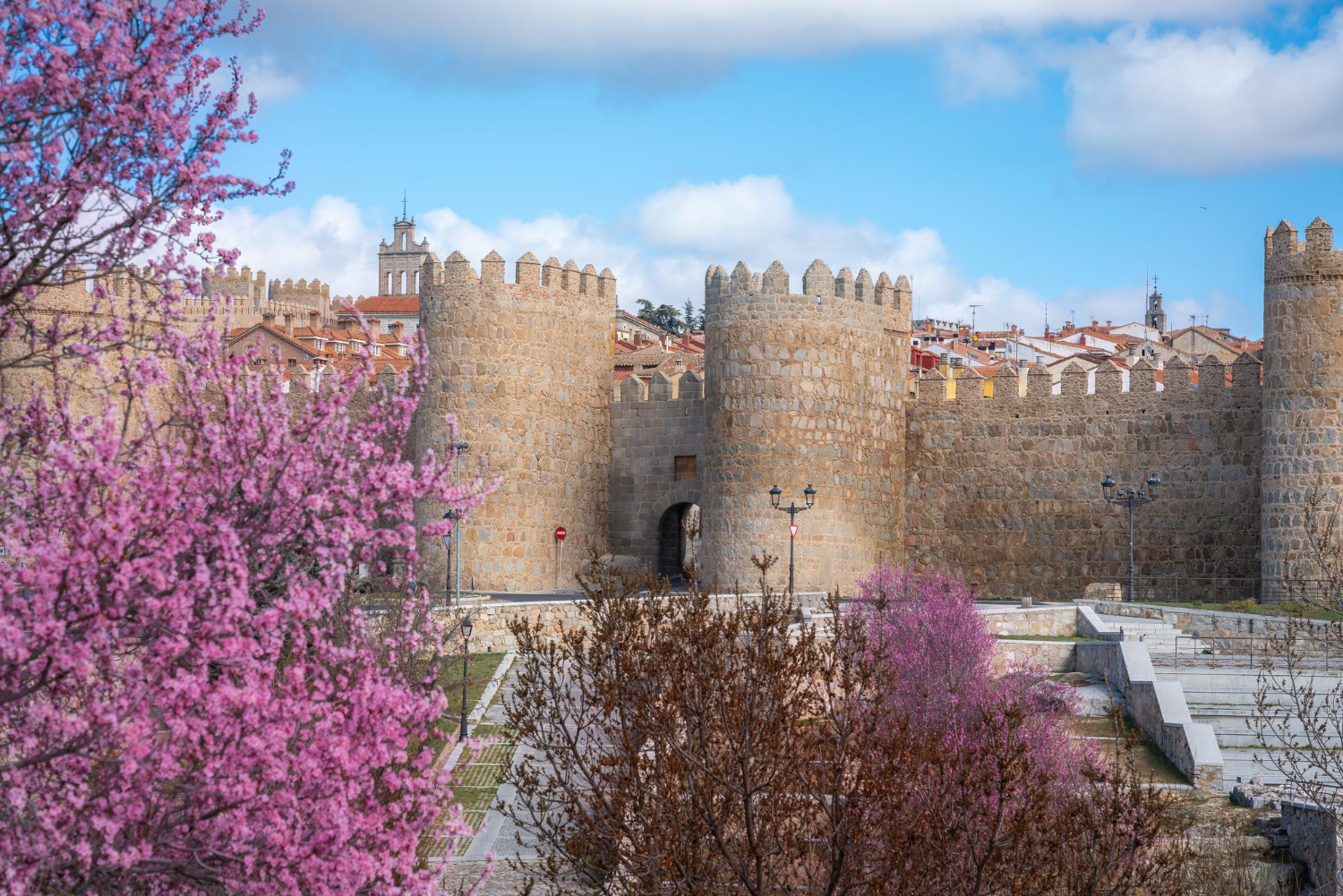
A remarkably complete granite circuit with dozens of towers, encircling a small Castilian city on a high plain.
The walls are floodlit at night and the circuit can be walked in sections. Ávila is the walled city whose defences dominate everything inside them.
5. Xi’an, China

A vast rectangular Ming-dynasty circuit, wide enough on top to cycle around, enclosing the centre of a major modern city.
Bicycles can be hired at the gates, and the full circuit is substantially longer than most European examples. Xi’an is the walled city where you ride the ramparts rather than walk them.
6. Rothenburg ob der Tauber, Germany
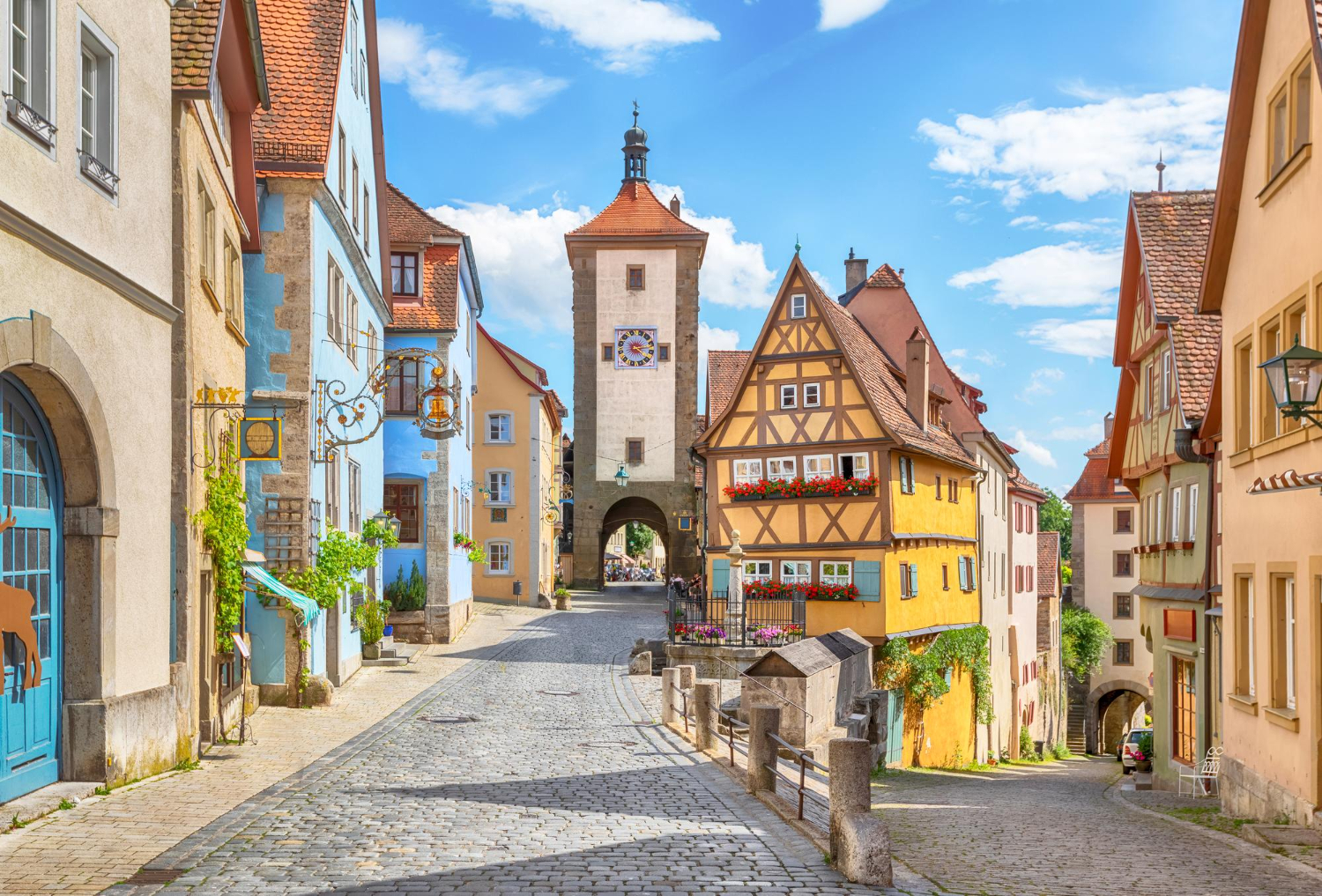
A covered walkway runs along much of the wall of this small Bavarian town, with staircases up from the streets at intervals.
The roofed sections make it walkable in poor weather, which is unusual. Rothenburg is the walled city where the rampart walk has a roof over it.
7. Lucca, Italy
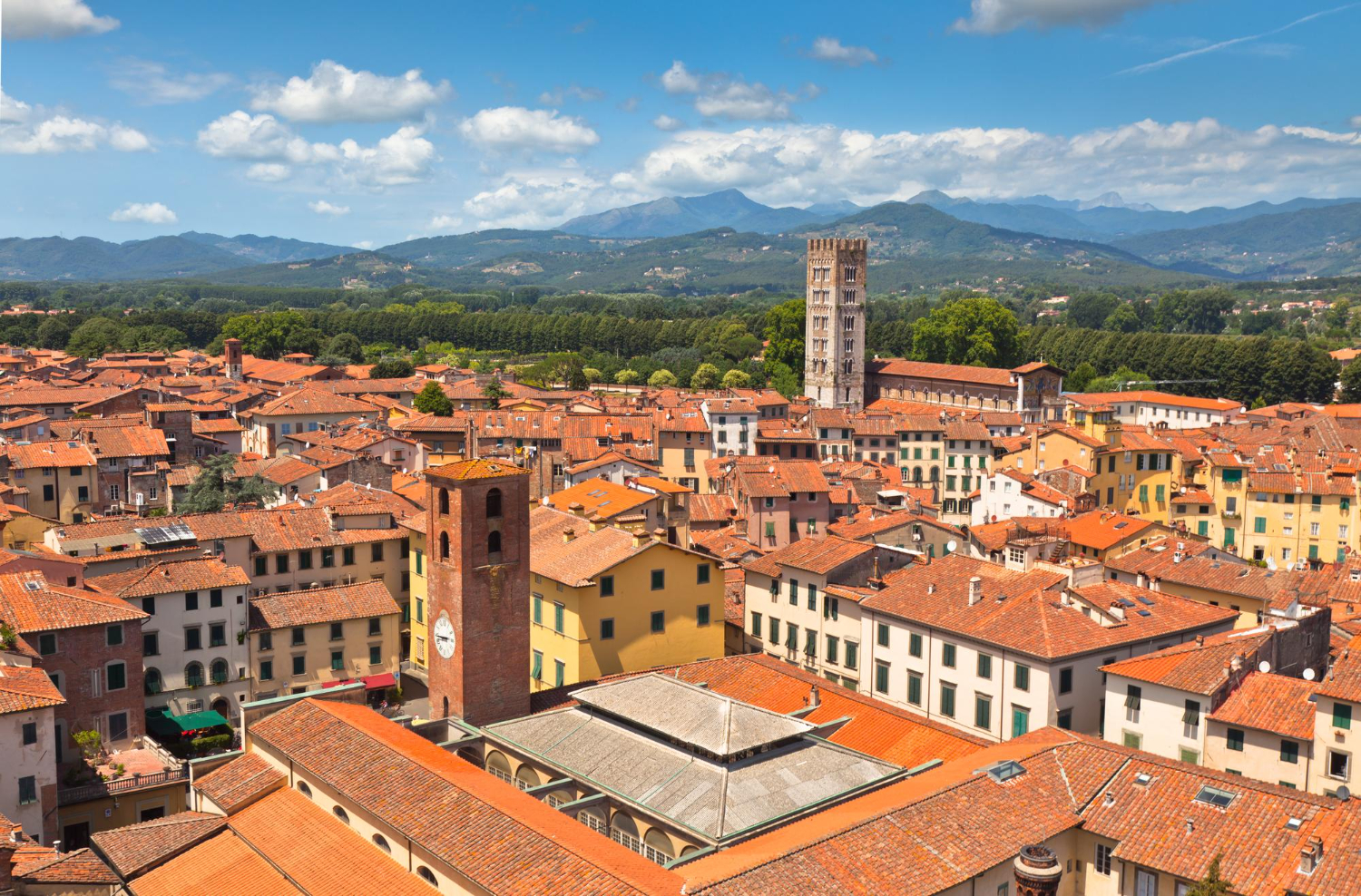
Renaissance walls broad enough to have been planted with trees and converted into a raised park circling the city.
People run, cycle and walk dogs on defences that were never actually tested in battle. Lucca is the walled city that turned its fortifications into a public garden.
8. Jerusalem’s Old City Walls

Sixteenth-century Ottoman walls surrounding the old city, with a rampart walk open along sections of the circuit.
The site is of profound significance to several faiths and the walk offers unusual views over the quarters. Access arrangements should be checked locally. The Old City walls are the ramparts overlooking one of the most historically layered places on earth.
9. Óbidos, Portugal

A small hilltop town entirely enclosed by walls, with an unguarded walkway along the top and no railings in places.
The lack of barriers makes the circuit truly exposed, and it is not suitable for everyone. Óbidos is the walled city with the least protective rampart walk on this list.
10. Tallinn, Estonia
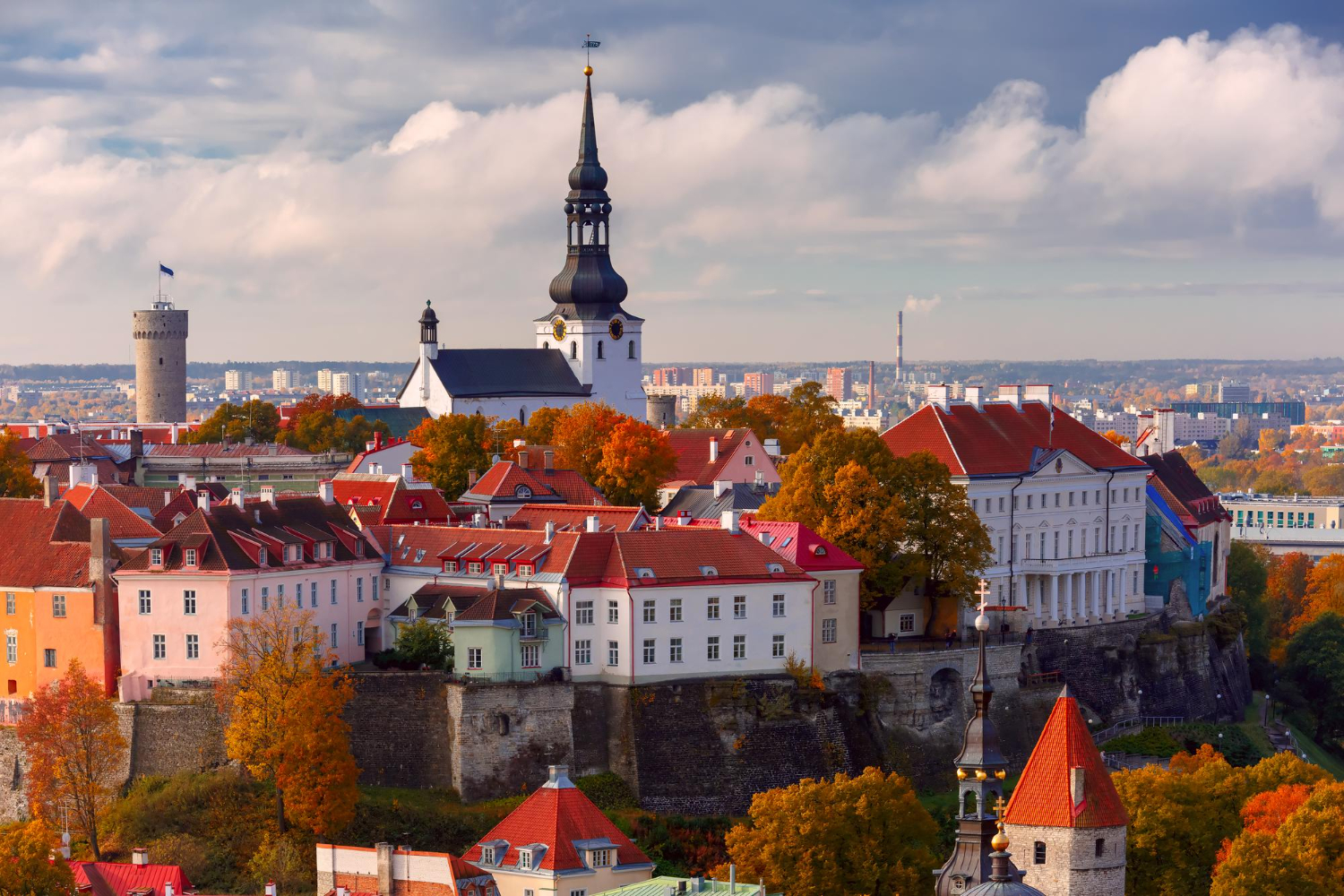
Substantial sections of medieval wall and around twenty surviving towers around the old town, with several stretches open to visitors.
The red-roofed towers are the visual signature of the city. Tallinn is the walled city with one of the best-preserved medieval skylines in northern Europe.
11. Pingyao, China
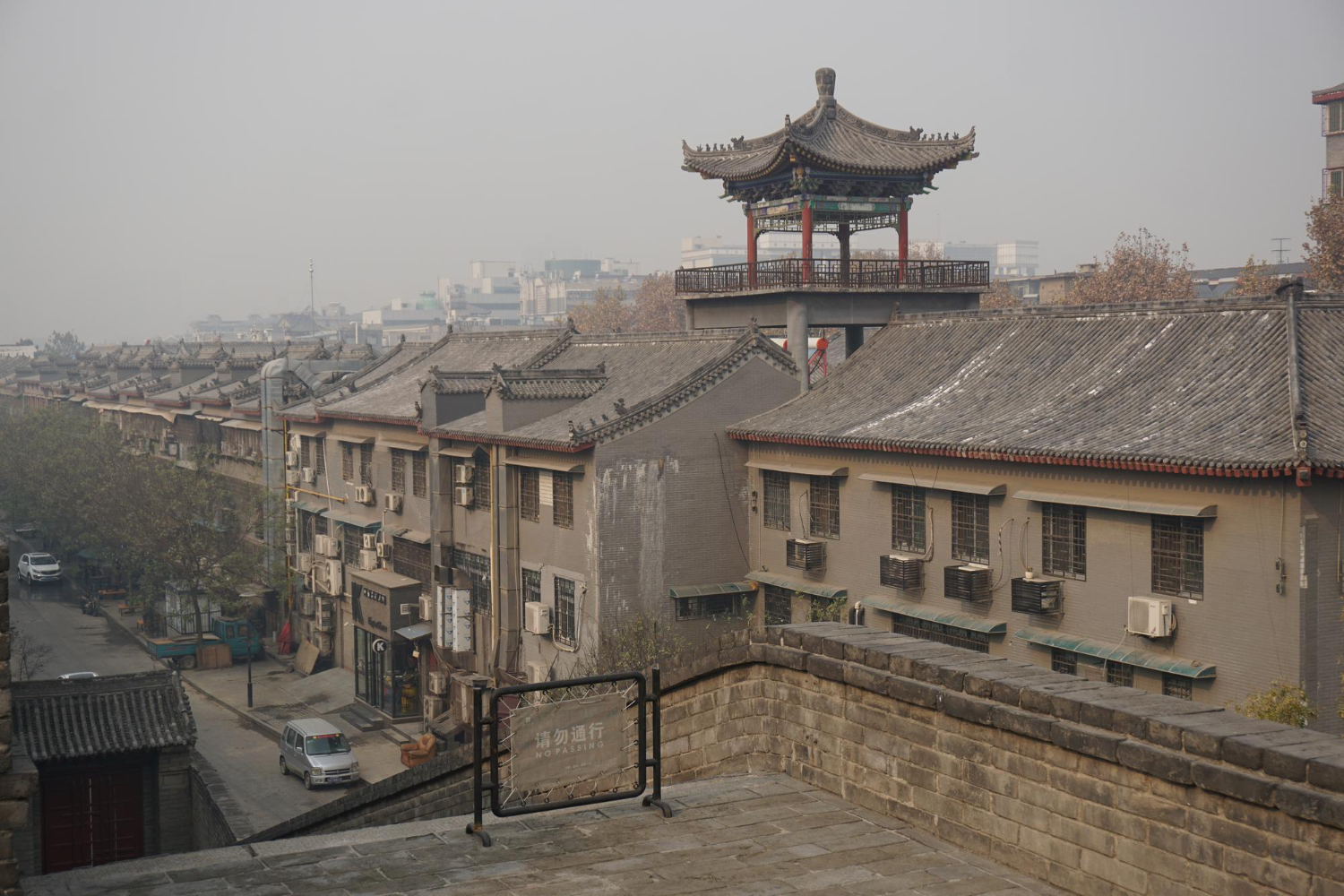
A complete Ming-dynasty circuit around a small city whose street layout and courtyard buildings survived largely unaltered.
The walls are the frame around an unusually intact historic townscape rather than the main attraction. Pingyao is the walled city where what is inside matters more than the wall.
12. Ston, Croatia
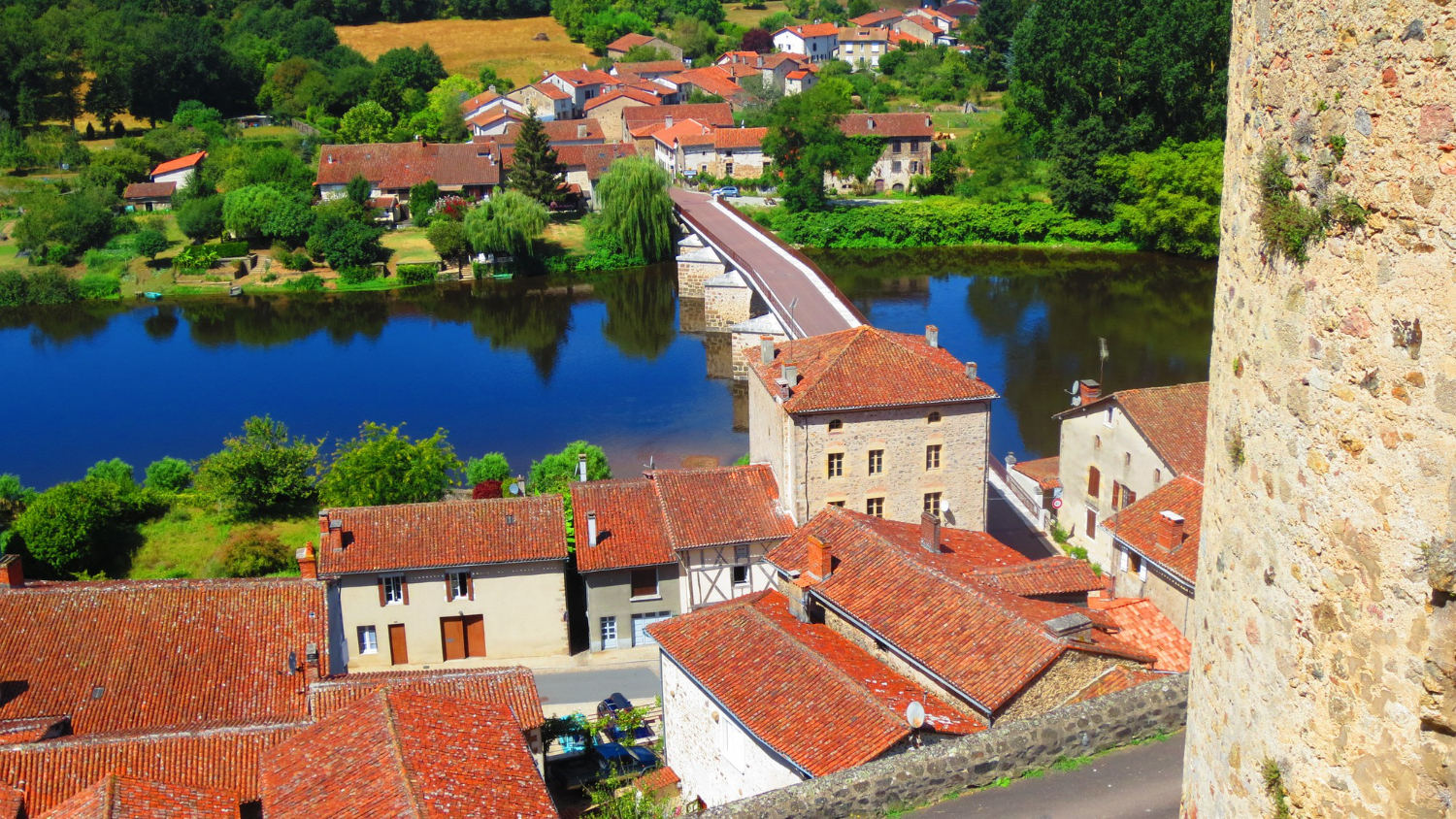
A long defensive wall running over hills between two towns, built to protect salt pans, and among the longest surviving fortification walls in Europe.
Walking it is a hill climb rather than a stroll, with substantial elevation. Ston is the walled town where the ramparts go over a mountain.
14. Derry/Londonderry, Northern Ireland
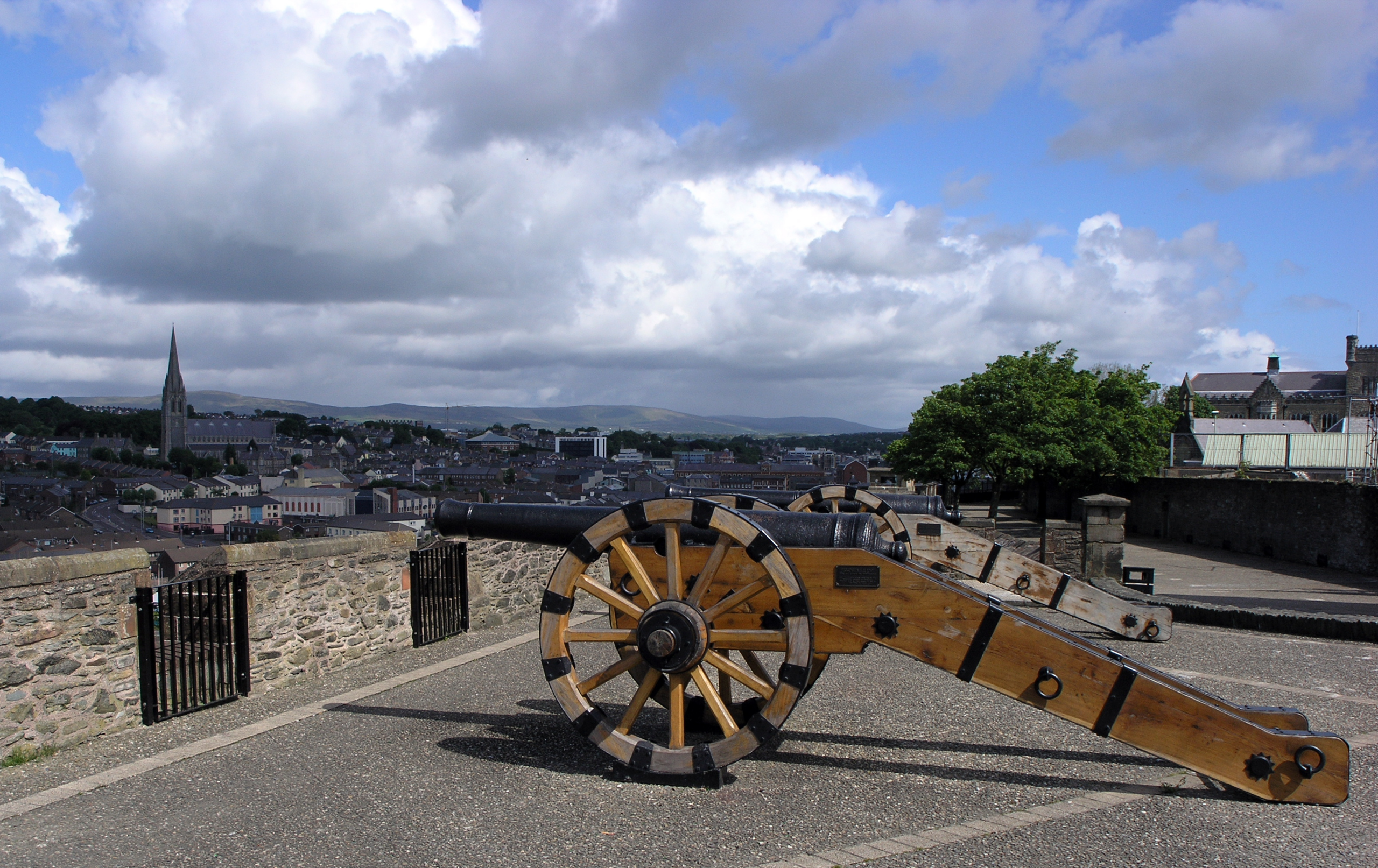
A complete seventeenth-century circuit, unbreached, with a walkable rampart looking over the city.
The walls are historically significant in ways that remain locally sensitive, and guided walks provide context. The city walls are the ramparts that have never been breached.
15. Suzdal and the Russian Kremlin Towns
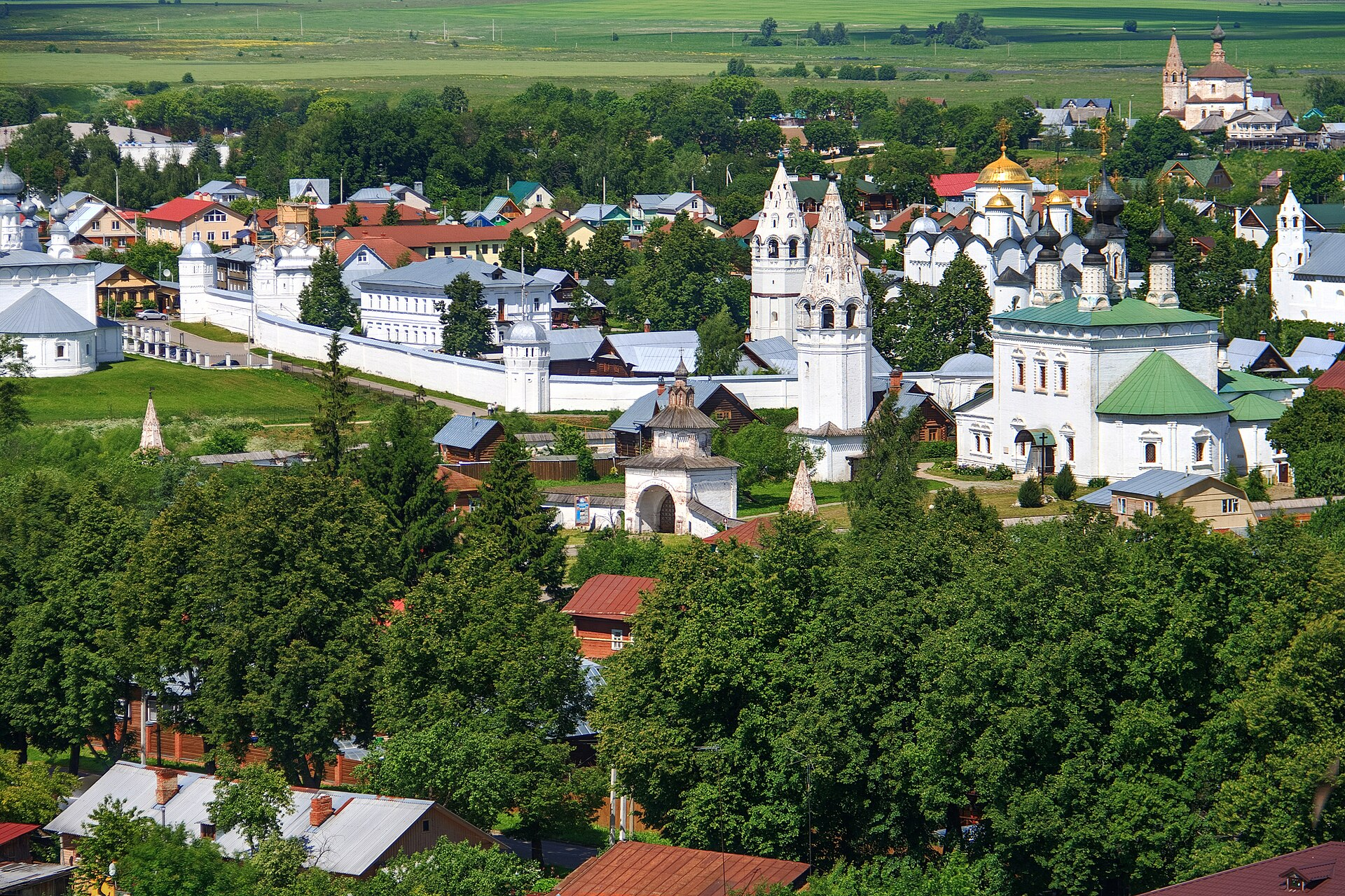
Several historic Russian towns retain fortified enclosures with walls and towers around cathedral complexes.
Access varies substantially by site and by current conditions, so checking before travelling is essential. These are the walled enclosures where the fortification surrounds a religious centre rather than a whole town.
Built to Keep People Out
Every circuit here represents an enormous investment by a town that expected to be attacked, preserved mostly because pulling it down later was more trouble than leaving it up.
Practical notes: many rampart walks are exposed, uneven and unshaded, several have limited or no railings, some charge admission and some close in poor weather or for maintenance. Check current access before travelling, wear proper footwear, and take water in summer. Then walk the full circuit rather than a section, because the point of a wall is that it goes all the way round.
Like our content? Follow us for more.