

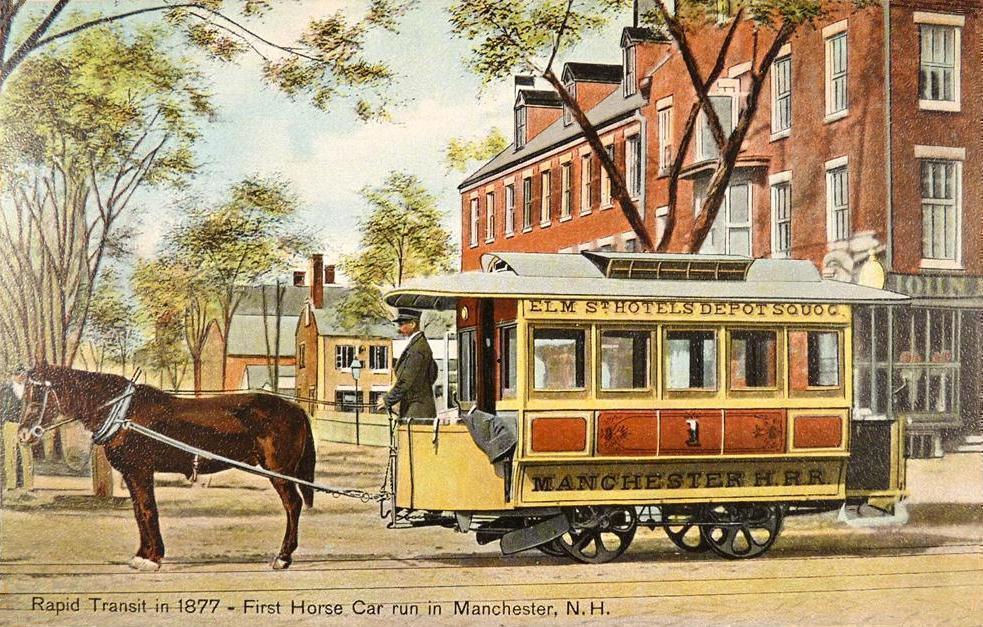
Which side of the road a country drives on feels like an arbitrary coin flip that happened somewhere in the past. It is not. The division maps almost perfectly onto specific historical events, and you can read a country’s history from it with unusual reliability.
Around 75 countries and territories keep left today, representing roughly a third of the world’s population — a proportion inflated substantially by India. The remainder drive on the right.
The common assumption is that driving on the left is an eccentricity that a few places never abandoned. In fact left was the original convention nearly everywhere, and the interesting question is not why some countries still keep left but why most of the world moved.
Here is how the roads divided.
Why Left Came First
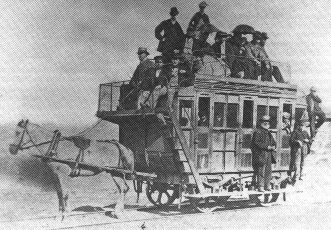
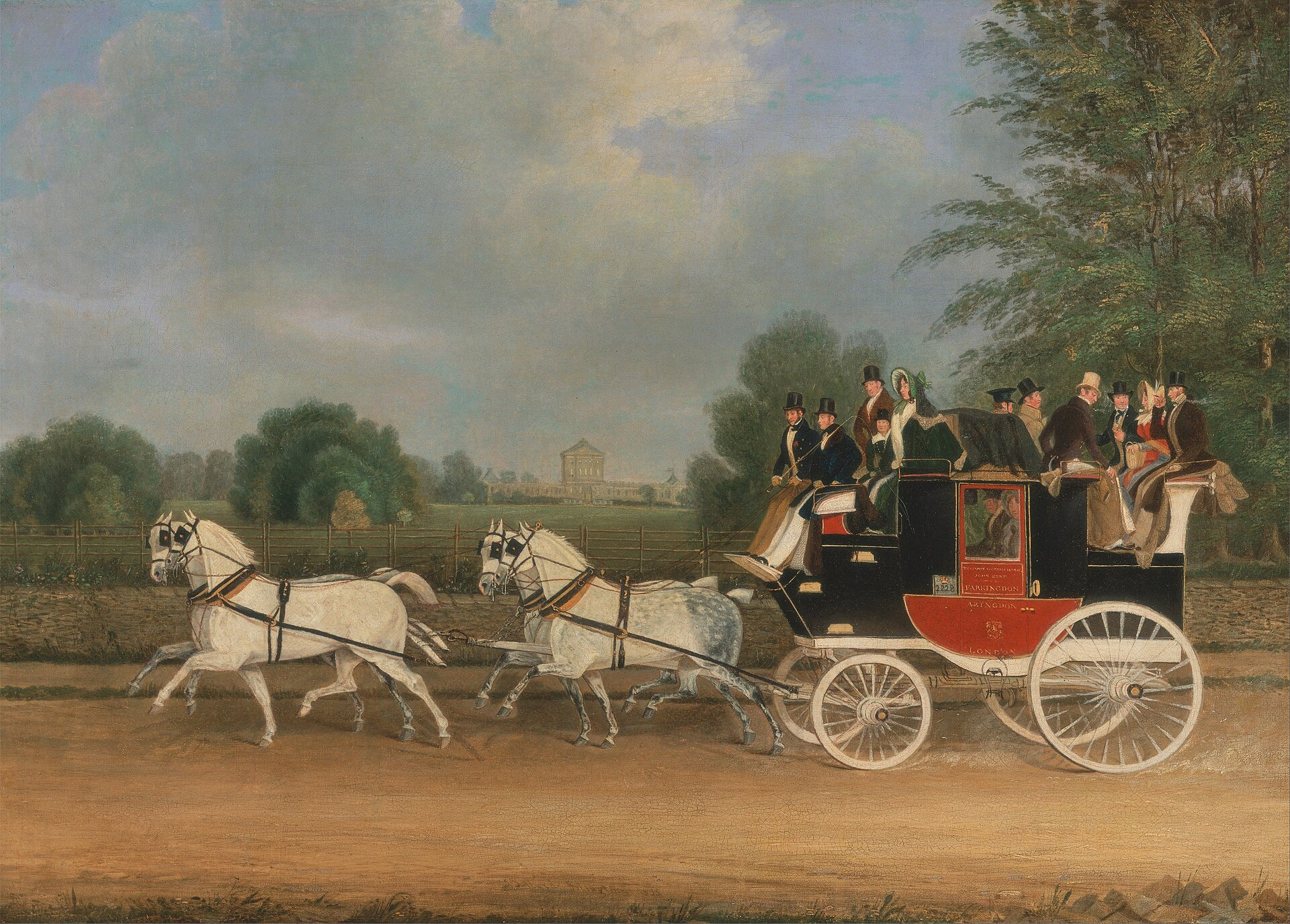
The traditional explanation concerns weapons, and it is more plausible than it first sounds.
Most people are right-handed. A rider carrying a sword wore it on the left hip so it could be drawn across the body with the right hand. Passing a stranger on a road in a period when strangers were a real risk, you wanted your sword arm on the side nearest them — which means keeping to the left.
There is a second, more mundane reason that may matter as much. A rider mounts a horse from the left, partly because of where the sword hangs. Mounting from the left is substantially easier if you are at the left edge of the road rather than in the middle of it.
Roman evidence points the same way, and medieval European travel guidance repeated the advice. For most of history keeping left was not a law but a custom — simply what careful travellers did.
Britain later formalised the custom in stages, first for London bridge traffic and then generally under the Highway Act of 1835, at which point it stopped being manners and became law. The timing mattered, because Britain then exported that law across an empire.
Like our content? Follow us for more.
The Wagon That Changed It
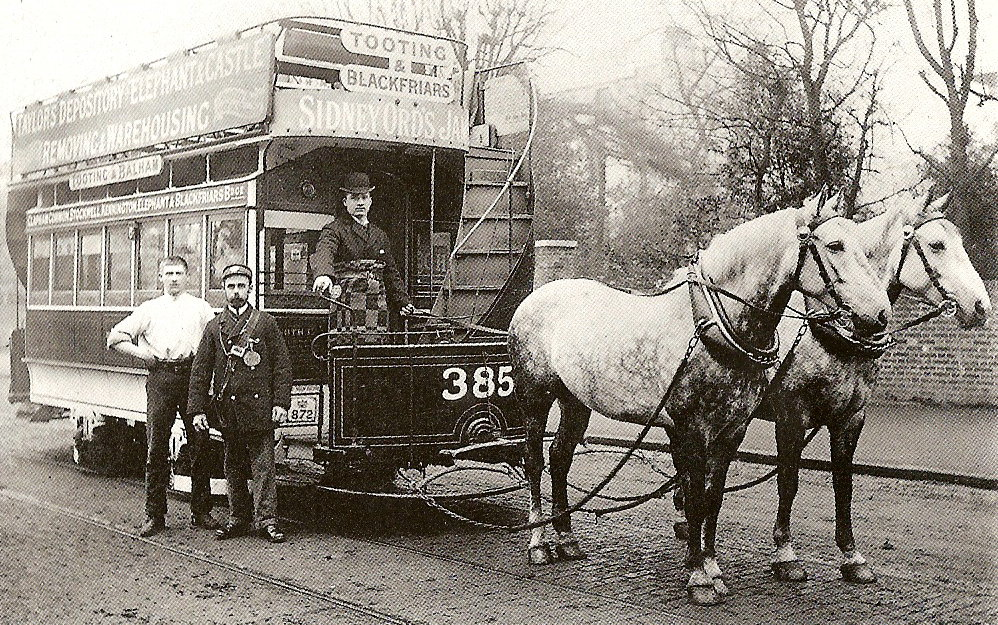
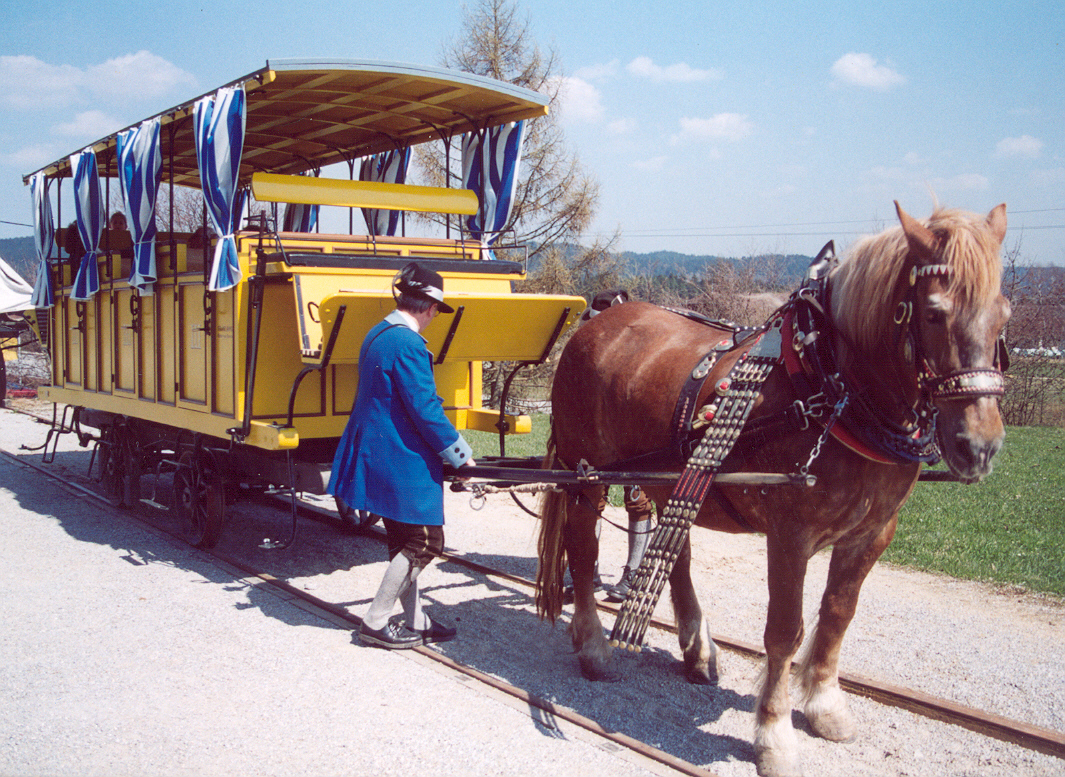
The move to the right began, according to the standard account, with a piece of freight equipment.
Large American freight wagons of the late eighteenth century were pulled by several pairs of horses and had no driver’s seat. The driver rode the rear left horse, keeping his right hand free for the whip.
Sitting on the left, he wanted oncoming traffic passing on his right, where he could see the gap between his wheels and theirs. So wagons of that type naturally kept to the right, and where they were common the custom followed.
Britain never adopted such wagons in numbers, because the roads were narrower and the hauls shorter, so the pressure toward the right never arose there.
France moved formally in the revolutionary period, with a keep-right ordinance in 1794, and the change carried political meaning: the aristocracy had travelled on the left, and moving to the right was framed as a rejection of that.
Napoleon Did the Rest
Whatever his personal reasoning — and accounts differ, with some claiming he was left-handed and some that he simply wanted to be conspicuously un-British — Napoleon imposed right-hand traffic across the territories he took.
That produced the map of Europe as it stands. The Low Countries, Switzerland, Germany, Poland and much of Spain and Italy went right. The states that resisted him — Britain, the Austro-Hungarian territories and Portugal — stayed left.
That division held for over a century, until the aftermath of the First World War began shifting the remaining left-hand European countries across.
There are neat illustrations of how administrative history drives the pattern. Sweden ceded Finland to Russia in the early nineteenth century, but Swedish law continued to apply there for decades, so Finland kept left until an imperial decree moved it in 1858.
Britain, meanwhile, took left-hand traffic to its colonies, which is why the pattern is still legible. Nearly every country that drives on the left has historical ties to Britain, with a handful of exceptions.
Japan is the clearest of those exceptions, having arrived at left-hand traffic through its own history, with samurai convention holding that warriors passed on the left to keep sword arms free. Indonesia drives on the left through Dutch practice, since the Netherlands drove on the left before Napoleon. Thailand was never colonised and adopted the left under British influence.
The Day Sweden Changed Sides
The most remarkable episode in the whole story is a single morning in 1967.
Sweden drove on the left while every one of its neighbours drove on the right, and most Swedish cars were built with the steering wheel on the left — a combination widely believed to be causing collisions at borders and on overtaking.
A referendum was held, and Swedes rejected the change decisively, with a very large majority voting against. Parliament passed the law anyway in 1963.
The changeover happened on Sunday 3 September 1967, at five o’clock in the morning, known as Dagen H, from the Swedish for right-hand traffic. Preparation took years. Roughly 360,000 new road signs were installed and kept covered until the moment arrived. Lane markings were repainted. Private motor traffic was prohibited for four hours before and one hour after the switch so the changeover could be completed, and the army was involved.
At five in the morning, traffic across an entire country stopped, moved to the other side of the road, and resumed. Speed limits were reduced and raised again in stages over the following weeks.
Iceland followed the next year. Sweden was the last European country to change.
Nobody Else Has Bothered
Since then the pattern has been remarkably stable, and the reason is straightforward: switching is expensive, disruptive and risky, and there is rarely enough benefit to justify it.
The countries that still keep left are mostly islands or subcontinents with no right-hand-driving land neighbours, which removes the main practical argument for changing. Britain, Ireland, Japan, Australia, India, Cyprus and Malta all fall into that category.
Myanmar switched to the right in 1970. The only country to move in the other direction in modern times is Samoa, which changed from right to left in 2009 — for an entirely practical reason, since most of its imported used vehicles come from Australia and New Zealand and are built for left-hand traffic.
There is one further quirk worth knowing. Which side you drive on and which side the steering wheel is on are related but not identical questions, and mismatches are common. The Bahamas drives on the left while importing many American left-hand-drive cars, so drivers there routinely operate a car built for the other convention.
The Steering Wheel Was Its Own Argument
There is a second convention layered on top of the first, and it settled separately.
When cars first appeared, the position of the steering wheel was not standardised even within a single country. Early vehicles placed it on either side more or less arbitrarily, and some manufacturers changed their minds between models.
The logic that eventually won is the opposite of what people assume. Placing the wheel on the side nearest the centre of the road gives the driver the best view past the vehicle ahead, which matters most when overtaking. So right-hand traffic pairs with a left-hand steering position, and left-hand traffic with a right-hand one.
The mass-produced American cars of the early twentieth century fixed the left-hand-drive arrangement as the industry norm, and as American manufacturing influence spread, so did that configuration.
That created the mismatches that persist in places importing vehicles built for the other convention. Drivers in several left-hand-traffic countries routinely operate left-hand-drive cars, which makes overtaking truly awkward and is simply accepted as the cost of cheap imports.
It also explains why the two questions are separate. Which side a country drives on is a matter of law and history; which side the wheel is on is a matter of what was available to buy.
The practical upshot for a traveller is that the side of the road is a historical document.
If a country drives on the left, it almost certainly has a British connection, or is Japan, or was influenced by a neighbour that did. If it drives on the right, the odds are that Napoleon reached it, that American practice shaped it, or that it followed a twentieth-century push toward continental standardisation.
Two conventions, both originally arbitrary, both now locked in by the enormous cost of changing, and each carrying a fairly precise record of who administered a place two hundred years ago.
And somewhere in there is the fact that the older convention — the one that most of the world abandoned — exists because right-handed people wanted their sword arm pointed at whoever was coming the other way.
Like our content? Follow us for more.
