The white sets at a lower temperature than the yolk, which is the fact every egg technique is built around. Here are sixteen ways different kitchens exploit it.
1. Kuku Sabzi – Iran
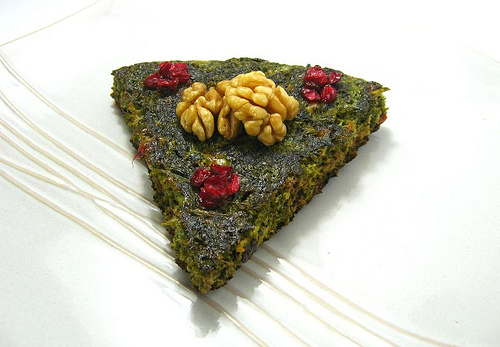
Eggs bound around an enormous quantity of chopped herbs – far more herb than egg – baked or pan-cooked into a dense green cake and served cut into wedges.
The herbs are the dish and the egg is only the binder, which reverses the usual proportion entirely. Kuku sabzi is the egg dish where the egg is the minor ingredient.
Like our content? Follow us for more.
2. Tamagoyaki – Japan
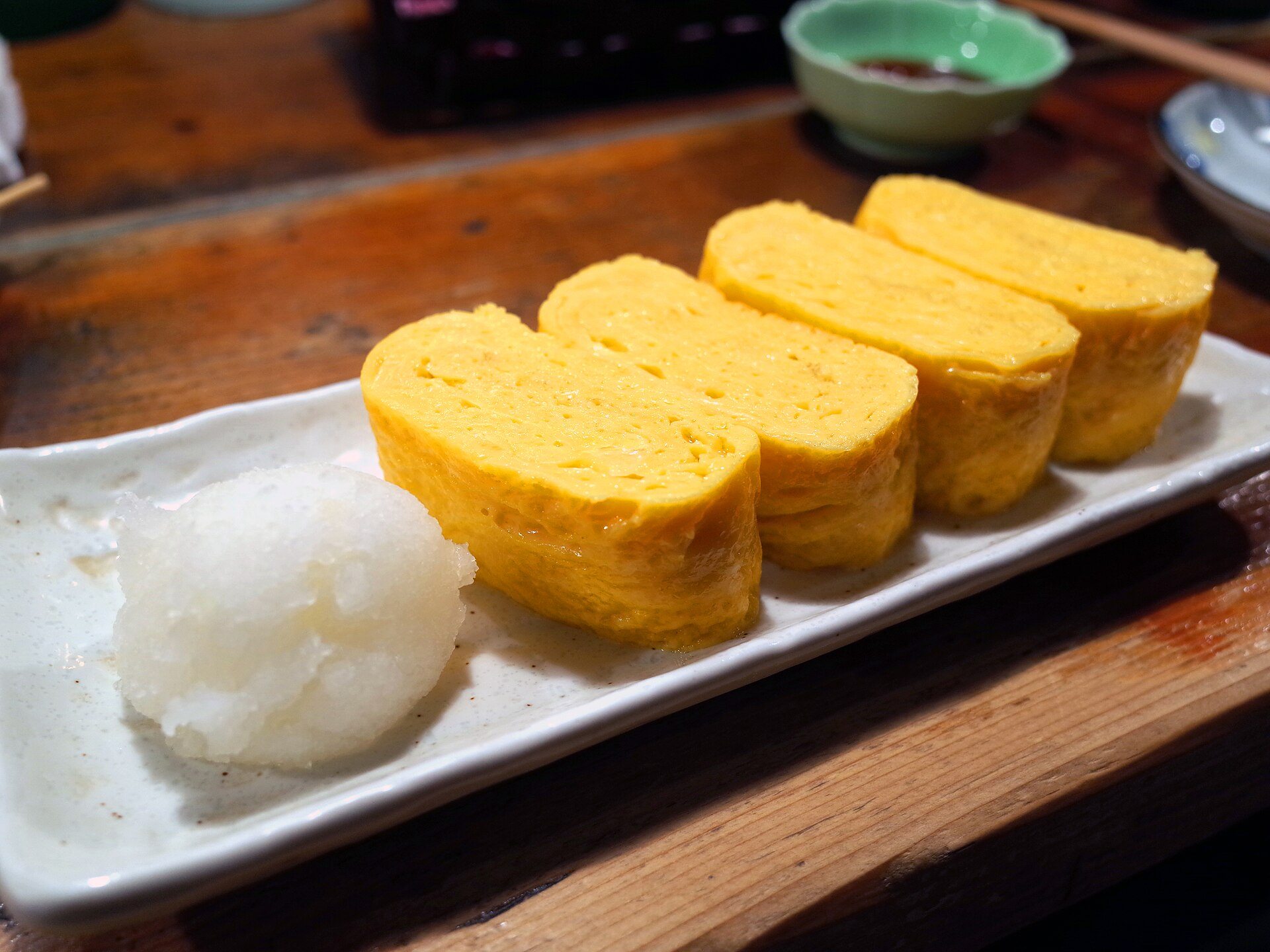
A thin layer of seasoned egg cooked in a rectangular pan, rolled to one end, then more egg added beneath and rolled again, building a layered block.
It is sliced to show the spiral, and getting even layers takes real practice. Tamagoyaki is the egg dish assembled in sheets rather than cooked in one go.
3. Khai Look Koei – Thailand
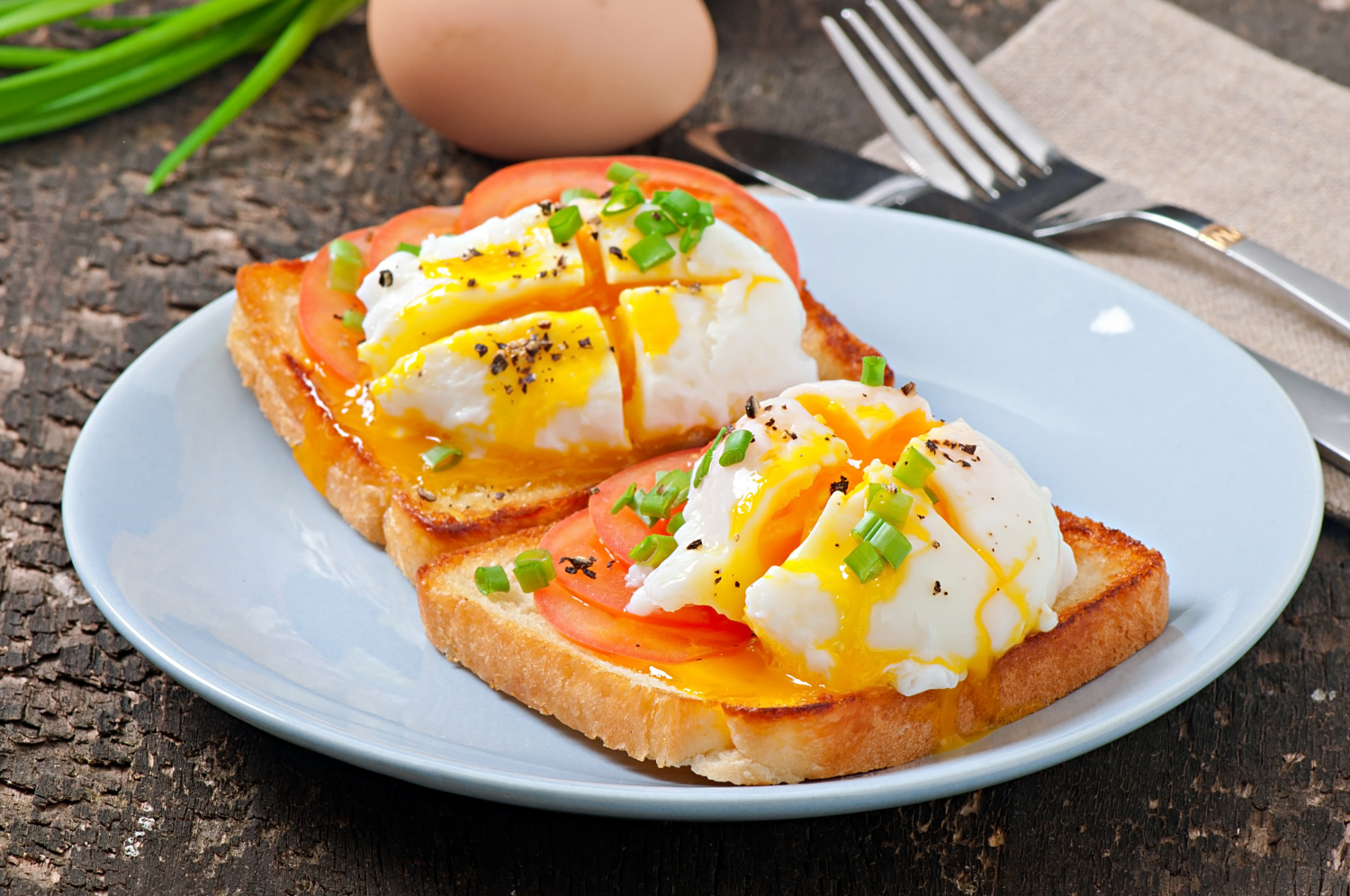
Boiled eggs peeled and deep-fried whole until the outside blisters into a crisp golden shell, then dressed with a sweet-sour tamarind sauce and fried shallots.
The frying changes the texture of the white completely while leaving the yolk untouched. Son-in-law eggs are the egg dish where a boiled egg gets a second, entirely different cooking.
4. Oeufs en Meurette – France
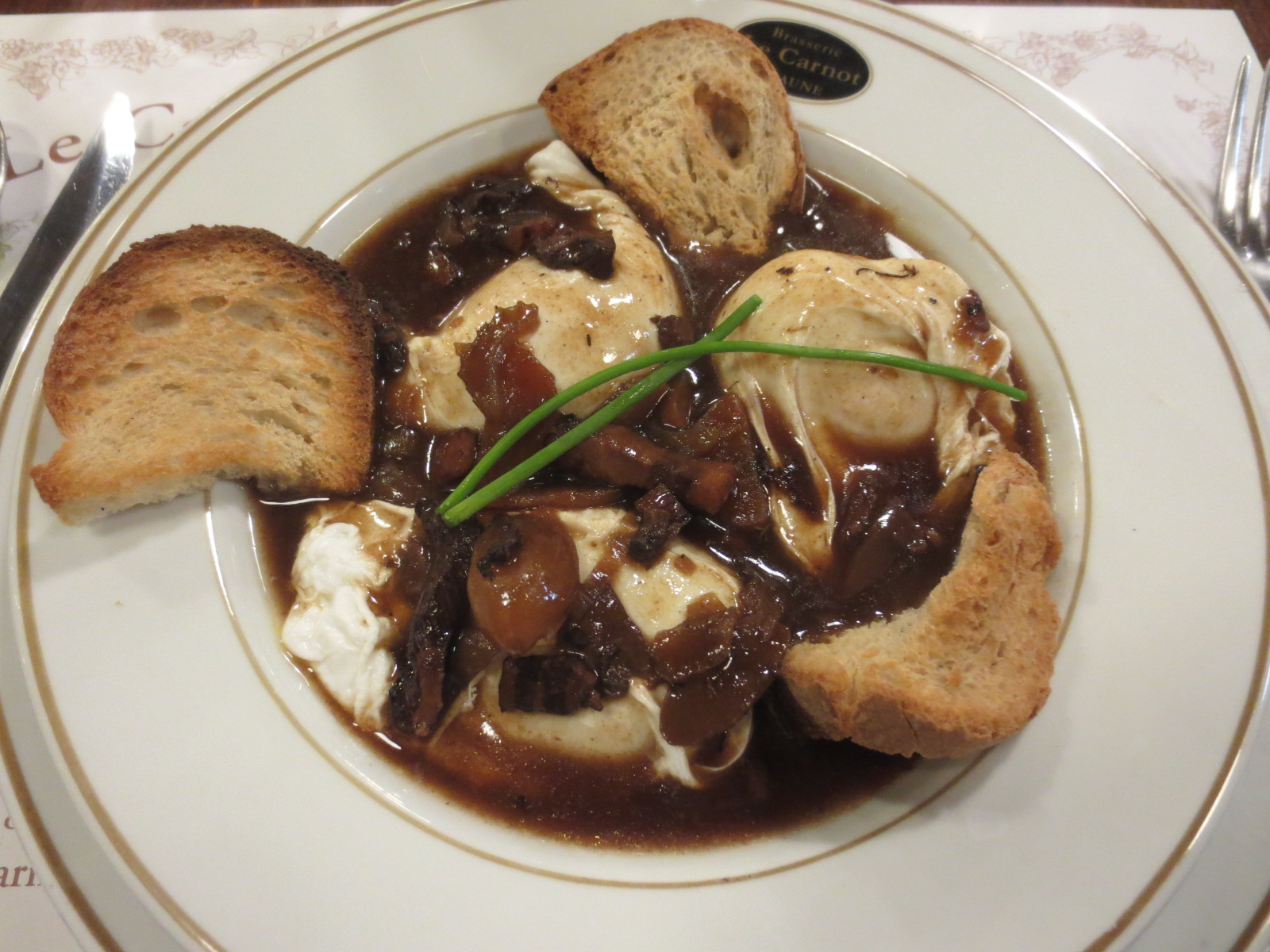
Eggs poached in red wine, served on toasted bread with a sauce made from the poaching liquid, bacon and mushrooms.
The wine stains the whites purple, which surprises people the first time. Oeufs en meurette is the egg dish where the poaching liquid becomes the sauce.
5. Menemen – Turkey
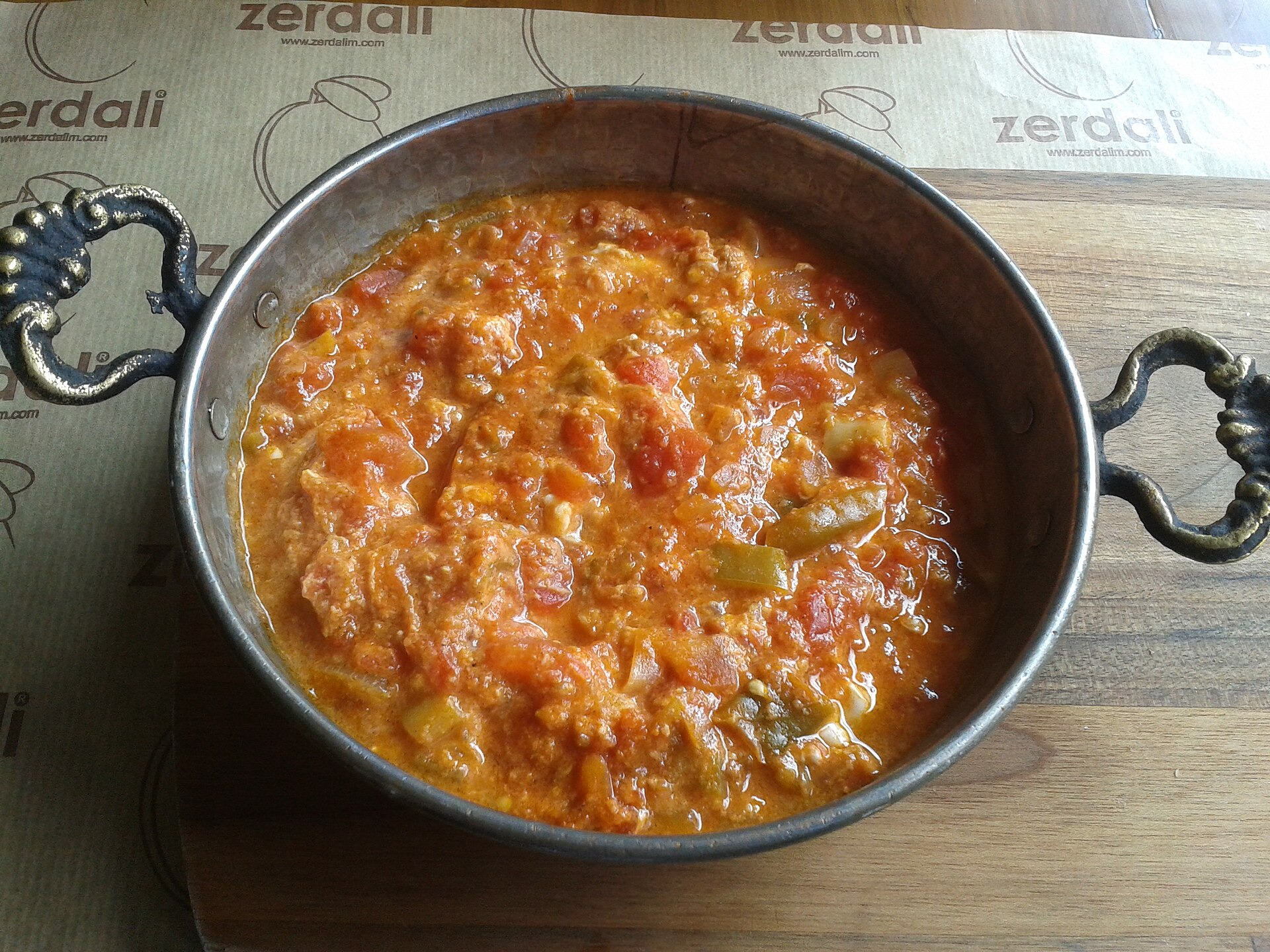
Eggs stirred into cooked peppers, tomato and onion until just set, softer and looser than a scramble and eaten with bread.
It is deliberately wetter than most people expect and should never be dry. Menemen is the egg dish judged on how loose you dare leave it.
6. Egg Curry – South Asia
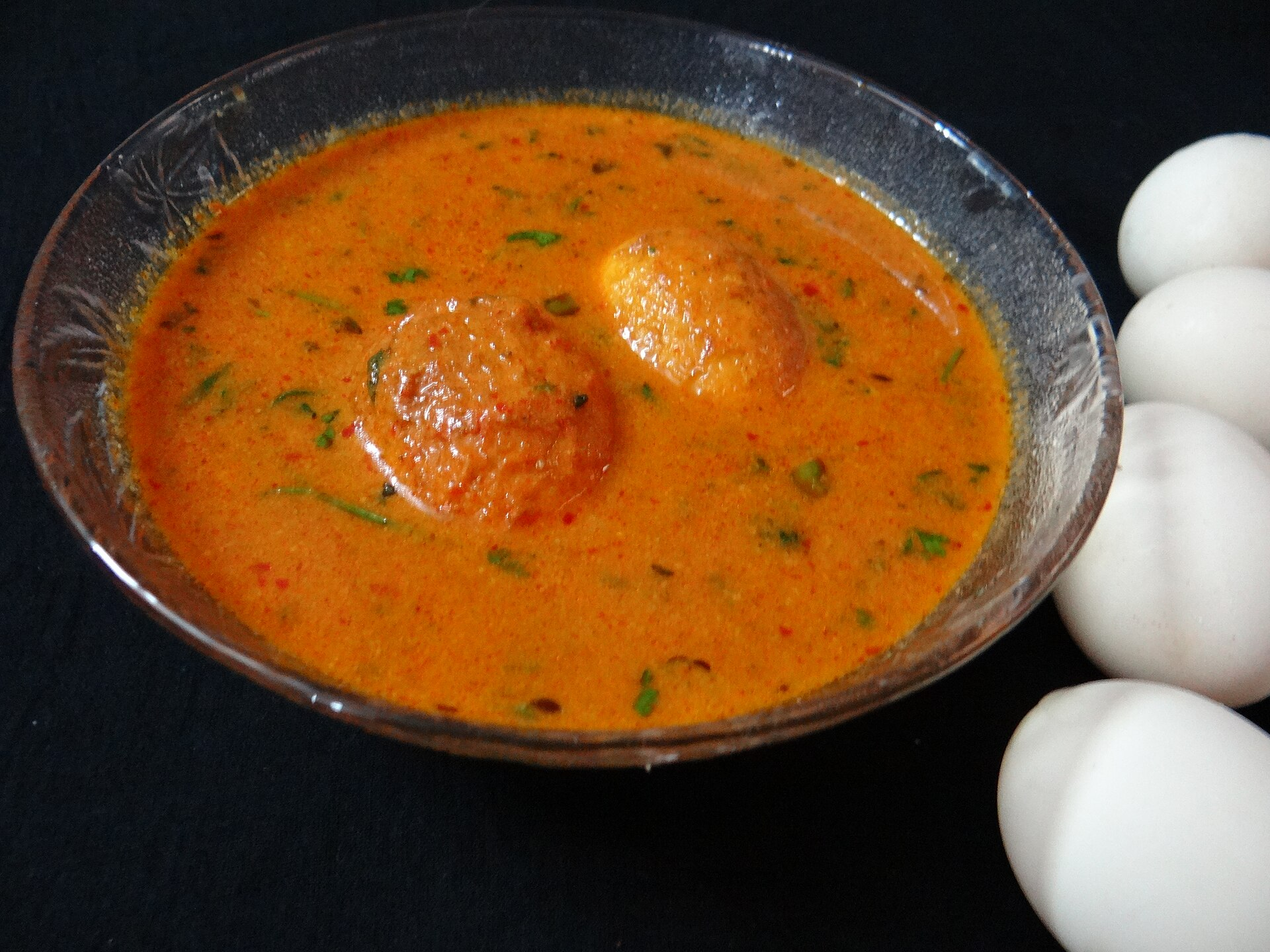
Hard-boiled eggs, sometimes lightly fried first, simmered in a spiced gravy so the surface takes on the sauce.
Scoring or frying the eggs helps the gravy adhere, which is the step that makes the difference. Egg curry is the egg dish where the egg is cooked twice.
7. Huevos Rancheros – Mexico
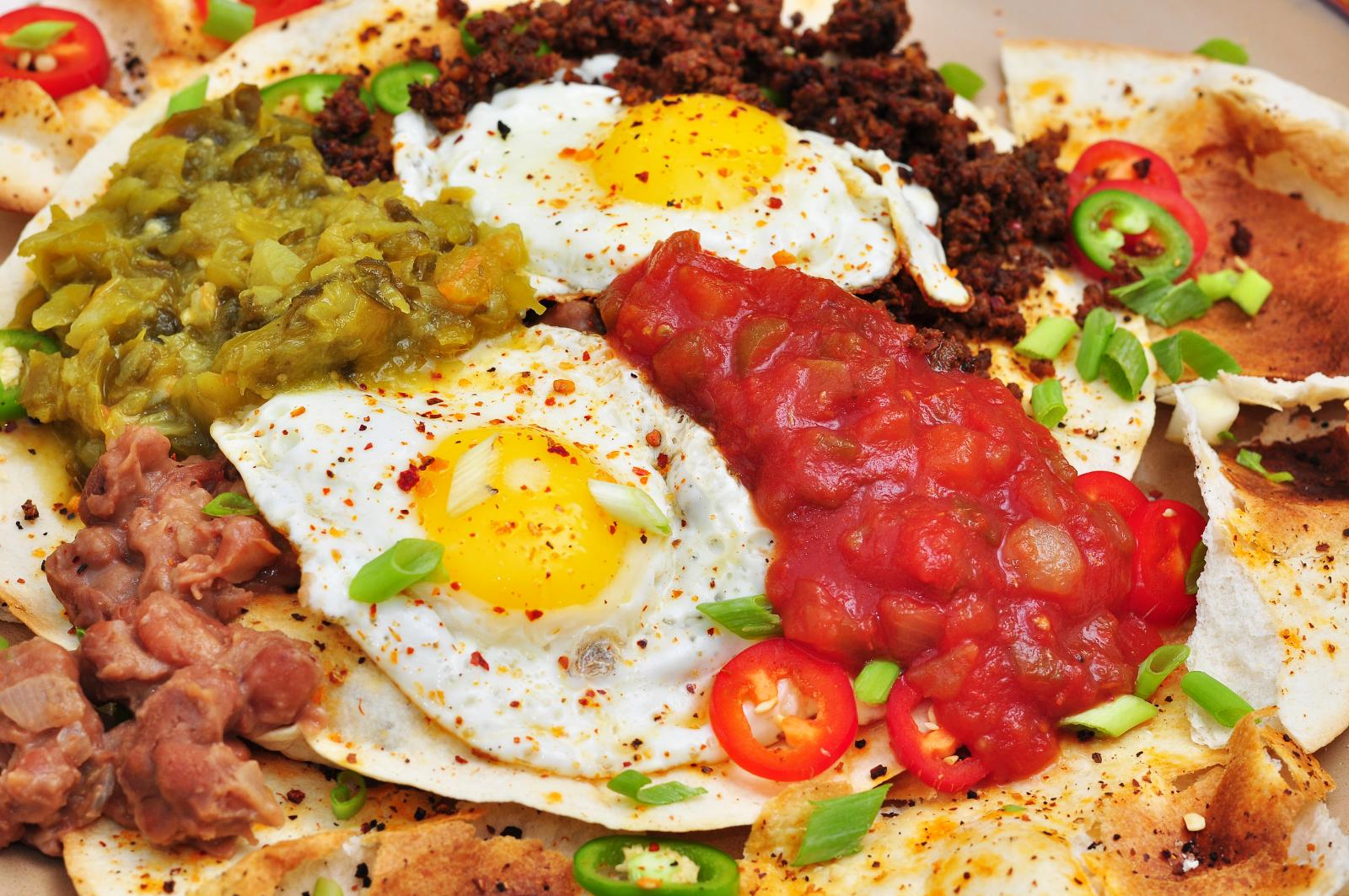
Fried eggs served on lightly fried tortillas with a cooked tomato and chilli salsa, frequently with beans alongside.
The tortilla underneath is what distinguishes it from any other fried egg with sauce. Huevos rancheros is the egg dish built on a base rather than a plate.
8. Onsen Tamago – Japan
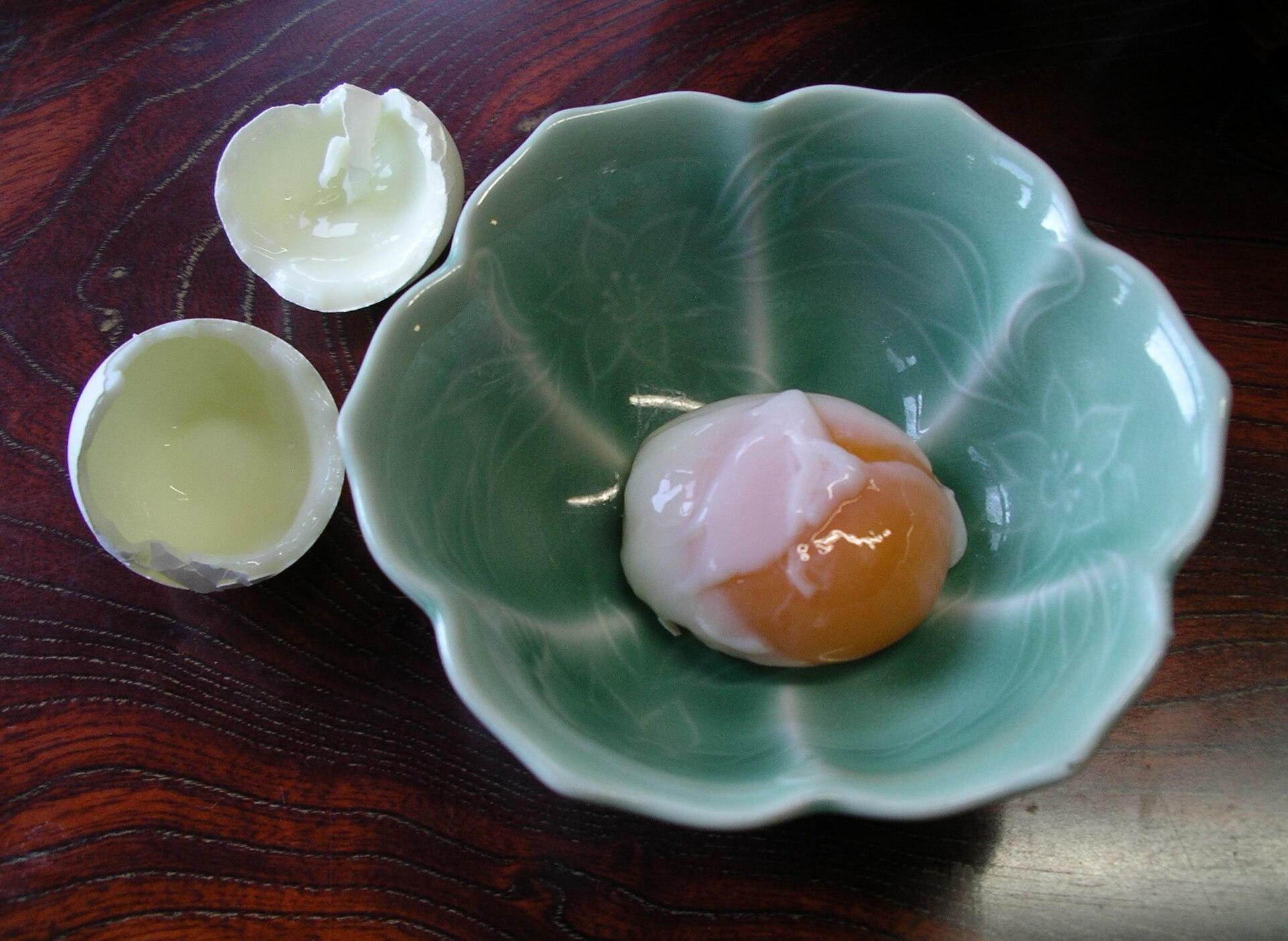
An egg cooked slowly at a temperature low enough to set the yolk to a custard while leaving the white barely thickened – the reverse of an ordinary boiled egg.
It exploits the different setting temperatures of the two parts directly. Onsen tamago is the egg cooked to reverse the usual textures.
9. Scotch Egg – Britain
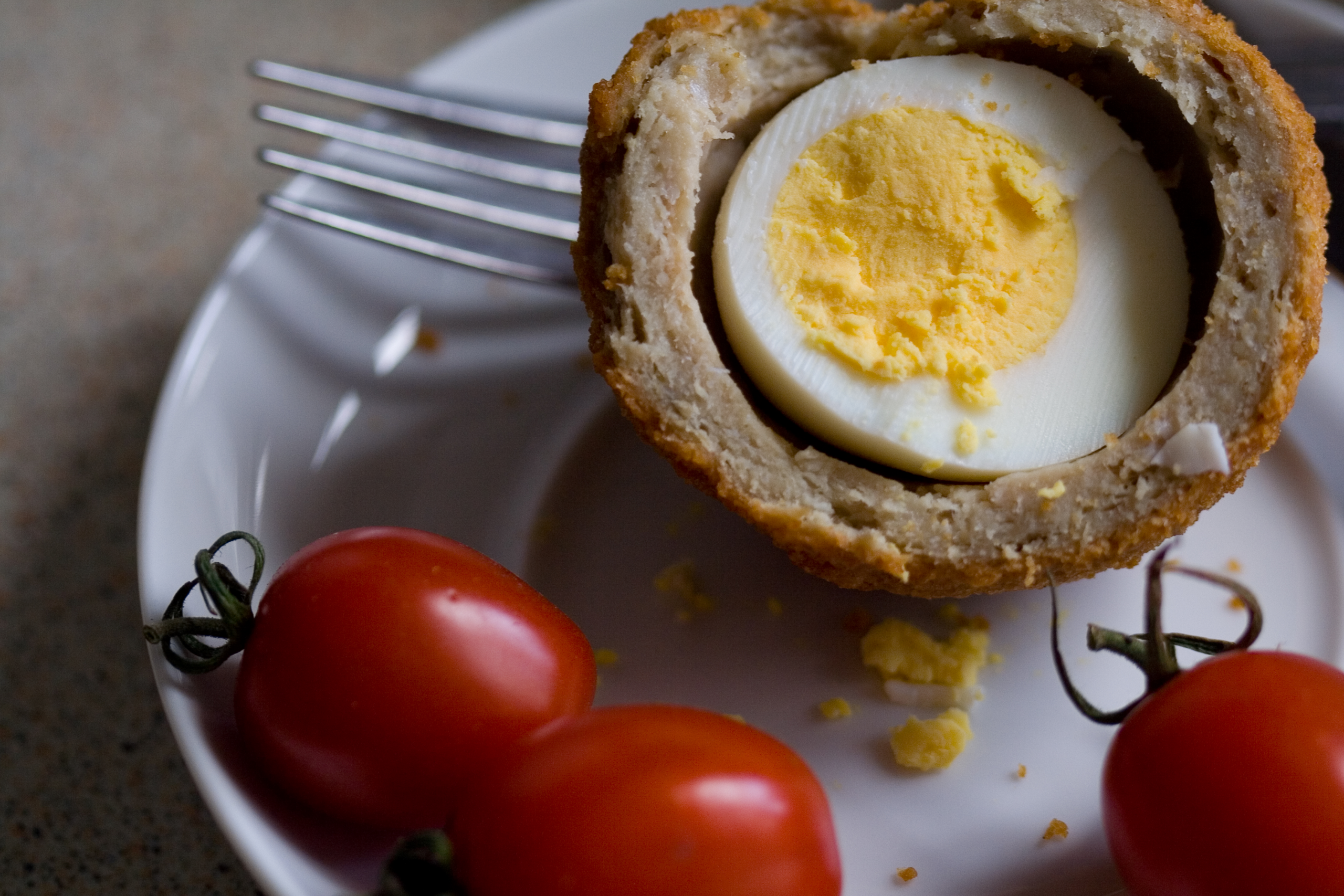
A boiled egg wrapped in sausage meat, coated in breadcrumbs and fried or baked, eaten cold as portable food.
The test is whether the yolk is still soft after the outside has cooked. The Scotch egg is the egg dish designed to be carried in a pocket.
10. Egg Foo Young and the Fried Omelettes of China
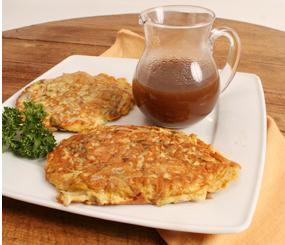
Beaten egg with vegetables and often meat, fried until browned and crisp at the edges, served with a sauce poured over.
It is fried hard rather than kept soft, which is the opposite instinct to a French omelette. Egg foo young is the egg dish where browning is the aim.
11. Chawanmushi – Japan
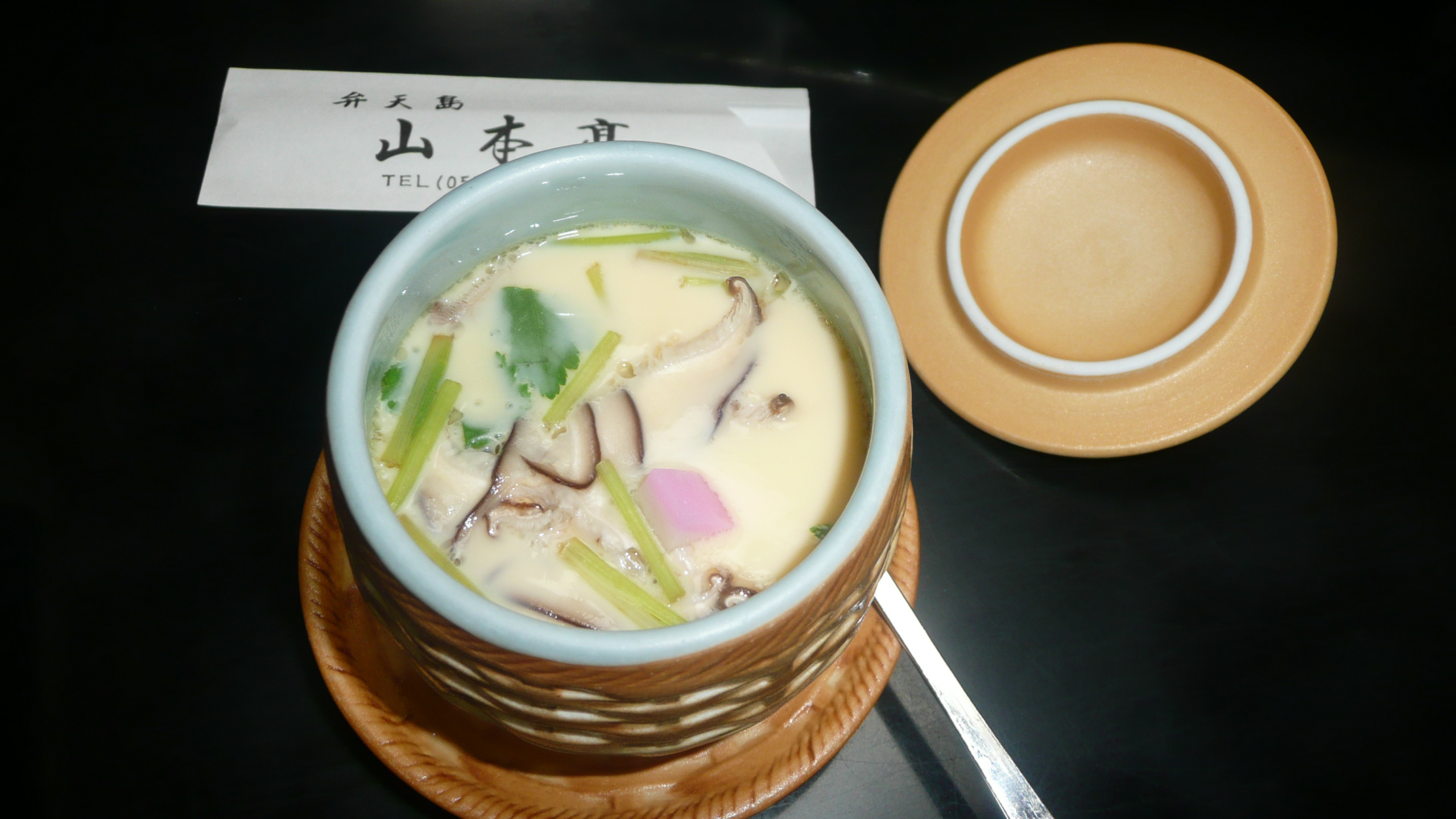
A savoury egg custard steamed in a cup with stock, containing small pieces of chicken, prawn, mushroom and ginkgo.
It is eaten with a spoon and should barely hold together. Chawanmushi is the egg dish that is closer to a set liquid than to anything solid.
12. Tortilla de Patatas – Spain
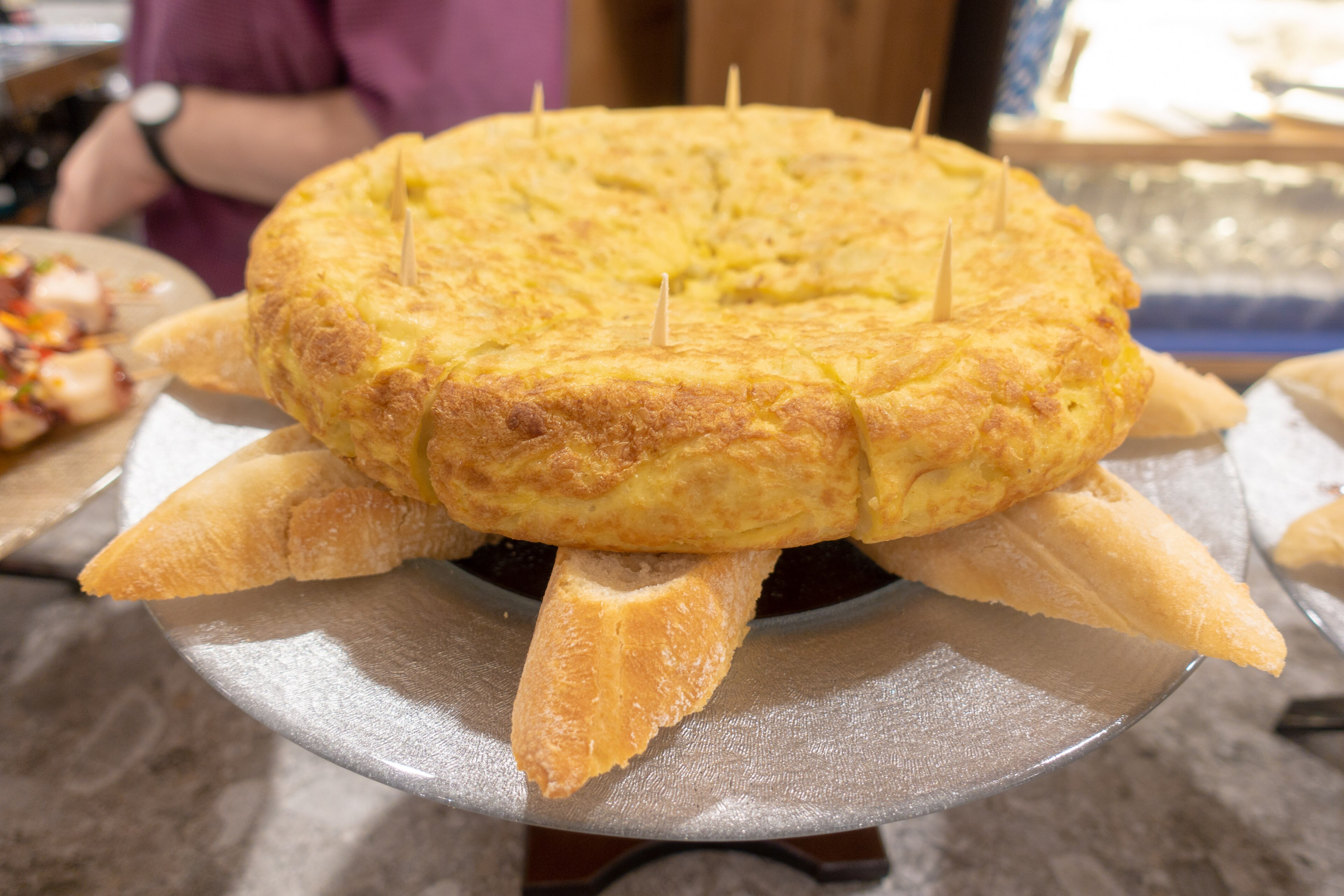
Eggs cooked slowly with potato and onion into a thick round cake, flipped mid-cooking using a plate.
The flip is the difficult part and the interior is traditionally left slightly soft. The Spanish tortilla is the egg dish where the technique is a wrist movement.
14. Eggs Benedict and the Hollandaise Dishes – North America
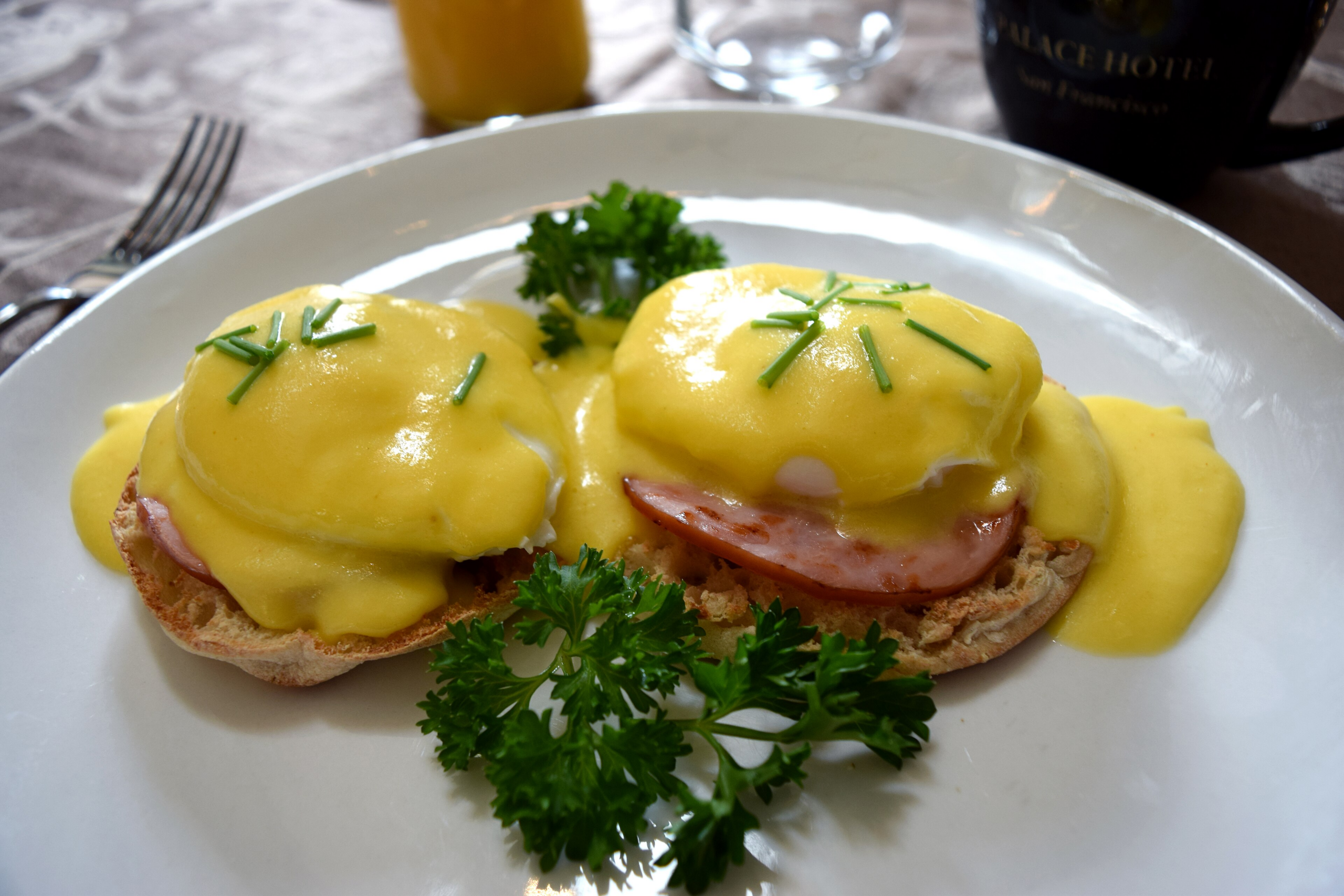
Poached eggs on a split muffin with cured pork under an emulsified butter and egg-yolk sauce.
The sauce is itself an egg preparation, which makes the dish egg twice over. Eggs Benedict is the egg dish where the sauce is also made of egg.
15. Kaya Toast and the Soft-Boiled Egg – Singapore and Malaysia
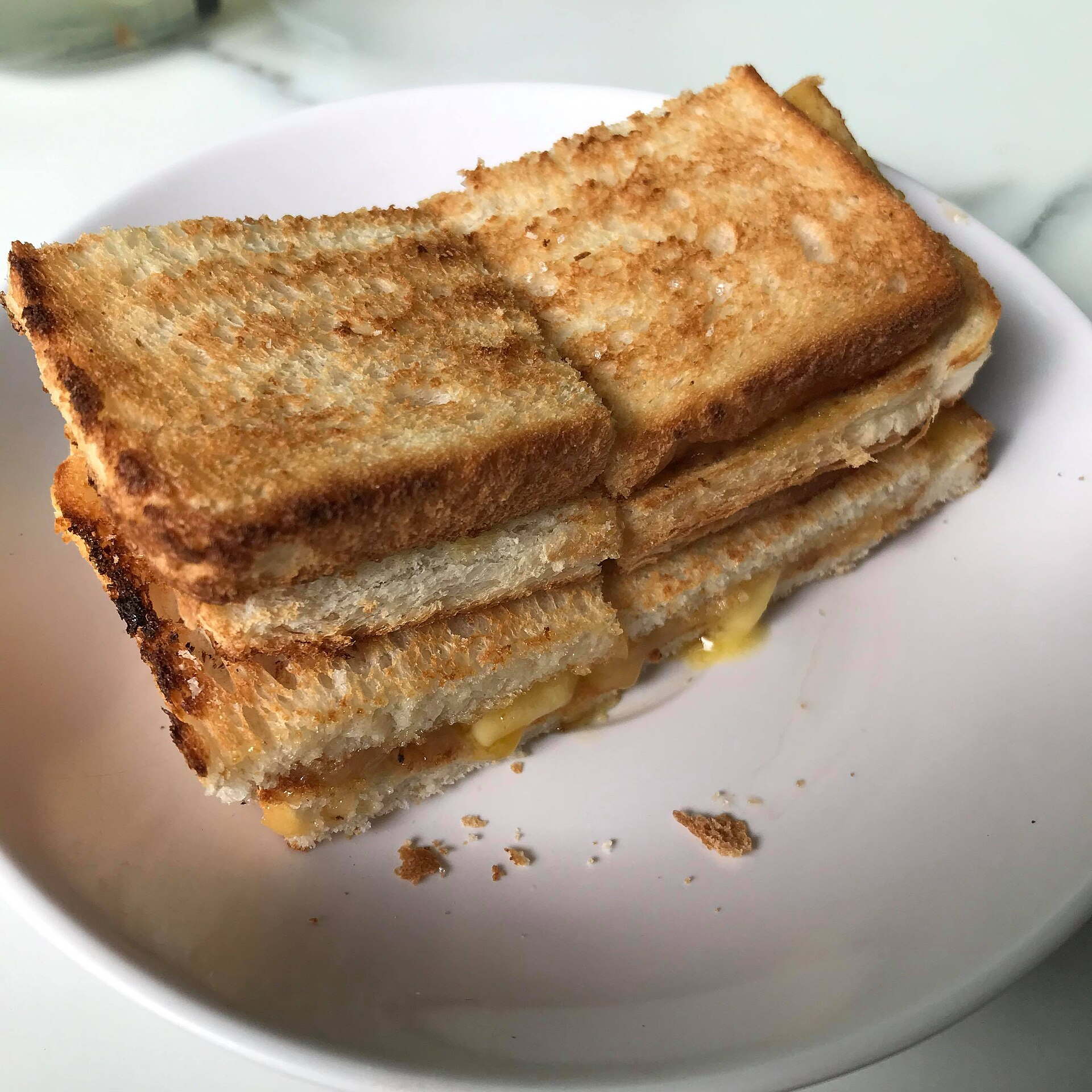
Very soft-boiled eggs served in a bowl with dark soy and white pepper, alongside toast spread with coconut jam, eaten together.
The eggs are barely set and are stirred rather than sliced. This is the egg preparation served as a dip for toast rather than beside it.
16. Meringue and the Separated Whites – Everywhere
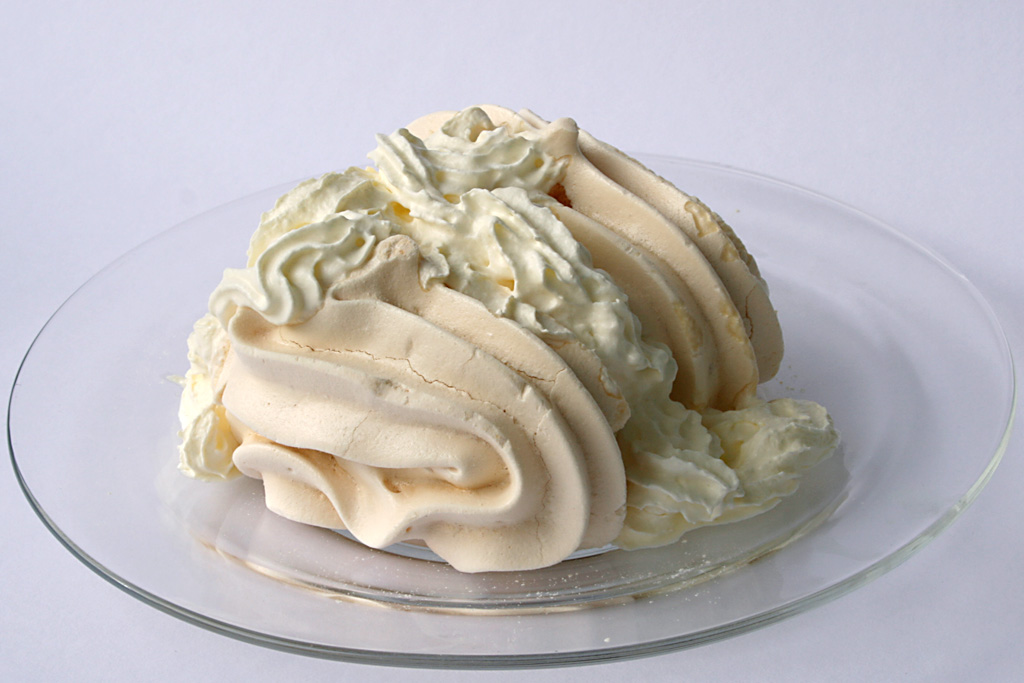
Whites whipped alone trap air in a protein network and set into a solid foam, which is a completely different use of the same ingredient.
Nothing about the result resembles the liquid it came from. Meringue is the egg preparation that uses only half the egg and changes its state entirely.
One Ingredient, Sixteen Answers
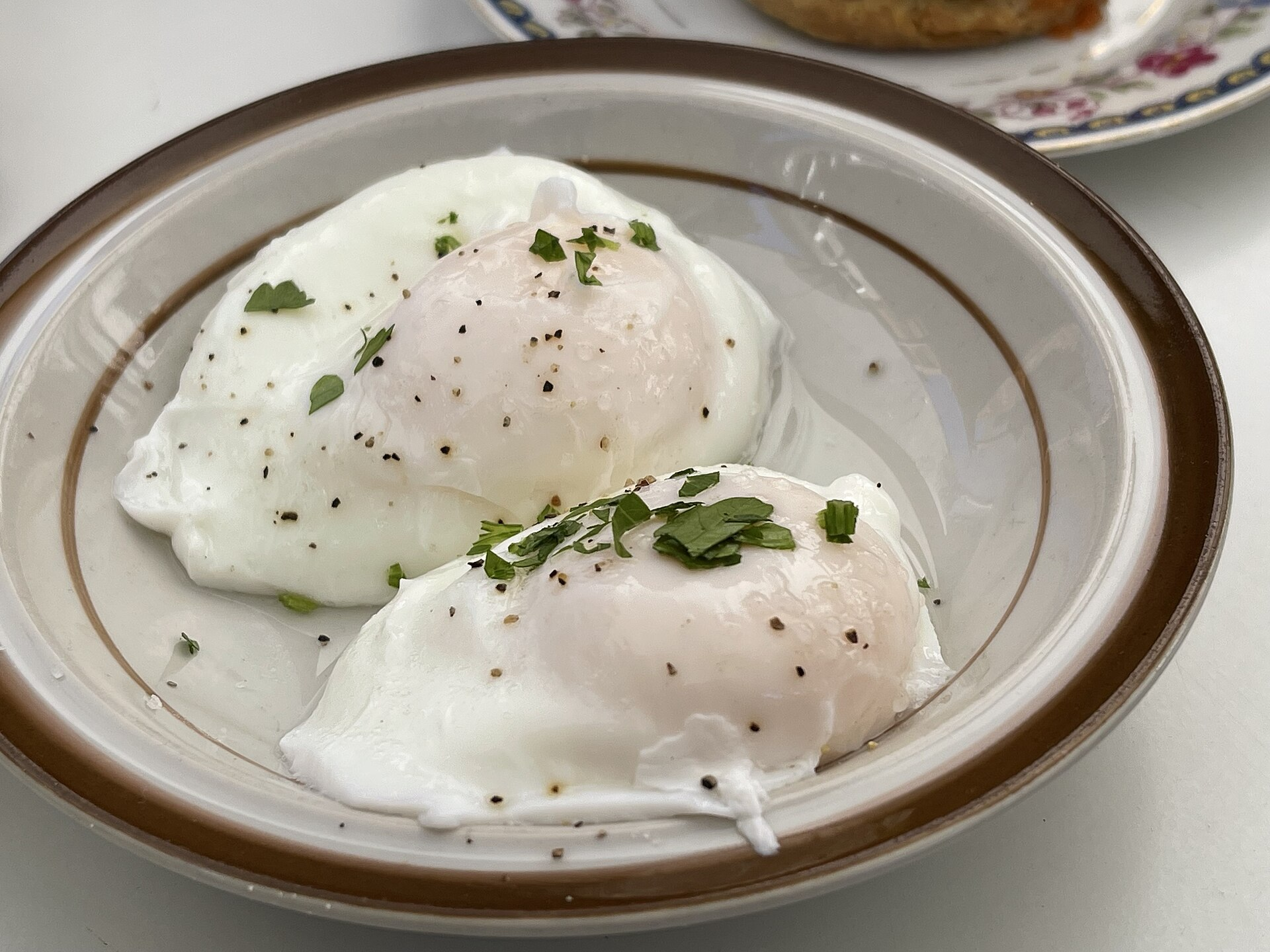
Everything here depends on the same underlying fact: egg proteins firm up across a range of temperatures, and white and yolk behave differently. Every technique above is a way of stopping somewhere specific on that range.
The single most useful thing to take from this is that most egg failures are temperature failures rather than timing failures. Lower heat and more patience fixes rubbery scrambled eggs, chalky yolks and split custards alike, and every dish above is somebody having worked out exactly where on that scale they wanted to stop.
Like our content? Follow us for more.