

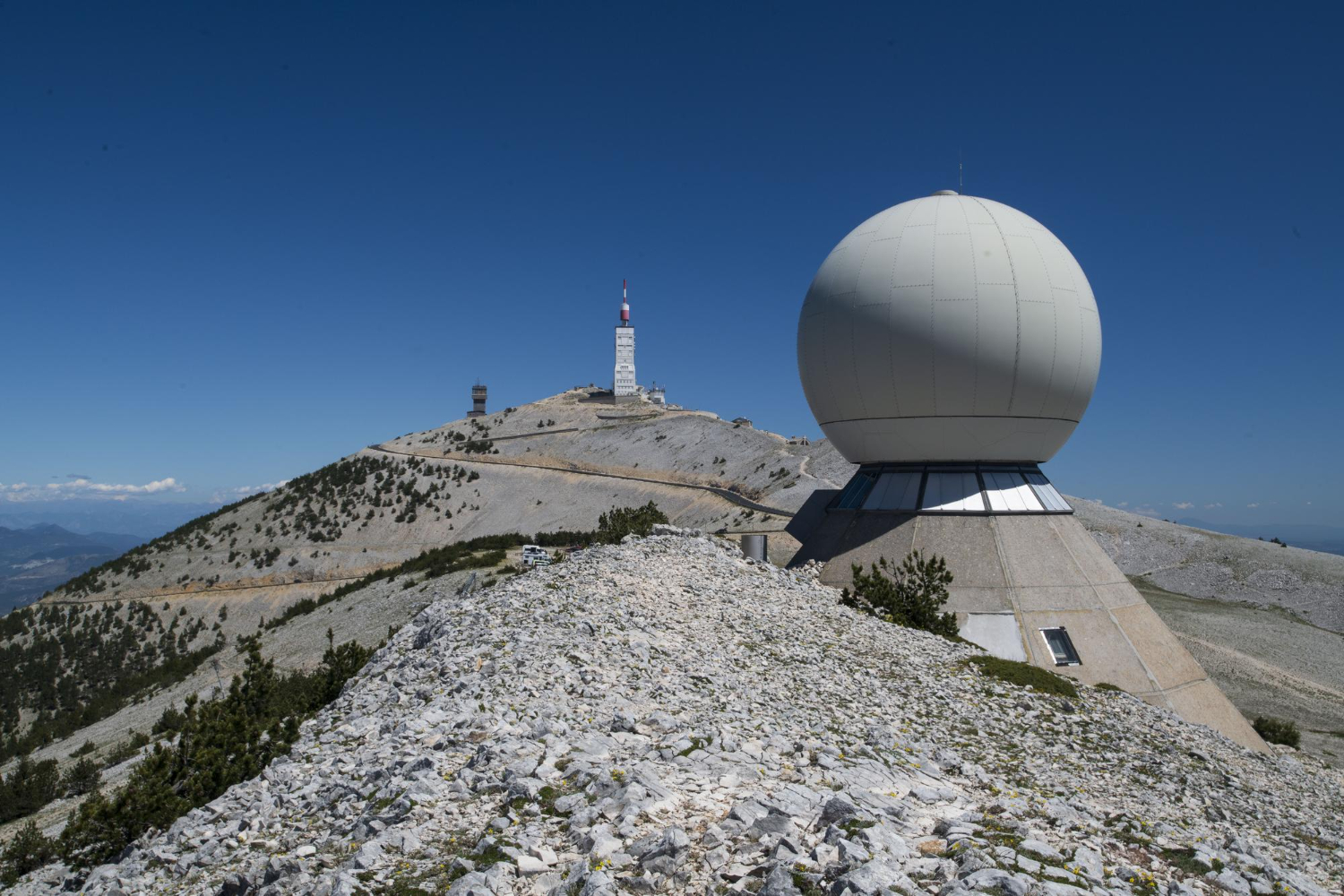
Two kinds of place are worth visiting: working research sites at altitude, and historic instruments in cities that show how the work was done before electronics. Here are eleven of both.
1. Pic du Midi, France
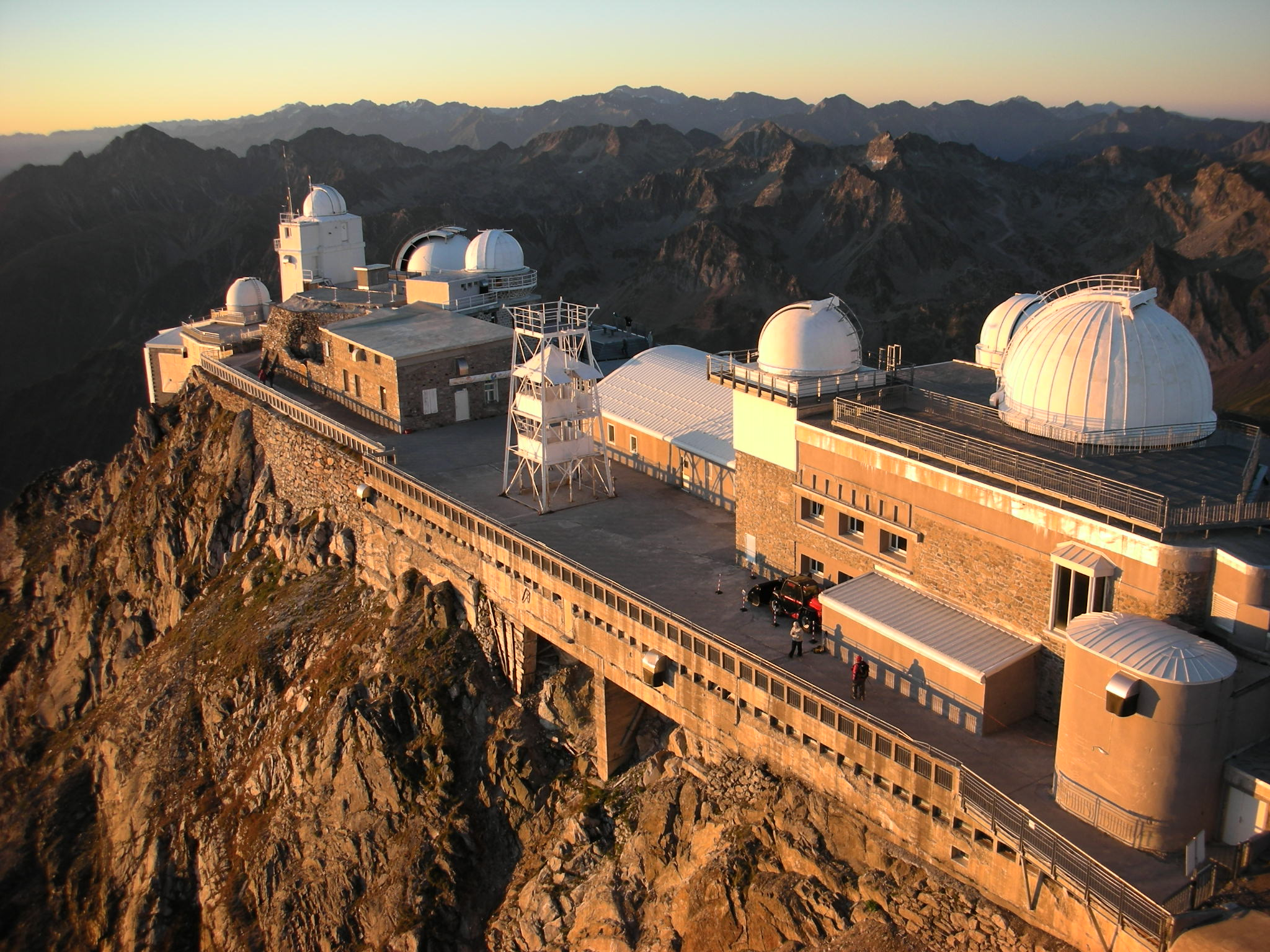
An observatory on a Pyrenean summit reached by cable car, where visitors can stay overnight on the mountain after the day trippers have gone down.
It combines a working scientific station with public access in a way few high-altitude sites manage, and the surrounding area holds dark-sky protection. Pic du Midi is the observatory where you can sleep at the top of the mountain.
Like our content? Follow us for more.
2. Roque de los Muchachos, La Palma, Canary Islands
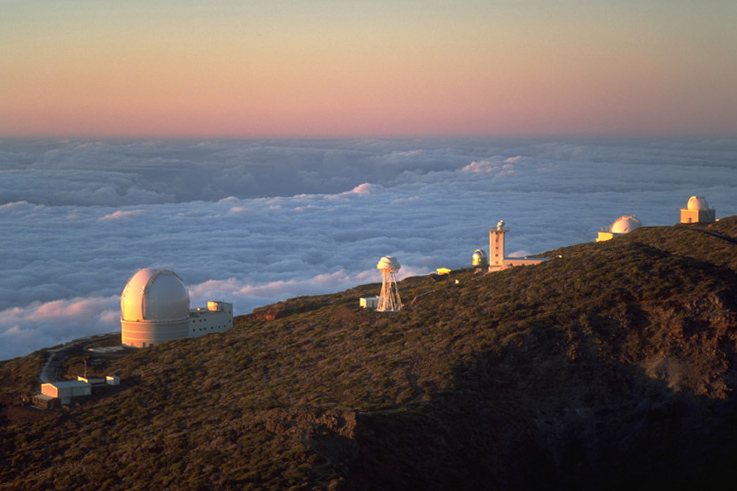
A ridge-top site above the cloud layer hosting telescopes from many countries, reachable by road with visitor tours available.
The island has strict lighting regulations specifically to protect the sky above it. La Palma is the observatory whose whole island is legally required to stay dark.
3. Paranal and the Atacama Sites, Chile
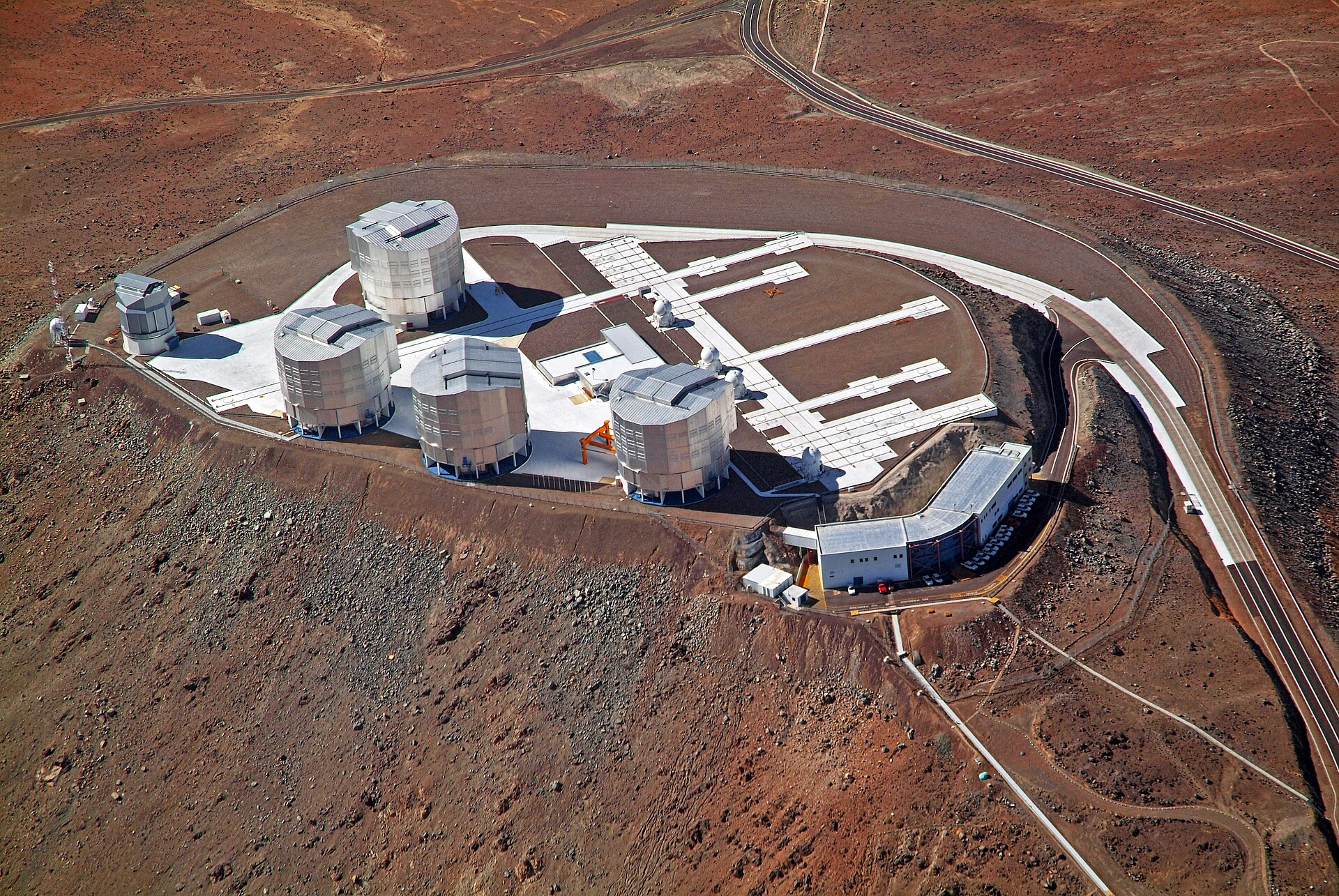
Major observatories on desert mountains in one of the driest places on Earth, where clear nights are close to guaranteed.
Some run weekend visitor programmes booked well in advance. The Atacama observatories are the ones sited where it essentially never rains.
4. The Royal Observatory, Greenwich, England
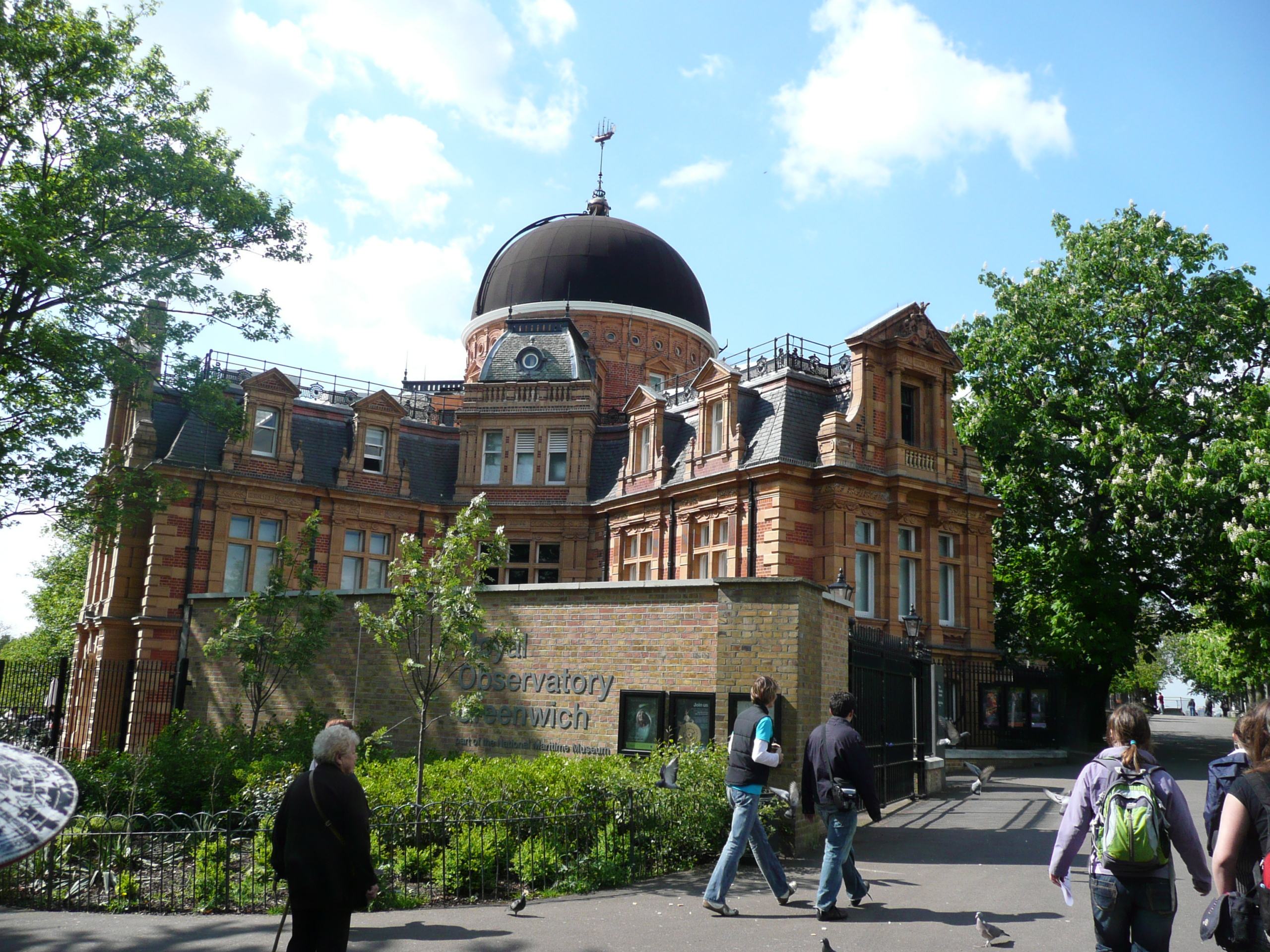
A historic site preserving early instruments, including the transit telescope that defined a meridian, alongside a planetarium.
It is a museum rather than a working research site, which is precisely what makes it legible to visitors. Greenwich is the observatory that shows what the work looked like before electronics.
5. Jantar Mantar, Jaipur, India
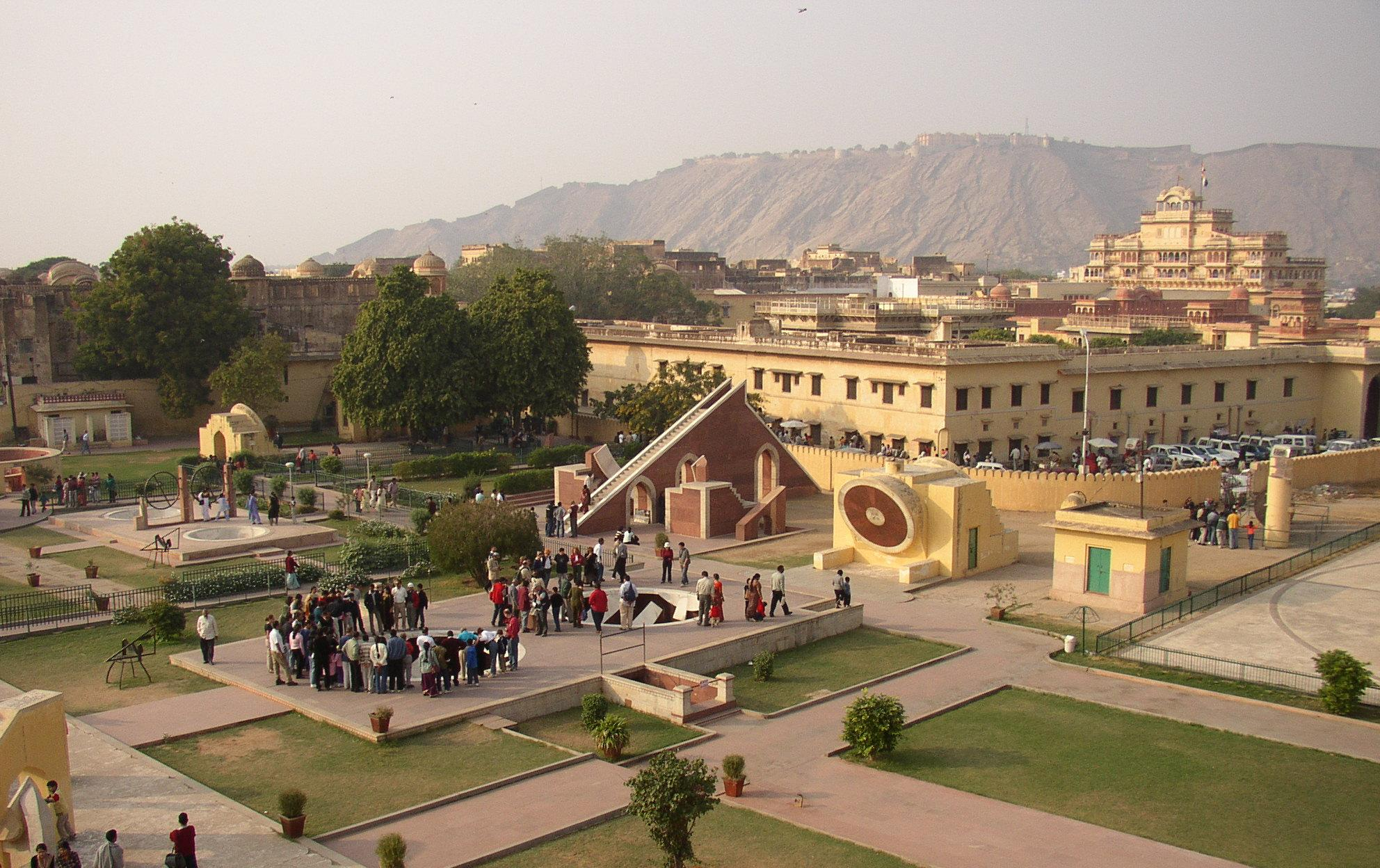
A collection of enormous masonry instruments built in the eighteenth century to measure time and celestial positions, with no lenses anywhere.
The largest sundial is accurate to a remarkable degree and is a building rather than a device. Jantar Mantar is the observatory made entirely of architecture.
6. Griffith Observatory, Los Angeles, USA
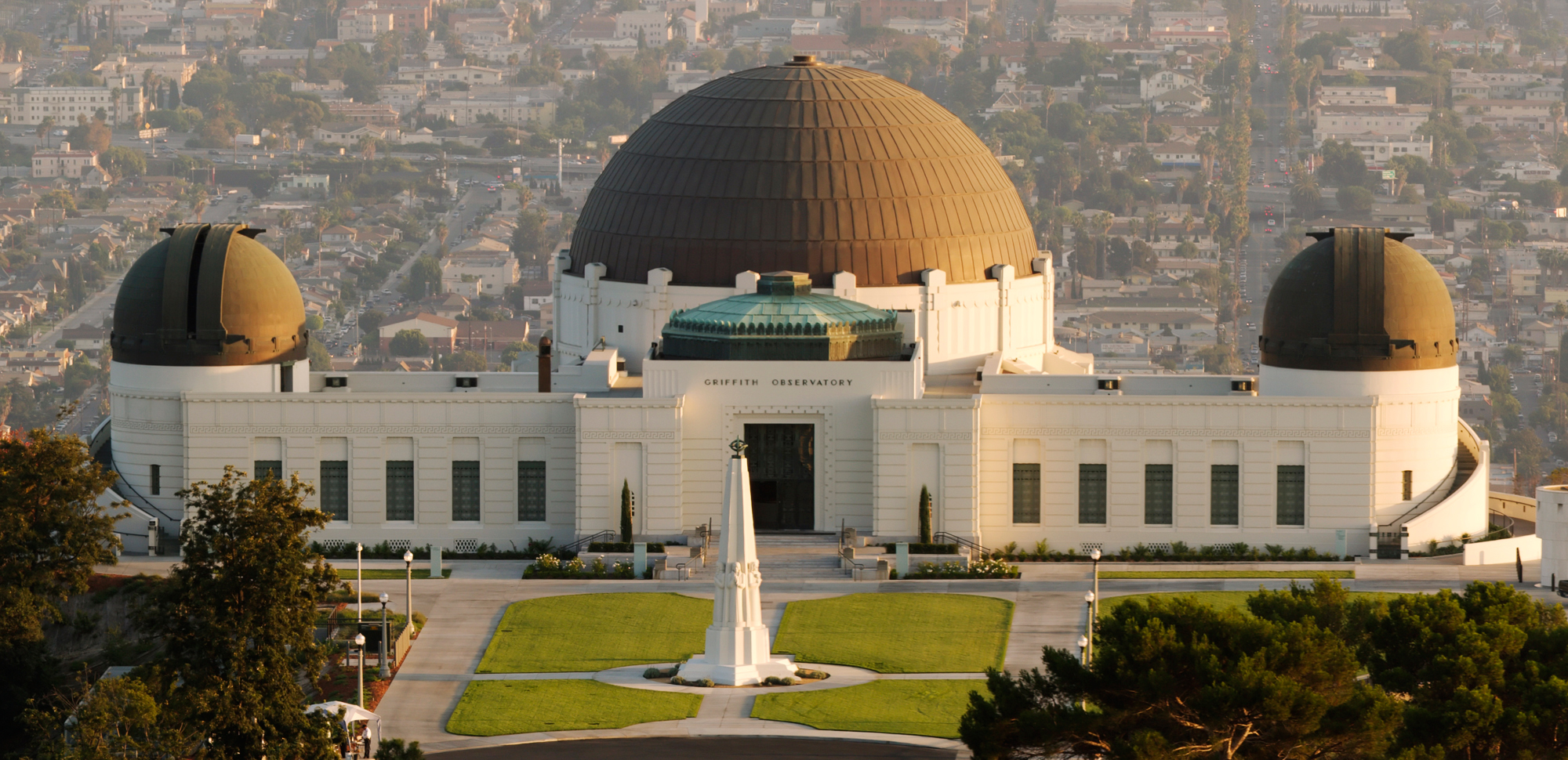
A public observatory on a hillside above a large city, built specifically for public astronomy rather than for research.
Admission to the building is free and it has been a civic institution for decades. Griffith is the observatory built from the outset to let the public look through a telescope.
7. The Old Observatories of Central Europe
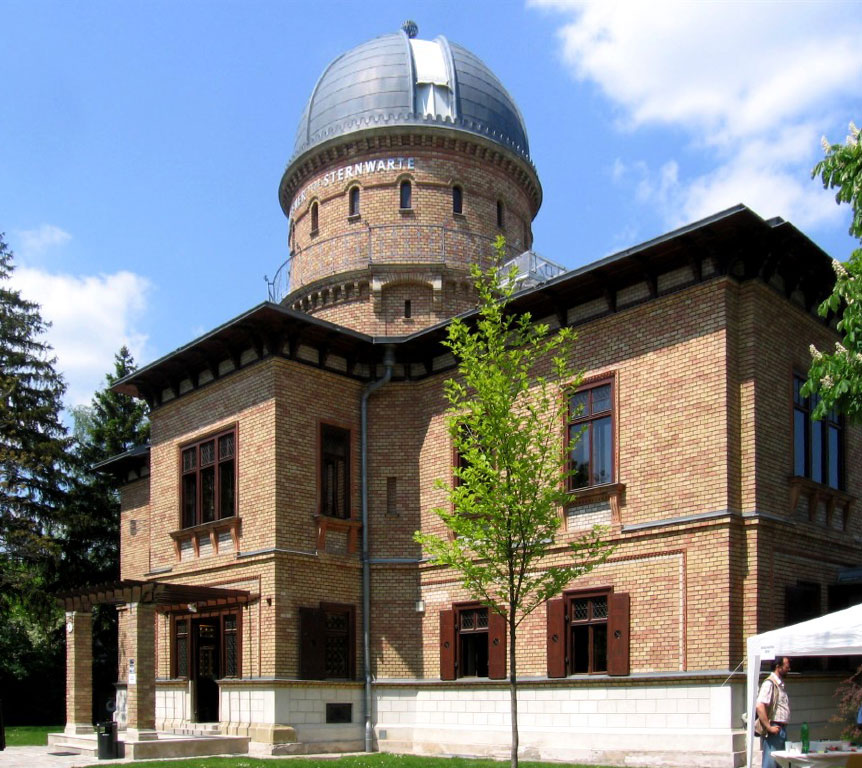
Historic city observatories in several European capitals preserve nineteenth-century refracting telescopes and their original domes and mechanisms.
Several run public evenings using the original instruments. These are the observatories where the telescope you look through is the historic one.
8. Arecibo Site and the Radio Astronomy Legacy, Puerto Rico
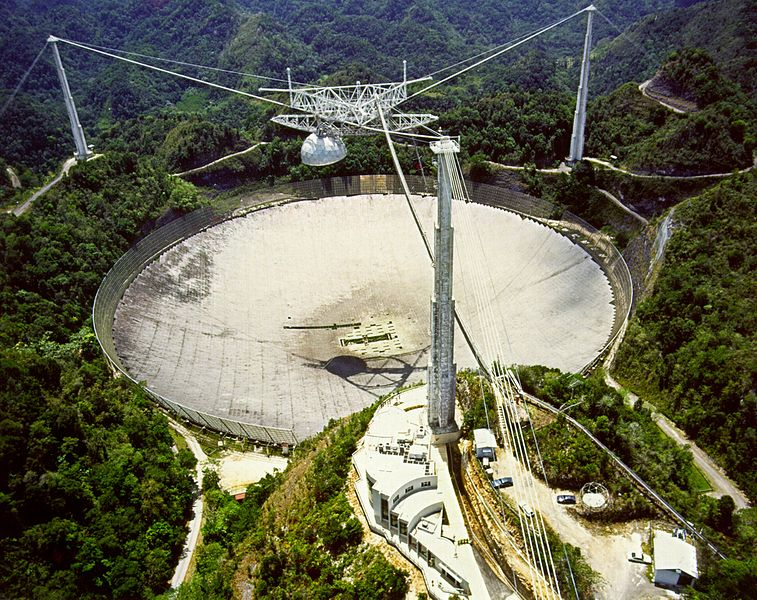
Radio astronomy sites look nothing like optical observatories, using dishes and arrays rather than domes, and several run visitor centres explaining the difference.
Facilities change and some have closed or been rebuilt, so current status should be checked. Radio observatories are the astronomy sites that do not involve looking at anything.
9. Siding Spring, Australia
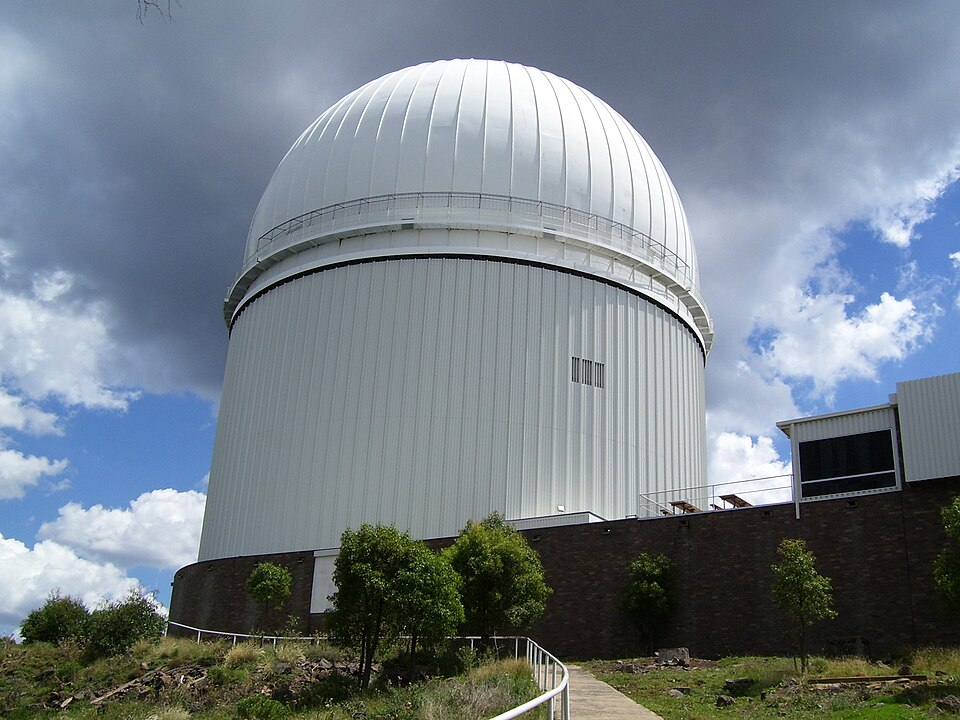
A working observatory in a national park, with a visitor centre and views of a southern sky that includes objects never visible from Europe or North America.
The surrounding region has dark-sky protections. Siding Spring is the observatory that shows a hemisphere of sky most visitors have never seen.
10. The Beijing Ancient Observatory, China
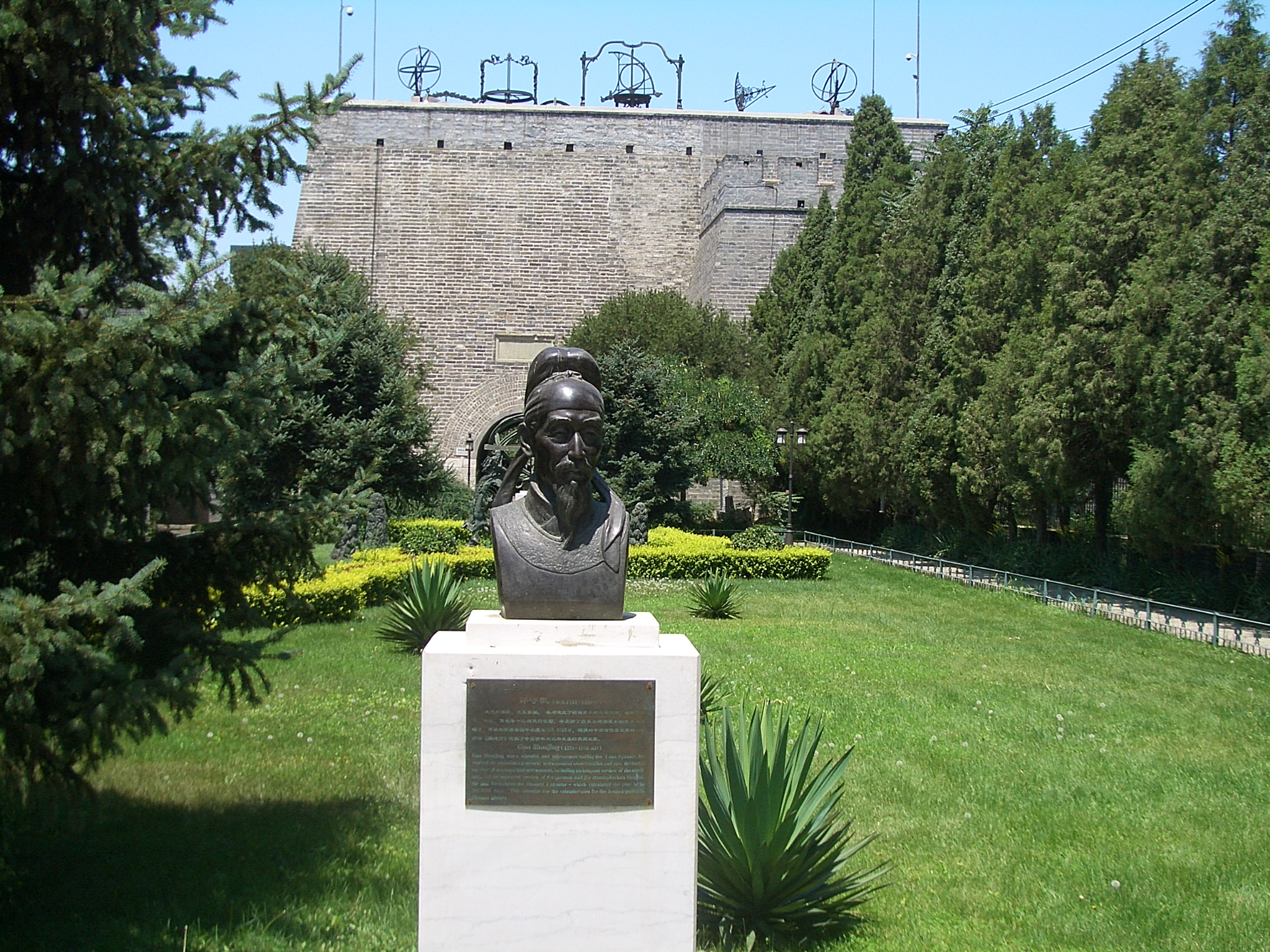
A Ming-era platform in the middle of a modern city, carrying large bronze instruments made for naked-eye measurement.
The instruments are ornate and were working scientific equipment rather than decoration. Beijing is the observatory where precision instruments are also sculpture.
11. Dark Sky Reserves and Community Observatories
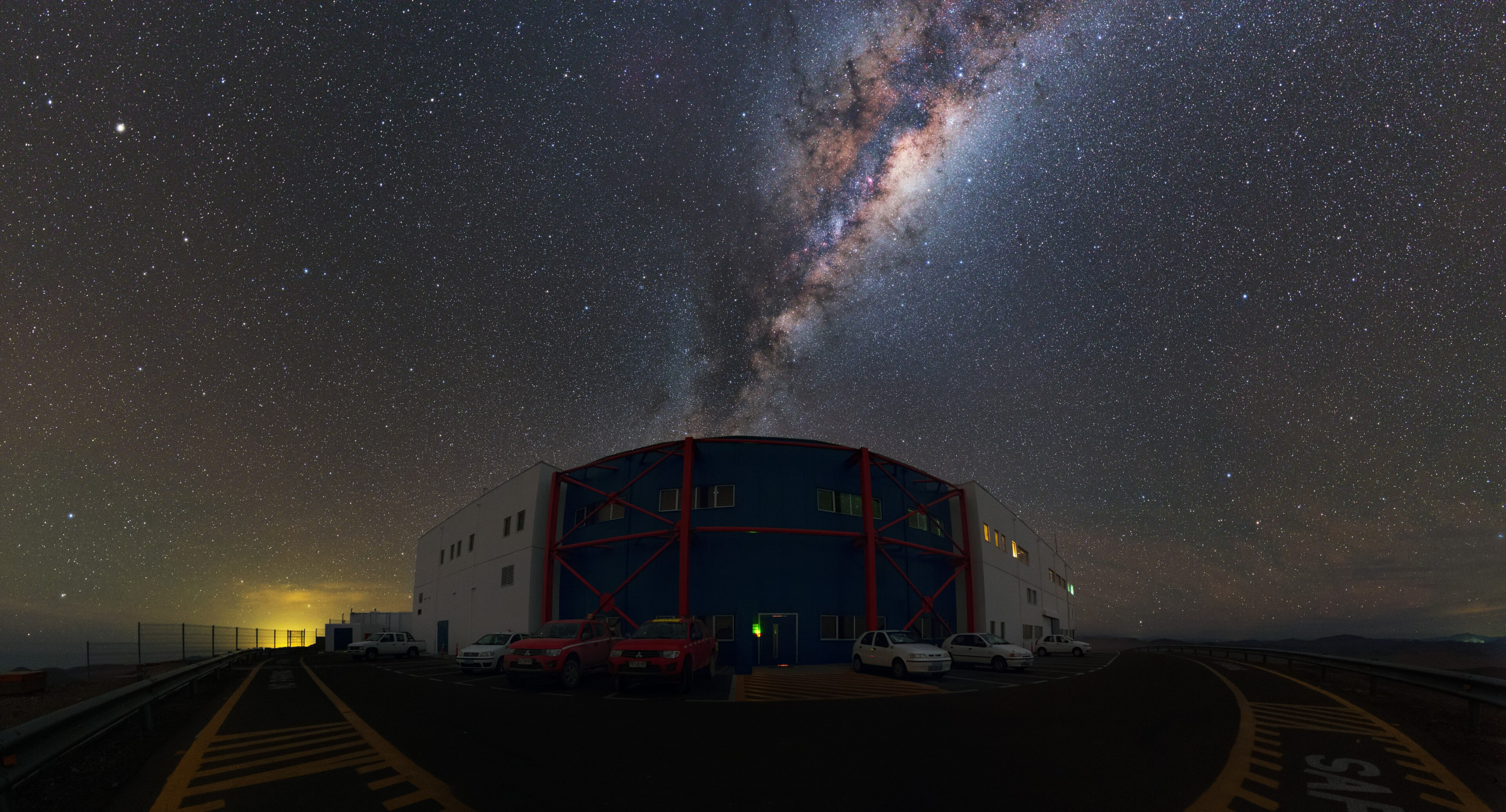
Beyond major facilities, a growing number of designated dark-sky areas run small public observatories and organised viewing nights.
These are frequently the most accessible option and require no altitude, permits or specialist knowledge. Community observatories are the easiest way to look through a real telescope.
Somewhere Dark, Dry and High
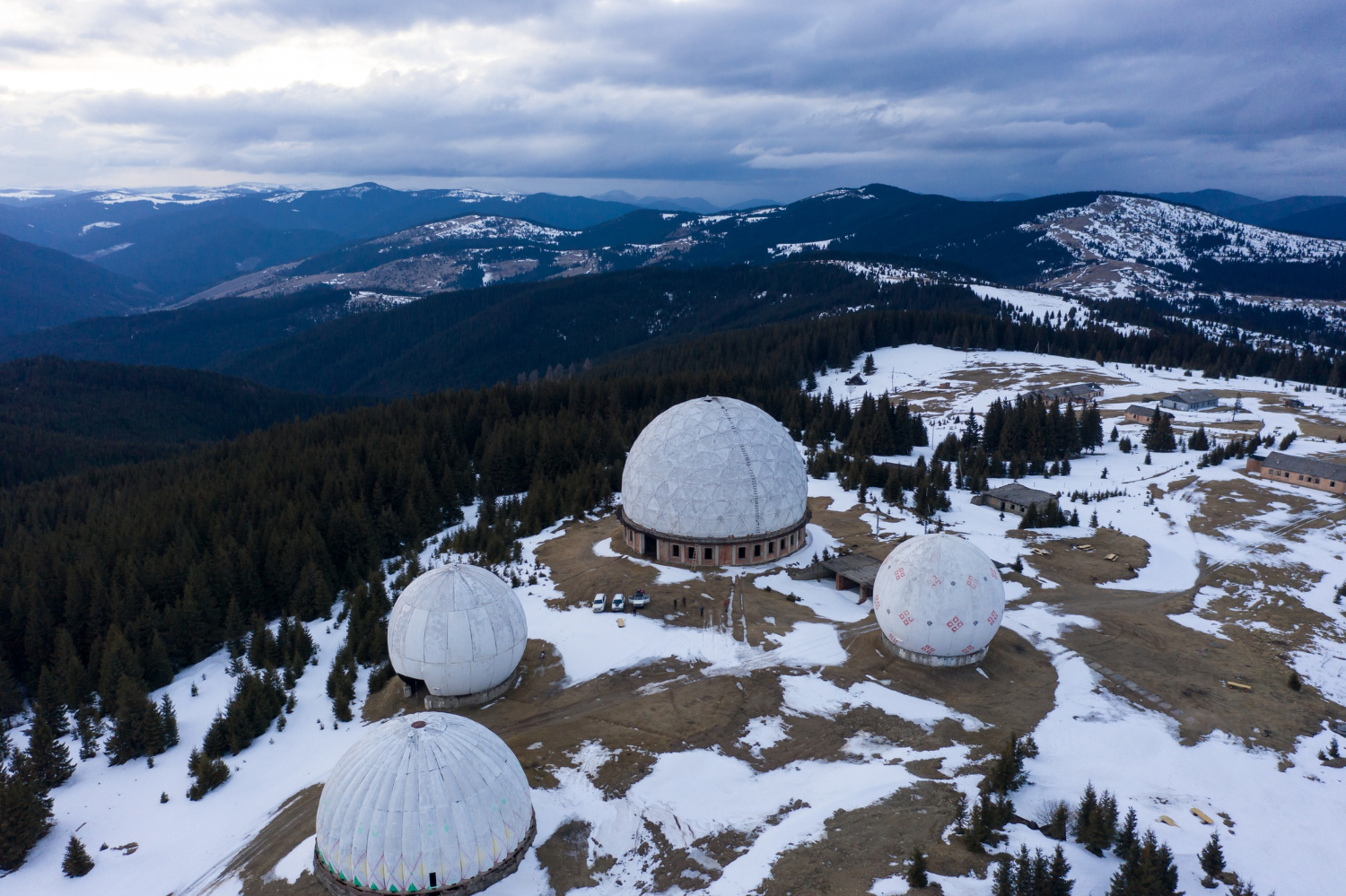
Research astronomy has to go where the atmosphere interferes least, which is why the good sites are on desert mountains and volcanic summits, and why the historic ones in cities are now museums rather than laboratories.
Practical notes: high-altitude sites affect some visitors and several restrict access accordingly, visitor programmes at working observatories book out far ahead and are cancelled for weather and operations, night visits require warm clothing well beyond what the daytime suggests, and several sites limit lights and vehicles. Check current arrangements directly with the site, and follow whatever guidance they give.
Like our content? Follow us for more.
