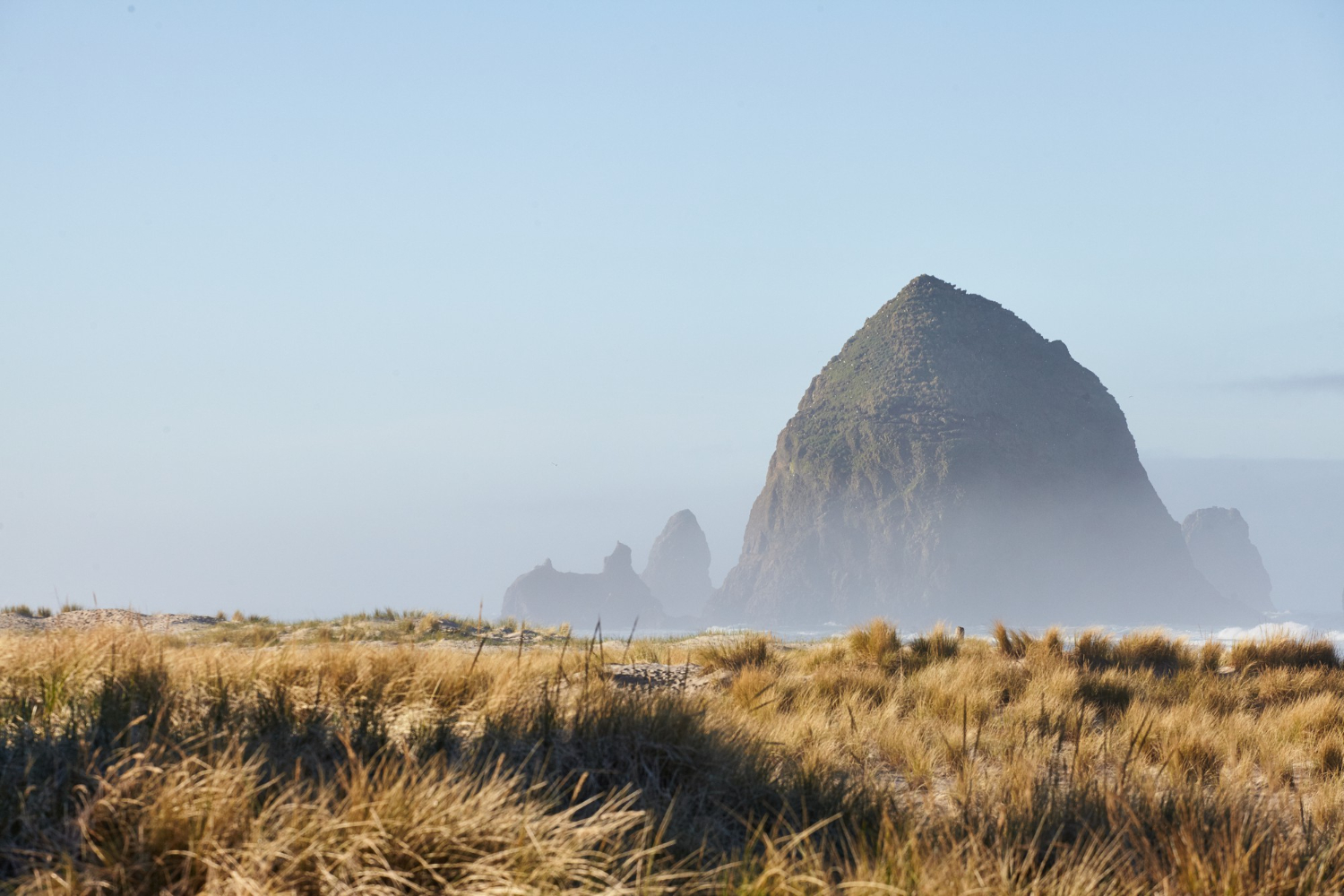
What these have in common is exposure. A headland projects into whatever the ocean is doing, which is why the weather on them is rarely the weather a few miles inland. Here are twelve.
1. Cape Horn, Chile
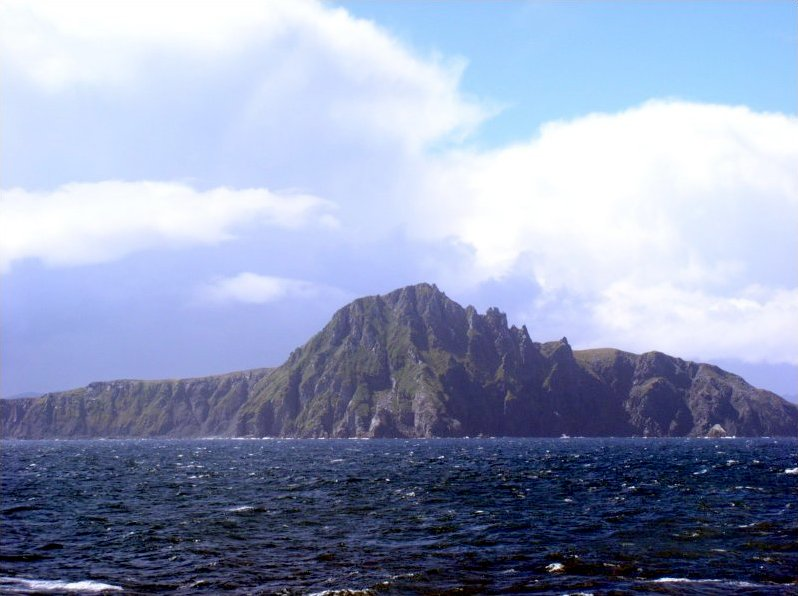
The southern end of the South American archipelago, where two oceans meet in open water with no land to interrupt the winds that circle the globe at that latitude.
Rounding it was the defining ordeal of sailing routes for centuries. Cape Horn is the headland that shaped the reputation of an entire era of seafaring.
Like our content? Follow us for more.
2. Cape Agulhas and the Cape of Good Hope, South Africa
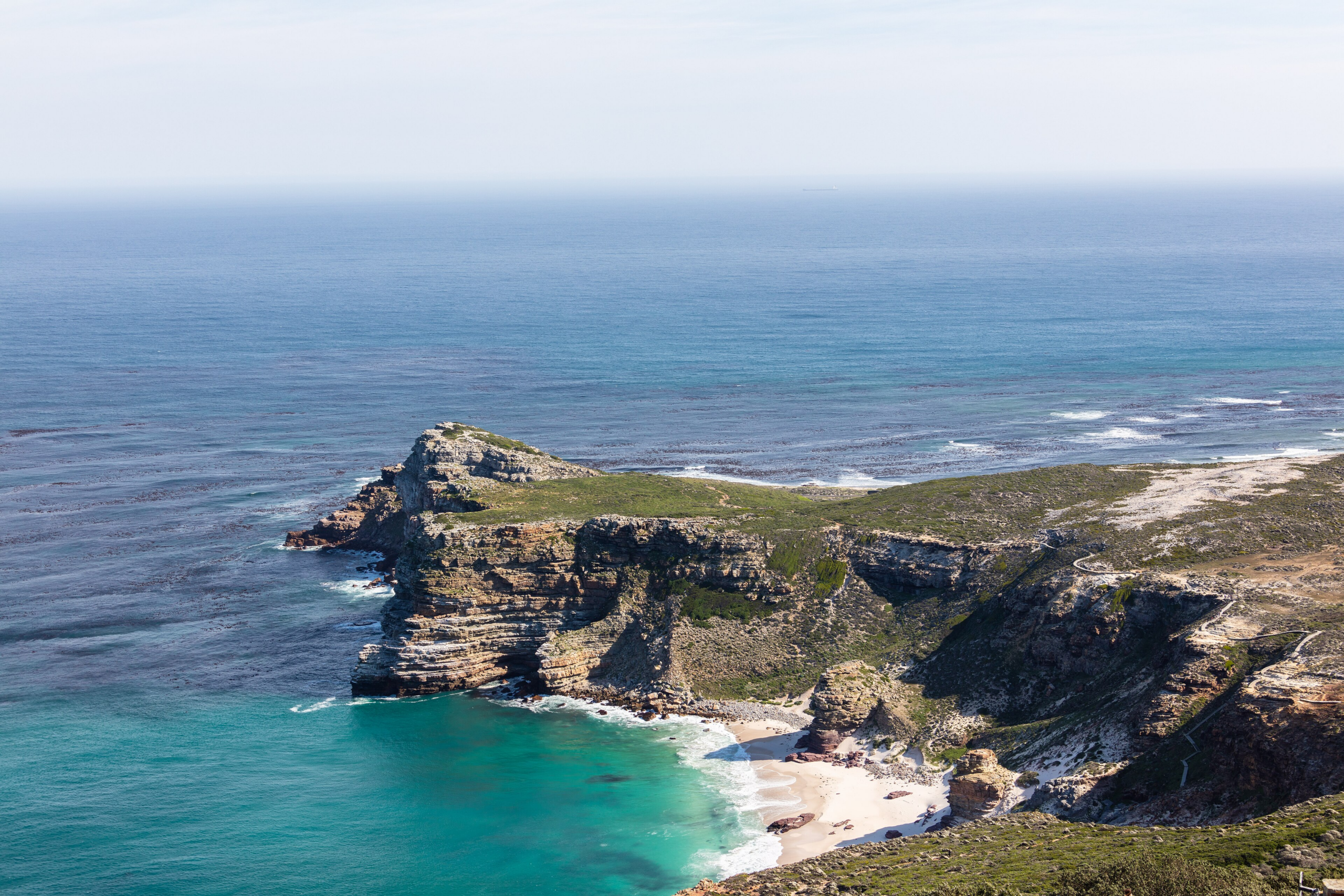
The famous one is not the southern tip. That is Cape Agulhas, some distance east, which is also the formal dividing line between two oceans.
The Cape of Good Hope is the more dramatic promontory and the more visited, which is why the confusion persists. Cape Agulhas is the headland that holds the title everyone gives to its neighbour.
3. Cape Reinga, New Zealand
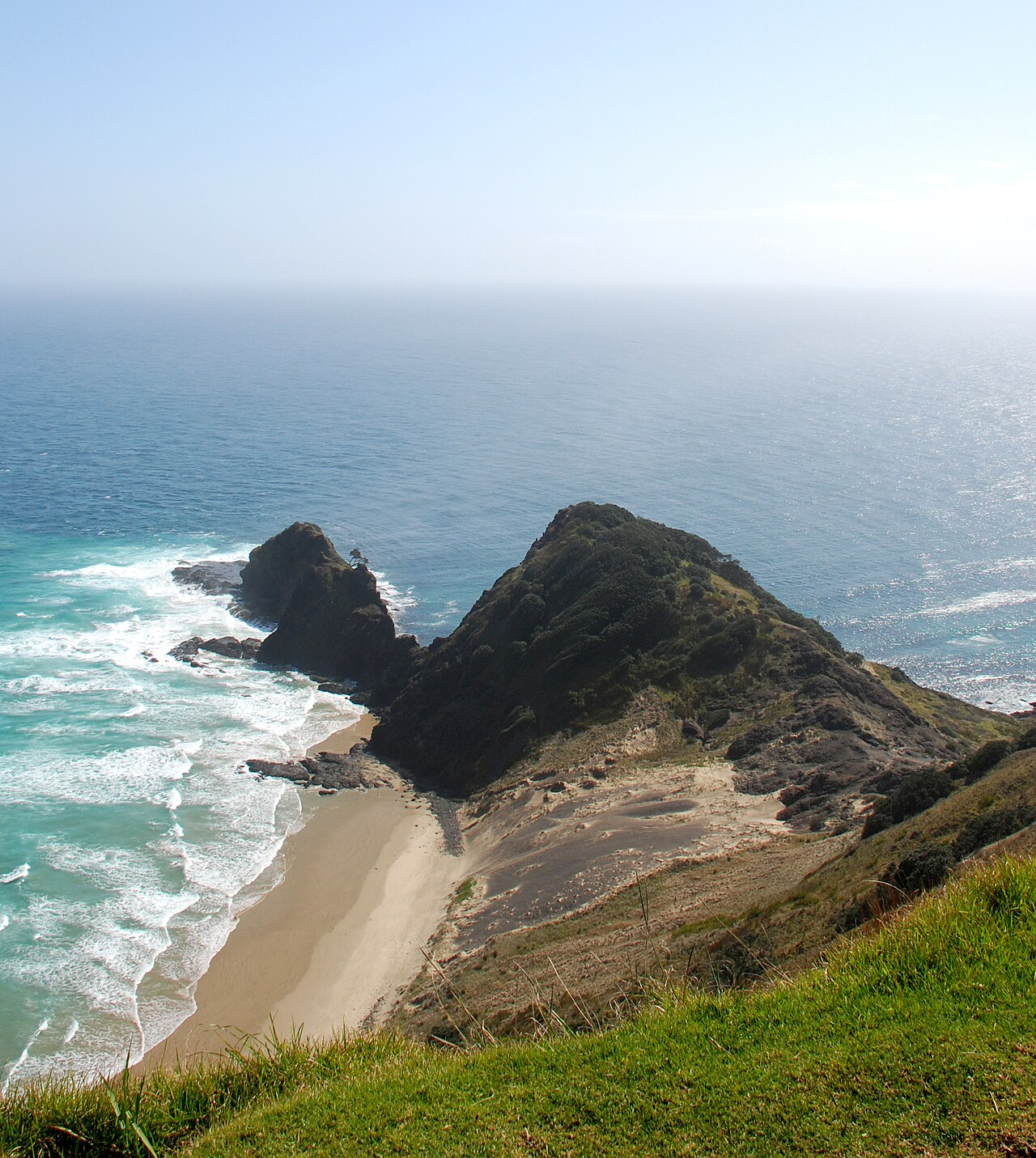
The northern tip, where a visible line of turbulence marks the meeting of two seas, and a lone tree stands at the point.
It is a place of profound significance in Maori tradition, and visitors should follow the guidance given on site. Cape Reinga is the headland where the meeting of two seas is visible from the cliff.
4. Cape Cornwall and Land End, England
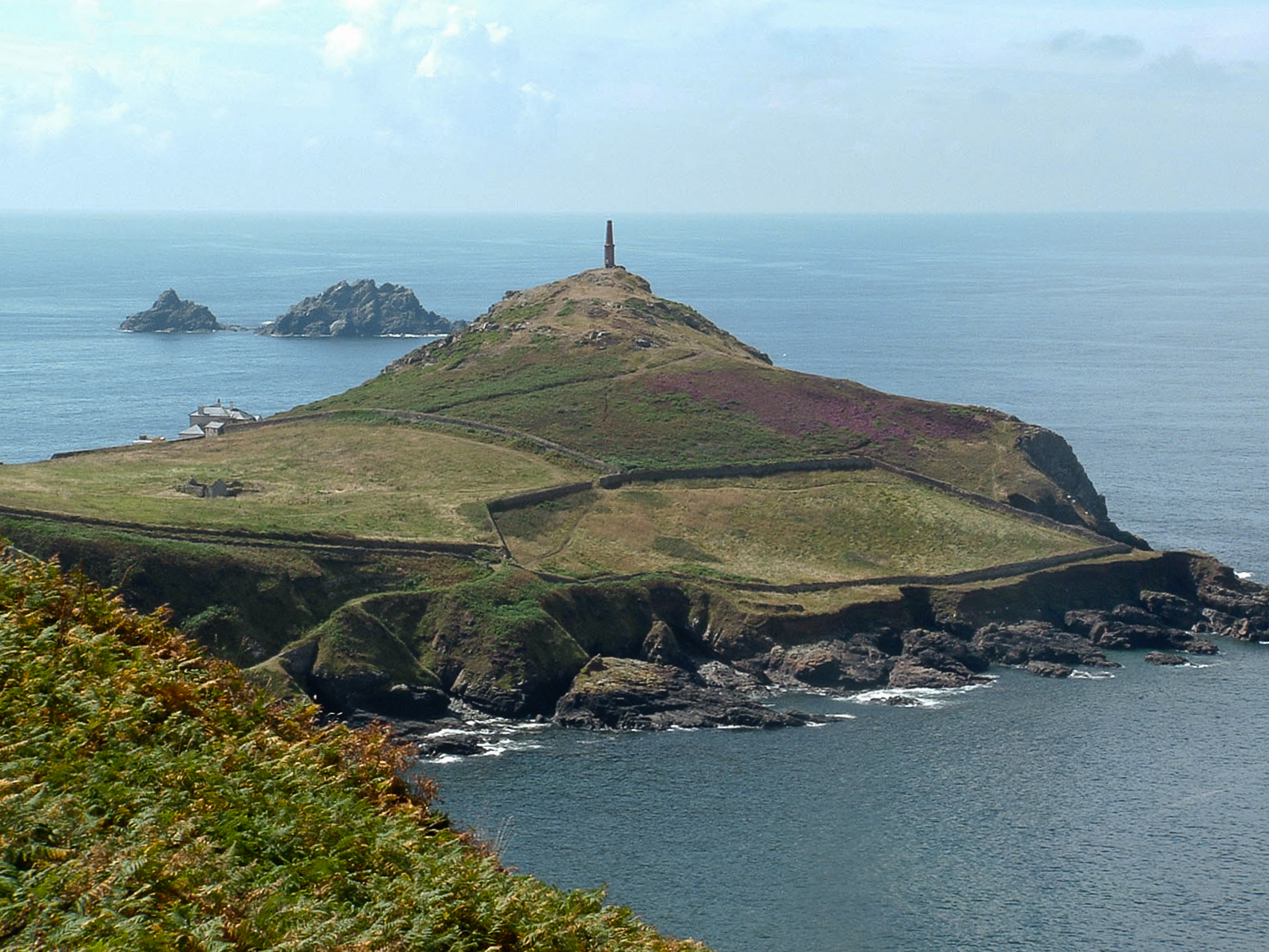
A granite peninsula where the southwest of the country runs out, historically the first and last landfall for Atlantic shipping.
The quieter neighbouring cape is generally the better visit. The Cornish headlands are the capes that mark the end of a country in the popular imagination.
5. Nordkapp, Norway
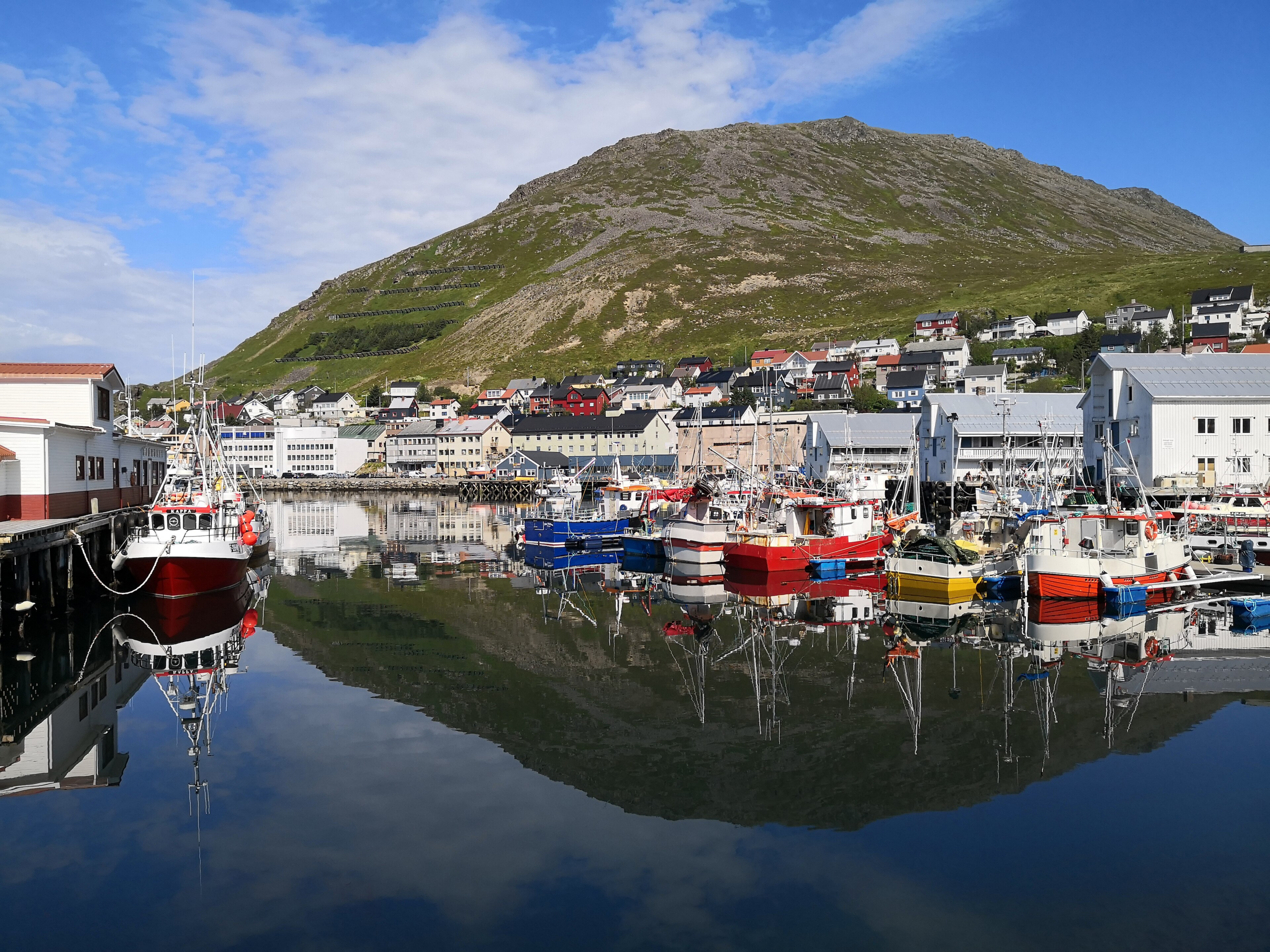
A cliff plateau in the far north, marketed as the northernmost point of mainland Europe on a technicality that a neighbouring headland disputes.
In summer the sun does not set there at all. Nordkapp is the headland whose superlative comes with an asterisk.
6. Cabo da Roca, Portugal
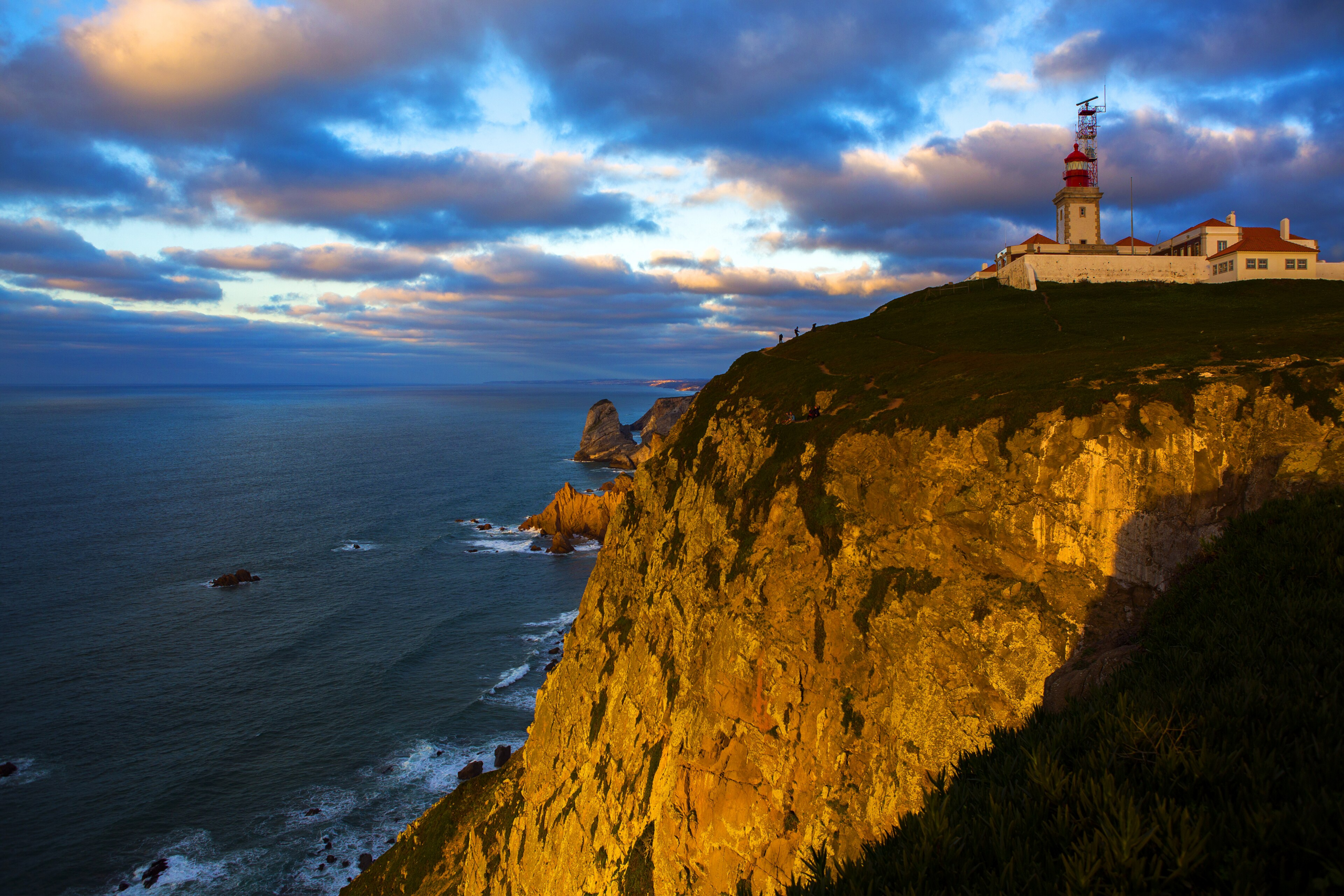
The westernmost point of mainland Europe, a cliff above the Atlantic with nothing between it and the far side of the ocean.
A marker records the fact and the wind makes the point more forcefully. Cabo da Roca is the headland where Europe truly runs out.
7. Point Reyes and the Pacific Headlands, USA
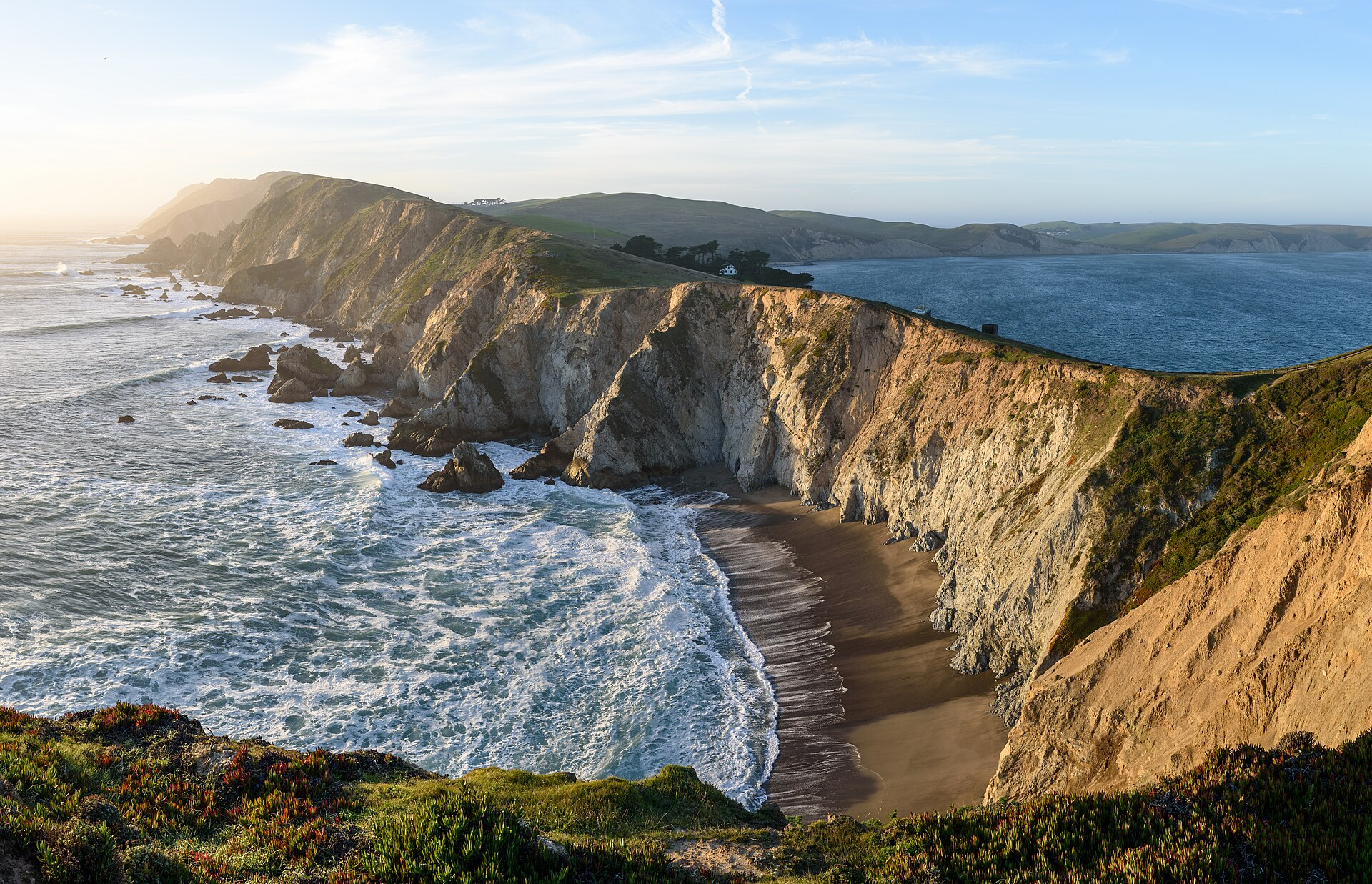
A peninsula sitting on the far side of a major geological fault, frequently buried in fog, with a lighthouse positioned below the fog line rather than above it.
The land there is moving north relative to the mainland. Point Reyes is the headland that is geologically a piece of somewhere else.
8. Cape Wrath, Scotland
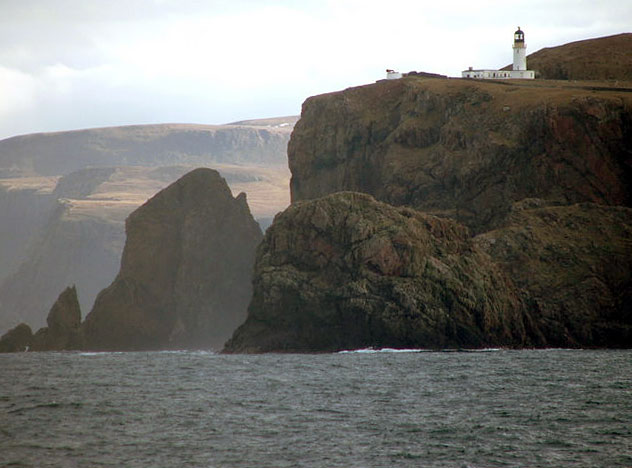
The remote northwestern corner of the British mainland, with the highest sea cliffs in the country and access that depends on a ferry, a minibus and the weather.
Getting there is a real undertaking. Cape Wrath is the headland that is difficult to reach on purpose.
9. Cape Spear, Newfoundland, Canada
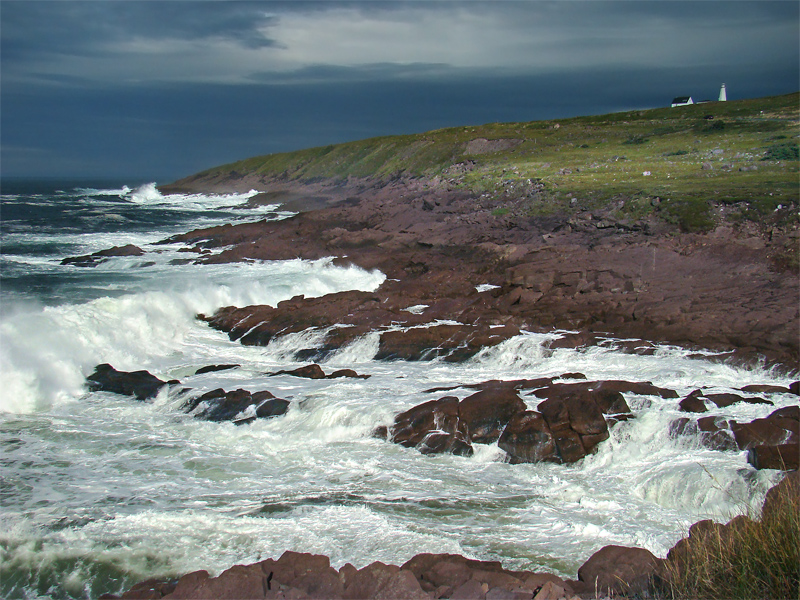
The easternmost point of North America, where the first sunrise on the continent arrives and whales pass close inshore in season.
The fog is a fixture rather than an occasional inconvenience. Cape Spear is the headland where a continent starts its day.
10. Dyrholaey and the Icelandic Headlands
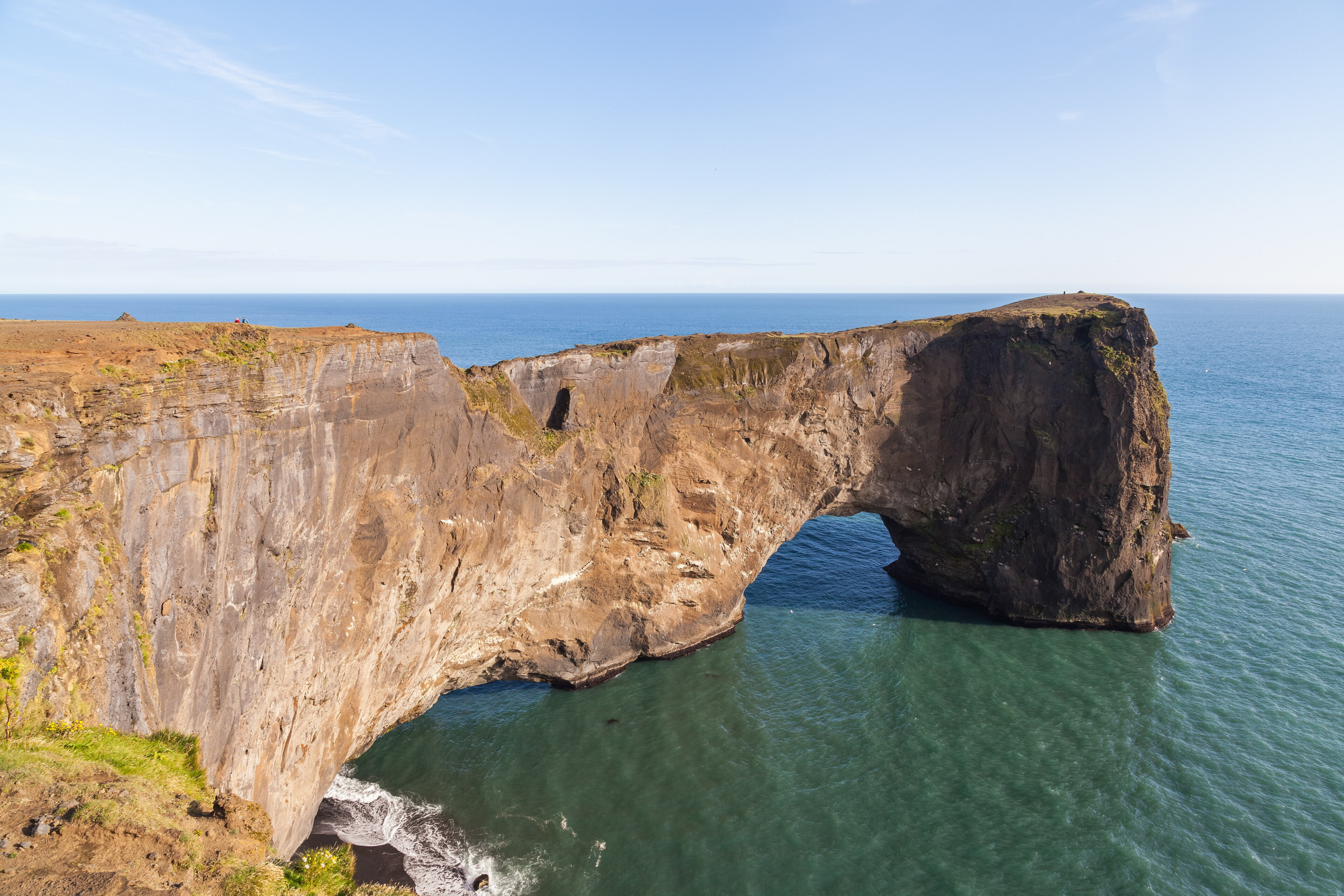
A basalt promontory pierced by a natural arch, with black beaches below and enormous seabird colonies nesting on the cliffs.
Access is restricted during nesting season, which is enforced. Dyrholaey is the headland where the birds close the road.
11. Cape Byron, Australia
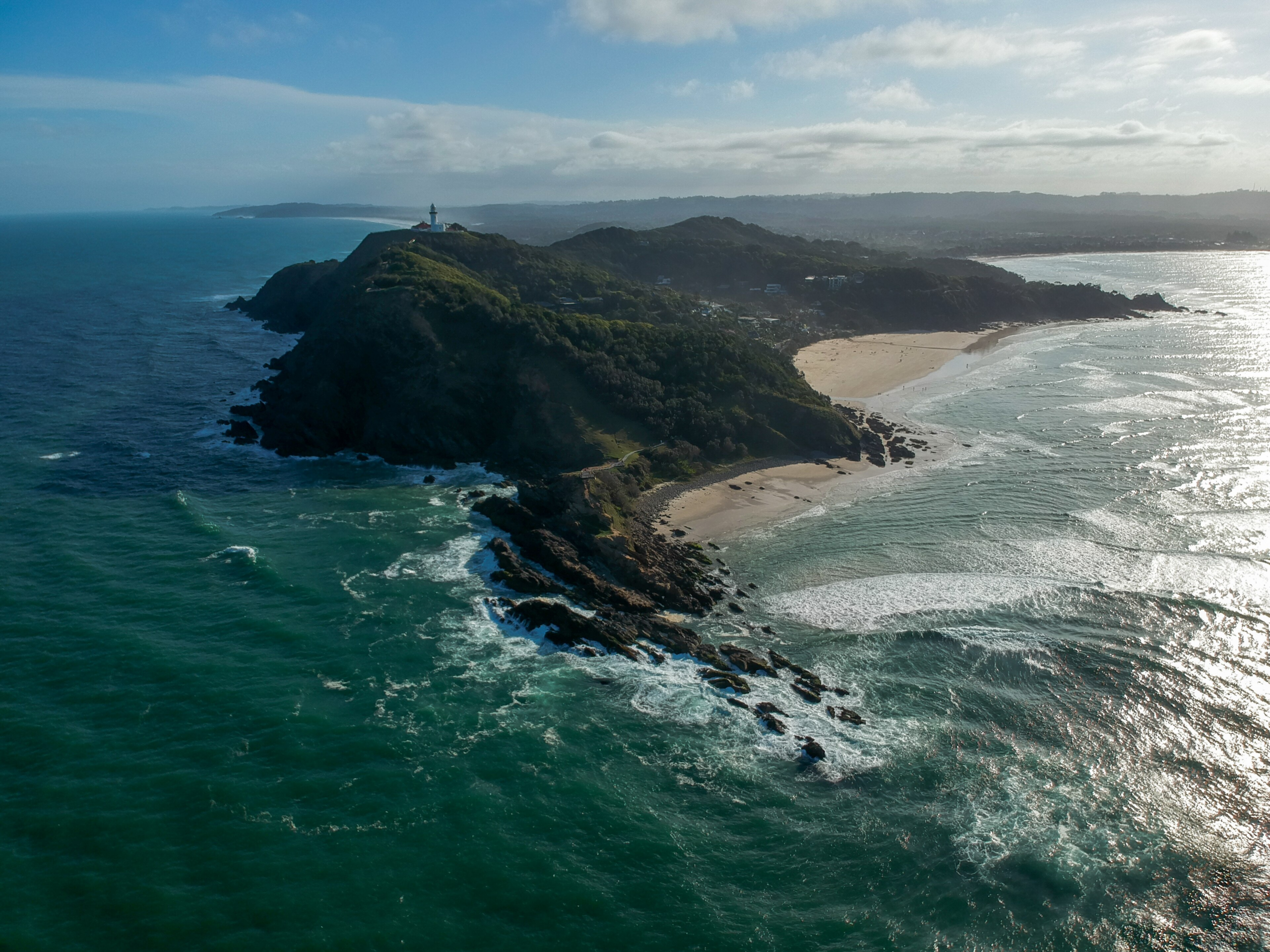
The easternmost point of the mainland, a walk out along a headland with a lighthouse at the end and migrating whales offshore in season.
It is among the most accessible entries here and correspondingly busy. Cape Byron is the headland where the extremity of a continent has a footpath to it.
12. Cabo de Sao Vicente, Portugal
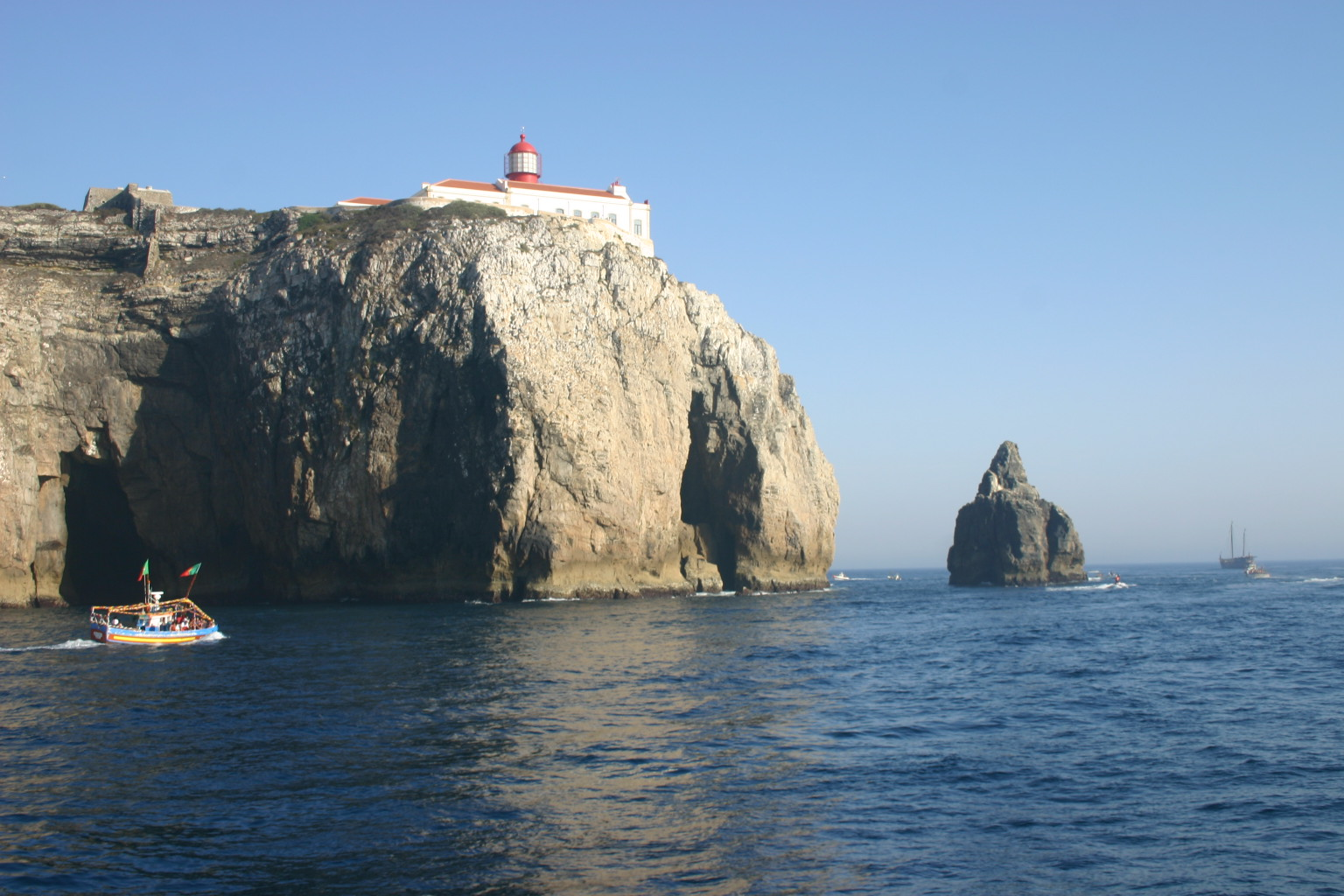
The southwestern corner of Iberia, a cliff with a lighthouse, long associated with early navigation although the traditional accounts are substantially overstated.
Sunset there draws a crowd for good reason. Cabo de Sao Vicente is the headland whose history is smaller than its legend and whose view is not.
Where the Weather Arrives First
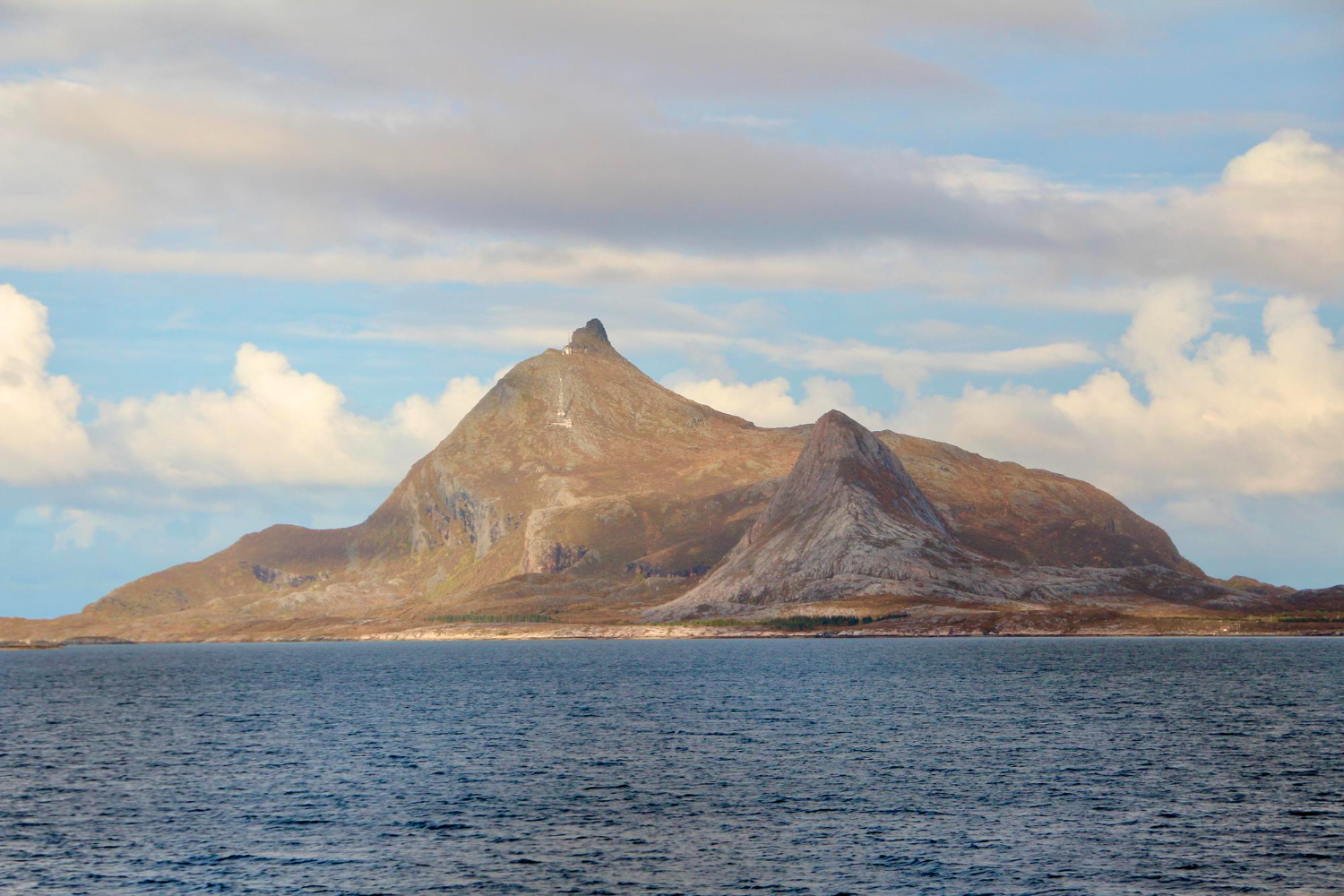
Every headland here is a piece of harder rock that outlasted its surroundings, and every one is exposed to conditions that the coastline behind it is sheltered from. That is the whole appeal and the whole hazard.
A necessary note: cliff edges at exposed headlands are truly dangerous. Ground can be undercut and unstable, wind arrives in gusts strong enough to move a person, and conditions change within minutes. Stay behind barriers and on marked paths, keep well back from unfenced edges, and take the posted warnings seriously – they are there because the weather at a cape is not the weather in the car park.
Like our content? Follow us for more.