

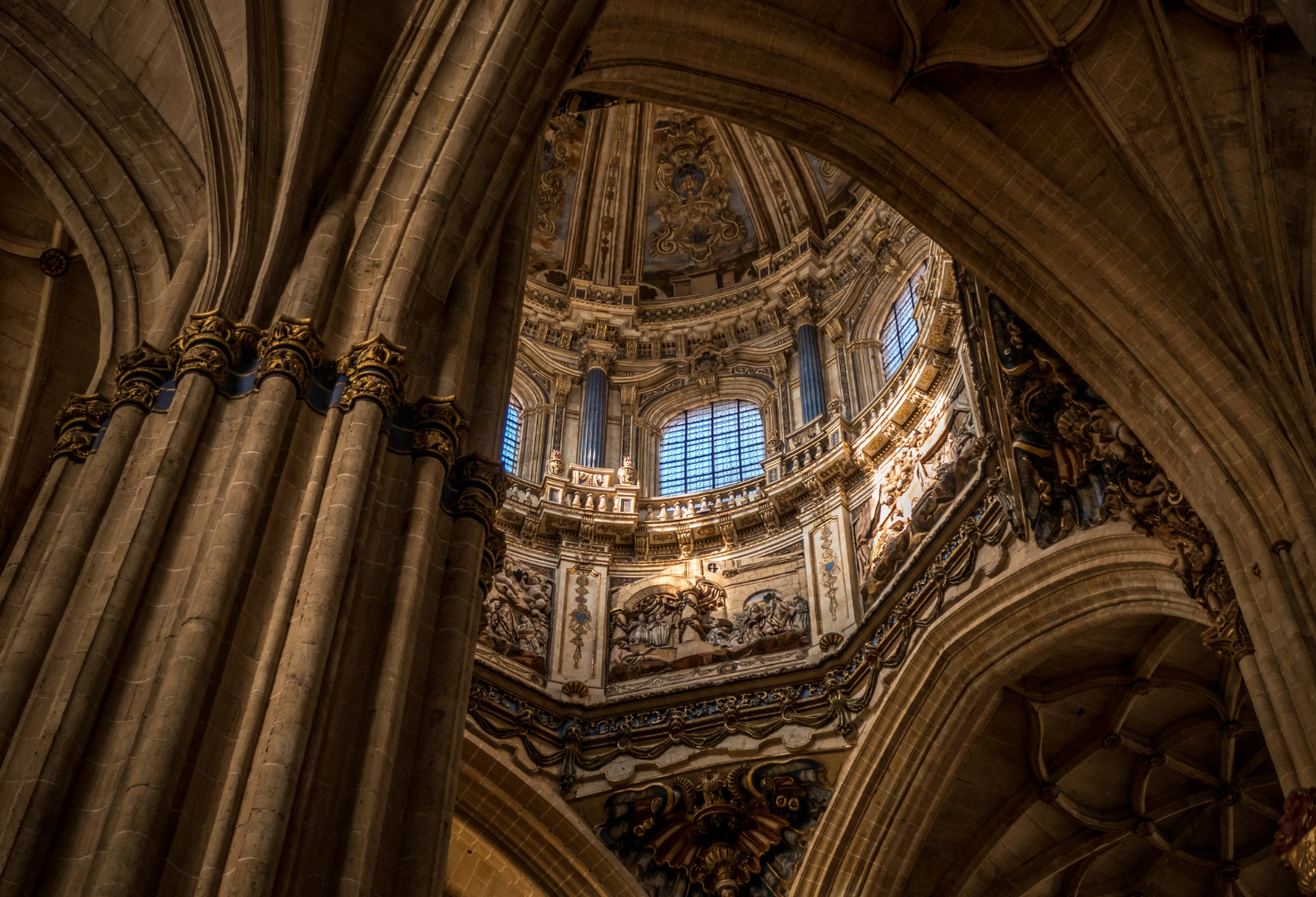
Nearly every effect below comes from one of three things: a curved surface that guides sound, a shape that focuses it, or a surface that refuses to reflect it at all. Here are ten.
1. Whispering Galleries in Domes
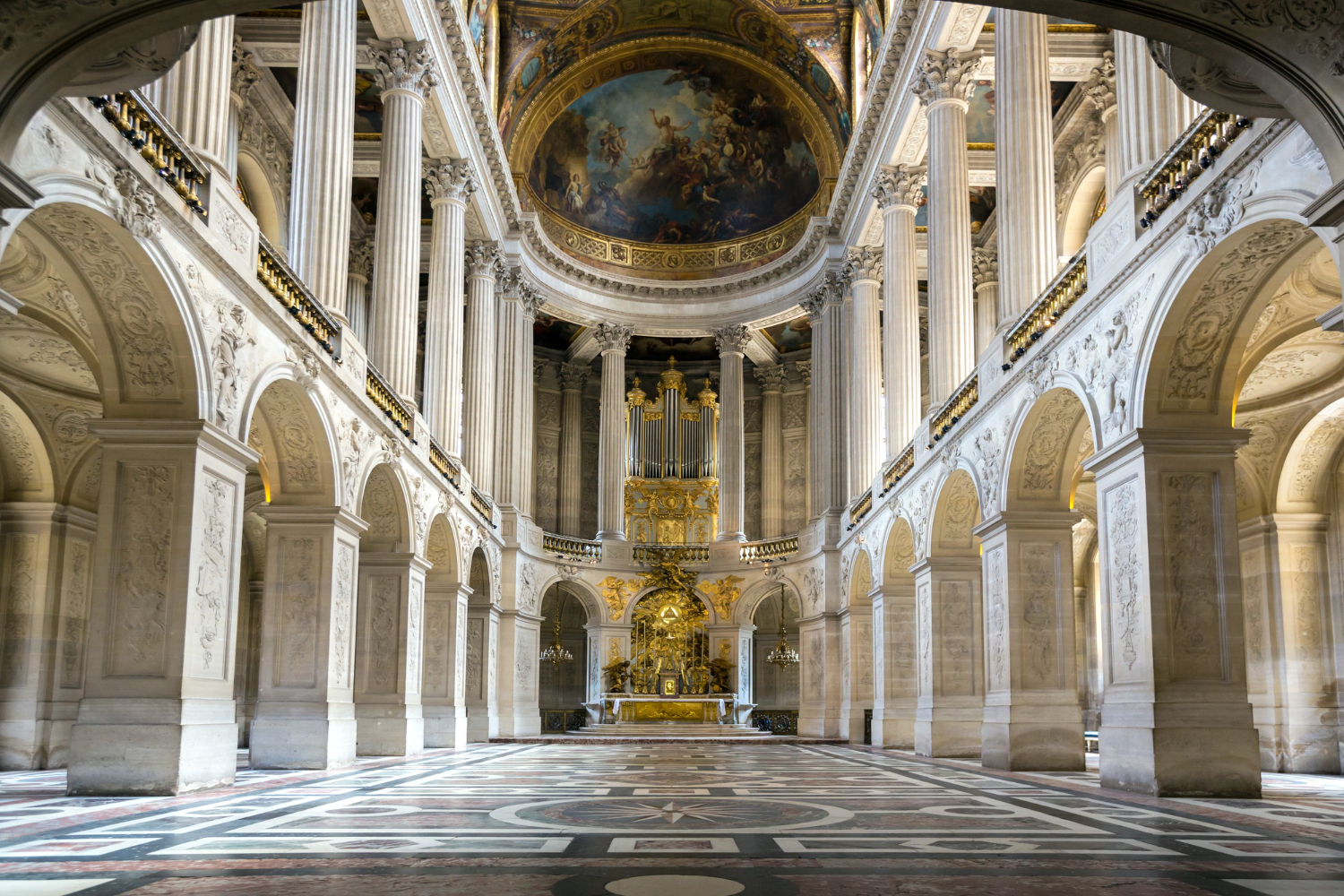
A whisper against the wall of a circular gallery travels round the curve and arrives audibly on the far side, far beyond the range it would carry across open air.
The sound hugs the curved surface and is reflected along it repeatedly rather than spreading out. Whispering galleries are the acoustic spaces where a curved wall works as a channel.
Like our content? Follow us for more.
2. Elliptical Rooms With Two Marked Spots
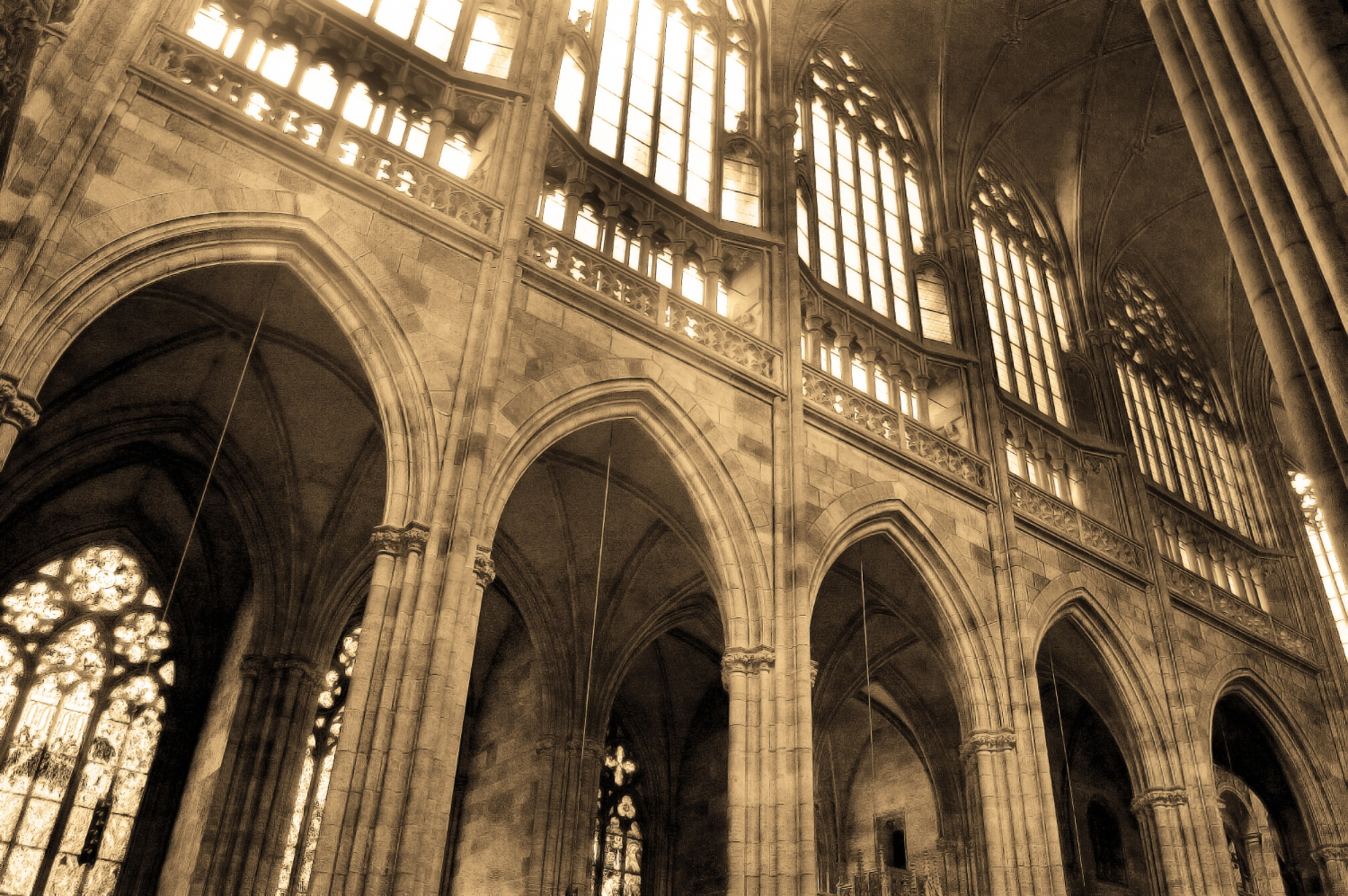
A room shaped as an ellipse concentrates sound from one focal point onto the other, so two people standing on specific marks can talk steadily across a crowded hall.
Everyone between them hears almost nothing. Elliptical rooms are the acoustic spaces where geometry creates a private line across a public space.
3. Long Barrel Vaults and Underground Corridors
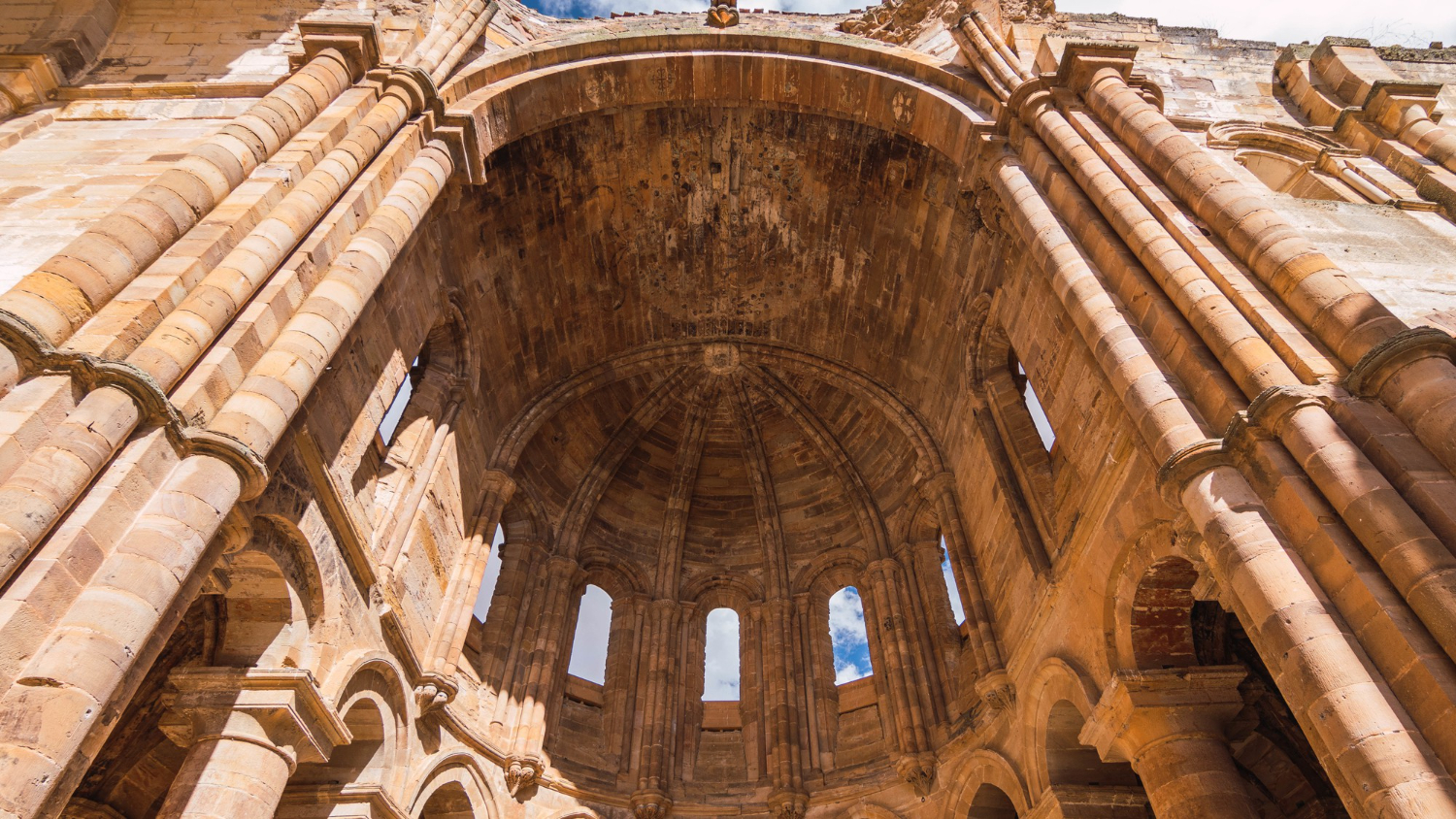
A continuous curved ceiling carries sound along its length with very little loss, which is why words spoken at one end of some vaulted passages arrive clearly at the other.
It was rarely designed for that purpose and frequently discovered afterwards. Vaulted corridors are the acoustic spaces that carry a conversation further than anyone intended.
4. Anechoic Chambers
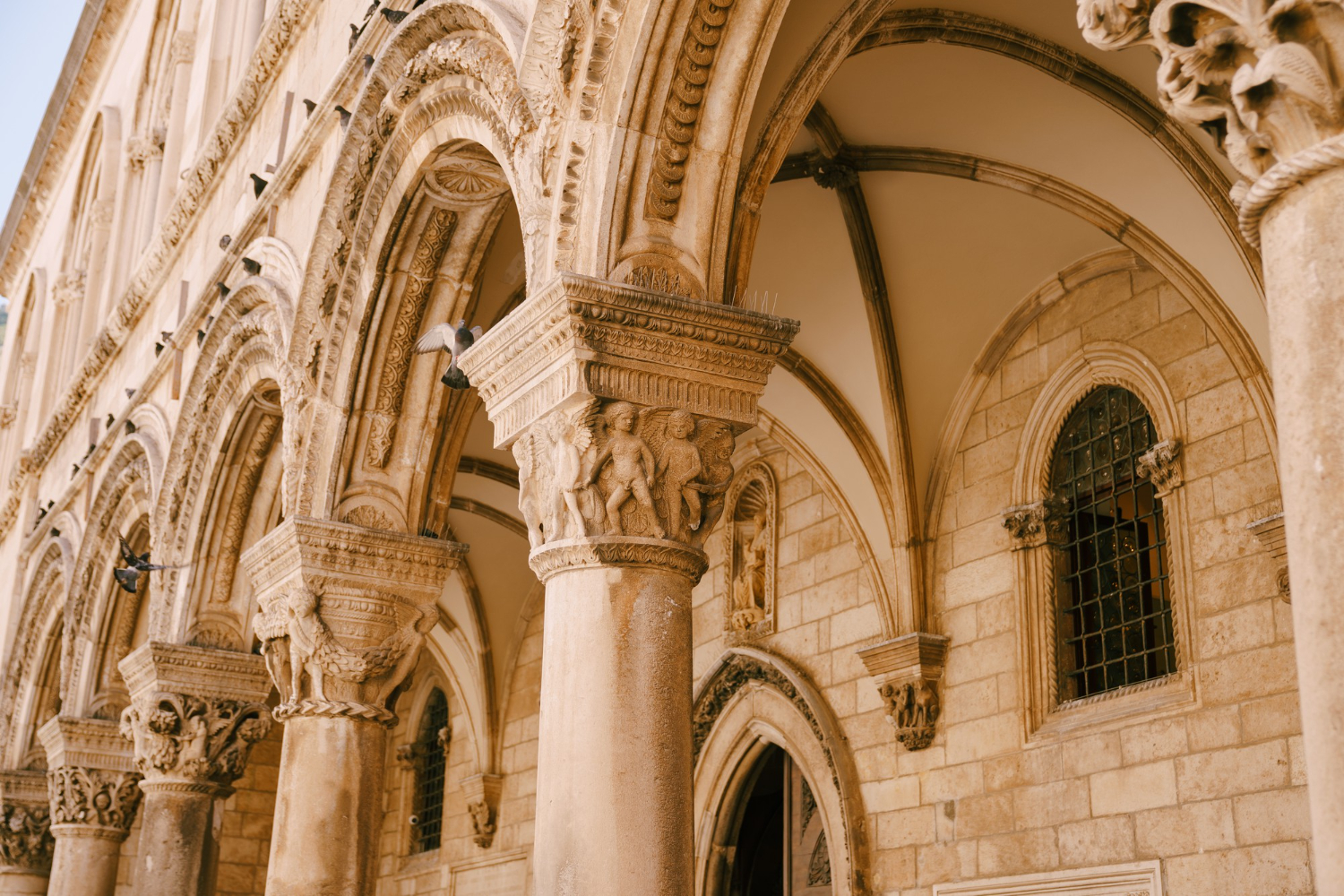
Rooms lined with absorbent wedges that eliminate almost all reflection, producing something most people have never experienced: sound with no room around it.
Visitors report hearing their own circulation and finding the silence disorienting rather than restful. Anechoic chambers are the acoustic spaces built to take the room away.
5. Reverberant Worship Spaces
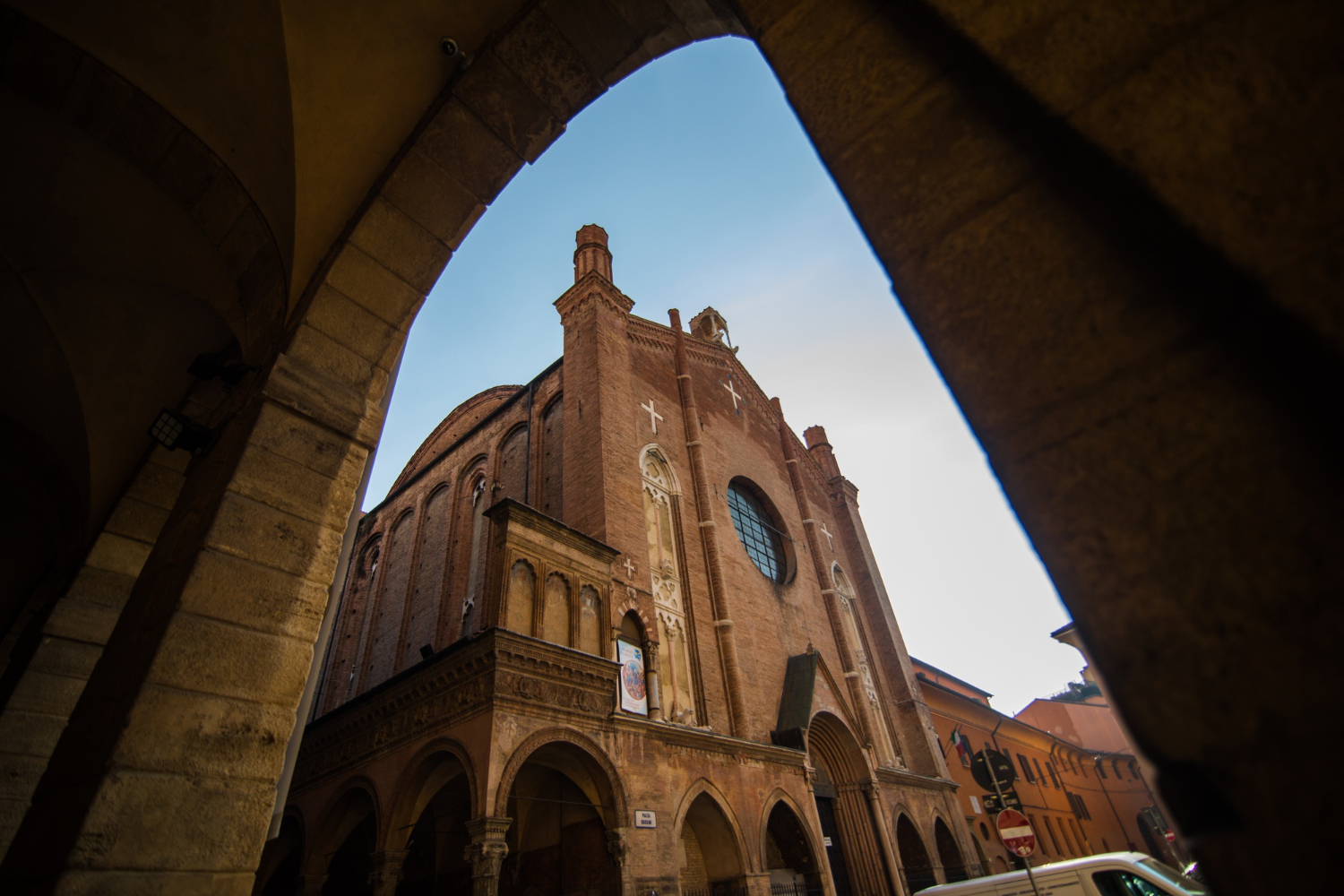
Large stone interiors with hard surfaces sustain sound for seconds after it stops, which suits held notes and chant and makes the spoken word difficult to follow.
The music written for these buildings was written around that property. Reverberant interiors are the acoustic spaces where the building is part of the instrument.
6. Caves With Resonant Chambers
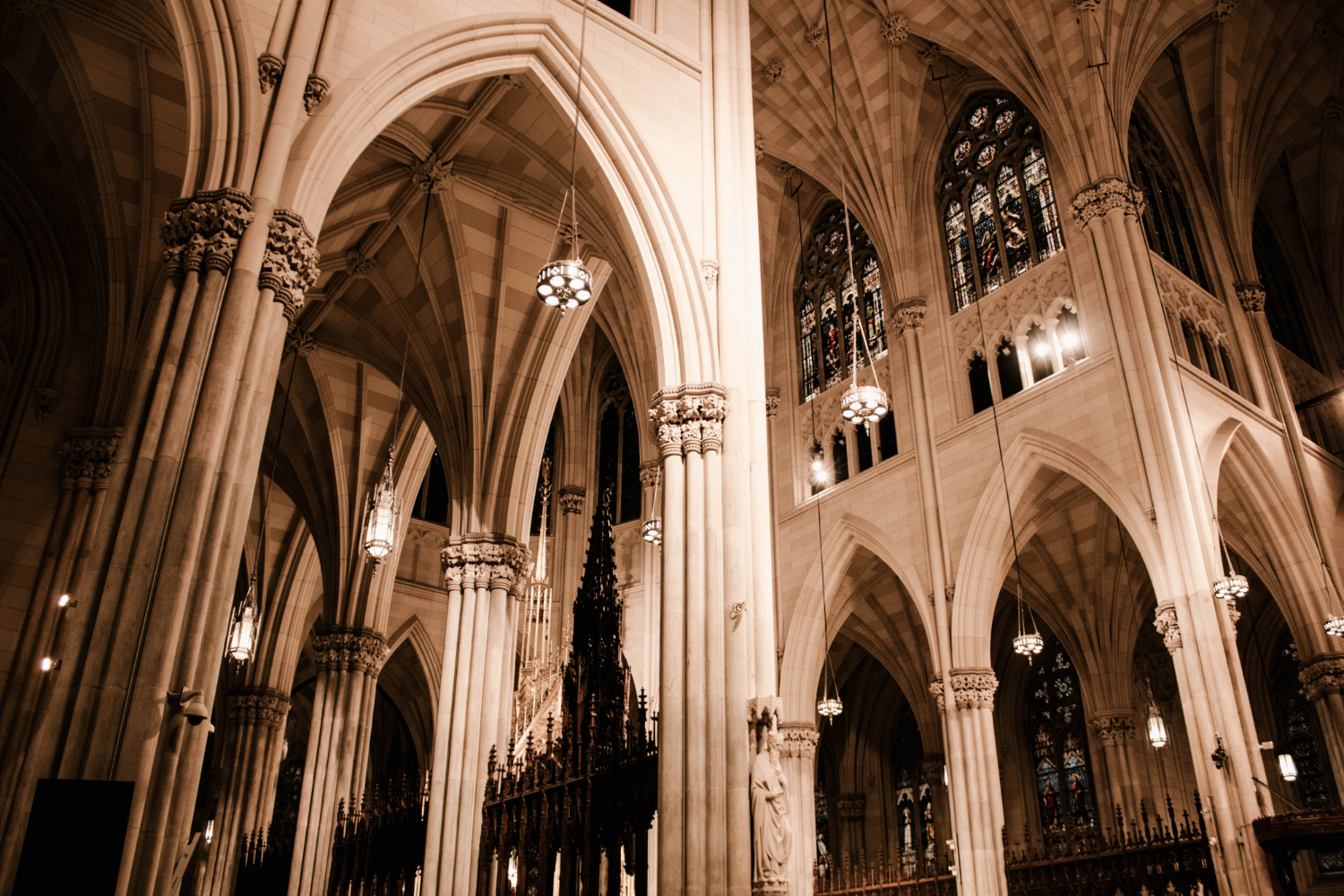
Some cave systems contain chambers where particular pitches resonate strongly and others die immediately, purely as a consequence of the geometry.
The effects are real and were certainly noticeable to anyone using the space. Resonant caves are the acoustic spaces that were producing effects before anyone built anything.
7. Ancient Sites With Unusual Effects
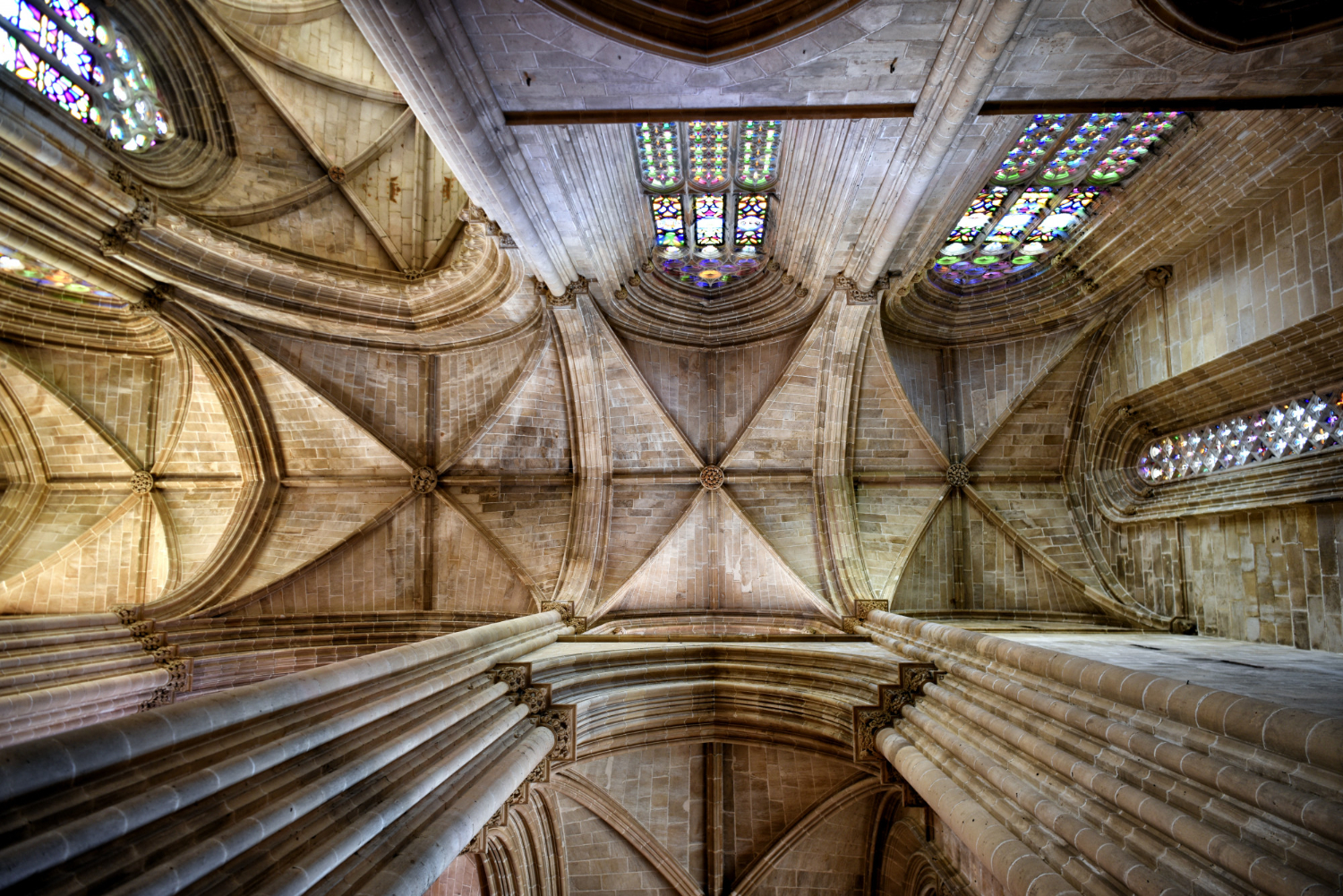
A number of prehistoric and ancient structures produce marked echoes, resonances or focusing effects, and researchers have measured them carefully.
Whether these were intended is a truly open question rather than a settled one, and confident claims in either direction should be treated with caution. Ancient acoustic sites are the spaces where the effect is certain and the intent is not.
8. Enclosed Valleys and Cliff Faces
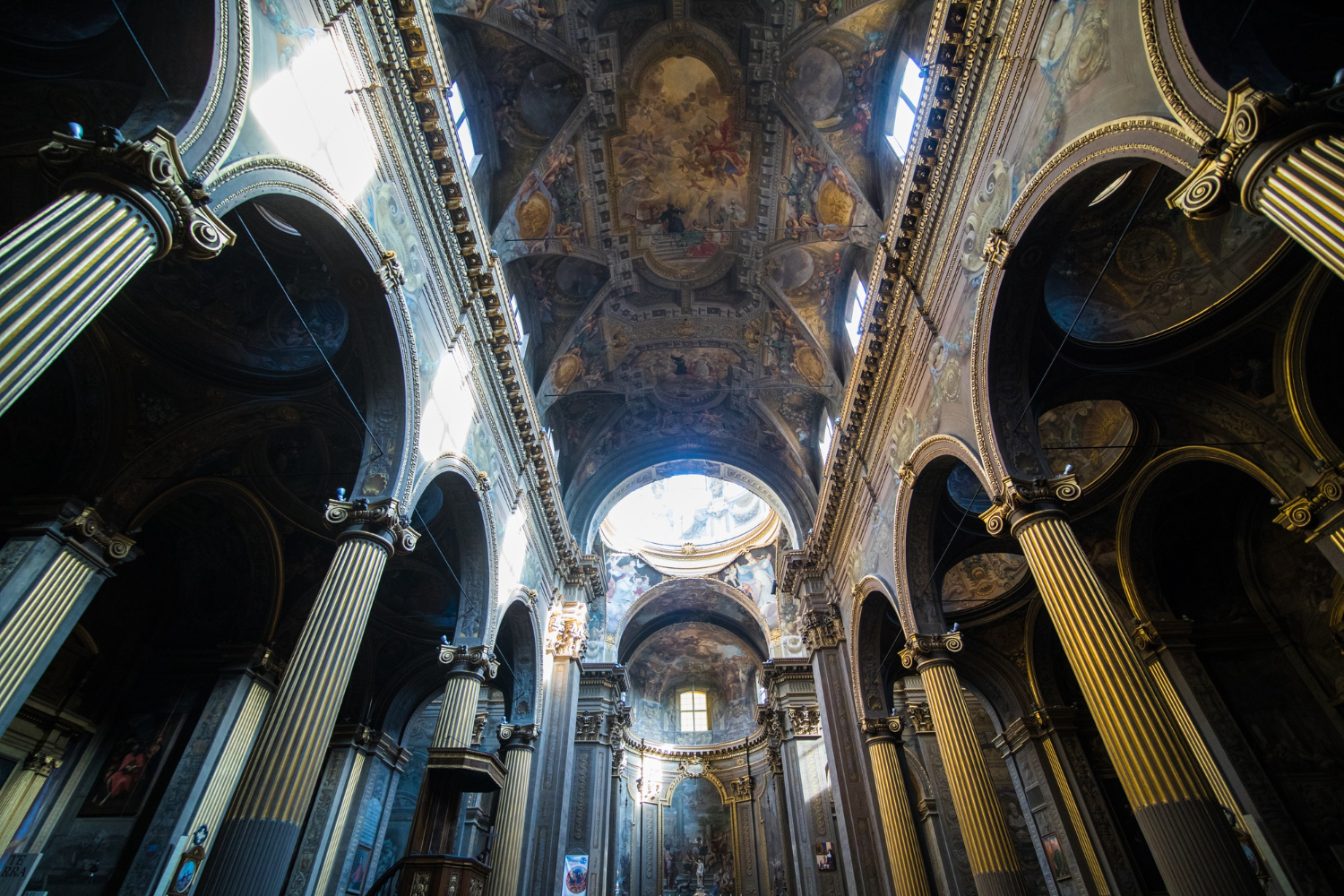
Natural rock walls produce echoes of remarkable clarity, and some locations return several distinct repetitions from different surfaces.
These were landmarks in their own right long before anyone measured them. Echoing valleys are the acoustic spaces that no one designed at all.
9. Purpose-Built Concert Halls
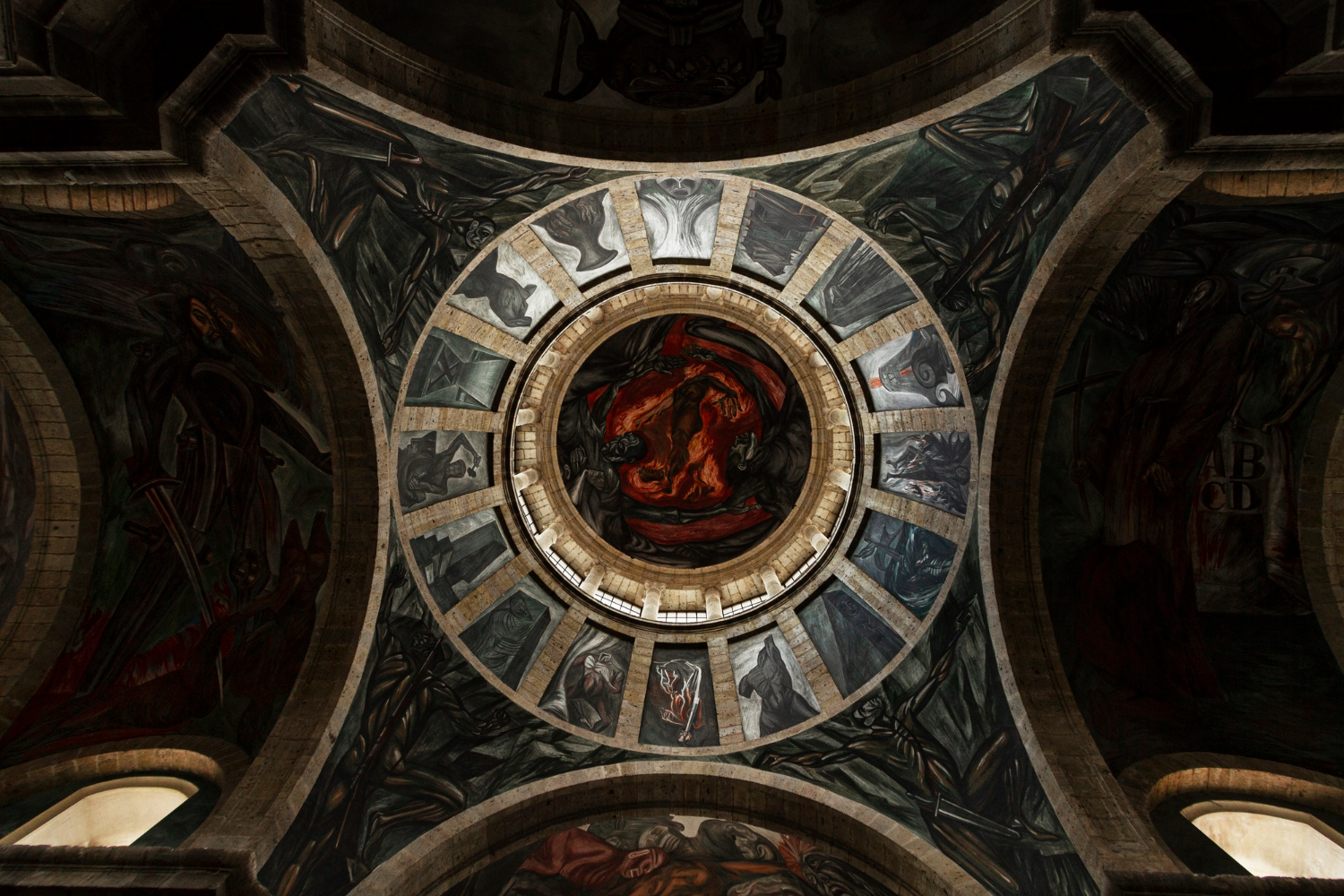
Modern halls are shaped, surfaced and proportioned specifically to control how long sound persists and how evenly it reaches the audience.
Some include adjustable panels or curtains so the same room can suit an orchestra or a spoken performance. Concert halls are the acoustic spaces where every surface is a deliberate decision.
10. Sound Mirrors
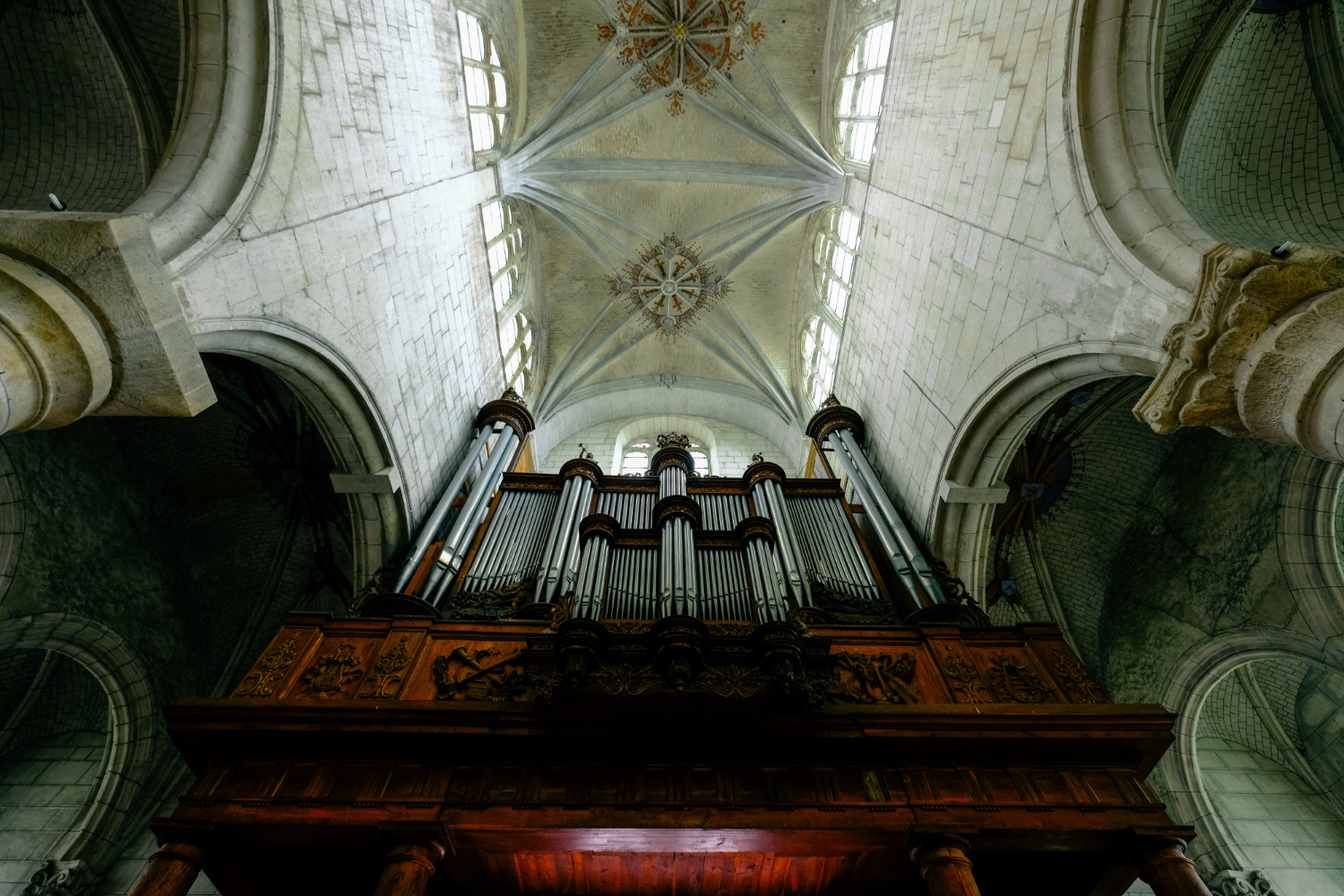
Large concave concrete structures built to focus the noise of approaching aircraft toward a listener, before electronic detection made them obsolete within a few years.
Several survive as strange dishes facing out to sea. Sound mirrors are the acoustic structures built for a purpose that lasted less than a decade.
Curves, Focus and Silence
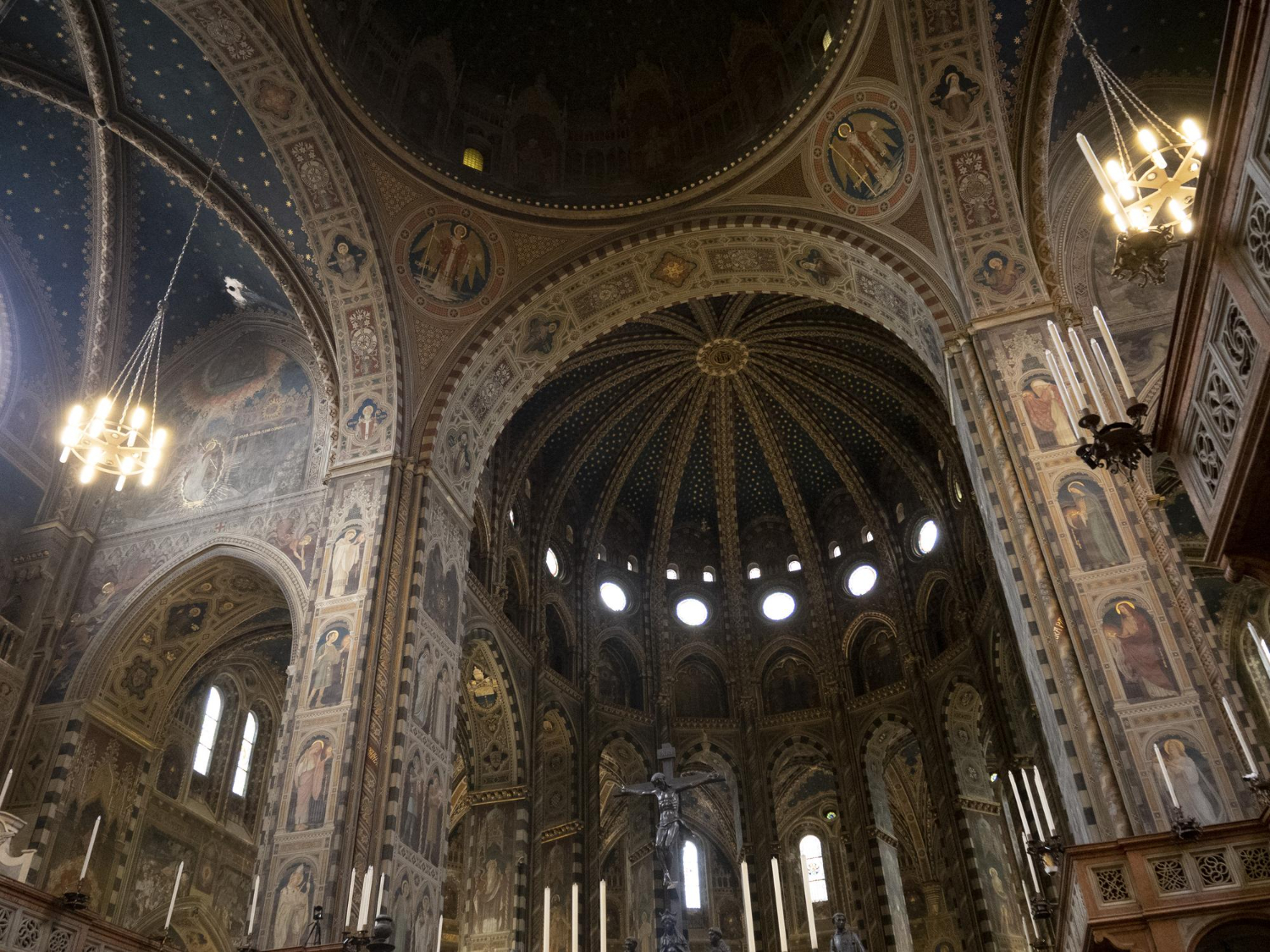
Three principles cover nearly everything here. A curved surface guides sound along it, a focused shape concentrates it at a point, and an absorbent surface removes the room entirely.
If you visit one of these, the practical advice is the same everywhere: go when it is quiet. Every effect on this list is degraded by crowds, by soft clothing and by background noise, which is why the whispering gallery that dazzled somebody in 1890 can be underwhelming on a busy afternoon. Early morning, off season, and stand exactly where you are told to stand.
Like our content? Follow us for more.
