

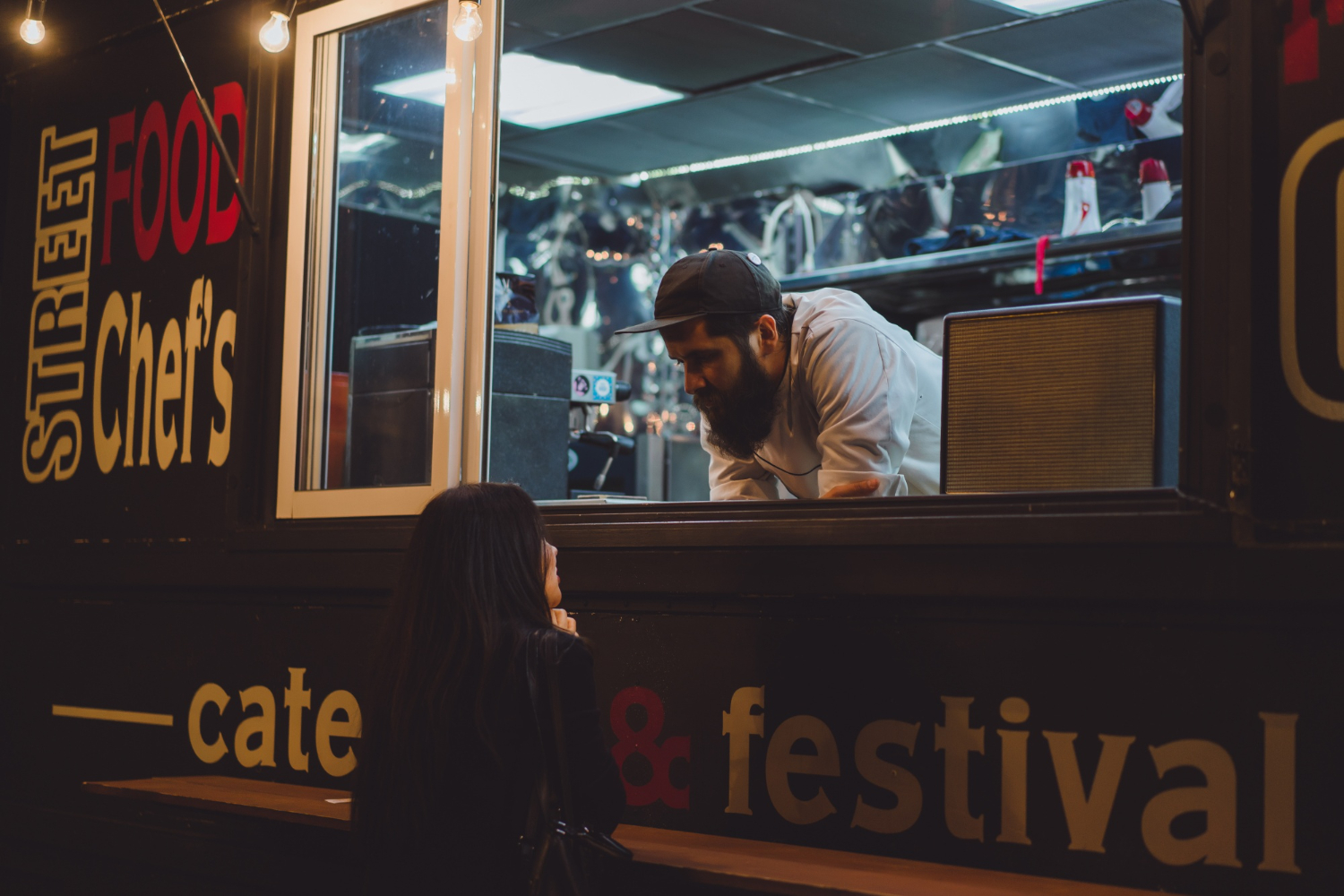
These dishes are not late-night versions of daytime food. They were developed for people working while everyone else slept, and the requirements are different. Here are fifteen.
1. Market Porter Breakfasts
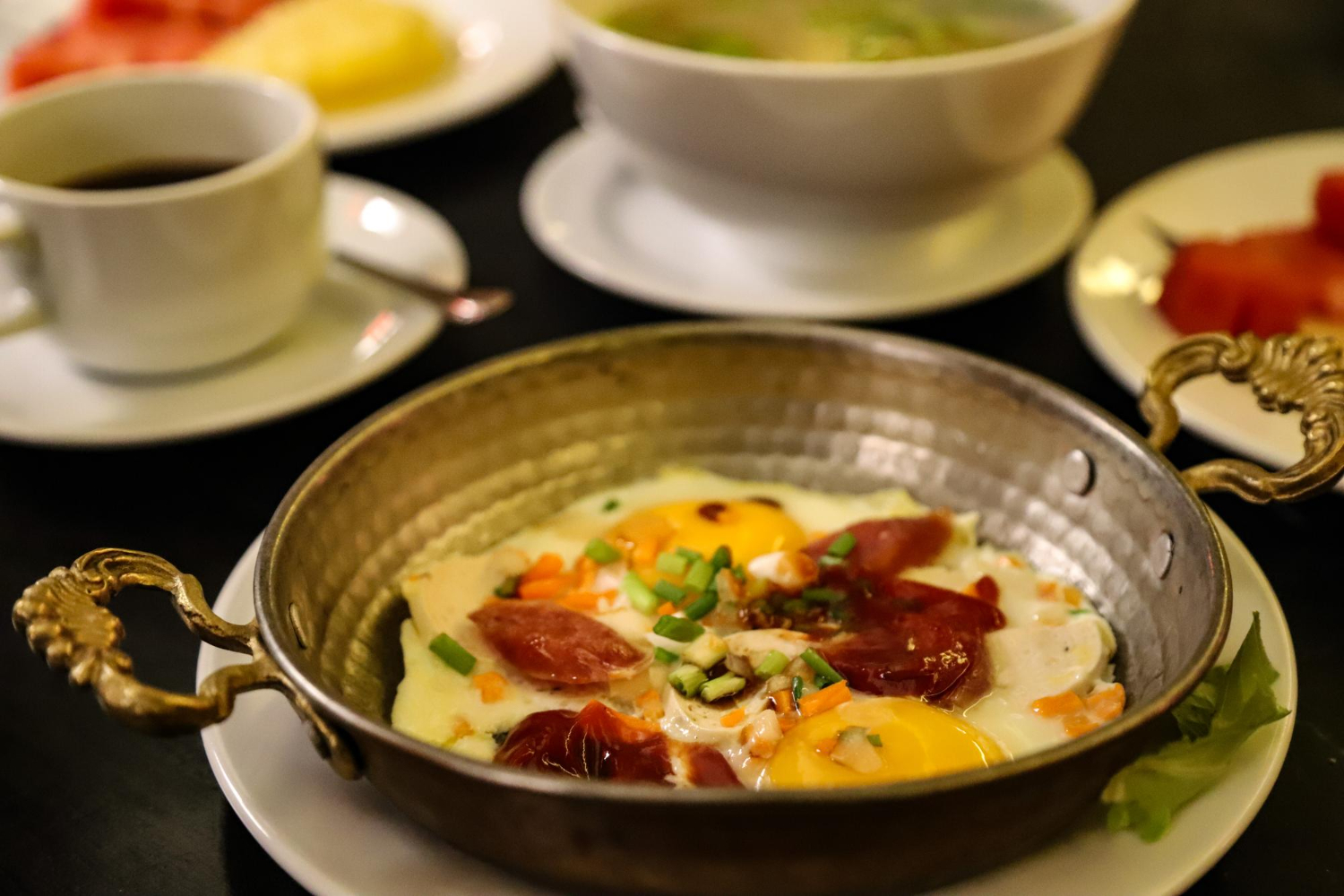
Wholesale markets open in the small hours, so the cafes around them serve full hot meals at times that read as breakfast, supper or neither.
They fed the traders rather than the shoppers, and several outlasted the markets they were built for. Market porter meals are the food served at four in the morning to people finishing work.
Like our content? Follow us for more.
2. Soup Sold Before Dawn
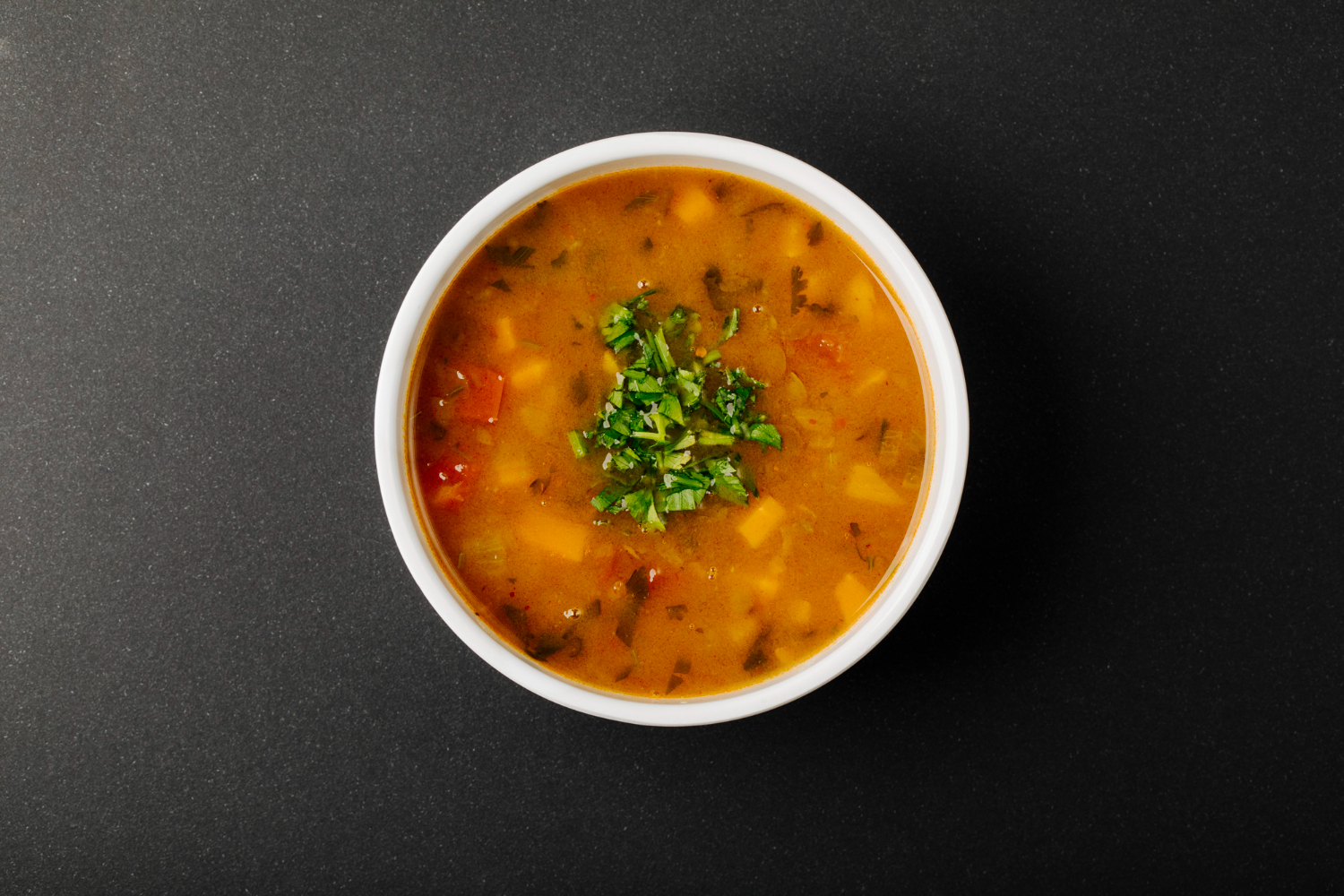
Several cuisines have a soup traditionally eaten very early – restorative, hot, and sold from premises that open when nothing else is trading.
It is a working meal rather than a social one. Pre-dawn soup is the dish that exists because being cold at four in the morning is a solvable problem.
3. Food for the Night Shift
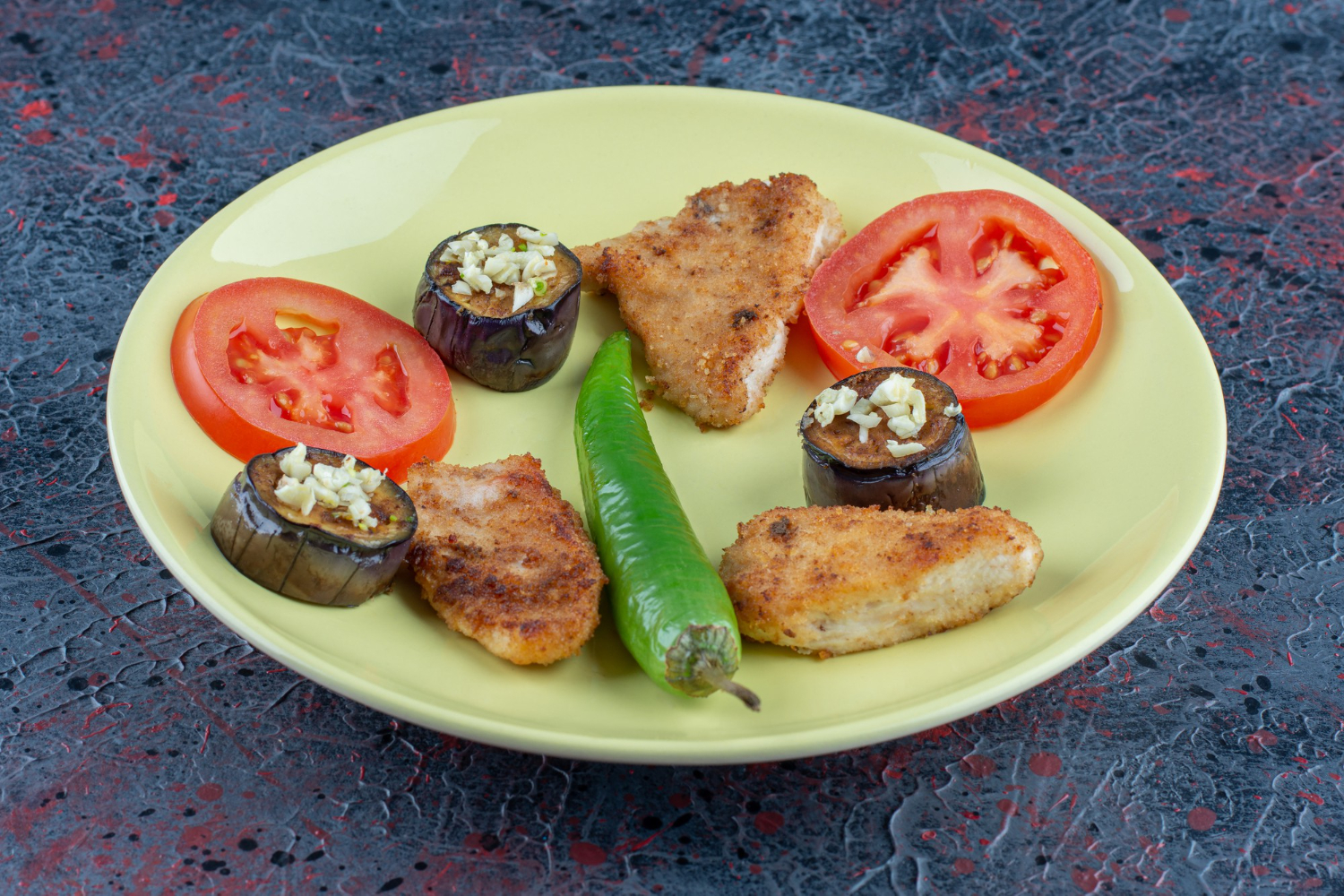
Hospitals, ports, factories and depots run continuously, and their canteens developed menus for people eating a main meal at an hour with no name.
The food is substantial and served without ceremony. Night shift meals are the dishes designed around a working day that starts in the dark.
4. The Taxi Driver Stop
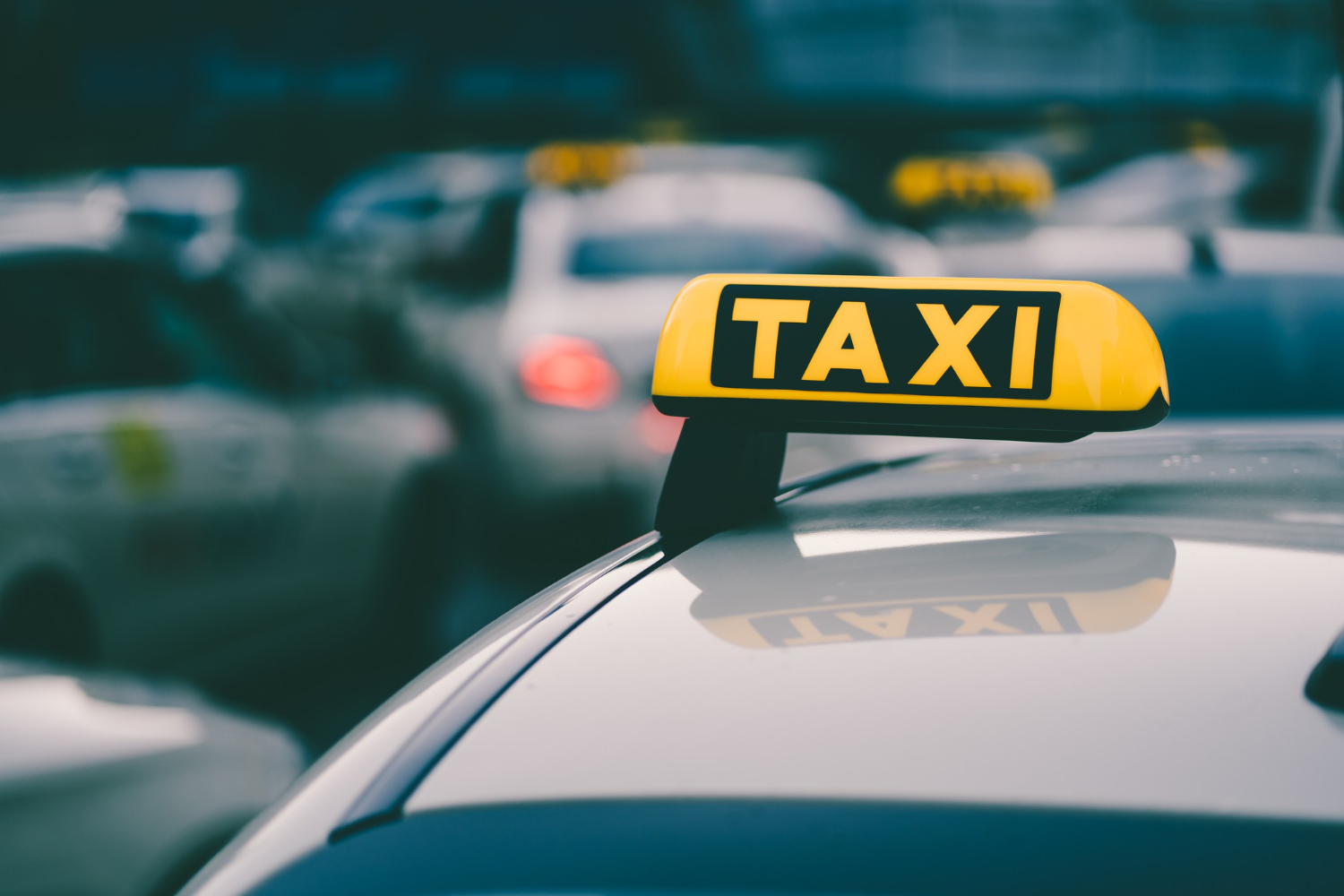
In a great many cities there is a specific place open all night that drivers use, and its reputation among them is a reliable indicator of quality.
Following that signal is the oldest food tip there is. The taxi driver stop is the establishment whose customers chose it professionally.
5. Late Dinner as a Convention
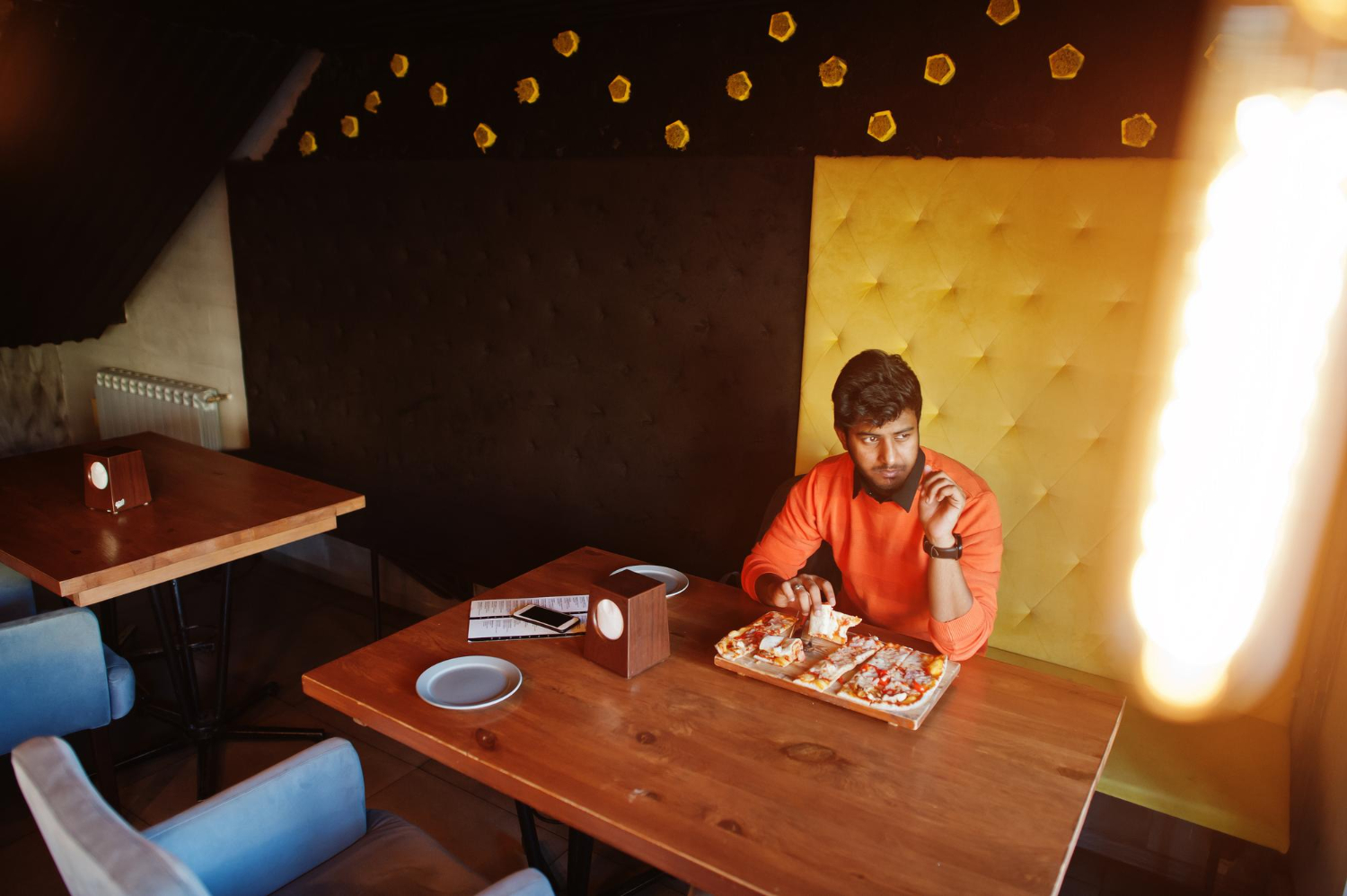
In several countries the ordinary evening meal is eaten at an hour that visitors find extraordinary, so restaurants fill at a time others are closing.
The whole day is shifted rather than the meal being late. Late dinner is the food tradition where nothing is unusual except your expectations.
6. Pre-Dawn Meals During Fasting Periods
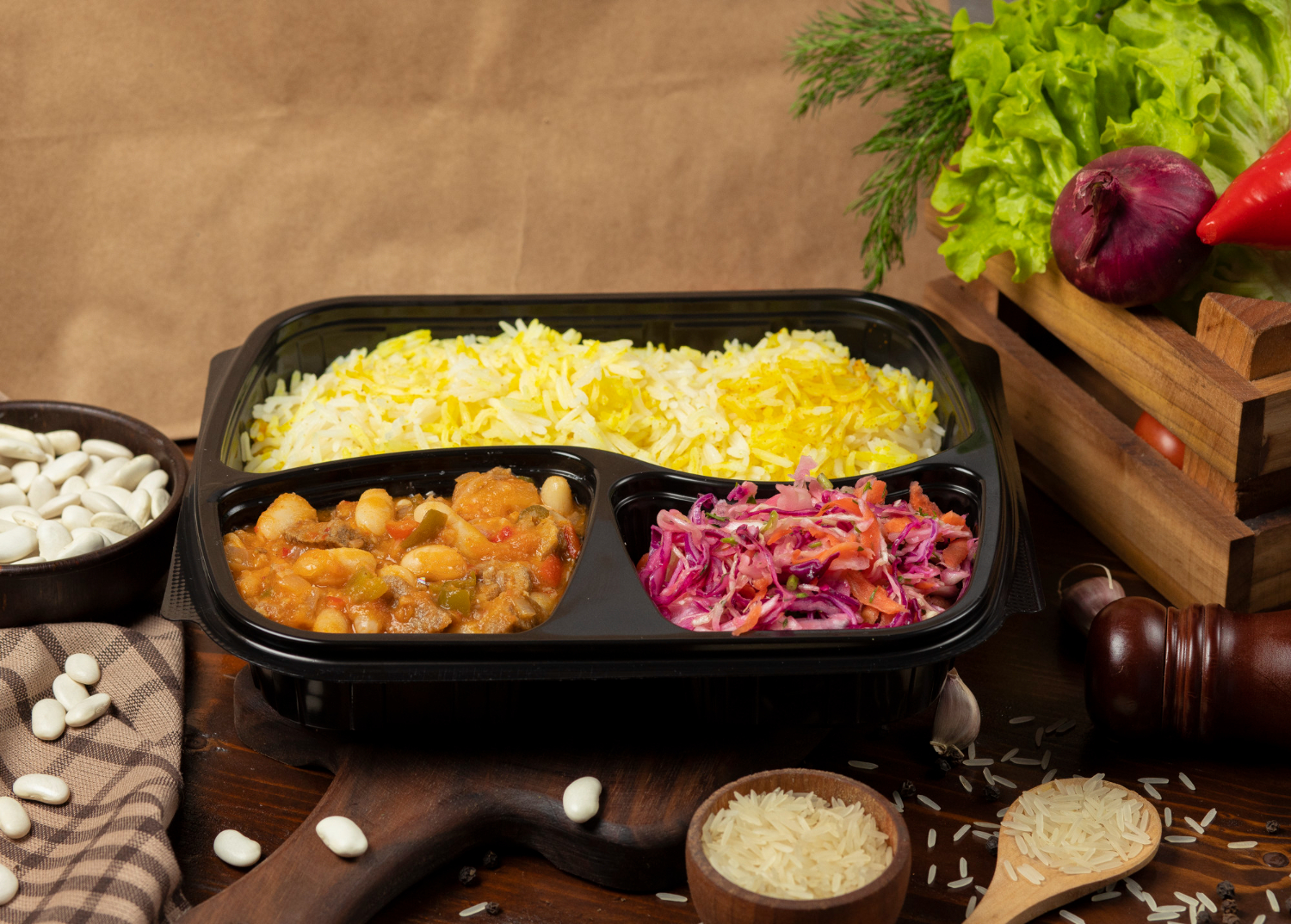
Where a fast runs from first light, a substantial meal is eaten before dawn, and specific dishes developed for it – slow-releasing, filling and prepared in advance.
Bakeries and kitchens adjust their hours entirely for the period. Pre-dawn fasting meals are the foods built around a deadline set by sunrise.
7. Fishermen Eating on Landing
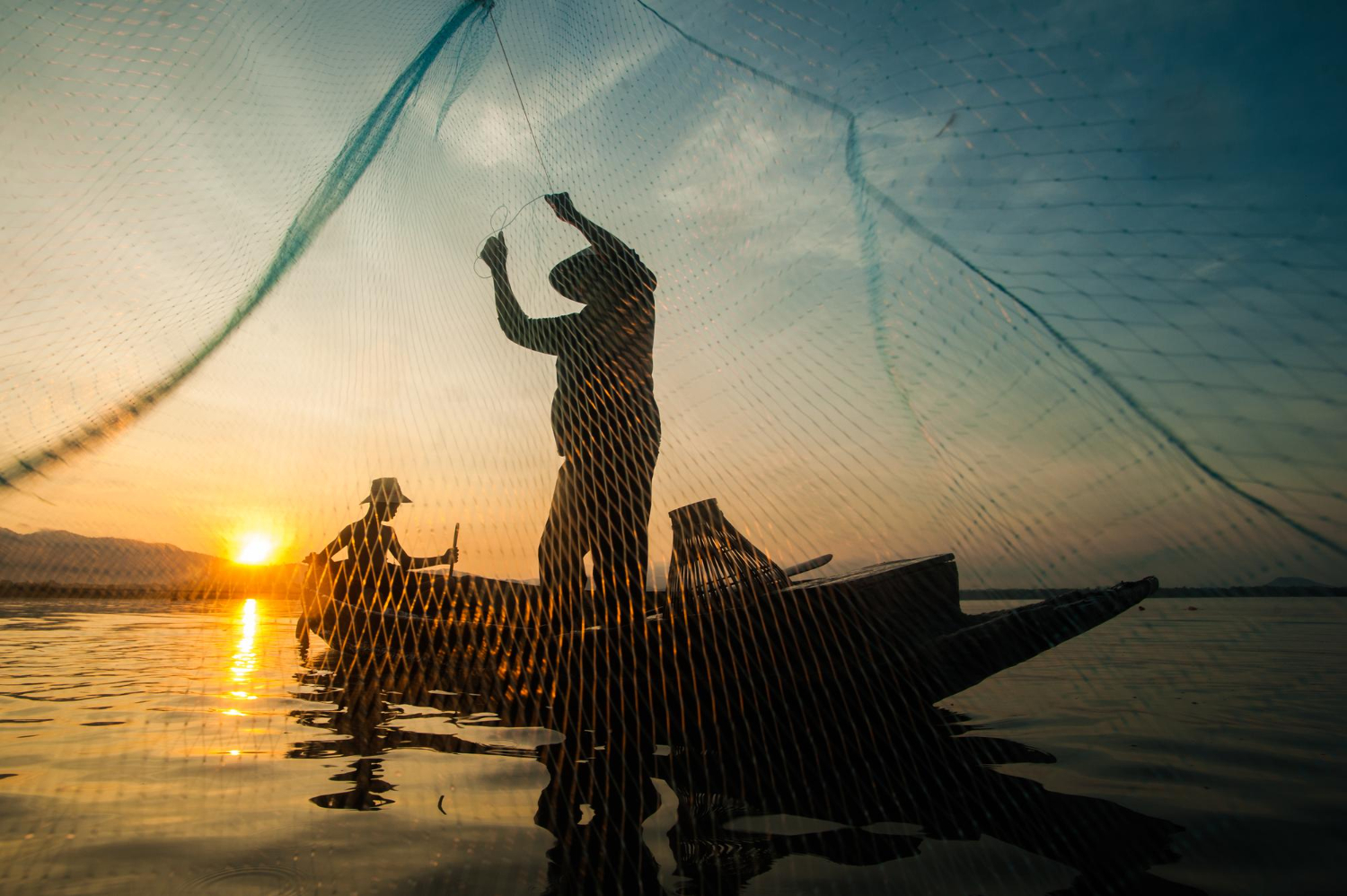
Boats return at unpredictable hours and crews eat when they arrive, which produced quayside kitchens serving whatever has just been landed at whatever time it lands.
The freshness is a by-product of the schedule. Quayside meals are the food served at the hour the boat happened to come in.
8. Overnight Bakery Trading
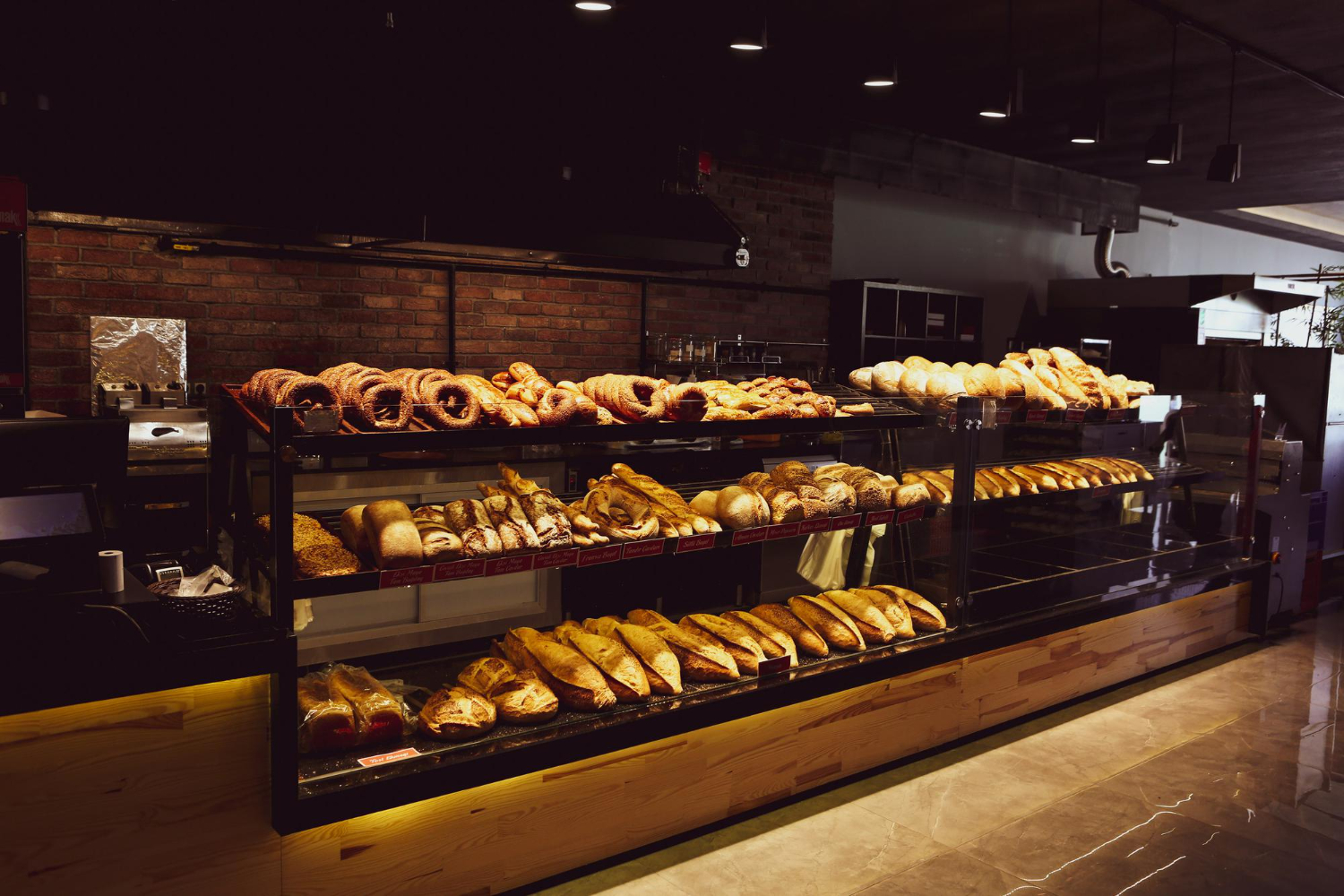
Bakeries work through the night, and many have historically sold to whoever knocked – producing the specific experience of buying bread hours before any shop opens.
It is a side effect of the production schedule rather than a business model. Overnight bakery trading is the food available because somebody else was already awake.
9. The Post-Nightlife Category
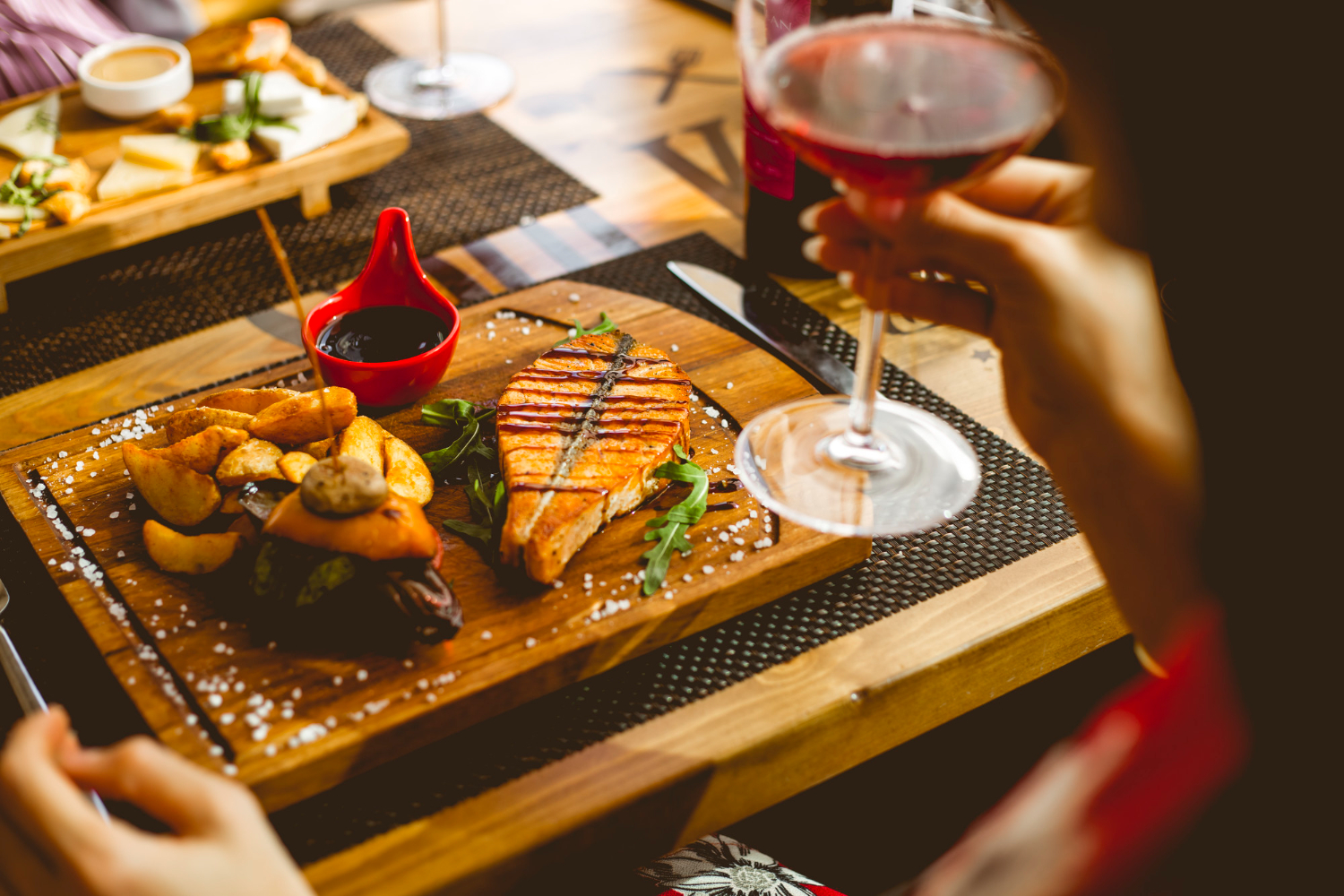
Almost every city with a nightlife has one dish that is eaten afterwards, chosen for being hot, fast, cheap and available, and it is rarely anyone daytime choice.
The dishes differ by country and the pattern does not. Post-nightlife food is the category everybody has and nobody plans.
10. Station and Night Train Catering
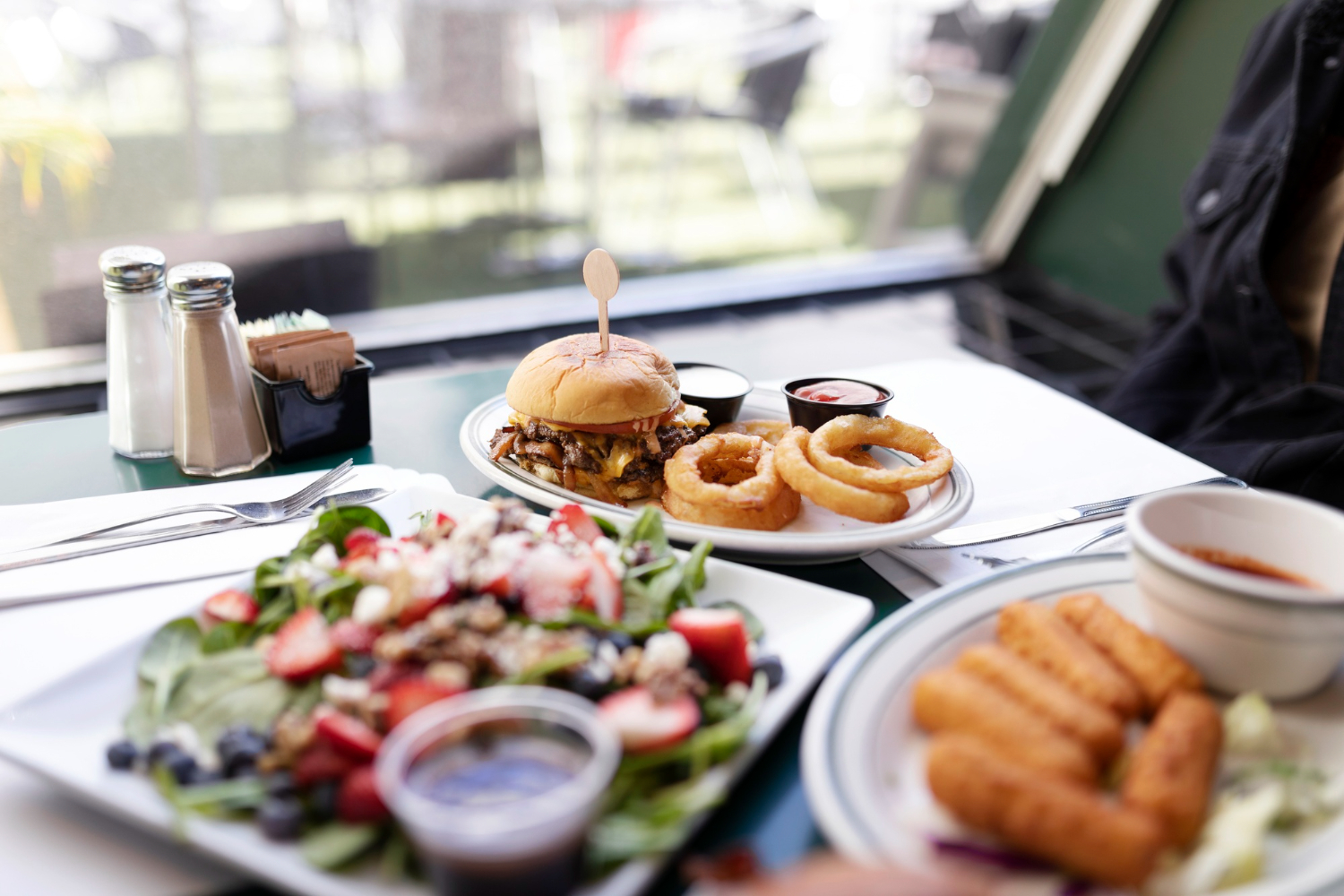
Overnight services and the stations serving them developed their own food – portable, unrefrigerated, and eaten at hours dictated by a timetable.
Some platform kitchens became institutions in their own right. Station night food is the category shaped entirely by a departure board.
11. Congee, Porridge and the Restorative Bowls
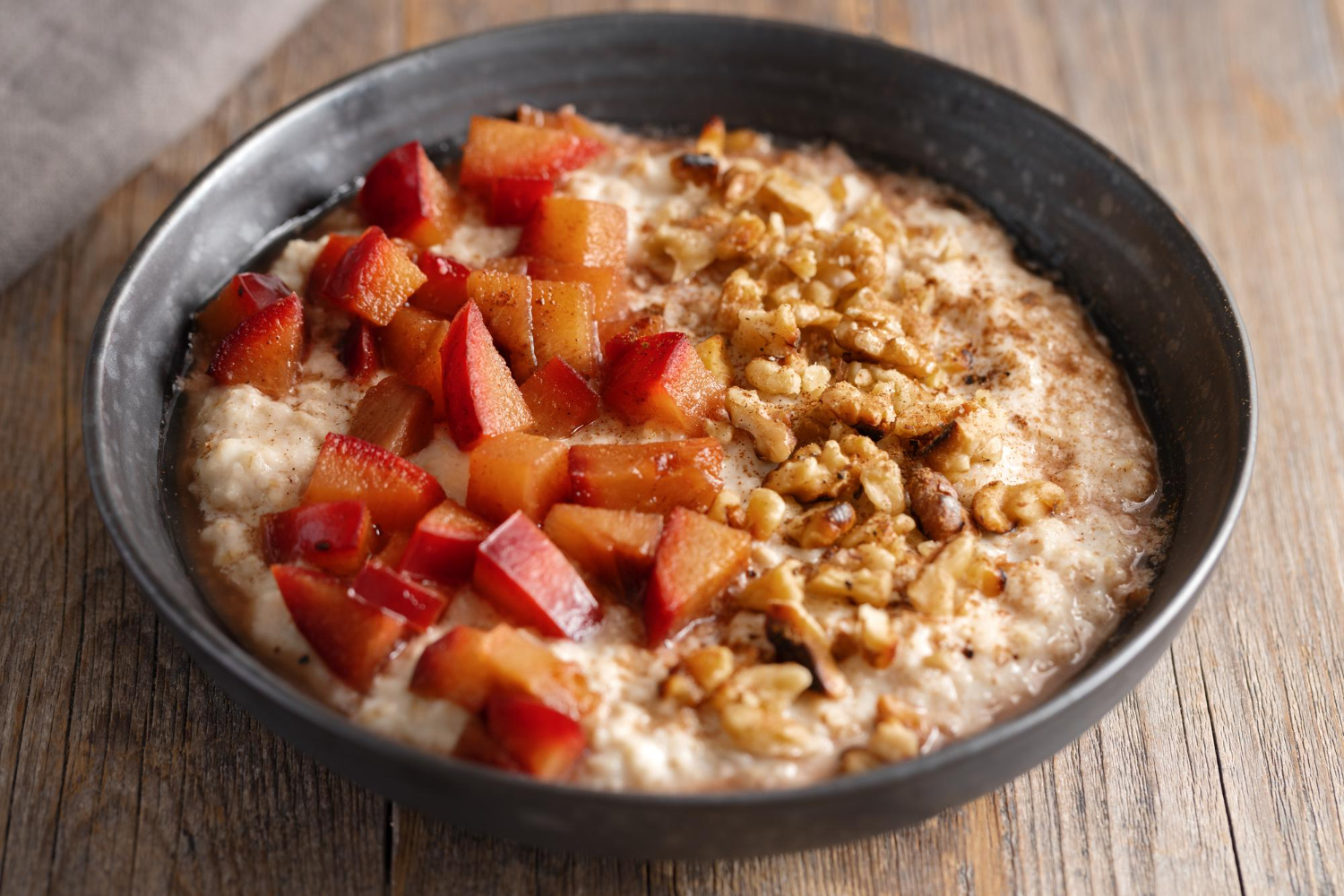
Warm grain dishes appear as a night-time food across a very wide range of cuisines, because they are cheap, filling and can sit ready for hours.
The same solution was reached independently almost everywhere. Restorative bowls are the night food that every culture invented separately.
12. Things Cooked on a Cart
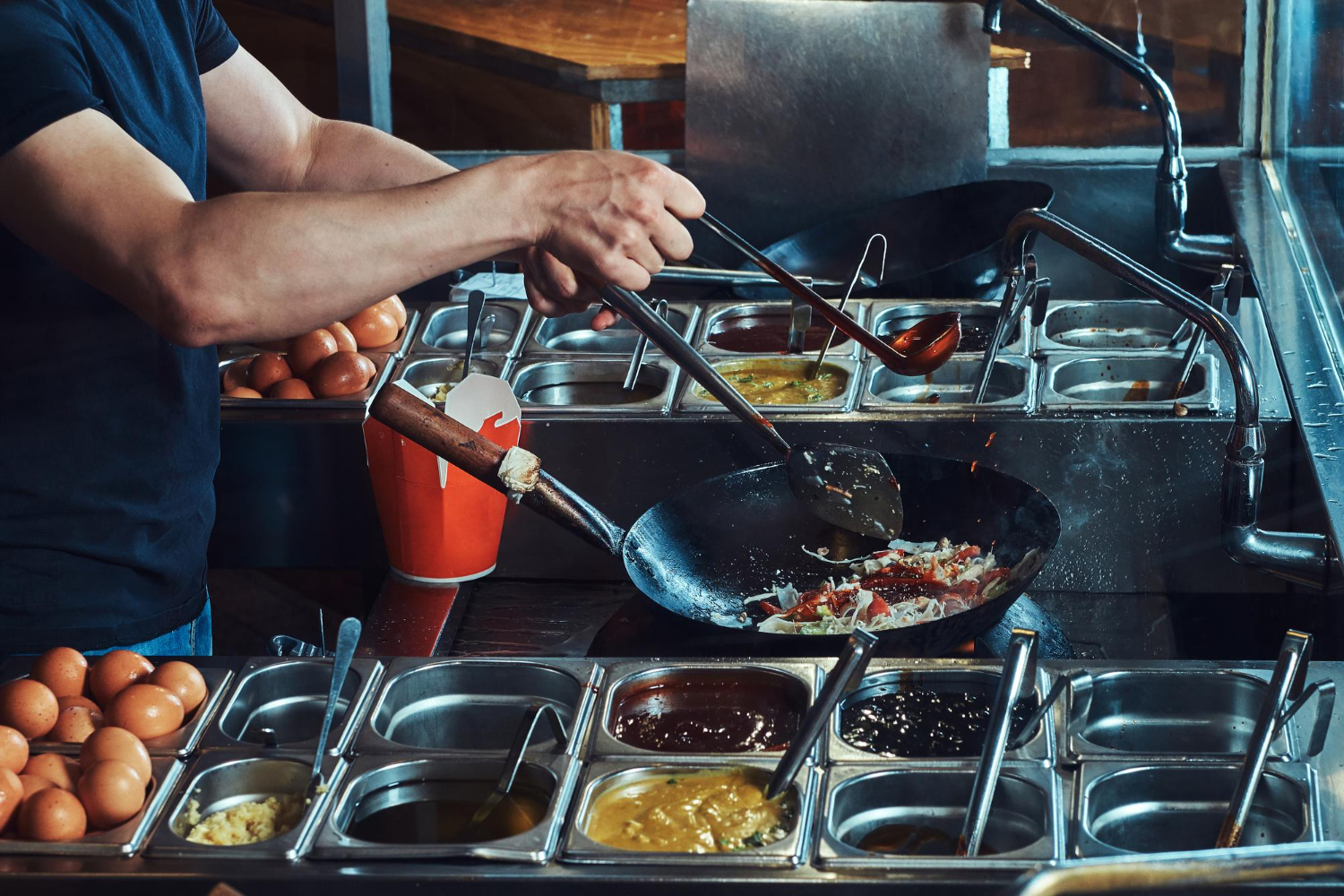
Portable cooking – a cart, a brazier, a griddle – is what makes food available where there is no premises, and carts follow the hours their customers keep.
The equipment determines the menu entirely. Cart food is the category defined by what can be cooked on something with wheels.
14. Eaten Standing Up in the Cold

A whole class of night food is designed to be held in one hand, eaten outdoors, quickly, without sitting down, and to stay warm while you do it.
Wrapping, temperature and structural integrity matter more than presentation. Standing food is the category engineered around not having anywhere to sit.
15. The Thing Only Sold at Night
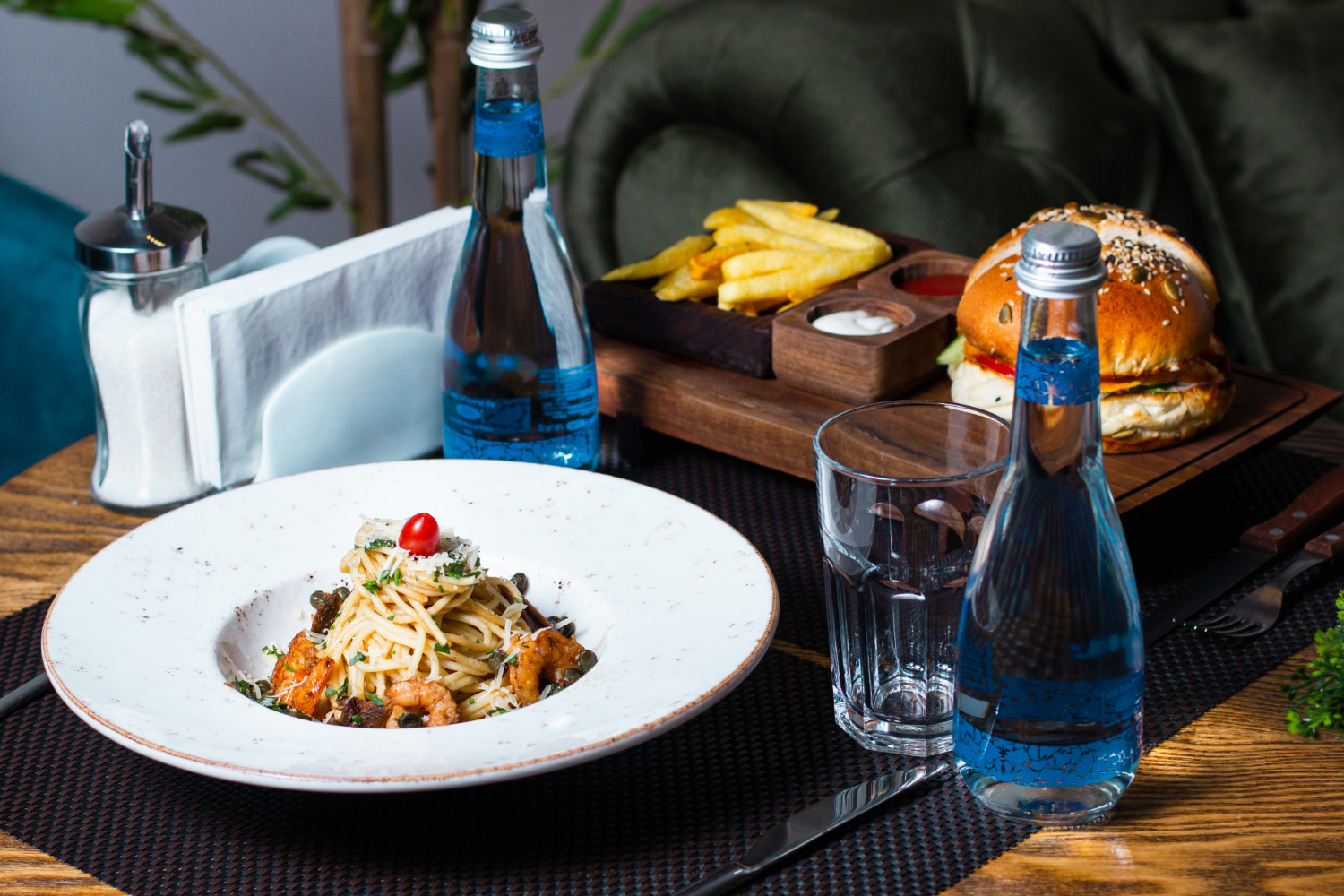
A few dishes are truly unavailable during the day – stalls that open at dusk and close at dawn, selling something nobody offers at any other hour.
Their scarcity is enforced by the clock rather than by season. Night-only dishes are the foods you cannot get by getting up early.
Built for People Who Were Awake
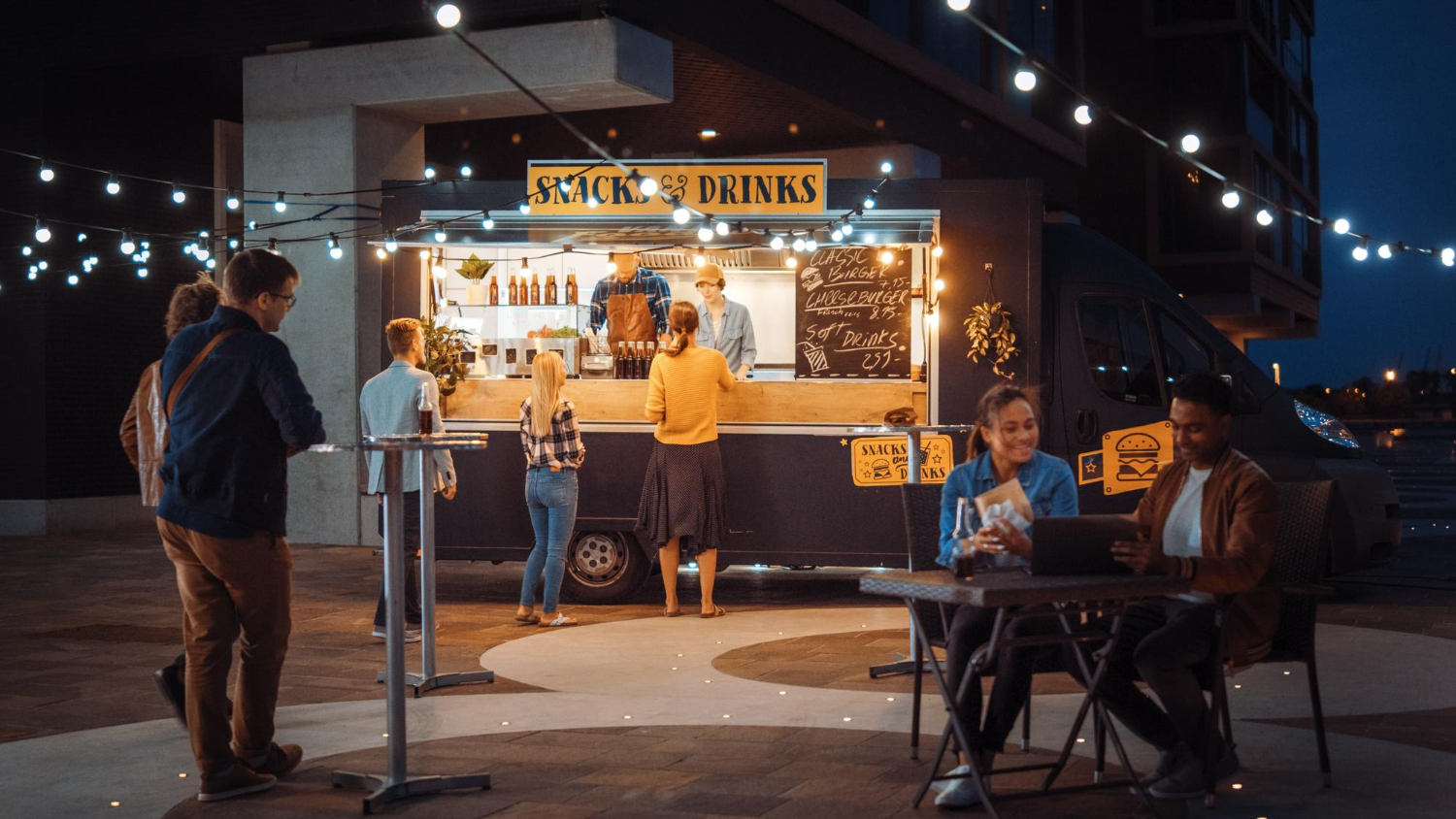
The constraint is consistent everywhere: hot, fast, portable, cheap, and available at an hour when the alternative is nothing. The dishes differ enormously and the specification does not.
The pattern worth noticing is that almost none of this was designed for visitors, and almost all of it is now what visitors seek out. A dish invented so that a market porter could eat something hot at four in the morning turns out to be exactly what anybody wants at four in the morning, which is a reasonable definition of good food.
Like our content? Follow us for more.
