The useful thing to look at in any harbour is the wall – which direction it faces, how high it stands and where the entrance is – because that tells you what the sea does there. Here are fifteen.
1. The Harbour Built Against One Direction
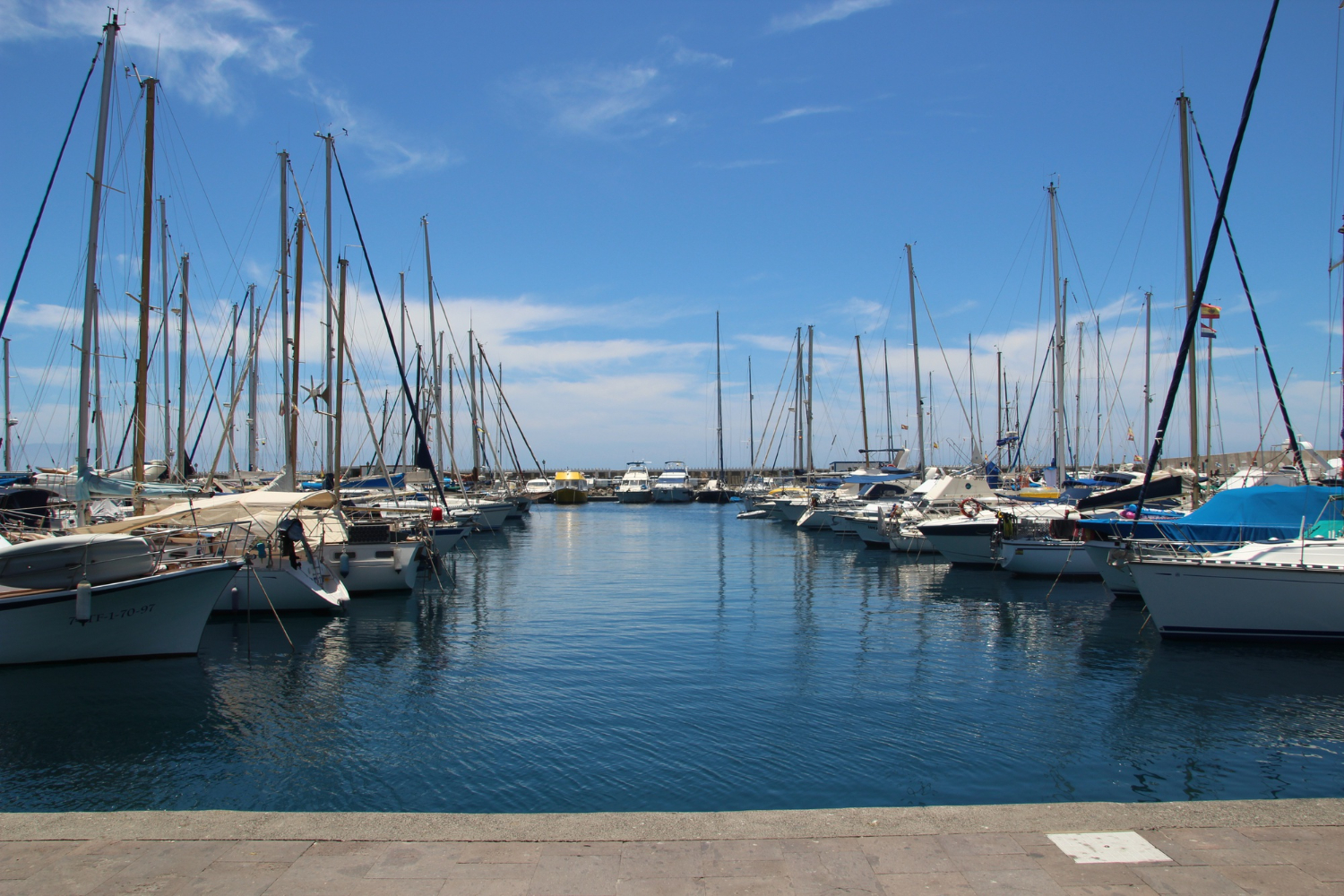
Where swell arrives predominantly from a single quarter, the breakwater faces it and the entrance is placed so that waves cannot run straight in.
The whole geometry is a response to a compass bearing. The directional harbour is the one whose shape is a drawing of the local weather.
Like our content? Follow us for more.
2. The Drying Harbour
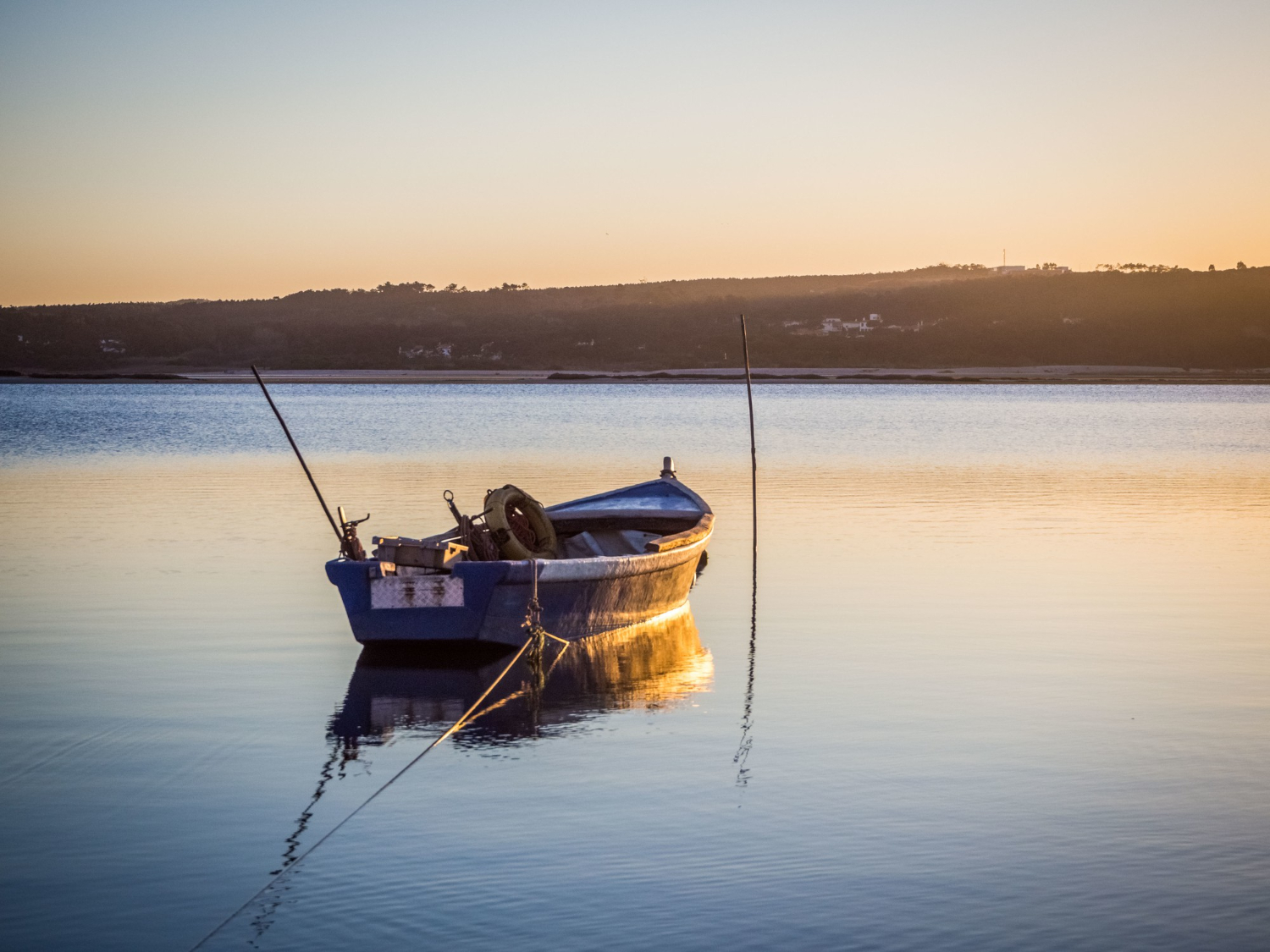
Where the tidal range is large, the harbour empties completely at low water and the boats sit on the mud or sand until it returns.
The working day is set by the tide rather than by the clock. The drying harbour is the one that stops being a harbour twice a day.
3. The Deep-Water Harbour
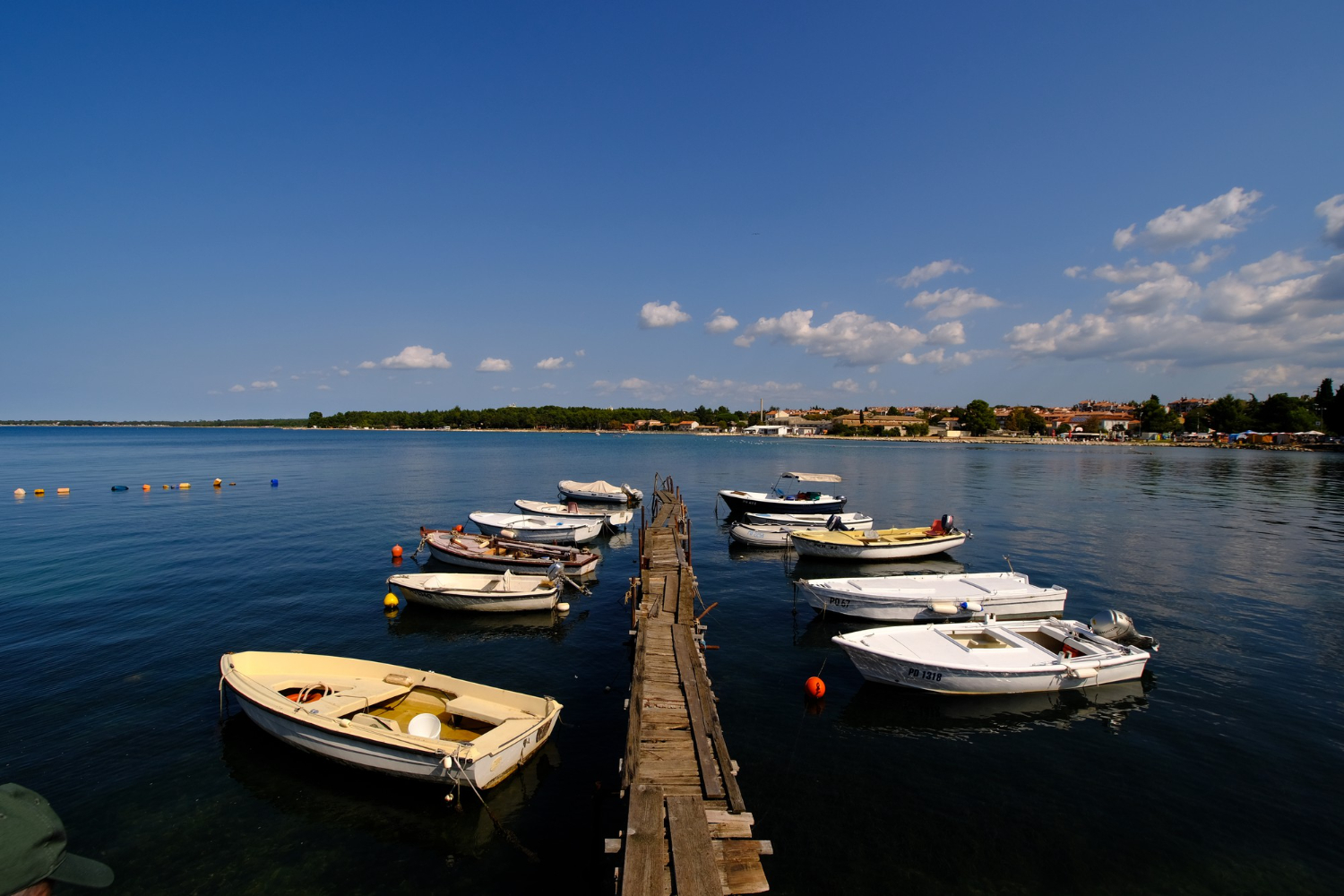
Some coastlines offer natural depth close inshore, which permits large vessels without dredging and determined where major ports developed.
That depth is a geological accident with enormous economic consequences. The deep-water harbour is the one that was chosen by the seabed.
4. The Fishing Harbour
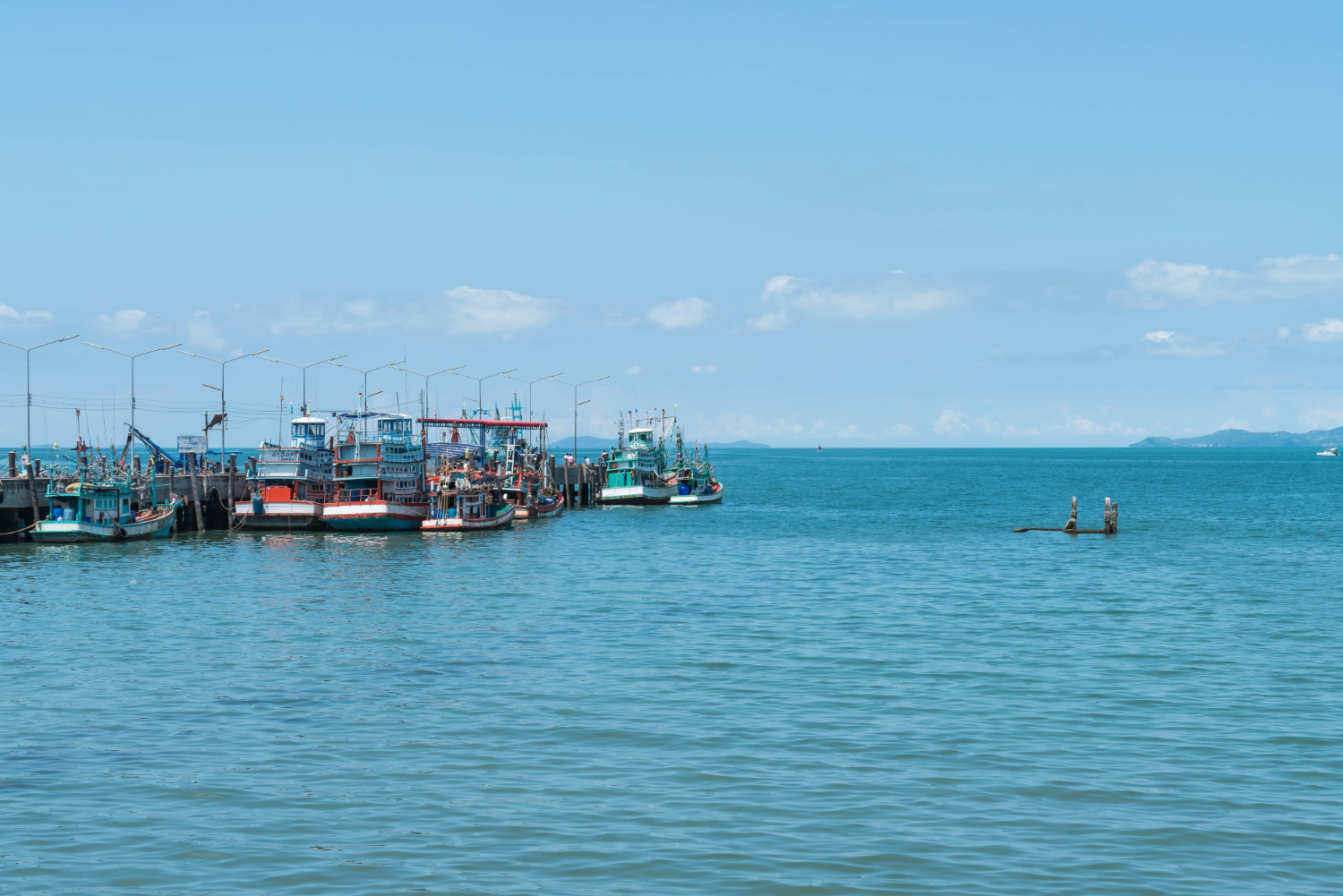
Organised entirely around landing: quays at the right height for boats, ice available, a market building close by, and space for handling nets and gear.
Every fitting corresponds to a stage in getting fish off a boat and away. The fishing harbour is the one whose layout is a process diagram.
5. The Harbour With a Gate

A lock or gate holds water inside regardless of the tide, so vessels stay afloat and loading continues at any hour, at the cost of a wait to get in or out.
It converts a tidal harbour into a permanent basin. The gated harbour is the one that decided to ignore the tide.
6. The Wholly Artificial Harbour
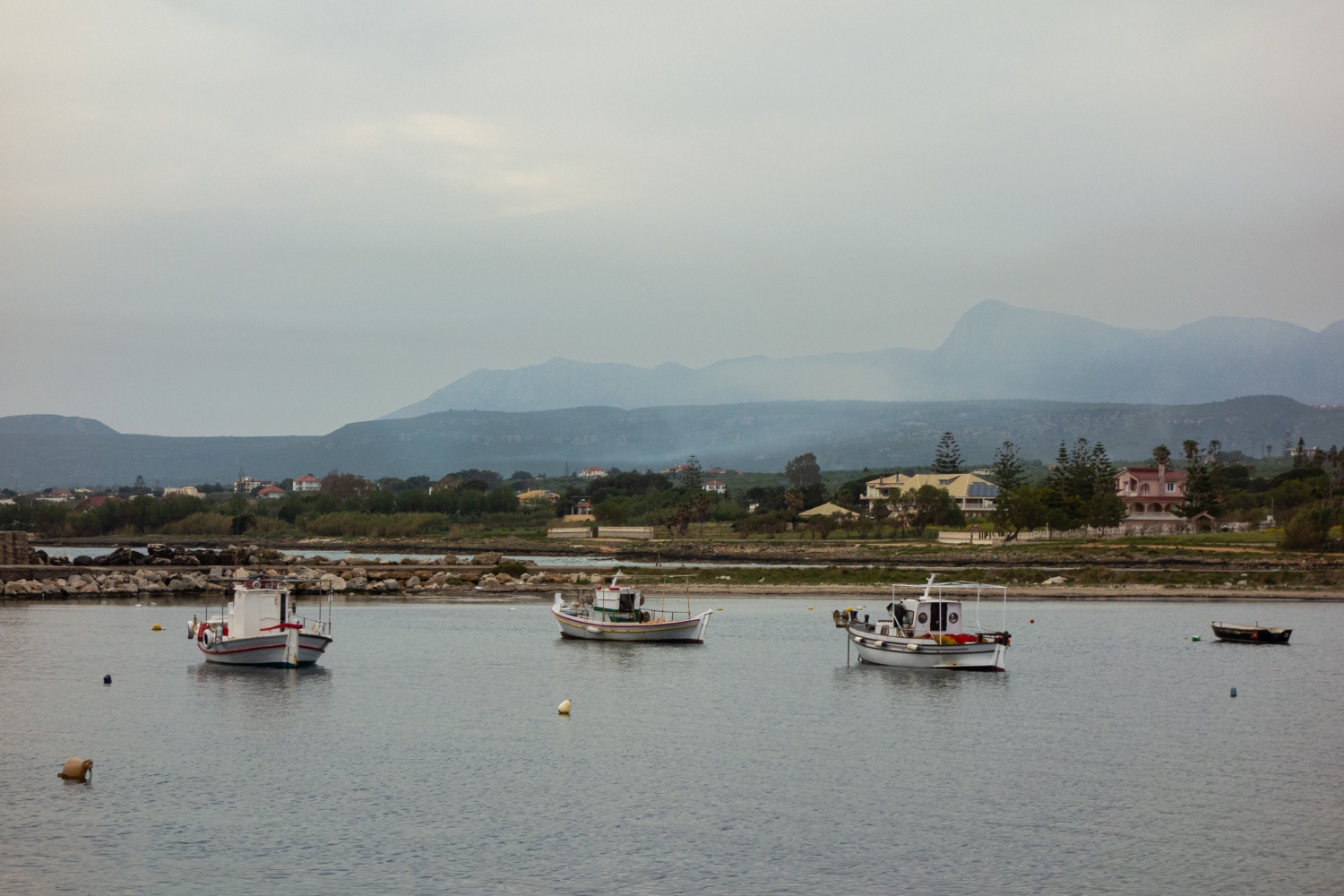
Where a coast offered no shelter at all but somebody needed a port there, a harbour was constructed from nothing behind a built breakwater.
The maintenance burden is permanent. The artificial harbour is the one the sea is continuously trying to remove.
7. The Harbour Upstream
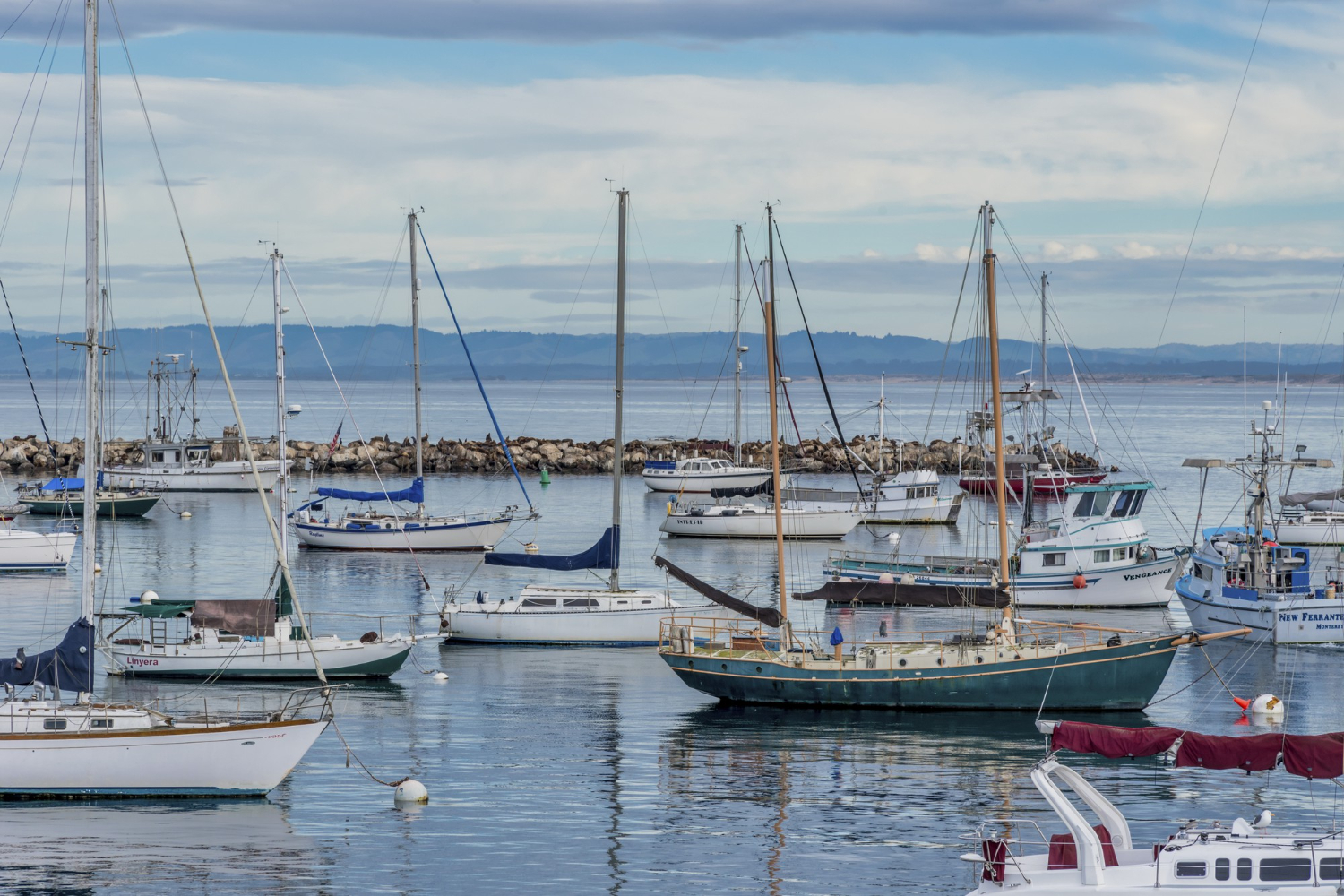
Sheltering inside a river mouth rather than on the open coast trades exposure for a shallow, silting approach that requires continuous attention.
A great many historic ports made that trade. The river harbour is the one that chose calm water over easy access.
8. The Harbour With Two Halves
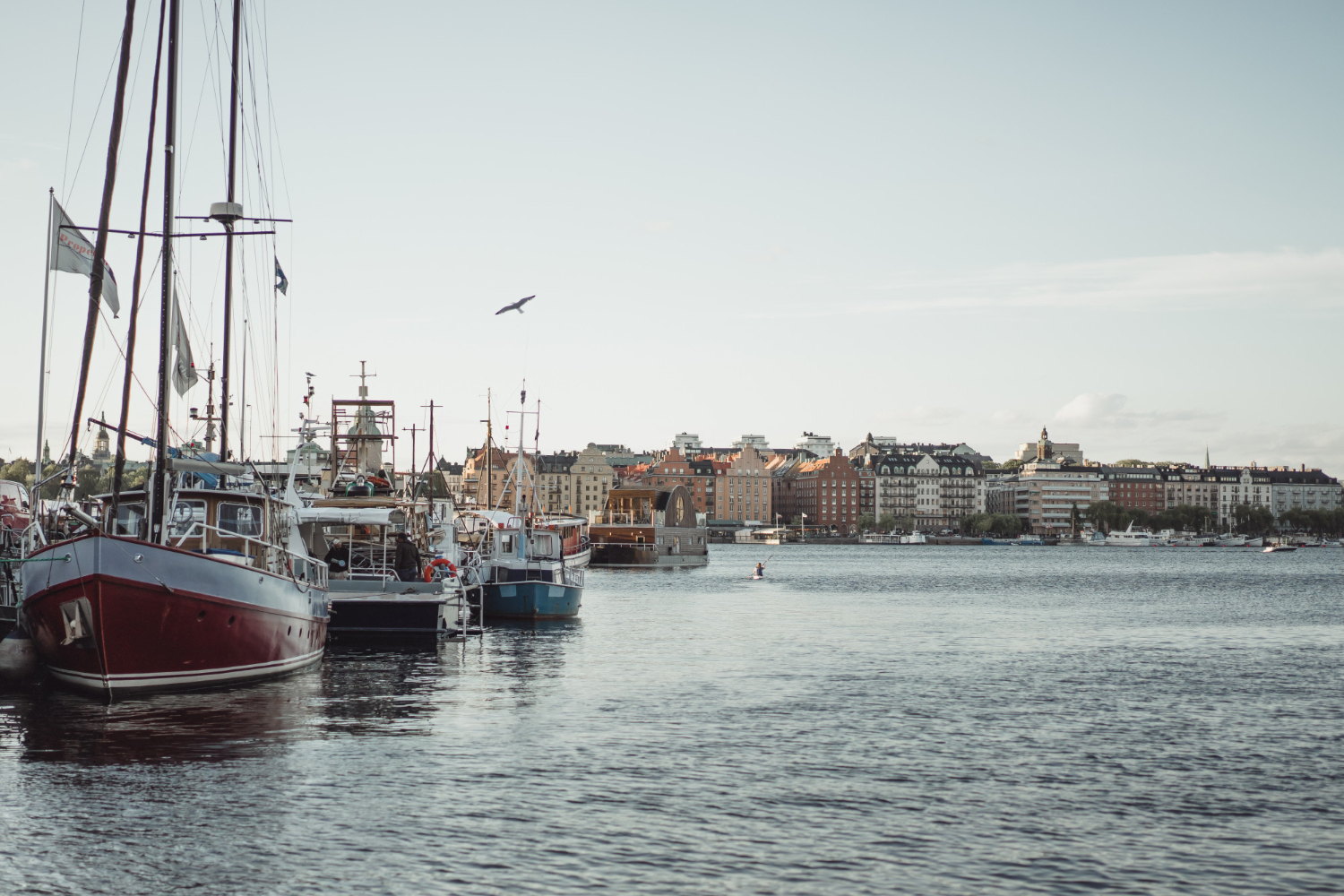
Where visitors and working boats share a harbour, they are generally separated – a working quay and a visitor quay – because the two activities do not mix.
The division is usually obvious once you look for it. The divided harbour is the one doing two incompatible jobs at once.
9. The Harbour Built for One Cargo
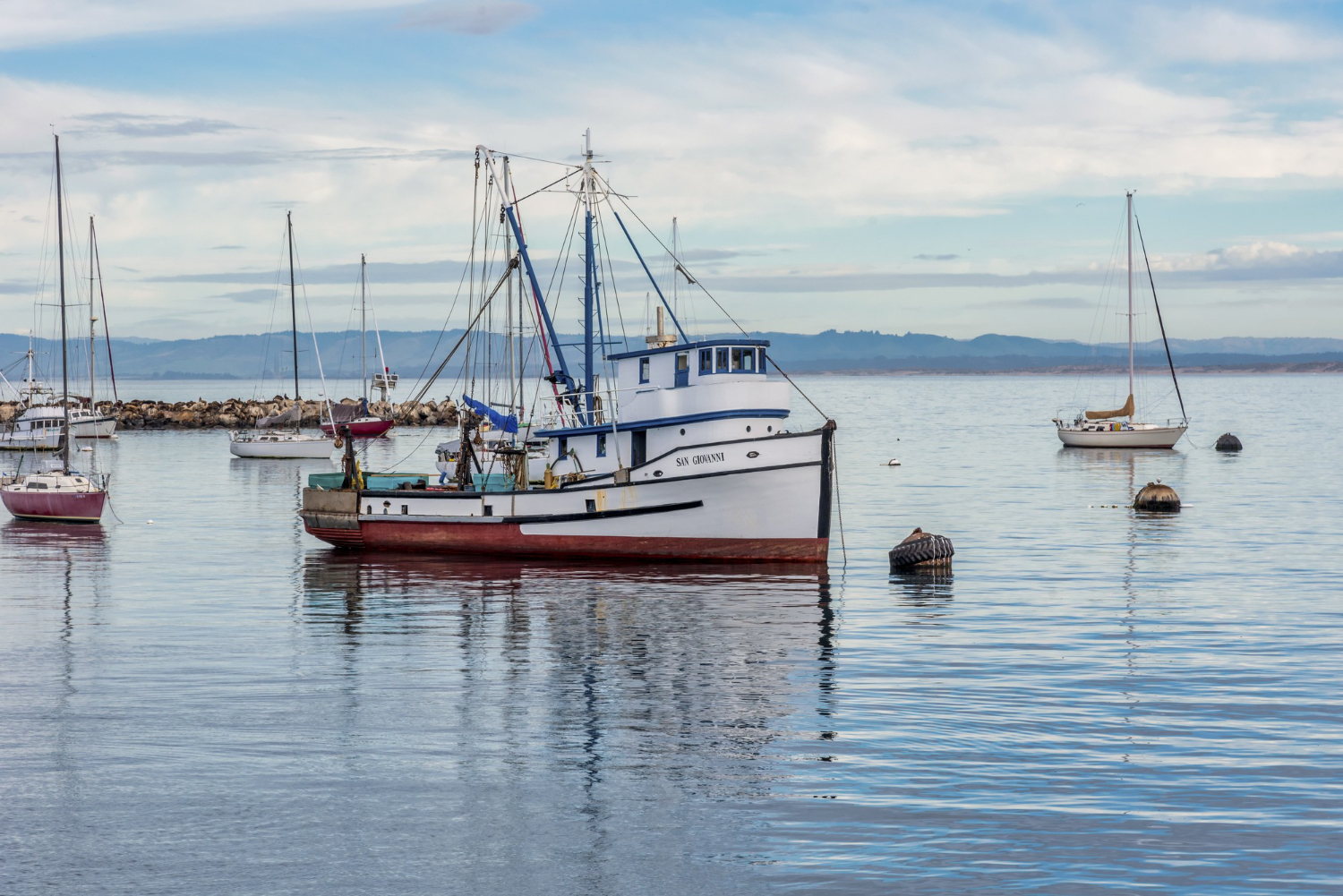
Some harbours were constructed around a single commodity, with specialised structures for loading it, and those structures survive long after the trade has gone.
The architecture is unmistakable and frequently baffling. Single-cargo harbours are the ones whose buildings only make sense if you know what they handled.
10. The Harbour Whose Industry Left
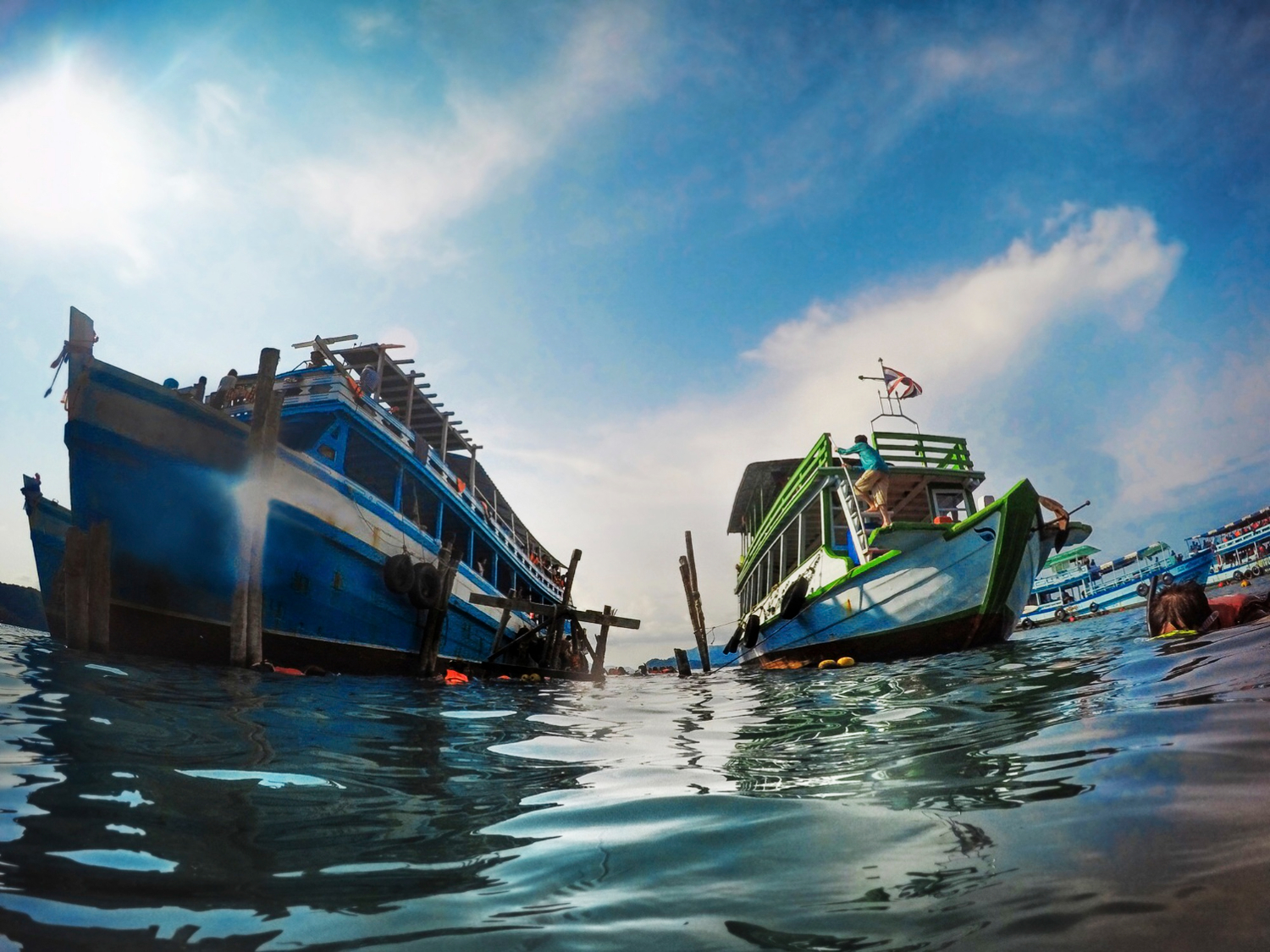
Where the fishing or the freight has gone, the infrastructure remains and is used by leisure craft, which fills the water without restoring the working life.
It looks busy and is doing something entirely different. The converted harbour is the one where appearance and function have separated.
11. The Ice-Affected Harbour
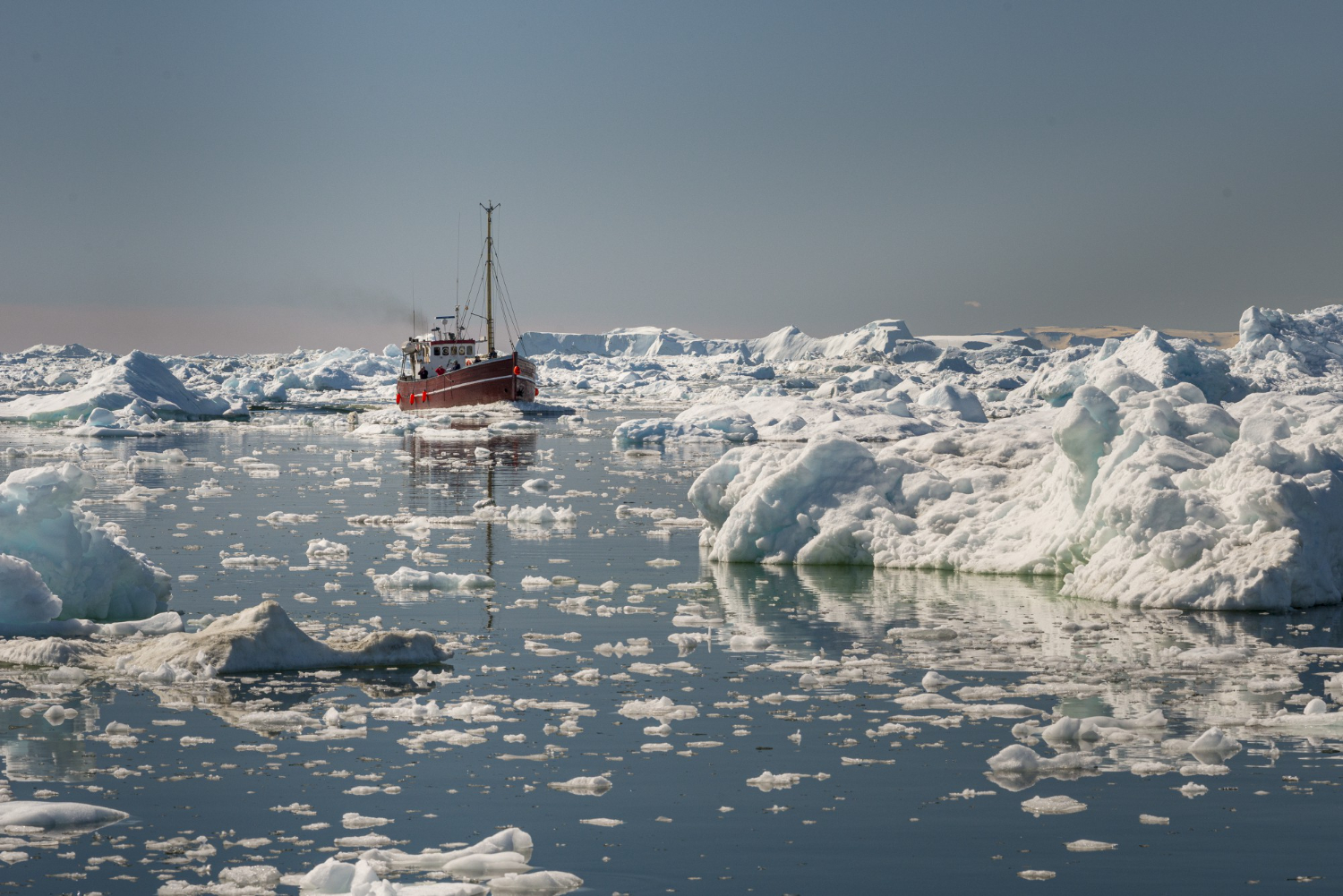
In cold regions the harbour has a season, and the working year is bounded by when the ice arrives and clears rather than by any calendar.
Everything is scheduled around that window. The seasonal harbour is the one that closes for months.
12. The Harbour Where the Tide Sets the Timetable
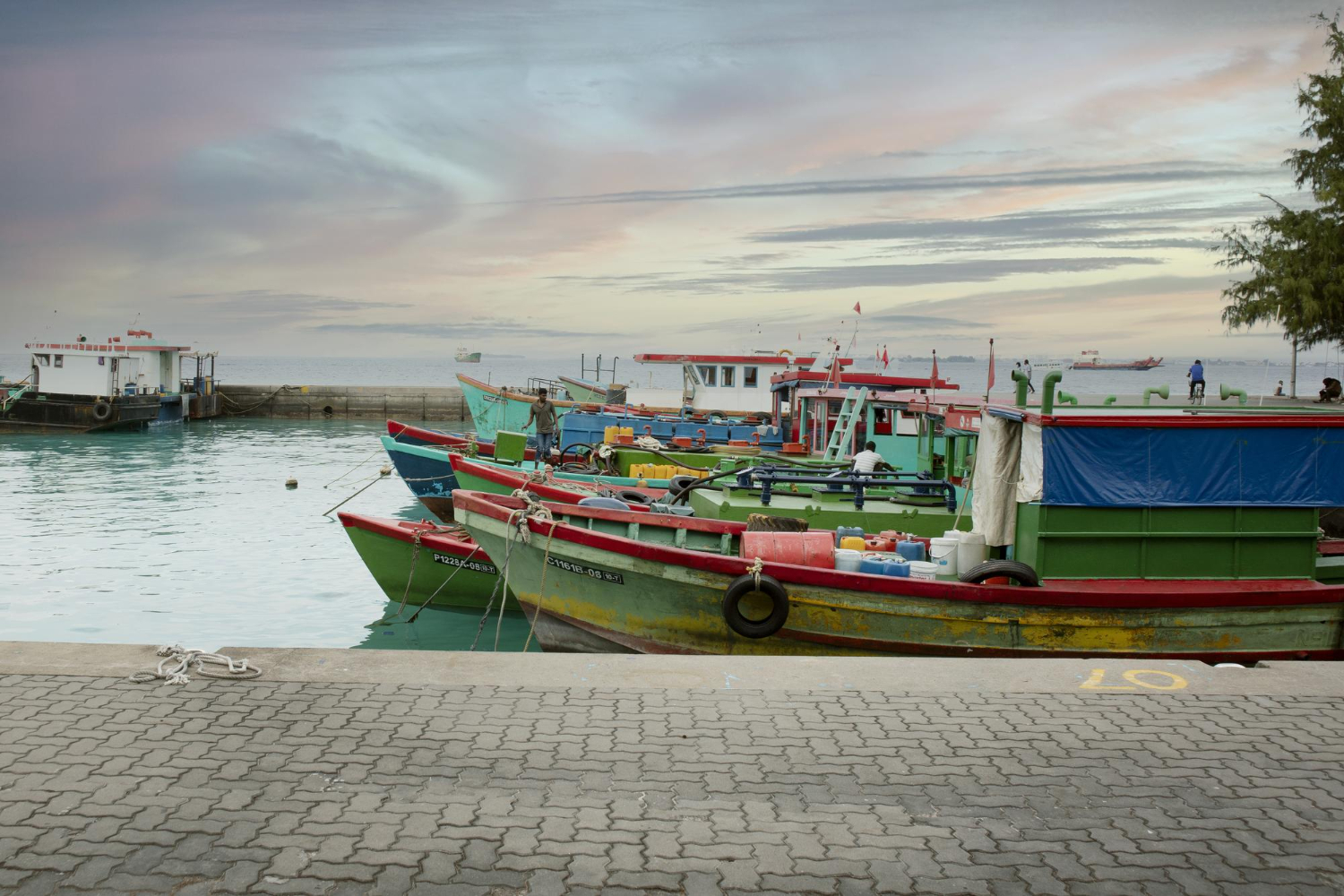
On some coasts the tidal stream through the entrance is strong enough that departure and arrival times are fixed by water movement rather than by preference.
Boats leave when the tide allows and not otherwise. The tide-governed harbour is the one where the sea writes the schedule.
14. The Harbour Serving One Community
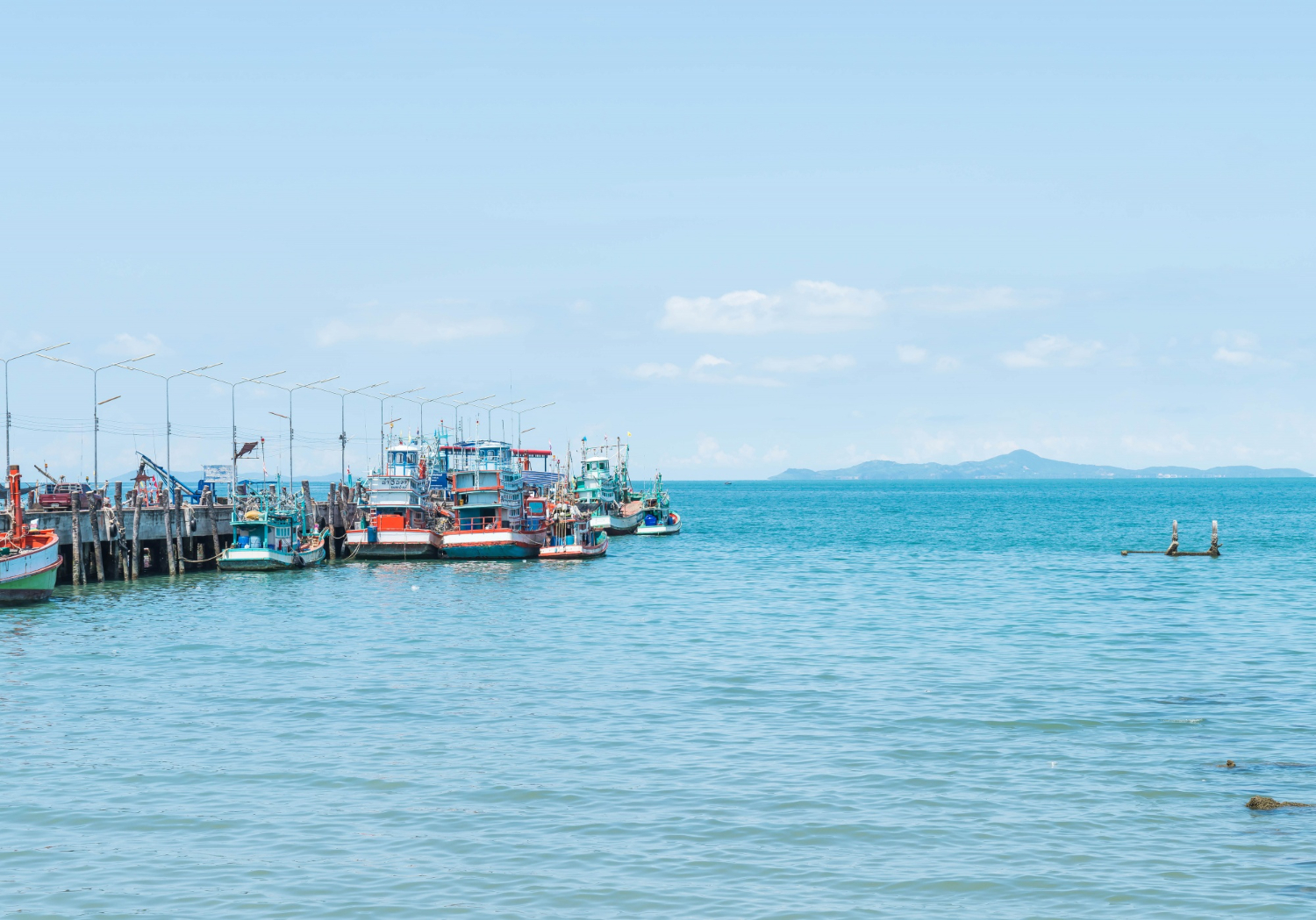
Small harbours exist purely because a settlement needed somewhere to keep boats, with no commercial function beyond the people who live there.
They are frequently the most atmospheric and the least visited. The community harbour is the one built for a village rather than a trade.
15. The Harbour That Determined the Town
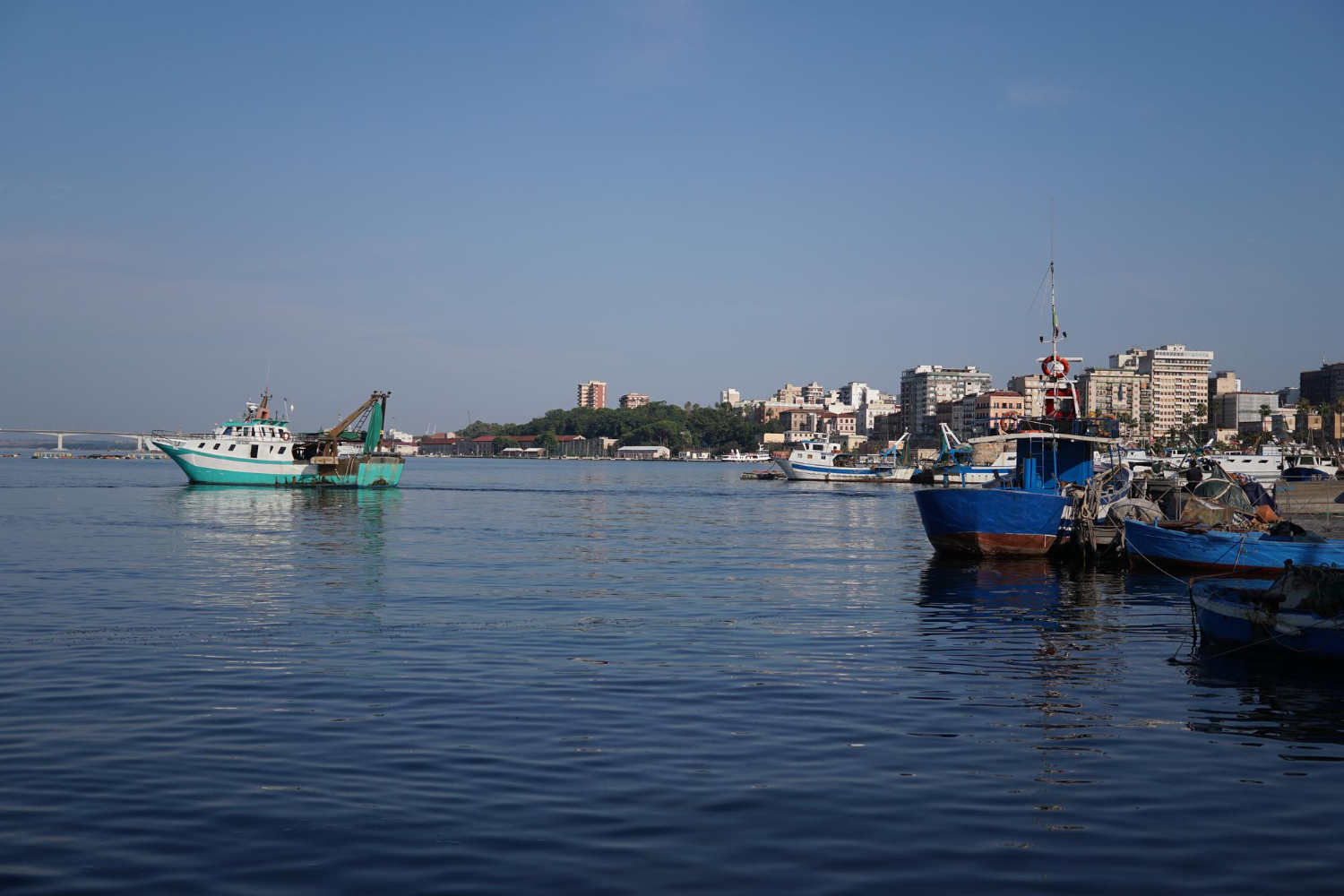
Where a harbour existed first, the settlement grew around and above it, so the street pattern radiates from the quay and the oldest buildings face the water.
The town is legible as a response to the harbour rather than the reverse. The founding harbour is the one that explains the shape of everything behind it.
The Wall Tells You What the Sea Does
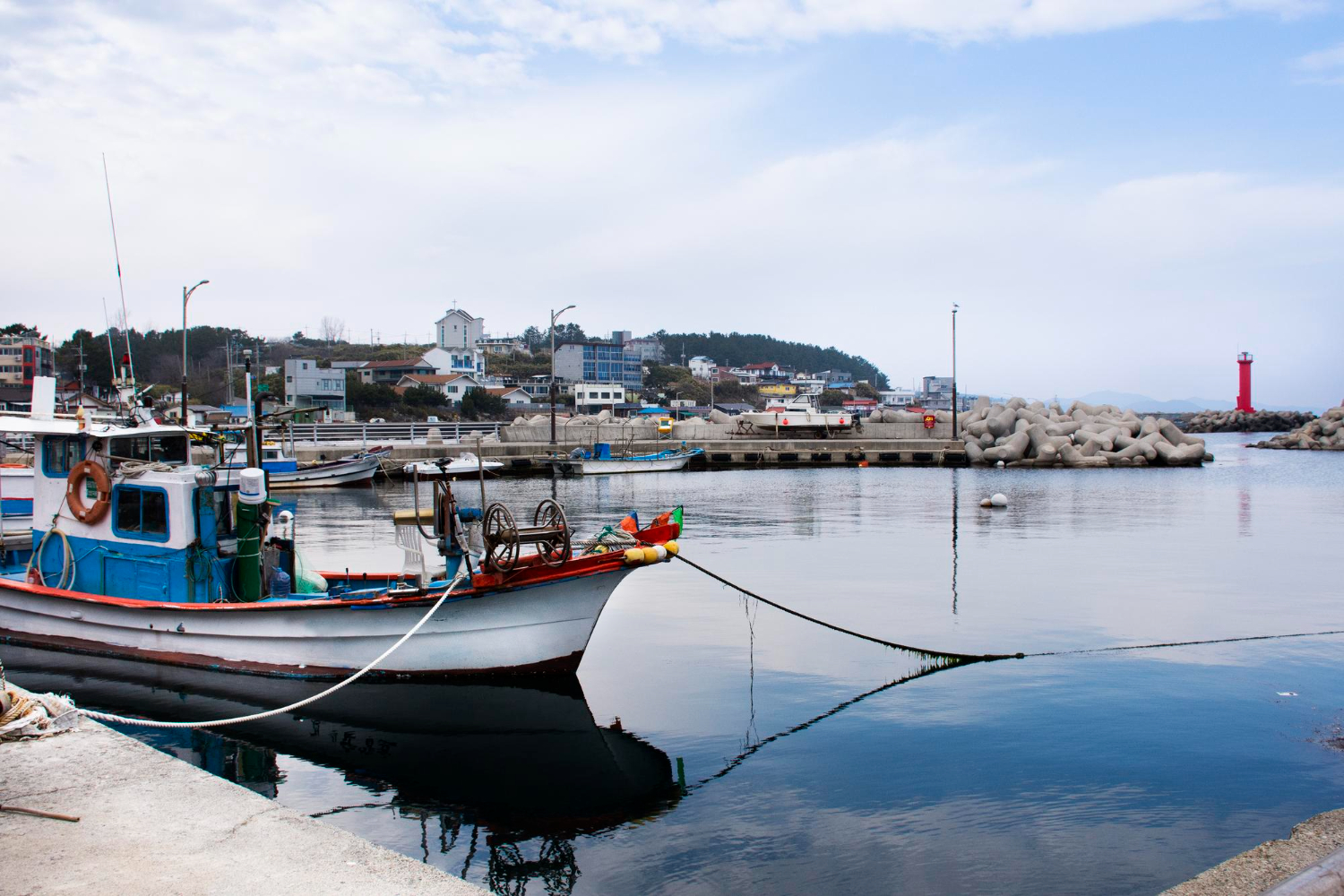
Every feature here is a response to a specific condition – swell direction, tidal range, water depth, ice, or one particular cargo – and none of it was built for appearance.
One necessary note: a working harbour is a workplace. Quaysides frequently have no railings, slipways are slippery in a way that is not obvious, tidal ground can be soft and can cover faster than expected, and machinery and vessels are operating around visitors rather than for them. Watch where people who work there walk, and stay out of the way of anything being landed.
Like our content? Follow us for more.