

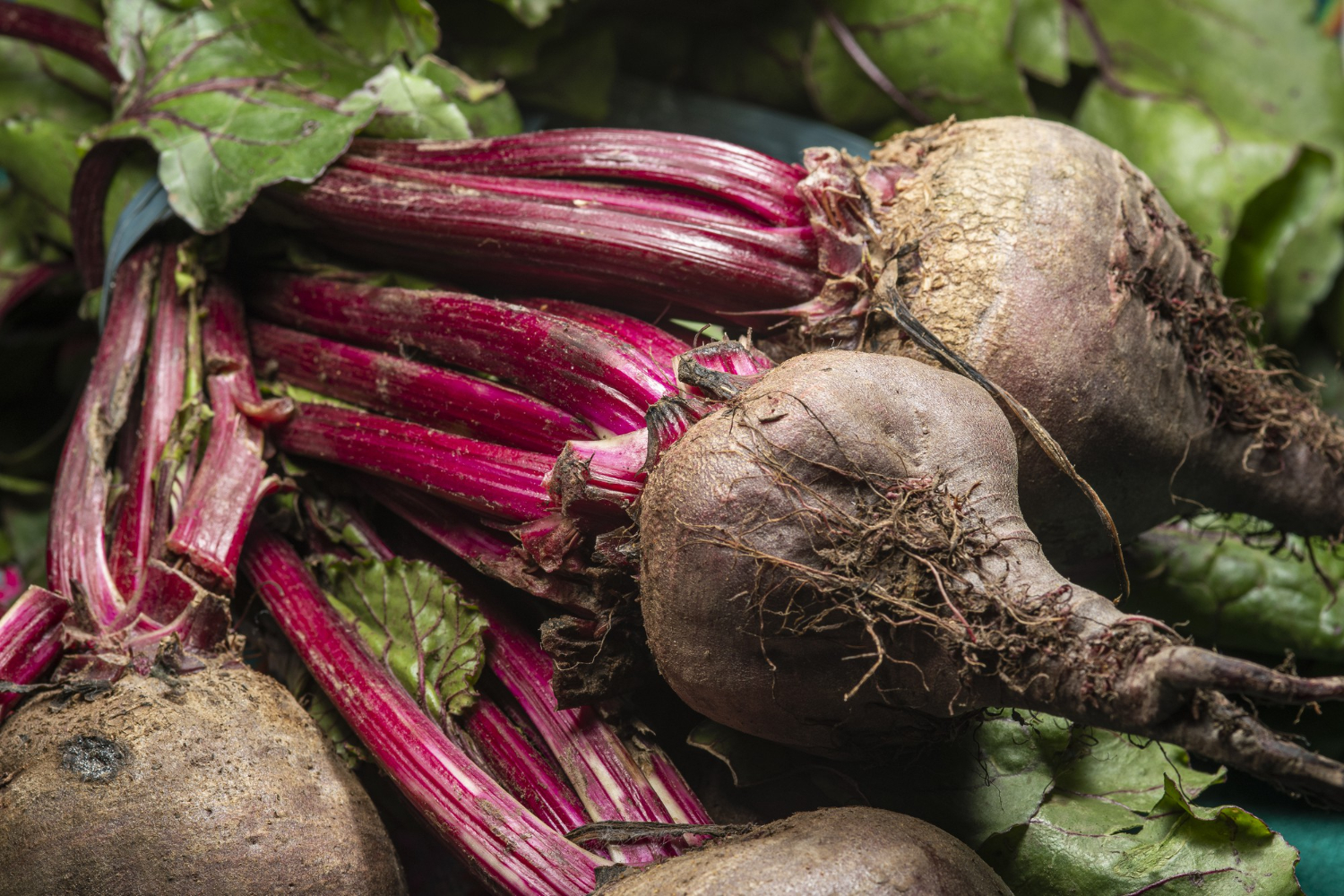
The organising idea is that none of these were grown to be eaten. Each is a plant storing resources to survive a dormant season, and every culinary property follows from that. Here are seventeen.
1. The Plant Is Saving Up
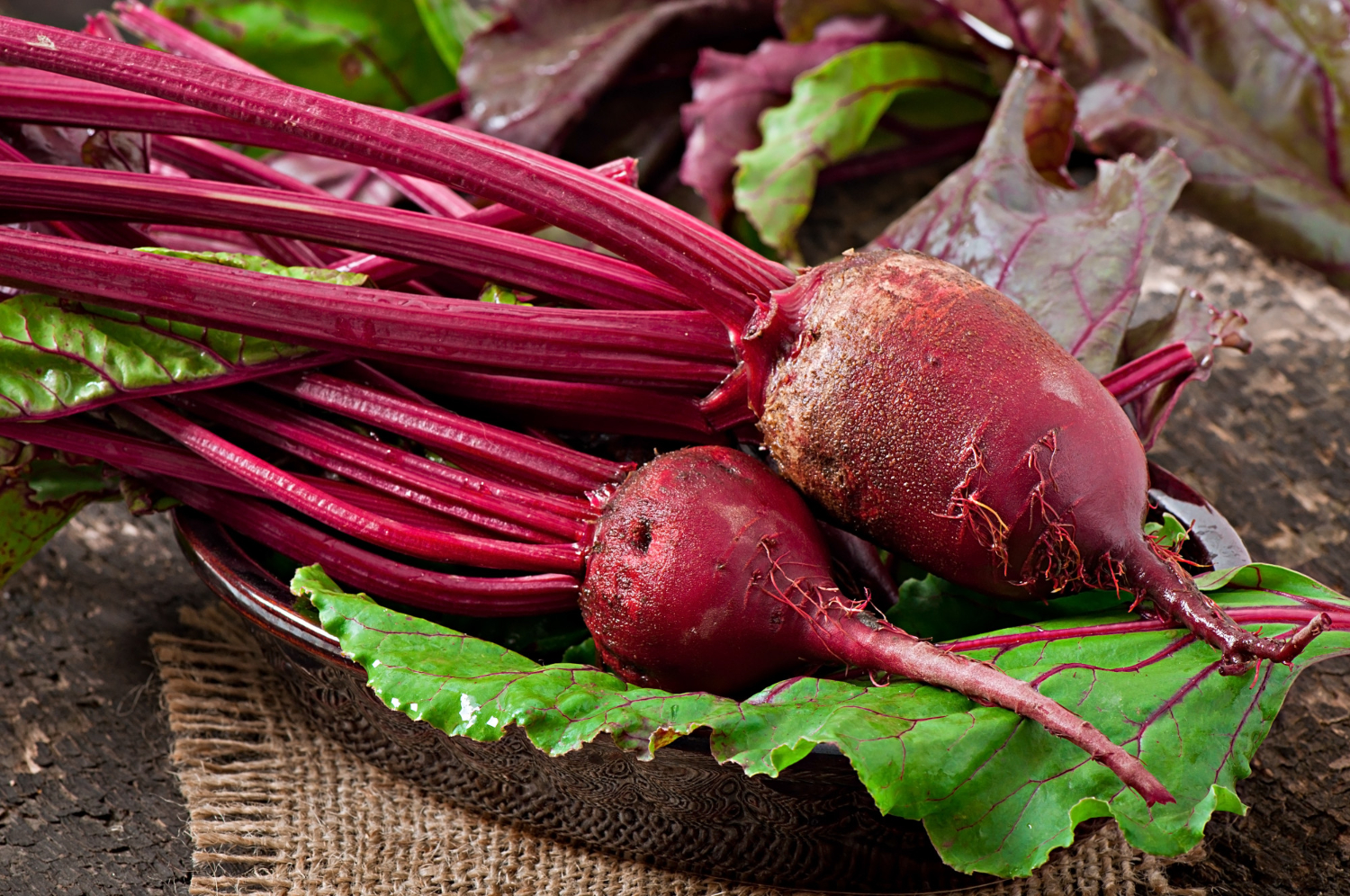
A storage organ exists so the plant can survive a period when growing is impossible and then restart quickly, which is why it is packed with carbohydrate rather than water.
You are eating a savings account. Storage function is the fact that explains every other item here.
Like our content? Follow us for more.
2. Most of Them Are Not Roots
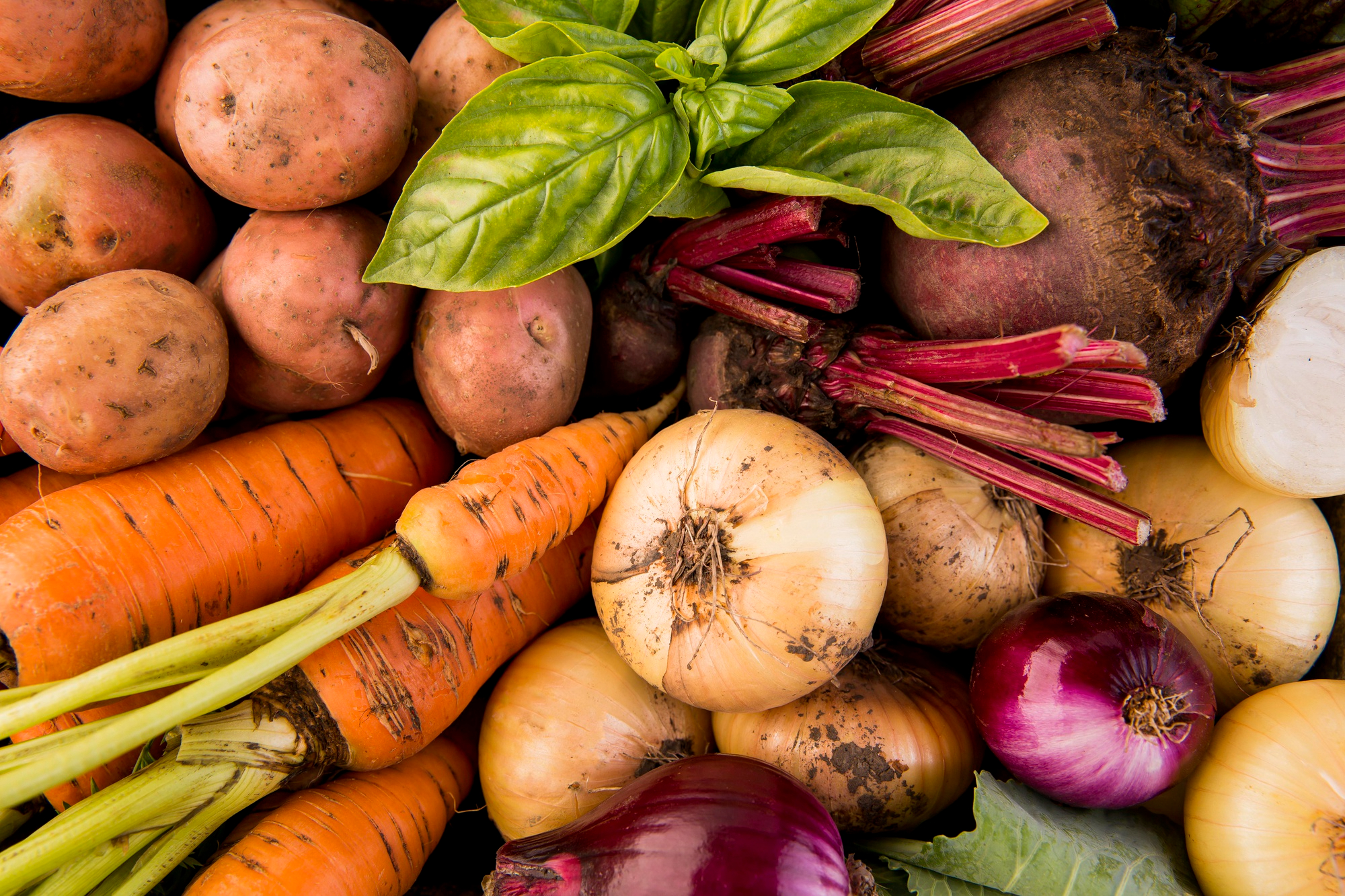
Botanically the category is a muddle – some are true roots, some are swollen stems, some are underground stems running sideways, some are compressed stems with leaves around them.
The kitchen groups them by where they grow rather than by what they are. Botanical variety is the reason the category behaves so inconsistently.
3. They Keep Because They Were Meant To
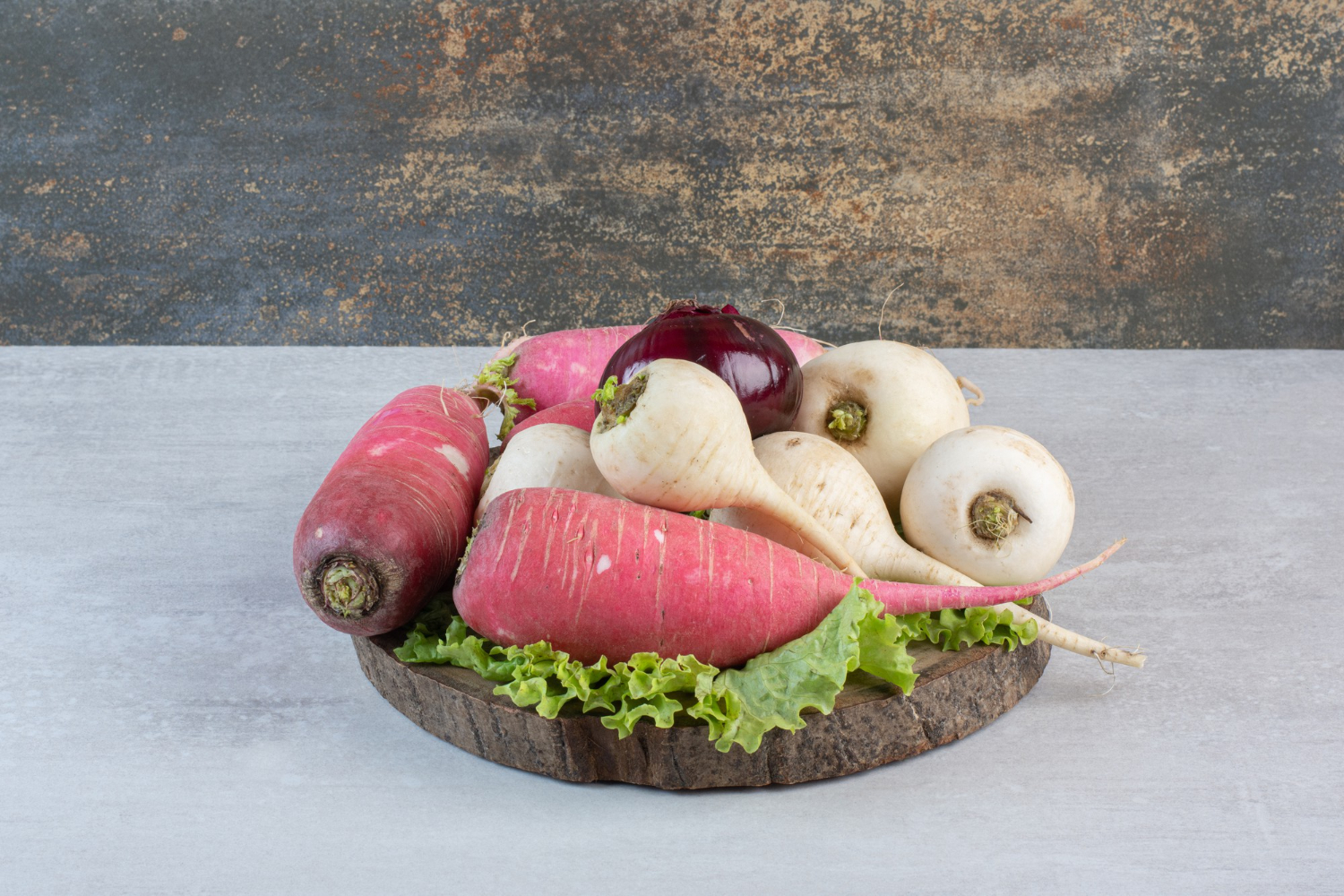
A storage organ evolved to survive months of dormancy without rotting, which is precisely the property that makes it useful in a cellar.
Nothing was done to them to achieve this. Natural keeping quality is the reason these were the winter foods everywhere they grew.
4. Cold Makes Some of Them Sweeter
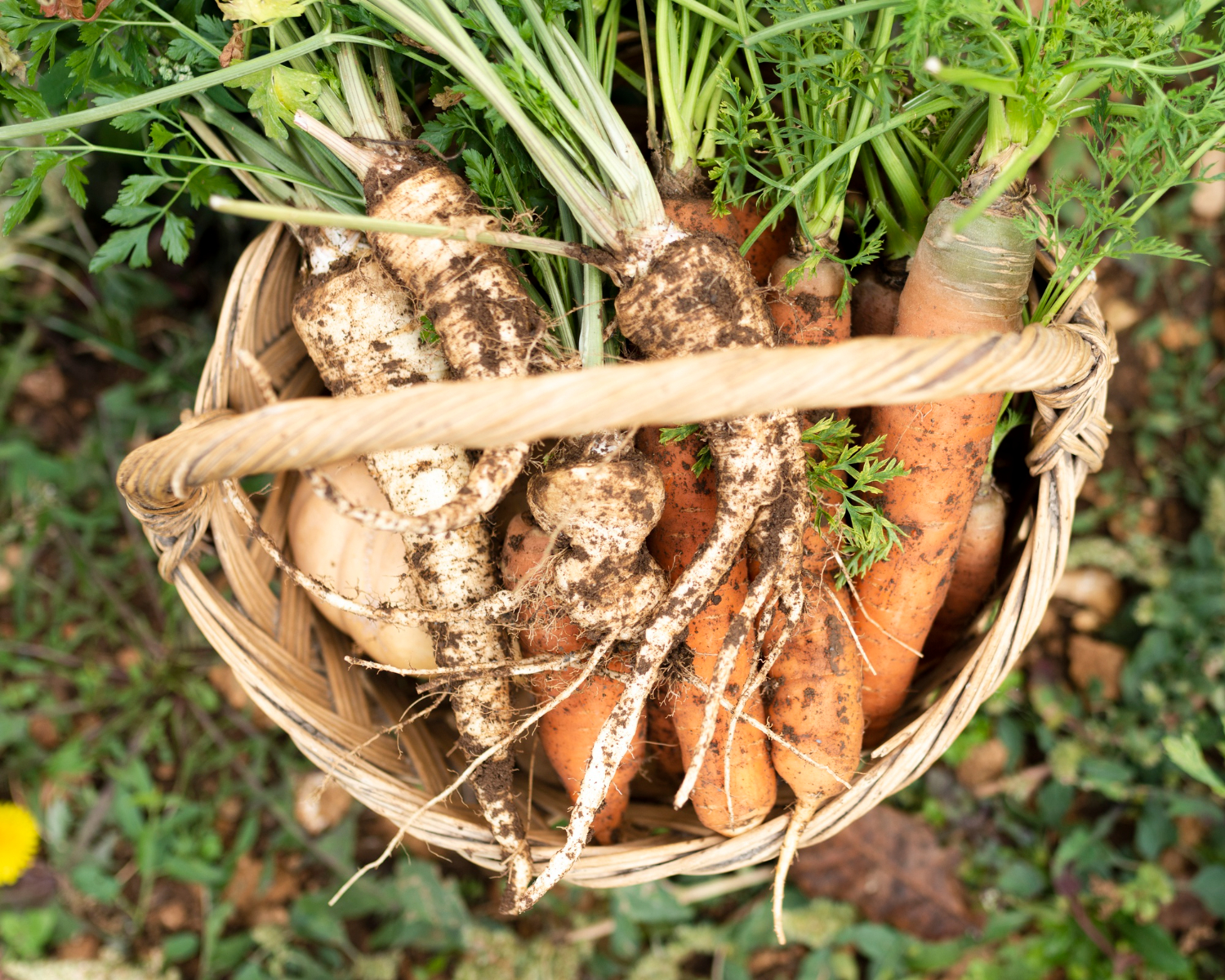
Several species convert stored starch to sugar in cold conditions, as a response to frost, which is why certain roots taste noticeably better after a cold spell.
It is a real chemical change rather than a preference. Cold-induced sweetening is the effect that makes timing matter.
5. They Regrow From a Piece
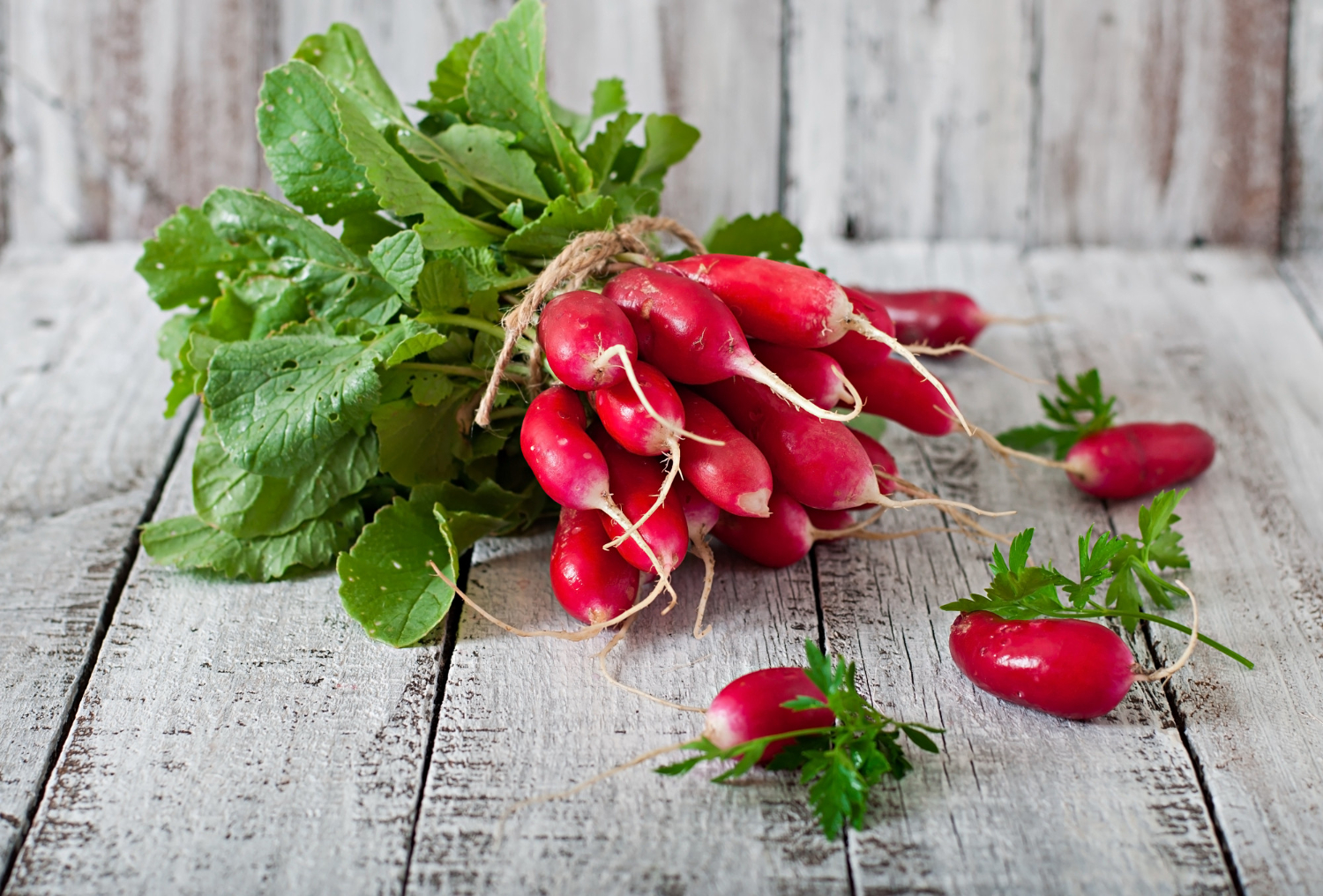
Because the storage organ is the plant survival mechanism, a cut section containing the right structures will produce a whole new plant – which is how a great many of them are propagated.
No seed is involved. Vegetative propagation is the property that made some of these easy to spread across continents.
6. Some Darken the Moment You Cut Them
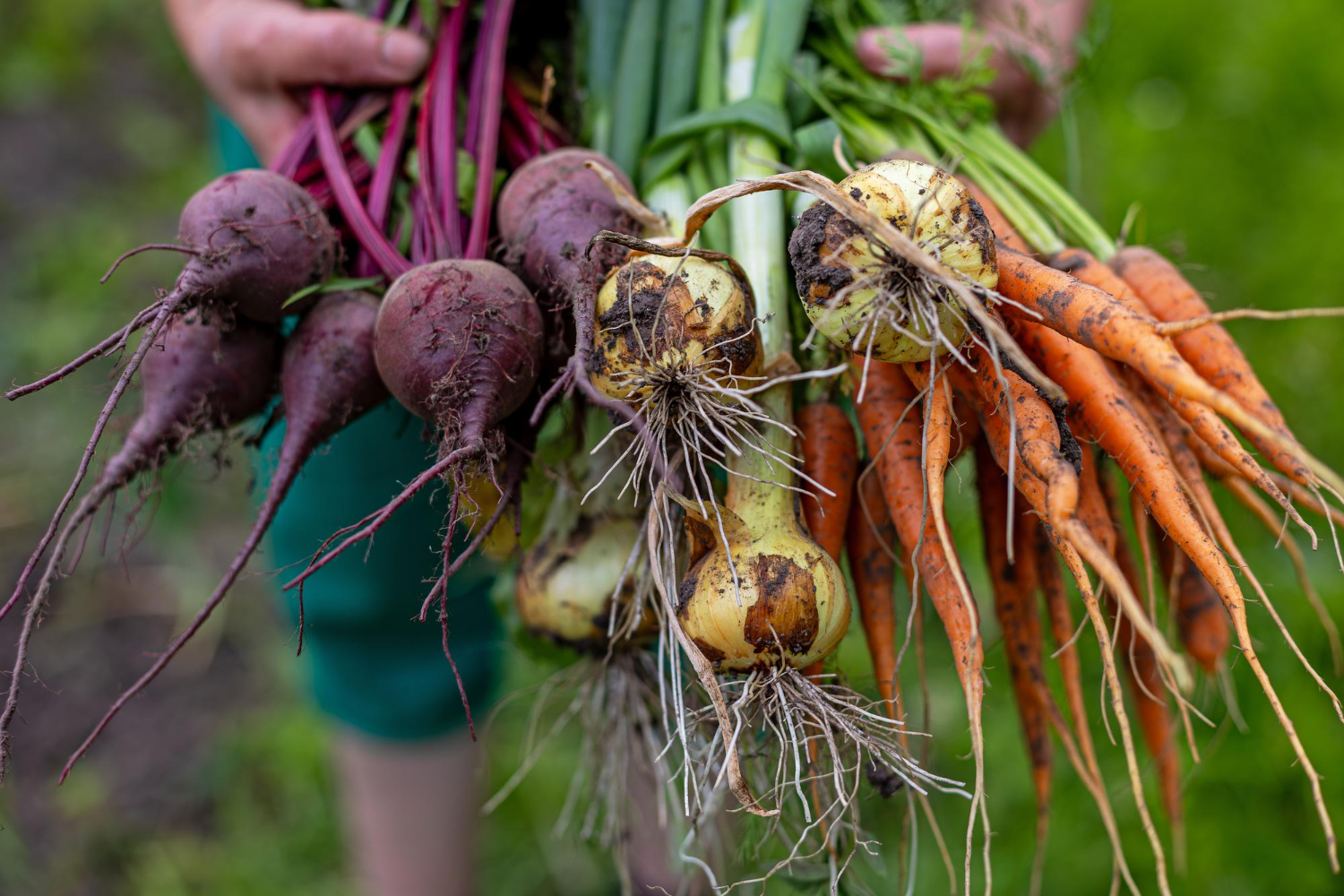
Enzymes exposed to air produce browning within minutes in several species, which is why some roots are dropped into water as soon as they are peeled.
It is the same reaction that browns a cut apple. Enzymatic browning is the property that puts a clock on preparation.
7. The Earthy Flavour Has a Name
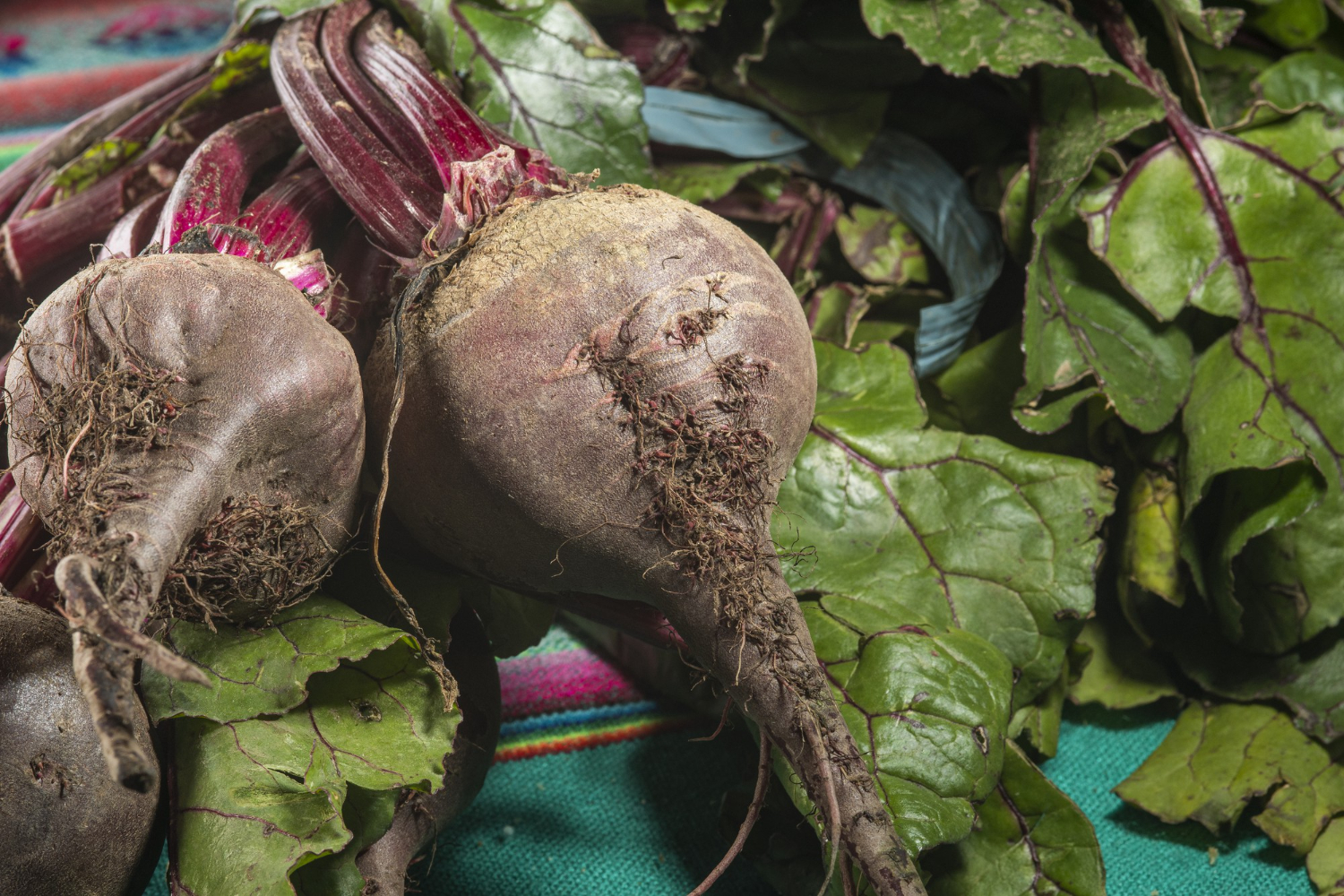
The characteristic earthy taste in certain roots comes from a specific compound also produced by soil bacteria, which is why they taste of the ground they grew in.
People differ enormously in how strongly they detect it. Earthy compounds are the reason a single vegetable divides opinion so sharply.
8. Roasting Concentrates Rather Than Adds
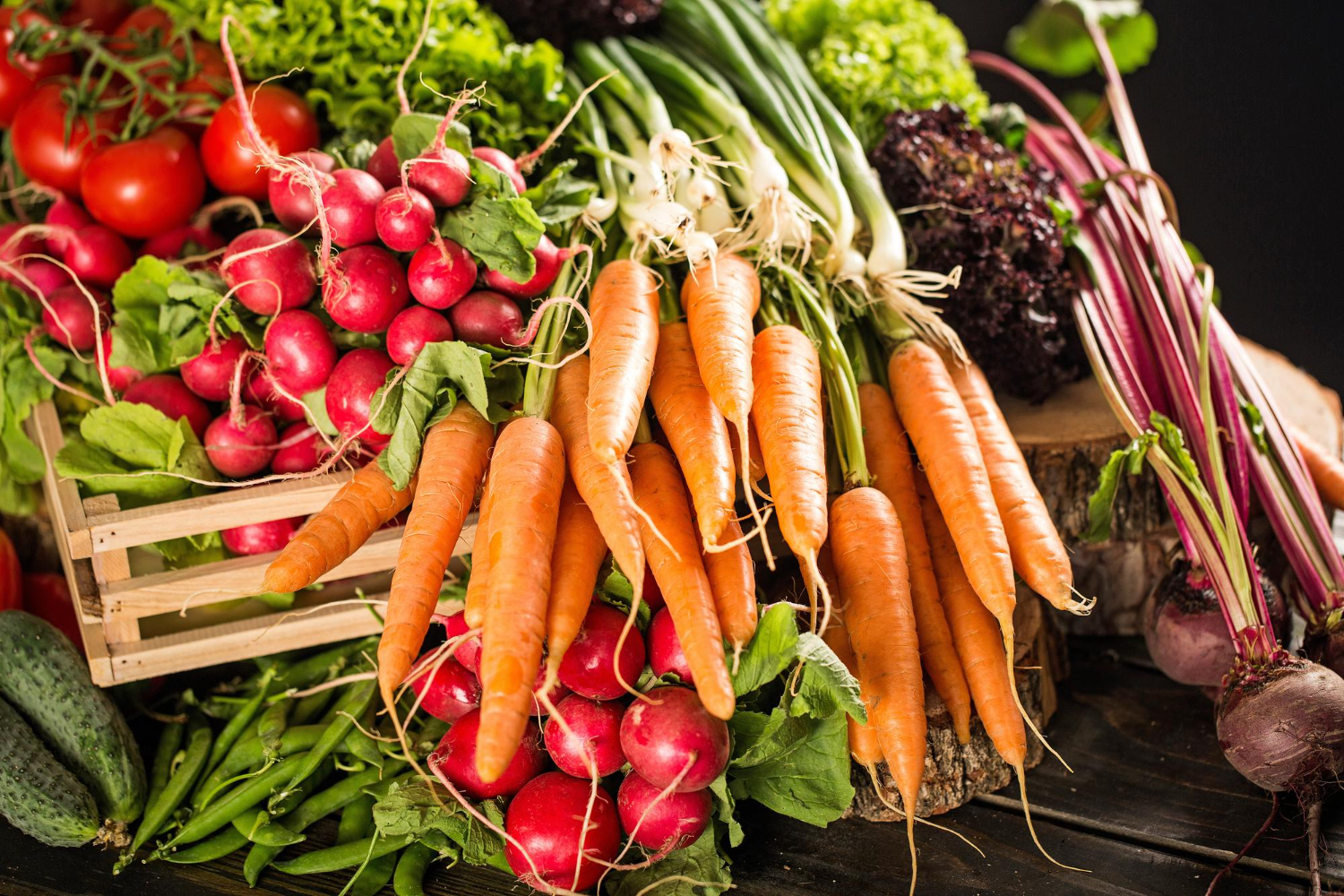
Dry heat removes water and caramelises sugars, so a roasted root tastes sweeter and more intense than a boiled one made from the same vegetable.
Nothing has been added; water has been taken away. Roasting concentration is the technique that changes the ingredient rather than seasoning it.
9. Boiling Loses Things Into the Water
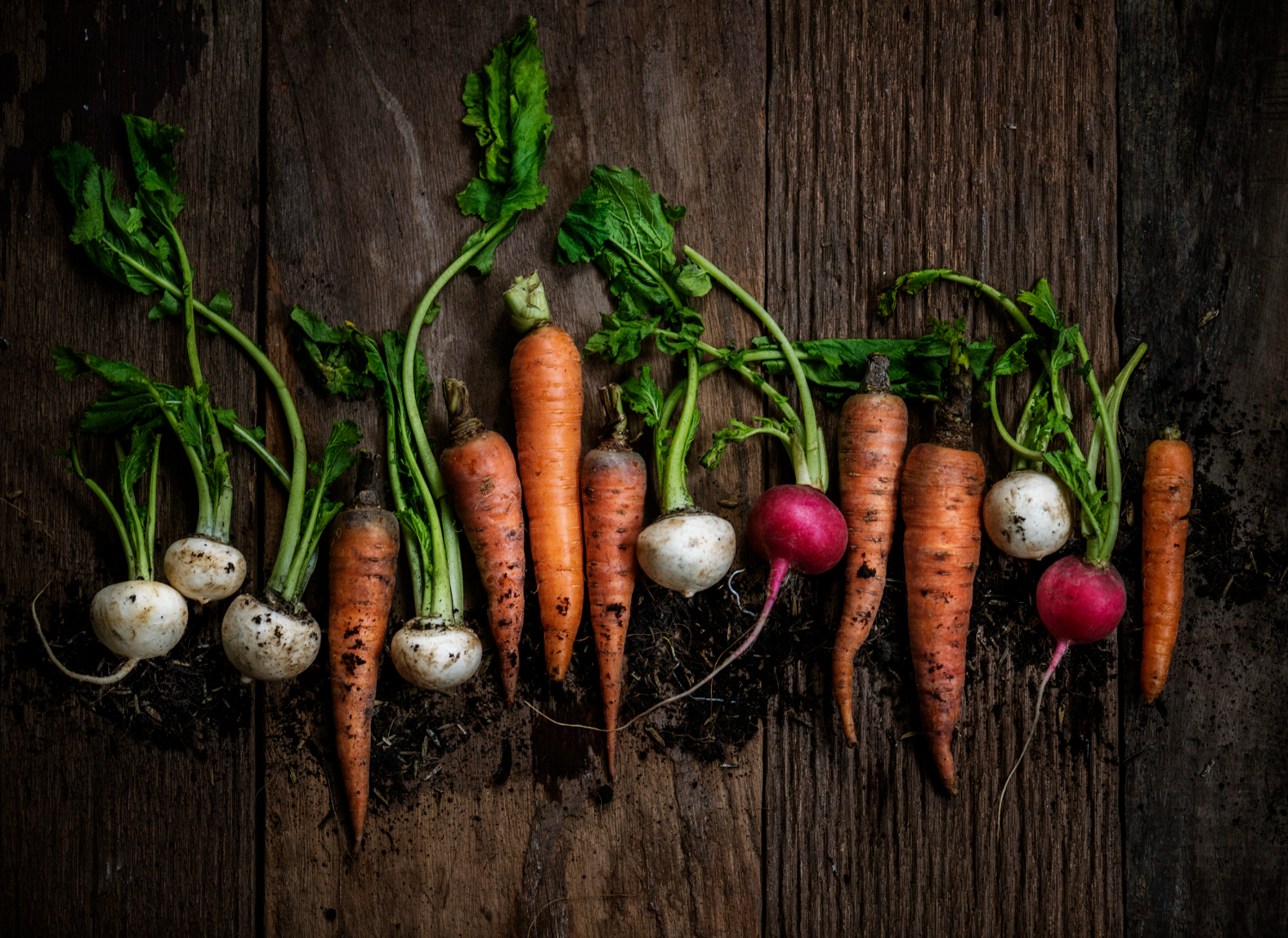
Water-soluble compounds leave the vegetable and enter the cooking liquid, which is why boiled roots can taste flat and why the liquid is worth keeping.
Steaming and roasting avoid the problem entirely. Solubility loss is the reason the cooking method changes the flavour so much.
10. Some Are Grown for the Tops Instead
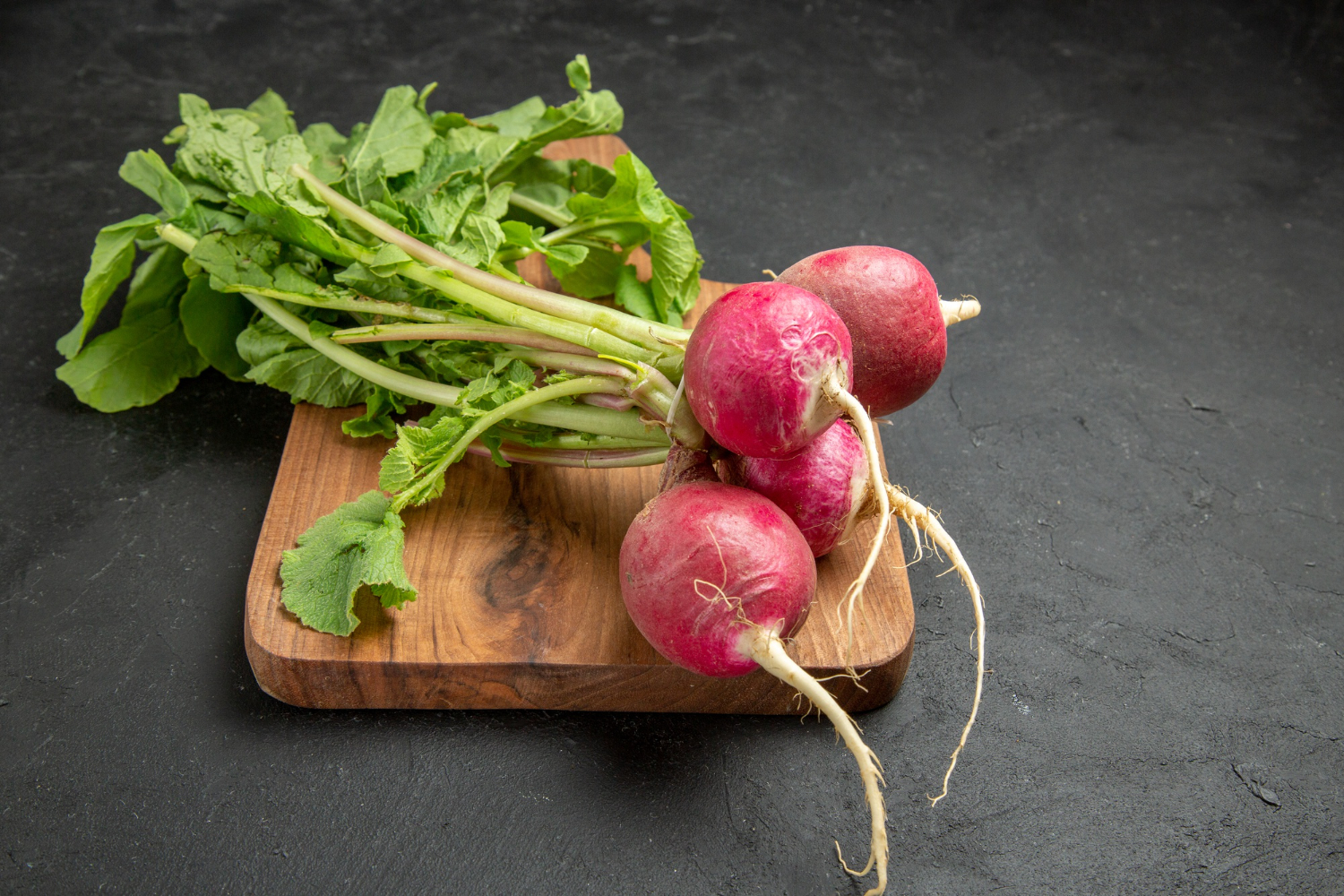
Several species produce edible leaves as well as an edible root, and in some traditions the leaves are the point and the root is secondary.
Discarding the tops throws away half the crop. Dual-purpose roots are the vegetables where two foods arrive attached to each other.
11. Raw or Cooked Is Not a Free Choice
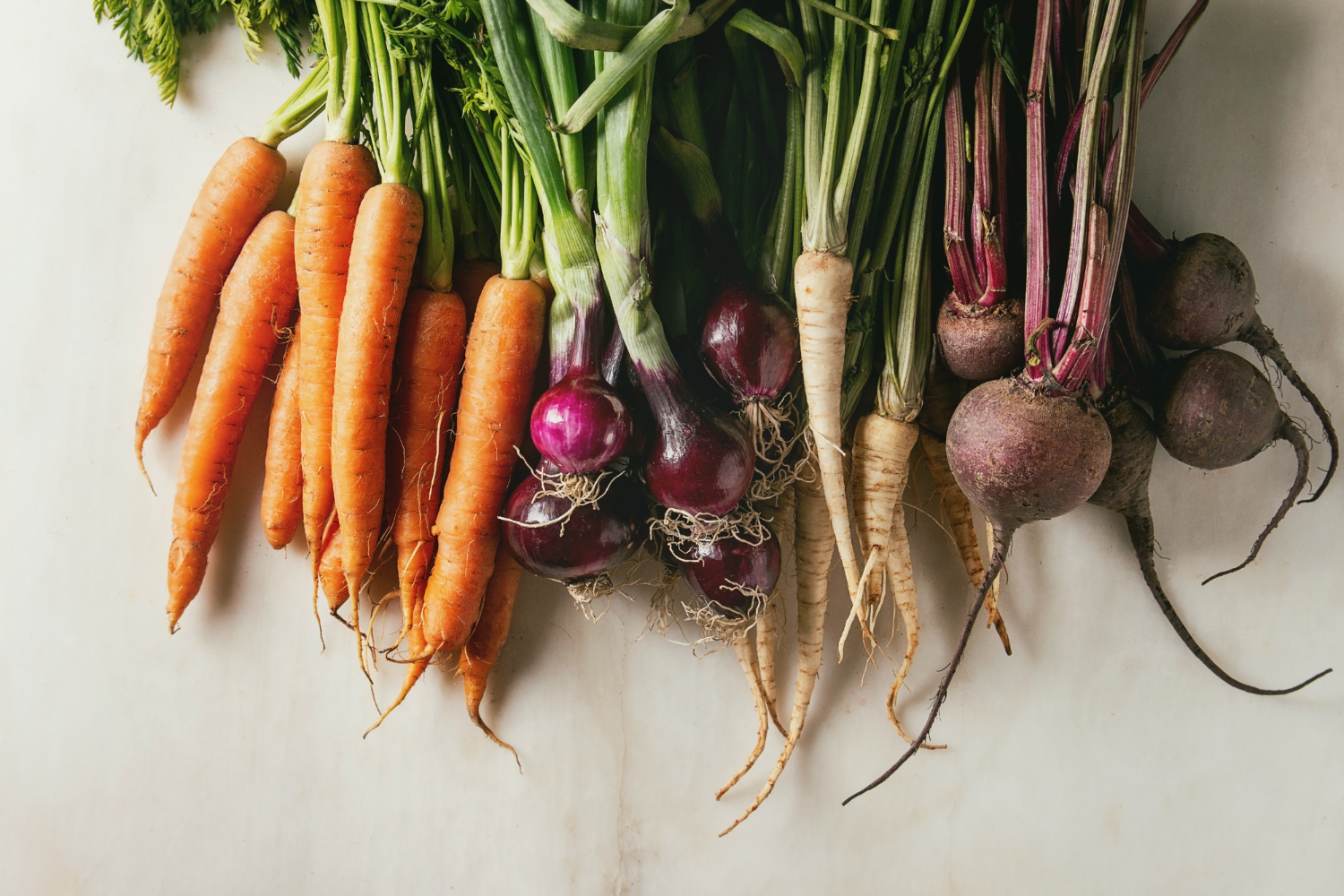
Some are pleasant raw and some are unpalatable or worse until cooked, and the distinction is a property of the species rather than a matter of preference.
Traditions know which is which. The raw-cooked division is the constraint that determines how each one enters a cuisine.
12. Size Is Not an Improvement
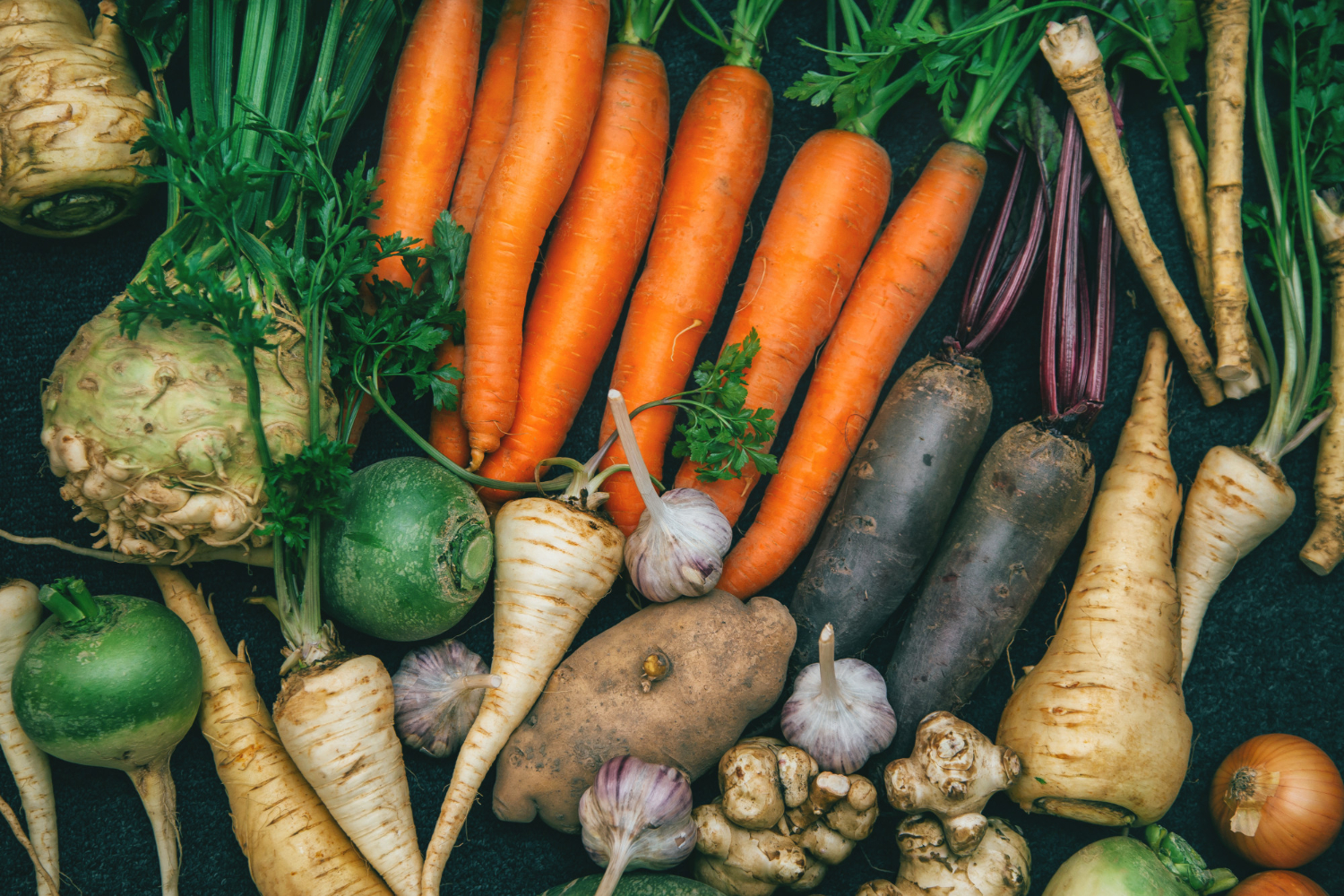
Larger specimens of many root vegetables are woodier, more fibrous and less flavourful, because the plant has continued developing structural tissue.
Smaller is frequently better and is rarely priced that way. Size and quality are the relationship that runs the wrong way round.
14. They Were the Staple Before Grain
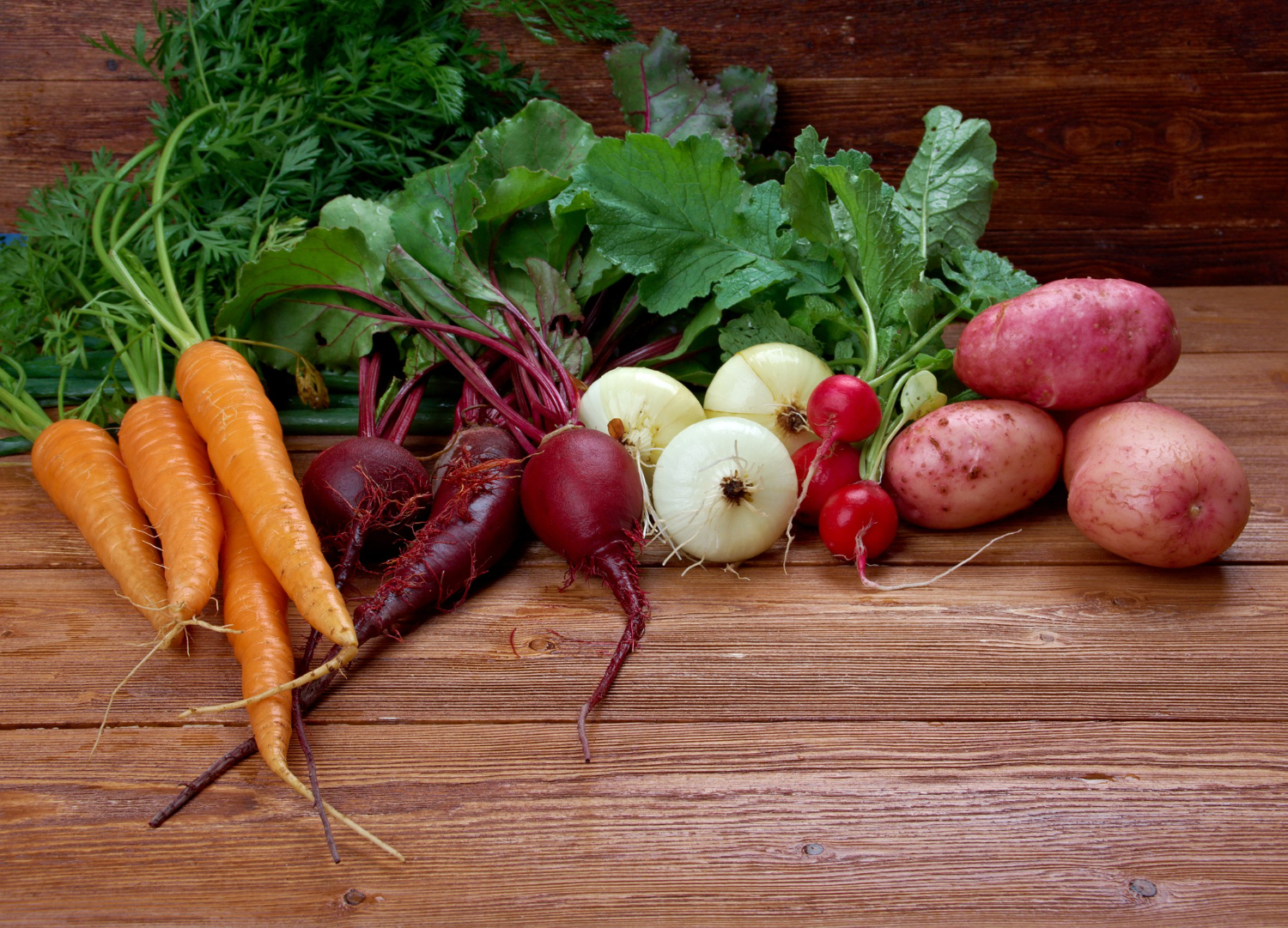
In numerous regions, underground storage organs rather than cereals were the main source of carbohydrate, and in several they still are.
The grain-centred picture of staple food is regional rather than universal. Root staples are the foundation of more cuisines than most people assume.
15. Fermenting and Pickling Them Is Ancient
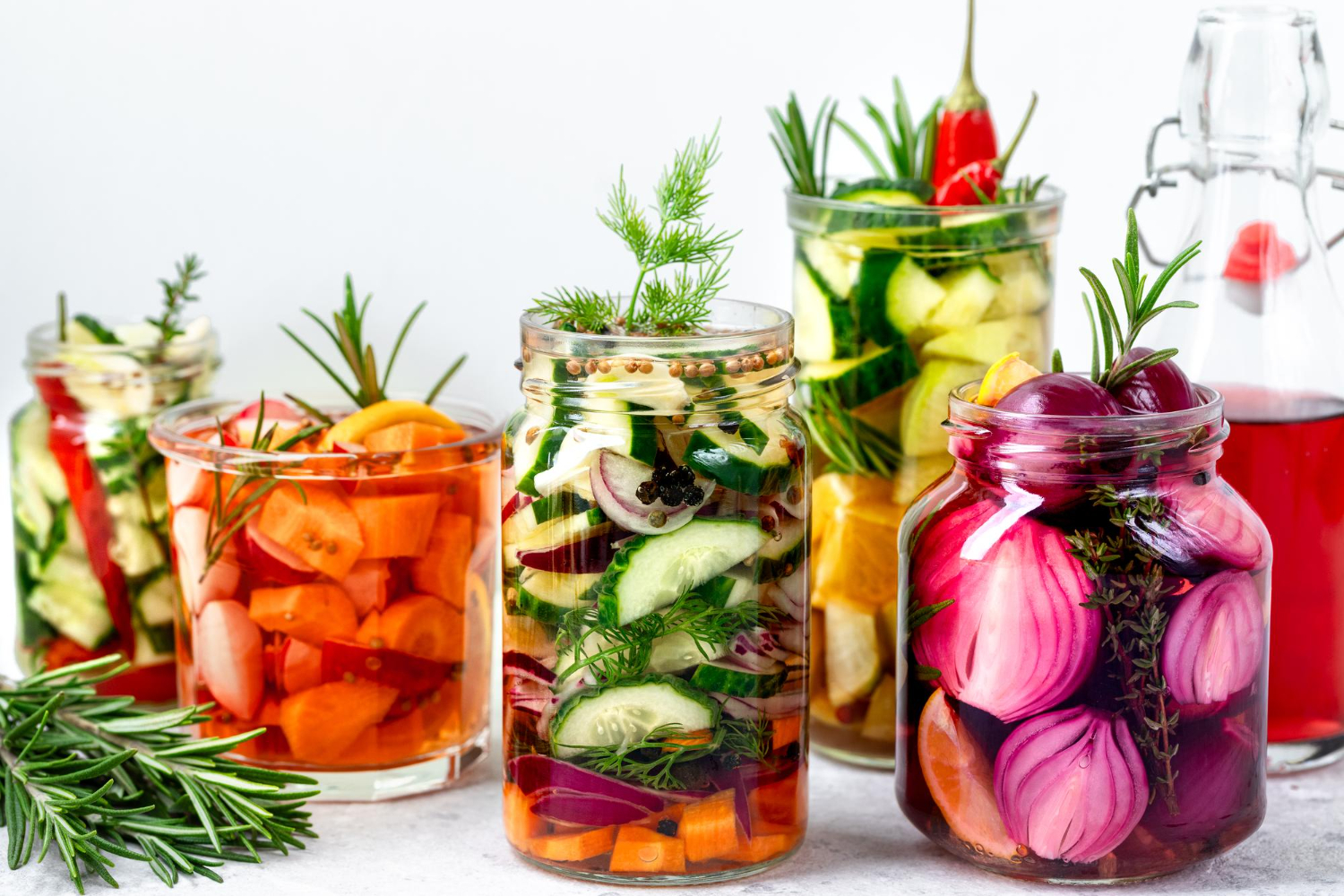
Preserving roots by salting, fermenting or pickling appears independently across many regions, producing ingredients that bear no resemblance to the fresh vegetable.
It extended an already long keeping period into years. Preserved roots are the version made for the far end of winter.
16. The Skin Is Frequently the Best Part
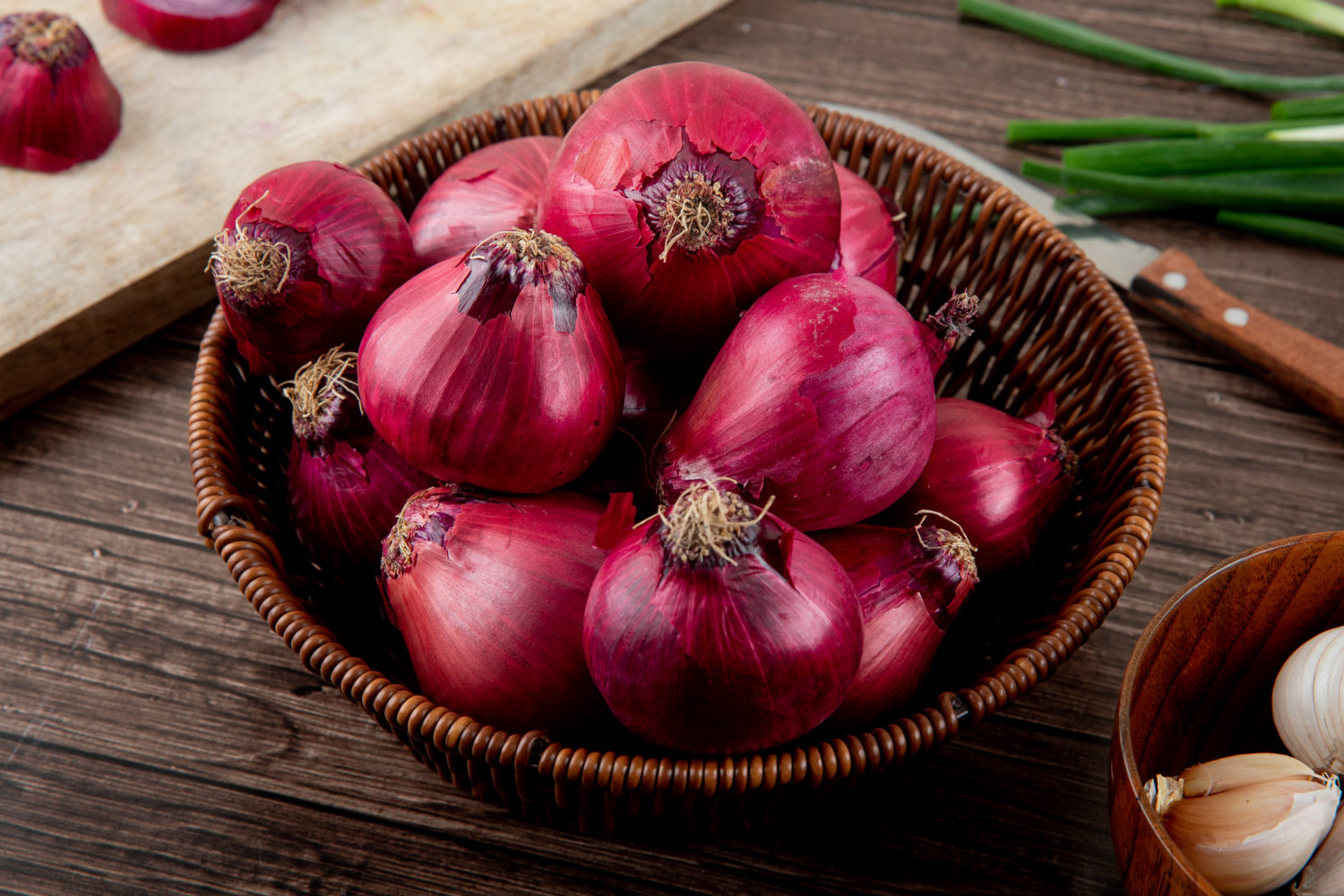
A considerable proportion of the flavour compounds sit in or just below the skin, so peeling removes more than it appears to.
Whether to peel is a real decision rather than a default. Skin flavour is the reason careful cooks scrub rather than peel.
17. They Take Longer Than Everything Else
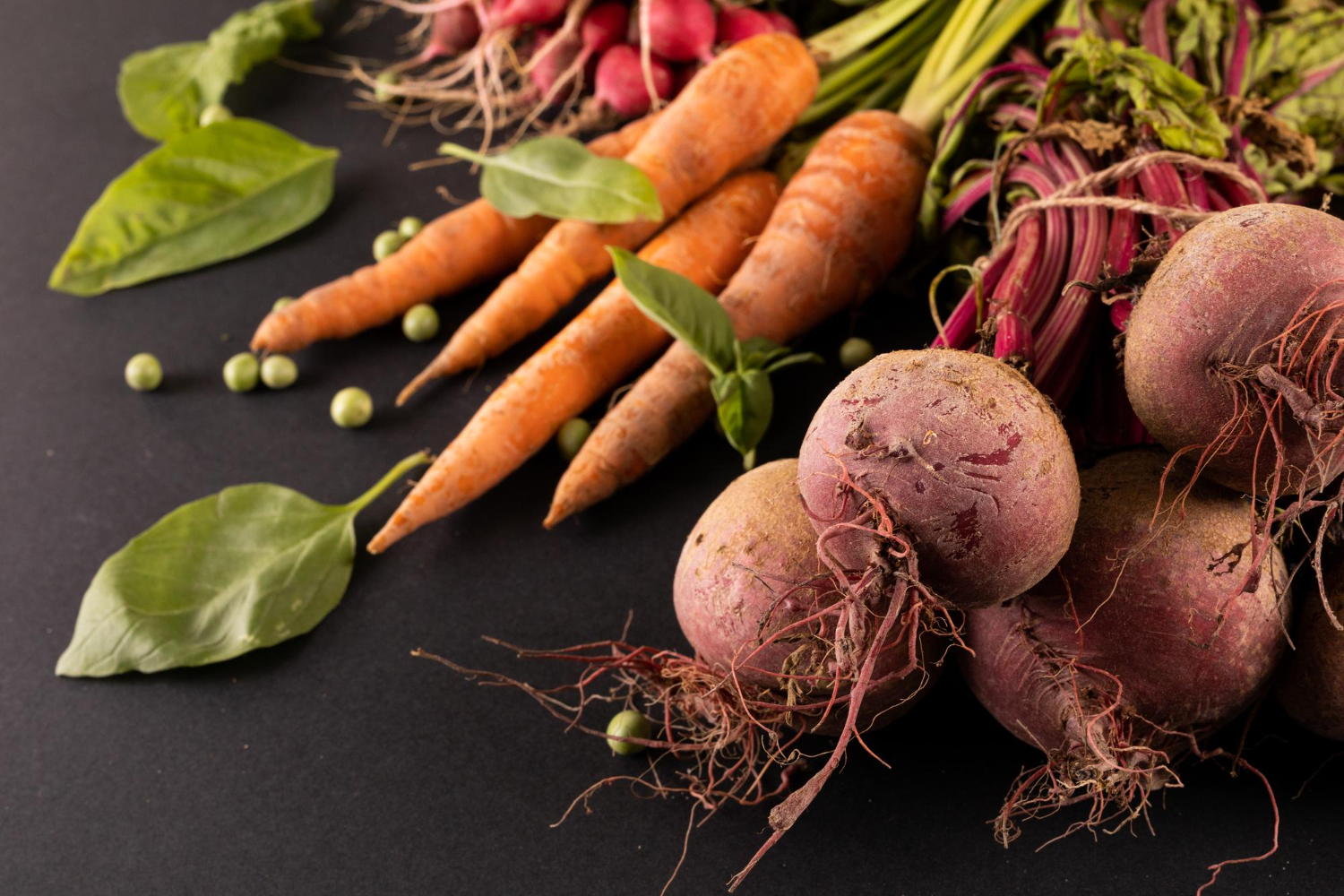
Dense storage tissue conducts heat slowly and needs time to soften, which is why roots go into a pot before anything else and why mixed vegetable dishes require staging.
Adding them with the rest produces a dish that is simultaneously raw and overcooked. Slow cooking is the constraint that determines the order of everything.
A Plant Storing Energy for Later
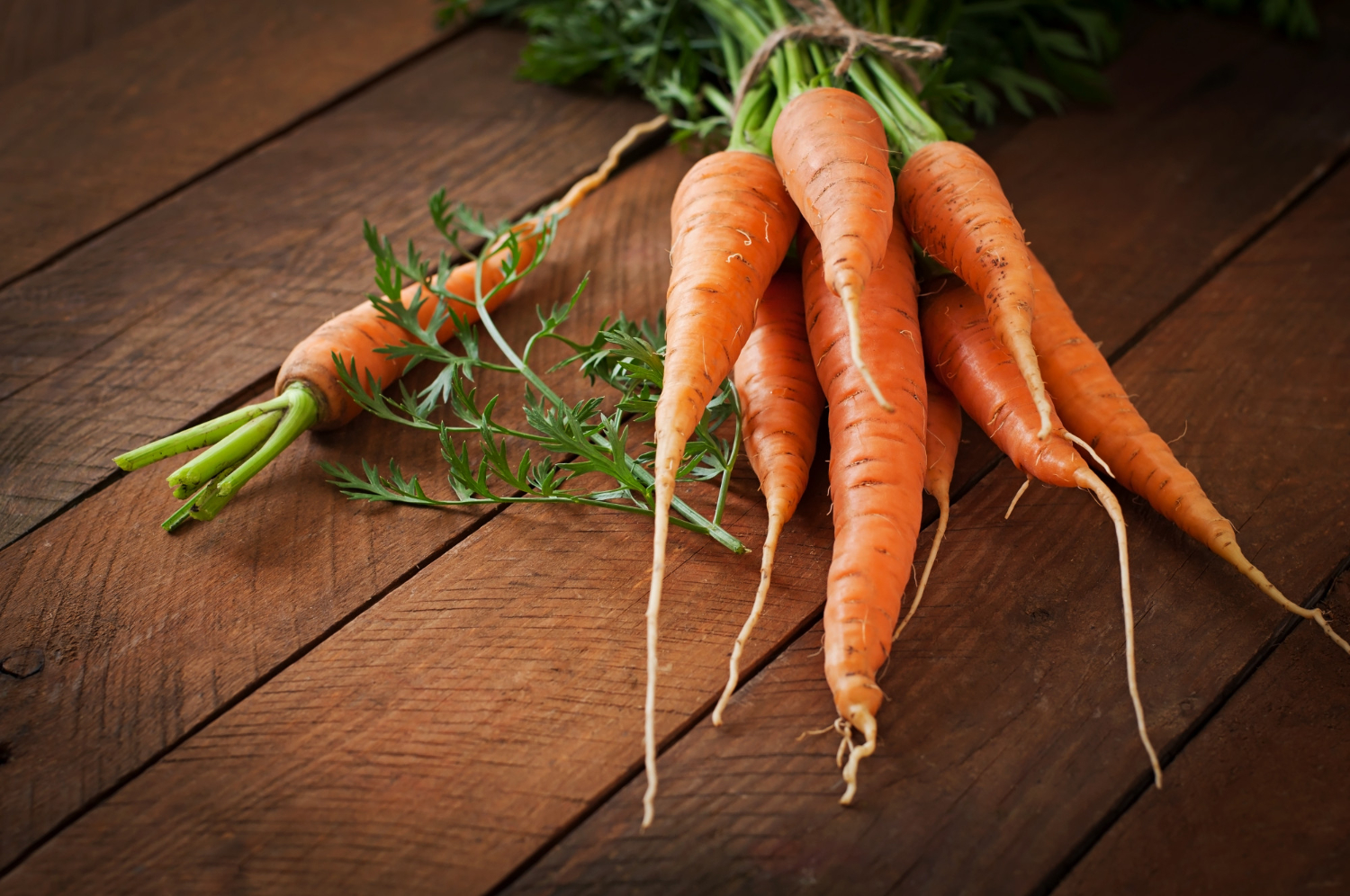
Everything here follows from one fact. These are not fruits offered to be eaten or leaves grown to catch light – they are reserves buried for a future season, and their density, keeping quality, sweetness and slowness all come from that.
The habit worth adopting is to treat the whole category as one problem with a shared solution. They are dense, so they need time. They are sweet, so they respond to dry heat. They keep, so they can be bought in quantity. And they lose things into water, so what you cook them in is worth keeping.
Like our content? Follow us for more.
