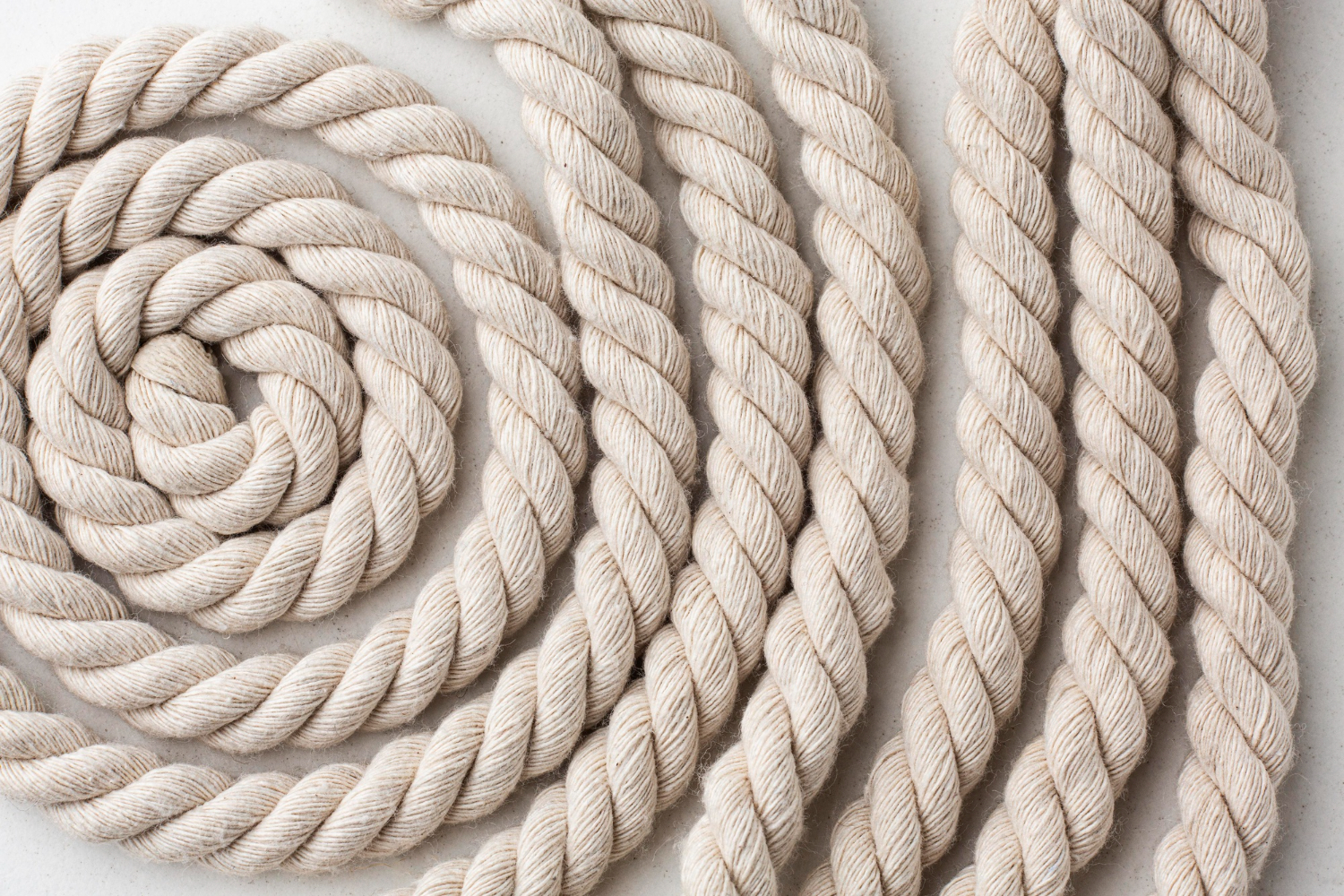
The thing worth understanding first is that a rope is not a long thing. It is an enormous number of short things arranged so that pulling on the assembly squeezes them together. Here are sixteen results:
1. The Fibres Are Short and the Rope Is Not
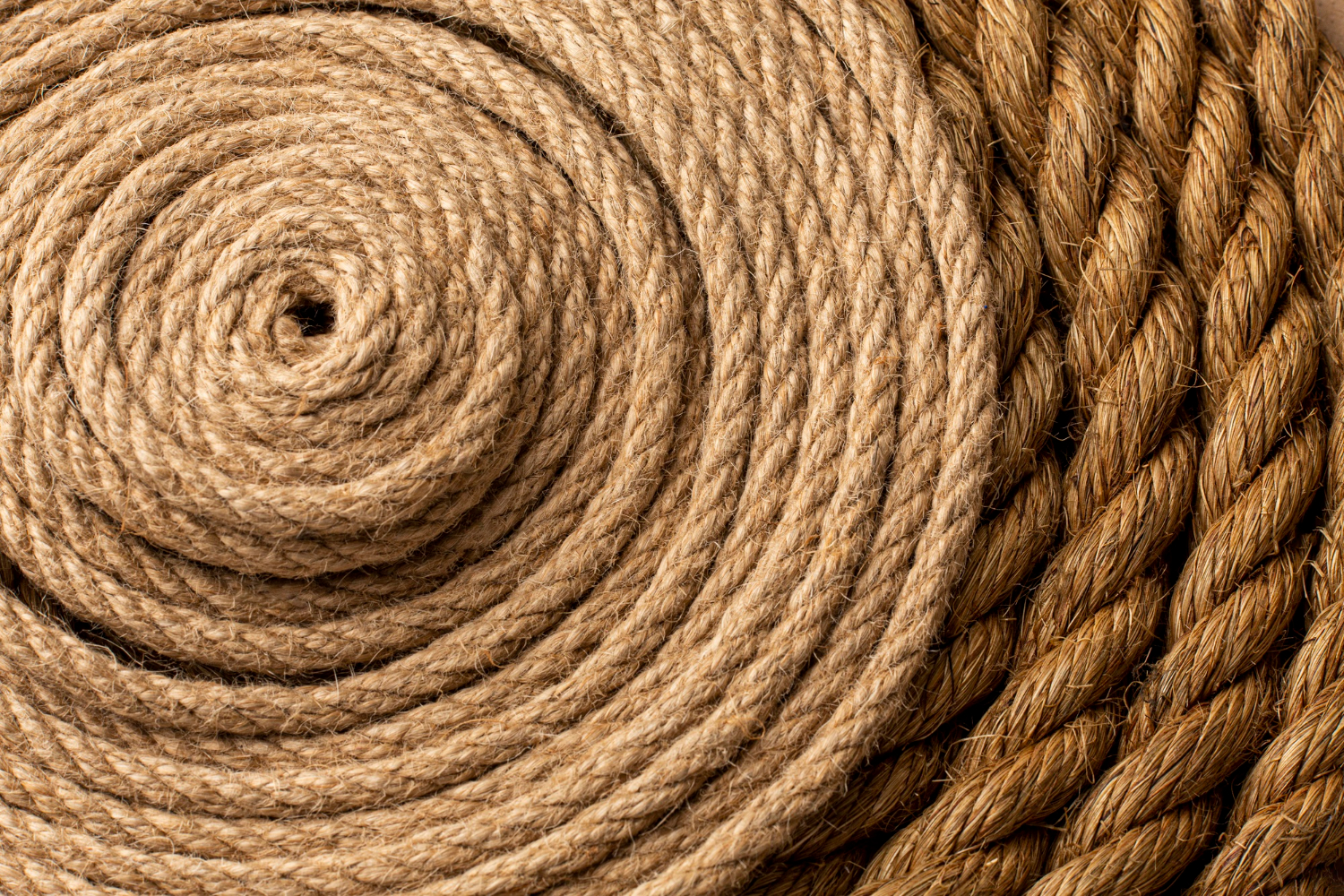
No individual fibre runs the length of a natural rope. The rope is continuous because overlapping short fibres are pressed together hard enough that friction between them exceeds the load.
That is a remarkable thing to trust with any weight. Short fibres are the fact that makes rope surprising rather than obvious.
Like our content? Follow us for more.
2. Tension Tightens the Twist
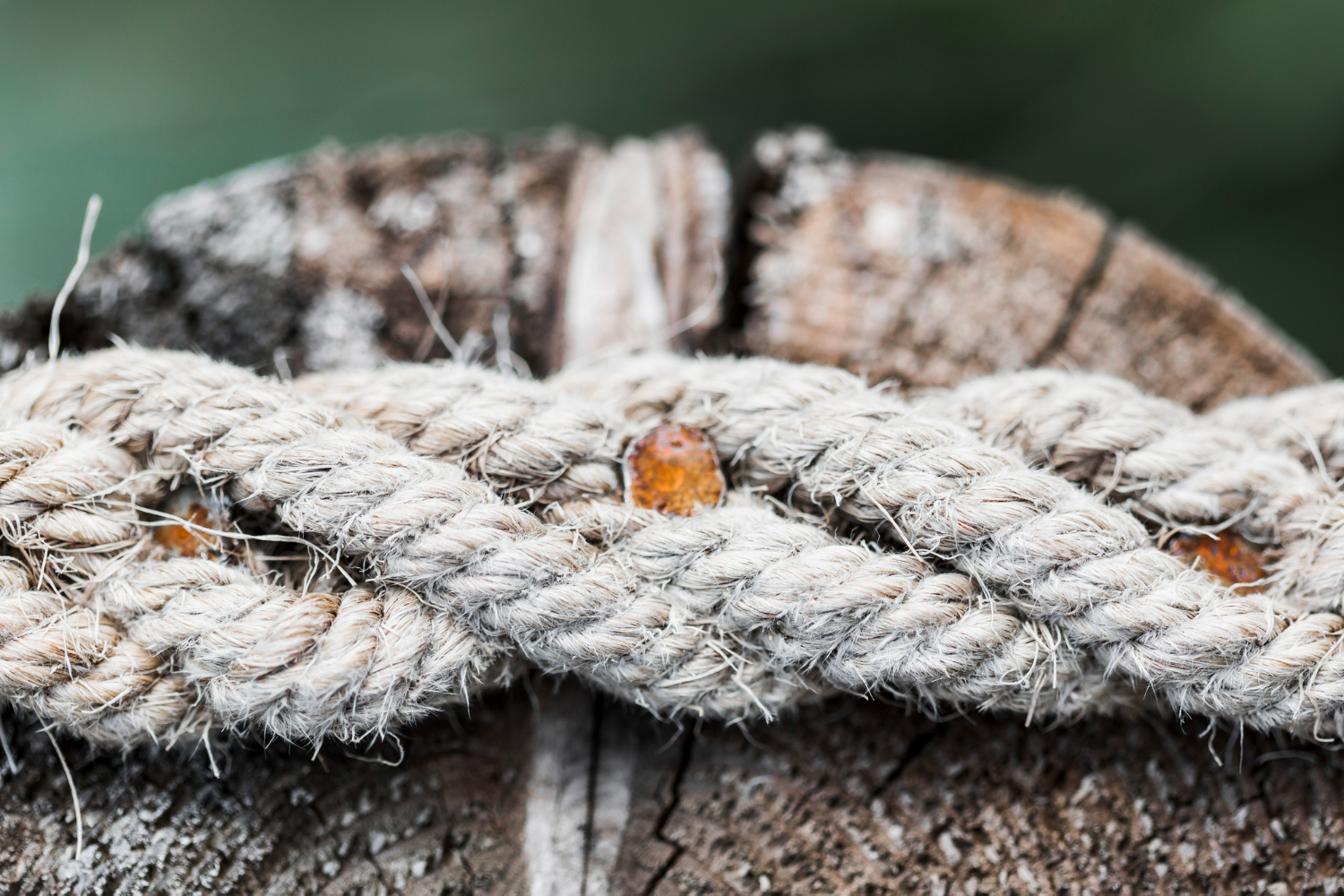
Pulling on a twisted structure causes it to contract slightly around itself, which increases the pressure between fibres and therefore the friction holding them.
A rope under load is gripping itself harder than a slack one. Self-tightening is the property that makes the whole arrangement work.
3. The Twists Alternate Direction
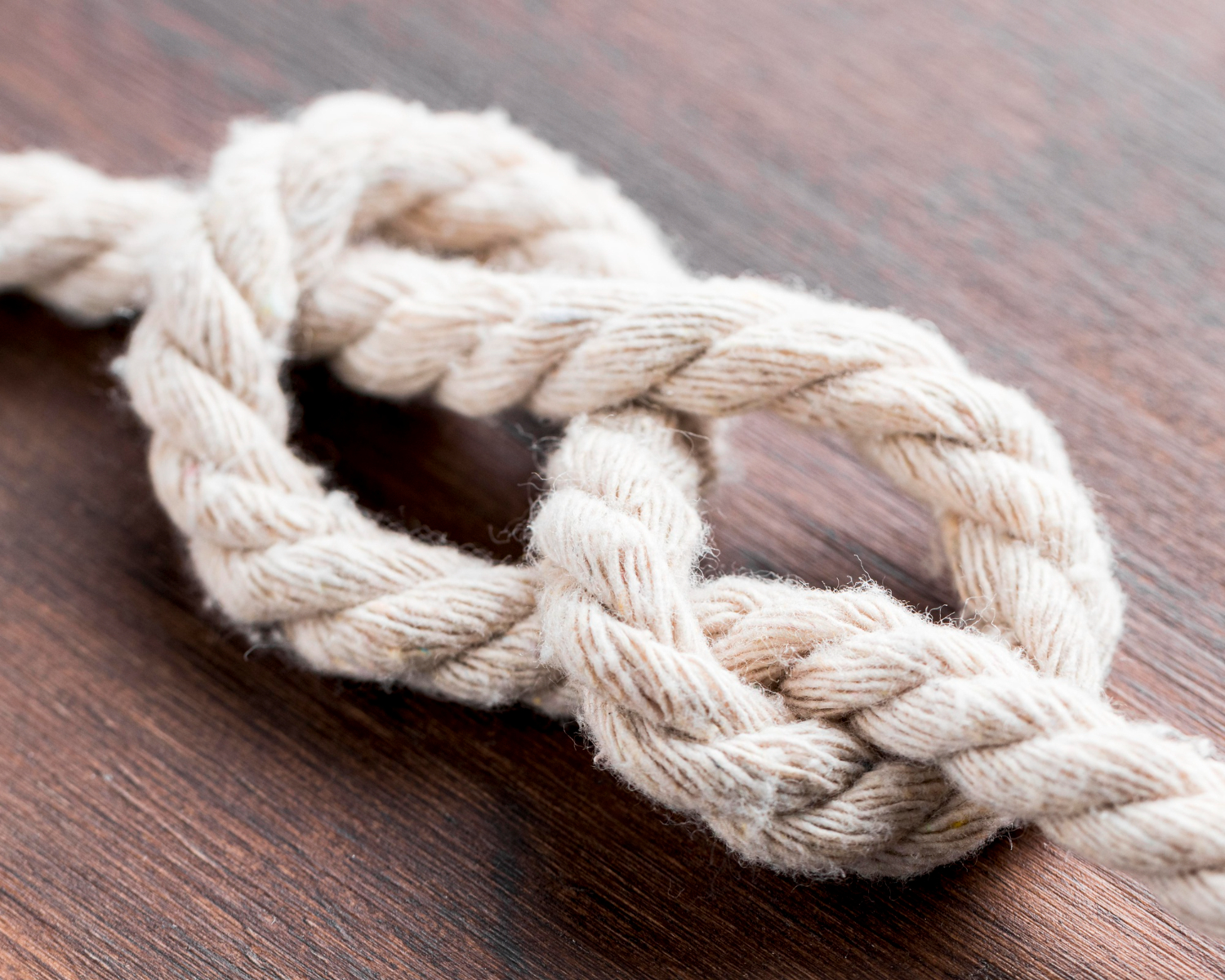
Fibres are twisted one way into yarns, yarns the opposite way into strands, and strands back the other way into rope, so each level is trying to unwind the level below it.
Those opposing forces cancel and the rope stays together. Alternating lay is the design that stops a rope untwisting itself.
4. A Knot Is Friction Plus Geometry
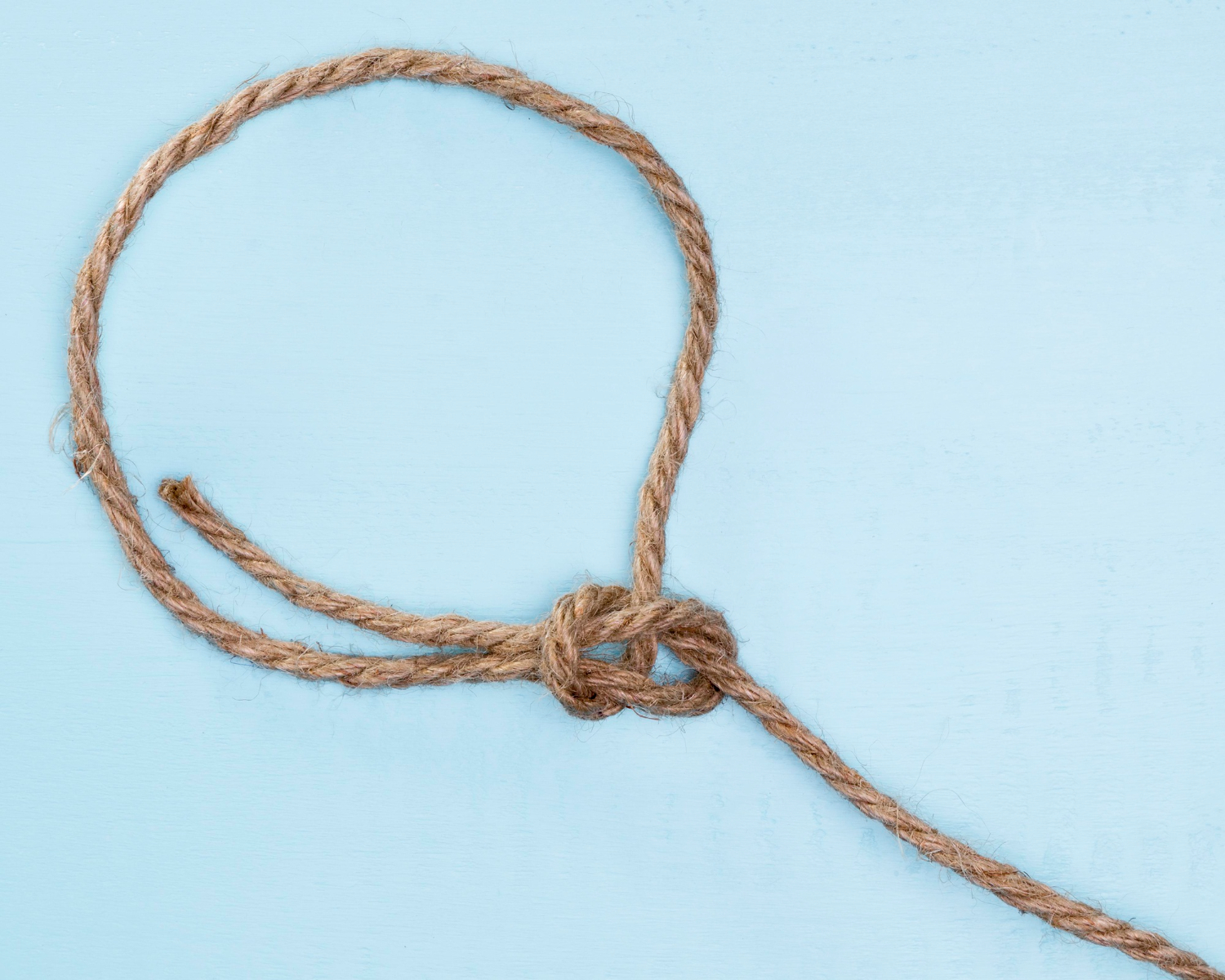
A knot holds because the rope is pressed against itself hard enough that it cannot slide, with the geometry arranged so that load increases that pressure.
It is the same principle as the rope itself, at a larger scale. Knots are the application of the rope own mechanism to a single point.
5. Every Knot Weakens the Rope
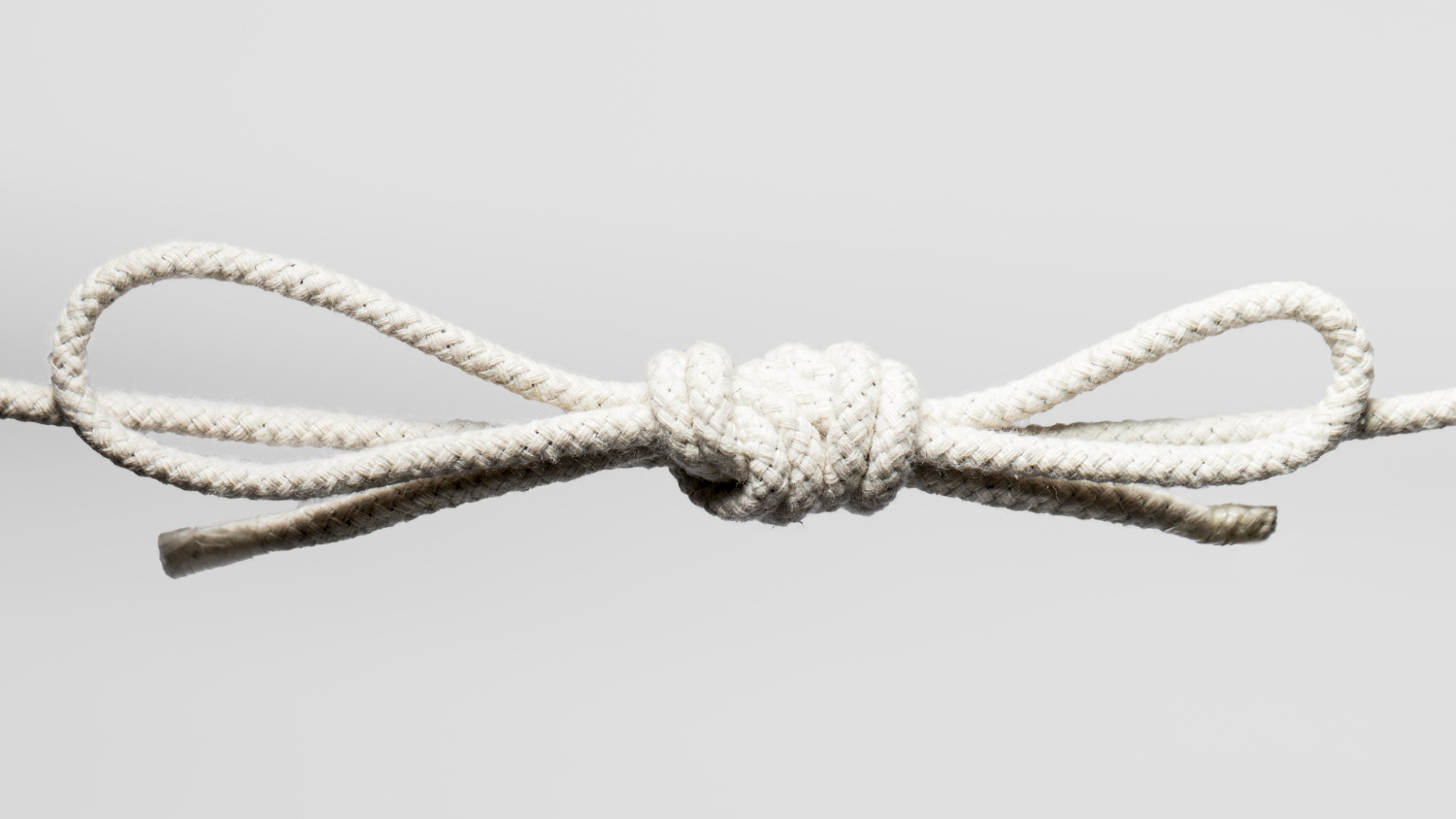
Bending a rope makes fibres on the outside of the curve carry more load than those on the inside, so the rope fails at the knot rather than anywhere else.
Different knots weaken it by different amounts and none weakens it by nothing. Knot weakening is the unavoidable cost of using a rope for anything.
6. Joining Two Ropes and Tying to an Object Are Different Problems
A knot joining two ropes has to hold two things that both pull; a knot attaching rope to an object has to grip something that does not pull back.
They are separate families of solution and are not interchangeable. The join-versus-attach distinction is the first question in any rope problem.
7. Some Knots Are Meant to Come Undone
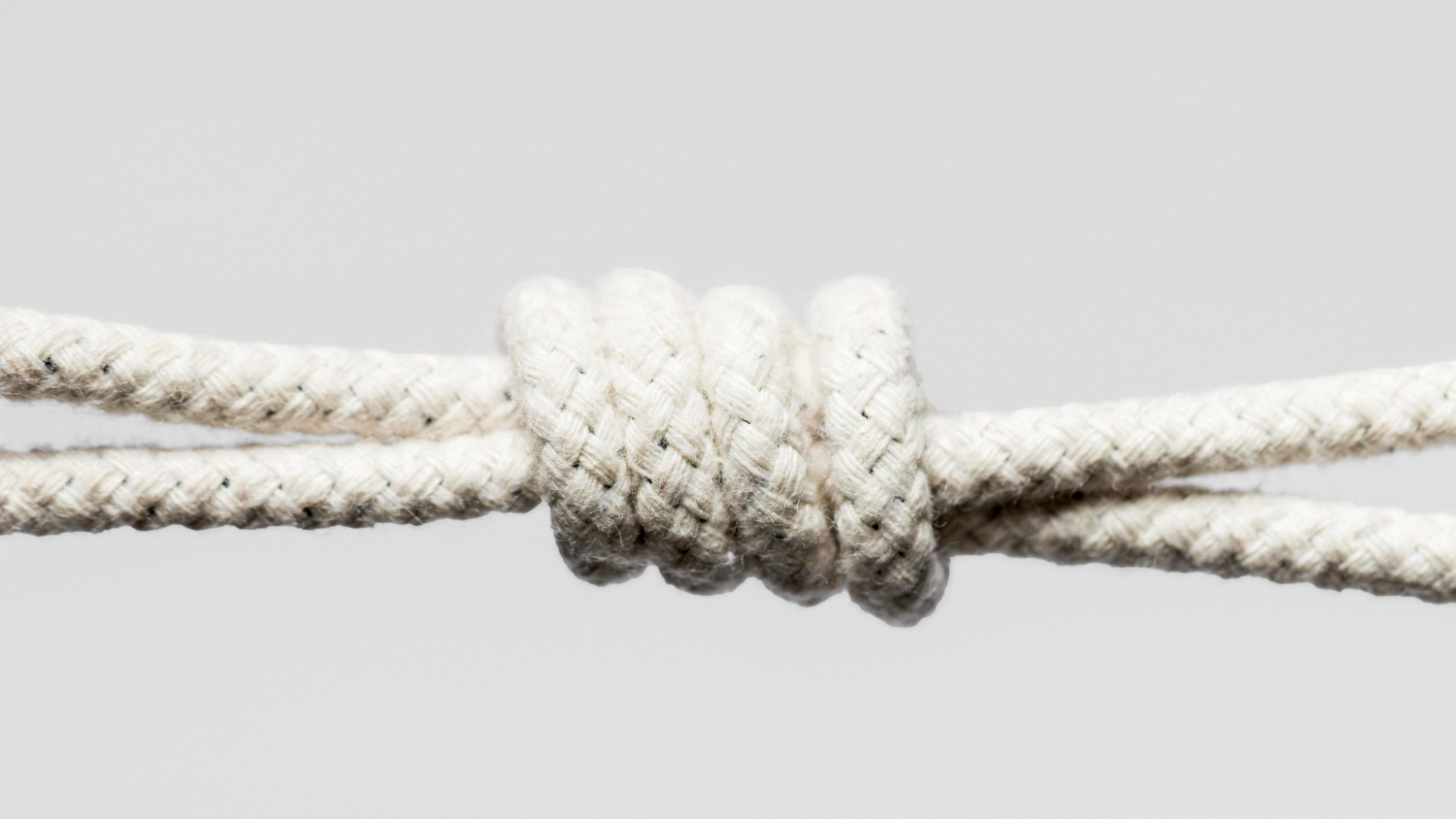
A substantial part of the skill is choosing a knot that will release afterwards, since a knot that has been loaded heavily can become effectively permanent.
Security and releasability are in direct tension. The undo problem is the consideration that separates practical knots from strong ones.
8. Wet Rope Behaves Differently
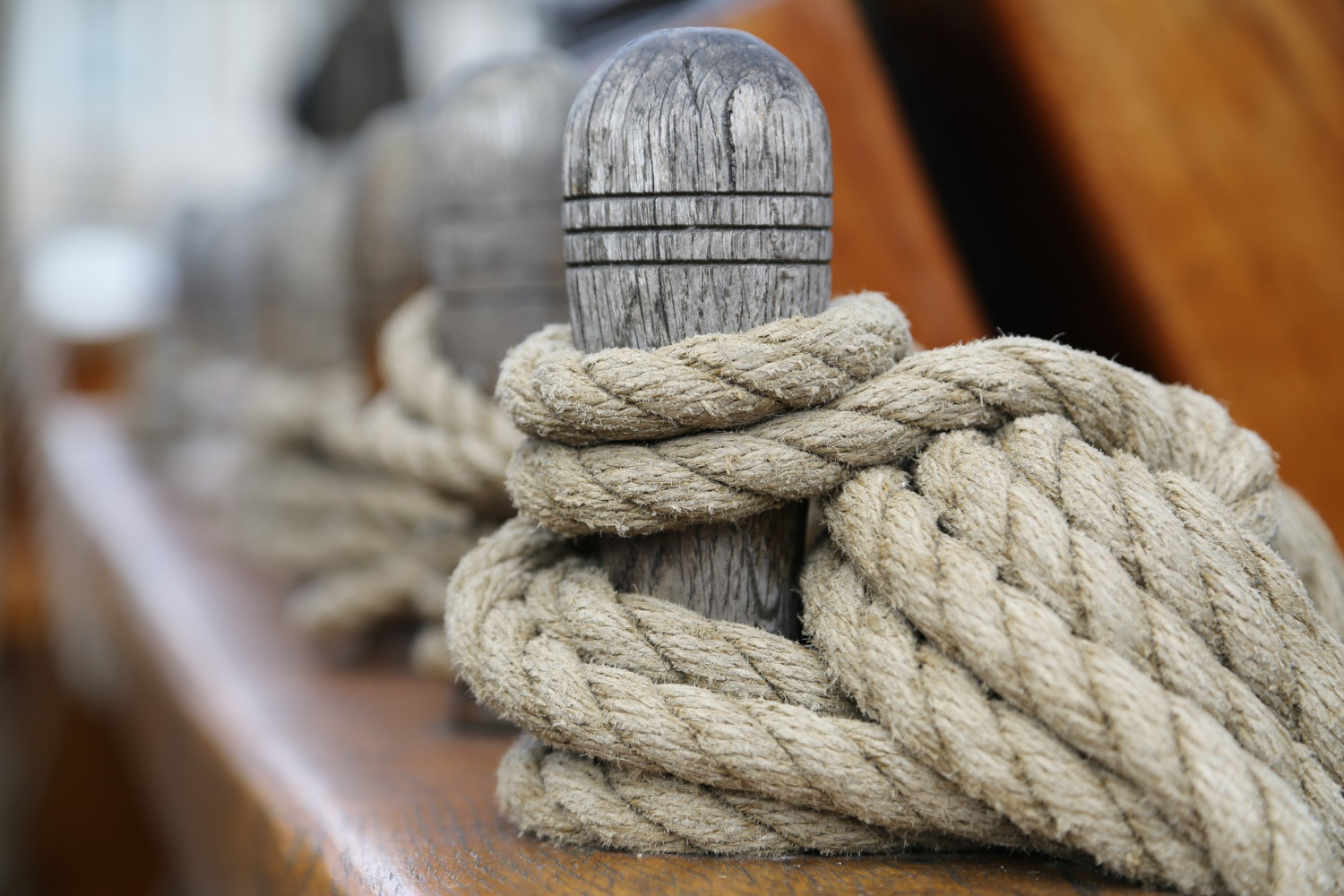
Natural fibres swell when wet, which tightens everything and can make a knot impossible to release; synthetic fibres do not swell and become slipperier instead.
The same knot in the same conditions behaves oppositely depending on material. Wet behaviour is the variable that catches people out.
9. Laid and Braided Ropes Are Not the Same Object
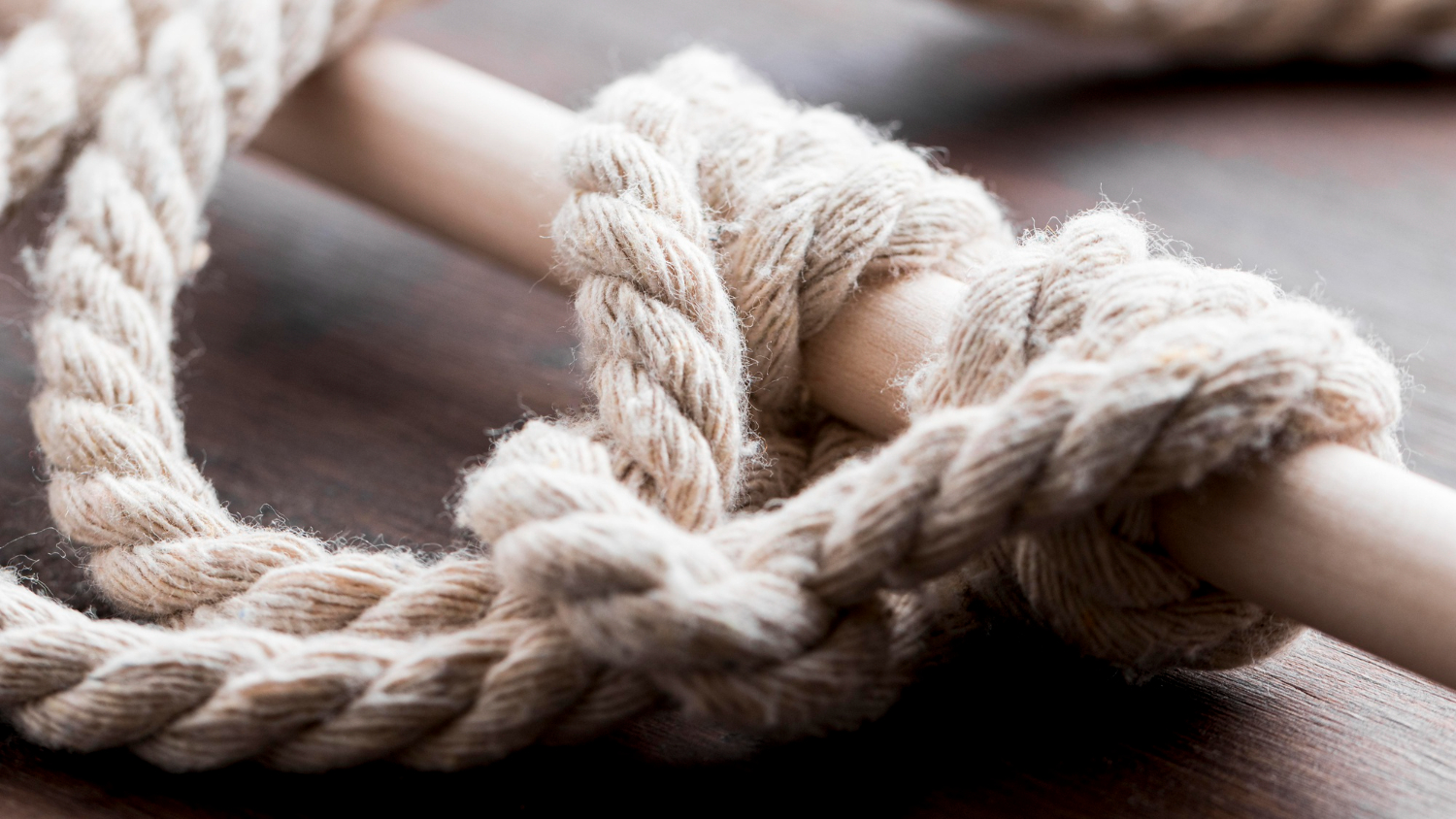
A laid rope of twisted strands stretches, twists under load and can be spliced; a braided rope resists twisting, handles differently and requires other techniques entirely.
Neither is better and they suit different jobs. Construction type is the difference that determines what a rope can be used for.
10. Rope Stretches, and How Much Matters Enormously
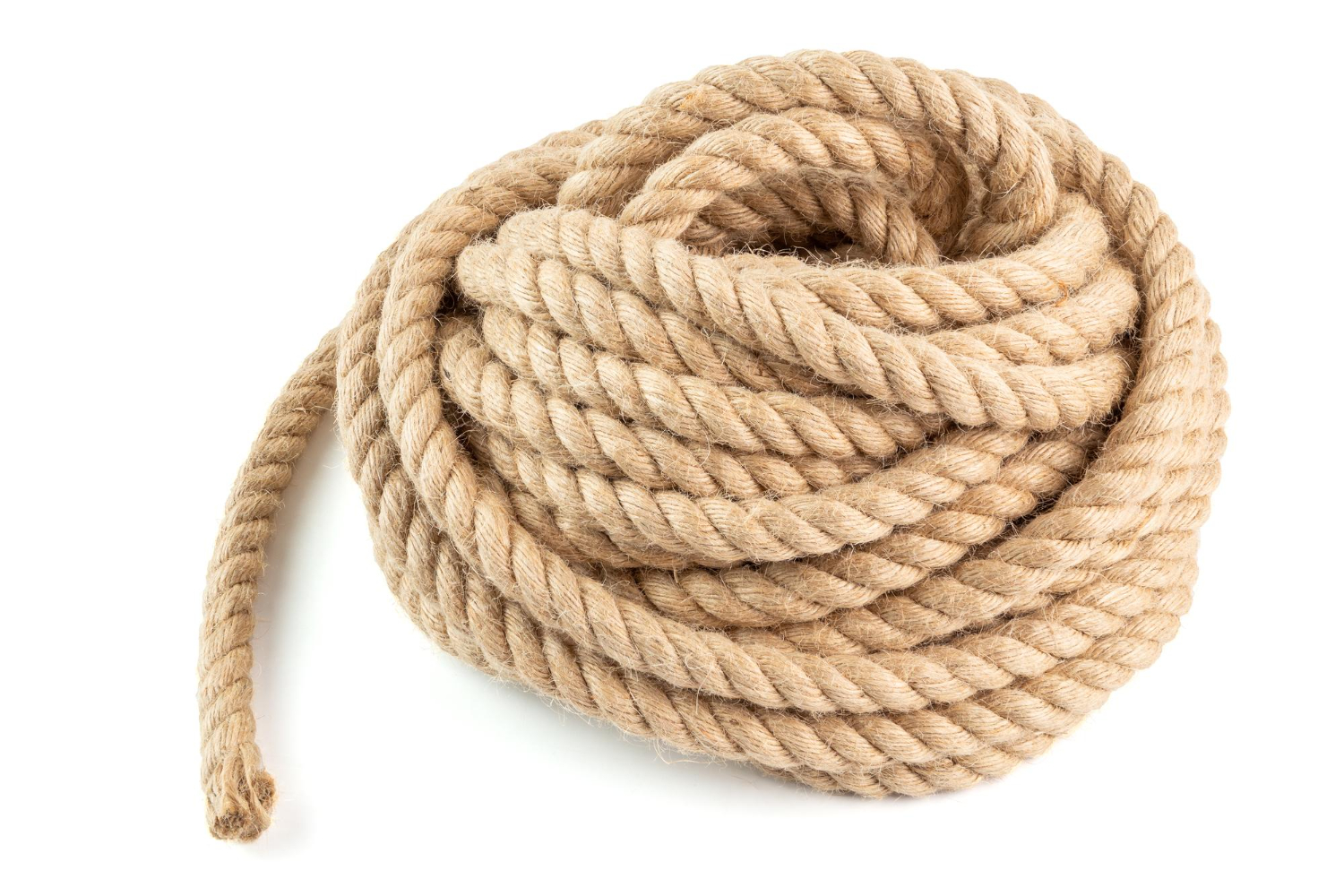
All rope extends under load, with the amount depending on material and construction, and that stretch is either a serious hazard or the entire point.
Some applications require it and some are destroyed by it. Stretch is the property that has to be selected rather than tolerated.
11. A Splice Is Stronger Than a Knot

Interweaving the strands of two rope ends distributes the load through the structure rather than bending it sharply, so a splice retains far more of the original strength.
It takes longer and is permanent. Splicing is the technique that avoids the cost every knot imposes.
12. Ends Have to Be Secured or They Unmake Themselves
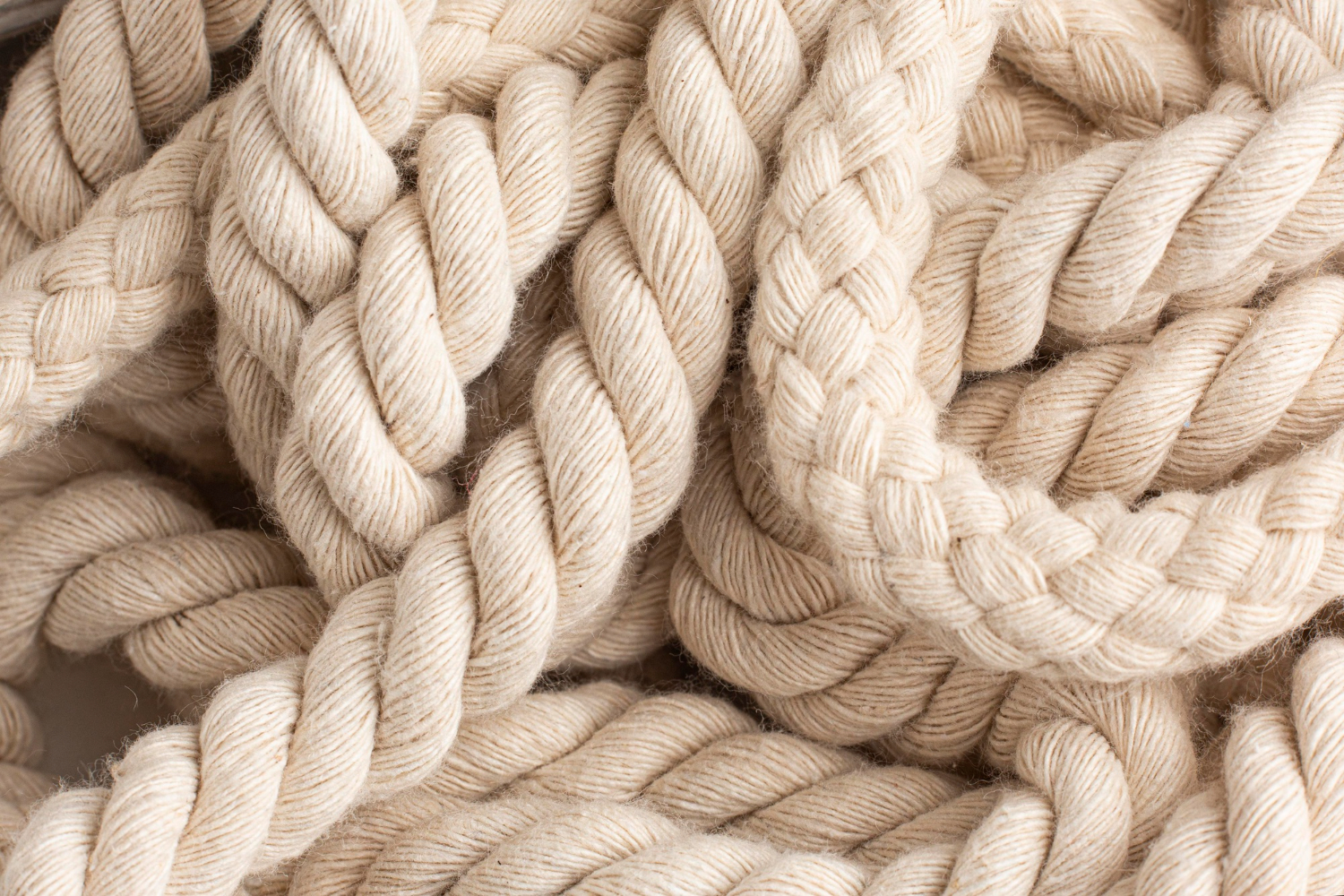
A cut rope end unravels, because nothing is holding the outermost strands, so ends are bound, fused or spliced back into the rope.
An unsecured end will progressively destroy a rope from the tip. End treatment is the maintenance task that prevents self-destruction.
13. A Pulley Trades Distance for Force
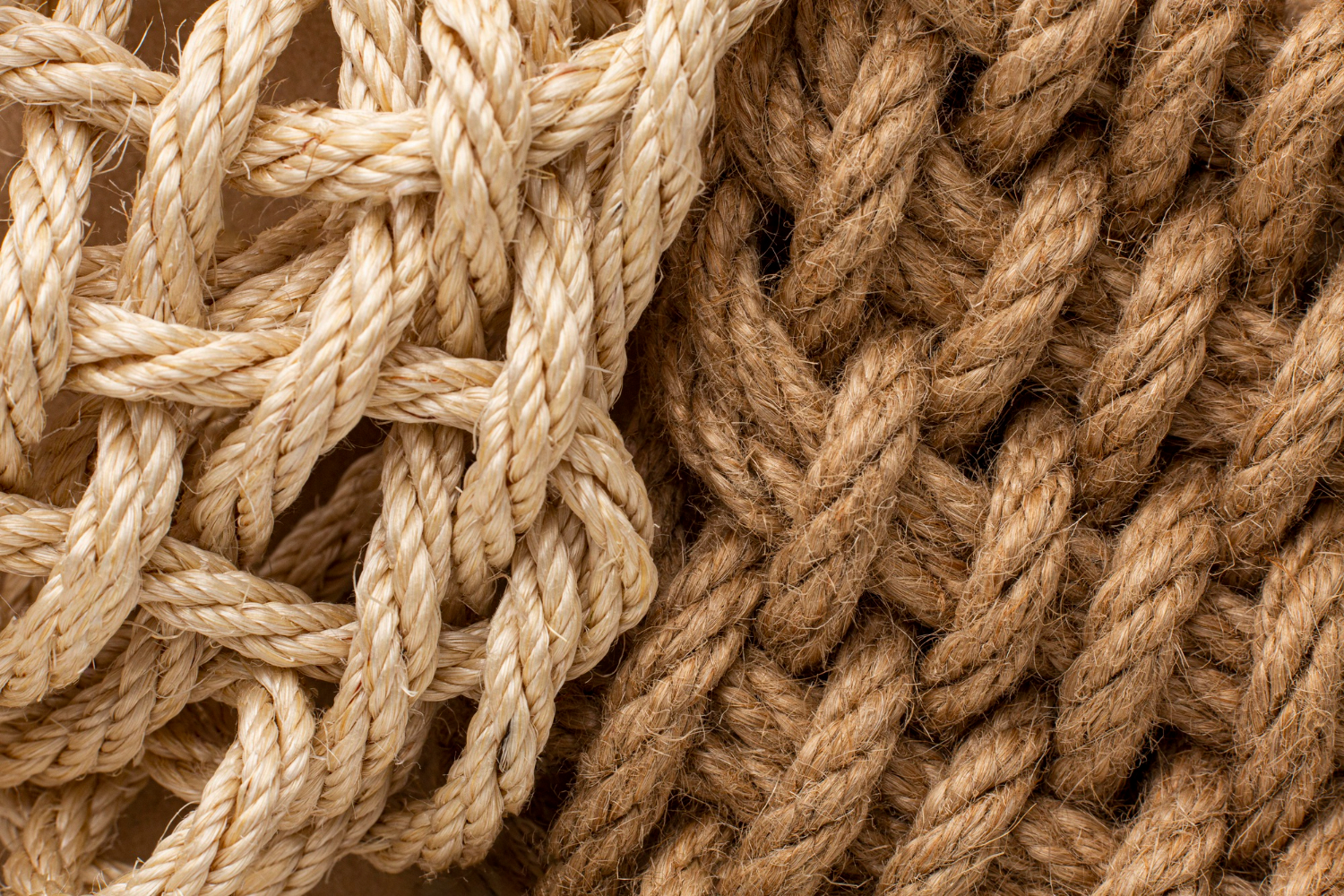
Running a rope through a wheel changes the direction of a pull; running it through several allows a smaller force applied over a longer distance to do the same work.
The rope moves further and you pull less hard. Mechanical advantage is the arrangement that made rope the basis of every lifting system.
14. Friction Round a Post Multiplies Very Fast
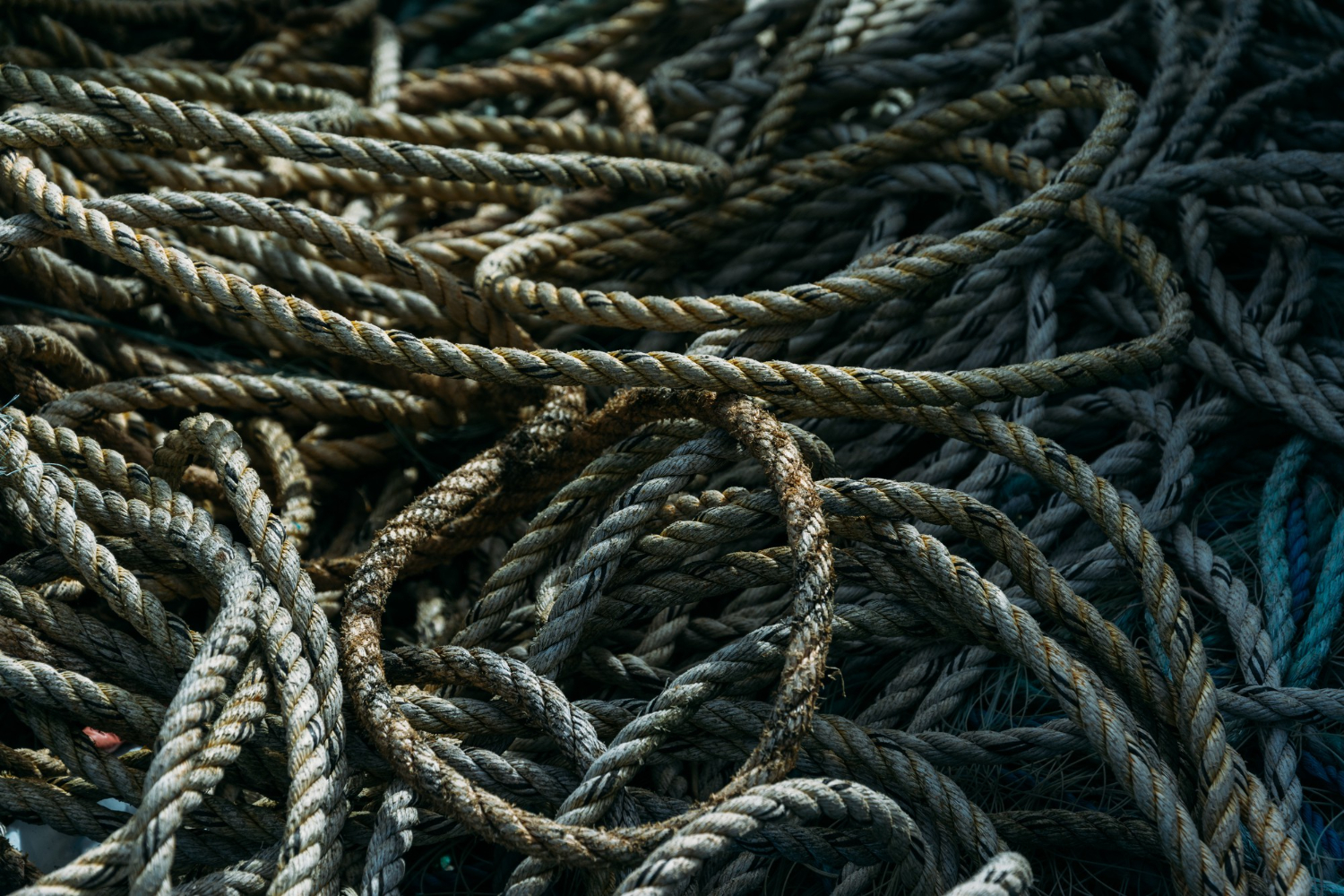
A rope wrapped around a fixed cylinder gains holding power extremely rapidly with each turn, so a few wraps allow a person to control a load far beyond their strength.
The increase is multiplicative rather than additive. Turns around a post are the principle behind mooring, belaying and winching.
15. Rope Made Everything Before Engines Possible
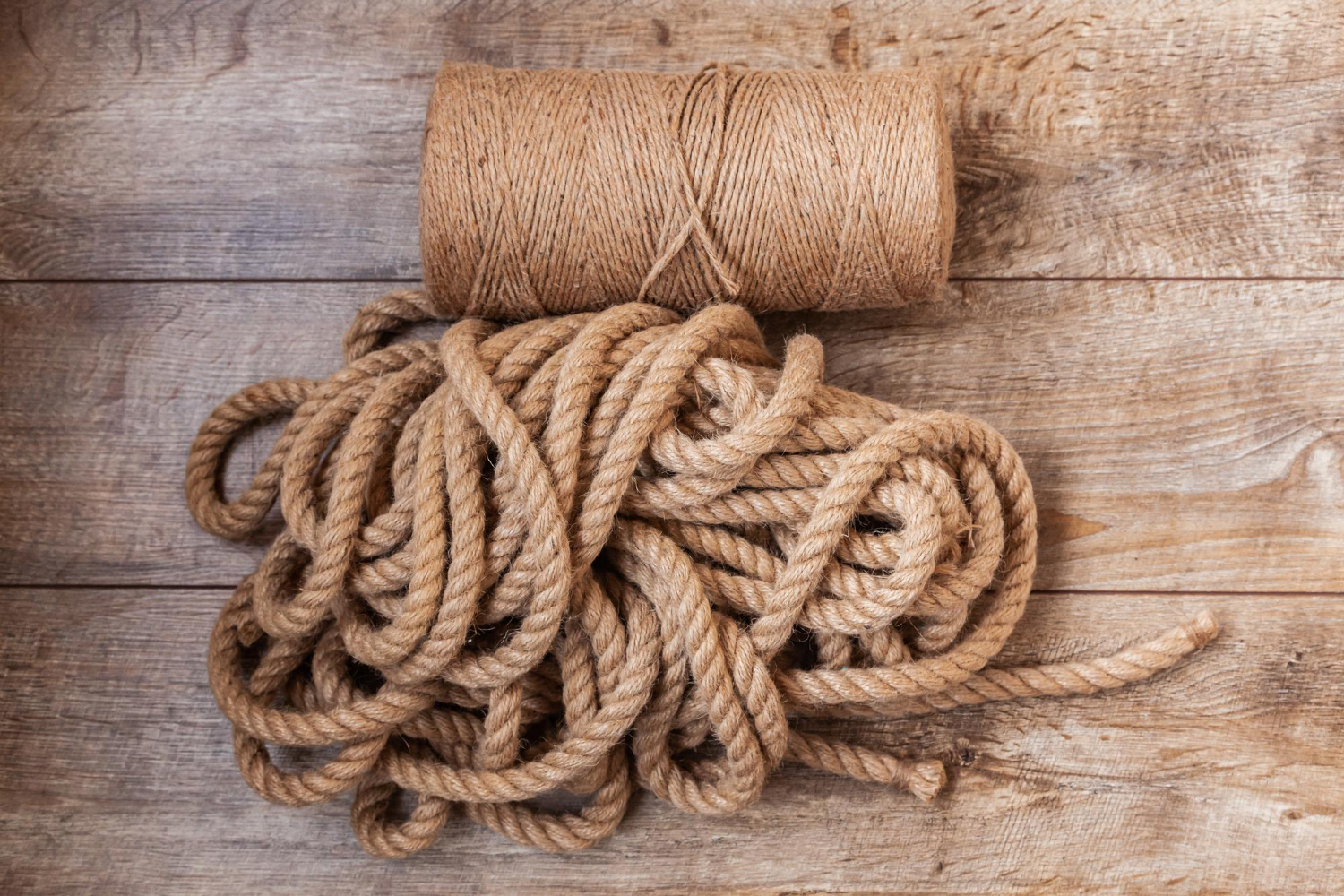
Lifting, hauling, rigging, mooring, traction and construction all depended on cordage, and the scale of what could be built was limited by the rope available.
Ropewalks were substantial industrial buildings for exactly this reason. Cordage supply is the constraint that shaped pre-industrial engineering.
16. It Fails at the Point You Cannot See
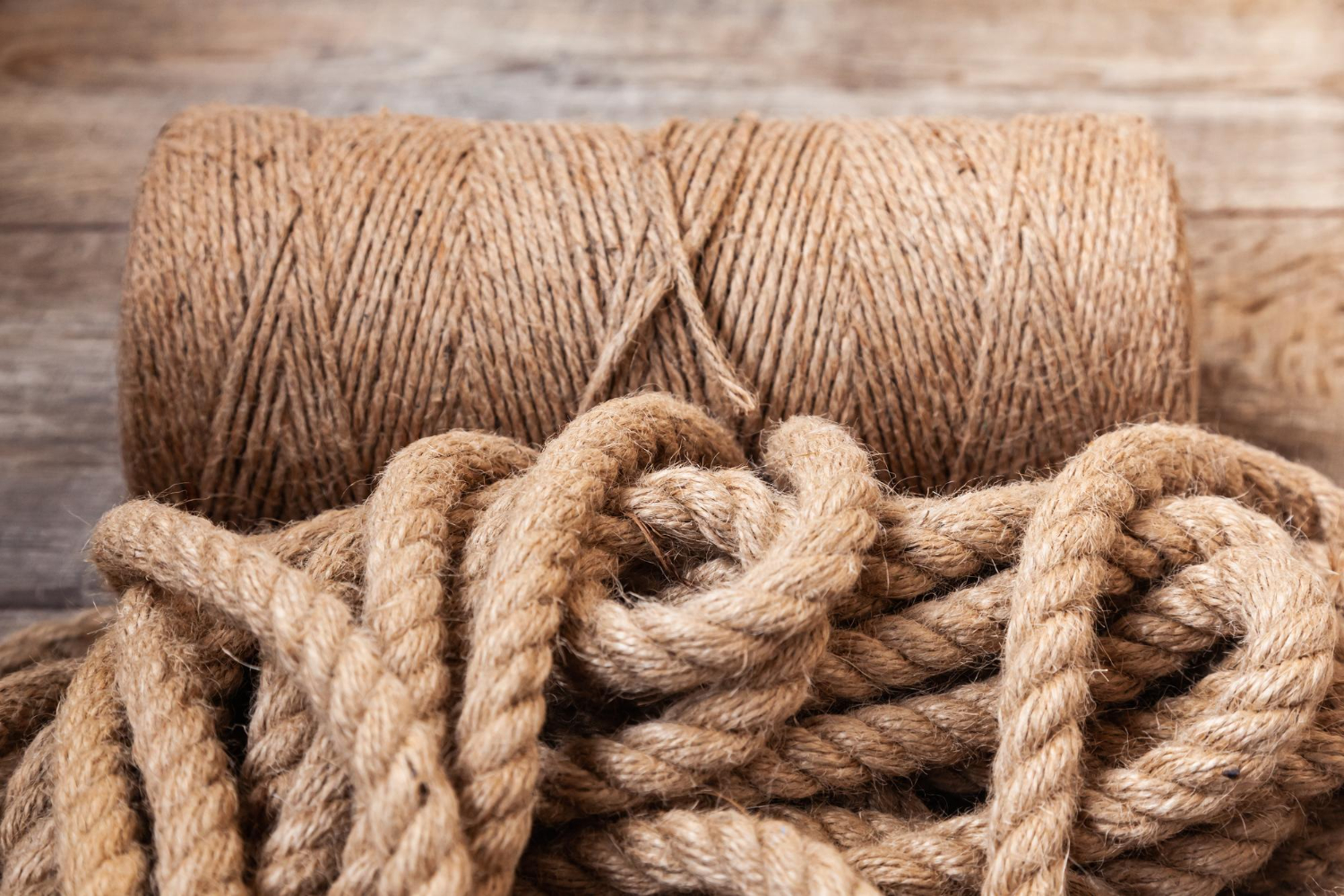
Rope degrades internally from abrasion, ultraviolet exposure and repeated loading, and the outside frequently looks acceptable while the interior does not.
Age and history matter more than appearance. Hidden degradation is the property that makes old rope untrustworthy regardless of how it looks.
Friction, Twist and Nothing Else
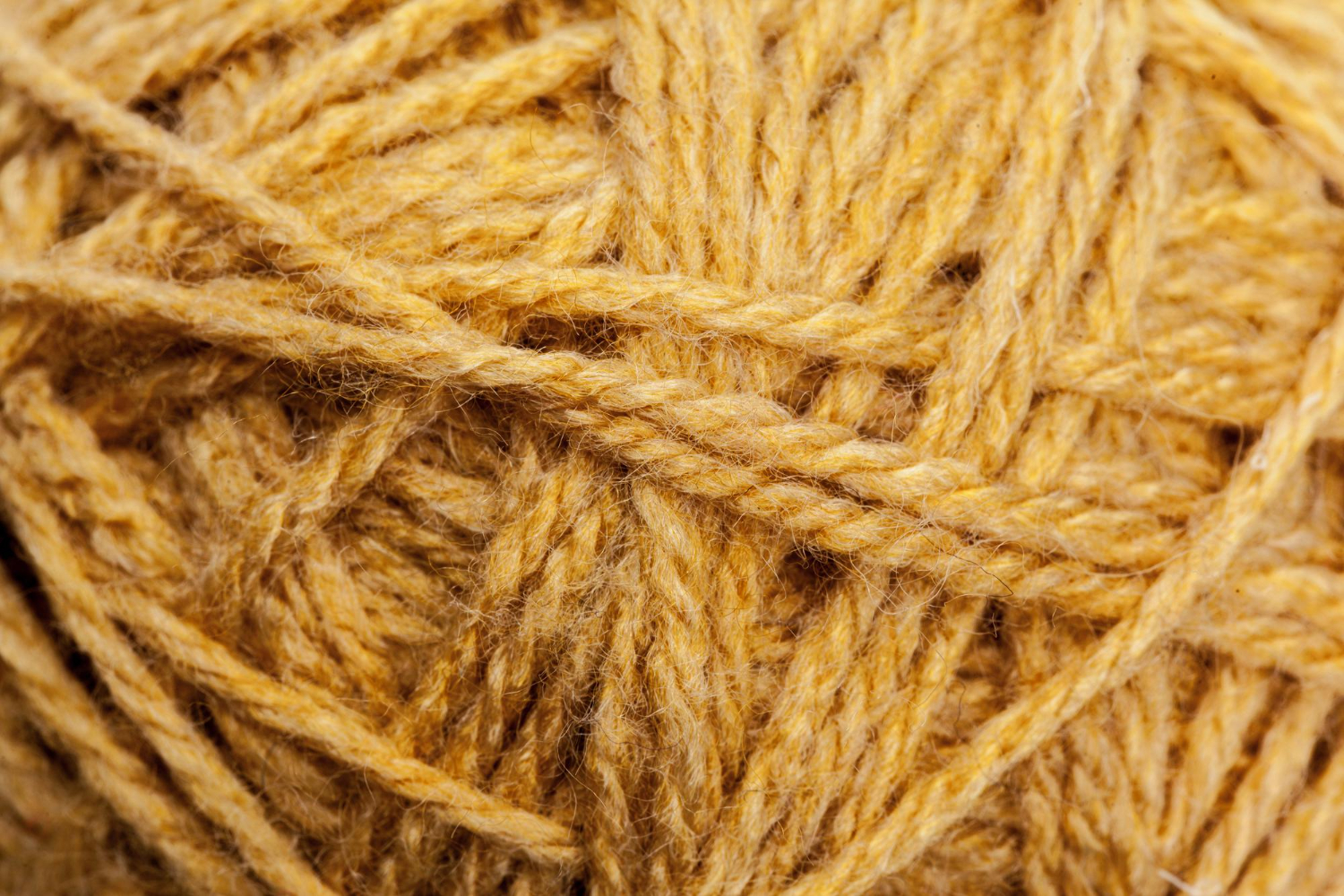
Every property here comes from one arrangement: short fibres pressed together by twist, gripping harder as load increases. Knots, splices, pulleys and everything else are applications of that single relationship.
One thing must be said plainly. Everything above is an explanation of how rope behaves, and none of it is instruction. Anything load-bearing – climbing, lifting, towing, rescue, working at height – depends on correct technique, correct material, inspected equipment and proper training, and no article is a substitute for any of that. Read this as physics rather than as guidance.
Like our content? Follow us for more.