The problem is universal and the solutions are not. Once you see filled bread as a moisture-management exercise, the variety across cuisines starts to make structural sense. Here are fifteen.
1. Toast It First
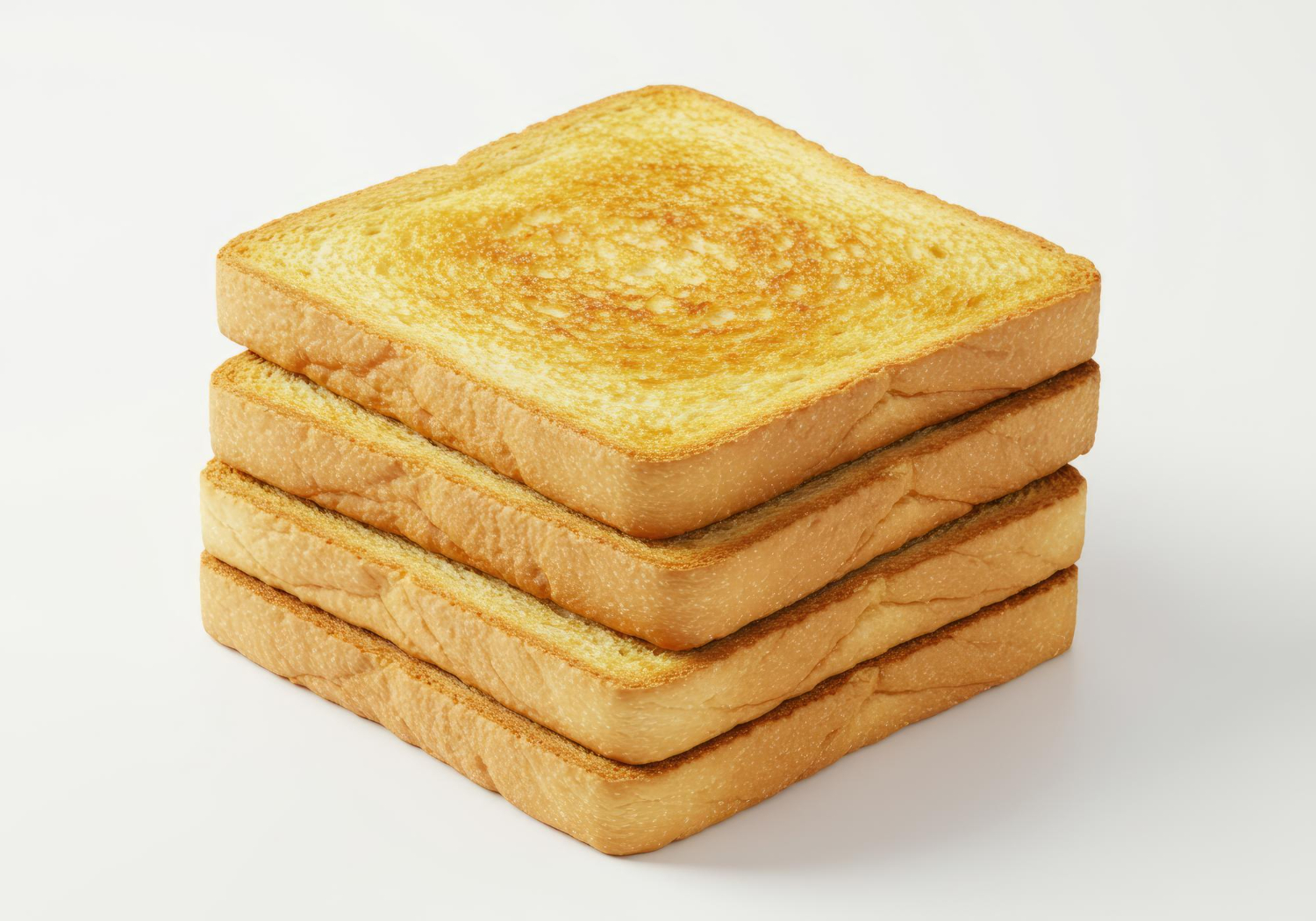
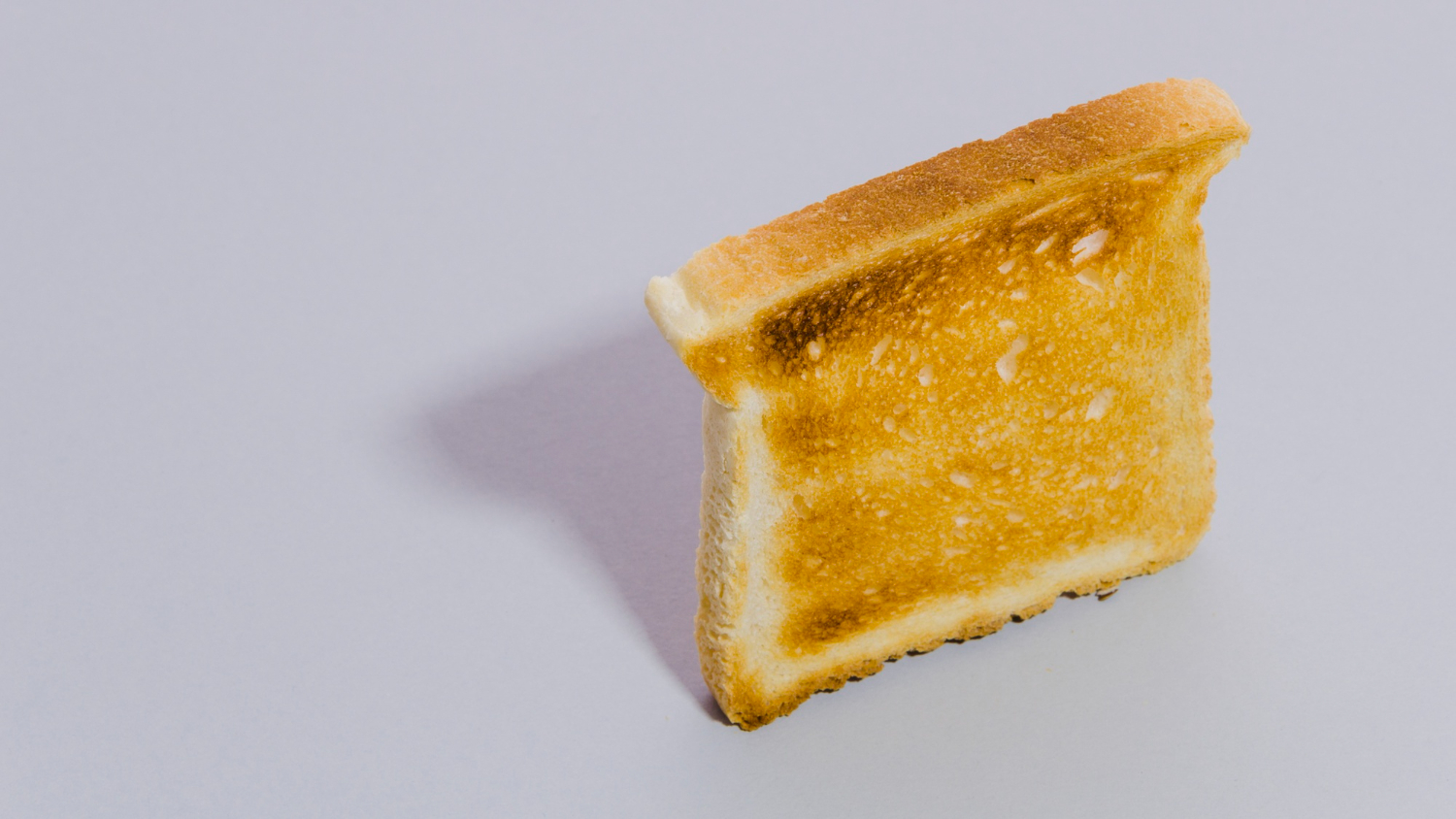
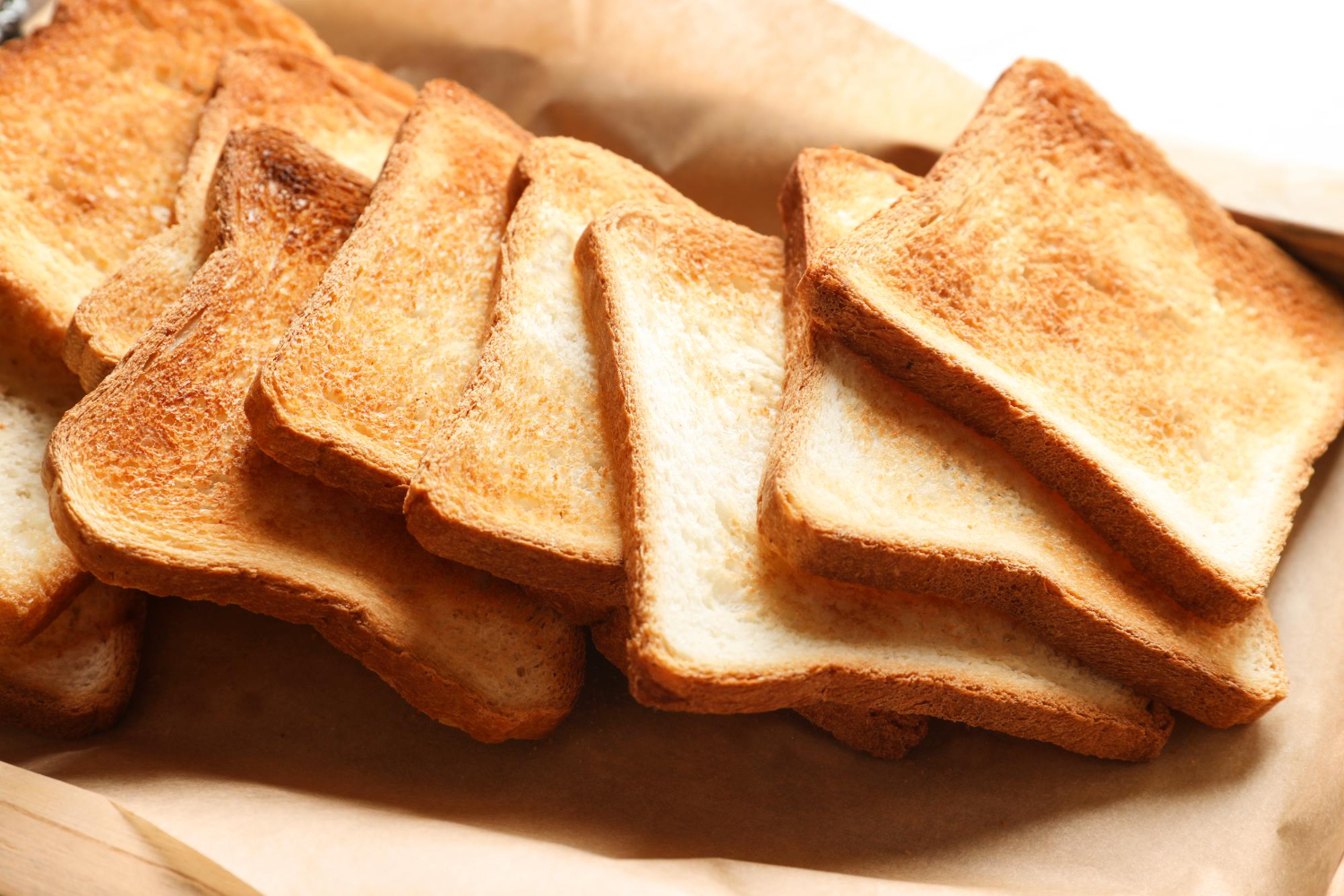
Drying the surface with heat creates a firmer, less absorbent face that resists moisture for substantially longer than untoasted bread.
It buys time rather than solving the problem. Toasting is the simplest defence and the one most traditions arrived at first.
Like our content? Follow us for more.
2. Put a Fat Barrier Between
Spreading a fat across the cut face creates a water-resistant layer between the bread and the filling, which is the actual function of butter in a sandwich.
It is engineering rather than flavour. The fat barrier is the reason a sandwich is buttered even when the butter is not tasted.
3. Use Bread That Is Mostly Crust
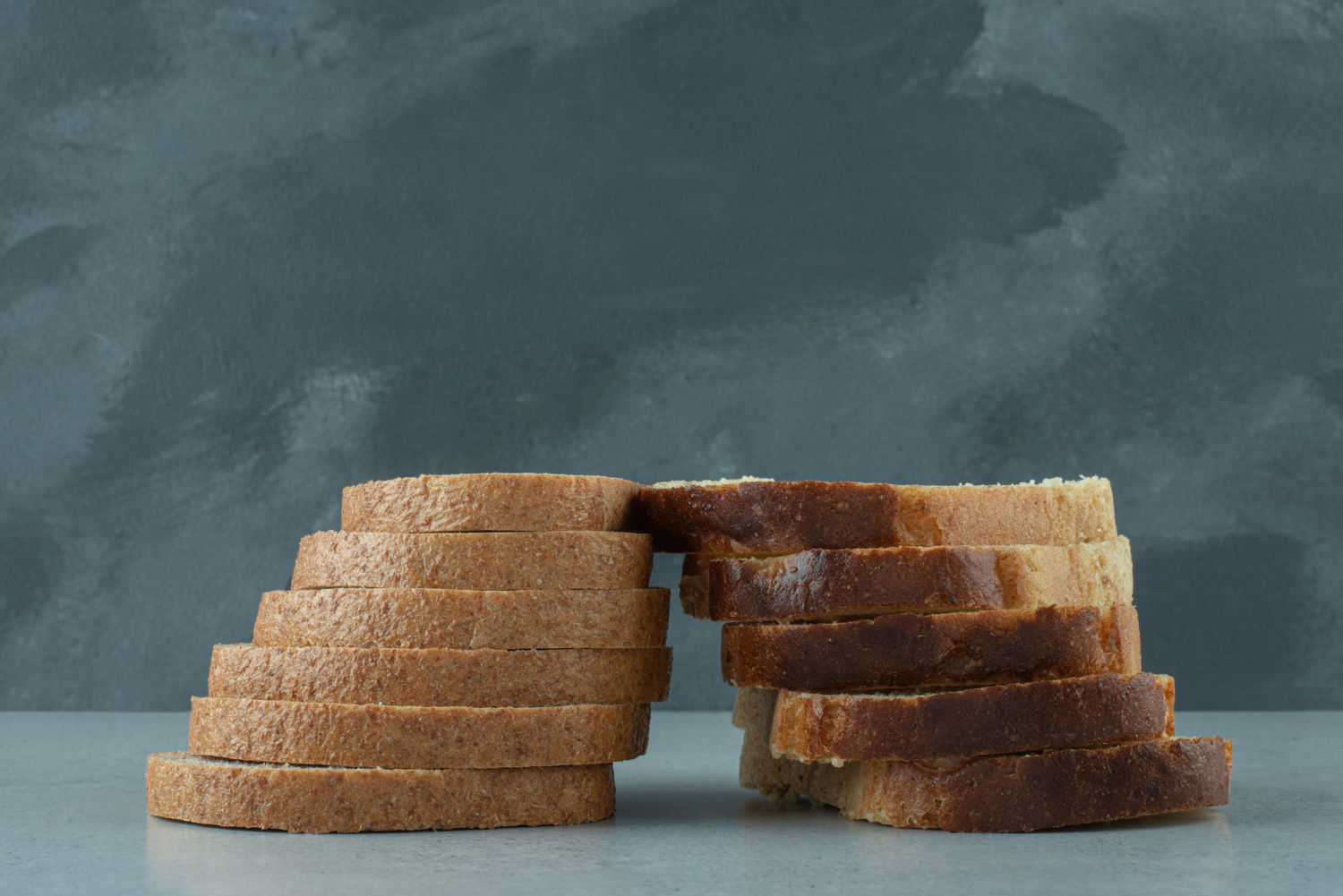
Dense crusty breads with a tight crumb absorb far more slowly than soft open ones, which is why certain traditions specify a particular loaf for filling.
The bread is chosen for its resistance. Crust-heavy bread is the structural answer built into the ingredient.
4. Have No Lid at All
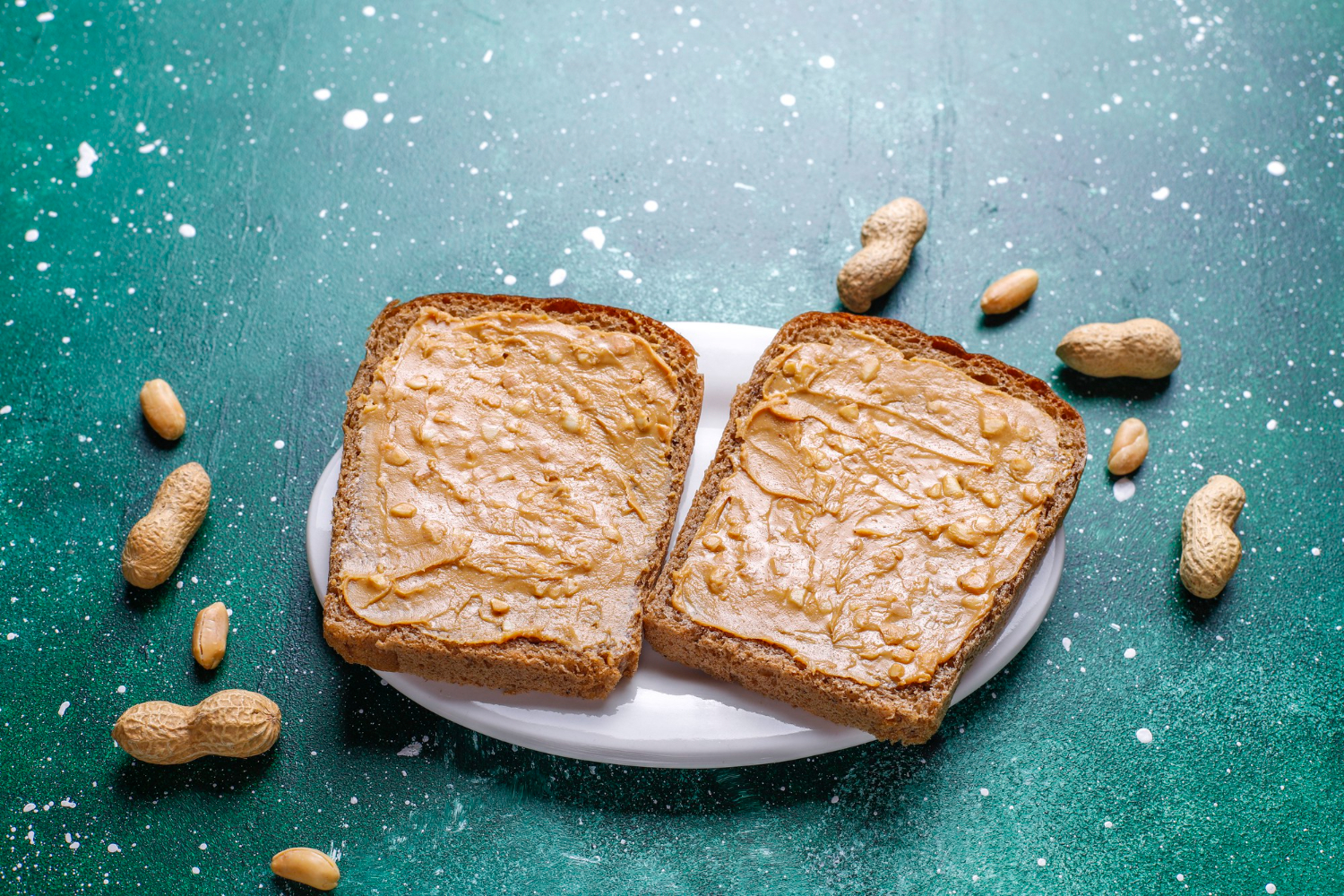
Open-faced constructions eliminate the problem entirely by never enclosing anything, so moisture escapes upward and the base stays intact.
They require a fork and are not portable. The open face is the solution that gives up portability to keep the structure.
5. Press It and Apply Heat
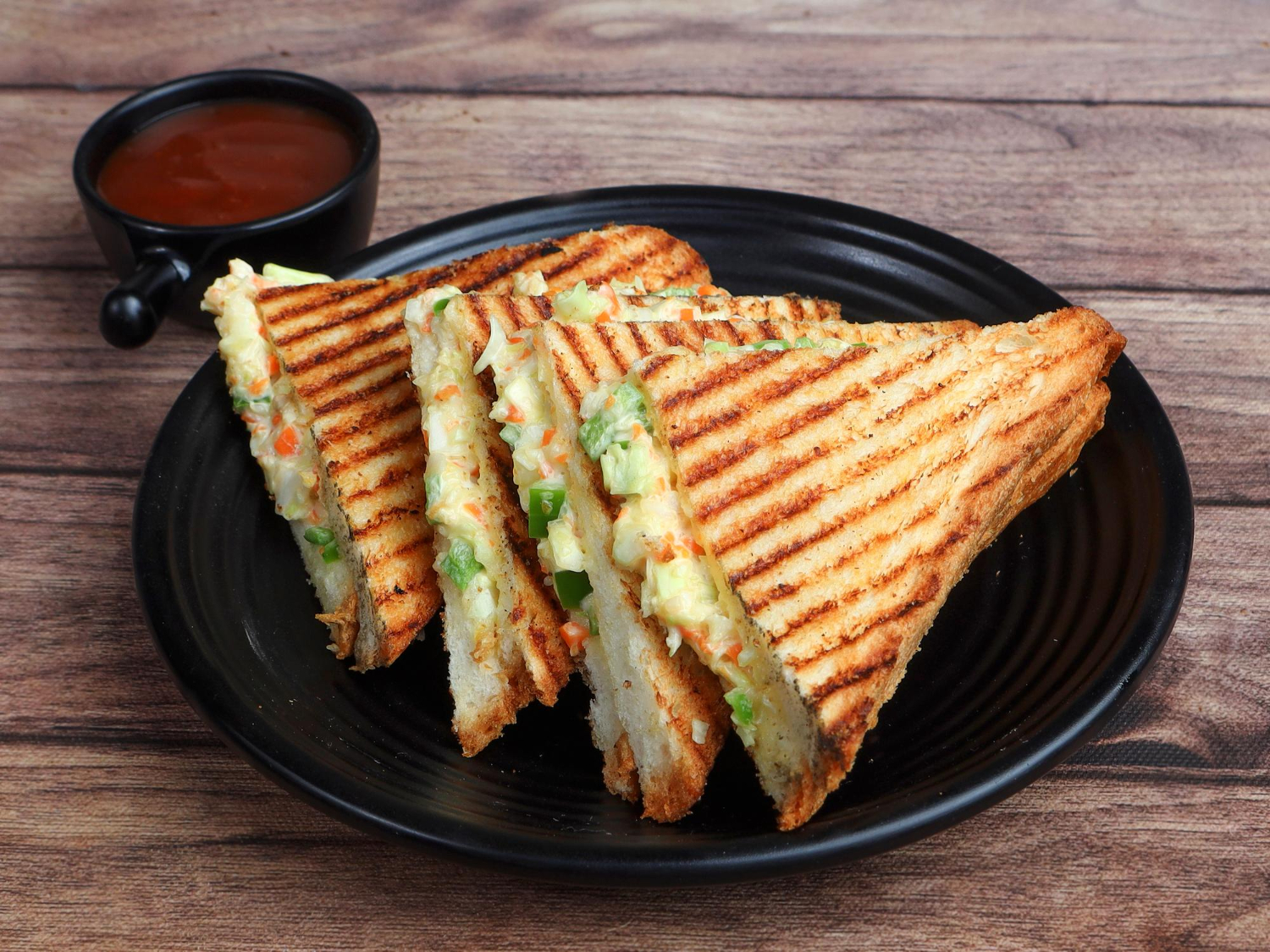
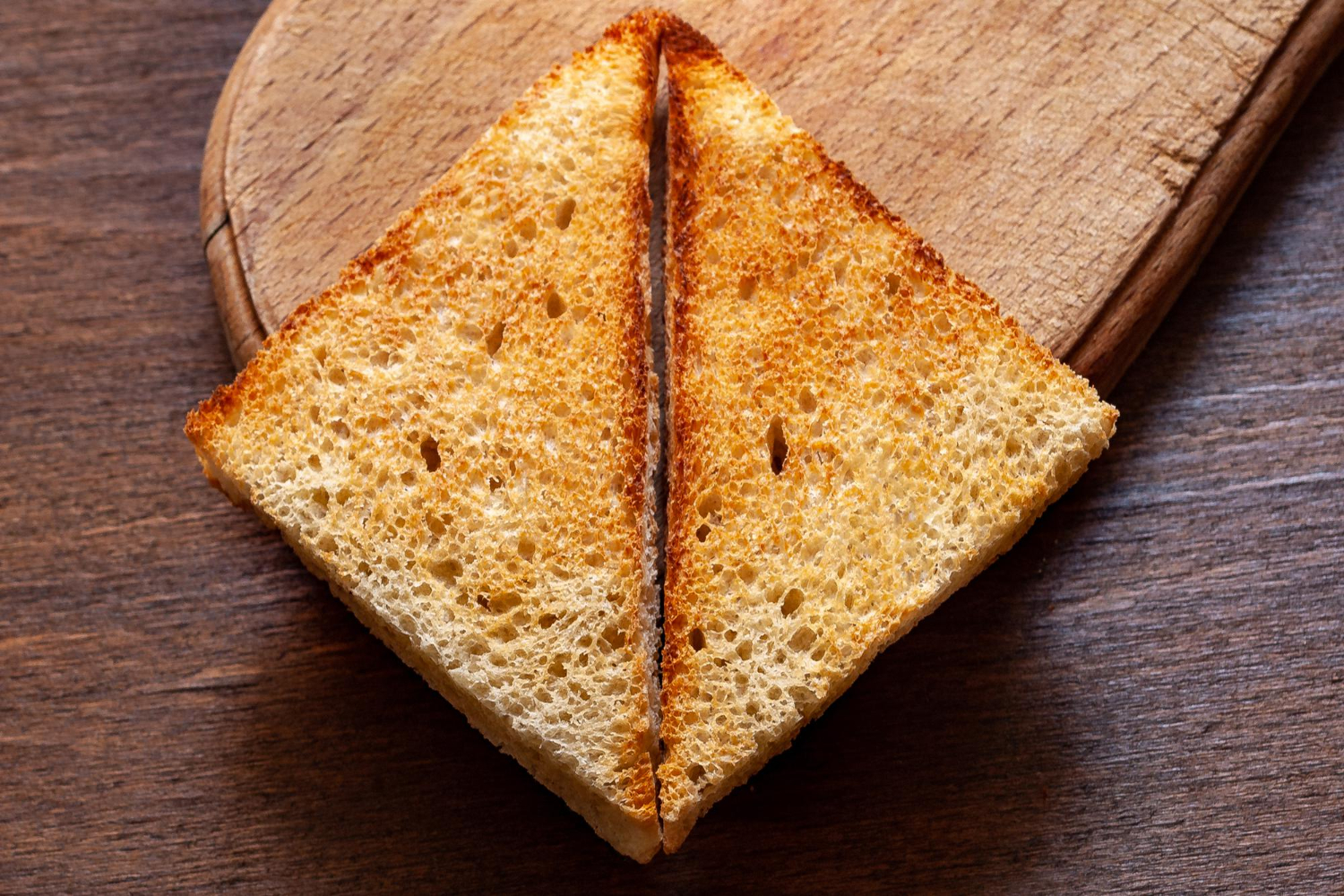
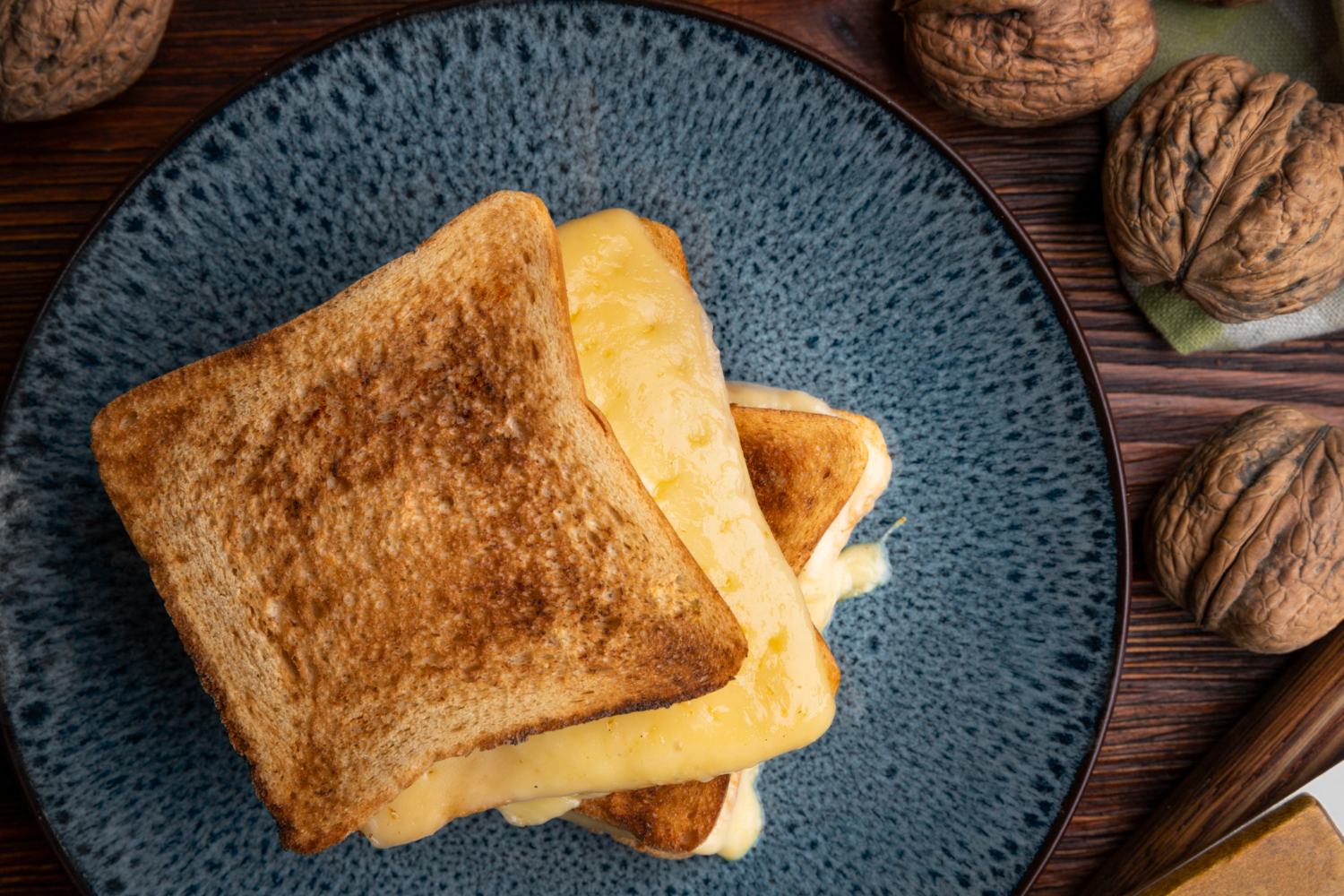
Pressing the filled bread against a hot surface drives out moisture, fuses the layers and sets the whole into a rigid unit.
It converts a fragile assembly into a solid object. Pressing is the technique that solves the problem after construction rather than before.
6. Hollow the Loaf Out
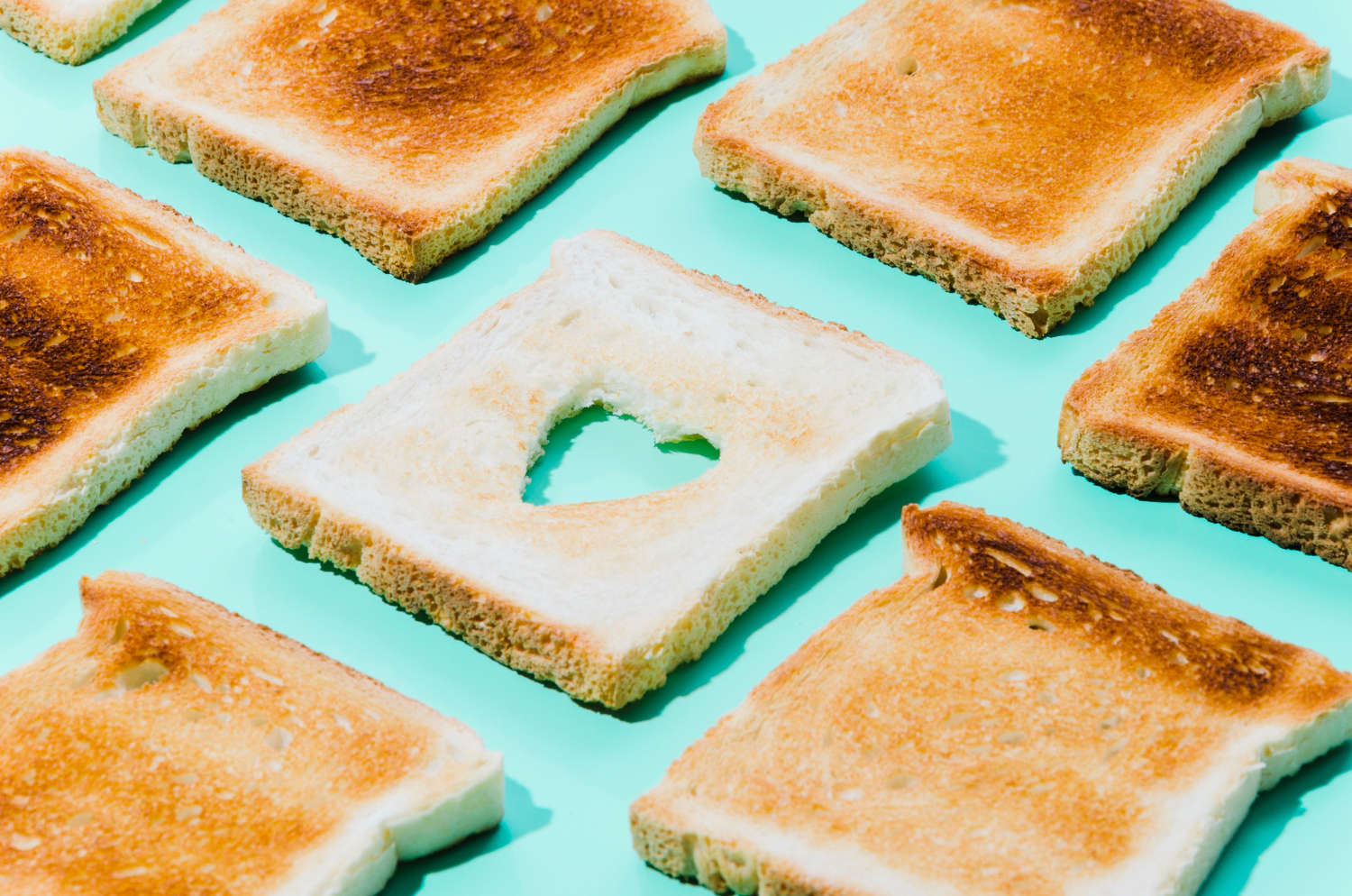
Removing the interior and using the crust as a vessel means the container is structurally sound and the absorbent part has already been taken away.
What comes out is generally eaten separately. The hollowed loaf is the solution that turns bread into crockery.
7. Keep the Wet Things Separate Until Eating
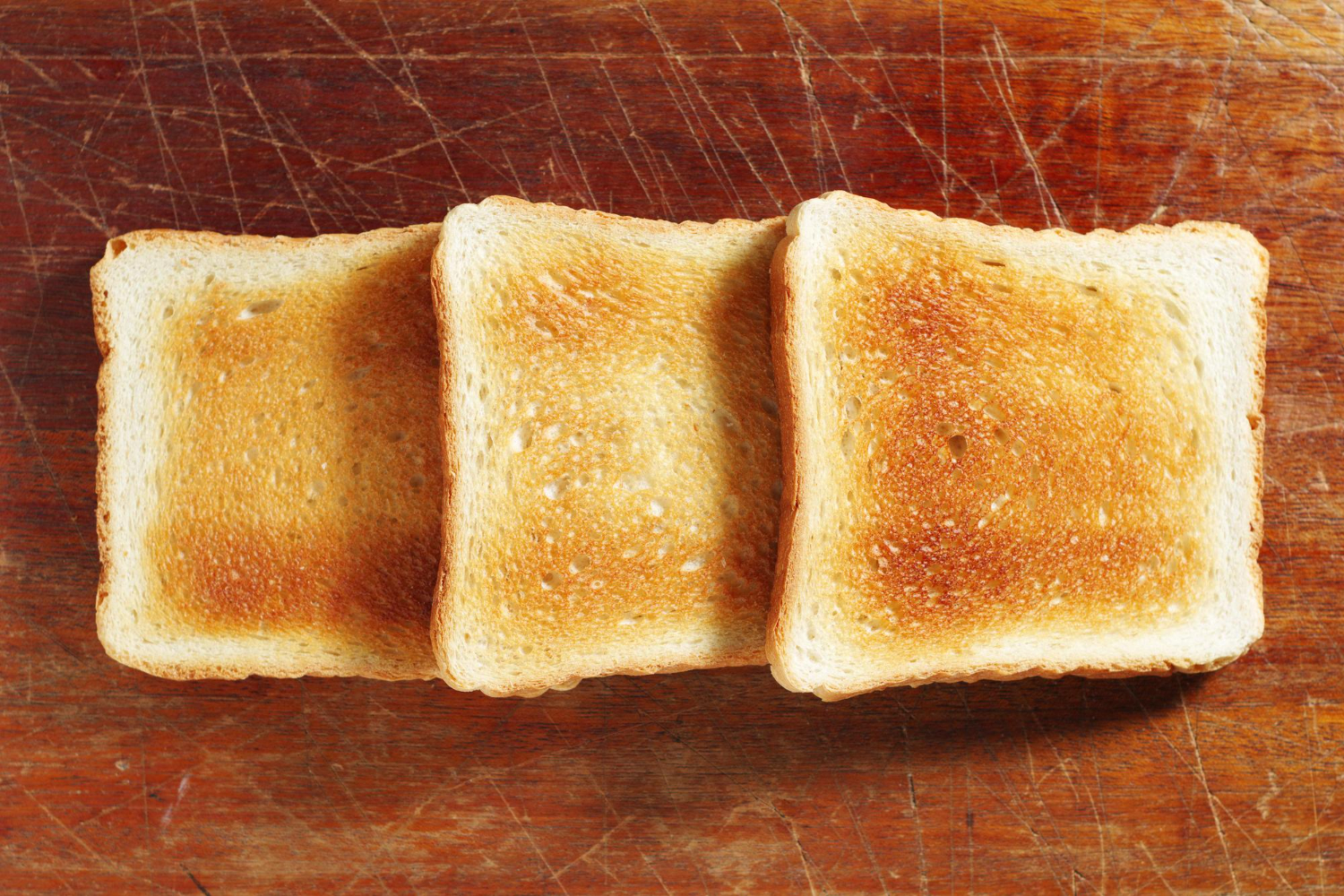
Assembling at the point of consumption is the oldest answer, which is why so many traditions serve components alongside rather than combined.
It requires the eater to do the final step. Assembly at the table is the solution that moves the problem to the last possible moment.
8. Put Something Dry in the Middle

Layering a dry ingredient between the bread and the wet filling creates an internal barrier, using a leaf, a cheese or a dry component as a shield.
The barrier ingredient may contribute little flavour. The internal shield is the structural role that looks like an ingredient.
9. Steam the Bread Instead
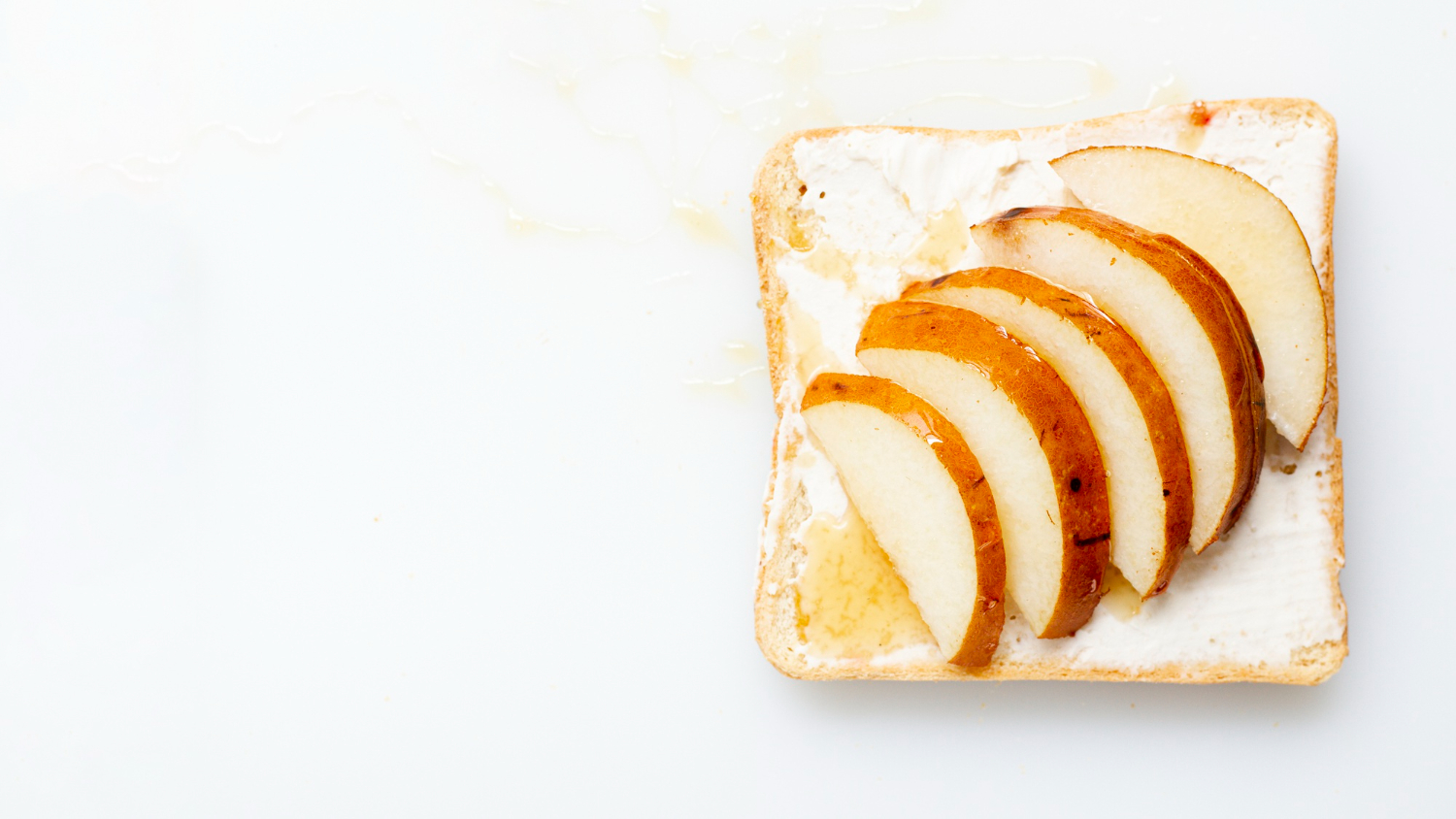
Soft steamed breads are already moist, so they cannot become soggy in the same way, and they suit fillings that would destroy a crisp loaf immediately.
The texture is completely different and the problem does not arise. Steamed bread is the solution that sidesteps the question.
10. Let It Soak Deliberately
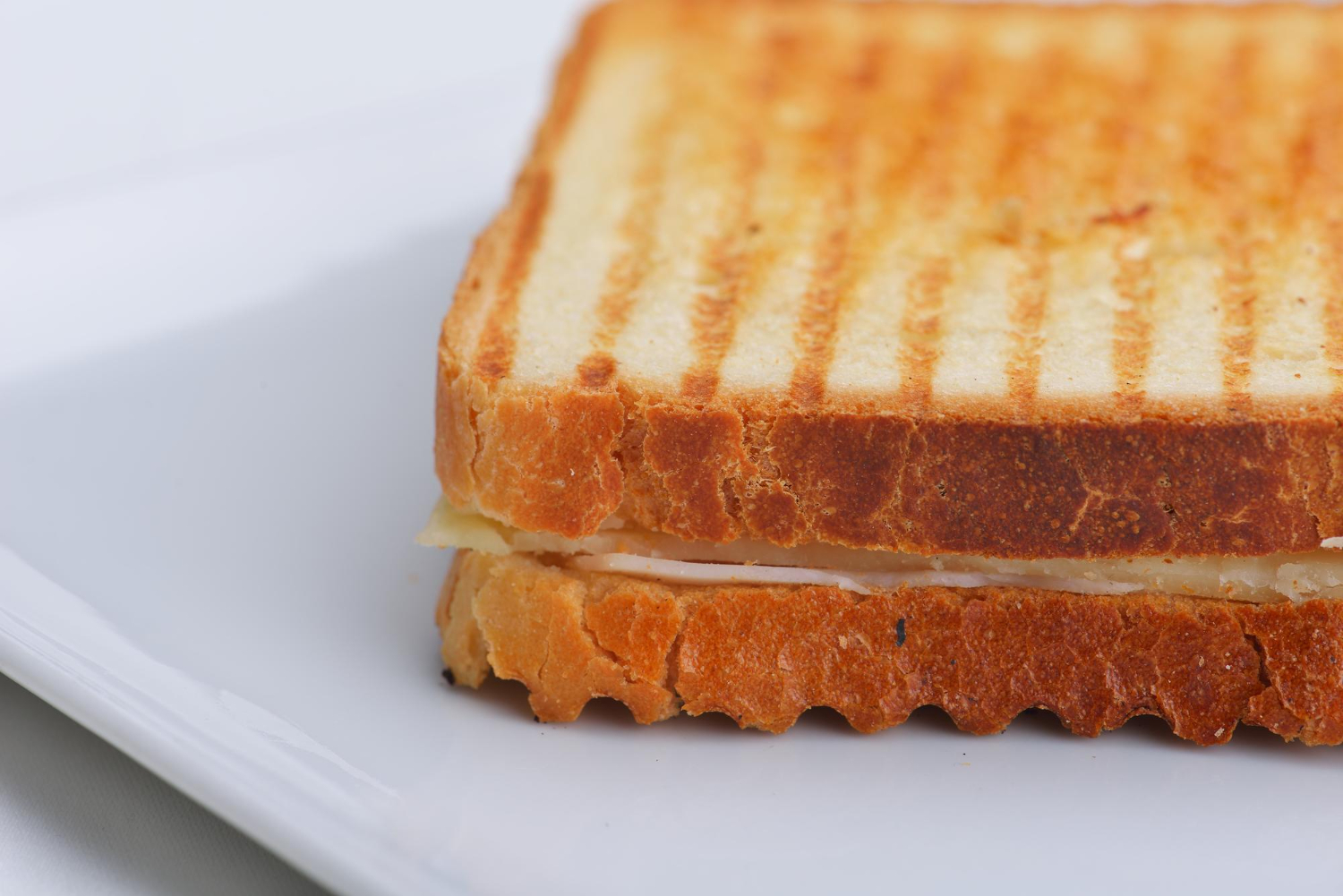
Some traditions treat saturation as the objective, dipping the whole construction in cooking liquid so the bread carries the flavour rather than resisting it.
It has to be eaten immediately and generally over a plate. Deliberate soaking is the solution that gives up and turns the failure into the dish.
11. Fry the Outside
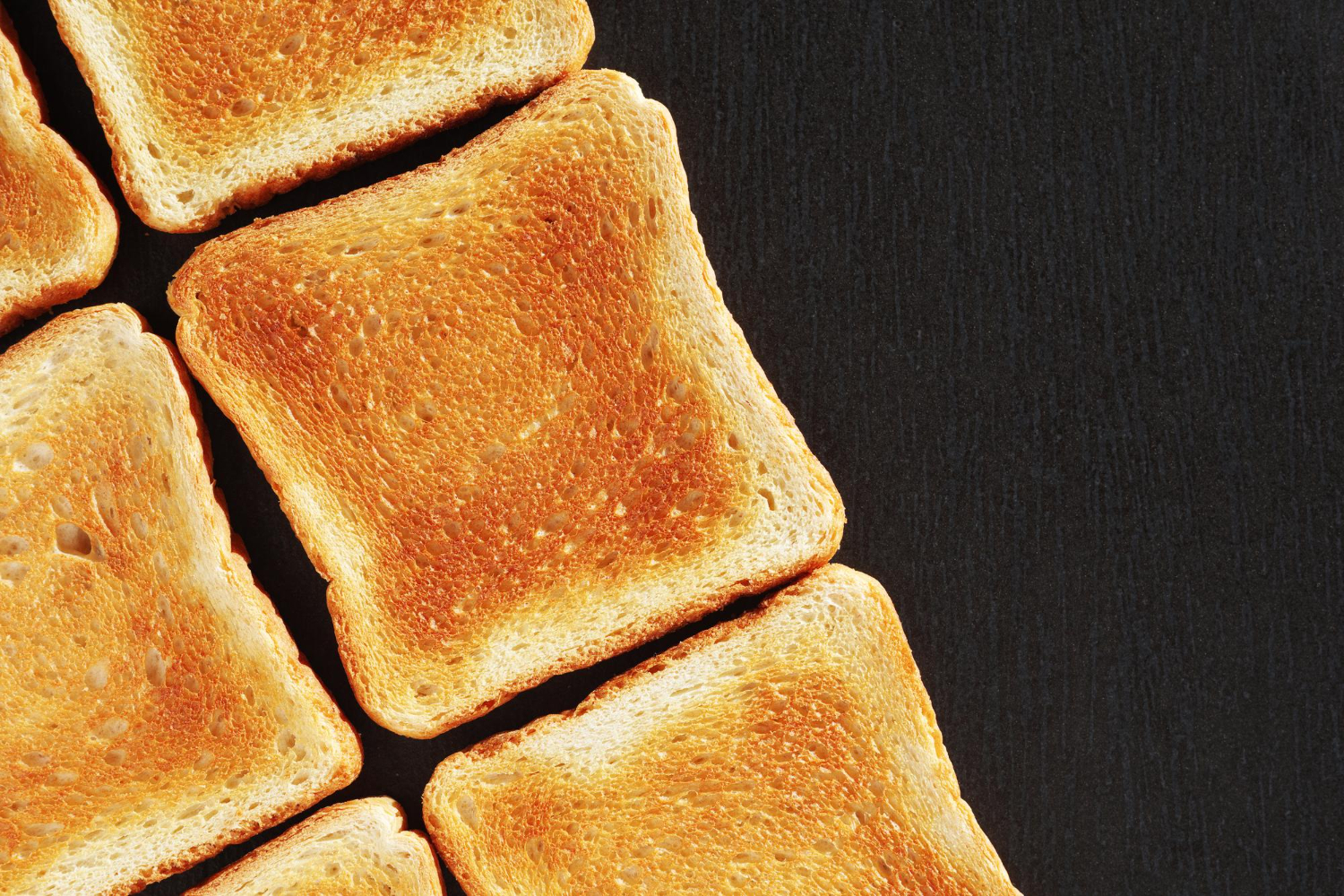
Applying fat and heat to the exterior creates a sealed crisp shell around a soft interior, which resists moisture from both directions.
It also makes the object substantially richer. Frying the outside is the solution that armours the bread.
12. Fold Rather Than Stack
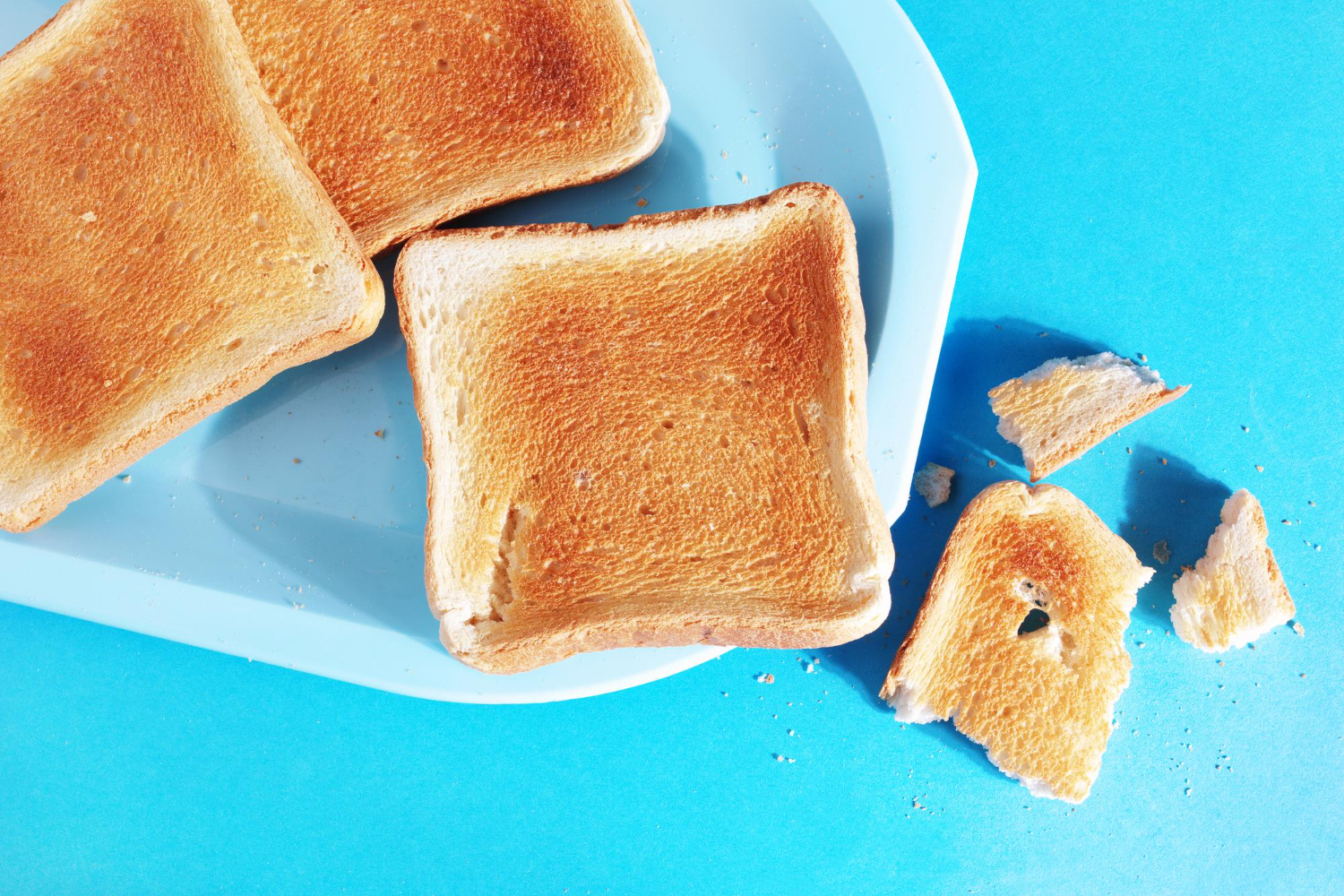
A folded flatbread encloses the filling within a single continuous piece, so there is no join to leak through and the structure holds together in one hand.
The bread is doing the wrapping rather than the sandwiching. Folding is the solution that eliminates the seam.
13. Wrap It in Something Else
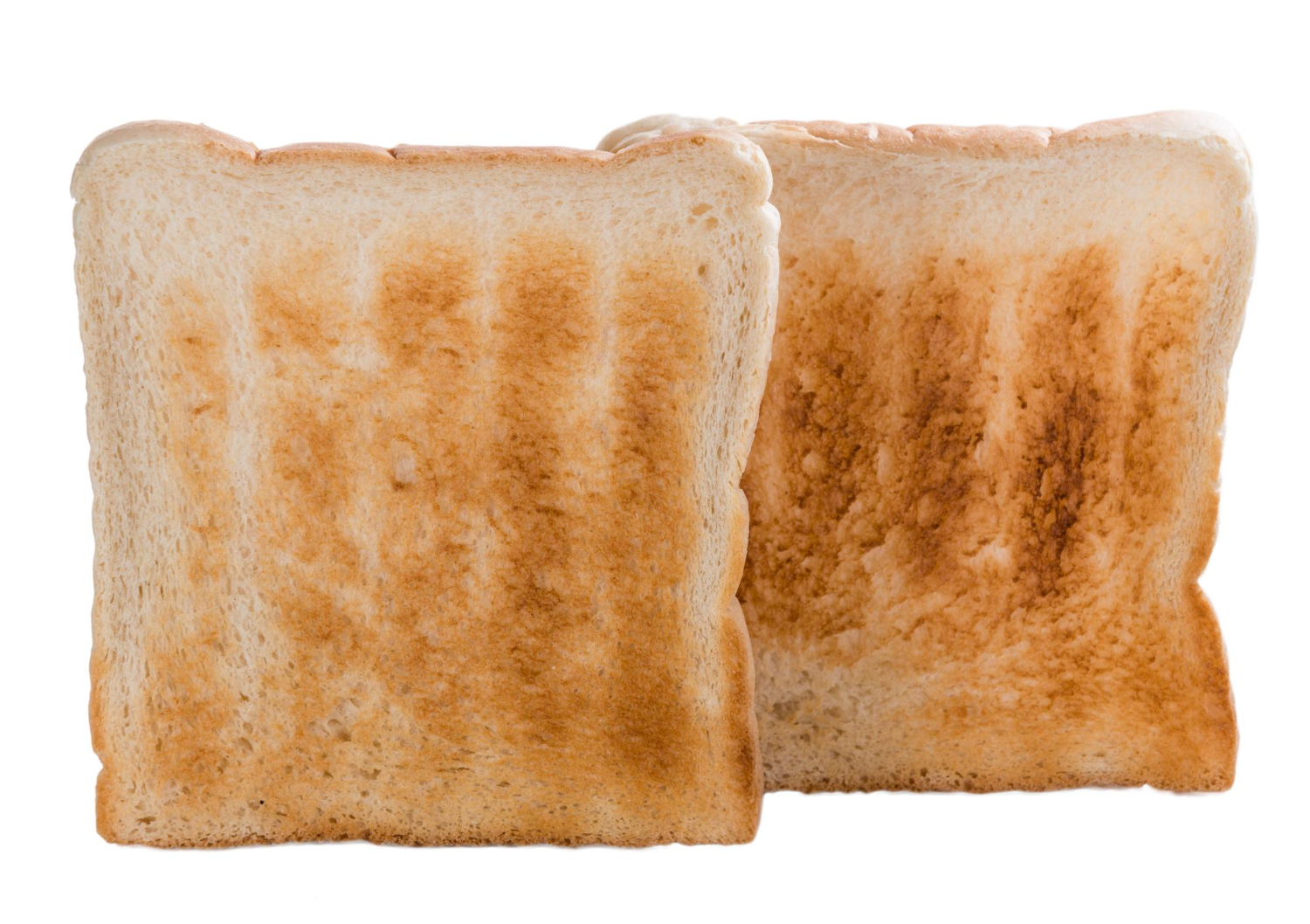
Adding an outer layer of paper, leaf or foil contains any leakage, holds the structure together and keeps the whole thing warm.
The wrapping is part of the design rather than packaging. External wrapping is the solution that supports the object from outside.
14. Make It Small Enough Not to Matter
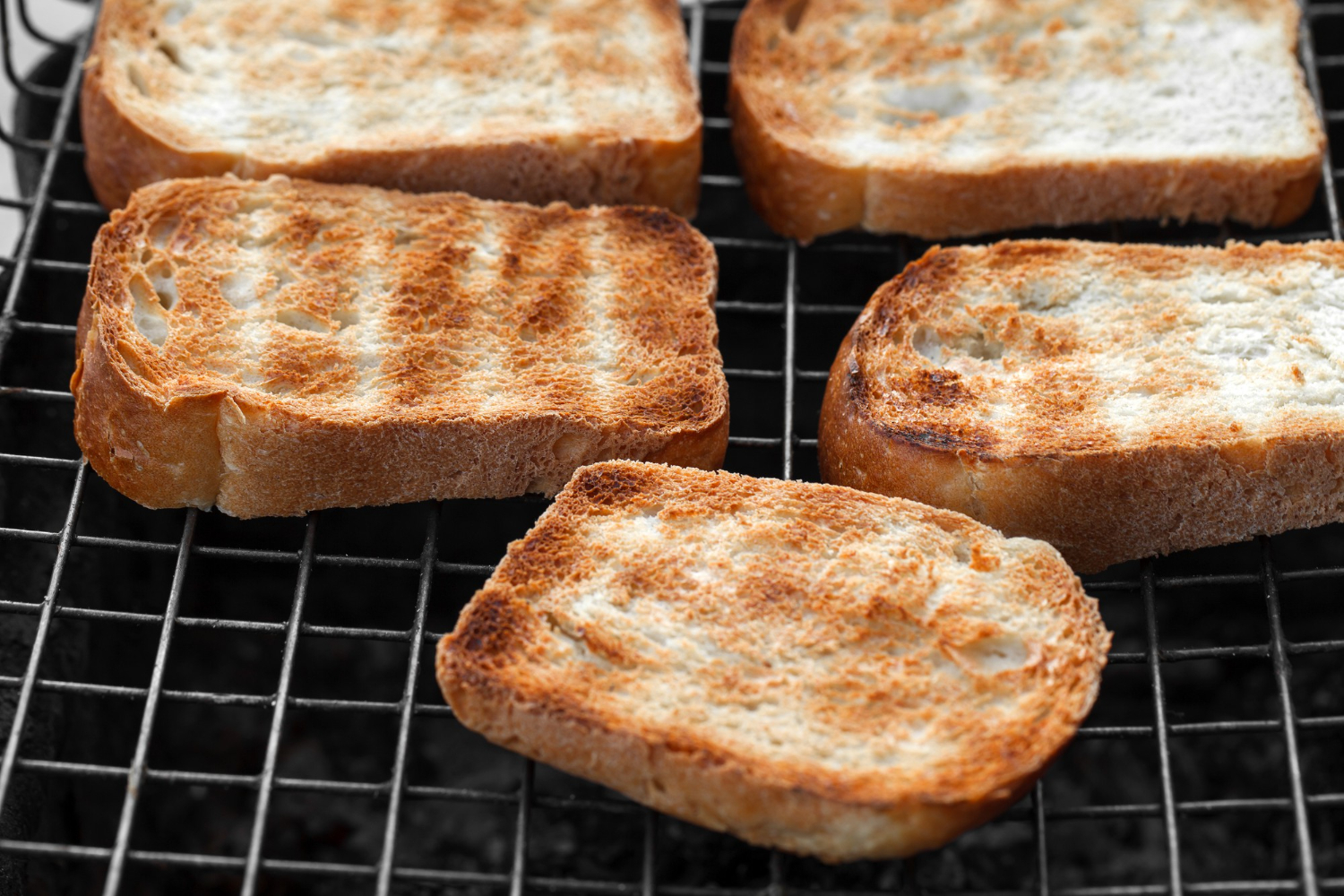
Reducing the scale means the whole thing is eaten before absorption becomes a problem, which is why so many filled breads are single-mouthful items.
Time is the enemy and small portions remove it. Reducing the size is the solution that beats the problem on speed.
15. Design It to Be Eaten Standing Up
A great many filled breads were developed as food for people who had no table, which shaped everything – the size, the wrapping, the structure and the tolerance for mess.
Portability came first and the recipe followed. Design for standing is the requirement behind most of the solutions above.
Bread Absorbs, and Everybody Knew It
Every solution here manages the same conflict – bread needs to hold a wet filling and is destroyed by one – and the answers divide into resisting the moisture, sealing against it, escaping it or embracing it.
The reason the same problem produced so many different answers is that each tradition was optimising for something else at the same time – portability, speed, what bread was available, whether there was a table, and how long the thing had to survive between being made and being eaten.
Like our content? Follow us for more.