Almost everything salt does in a kitchen is invisible in the finished dish, which is why it is simultaneously the most used and least understood ingredient in any kitchen. Here are fifteen.
1. It Suppresses Bitterness
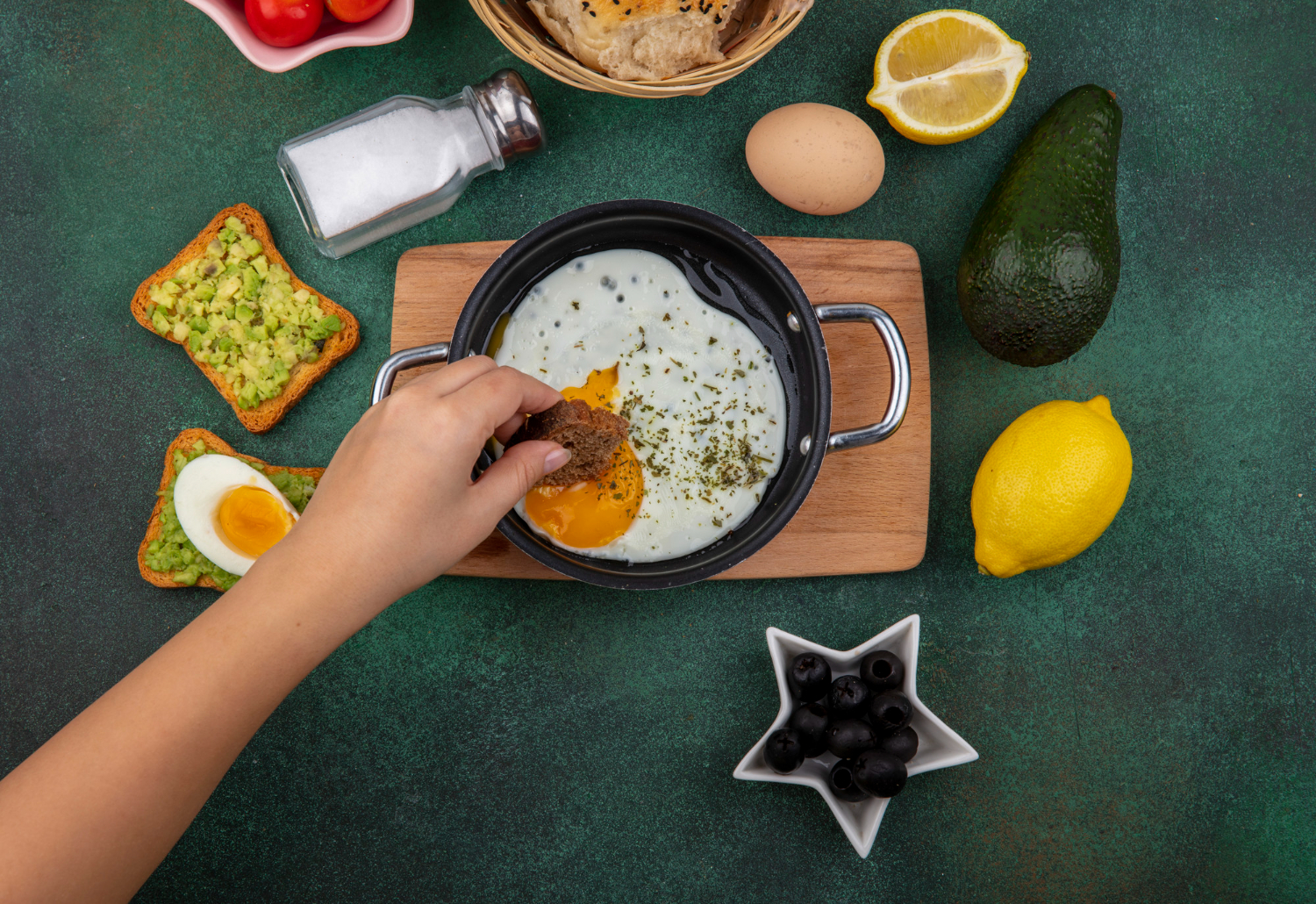
Salt reduces the perception of bitter compounds substantially, which is why it improves foods that are not remotely salty and why a pinch transforms something harsh.
The bitterness is still present and you notice it less. Bitterness suppression is the salt effect that explains most of its use.
Like our content? Follow us for more.
2. It Makes Sweet Things Sweeter
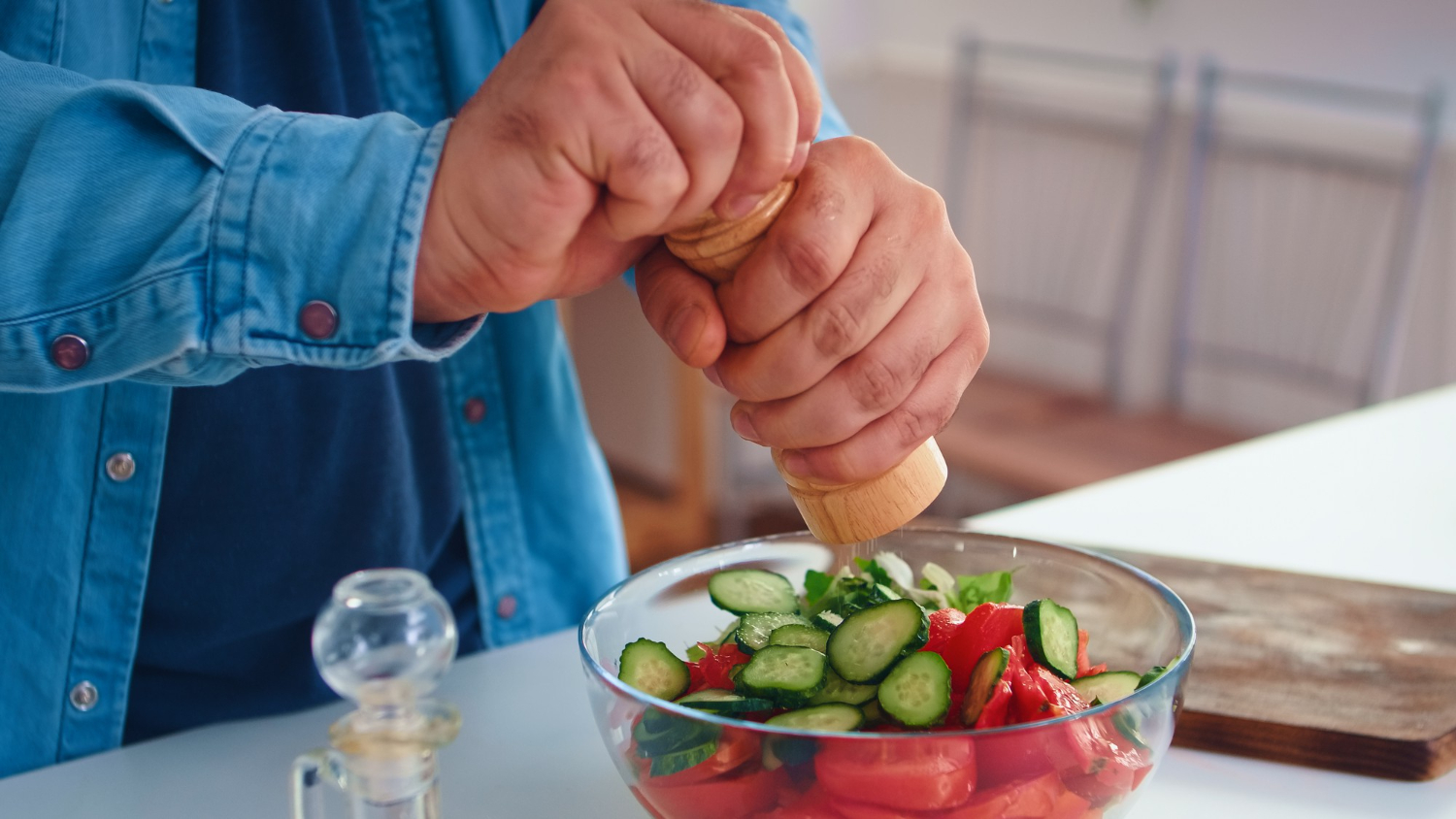
At low concentrations salt increases perceived sweetness, which is why sweet preparations across essentially every tradition contain some.
A sweet dish without salt tastes flat rather than less salty. Sweetness enhancement is the reason salt appears where nobody expects it.
3. It Pulls Water Out
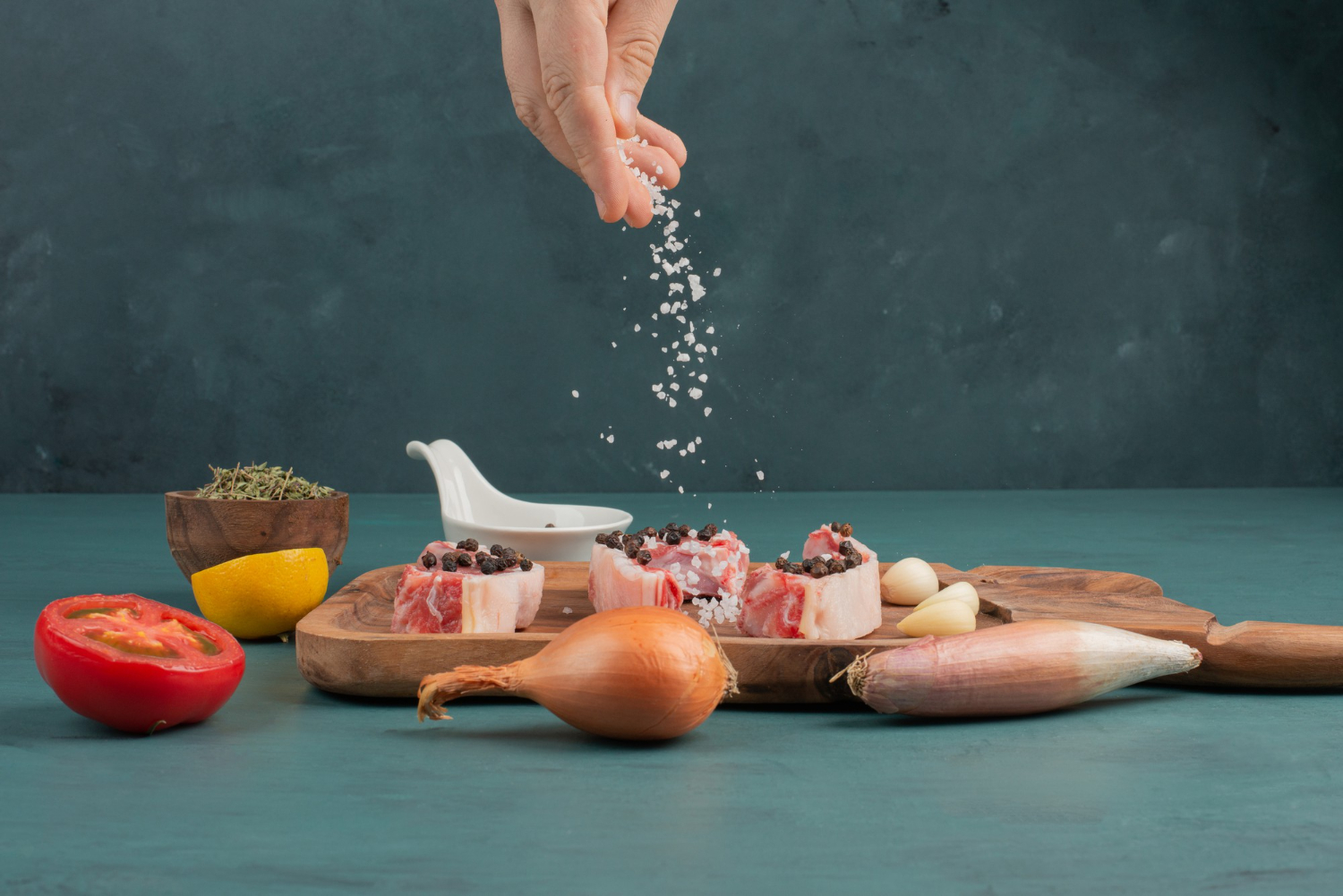
Salt draws moisture from cells by osmosis, which is the mechanism behind salting vegetables to firm them, drawing liquid from watery ingredients, and the entire principle of curing.
The water comes out and something else can go in. Osmotic drawing is the physical job salt does with no reference to flavour.
4. And Then Lets Flavour Back In
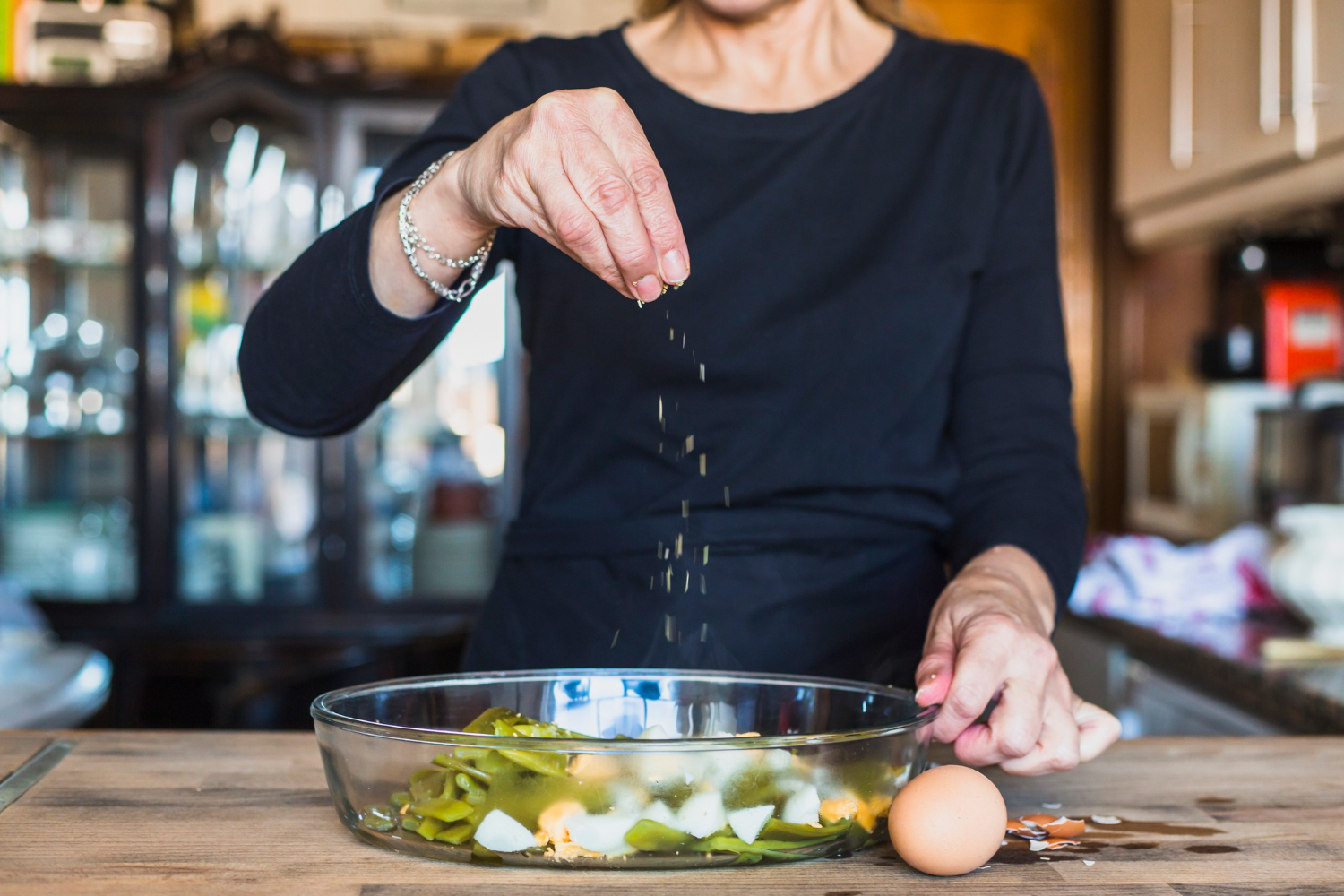
Once moisture has been drawn out, the concentrated salt solution is reabsorbed, carrying dissolved seasoning with it further into the food than surface application reaches.
The two stages happen in sequence over time. The draw-and-reabsorb cycle is why salting in advance differs from salting at the table.
5. It Firms Proteins
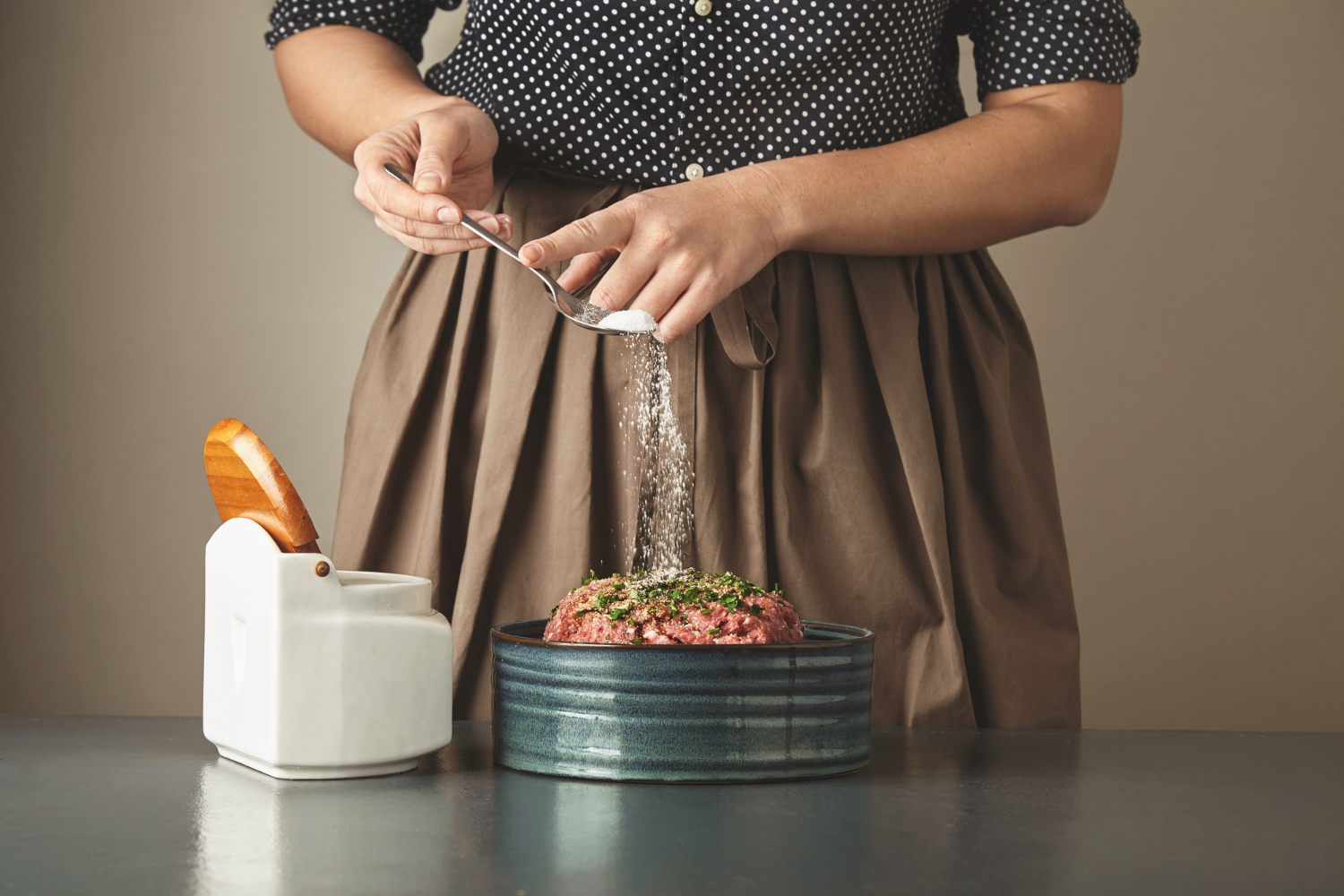
Salt changes the structure of proteins, which alters texture – firming some things, helping others retain moisture, and changing how they behave under heat.
It is doing structural work rather than seasoning. Protein modification is the salt effect that changes the texture of the finished dish.
6. It Controls Dough
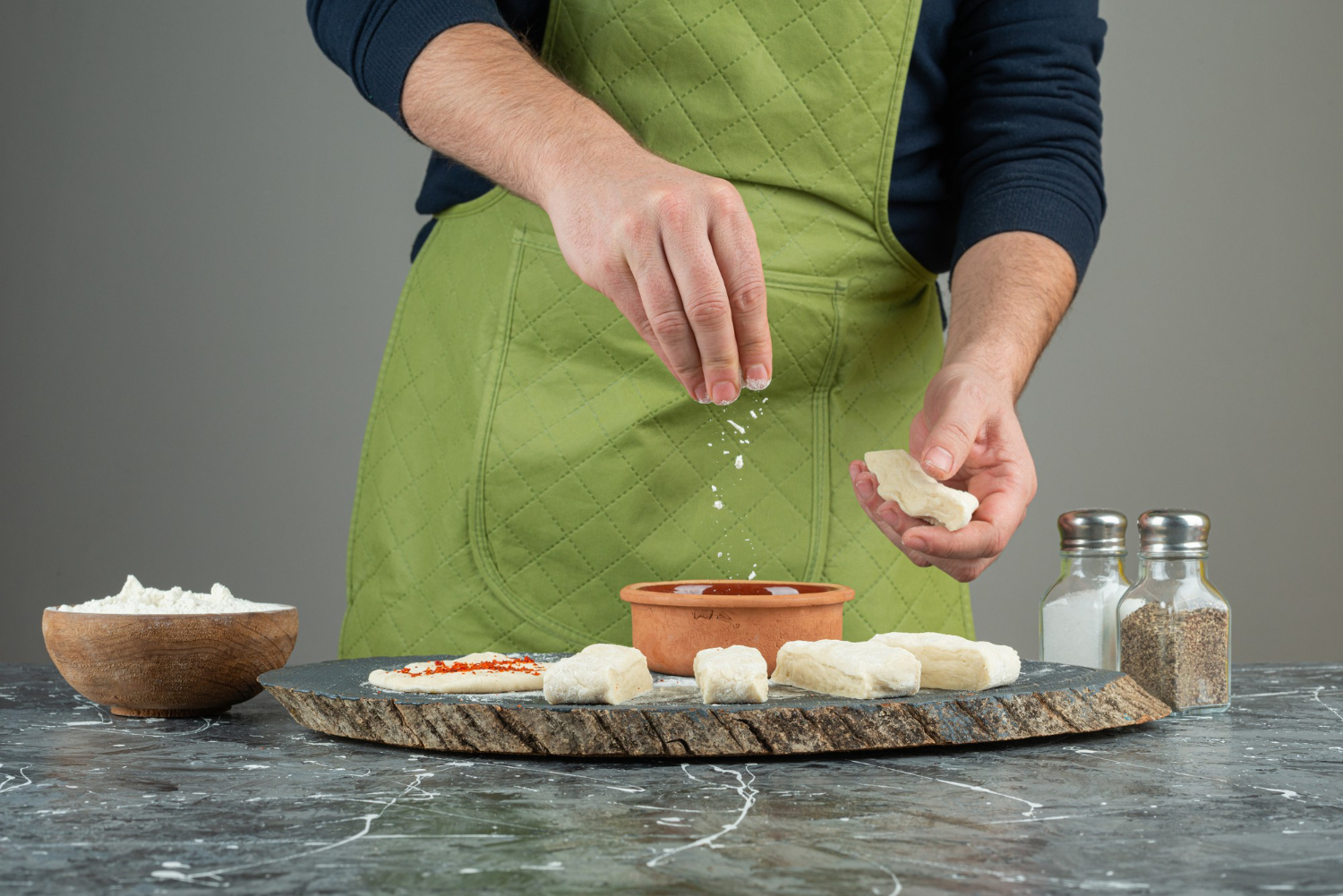
In bread, salt strengthens the gluten network and slows yeast activity, so a dough without it rises too fast and produces a weak, slack structure.
Bread made without salt is noticeably different in texture, not merely in taste. Dough control is the salt job that is entirely mechanical.
7. Crystal Size Changes How Salty It Tastes
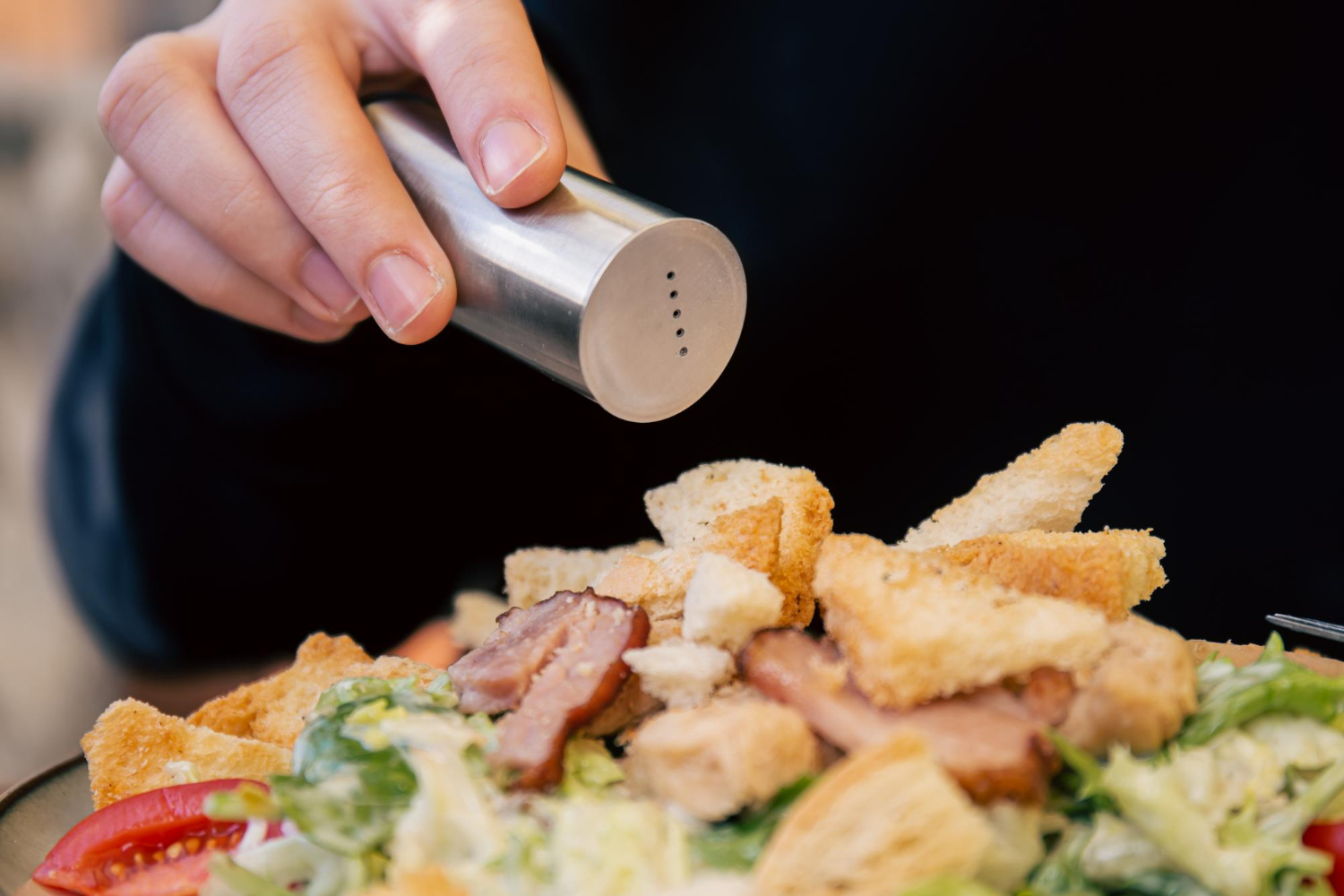
The same mass of fine and coarse salt do not taste equally salty, because fine crystals dissolve faster and register more immediately on the tongue.
Substituting one for another by volume produces very different results. Crystal size is the variable that makes salt measurements unreliable between types.
8. Where You Put It Matters More Than How Much
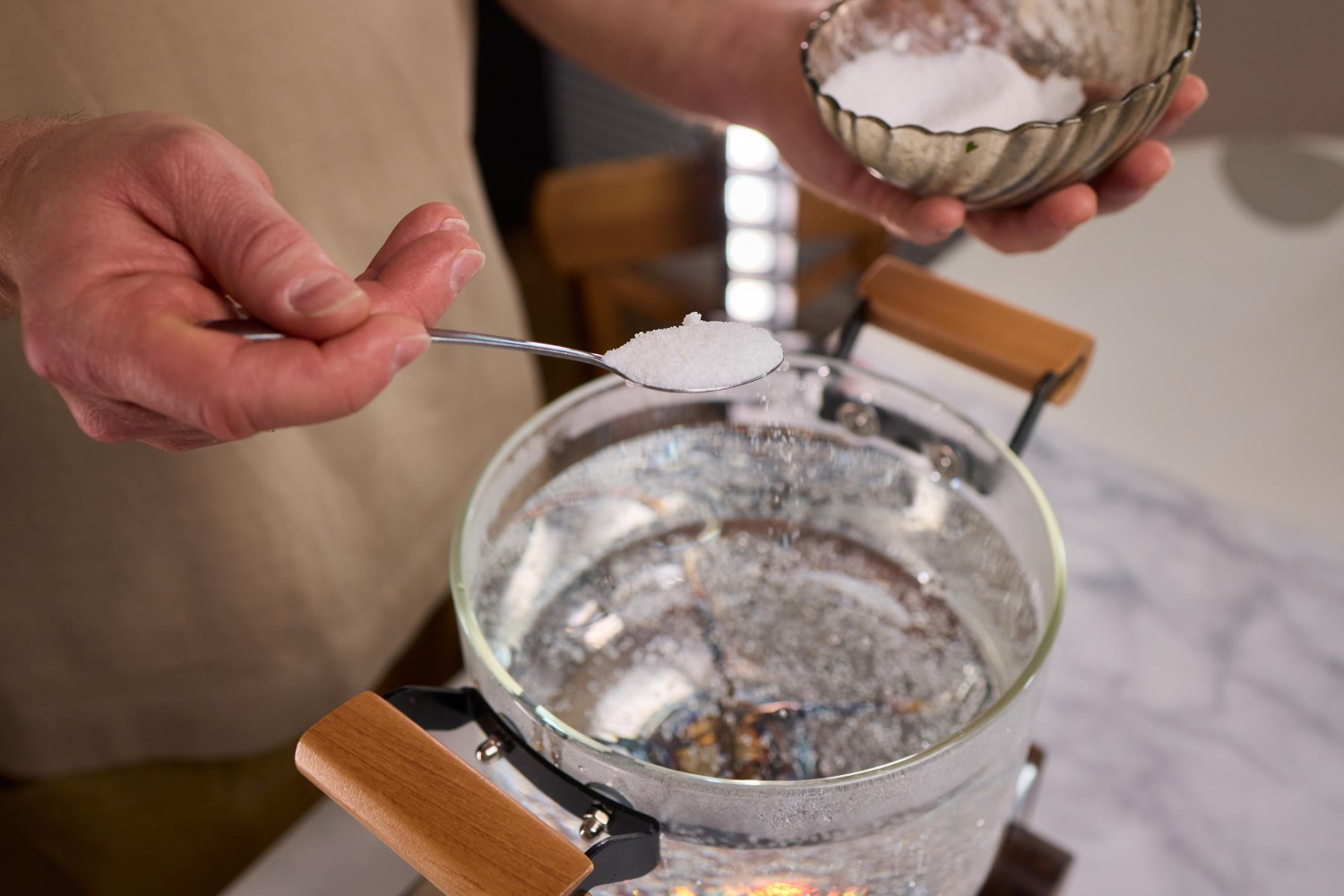
Salt on the surface is perceived far more strongly than the same quantity dissolved through a dish, because it hits the tongue undiluted.
Finishing salt exists for exactly that reason. Placement is the decision that determines how much you appear to have used.
9. Timing Changes the Result Completely
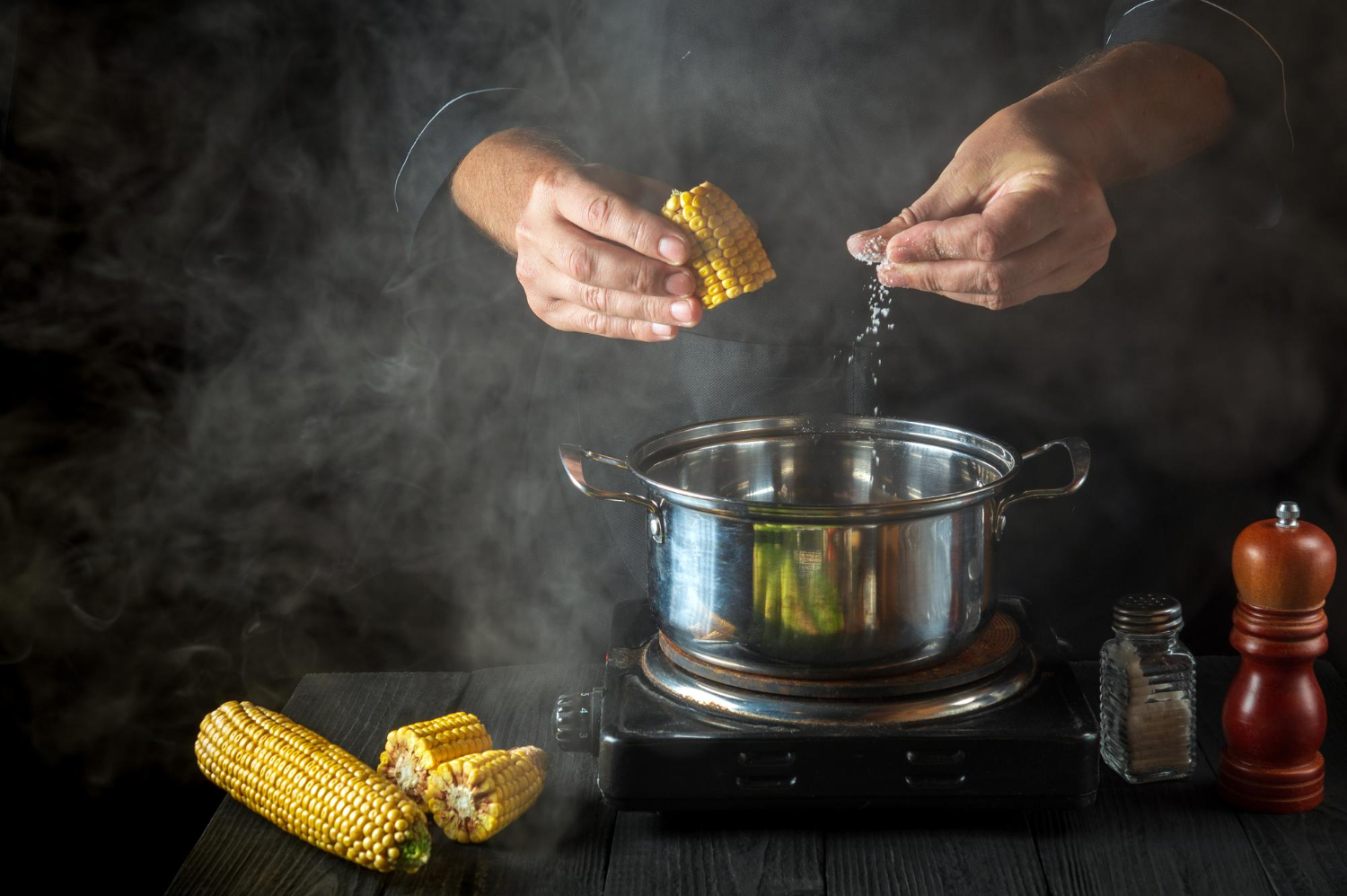
Salting well in advance allows the draw-and-reabsorb process to work; salting immediately before cooking leaves moisture on the surface; salting after leaves it entirely on the outside.
All three are valid and produce different dishes. Salt timing is the technique variable with the largest effect.
10. It Barely Affects Boiling Point
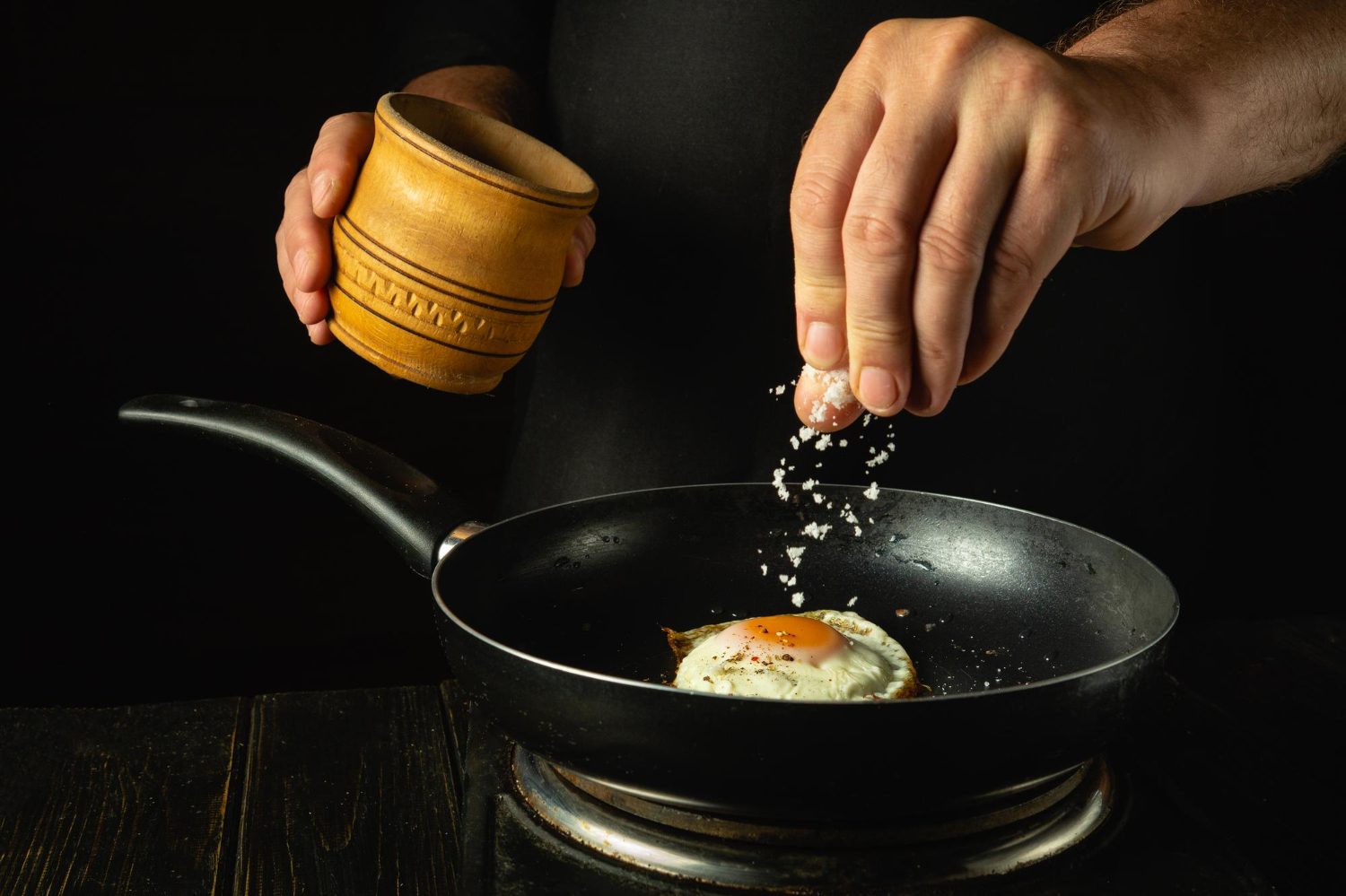
Salted water does boil at a marginally higher temperature, and the effect at culinary quantities is far too small to change cooking times noticeably.
The reason to salt cooking water is seasoning rather than physics. The boiling-point claim is the salt myth most confidently repeated.
11. It Is the Only Seasoning That Penetrates
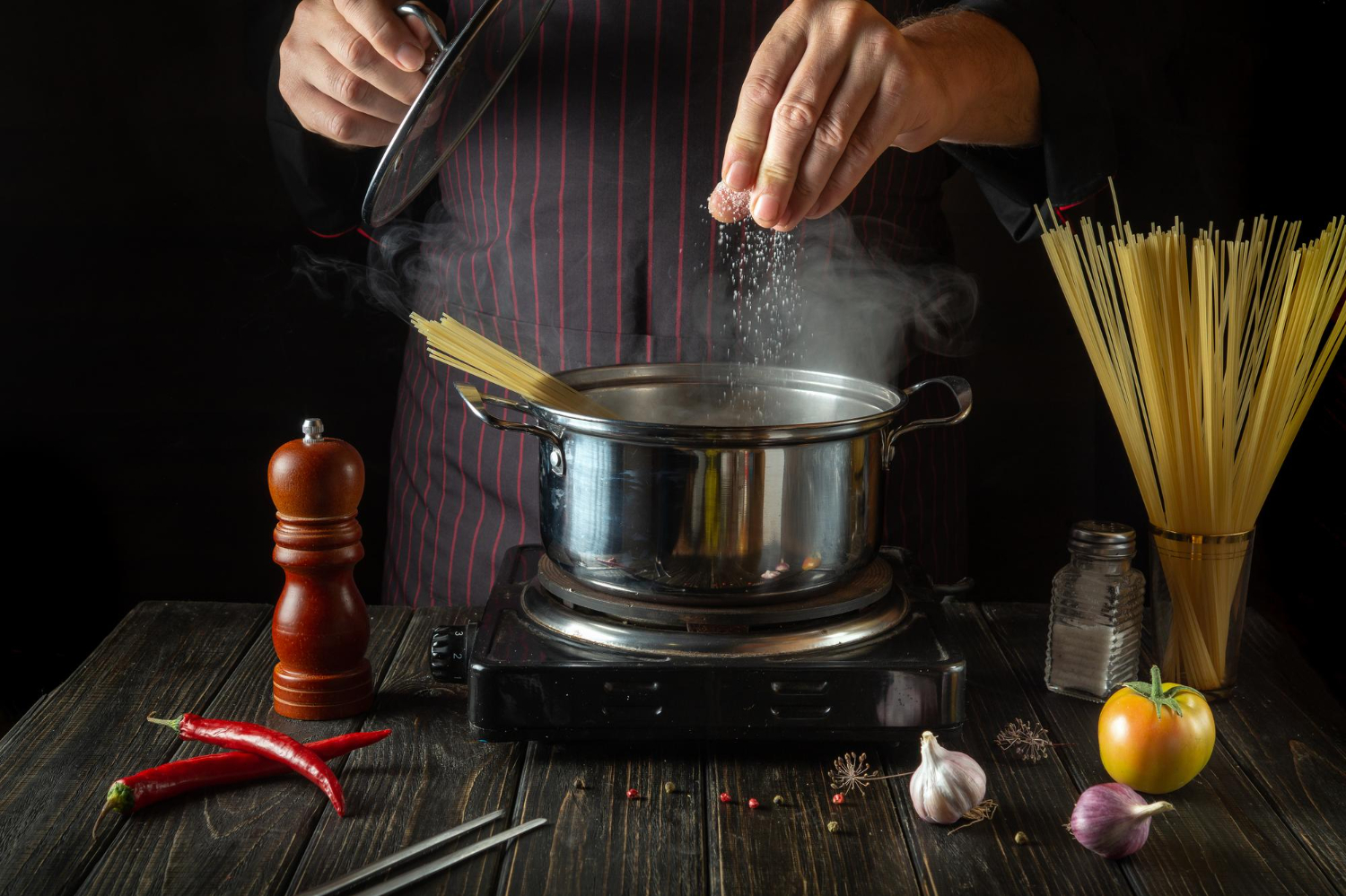
Most seasonings sit on the surface. Salt dissolves and travels into food, which is why it can season the interior of something in a way that herbs and spices cannot.
That is a truly unusual property. Penetration is the characteristic that makes salt different in kind from every other seasoning.
12. It Preserves by Making Water Unavailable
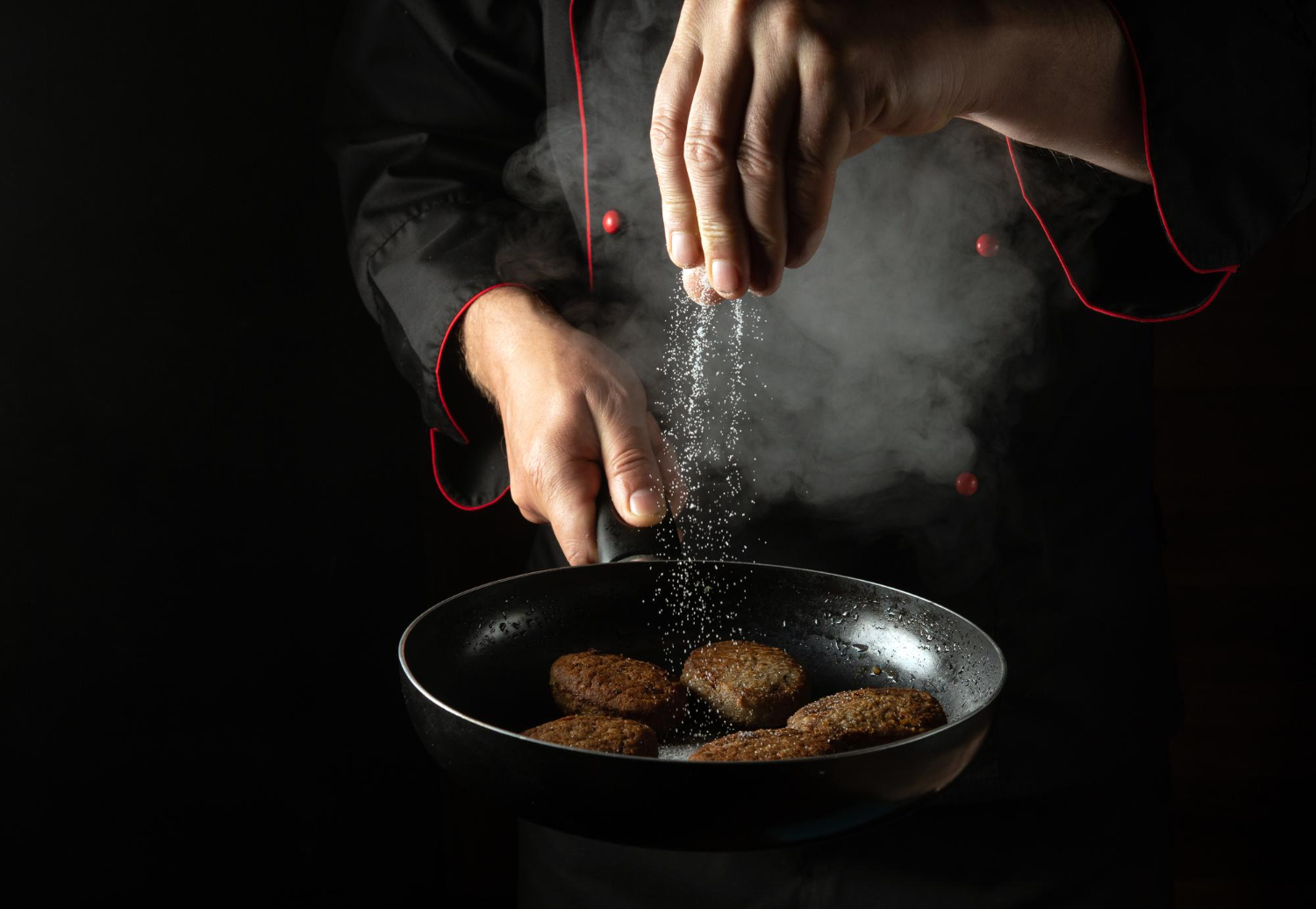
Sufficient salt binds water so that spoilage organisms cannot use it, which is why salting is among the oldest preservation methods anywhere.
Quantities here are a matter for tested procedures rather than judgement. Preservation is the salt job with real consequences attached.
13. It Balances Acid
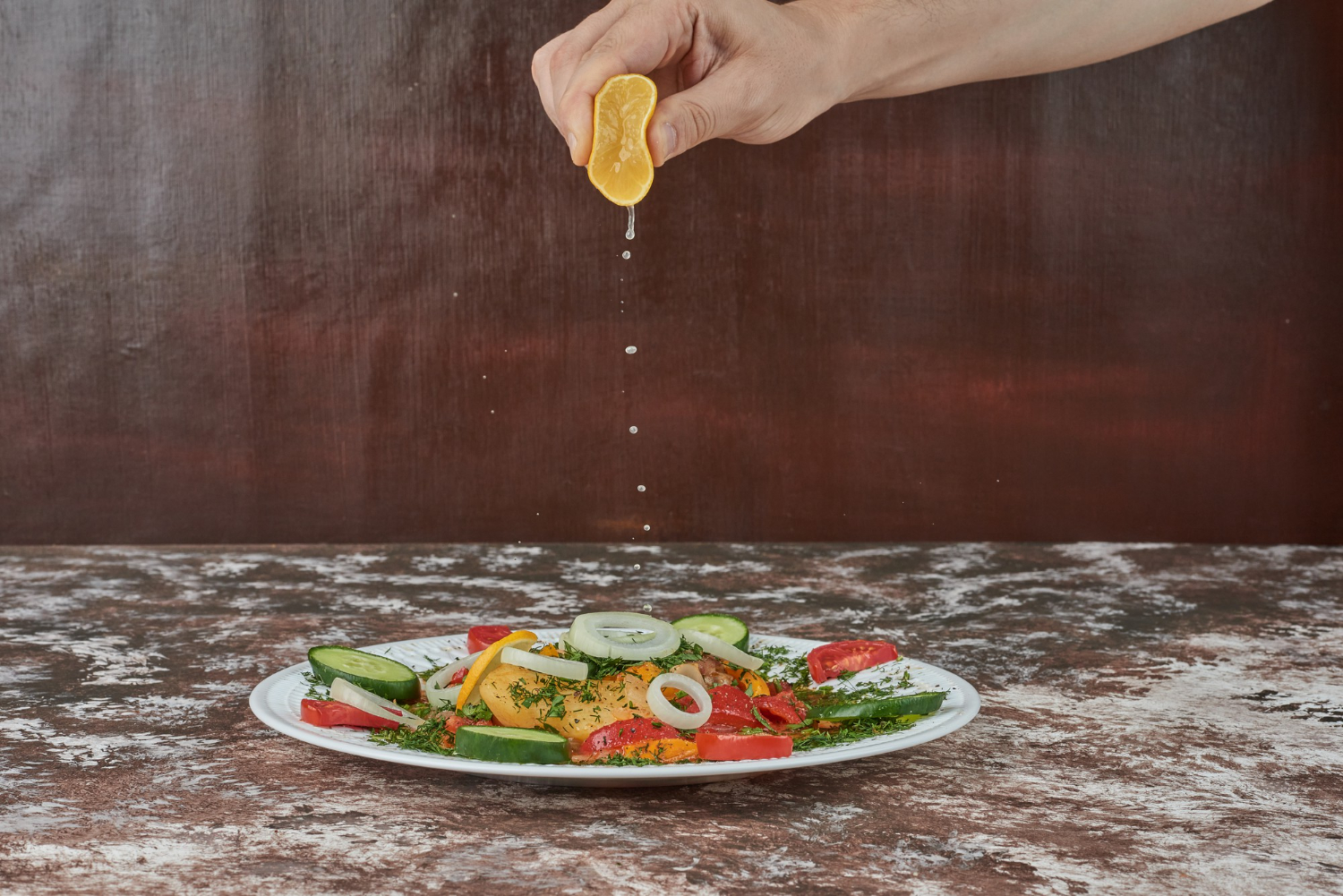
Salt and acid adjust one another, so a dish that seems too sharp can frequently be corrected with salt rather than with sugar or dilution.
They are two controls on the same system. The salt-acid relationship is the correction most cooks never attempt.
14. Under-Salting Reads as Missing Something Else
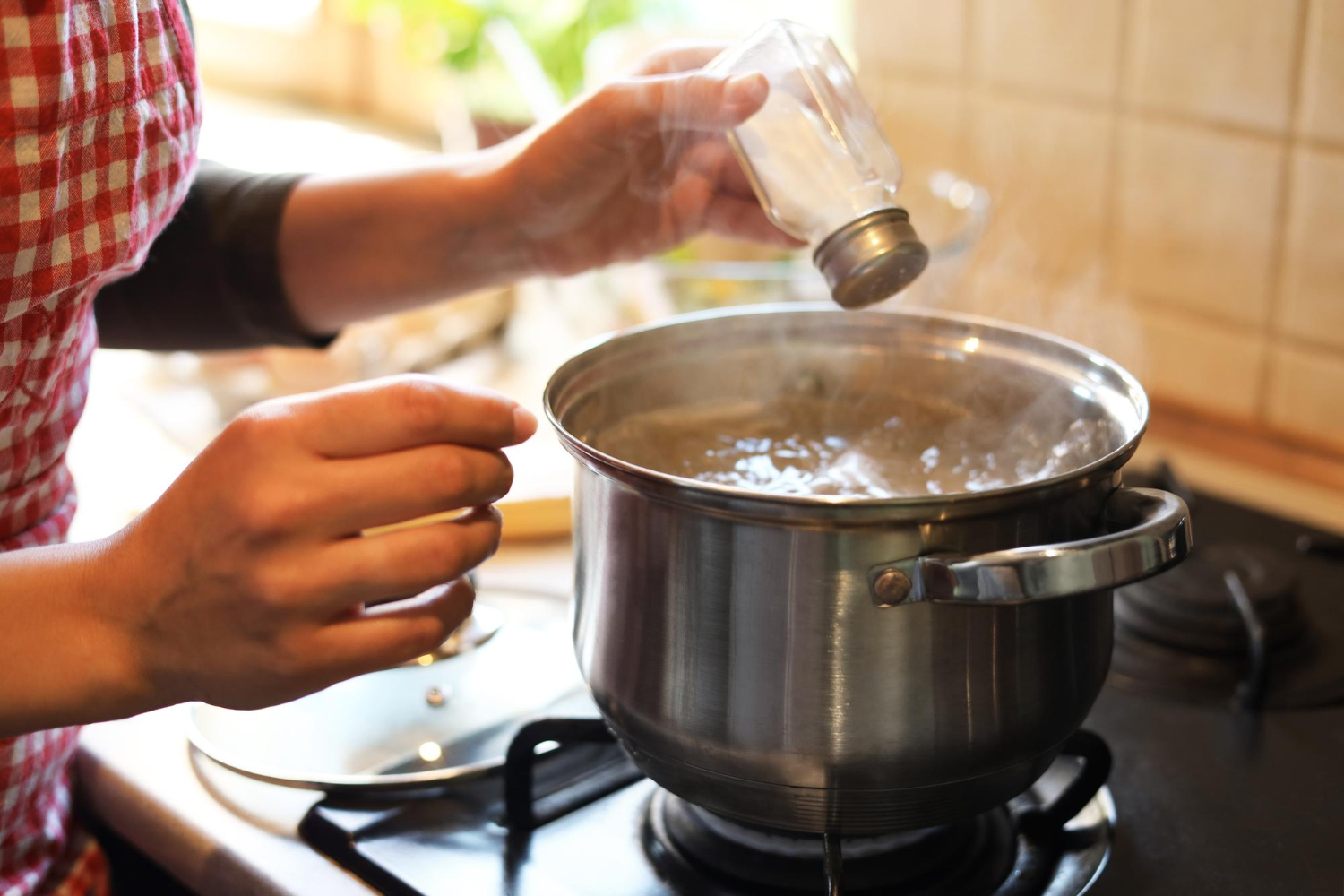
A dish short of salt does not taste unsalted; it tastes flat, dull or incomplete, which is why people frequently add other things trying to fix a salt problem.
That misdiagnosis is extremely common. Flatness is the symptom that salt is the answer to more often than not.
15. Expensive Salt Is Mostly the Same Salt
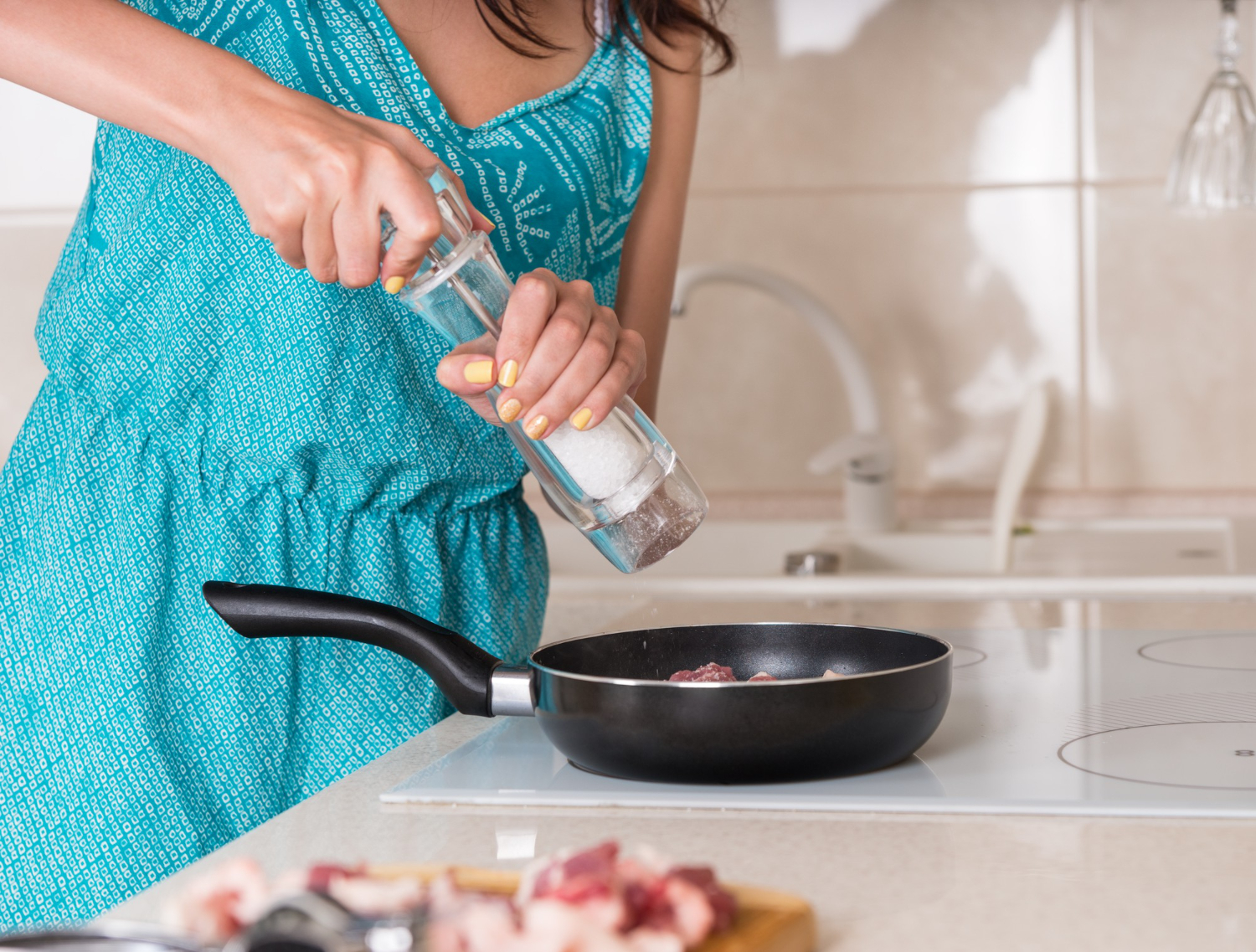
Different salts vary in crystal shape, texture and trace minerals, which affects how they feel and how they dissolve, and the compound doing the work is the same in all of them.
Finishing salts are bought for texture and appearance rather than for a different flavour. Salt provenance is the difference that matters less than the marketing suggests.
The Most Used and Least Understood
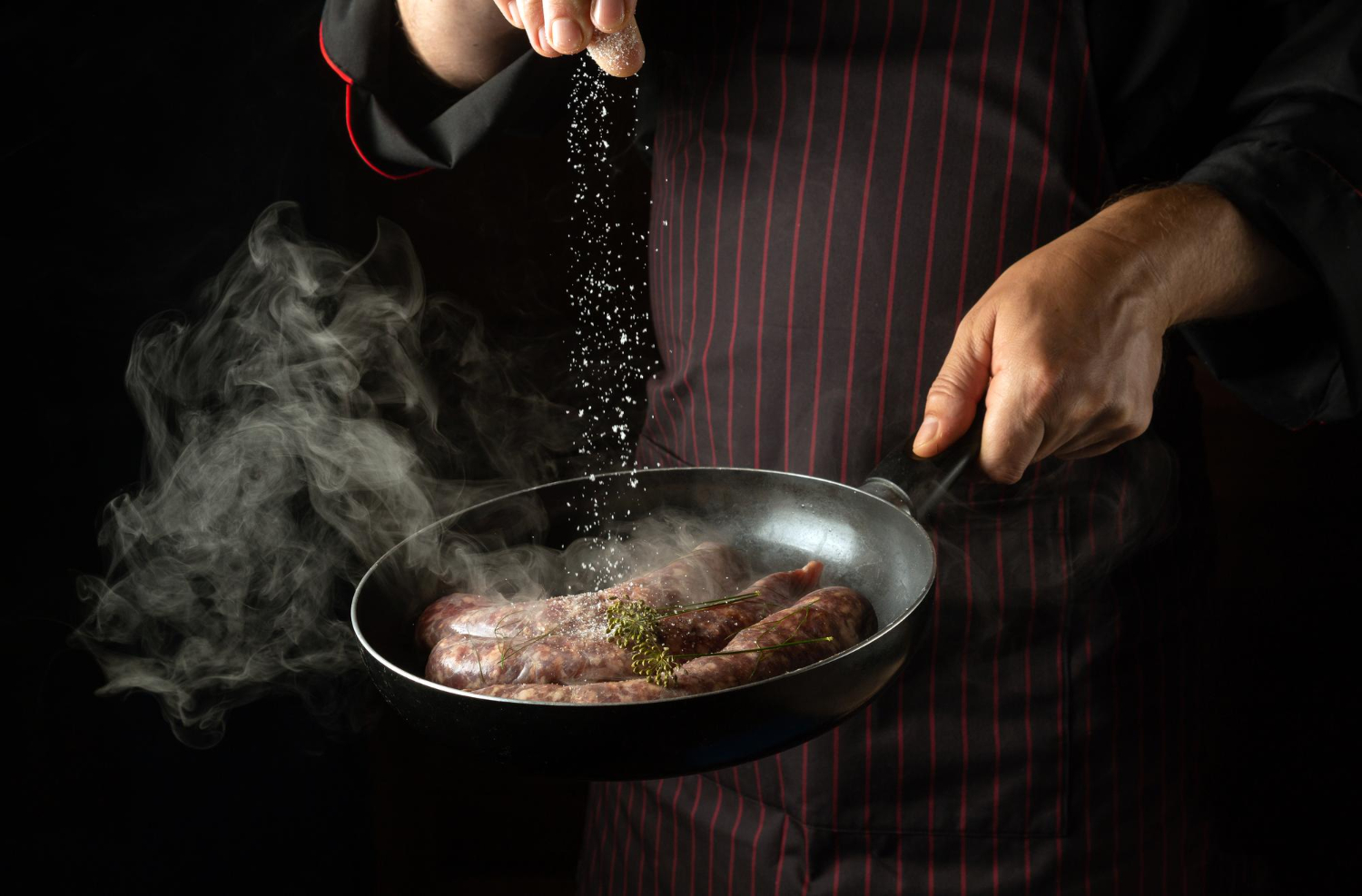
Suppressing bitterness, enhancing sweetness, drawing water, firming protein, controlling dough, preserving and penetrating – almost none of which is what anybody thinks they are adding it for.
The single most useful item is the fourteenth. When a dish tastes flat, incomplete or somehow missing something, the instinct is to add an ingredient – and the answer is very frequently salt, which is doing seven other jobs at the same time and getting credit for none of them.
Like our content? Follow us for more.