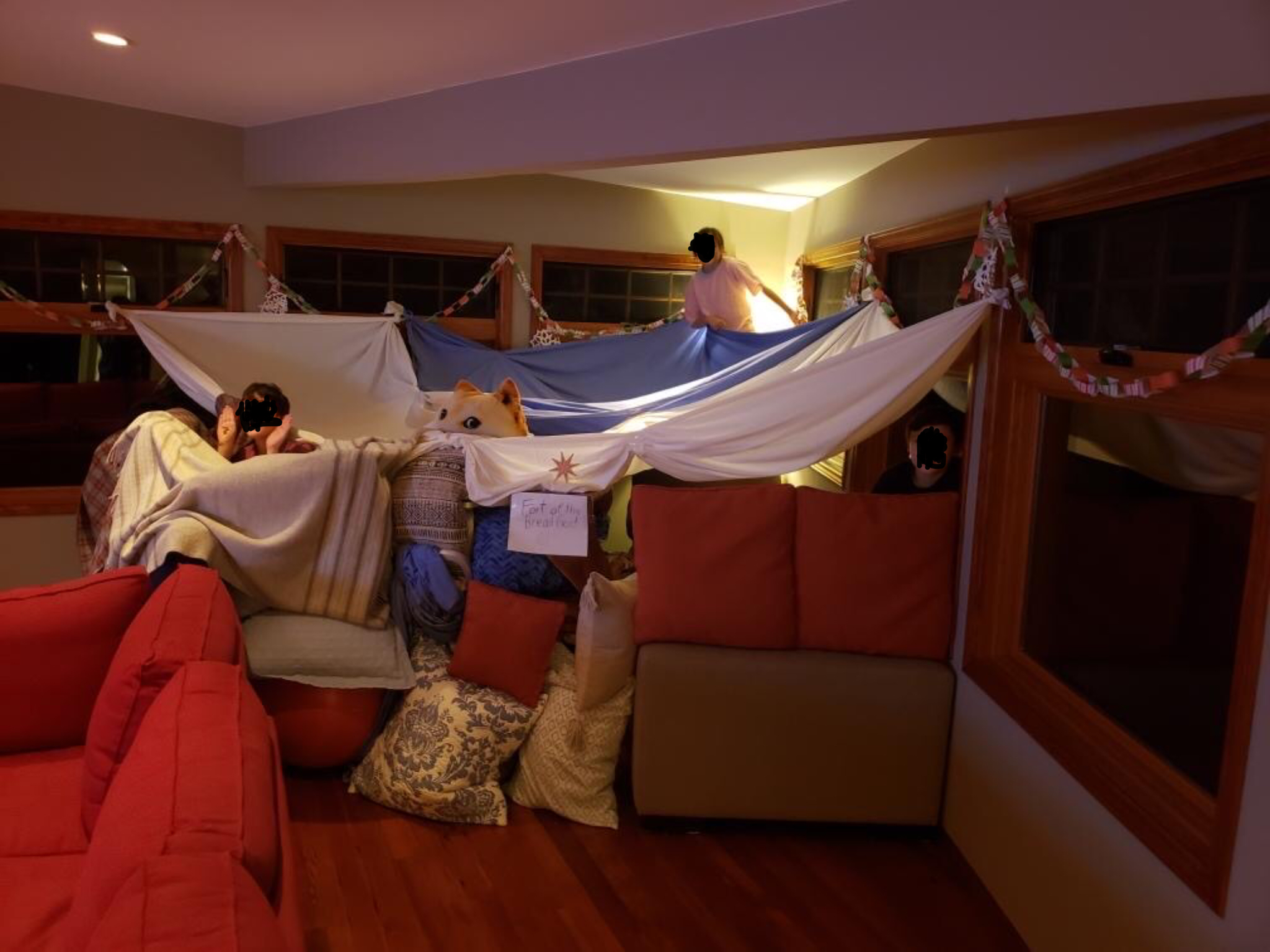
A den was never really about shelter. It was about having somewhere that belonged to you, made by you, that adults had not designed – which is why the building mattered more than the result. Here are twelve.
1. The Materials Were Whatever Was Not Being Used
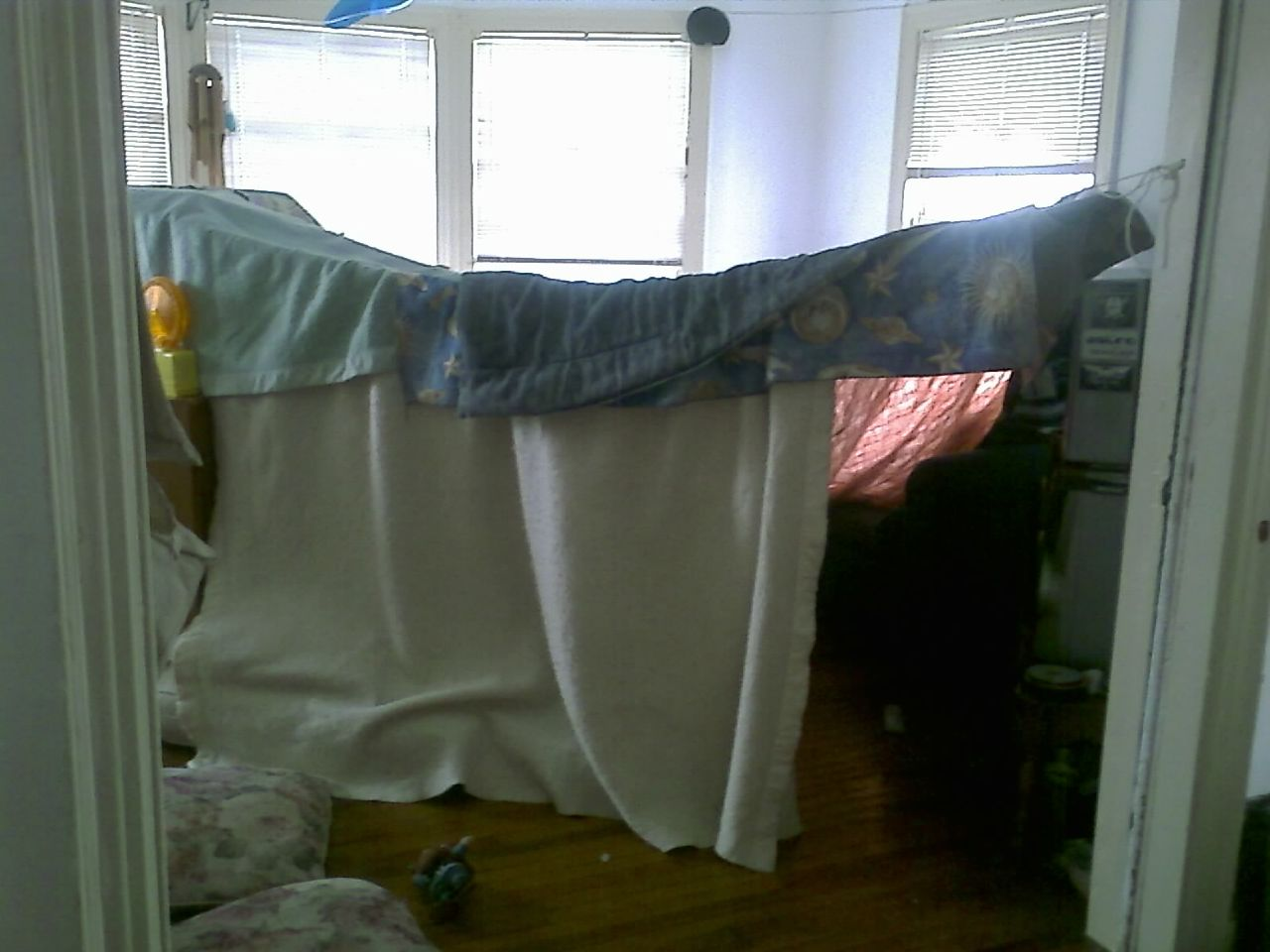
Blankets, cushions, chairs, a clothes horse, pallets, branches, a sheet of corrugated something, and anything that could be dragged from where it was supposed to be.
Nothing was bought and everything was borrowed. Improvised materials are the den principle that made every one different.
Like our content? Follow us for more.
2. The Indoor Version Used the Furniture
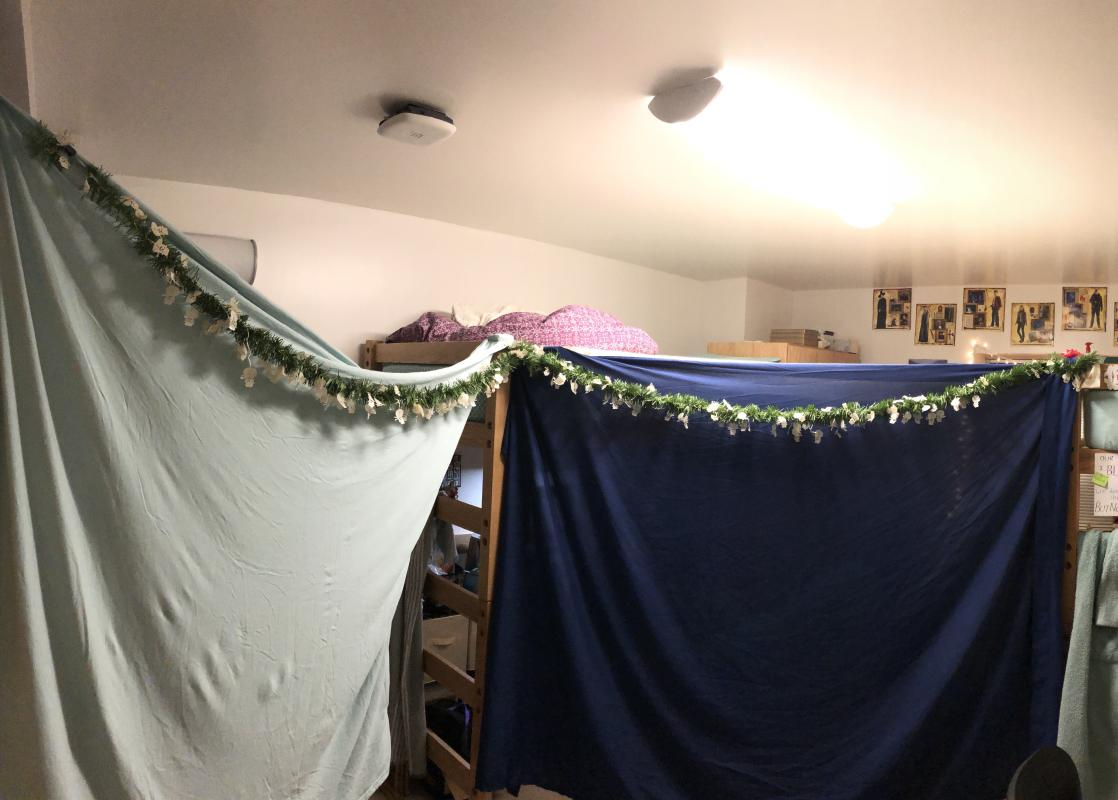
Chairs pulled together, a blanket over the top, cushions along the edges to hold it down, and the whole sitting room reorganised around it.
It had to come down before the evening. The indoor den is the version with a deadline attached.
3. Structural Failure Was Constant

The roof sagged, the blanket slipped, a chair moved, and the whole thing came down, generally onto whoever was inside.
Rebuilding was most of the activity. Collapse is the den event that happened repeatedly and was never discouraging.
4. The Doorway Was Always the Problem

Getting in and out without demolishing the entrance defeated every design, and the solution was invariably a flap that did not work.
Entering required a specific technique. The entrance is the den component nobody ever solved.
5. It Was Too Small and That Was Correct

Dens were consistently built smaller than comfortable, because enclosure was the point and a spacious one felt wrong.
Two children was capacity. Deliberate smallness is the den quality that adults misunderstand.
6. Furnishing It With Things From the House

Once built, the interior had to be equipped – a cushion, a torch, a tin, a comic, something to eat – all removed from elsewhere without permission.
The furnishing took longer than the construction. Equipping the interior is the den stage that turned a structure into a place.
7. The Torch
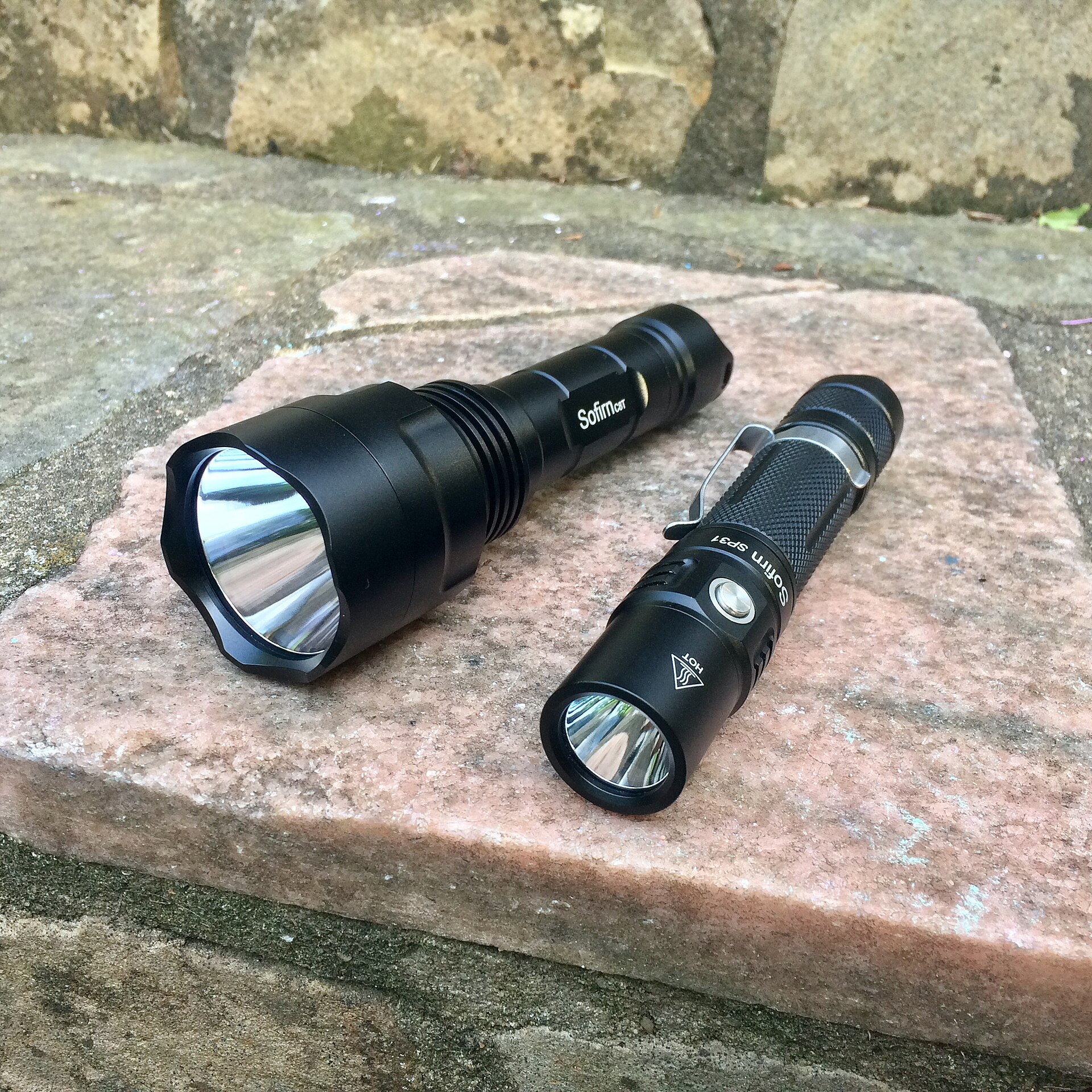
Artificial light inside a dark enclosed space was the single most important item, and a torch with working batteries was a substantial asset.
It was left on and flattened by morning. The torch is the den object with the highest value and the shortest life.
8. Nobody Knowing Exactly Where You Were

Outdoor dens were built at some distance, in whatever ground was available, and adults knew the general area rather than the location.
That was the ordinary arrangement of the time. Being roughly locatable is the den condition that made it truly yours.
9. Rules About Who Was Allowed In

Membership was determined, enforced and revised, and admission involved conditions that were invented on the spot and defended absolutely.
Exclusion was the primary use of the structure. Entry rules are the den institution that appeared before the roof did.
10. Coming Back to Find It Gone

Outdoor dens were dismantled by weather, by adults, by other children or by the landowner, and returning to find nothing was a specific disappointment.
Nothing could be done about it. The destroyed den is the loss every builder experienced.
11. Building It Was Better Than Being In It

Once finished, there was very little to do inside, and the interest had been almost entirely in the construction.
Most dens were abandoned within an hour of completion. Construction over occupation is the den truth that took years to notice.
12. Every Child Does This

Building enclosed spaces from available material appears wherever children have access to objects and time, without instruction and across entirely unconnected places.
Nobody teaches it and everybody does it. The universality is the den fact that suggests something more than imitation.
A Structure That Was Never the Point

The den mattered because it was made rather than provided, small rather than comfortable, and governed by rules its builders invented – and almost none of that required it to work as a shelter.
The eleventh item is the one that stays with people. Hours of effort produced something occupied for twenty minutes and then abandoned, and nobody involved regarded that as a failure – because the building was the activity, and the finished den was simply proof that it had happened.
Like our content? Follow us for more.