

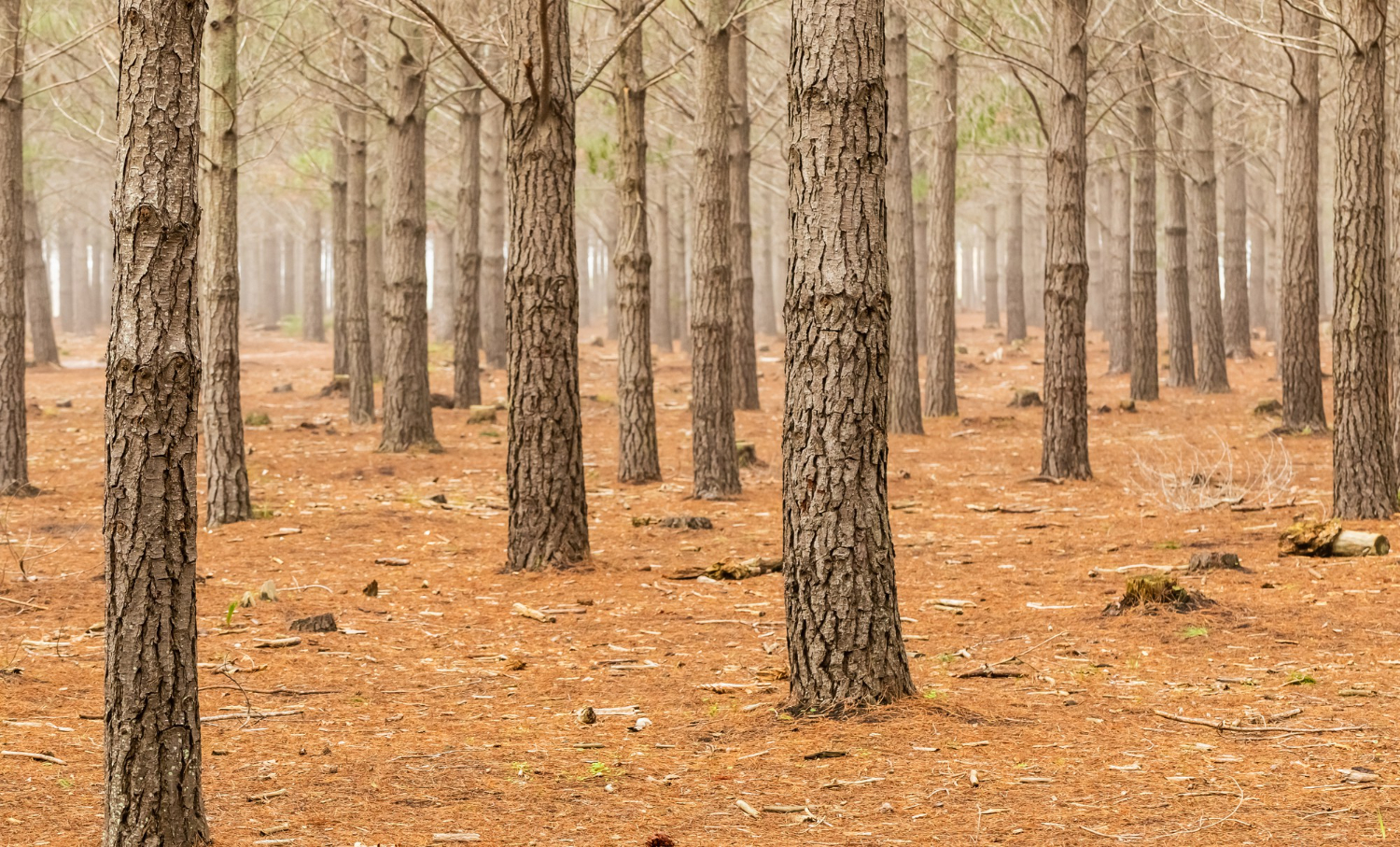
The single most useful habit is to look at how the trees meet the ground. Multiple stems from one base, a swollen top on a short trunk, or a single straight trunk each mean something entirely different happened here. Here are seventeen.
1. Several Stems From One Base
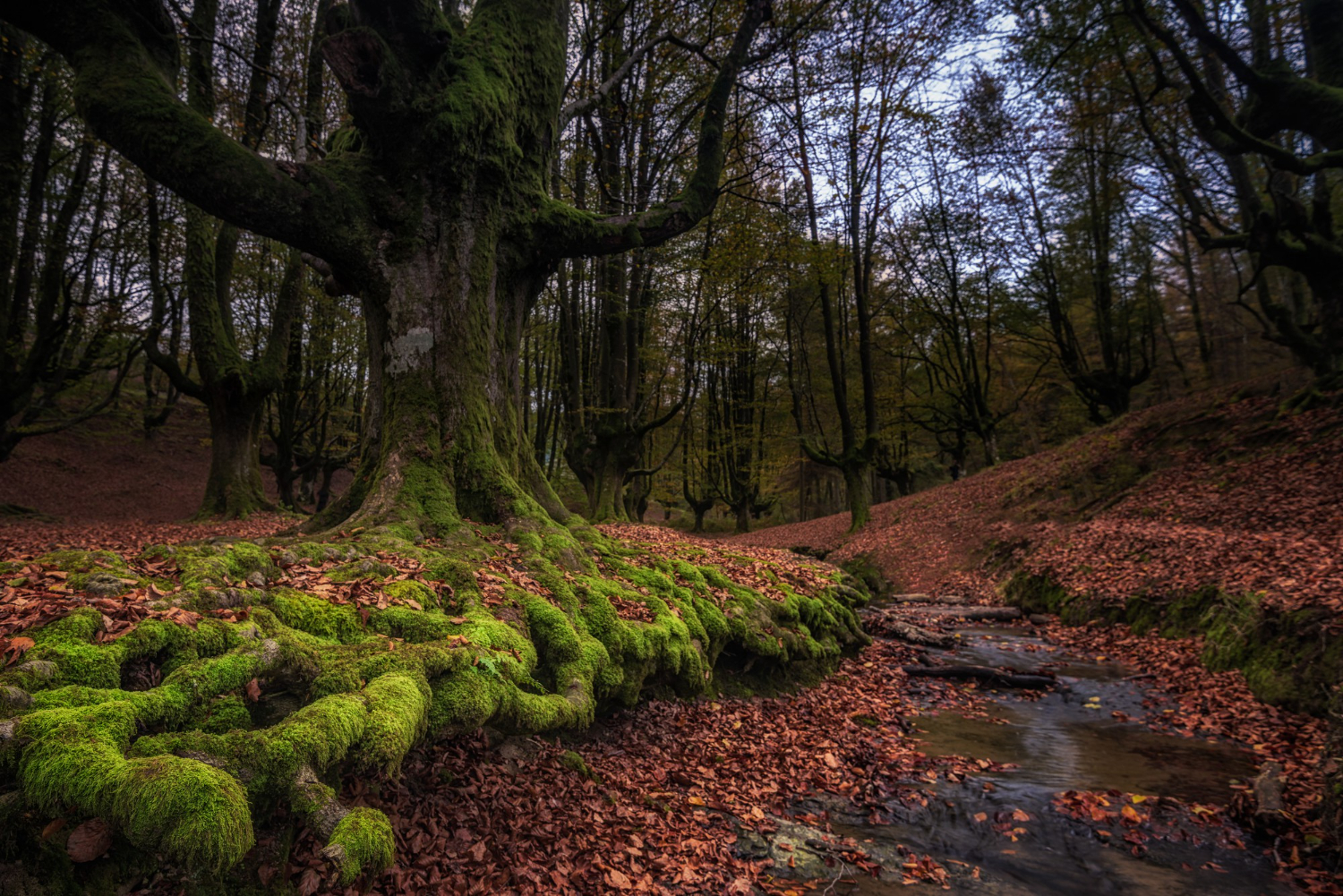
Cutting a broadleaf tree to the ground does not kill it; it produces vigorous regrowth from the stump, and repeating that on a cycle yields a permanent crop of straight poles.
A multi-stemmed base is the signature. Coppice regrowth is the technique behind most of what follows.
Like our content? Follow us for more.
2. The Stool Is Older Than Anything Above It
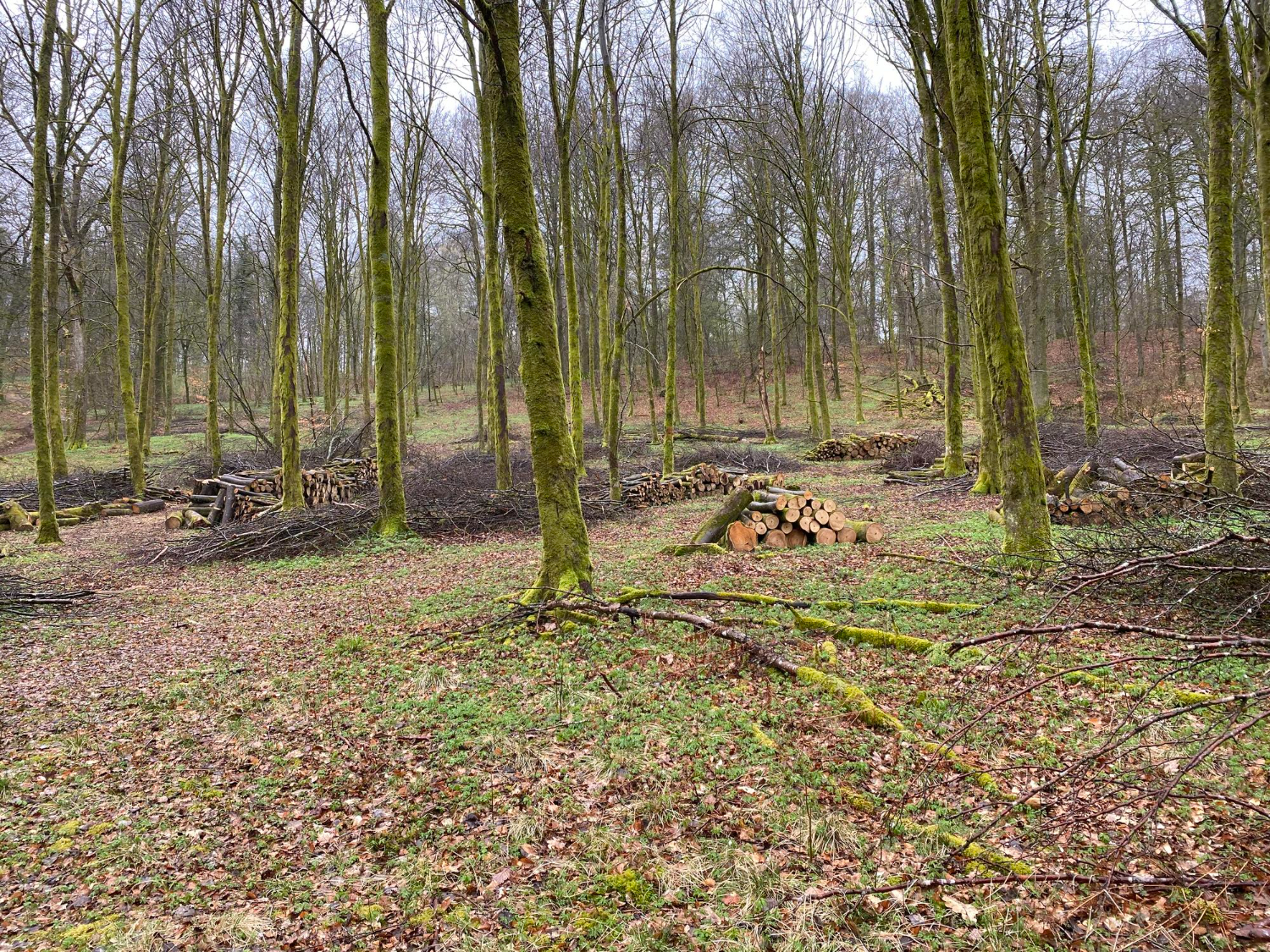
Because the stump survives every cutting, a coppice stool can be many centuries old while nothing standing on it is more than a few decades.
Some are among the oldest living things in a landscape. The ancient stool is the tree whose age is entirely underground.
3. Cut Above the Animals Instead
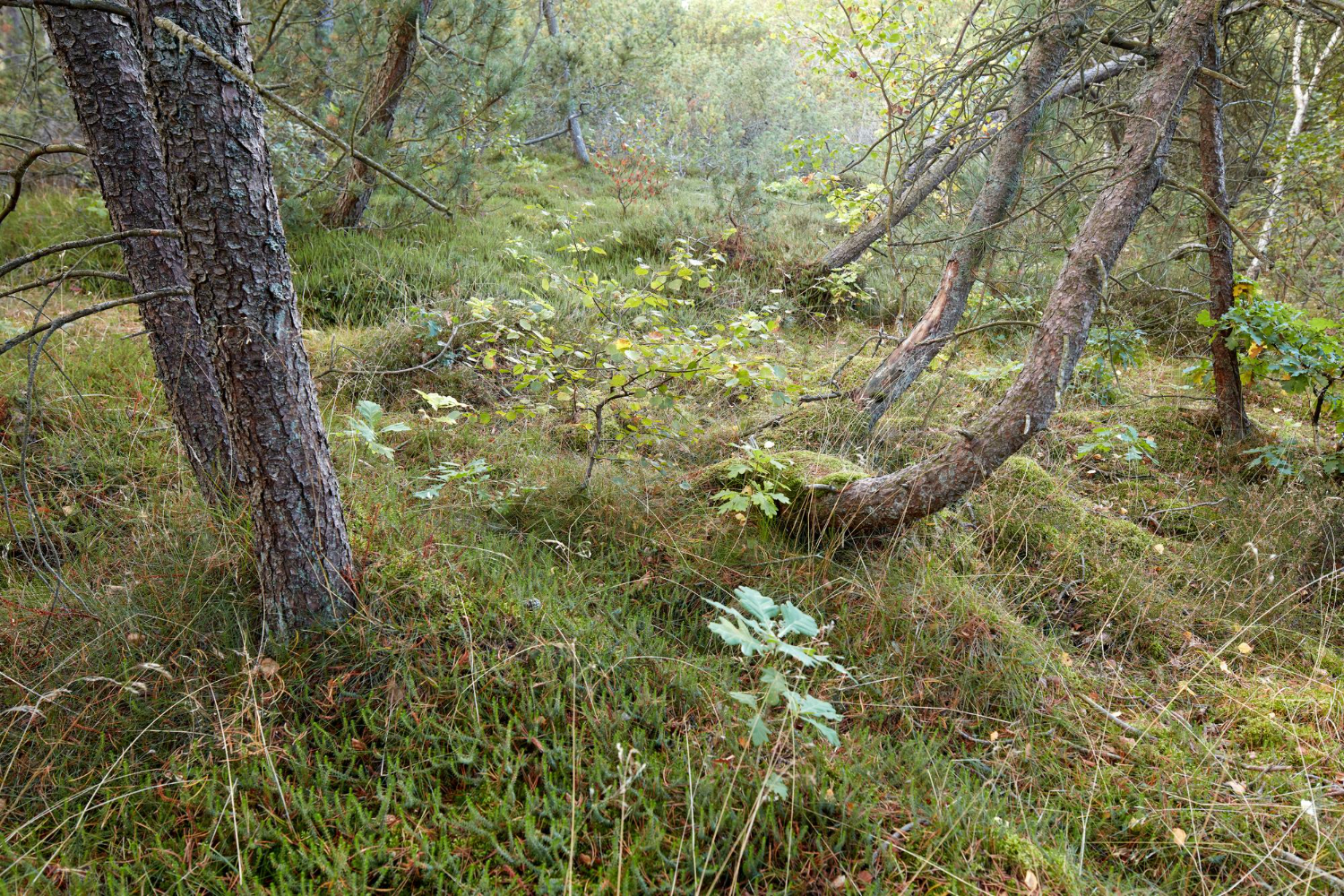
Where livestock graze, cutting at the base would let them eat the regrowth, so trees were cut at head height and regrew from there.
The result is a short thick trunk with a crown of poles on top. Pollarding is the version adapted to a wood that is also a pasture.
4. The Wood That Is Also a Field
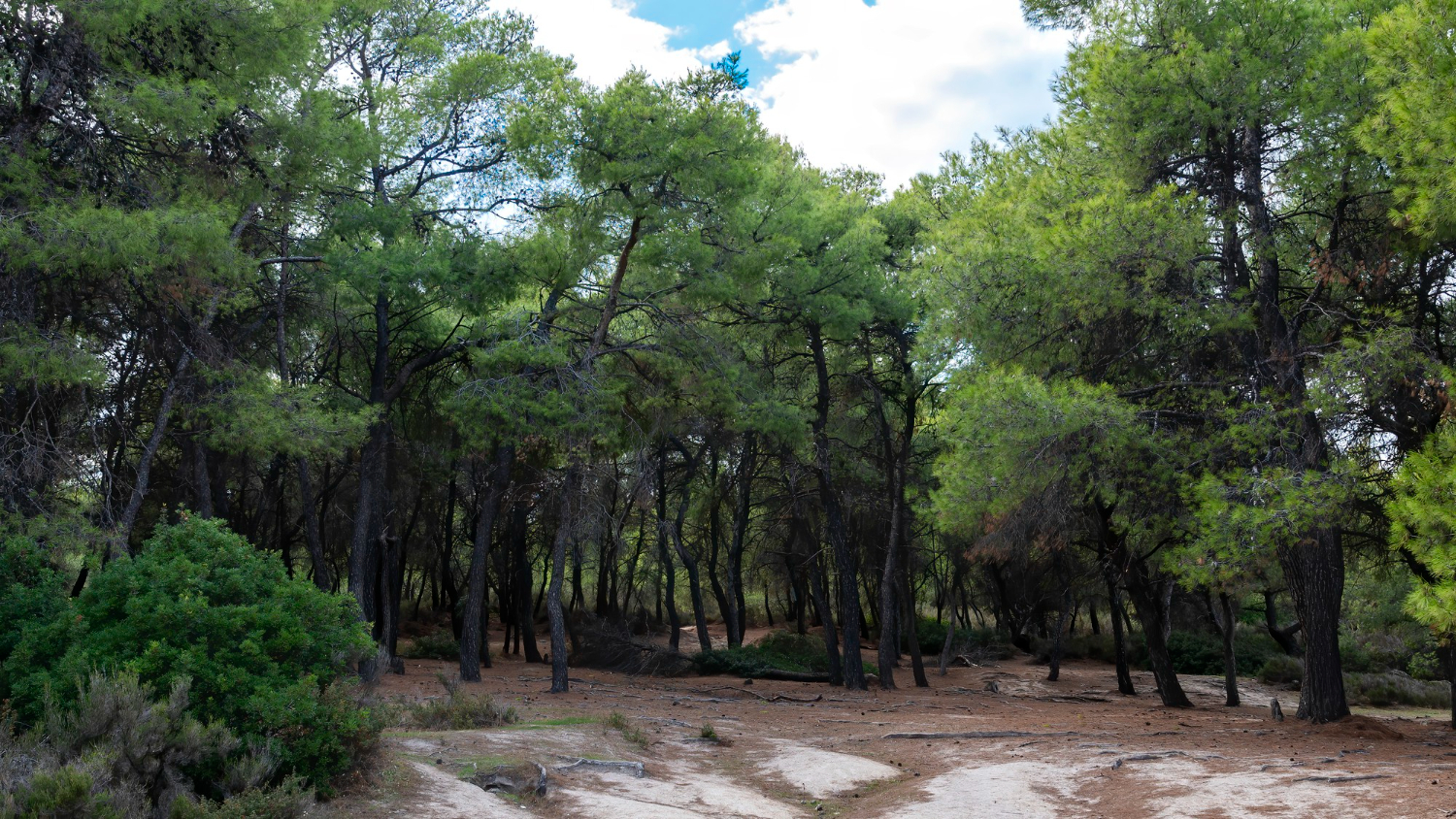
Widely spaced trees with grass and grazing beneath, producing timber, shade, shelter and pasture simultaneously from the same ground.
It is neither woodland nor field and is both. Wood pasture is the arrangement that refuses the categories.
5. The Tall Ones Left Standing
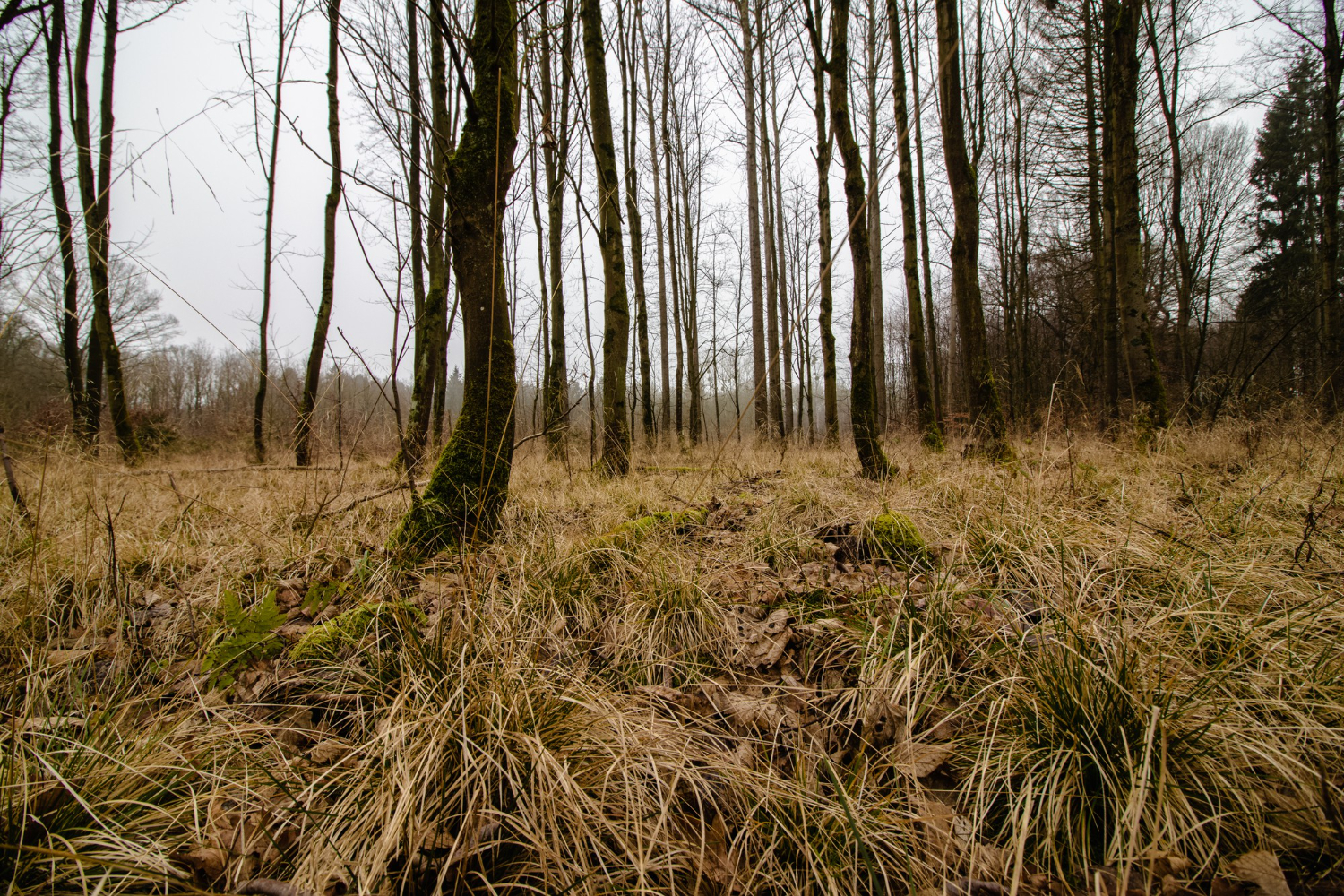
Among coppice, occasional trees were left uncut to grow to timber size for structural work, producing a two-storey wood.
They are conspicuous once you know to look. Standards among coppice are the trees deliberately exempted from the cycle.
6. The Rotation Depended on the Product
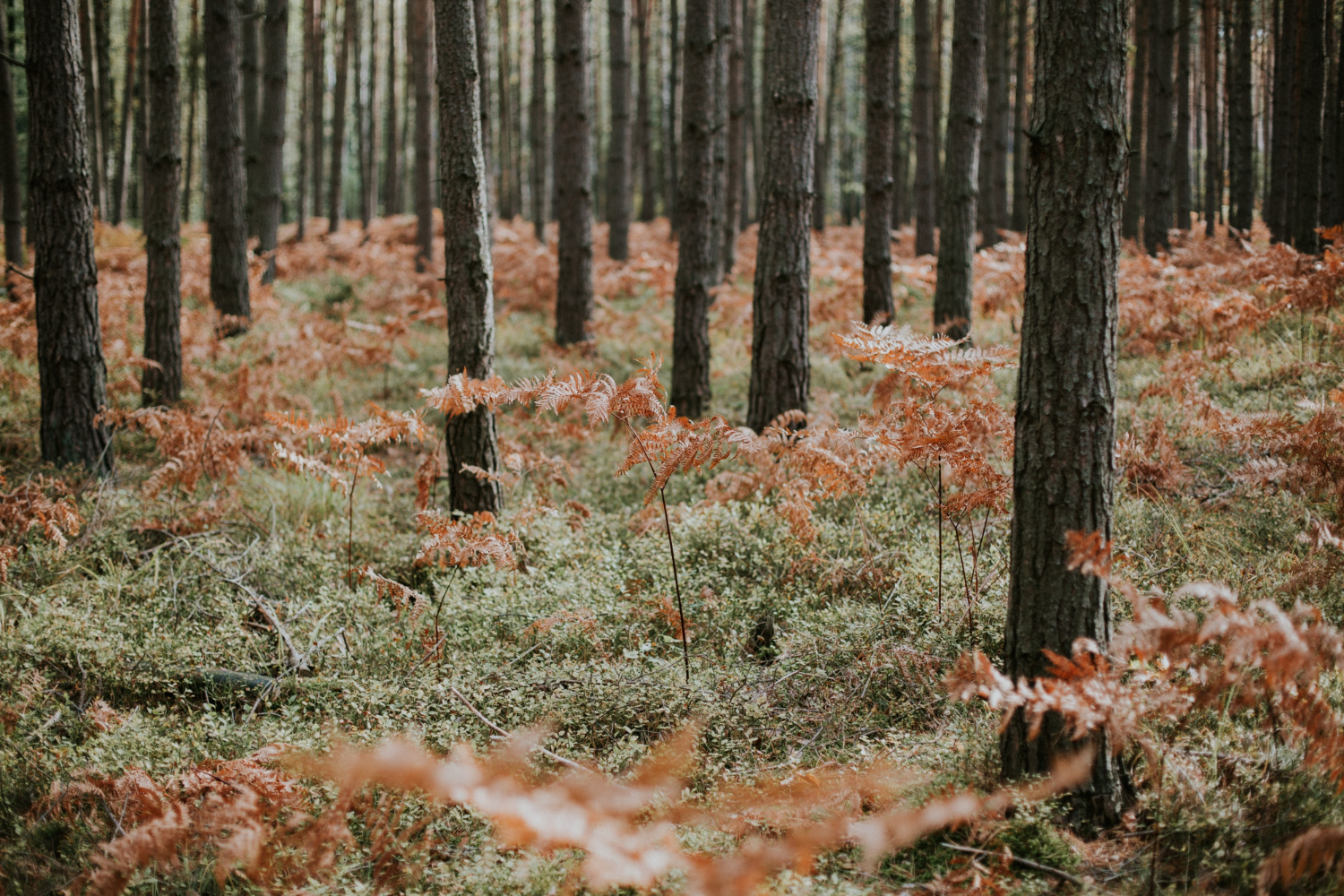
Thin rods for weaving needed a short cycle; poles for fencing needed longer; anything structural longer again – so cutting interval was set by what the wood was for.
A wood was a factory with a schedule. Rotation length is the decision that determined everything about how a wood looked.
7. The Cycle Made a Patchwork
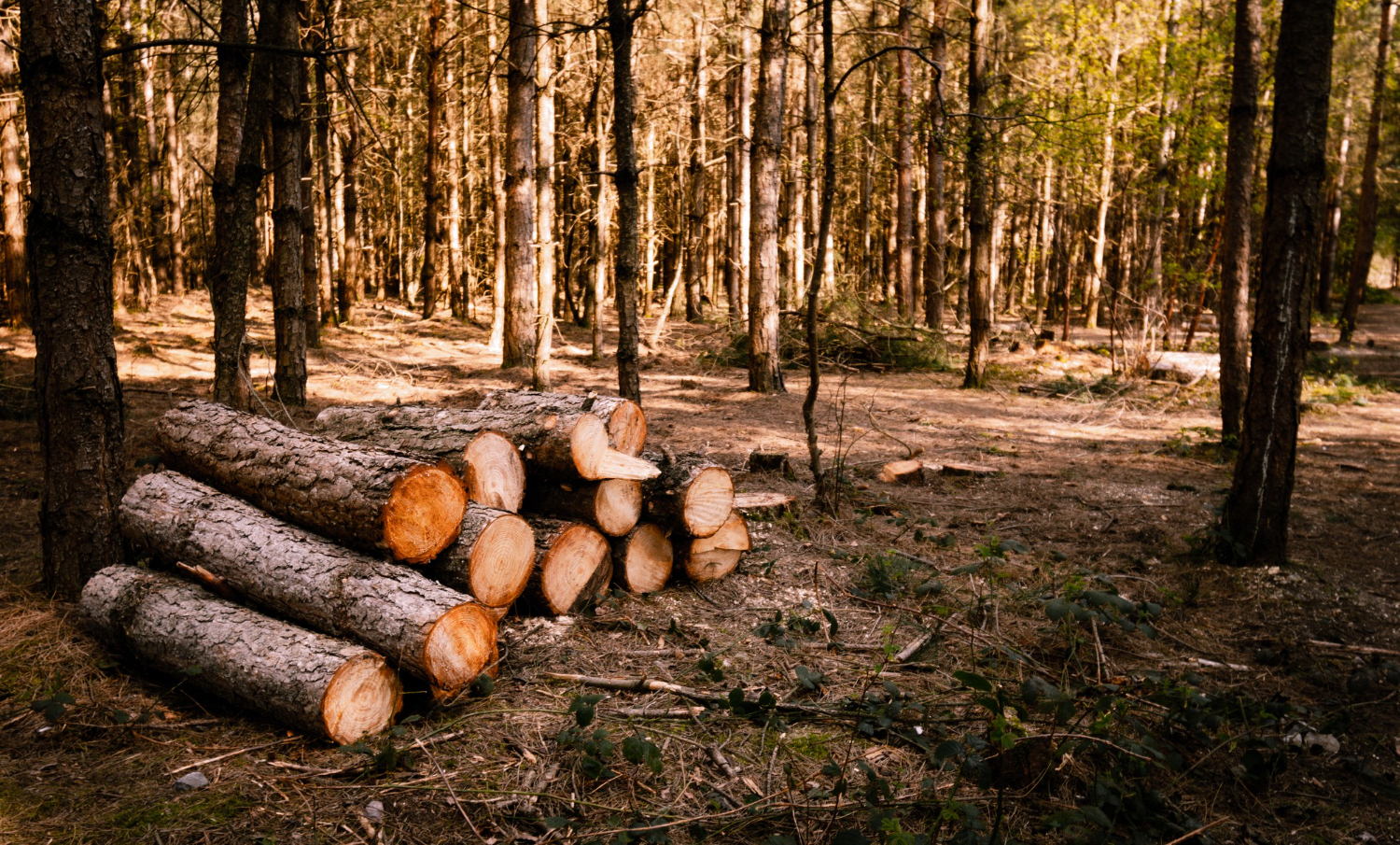
Cutting different sections in different years produced a wood containing every stage at once – open ground, dense regrowth, closing canopy – side by side.
Nothing was ever all the same age. The rotational patchwork is the structure that makes a worked wood look untidy and function well.
8. Which Is Why Certain Species Depend on It
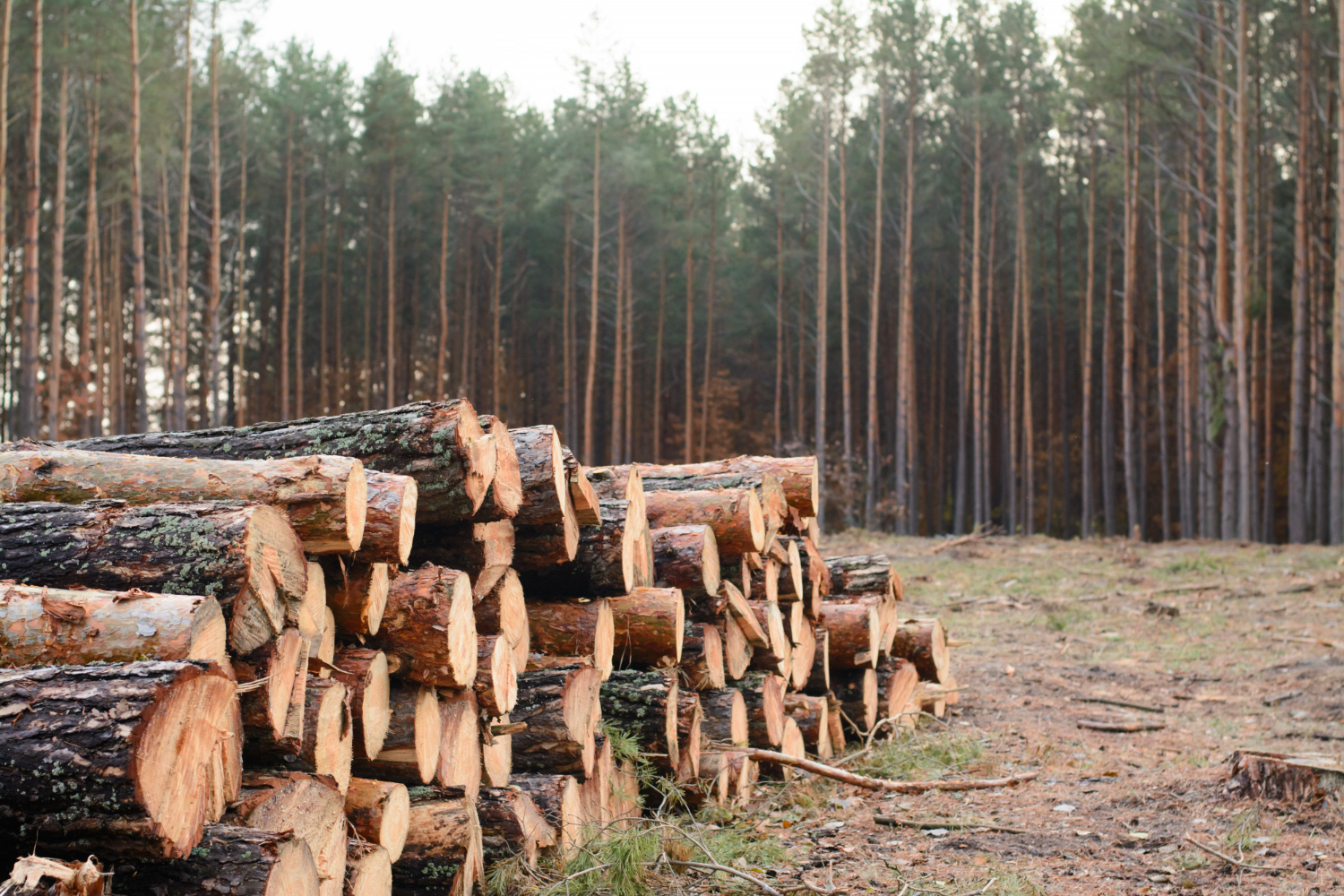
Plants and insects needing open sunlit ground survived in woods because coppicing repeatedly created it, and declined when the cutting stopped.
Their presence indicates active management rather than wilderness. Disturbance species are the wildlife that needs the work to continue.
9. The Plants That Take Centuries to Arrive
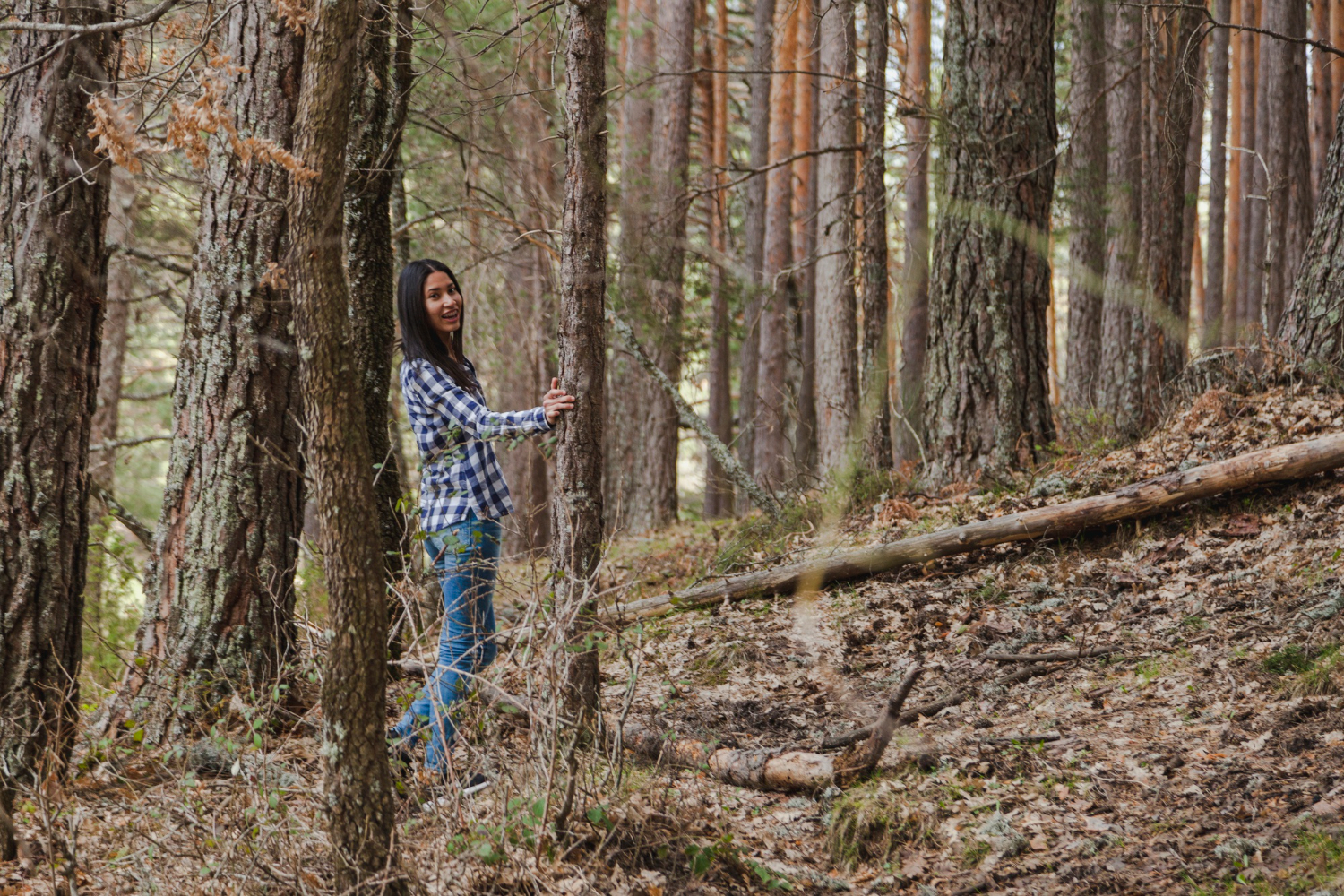
Some woodland plants spread extremely slowly and are effectively absent from anything recently planted, so their presence indicates long continuity of tree cover.
Ecologists use them as indicators. Slow-colonising plants are the evidence that a wood is truly old.
10. The Bank Around the Edge
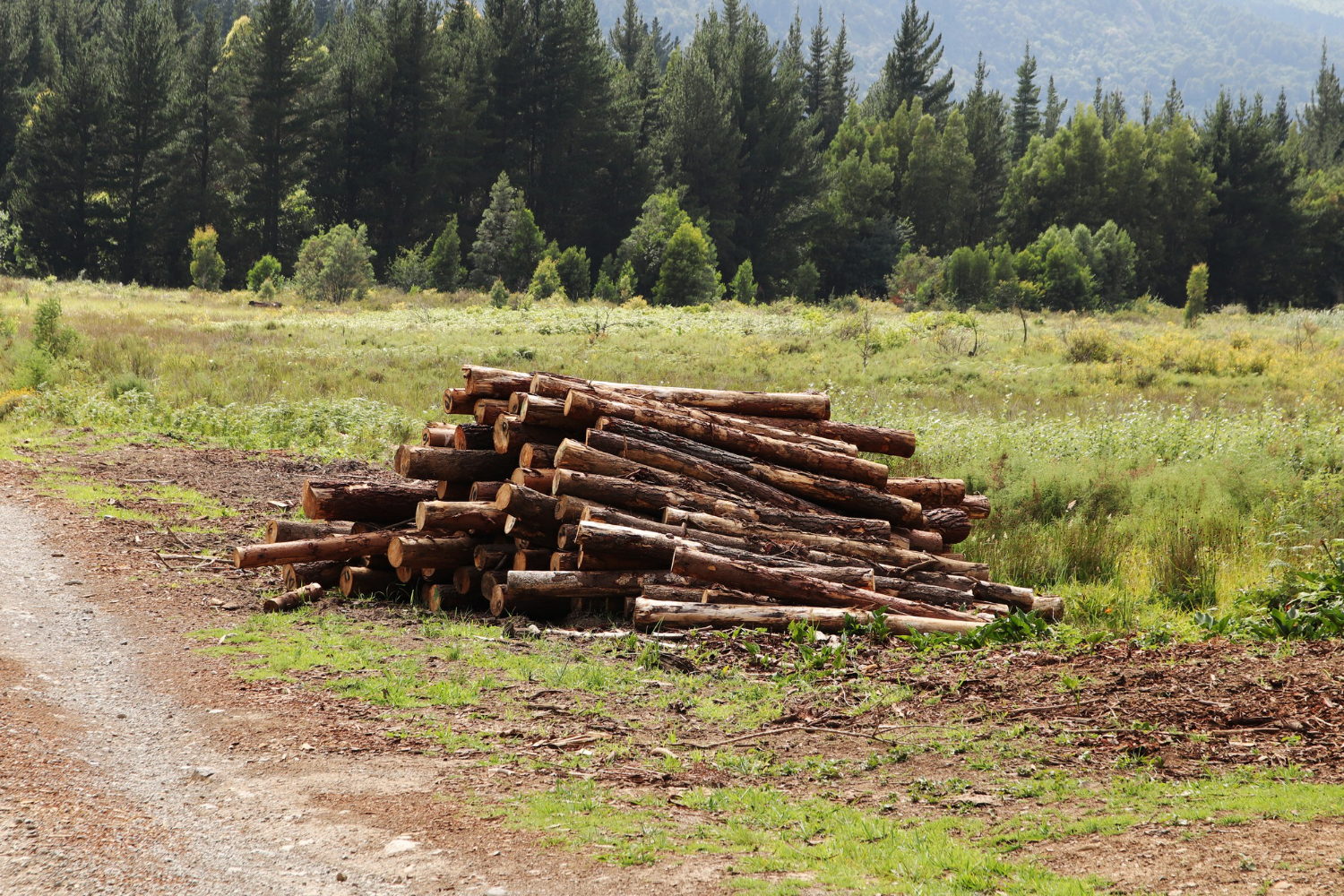
A raised earth bank with an outer ditch marks a historic woodland boundary, built to keep livestock out and mark ownership.
They survive long after the hedge on top has gone. The woodbank is the boundary that outlasted the wood it enclosed.
11. The Wood That Made Charcoal
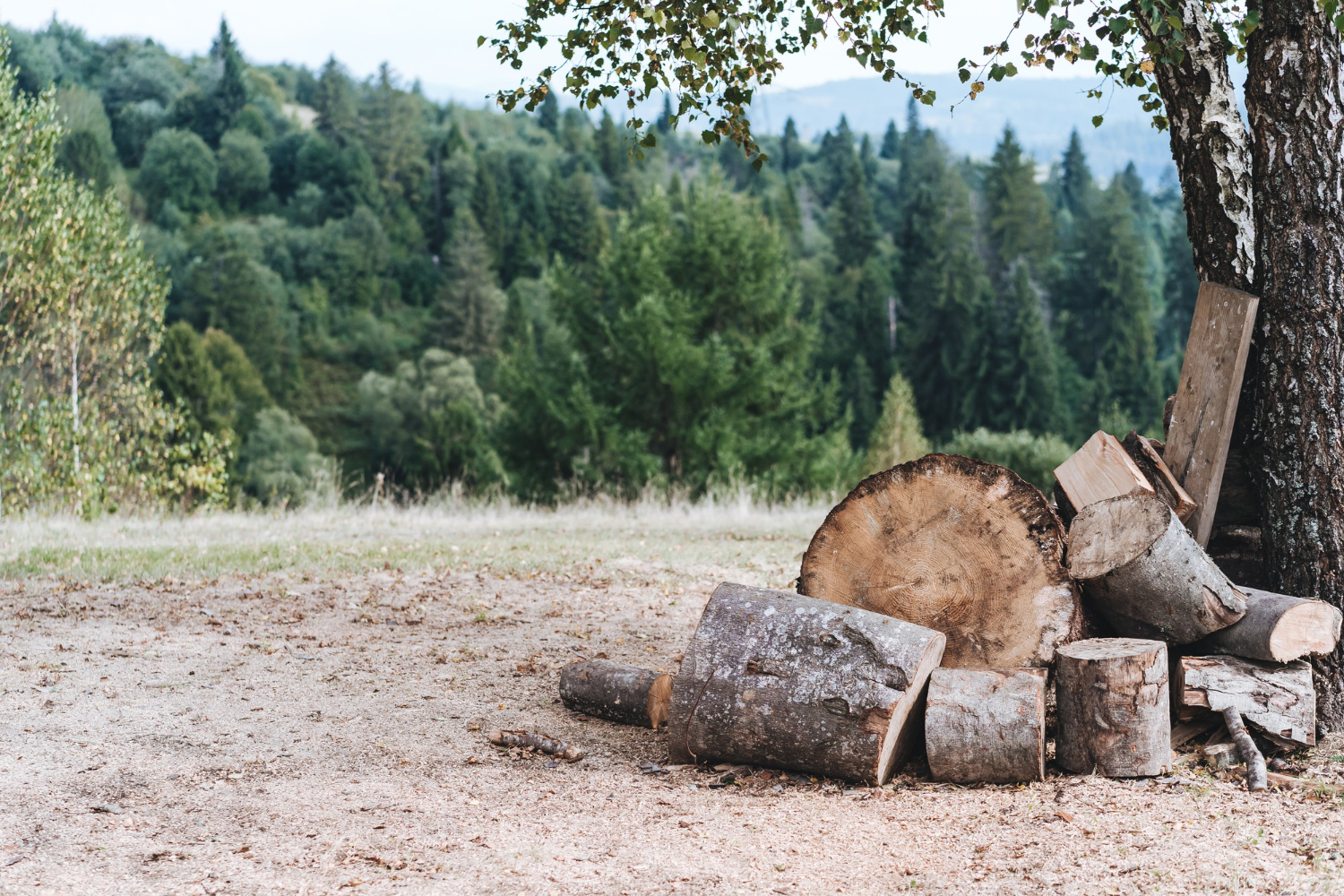
Producing charcoal required an enormous supply of small wood and was done in the wood itself, leaving circular level platforms where the burns were built.
Those platforms are still detectable. Charcoal hearths are the archaeology of an industry that happened among the trees.
12. The Wood Grown for Bark
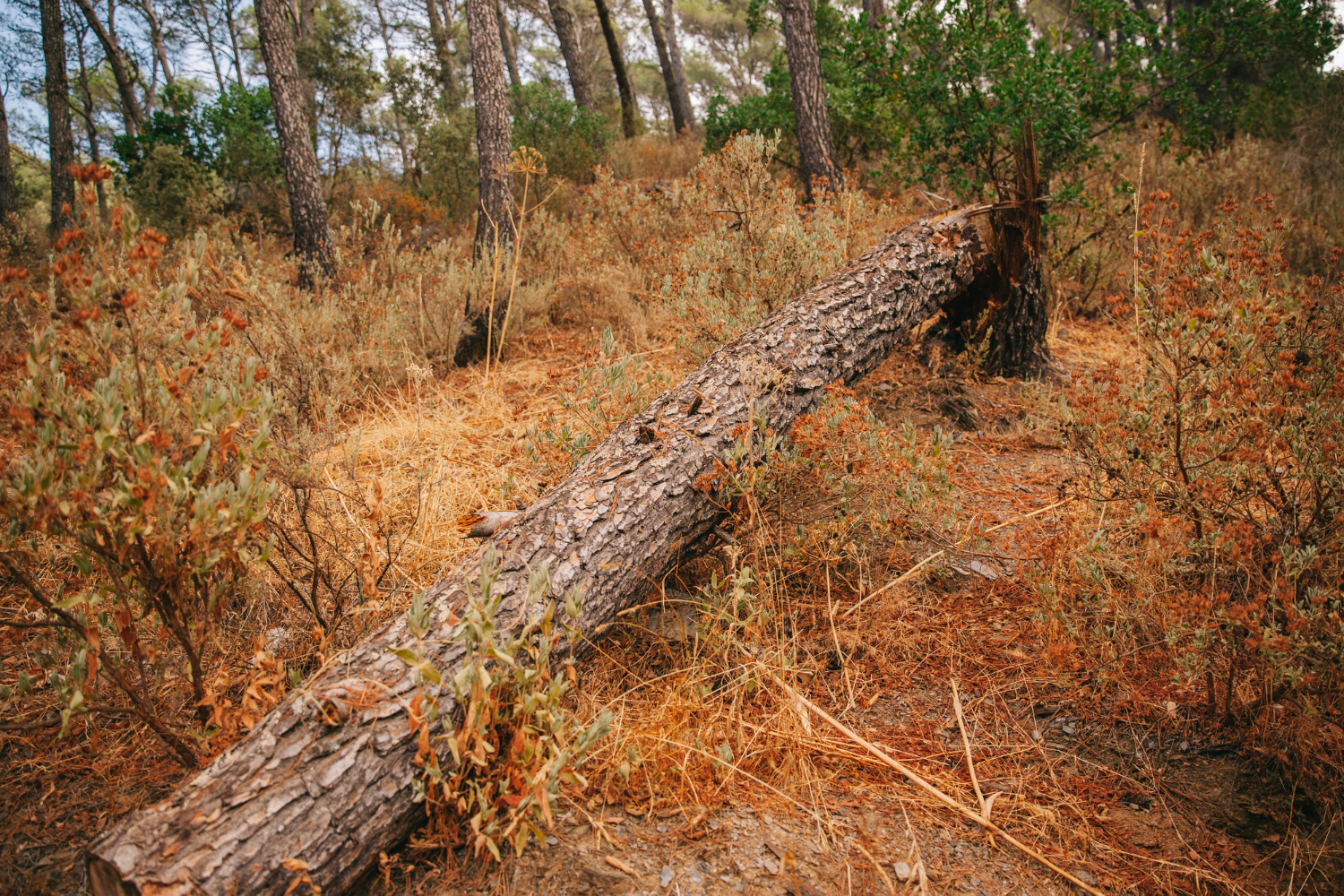
Certain species were managed principally for their bark, used in tanning, which required cutting at a particular season and produced a distinctive management pattern.
The industry collapsed and the woods remain. Tanbark coppice is the management whose purpose disappeared entirely.
13. The One Species Wood
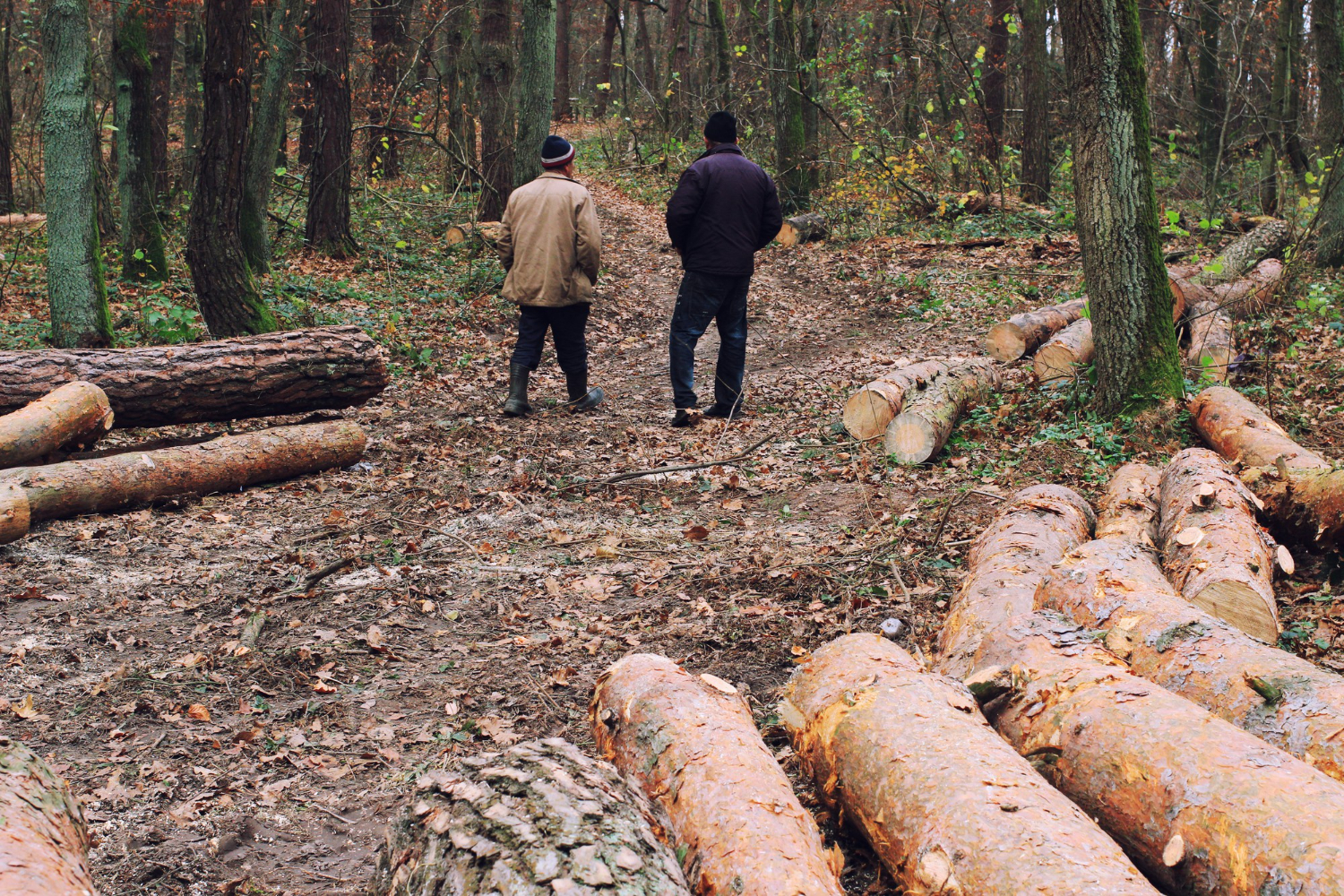
Some woods were dominated by a single species because a specific craft required it, and the composition is a record of what was being made nearby.
The wood tells you about the village. Single-species coppice is the composition that is a directory of local trades.
14. The Rows That Give It Away
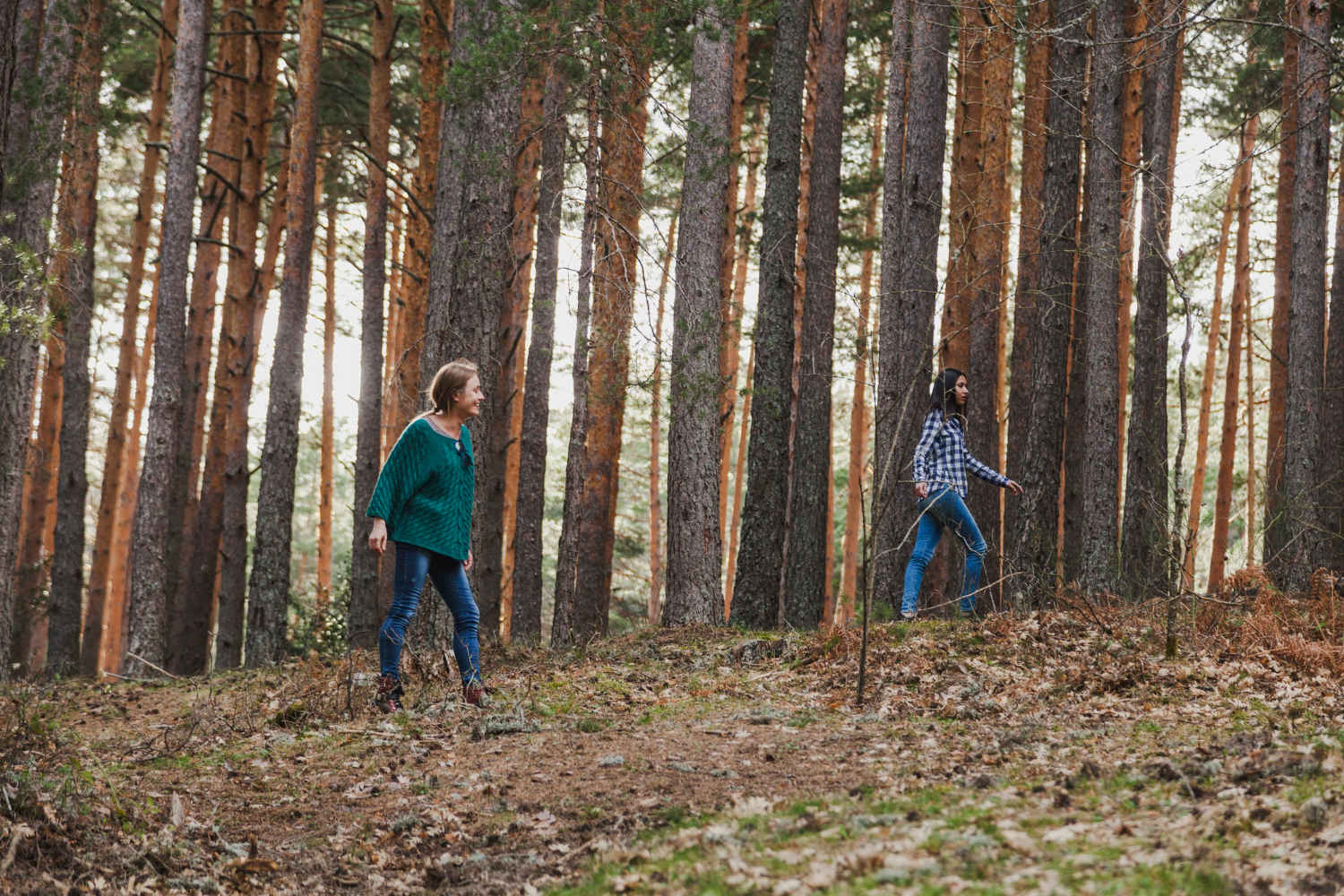
Trees in straight lines at regular spacing were planted, not seeded, and the geometry is the clearest possible indicator that a wood is recent.
Nature does not do rows. Regular spacing is the sign that requires no expertise at all.
15. The Plantation Is a Different Structure
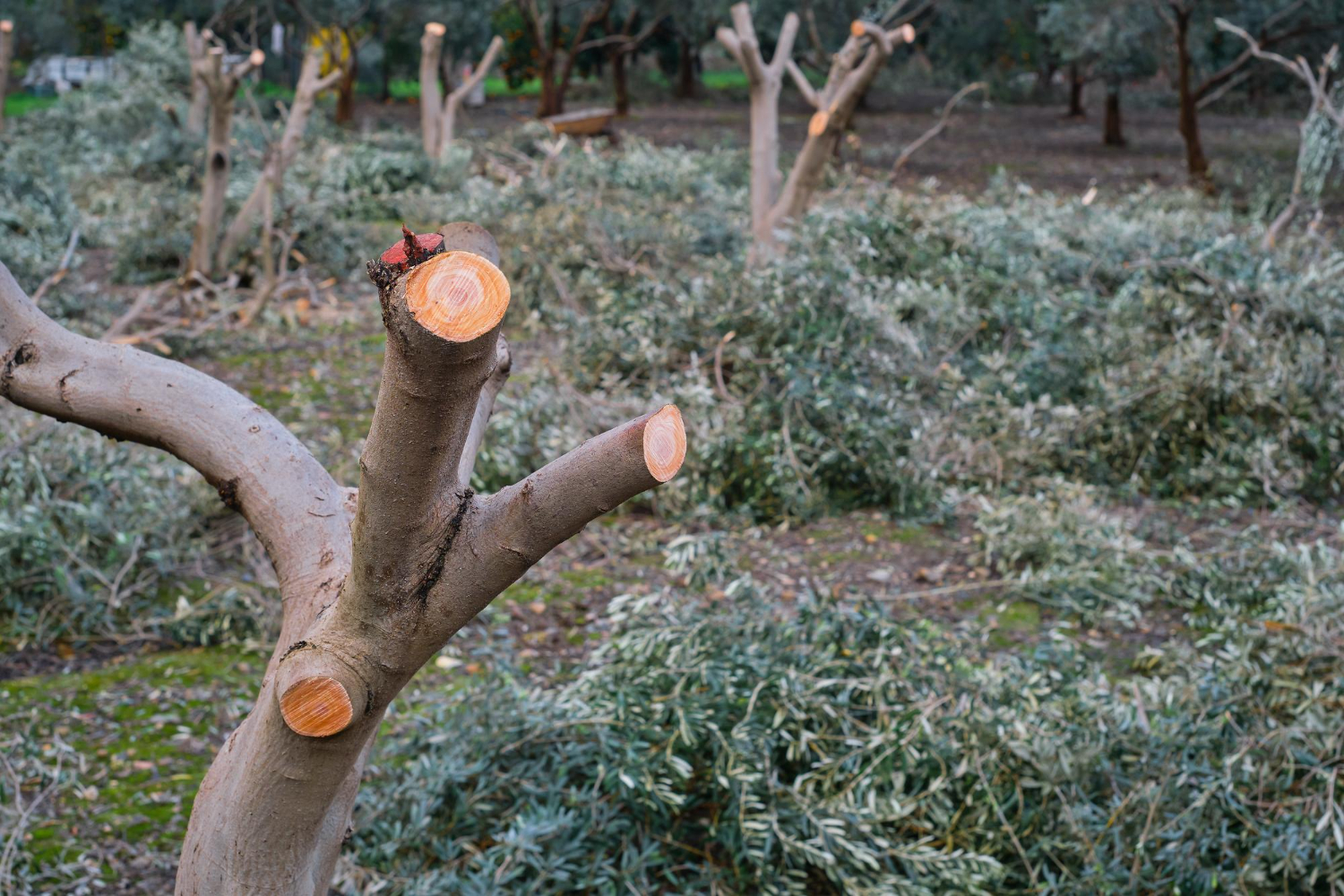
Dense evenly aged conifer produces deep shade, a bare floor and a simple structure that is not comparable to broadleaf woodland in any respect.
It is a crop rather than a habitat in the same sense. Even-aged plantation is the wood that works on a completely different model.
16. The Veterans
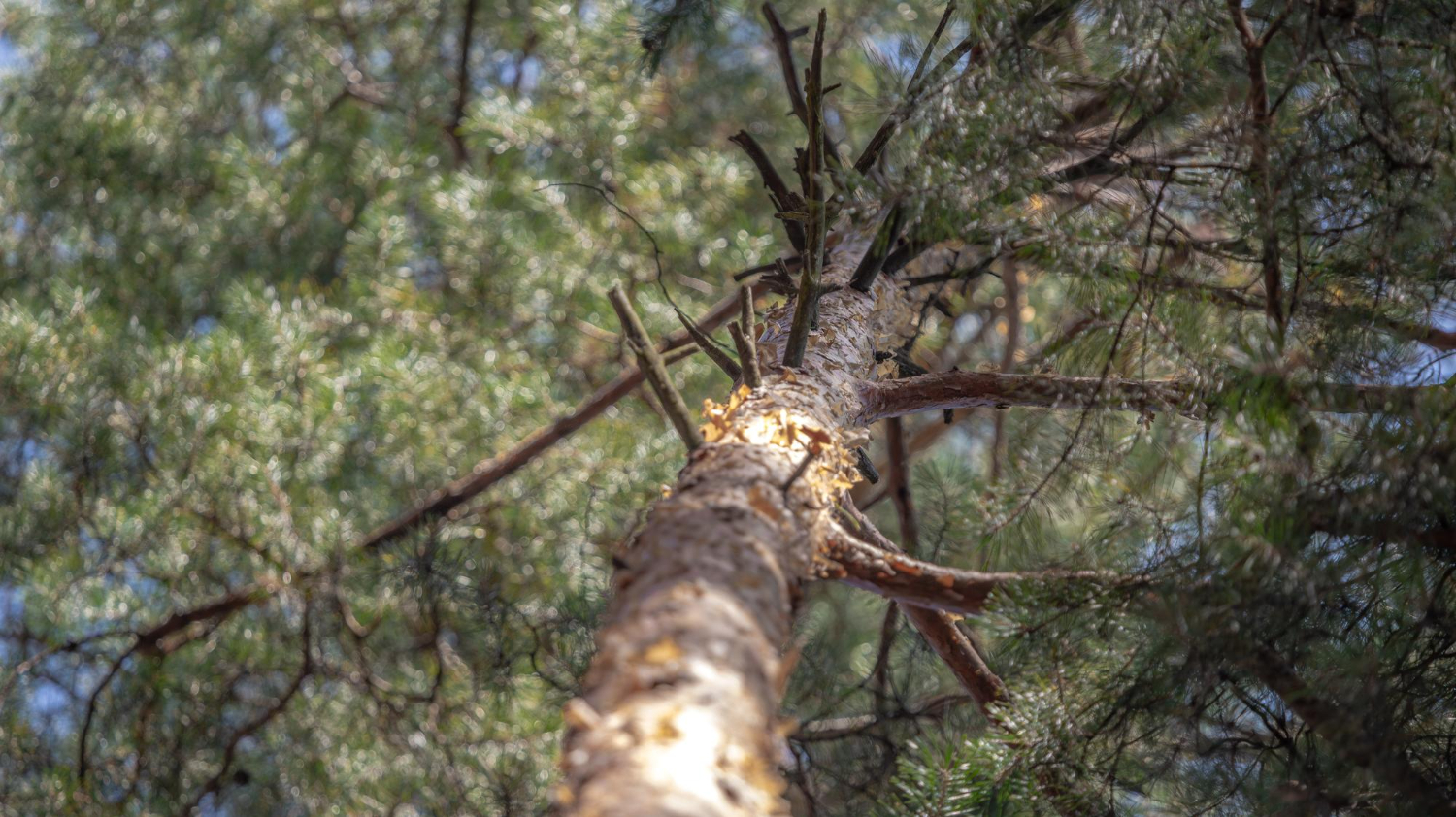
Very old trees, frequently hollow, support fungi, insects and other species that require decaying heartwood and cannot live anywhere else.
A hollow tree is a habitat rather than a dying one. Veteran trees are the woodland features whose value is in the decay.
17. The Coppice That Was Abandoned
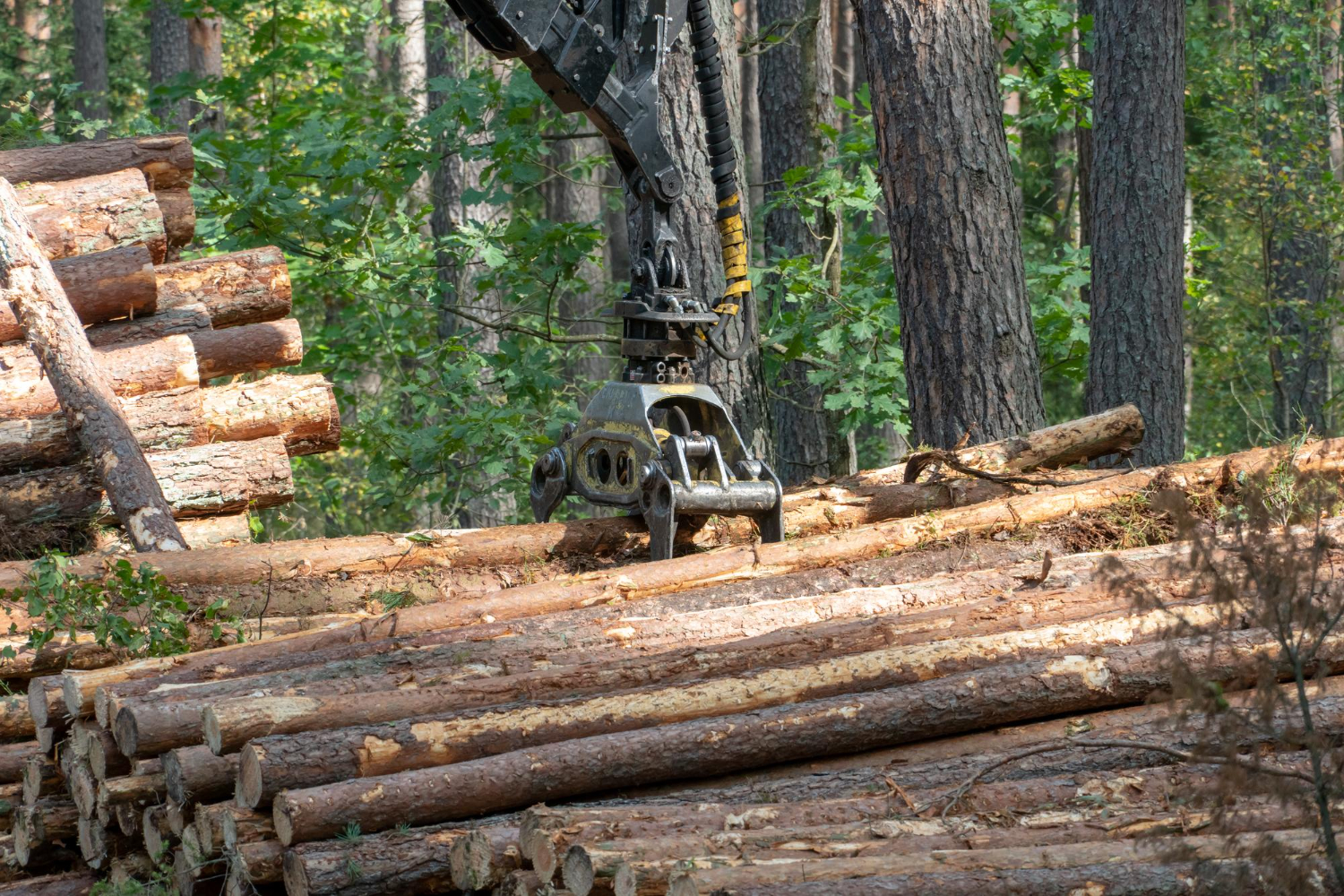
When cutting stops, stools grow out into full trees, the canopy closes, the ground flora changes and the wood becomes something else while the evidence remains visible.
Multiple thick stems from one base is the fossil. Abandoned coppice is the wood that records a job somebody stopped doing.
Almost None of It Is Wild
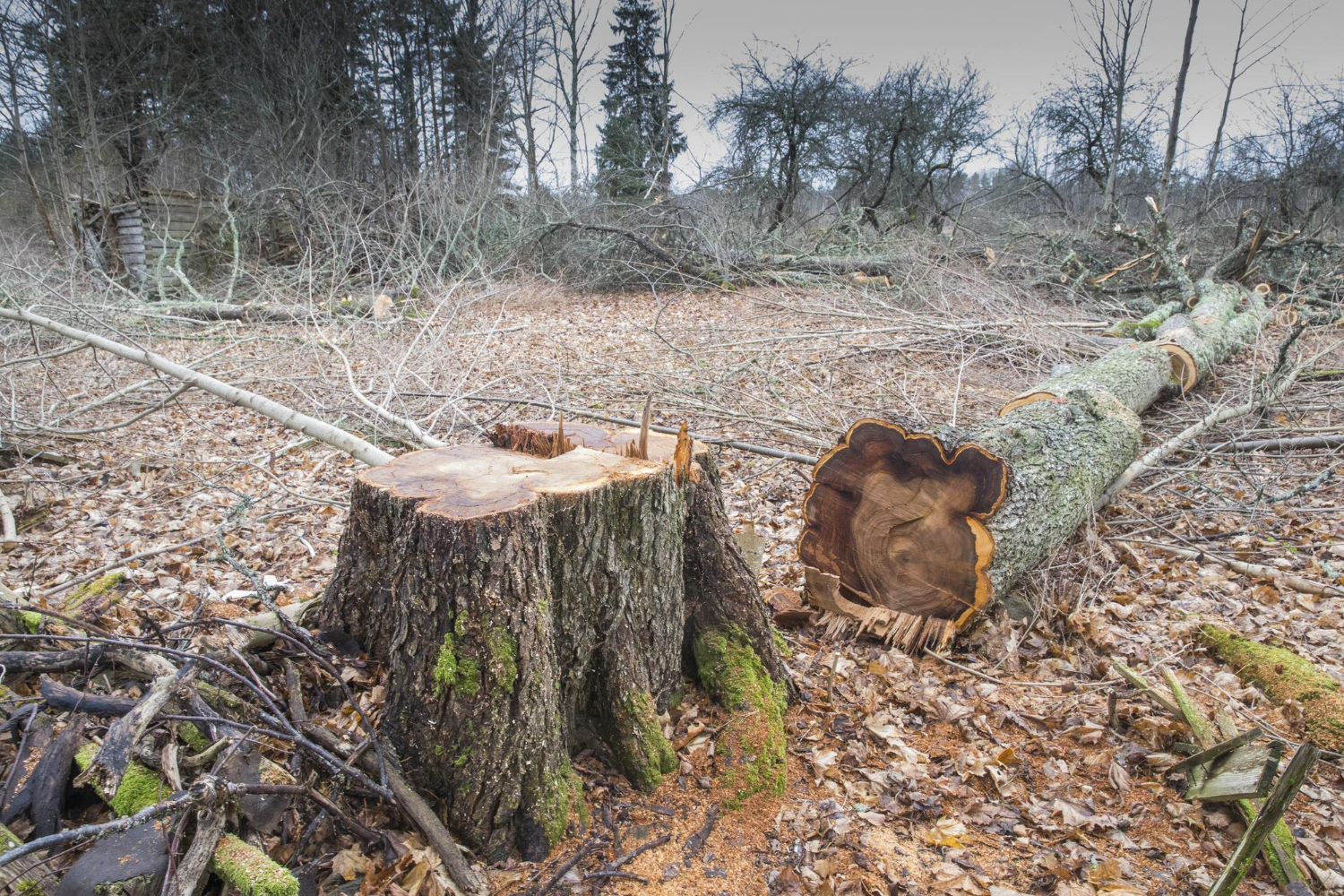
Multiple stems, swollen tops, banks, platforms, rows and stages of regrowth – every one is a record of somebody working the ground, and reading them turns a wood into a document rather than a view.
Practical notes: woods are working ground and operations may be under way, veteran trees shed limbs without warning, and access rights differ enormously between countries and between individual woods. Find out what applies where you are, stay on permitted routes, and treat anything that looks like recent cutting as an active worksite rather than a mess.
Like our content? Follow us for more.
