The single structural problem is that visitors and residents eat in different places, at different times, from different menus – and everything below is a way of moving from the first group toward the second. Here are ten.
1. Walk Five Minutes Further
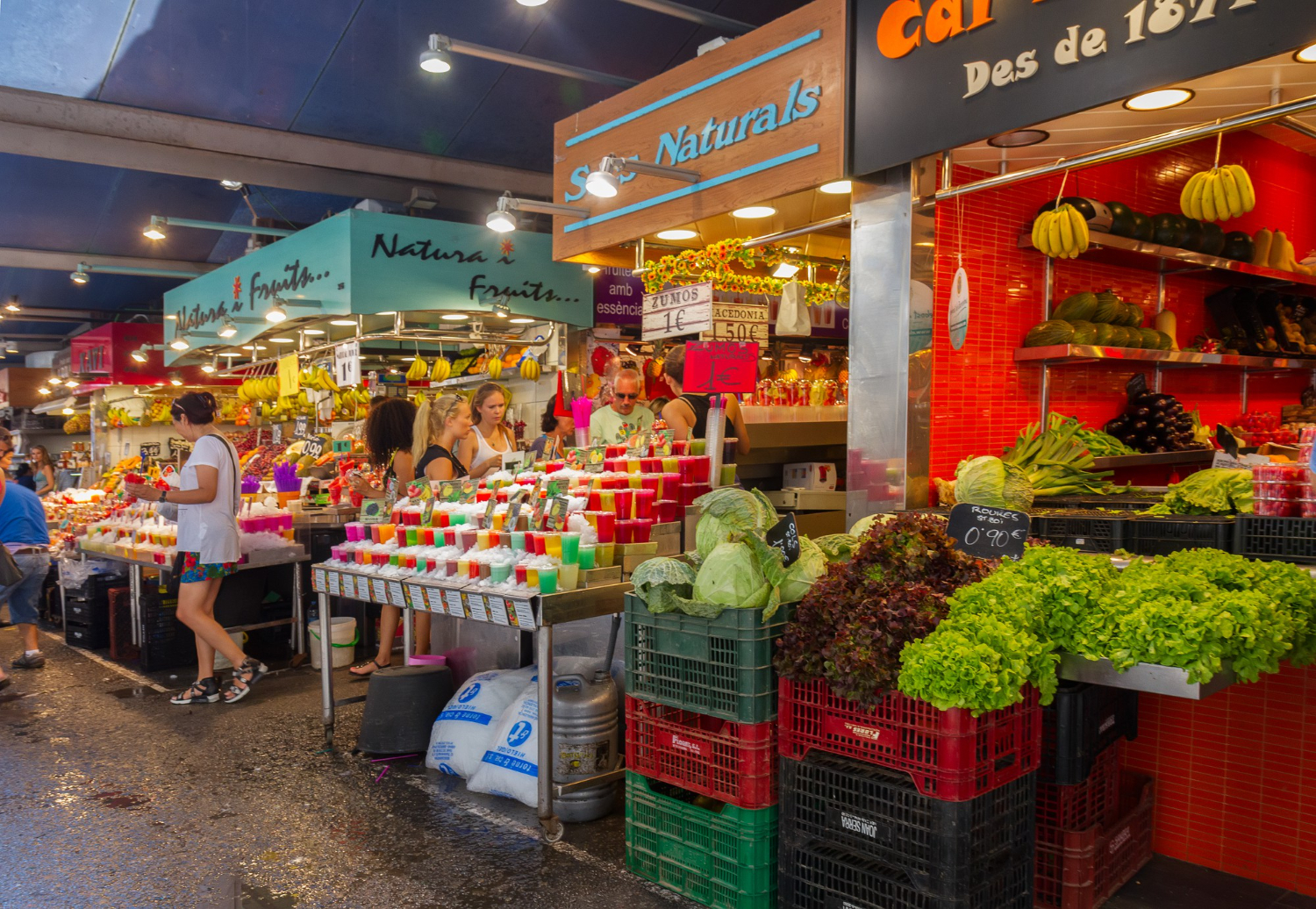
Prices rise and quality falls with proximity to whatever people came to see, and the gradient is steep – a few streets back is frequently a completely different proposition.
The distance required is smaller than people assume. Walking further is the adjustment with the largest effect for the least effort.
Like our content? Follow us for more.
2. Eat When the Locals Eat
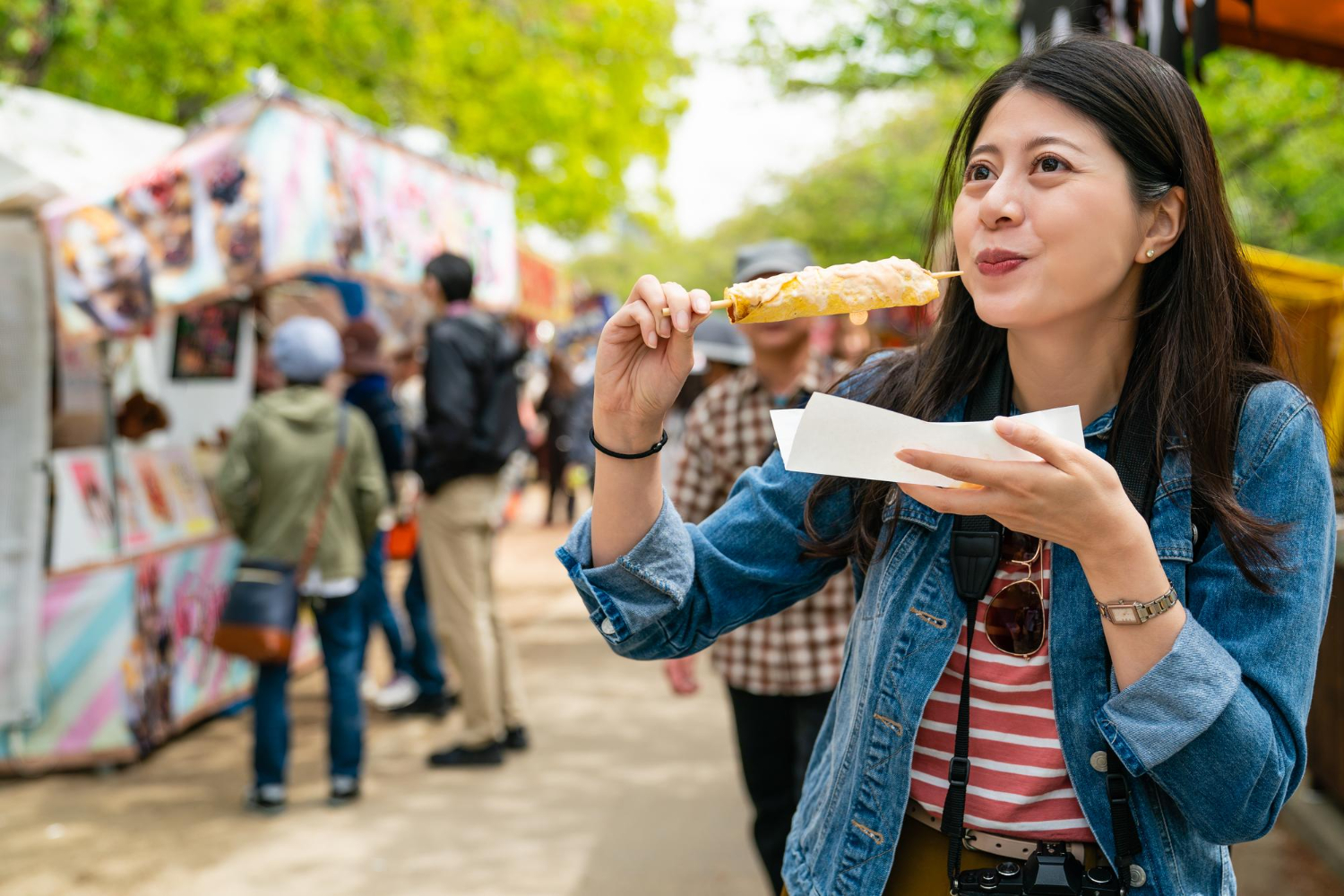
Mealtimes vary enormously between countries, and arriving at the hour you are used to means arriving when the kitchen is quiet, the staff are elsewhere and the food has been waiting.
Turning up at the local hour changes what you are served. Adjusting the timing is the free correction most visitors never make.
3. Go Where It Is Busy With People Who Live There
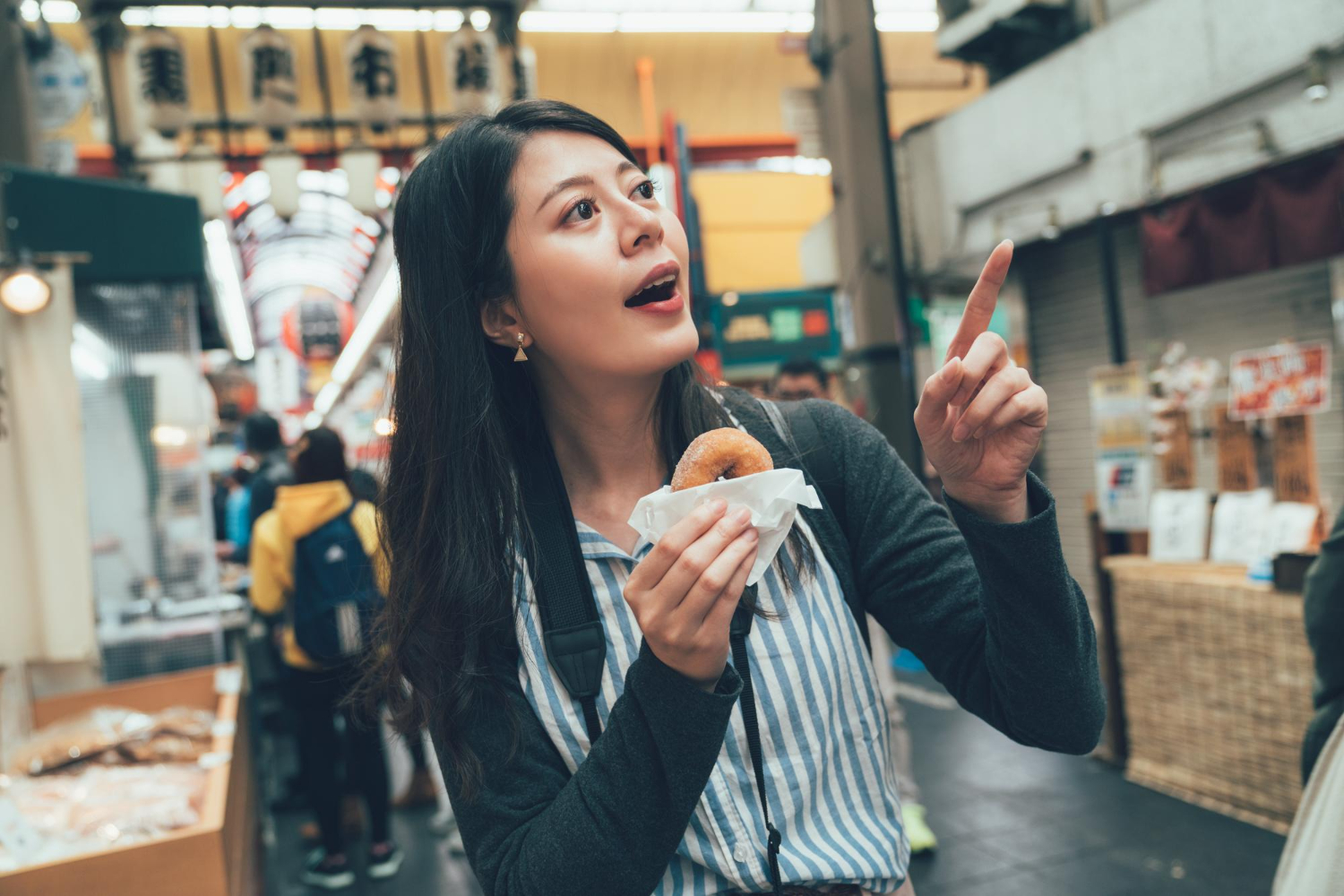
A full room at the local mealtime indicates ongoing demand from people with alternatives, which is more informative than any rating.
An empty room at a busy hour is telling you something. Reading the room is the assessment available before you sit down.
4. Look for a Short Menu
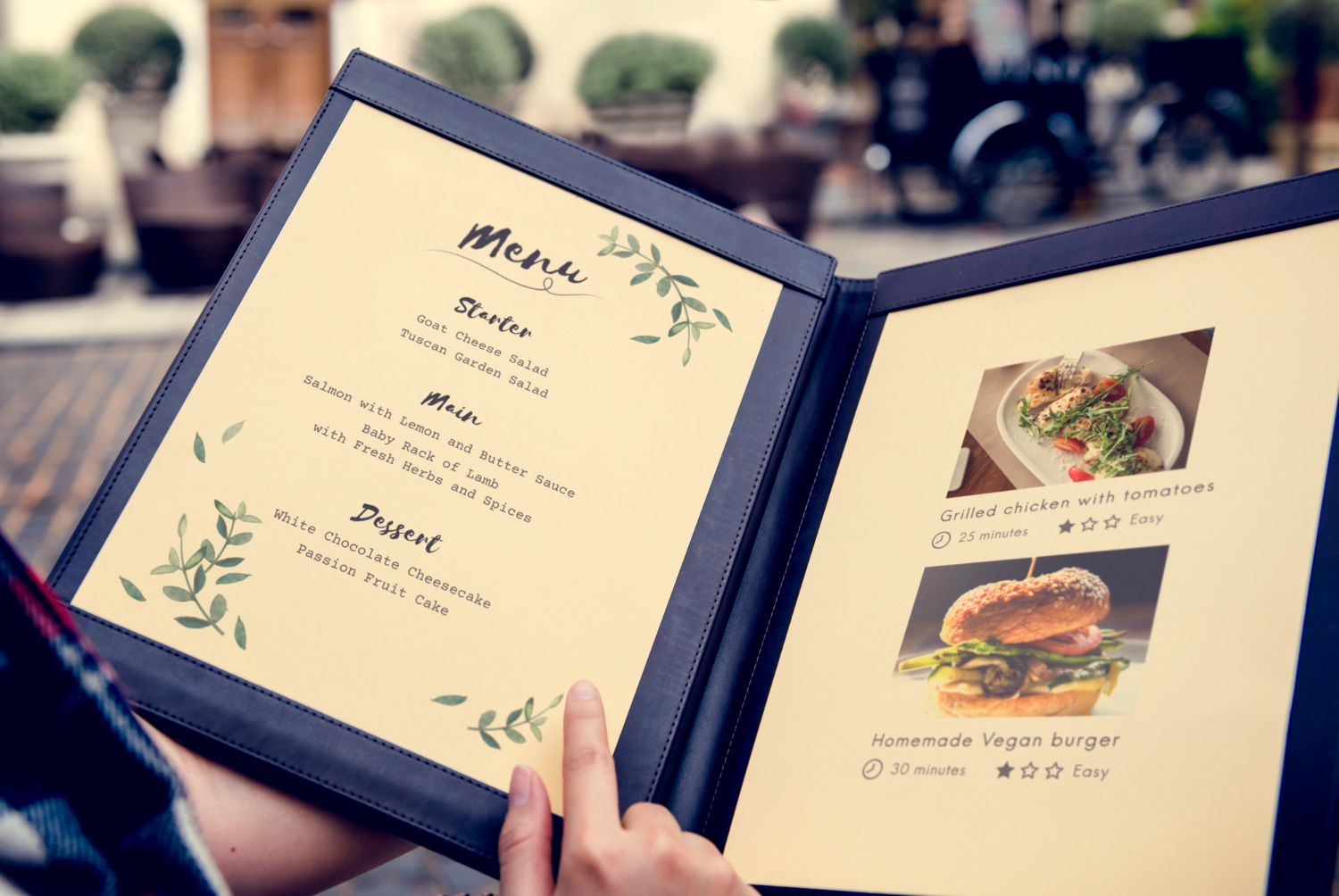
A kitchen offering a small number of things is generally cooking them, and one offering an enormous range across several cuisines is generally not.
The correlation is strong and cross-cultural. Menu length is the single most reliable signal on the door.
5. Find Out What the Place Is Actually Known For

Every region has things it does better than anywhere else, usually for reasons of geography or tradition, and those are the things worth ordering.
Ordering something the area is not known for wastes a meal. Local specialisation is the information worth acquiring before arrival.
6. Eat at the Market
Markets serve the people working in them, early, at prices set by that trade rather than by visitors, and the food is generally what the market is selling that morning.
It is the most direct route to local cooking anywhere. The market is the location where the incentives align in your favour.
7. Ask Somebody Specific
A vague request for a recommendation produces a vague answer aimed at visitors. Asking where somebody personally ate this week produces something else entirely.
The phrasing does the work. Asking specifically is the difference between a polite answer and a useful one.
8. Have the Set Meal

Many places offer a fixed meal at a fixed price at a particular time, which is what the kitchen is truly geared up to produce that day.
It is generally the best value and the best cooking available. The set offering is the option designed for regulars.
9. Order What Somebody Else Is Having

Pointing at a neighbouring table is a universally understood request that works without shared language and reliably produces something the kitchen is confident about.
It is also flattering rather than rude in most places. Ordering by sight is the technique that removes the menu entirely.
10. Give It Two Tries

A single disappointing meal is not information about a place, and people frequently write off an entire cuisine on one experience in a location optimised for tourists.
The second attempt somewhere else usually settles it. Trying twice is the correction for a sample size of one.
Visitors and Residents Eat Differently
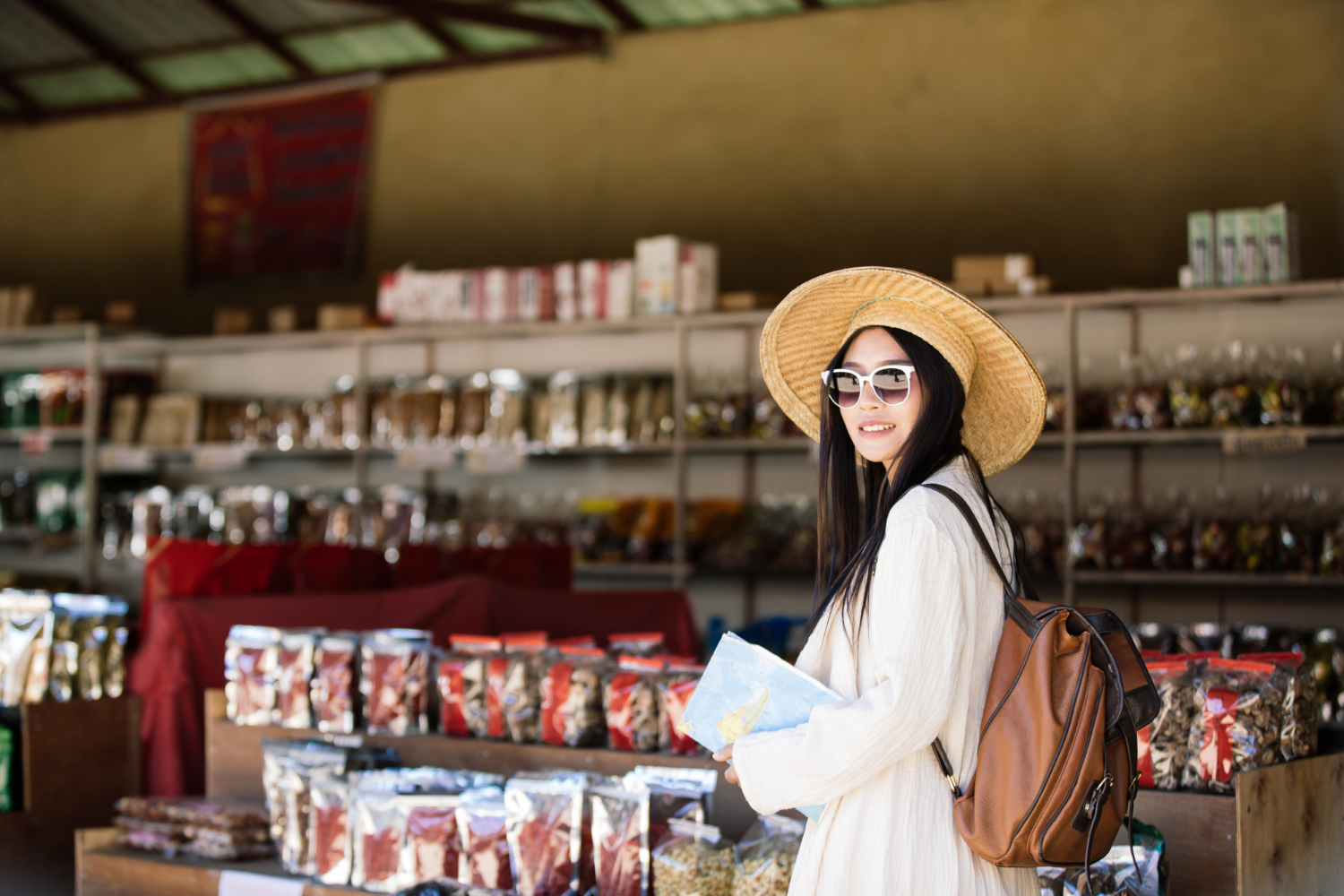
Distance from the attraction, timing, menu length, the market and asking the right question – every item here moves you from the visitor economy toward where people actually eat.
One necessary note: this list is about finding good food, not about health. What is safe to eat and drink varies enormously by destination and by season, changes over time, and is properly covered by current official travel-health advice for the specific country – which is the source to check before travelling rather than any general article.
Like our content? Follow us for more.