
There is an assumption that things used routinely are understood, and it does not hold in general.
A great many effective interventions were established empirically — somebody noticed that something worked, it was refined by trial, and the explanation arrived later or not at all.
General anaesthesia is the most striking example available. It is administered constantly, works reliably, is delivered by a large and highly trained profession, and rests on a mechanism that remains a real dispute.
This article is about that scientific question. It is not about anaesthesia as a medical matter, and anybody with a question about a procedure should ask the anaesthetist or doctor involved, who is the correct source and will answer it.
Why the Mechanism Is Hard

The difficulty begins with the compounds themselves.
Substances producing general anaesthesia include gases, volatile liquids and injected agents that are chemically dissimilar to a remarkable degree. Some are simple molecules; some are complex. There is no shared structural feature that predicts whether something will work.
That is unusual. Most drug classes share a shape that fits a particular target, and the family resemblance is the clue to the mechanism.
An early observation was that potency correlated with how readily a substance dissolves in fatty material, which suggested that anaesthetics acted on cell membranes generally rather than on any specific target.
That correlation is real and the interpretation has been substantially revised. The current picture involves specific proteins — channels and receptors in nerve cell membranes — with different agents affecting different ones, which explains the chemical diversity by abandoning the assumption that they all work the same way.
Like our content? Follow us for more.
What Anaesthesia Actually Is
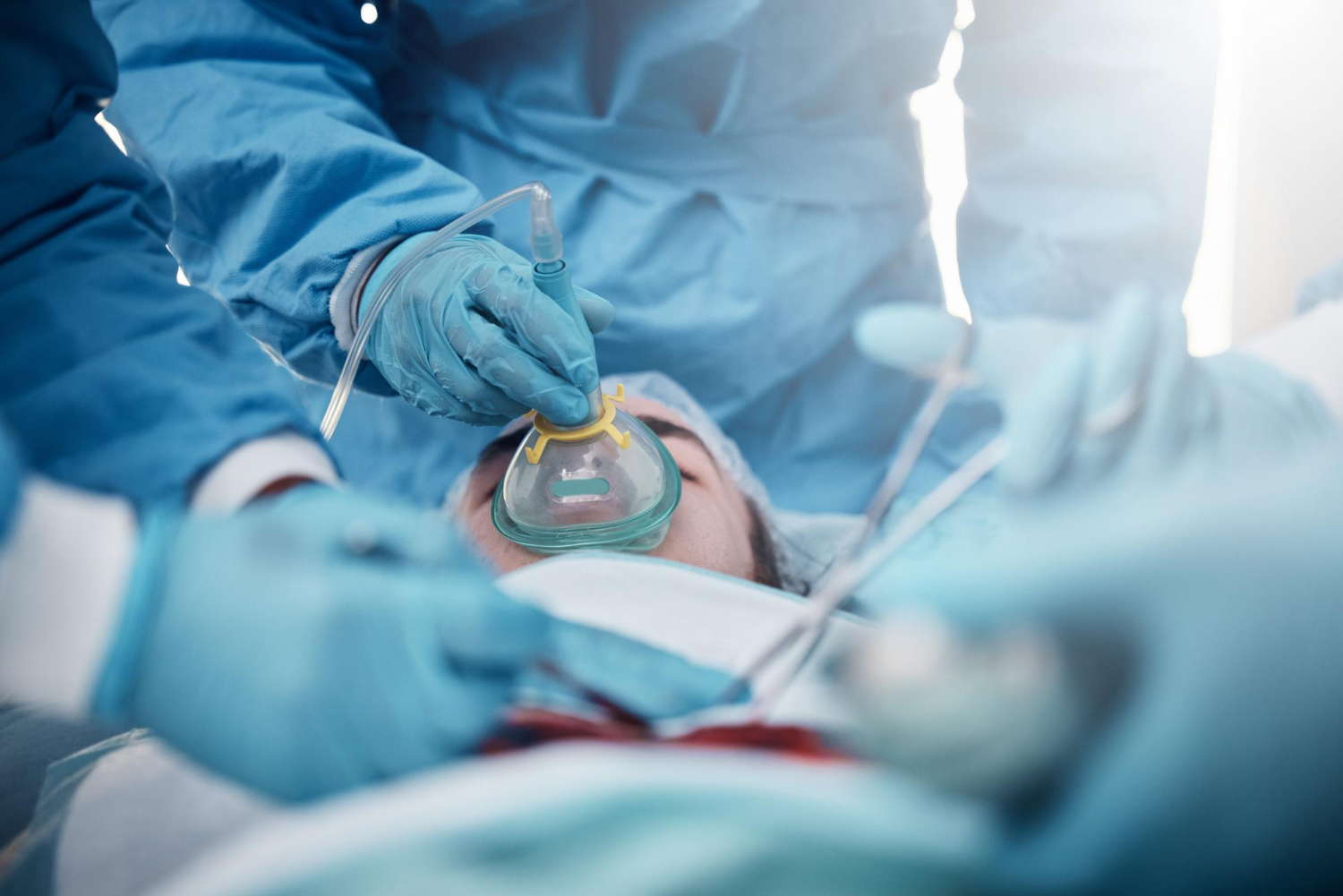
A second complication is that general anaesthesia is not one thing.
The clinical state combines several separable components: unconsciousness, absence of memory formation, absence of movement, and suppression of the body’s responses to what is happening.
Those can be produced independently and by different agents. A person can be unresponsive while still forming memories, or immobile while not unconscious, and the combination used in practice is assembled deliberately from agents with different profiles.
That separability matters for the science. Asking how anaesthesia works is asking about at least four different effects, and they may have four different explanations.
It also means the interesting question is narrower than it first appears: what produces the loss of consciousness specifically, and that lands directly in the hardest problem in neuroscience.
There is a measurement problem worth stating alongside the theoretical one. Assessing depth of anaesthesia means assessing something private in somebody who cannot report on it, which is a truly awkward position.
Monitoring therefore relies on indirect indicators – patterns of electrical activity and the body responses that accompany the state – rather than on any direct measure of the thing itself. Those indicators work well in practice and are correlates rather than the quantity anybody actually wants to know.
The Consciousness Problem

The mechanism cannot be fully explained because the thing being switched off is not understood.
There is no settled account of what consciousness is in physical terms, which means there is no target to point at and say that anaesthetics act there.
What can be described is what changes. Under anaesthesia, communication between brain regions is disrupted — activity continues locally while the integration between areas breaks down.
That finding is robust across imaging methods and is consistent with theoretical positions holding that consciousness depends on integration between regions rather than on activity within them.
It is a description rather than an explanation. Knowing that connectivity collapses when consciousness does is compatible with several accounts of why, and does not distinguish between them.
There is a real two-way relationship here that researchers find valuable. Anaesthesia is one of the few tools that reversibly and controllably removes consciousness, which makes it useful for studying consciousness — and understanding consciousness would explain anaesthesia. Neither side is finished.
It is worth stating what the situation was beforehand, without detail. Surgery existed and was performed, under conditions that made it a last resort and severely limited what could be attempted.
The constraint was not surgical skill but the impossibility of operating for any length of time. Removing that constraint did not improve surgery incrementally; it made an entire category of procedure possible for the first time, which is why the practice spread as fast as it did.
How It Was Discovered
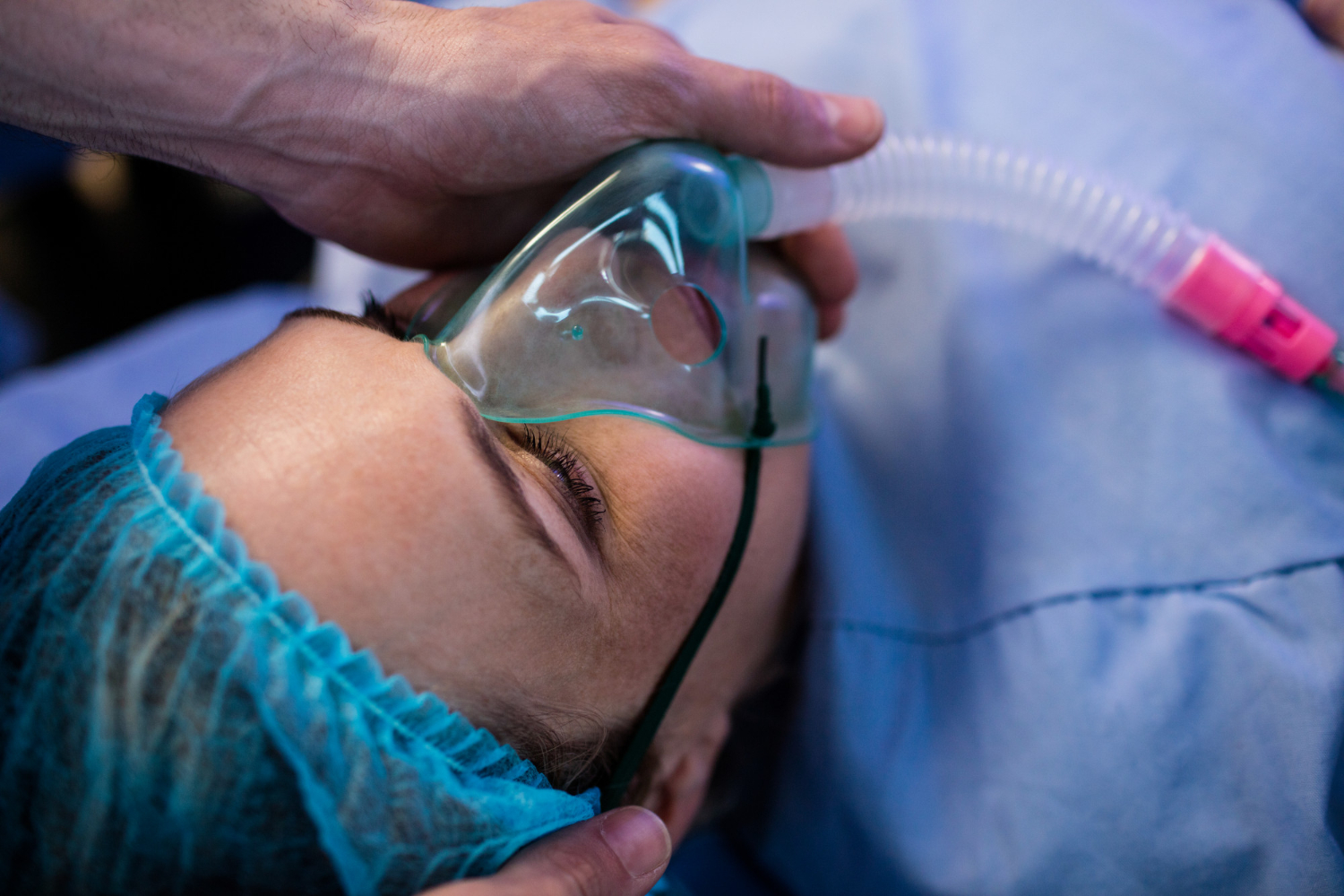
The history is worth knowing because it illustrates how the empirical-first pattern operates.
Public demonstrations in the 1840s established that surgery without pain was possible, and the practice spread with remarkable speed — within a few years across several continents, which is extraordinary for the period.
It spread because the effect was unmistakable and the need was overwhelming. No theoretical understanding was required or available.
The compounds used initially were substances already known and used for other purposes, whose effects had been observed casually before anybody applied them systematically.
Substantial improvements followed over the subsequent century — safer agents, better delivery, and above all monitoring — none of which required solving the mechanism.
Priority for the discovery is a real dispute, involving several people with competing claims, and that dispute is not settled and is not the interesting part of the story.
There is one further reason the mechanism question has proved so persistent. The agents in use work, work reliably and are well characterised in practice, which means there is limited pressure to resolve the underlying science.
A field with an effective solution and an unexplained mechanism tends to prioritise refinement over explanation, and the explanation becomes an academic question rather than an urgent one.
What Was Actually Solved
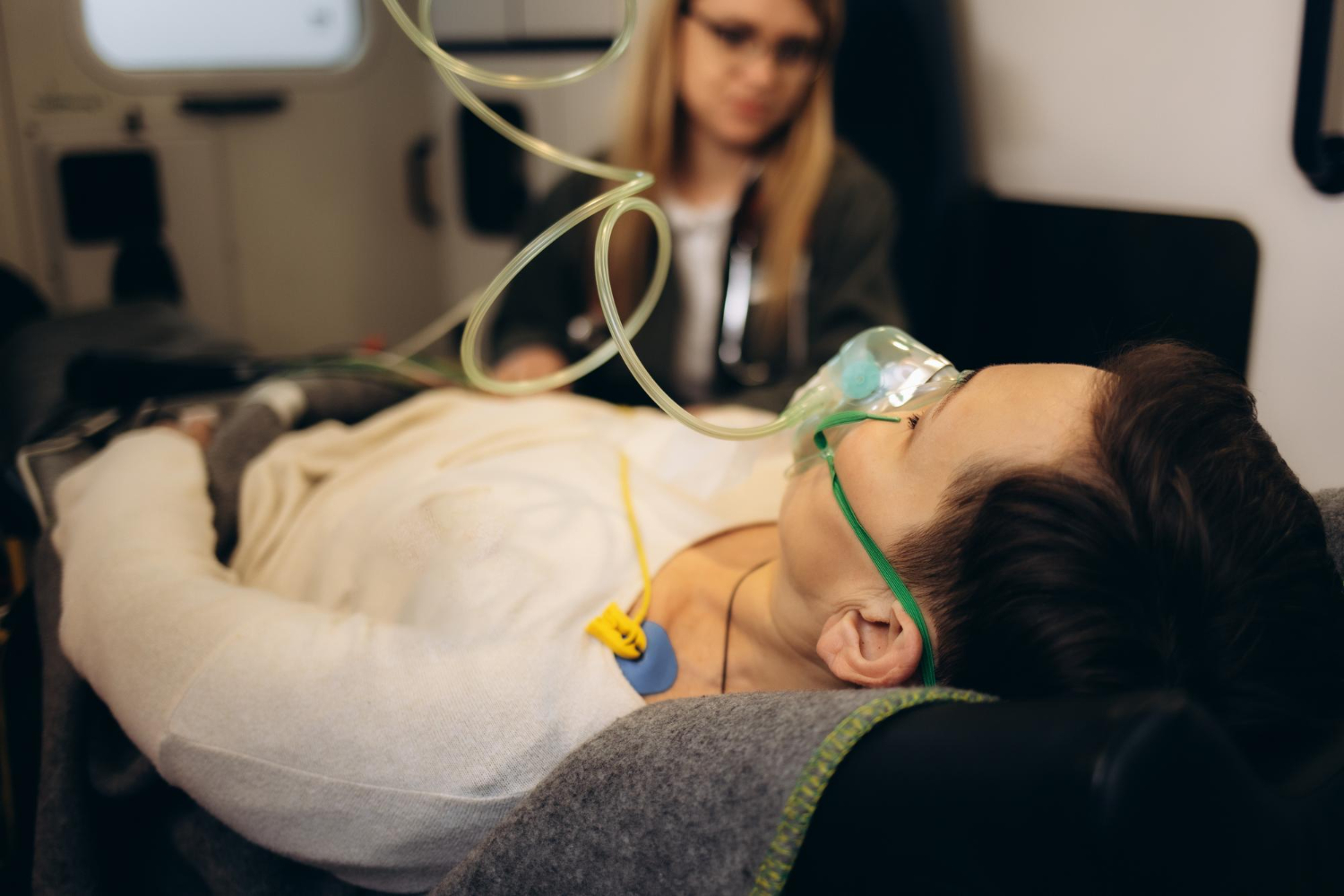
The safety of modern anaesthesia comes from a different achievement, and this is the part worth appreciating.
The mechanism is unresolved. What has been comprehensively addressed is control — measuring what is happening, adjusting continuously, and detecting problems early.
Continuous monitoring of the body’s functions during a procedure, standardised equipment, agents with predictable and reversible effects, and a profession trained specifically to manage the state have together transformed the risk profile enormously over recent decades.
That is engineering and systems design rather than biochemistry. The response to not understanding a mechanism was to measure everything and respond to what the measurements showed.
Which is a reasonable general strategy and is how a great deal of medicine actually functions.
The Other Kinds
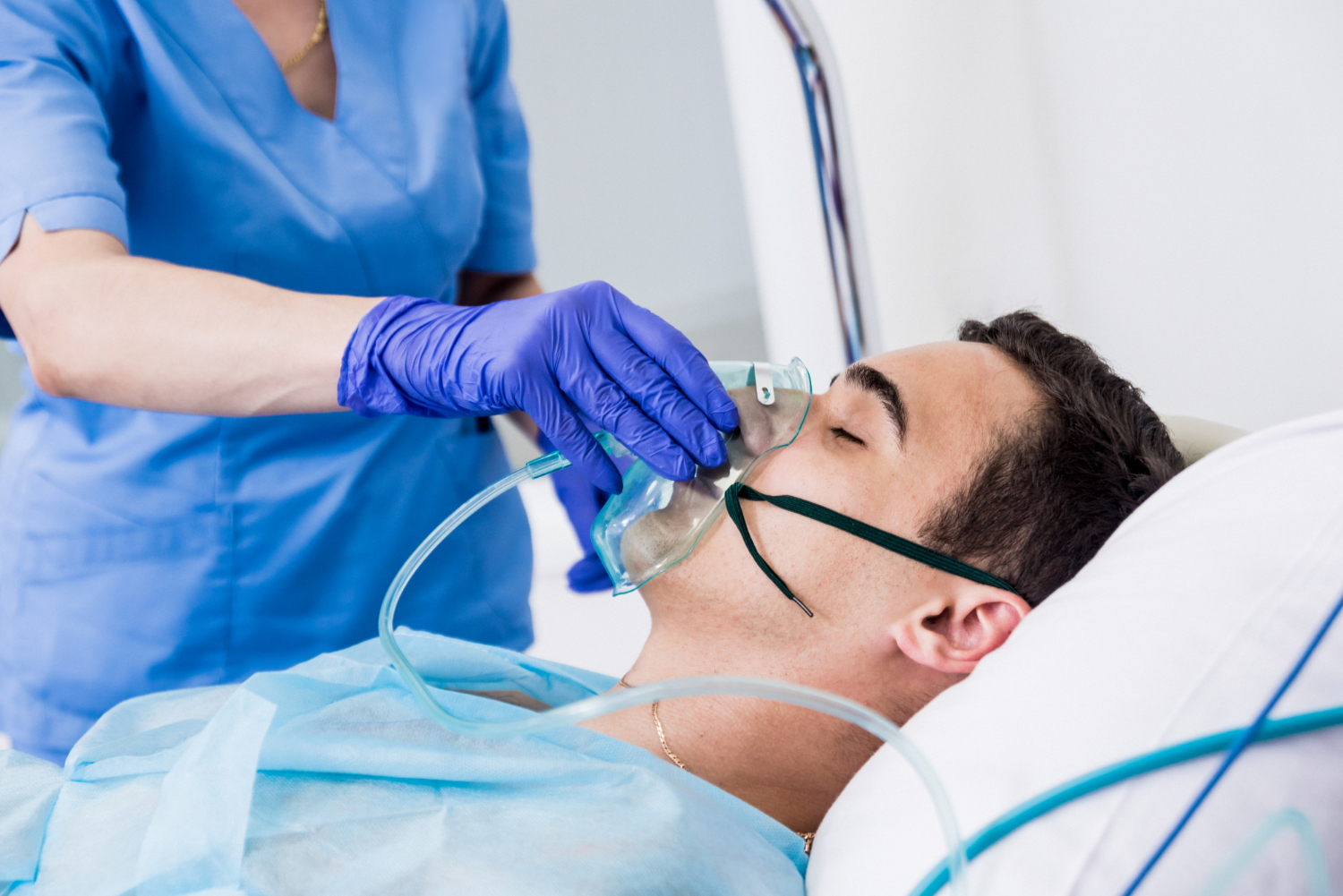
A distinction worth drawing, because the term covers several quite different things.
Local anaesthesia blocks nerve conduction in a specific region, preventing signals from reaching the brain at all. That mechanism is comparatively well understood — the compounds block specific channels in nerve membranes, and the effect is confined to wherever they are applied.
Regional approaches extend the same principle to a larger area by targeting nerves supplying a whole region rather than tissue directly.
Neither of those involves unconsciousness, and neither raises the deep problem. The person remains awake, the signals are simply not arriving.
General anaesthesia is the different case. It acts on the brain rather than on the periphery, and the effect is not blocking a signal but altering the state of the organ that would have received it.
That distinction matters for the argument here. The mechanism of local anaesthesia is broadly settled; the mechanism of general anaesthesia is not, and the difference between them is precisely that one involves consciousness and the other does not.
It also explains why the field advanced unevenly. Blocking a nerve is a tractable problem with an identifiable target. Producing reversible unconsciousness is a problem whose target has not been identified because nobody agrees what it is.
What This Case Demonstrates
The lesson is not that medicine is guesswork, and stating it that way would be both wrong and irresponsible.
It is that understanding a mechanism and using something safely are separable achievements, and the second does not wait on the first.
An intervention can be established empirically, refined through observation, made safe through monitoring and control, and administered to enormous numbers of people successfully, while the underlying explanation remains open.
That pattern recurs throughout the history of medicine and is not a scandal. It is how a field advances when the phenomena are more complicated than the available theory.
And it produces a odd situation, which is worth sitting with. One of the most consequential procedures ever developed — the thing that made modern surgery possible — is performed constantly, reliably and safely by people who can tell you exactly what will happen and cannot tell you, at the deepest level, why.
Not because the profession is inattentive, but because answering it properly would mean explaining consciousness, and nobody has done that yet.
That is not a comfortable thought and it is not a worrying one either. The gap is in the explanation rather than in the practice, and the distance between those two things is where a great deal of medicine has always operated.
Like our content? Follow us for more.