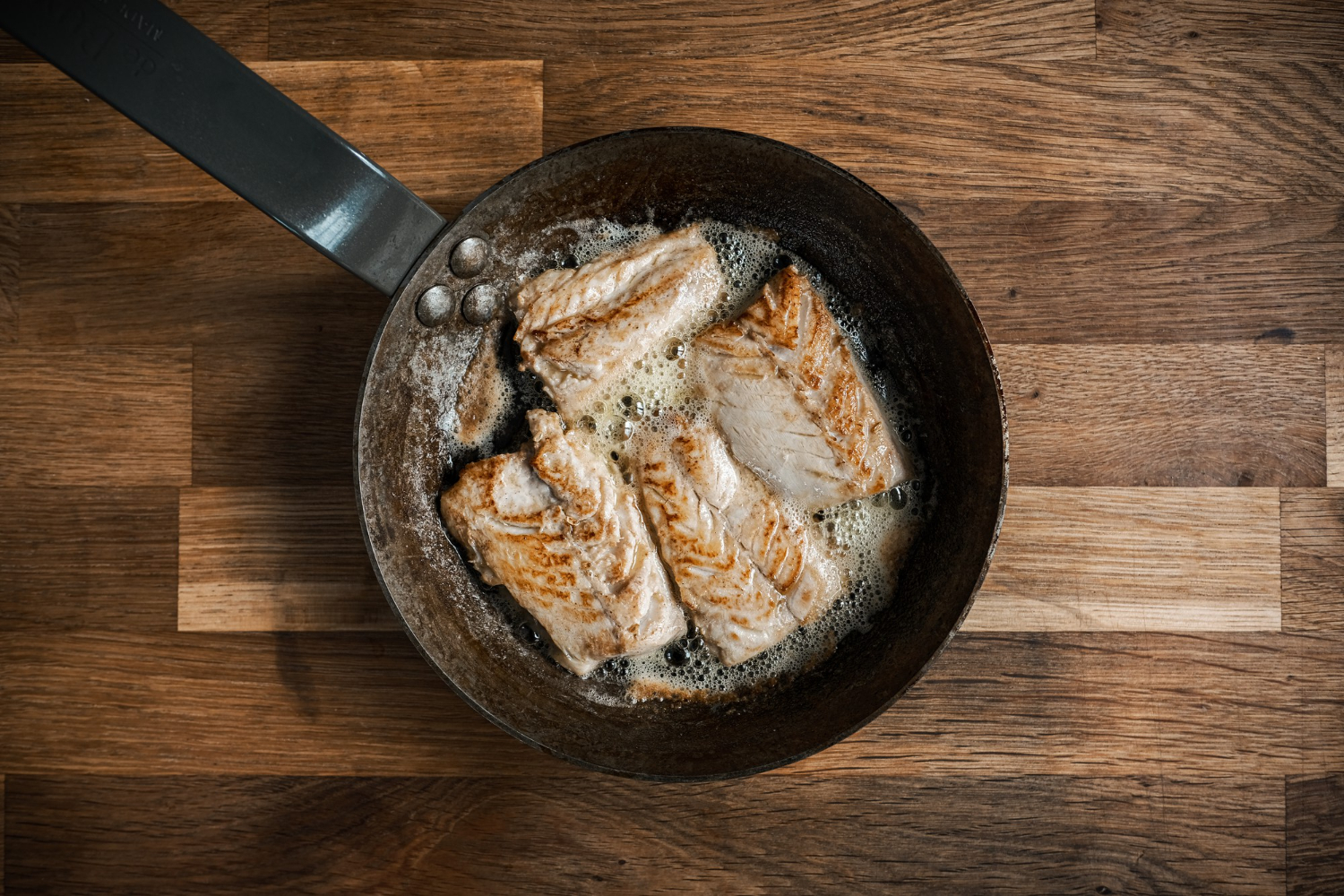
The structural fact behind all of this is that fish do not support their own weight – water does it for them – so the muscle never needed the tough binding tissue that land animals require. Here are sixteen results.
1. The Muscle Is Built in Short Blocks
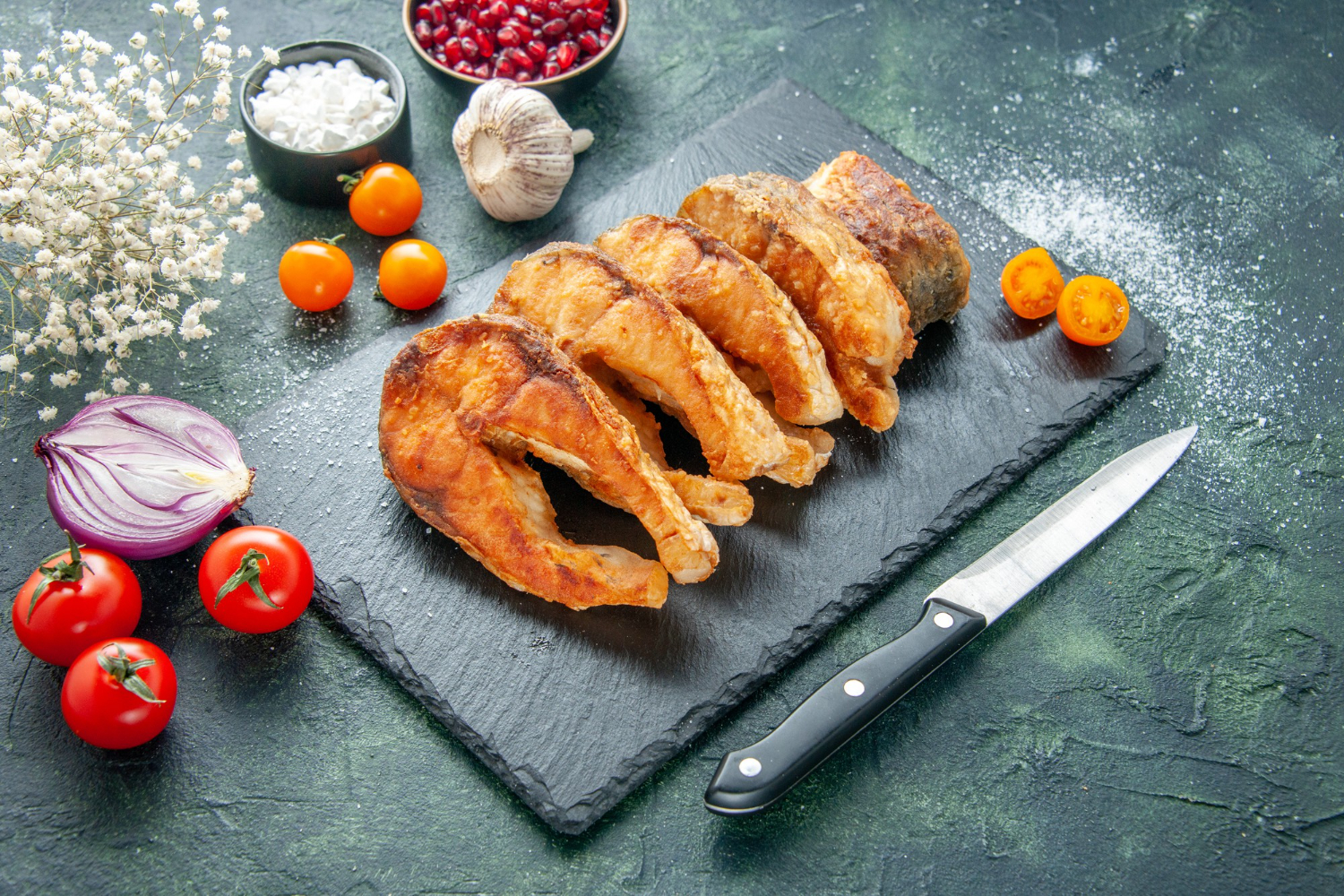
Fish muscle is arranged in short segments separated by thin sheets, rather than in long fibres running the length of a cut and bound together.
That is exactly what flaking is. Segmented structure is the visible difference everything else follows from.
Like our content? Follow us for more.
2. There Is Almost No Connective Tissue
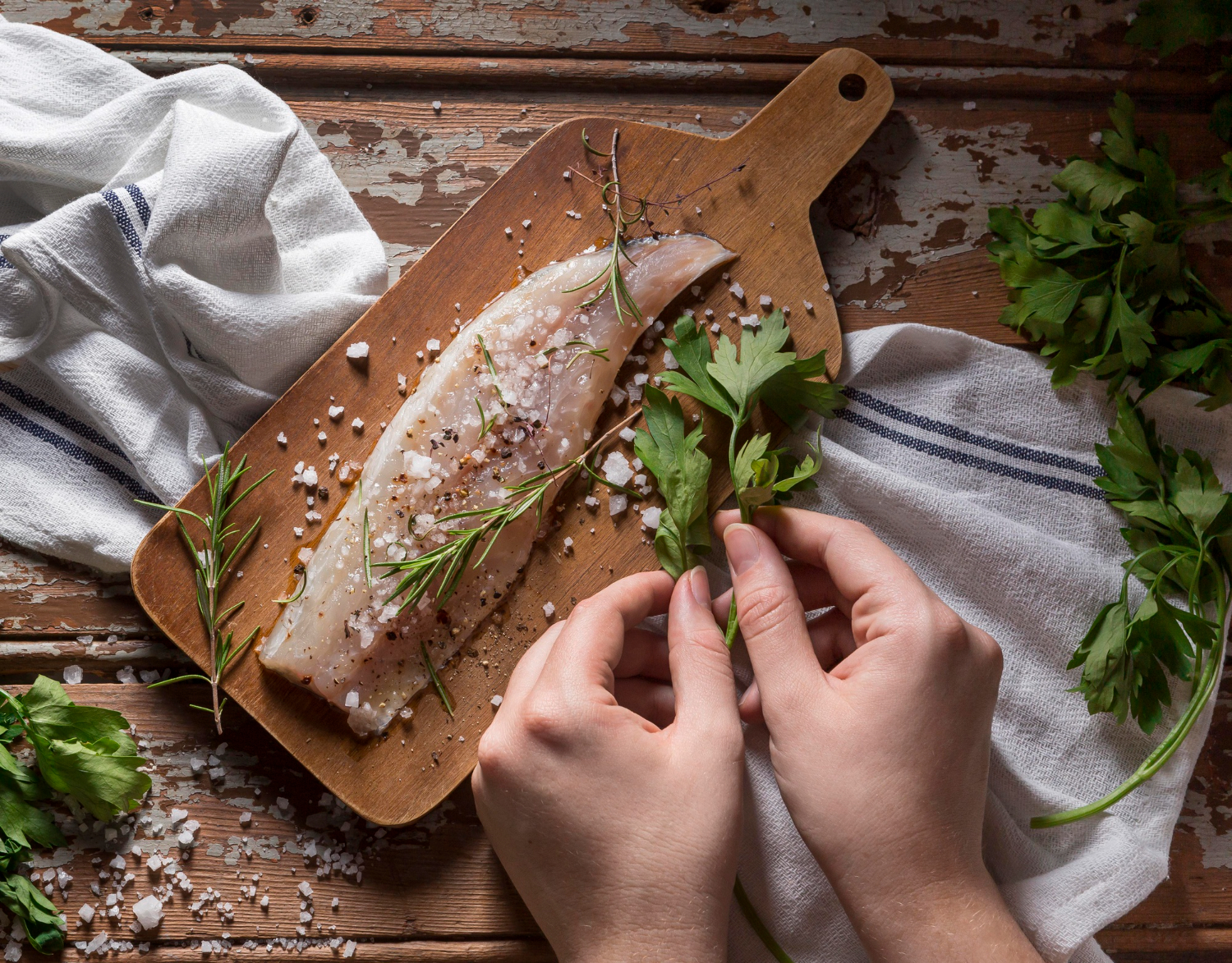
Because water supports the body, fish muscle never needed the tough collagen framework that land animals use to hold themselves up against gravity.
There is very little of it and it is thin. Minimal connective tissue is the property that changes every cooking parameter.
3. So Slow Cooking Achieves Nothing
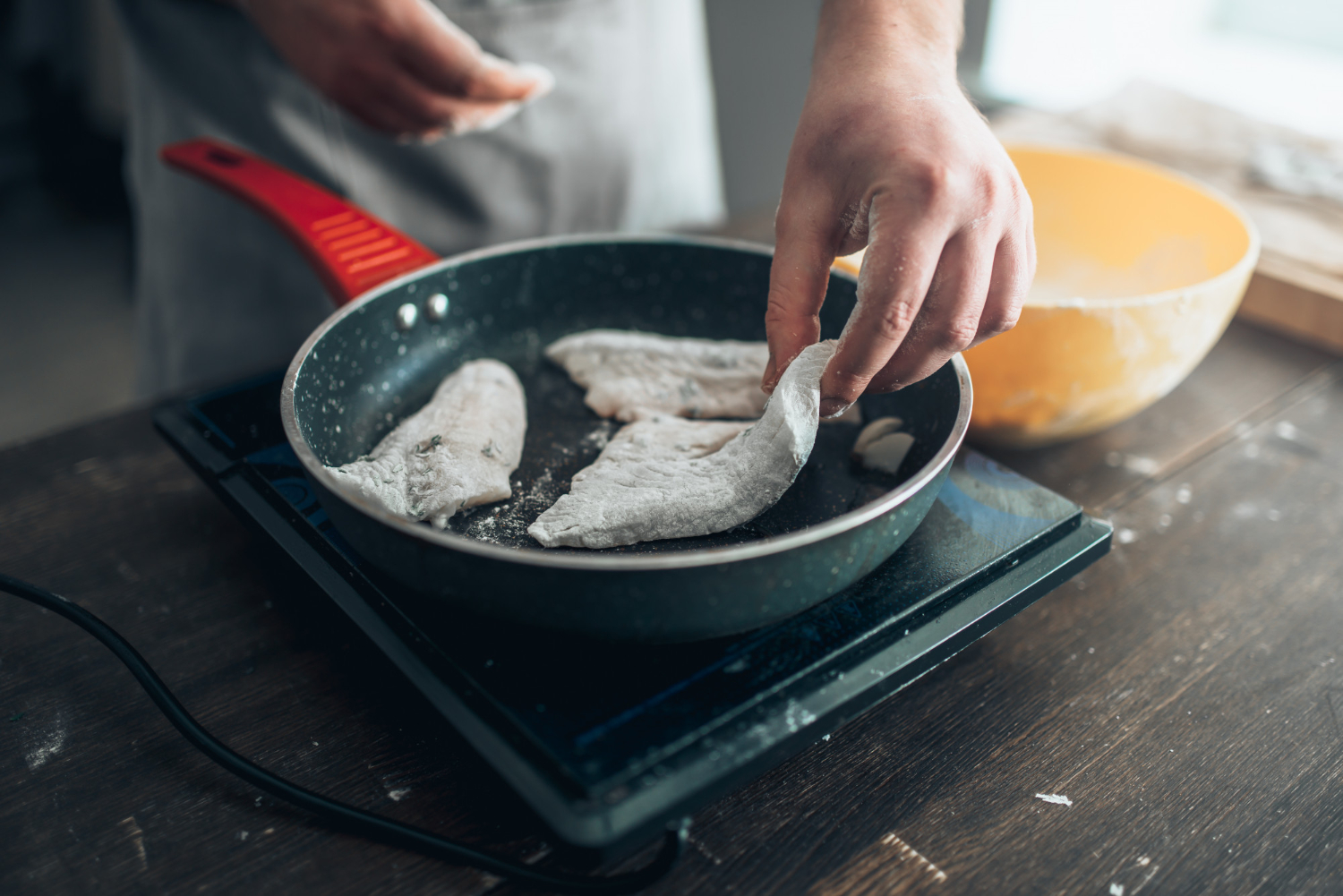
Long slow cooking exists to convert tough connective tissue into gelatin over hours, and where there is almost none to convert, there is nothing for the time to accomplish.
You get dry fish rather than tender fish. The absence of a slow-cooking payoff is the most consequential difference.
4. What Little There Is Melts Almost Immediately
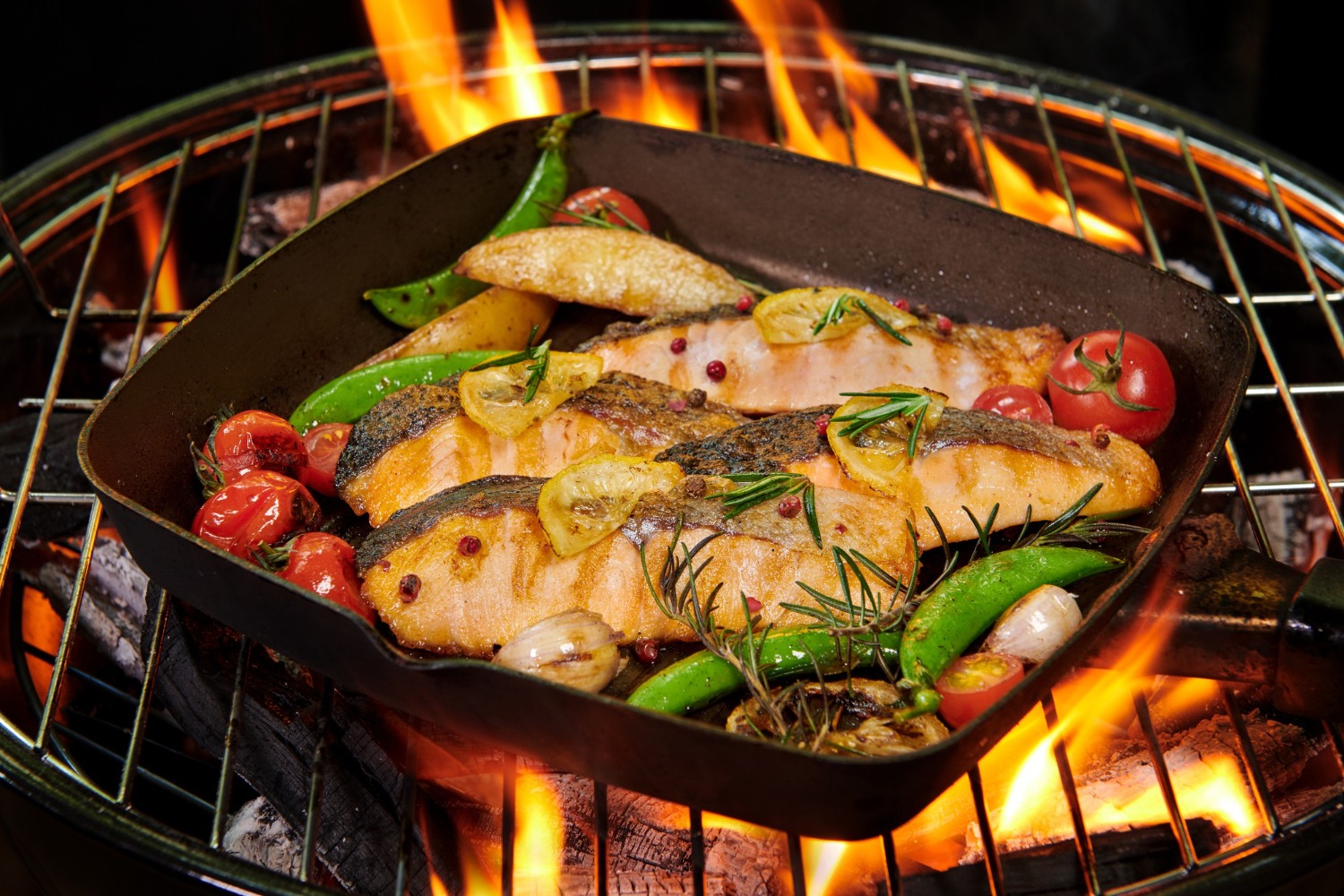
The connective tissue fish does have converts at a much lower temperature than that of land animals, which happens within minutes rather than hours.
By the time the fish is hot it has already happened. Rapid conversion is why fish is finished before anything else has started.
5. The Proteins Set at Lower Temperatures
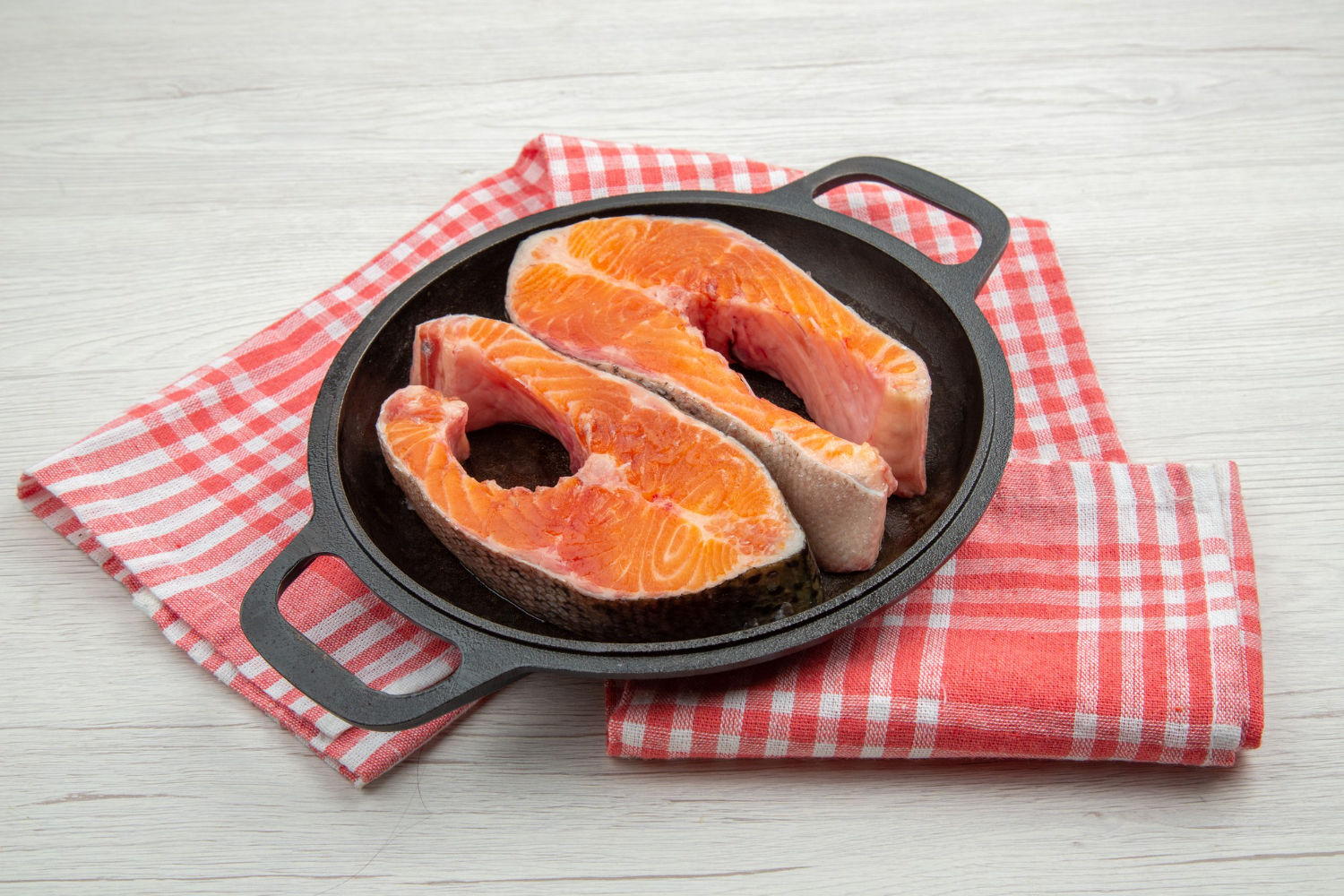
Fish proteins denature and firm at temperatures well below those required for meat, which is why fish appears cooked long before a comparable piece of meat would.
It is adapted to a colder environment. Low denaturation temperature is the reason the timings are so different.
6. Which Makes the Window Very Narrow
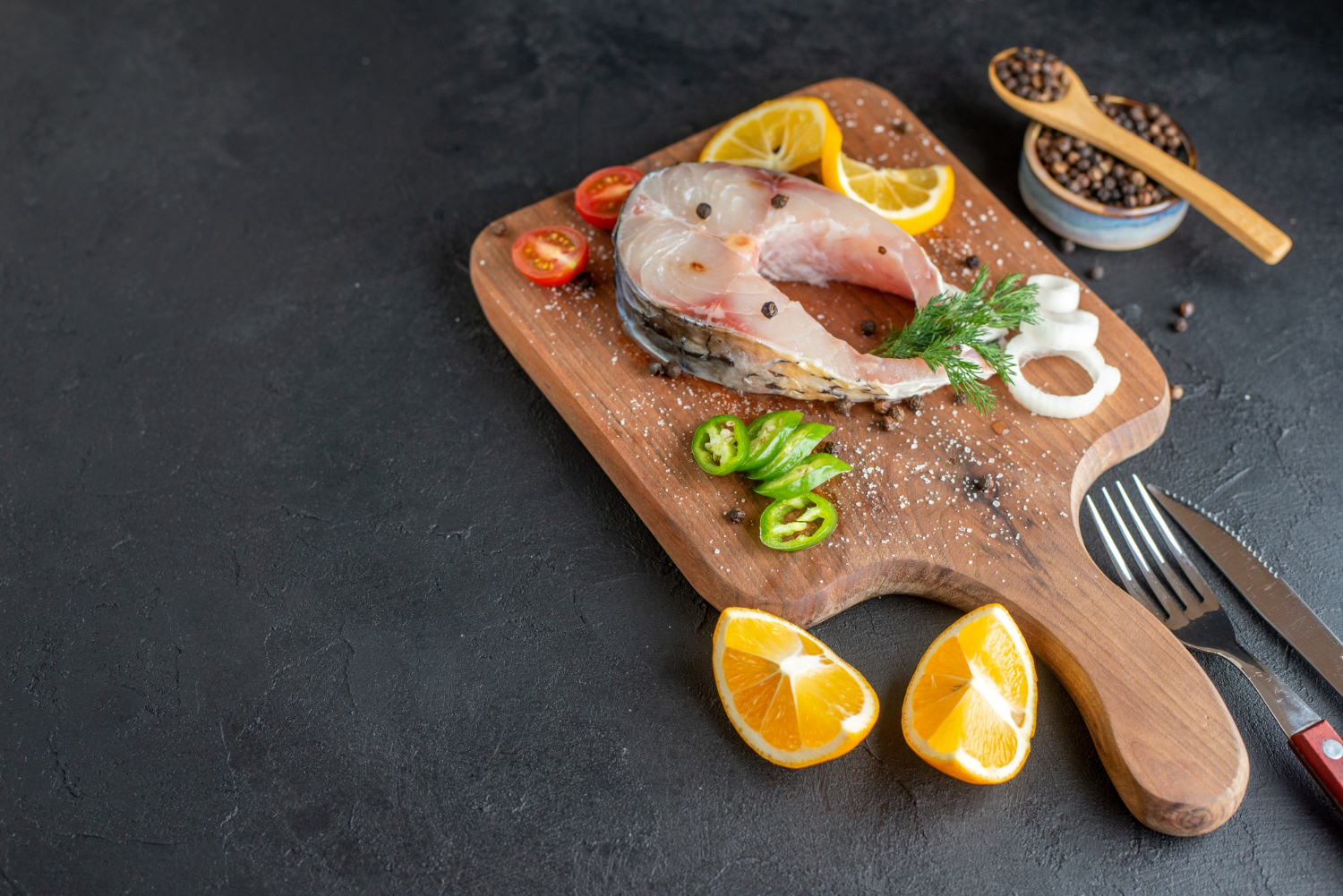
Because setting begins early and drying follows soon after, the interval between undercooked and dry is a matter of a minute or two rather than a comfortable range.
Almost every fish failure is overcooking. The narrow window is the direct consequence of low-temperature setting.
7. It Holds More Water and Loses It Fast
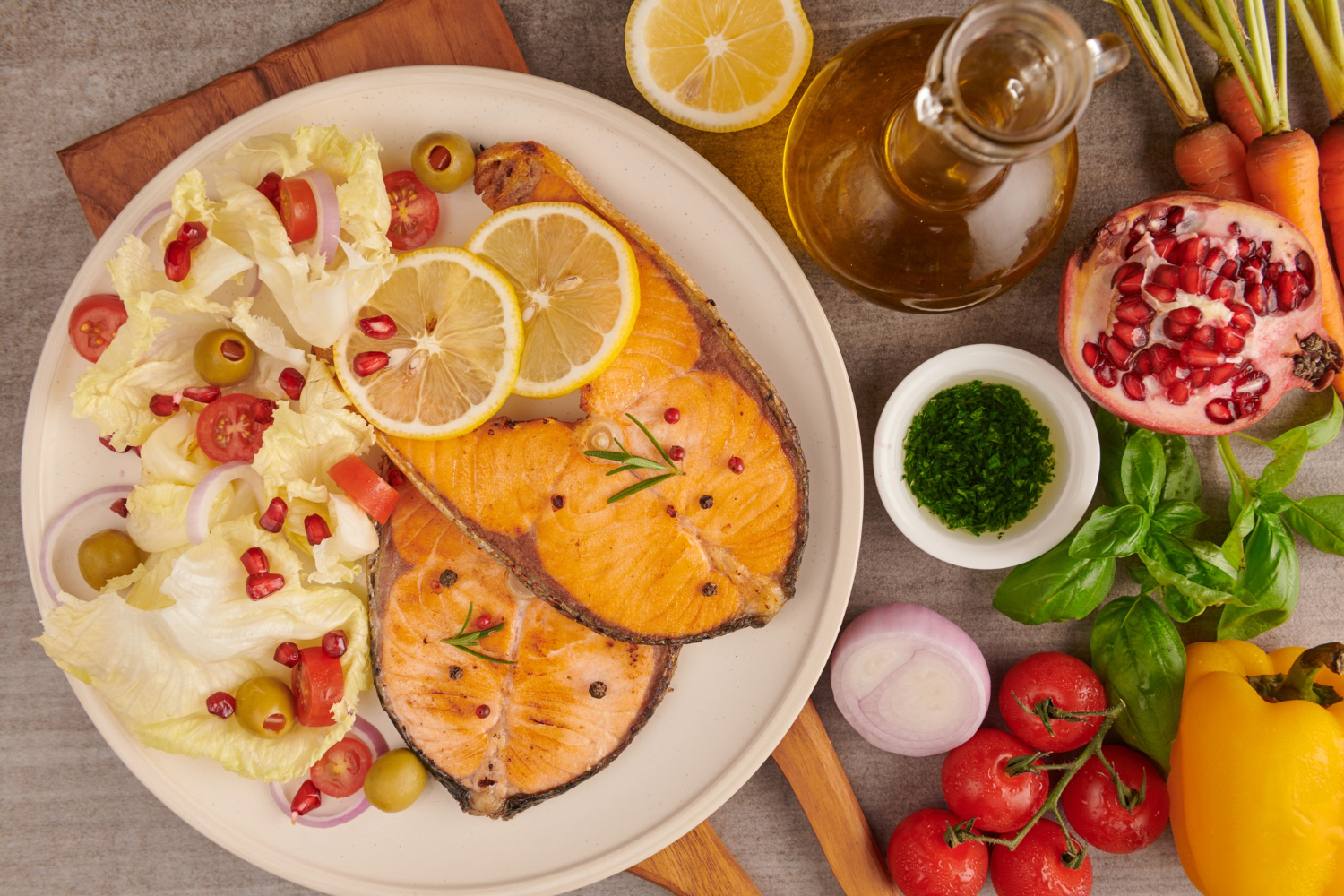
Fish flesh contains a high proportion of water held within the muscle structure, and once the proteins tighten, that water is expelled rapidly.
The white material appearing on the surface is protein carried out with it. Rapid moisture loss is what dry fish actually is.
8. And It Keeps Cooking After You Stop
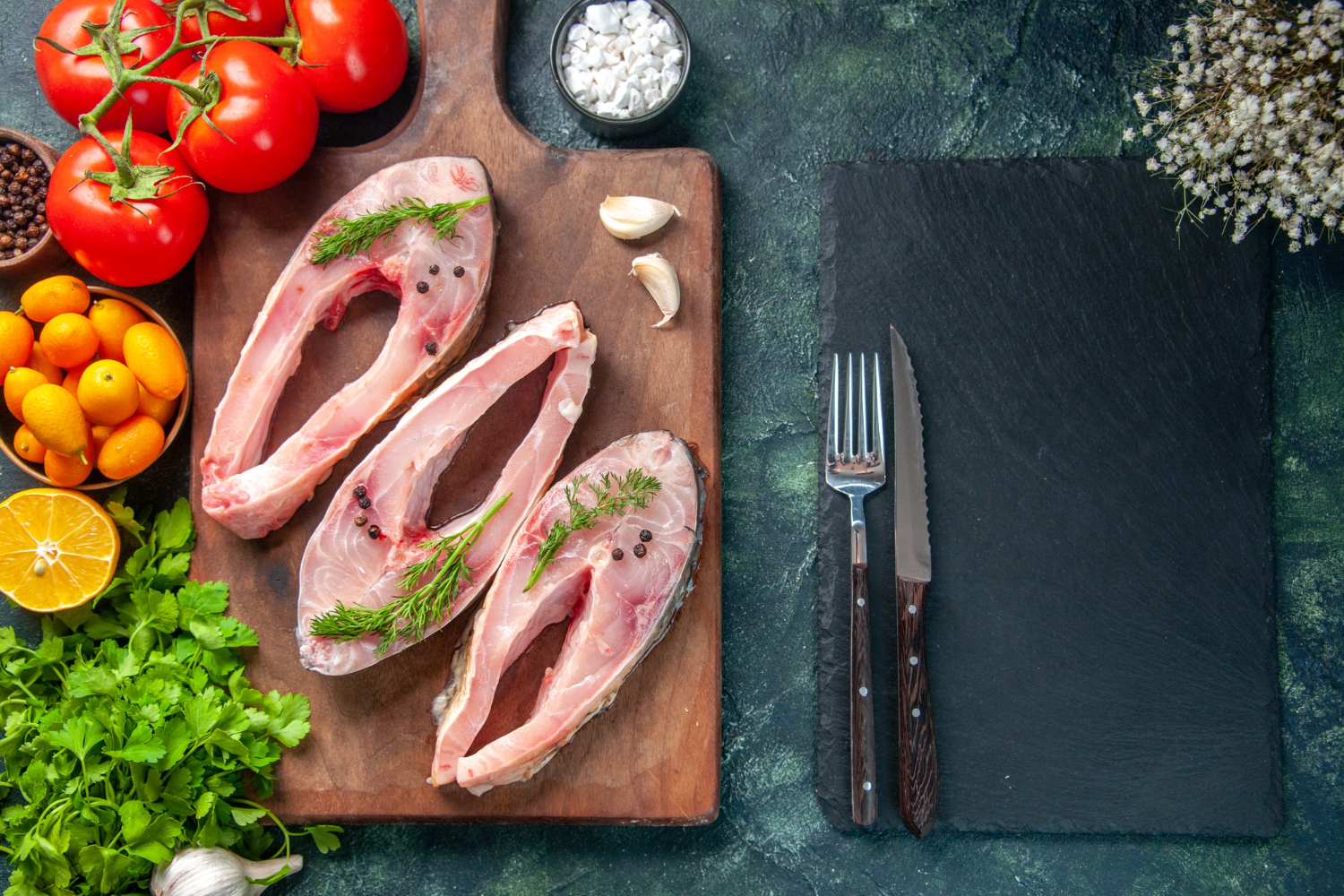
Residual heat continues working for some minutes after removal, which in a food with a two-minute window is enough to take it past the point you wanted.
Allowing for it is the difference between judgement and luck. Carryover cooking is the variable that catches out careful cooks.
9. Fat Content Changes the Tolerance
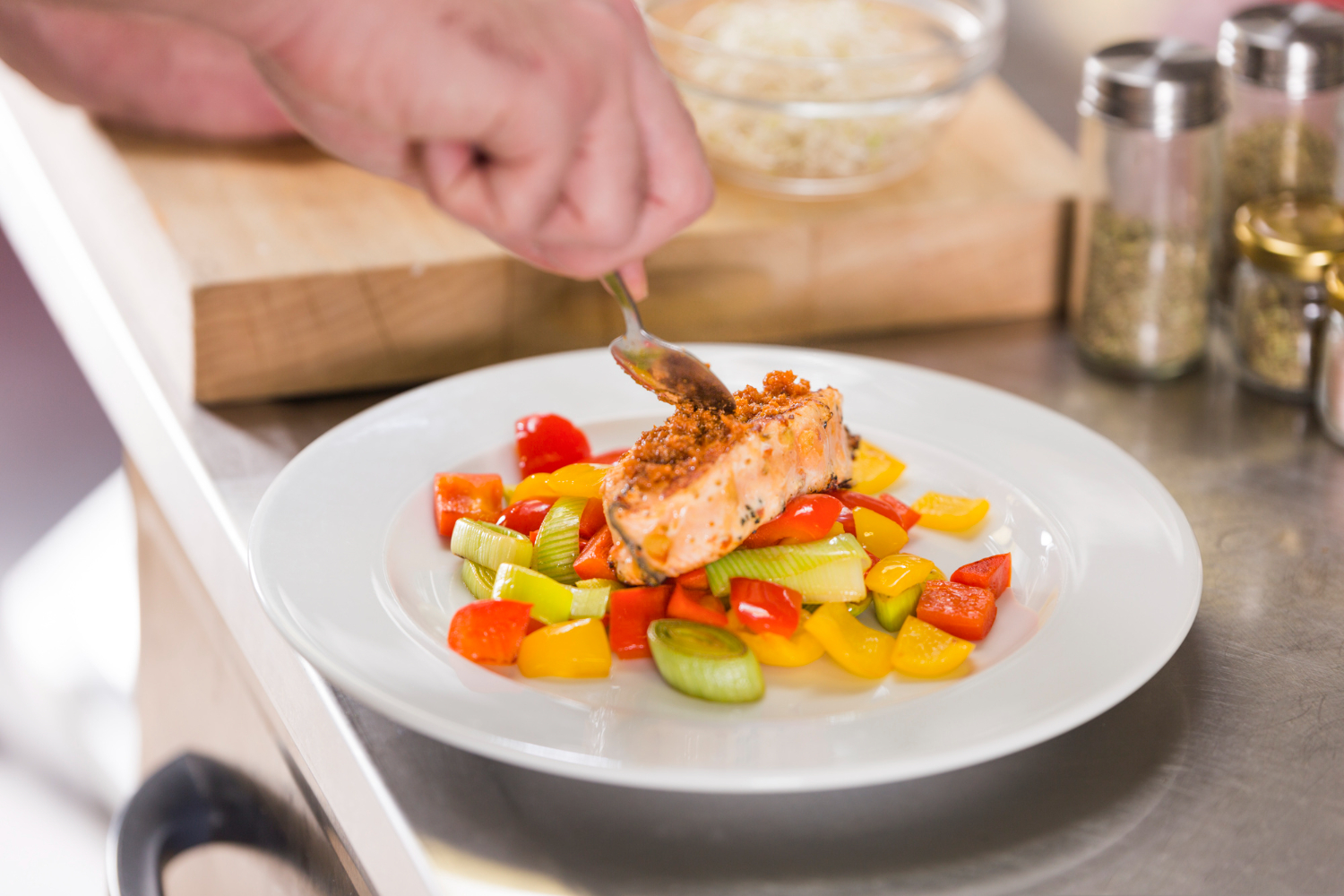
Oily species tolerate heat substantially better than lean ones, because the fat lubricates and masks moisture loss, giving a wider margin.
A lean fillet is far less forgiving. Fat content is the property that determines how much room for error you have.
10. The Skin Is a Different Material
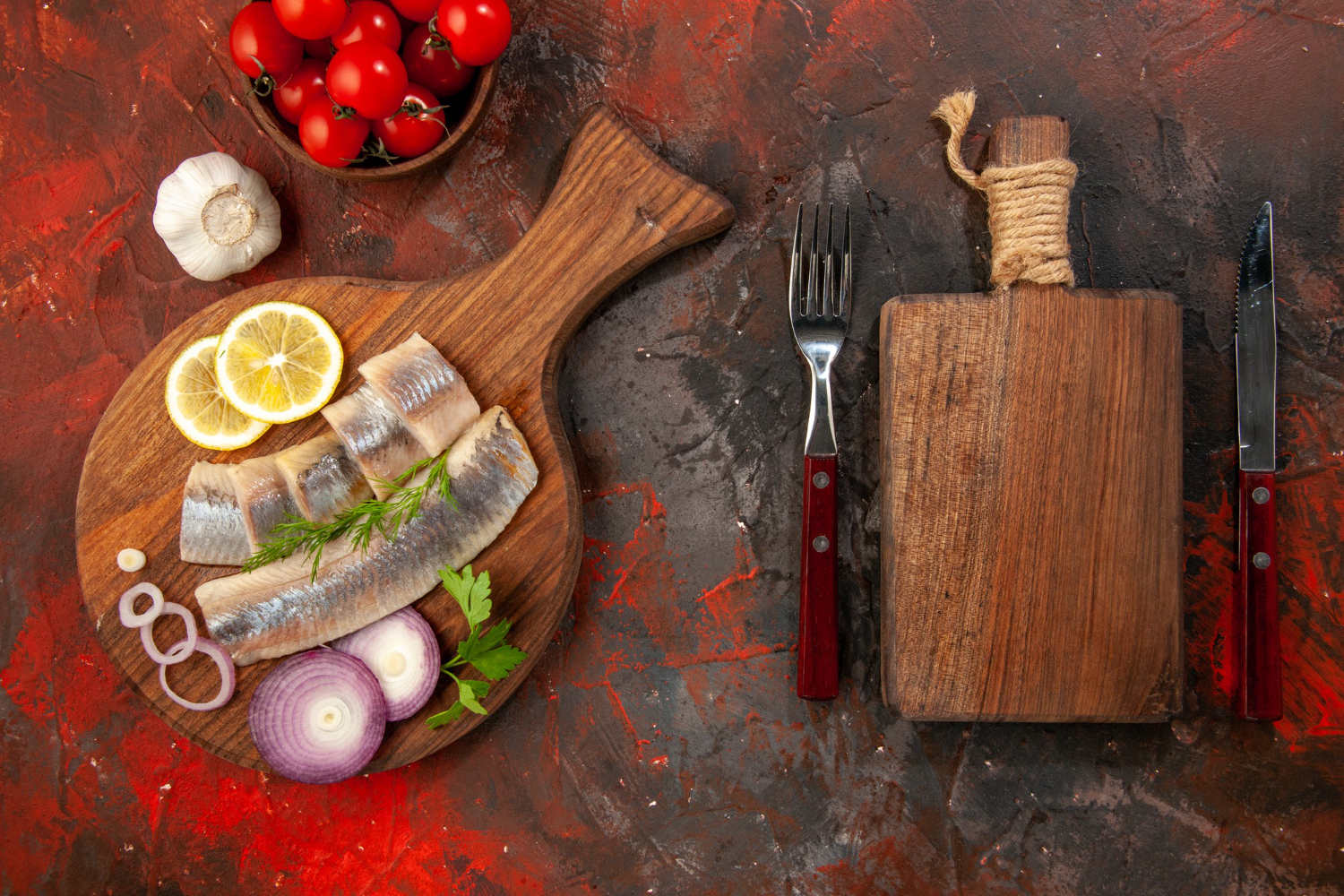
Skin contains its own collagen and behaves independently of the flesh, crisping when in firm dry contact with heat and turning rubbery when steamed by trapped moisture.
It fails or succeeds separately from what it is attached to. Skin behaviour is a second cooking problem in the same object.
11. Acid Firms It Without Any Heat
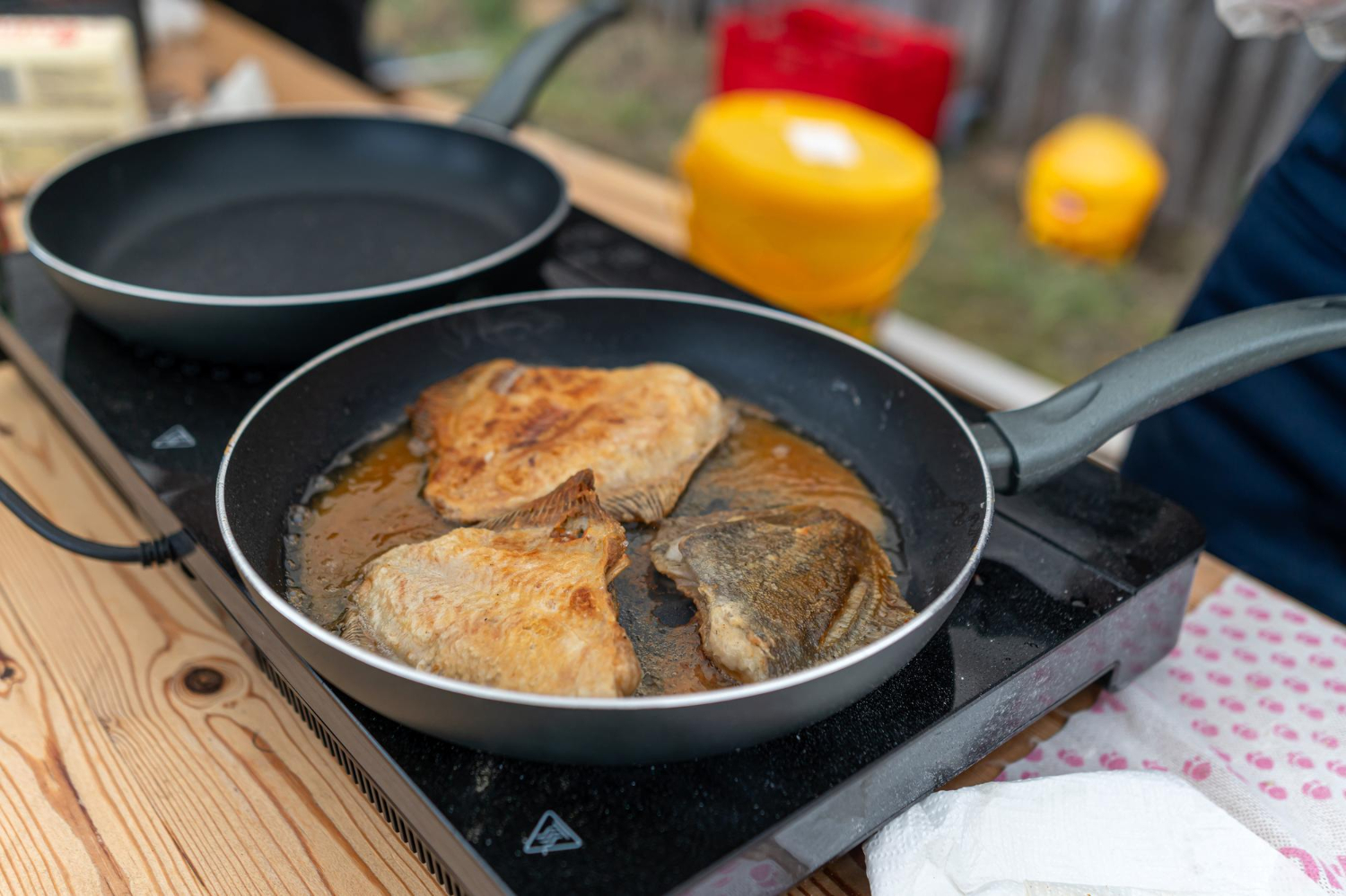
Acidity denatures fish proteins in the same way heat does, turning the flesh opaque and firm, which several traditions use to prepare fish with no cooking at all.
The change is chemical rather than thermal. Acid firming is the transformation that looks like cooking and is not.
12. Salt Draws Water and Firms the Surface

Salting before cooking pulls moisture from the surface and firms the outer layer, which improves browning and helps the flesh hold together.
Timing matters more than quantity. Surface salting is the preparation that addresses the structural fragility.
13. It Falls Apart Because Nothing Is Holding It
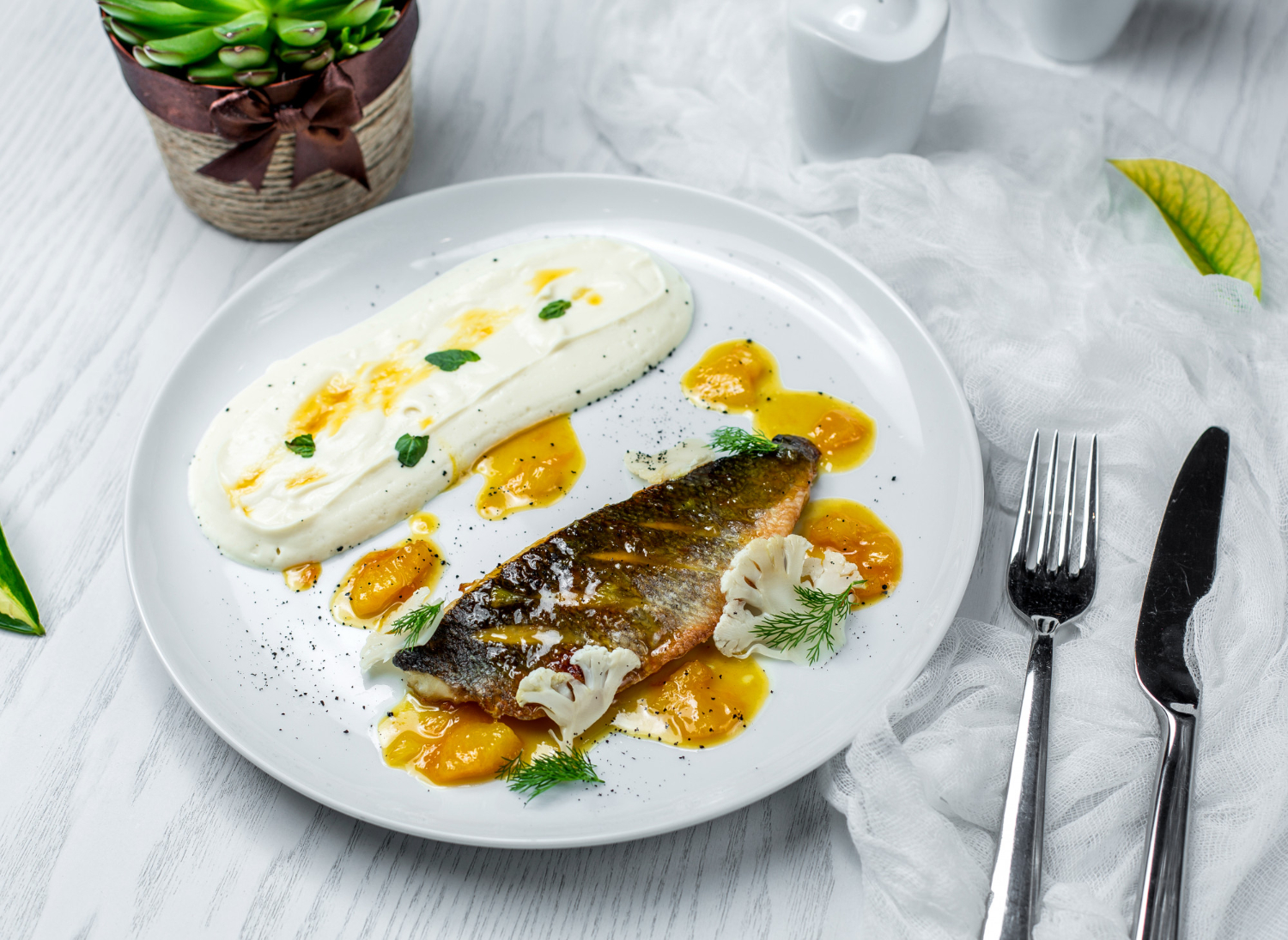
With minimal connective tissue, a cooked fillet has very little internal strength, which is why turning it, lifting it or moving it at the wrong moment destroys it.
Handling is a real constraint rather than clumsiness. Structural weakness is why fish is cooked with so little intervention.
14. Cooking It on the Bone Changes Things
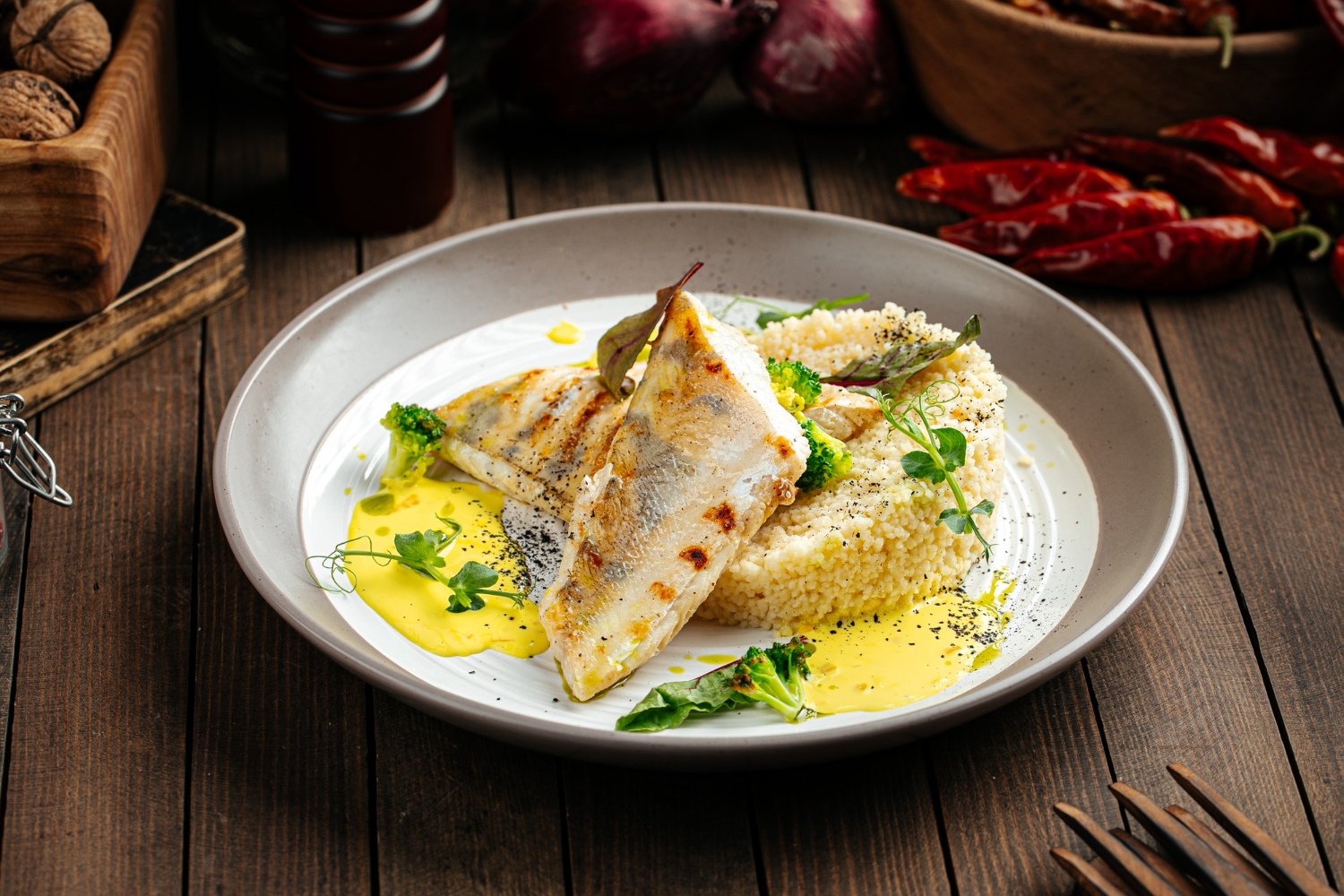
Bones and the surrounding structures conduct heat differently and hold the flesh together, which is why a whole fish behaves quite unlike a fillet of the same species.
It is more forgiving in every respect. Cooking on the bone is the approach that compensates for the fragility.
15. Freshwater and Marine Species Taste Different for a Reason

The compounds responsible for characteristic flavour differ between species adapted to salt water and to fresh, which is a chemical difference rather than a matter of habitat quality.
They are truly different ingredients. Compound differences are the reason substitution across that line rarely works.
16. It Deteriorates Faster Than Meat
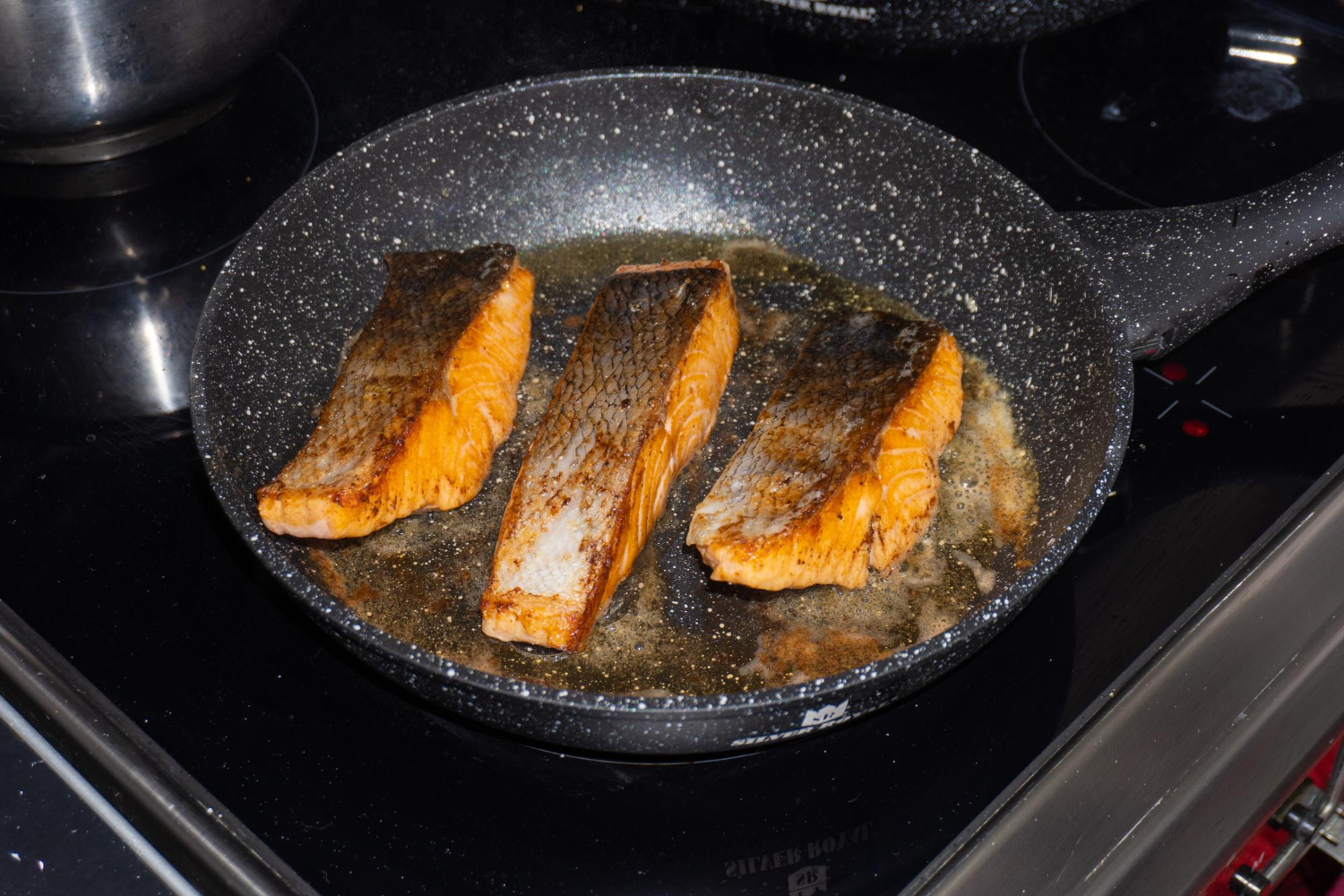
Fish enzymes and fats are adapted to function at low temperatures, so they continue working after harvest at rates that land-animal equivalents do not.
How that is managed is a matter for proper food-safety guidance rather than for judgement. Faster deterioration is the structural fact and the handling is not this article to advise on.
Built for Water, Not for Standing Up
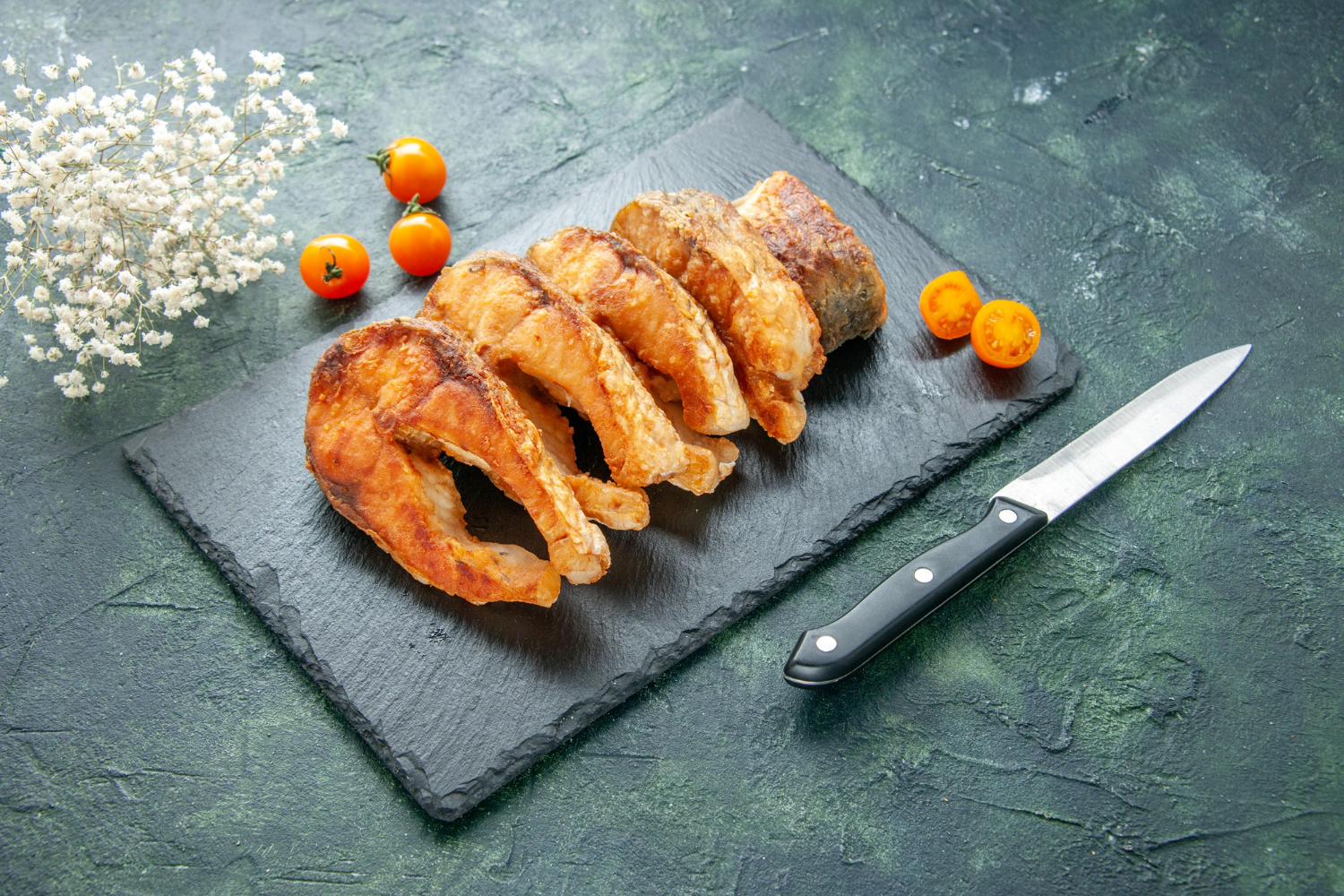
No weight to support means no connective tissue, which means no slow cooking, low temperatures, a narrow window, rapid moisture loss and a fillet with almost nothing holding it together.
One necessary note: everything above concerns structure and what heat does to it. How fish should be stored, handled and assessed is a real food-safety matter with real consequences that vary by species and by country, and it belongs with official guidance rather than with an article about connective tissue.
Like our content? Follow us for more.