Cheese is a protein network holding fat and water inside it. Heat loosens or tightens that network depending on how it was made, and every behaviour below is a consequence of which. Here are fifteen.
1. It Is a Net Holding Fat and Water

Cheese consists of a protein structure with fat globules and water trapped within it, which means heating it is a question of what happens to that structure rather than to the cheese as a whole.
Nothing melts in the way ice melts. Network structure is the fact underlying every item here.
Like our content? Follow us for more.
2. Melting Is the Network Loosening
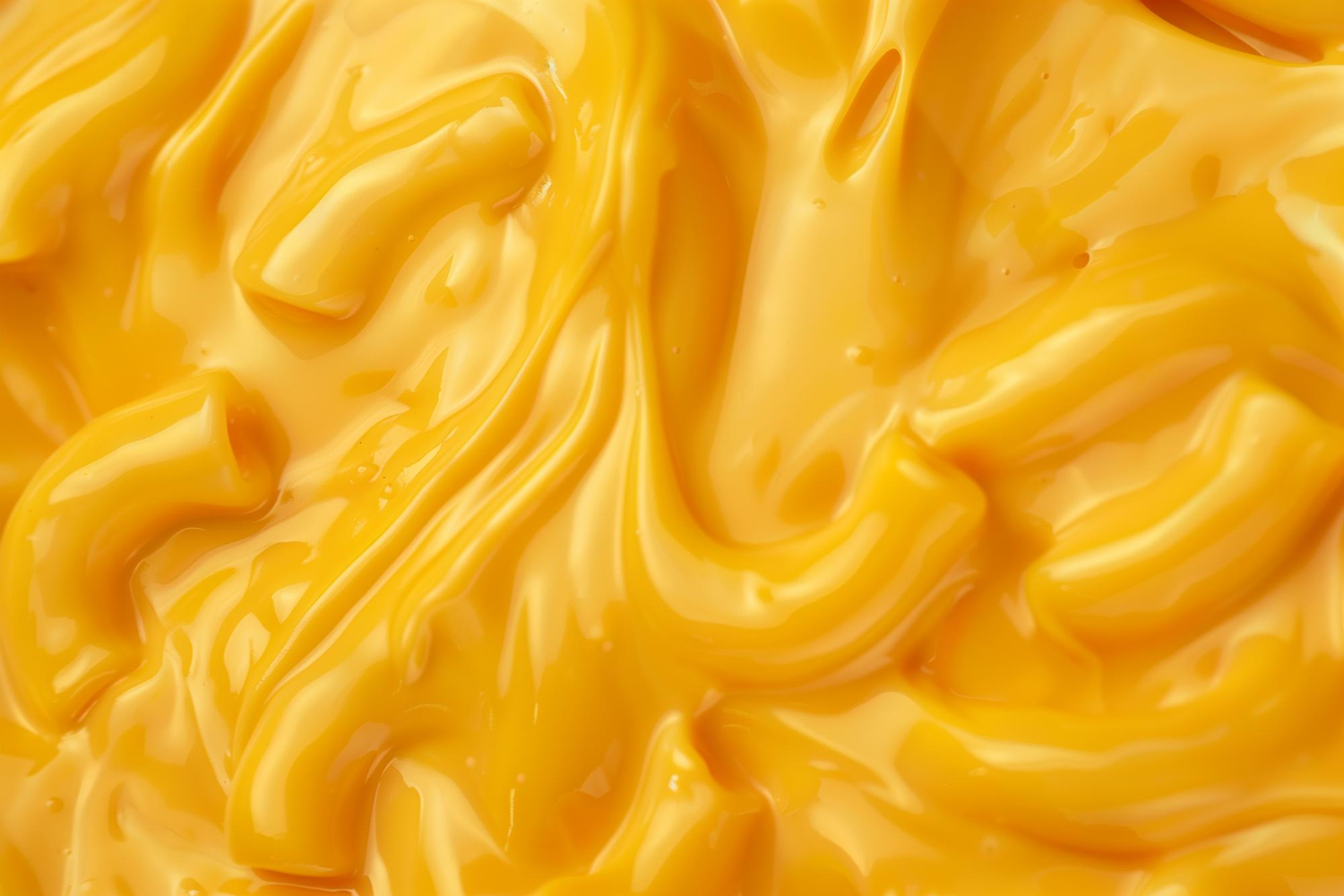
When heated, the bonds holding the protein network relax enough for it to flow while still holding the fat and water inside, which is what a good melt actually is.
The cheese softens rather than liquefying. Network relaxation is the process people call melting.
3. Some Cheeses Never Melt at All
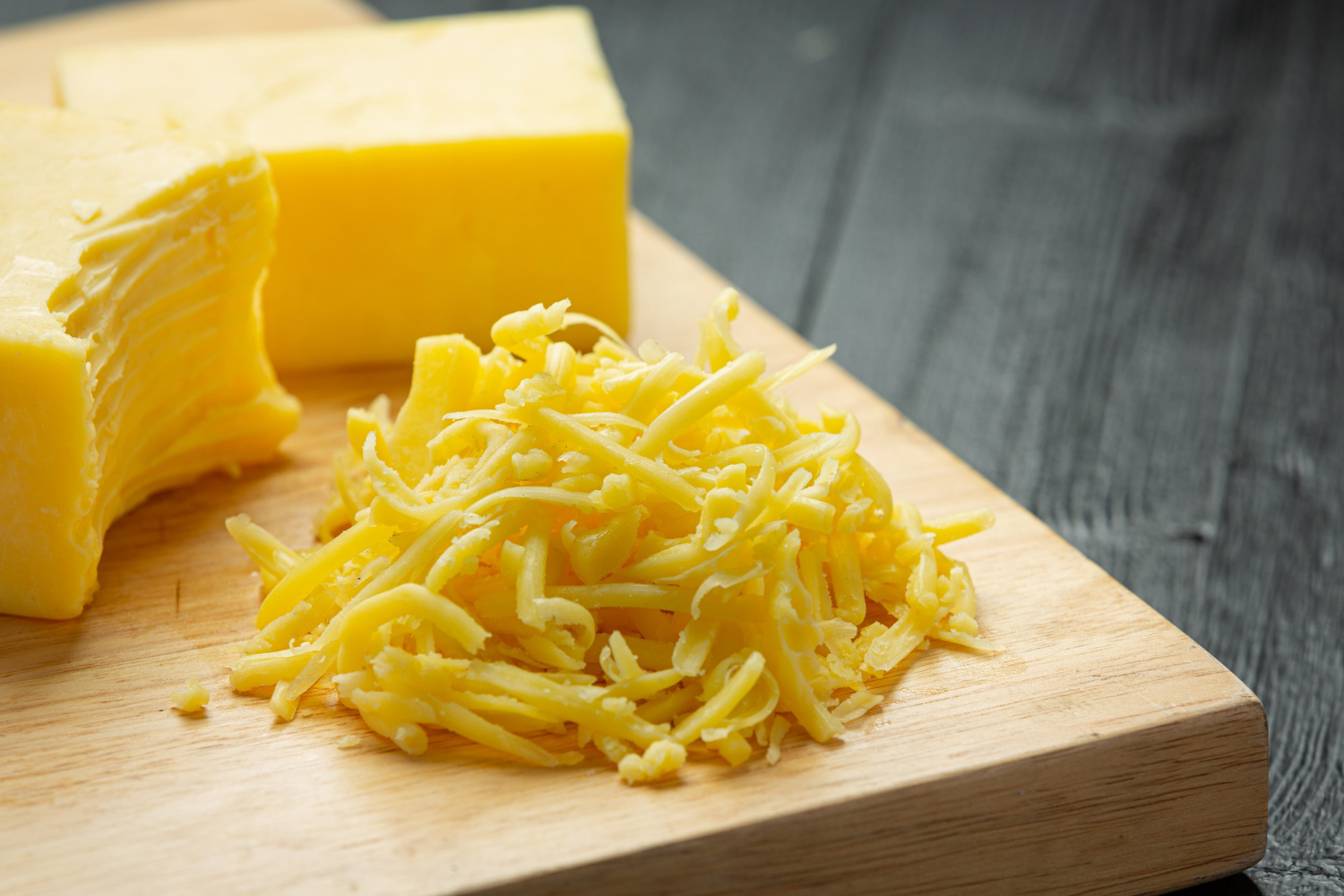
Cheeses set with acid rather than enzymes have a protein structure formed differently, and that structure does not loosen with heat – it simply firms and browns.
That is why some can be fried or grilled while holding their shape entirely. Acid-set structure is the reason a cheese can be heated and stay solid.
4. Age Determines Almost Everything
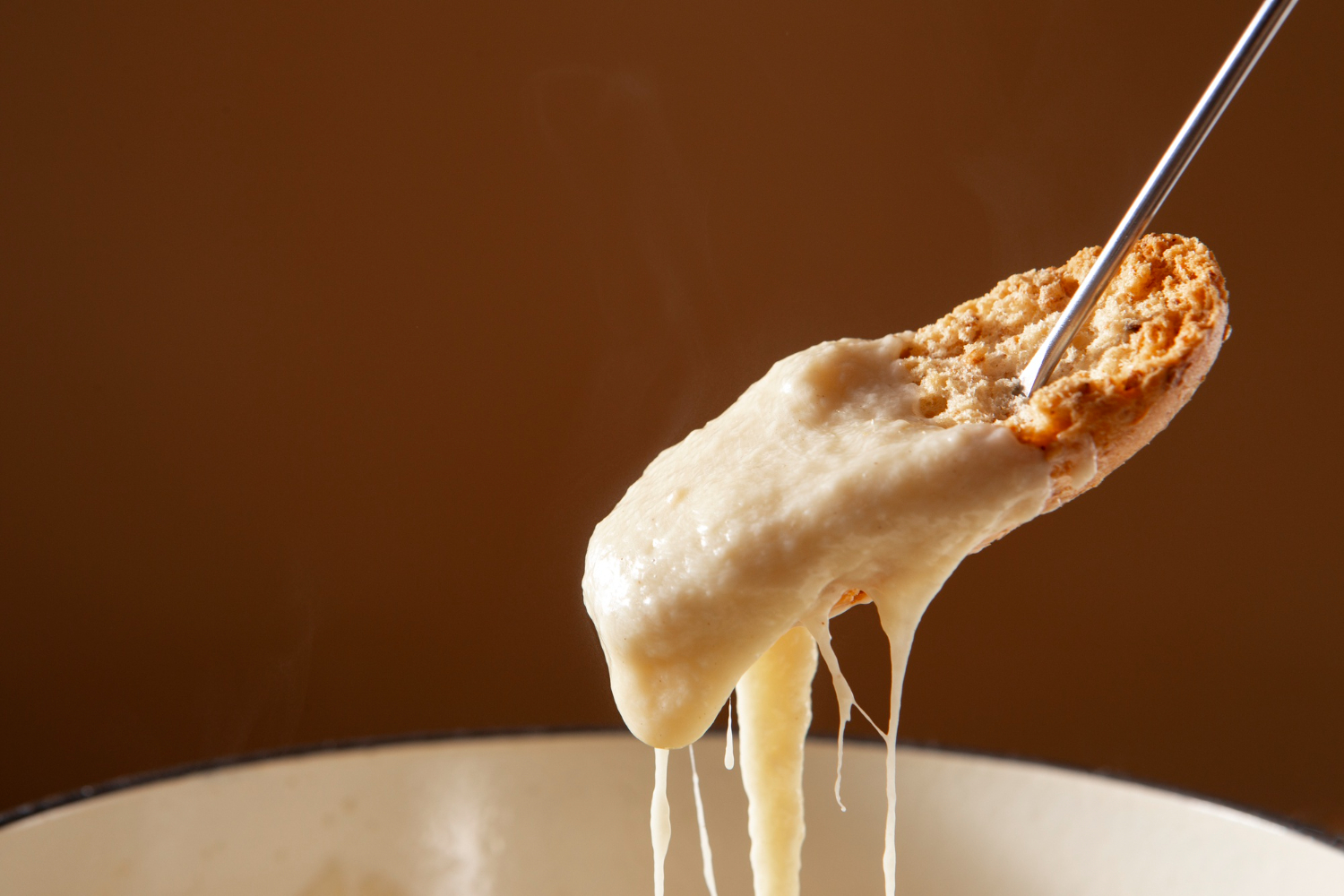
As cheese matures, enzymes break the protein network into shorter fragments and moisture is lost, which means an aged cheese has less structure to loosen and less water to keep it fluid.
Young cheese flows and old cheese separates. Maturity is the single best predictor of melting behaviour.
5. Moisture Is the Other Half
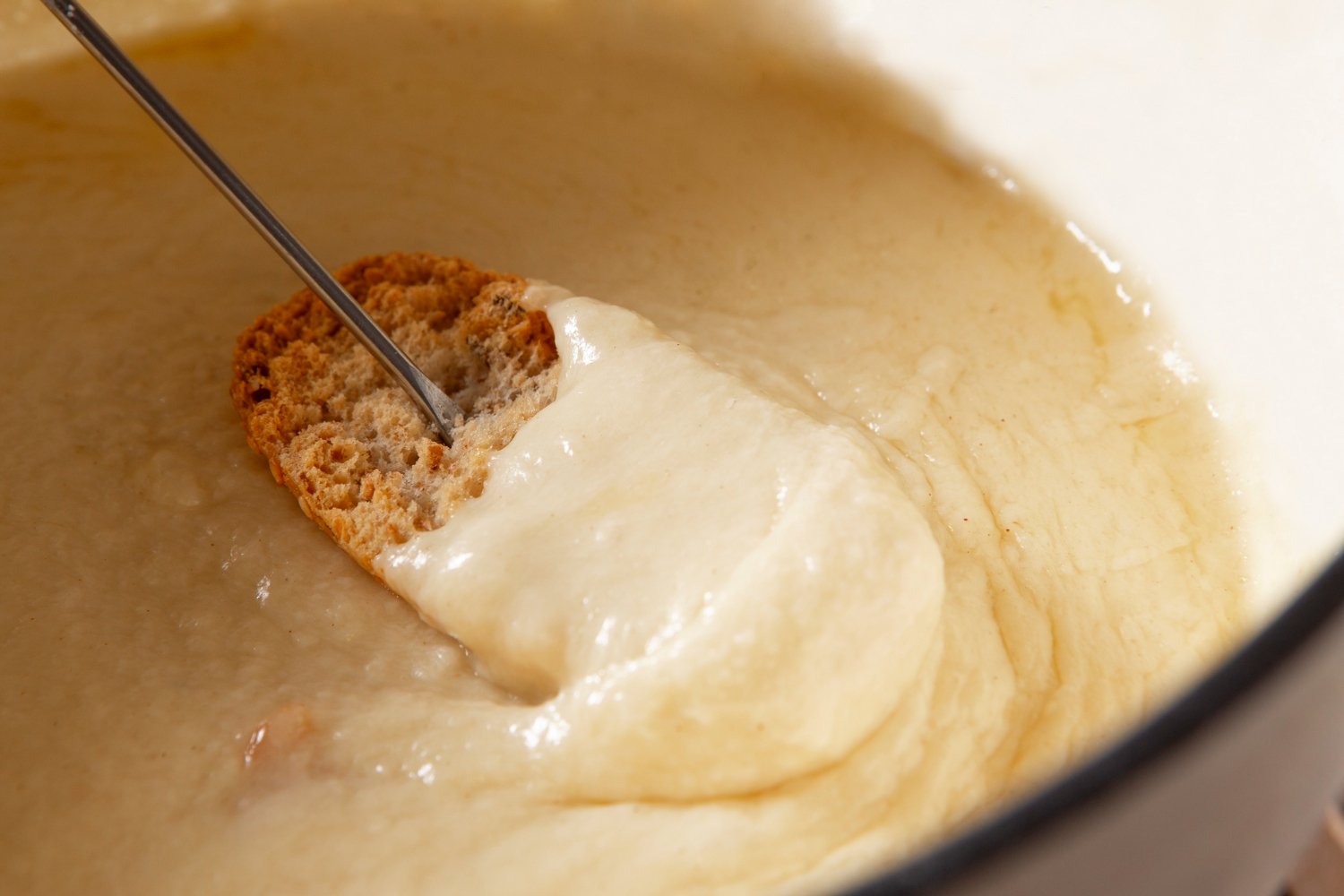
Water within the cheese allows the softened proteins to move past one another, so a dry cheese cannot flow however much the network relaxes.
That is why very hard cheeses behave so differently. Moisture content is the second variable that determines flow.
6. Too Much Heat Makes It Tighten
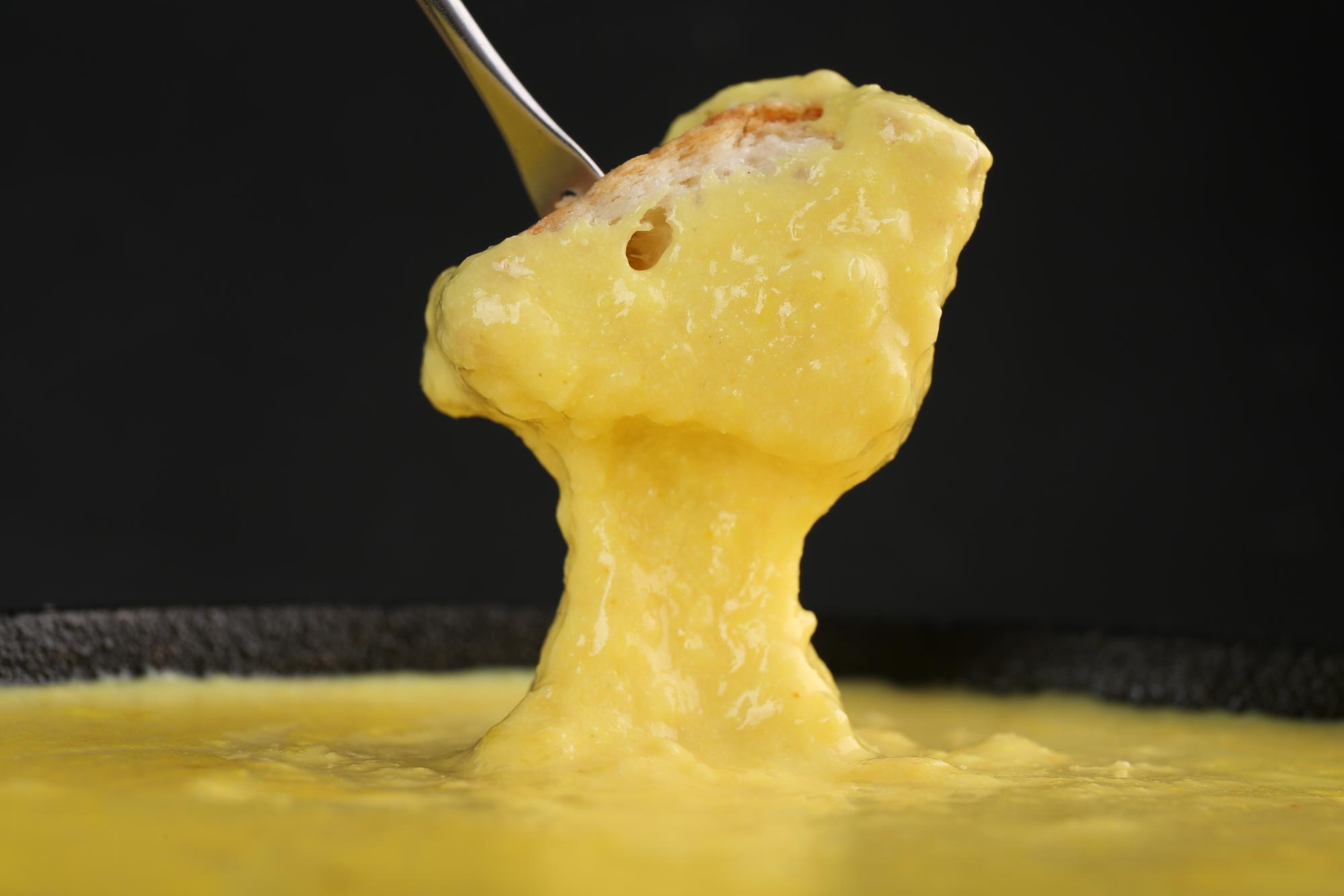
Beyond a certain temperature the proteins contract rather than relaxing, squeezing out fat and water and leaving a tough mass sitting in a pool of grease.
It is the same reaction as overcooked meat protein. Protein tightening is what separated greasy cheese actually is.
7. Which Is Why Gentle Heat Matters
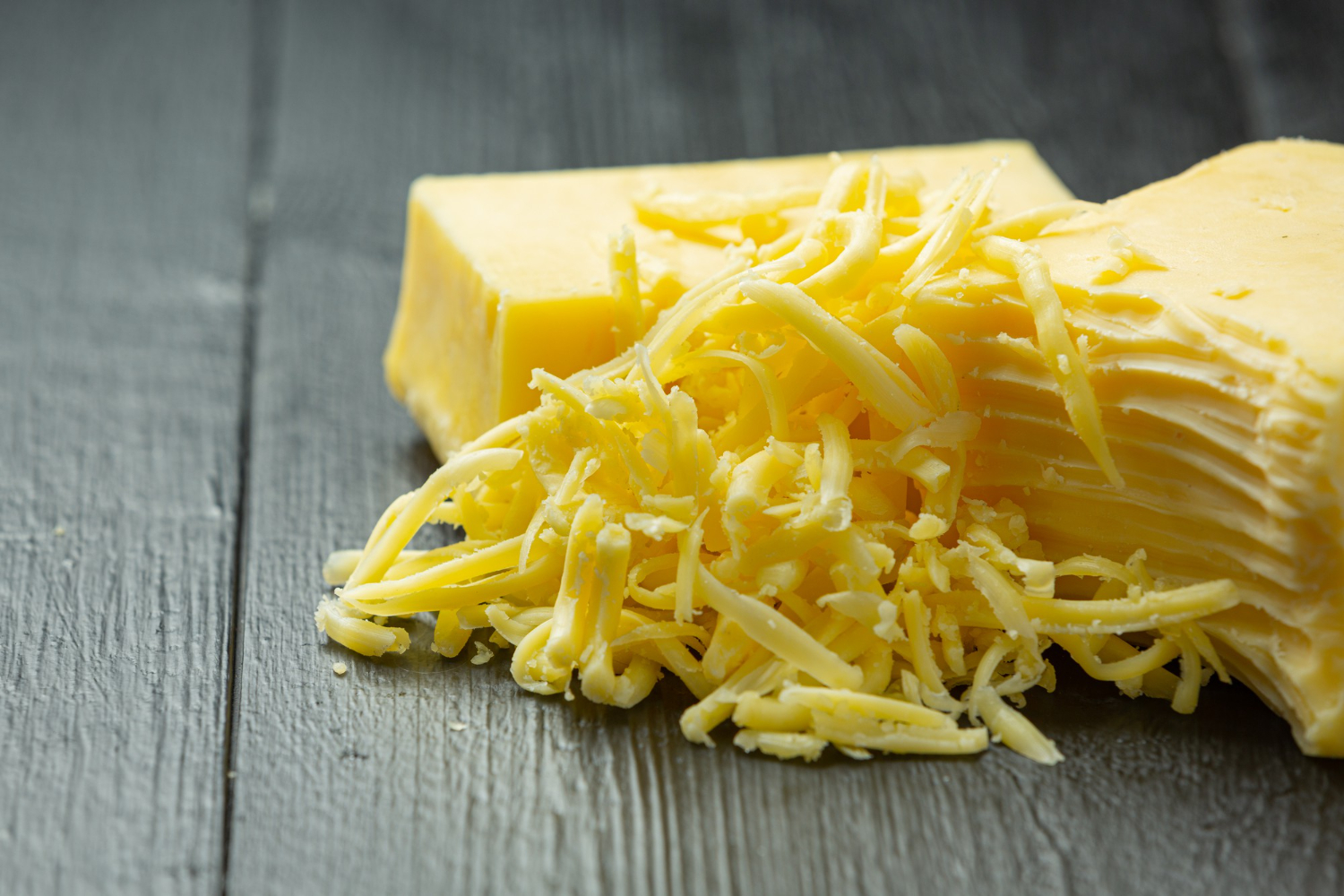
Because the useful range between flowing and separating is narrow, cheese responds far better to moderate heat applied for longer than to high heat applied briefly.
Rushing it produces the failure above. Gentle heating is the technique that follows directly from the narrow window.
8. Stretch Comes From Aligned Strands
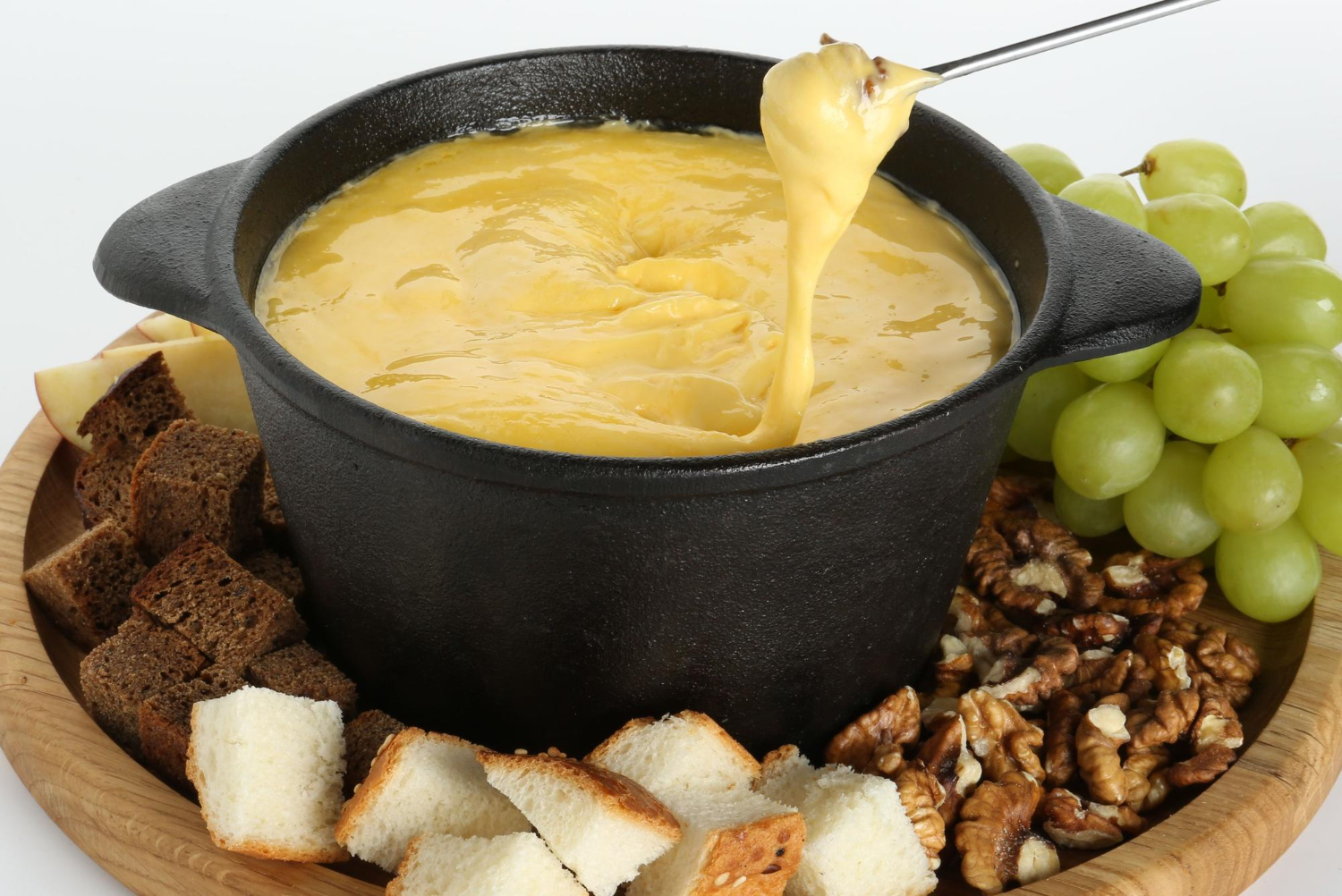
Working curd while it is warm and pliable pulls the protein into aligned strands, and those strands are what stretch when the cheese is heated later.
It is a physical alignment built in during manufacture. Directional structure is why some cheeses pull into threads.
9. Grating Changes the Result
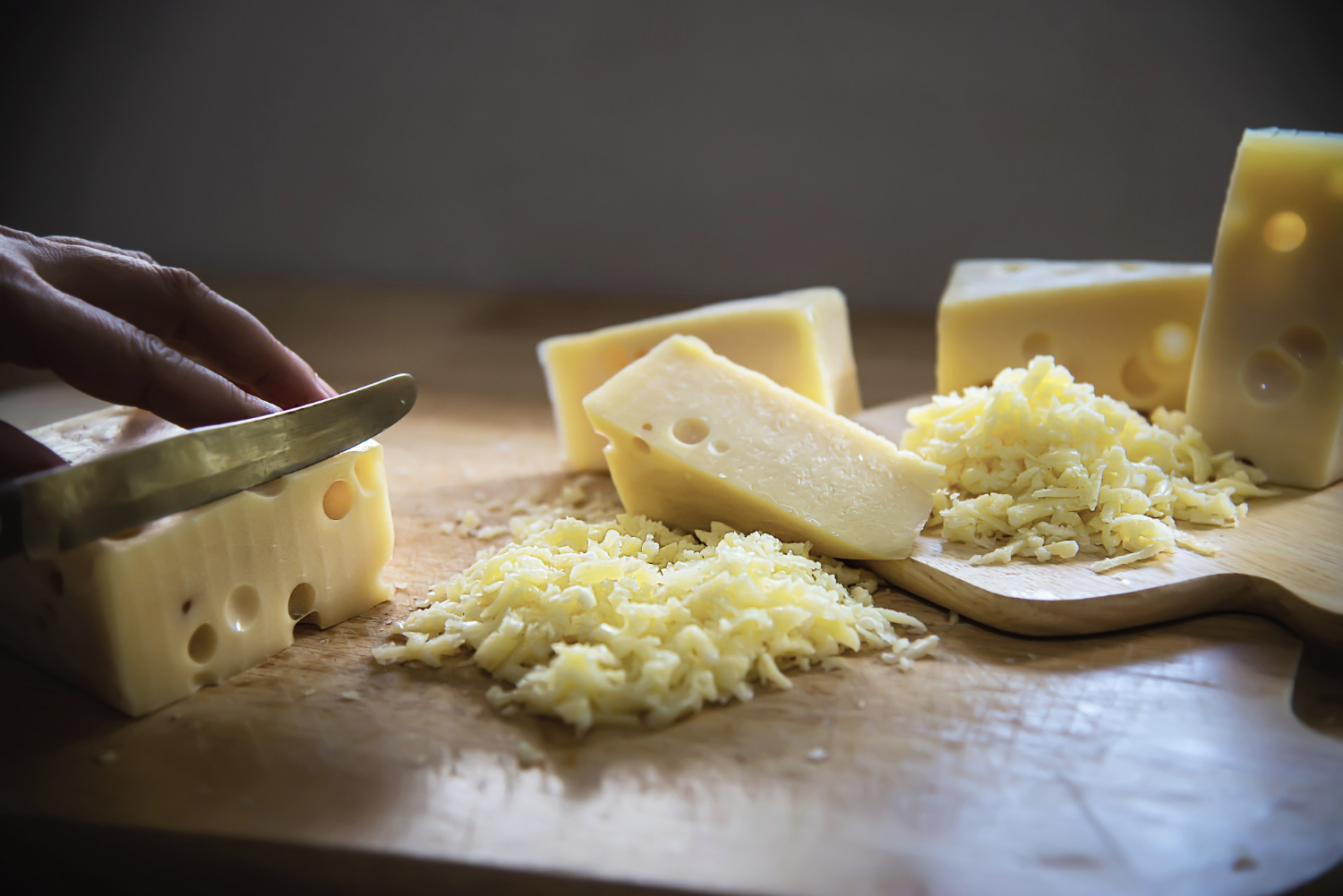
Smaller pieces have far more surface area relative to volume, so they heat faster and more evenly and are less likely to sit as a cold lump while the outside overheats.
It also distributes the cheese through a dish. Surface area is the preparation decision that affects the outcome most.
10. Sauce Needs Something to Hold It Together

Melting cheese into liquid readily produces clumps and separation, because the proteins find each other and contract rather than dispersing.
A stabiliser prevents them clumping. Sauce failure is the same tightening problem in a wetter setting.
11. Starch Stabilises It
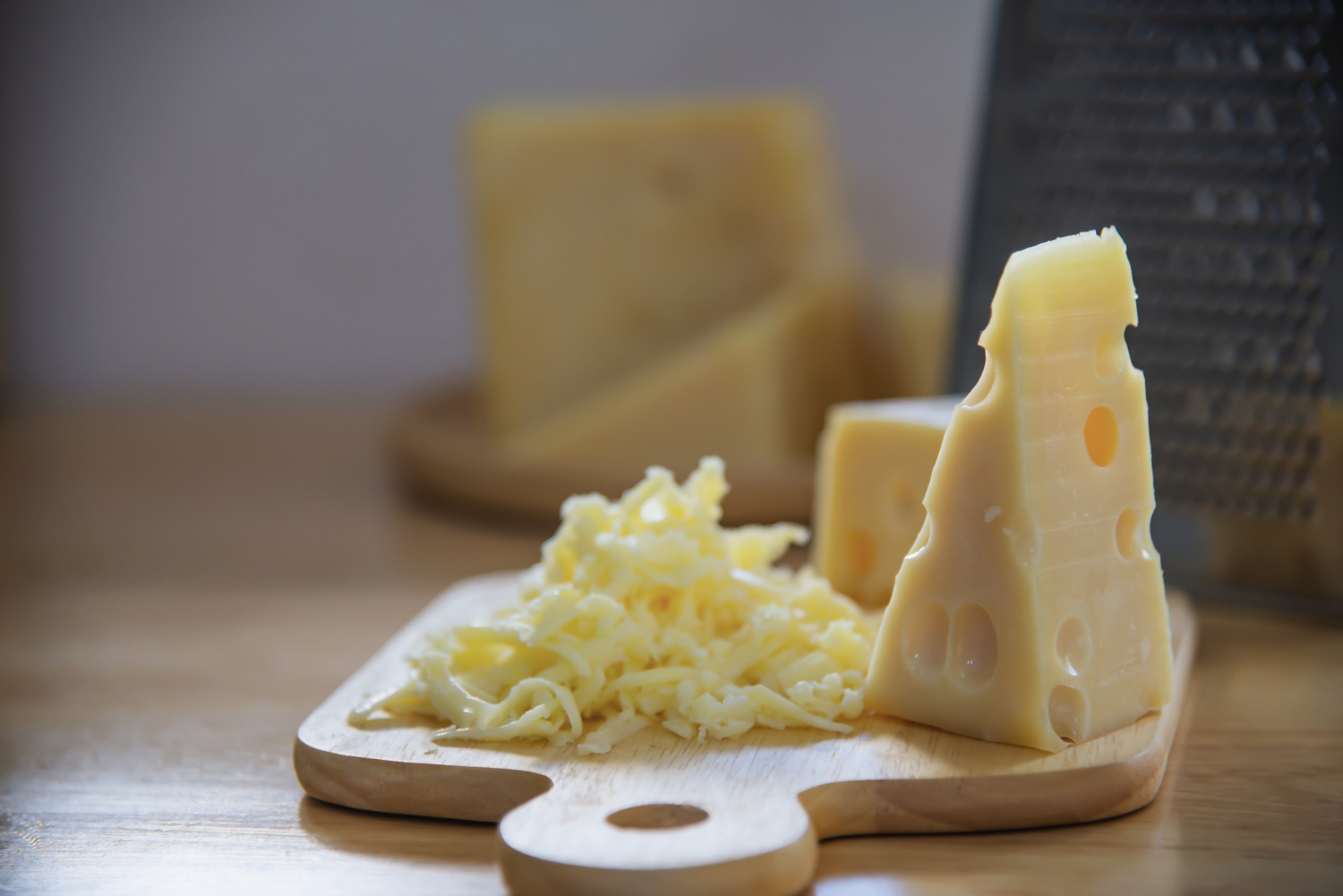
Starch present in the liquid physically interferes with proteins finding one another, which is why cheese sauces built on a flour base behave so much better than cheese melted into milk alone.
The starch is doing structural work rather than thickening. Starch interference is why the traditional method exists.
12. Acid Helps and Then Hurts
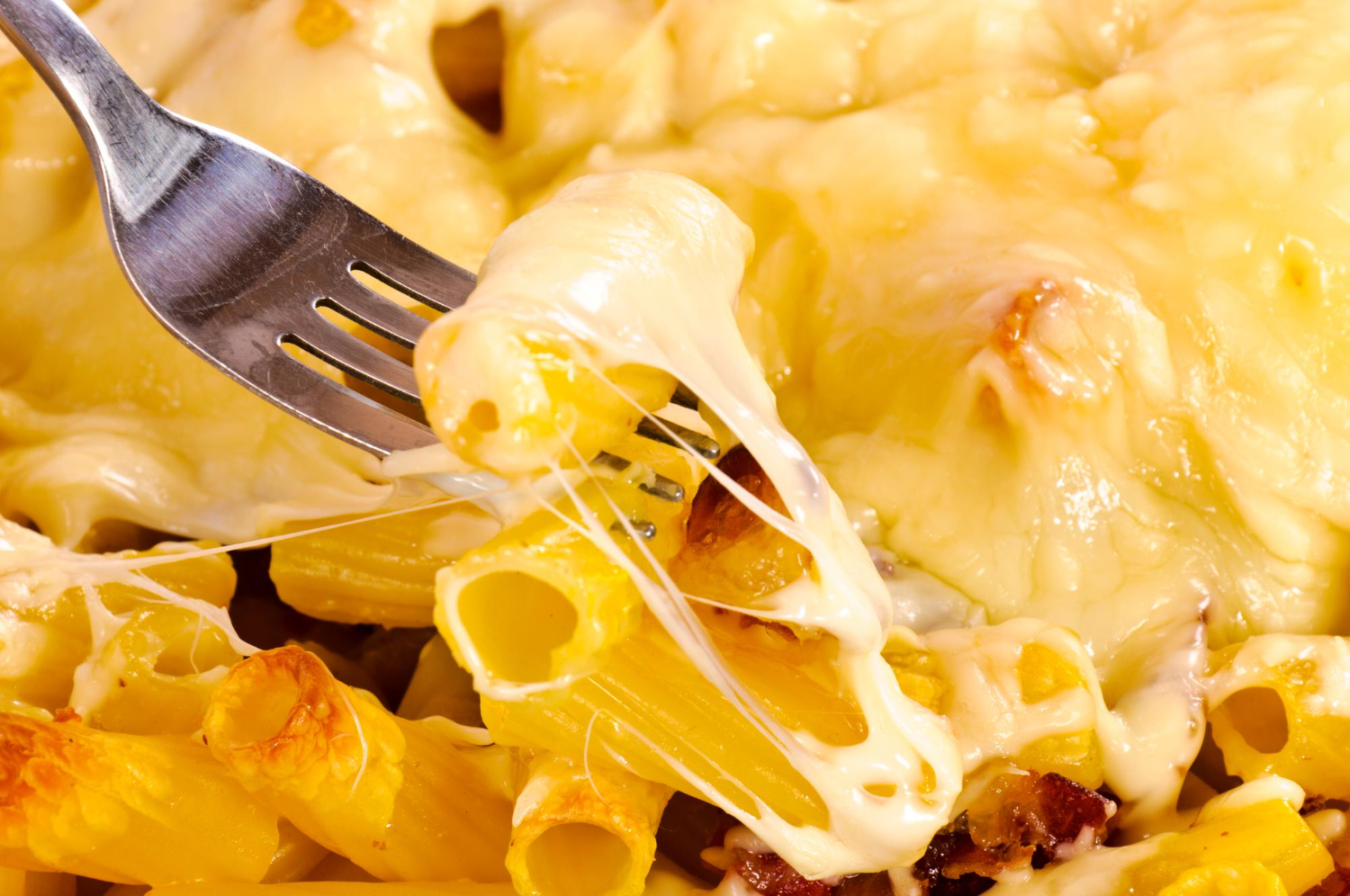
A small amount of acidity keeps proteins dispersed and improves smoothness; too much causes them to contract and the mixture to break entirely.
The margin is not wide. Acid balance is the adjustment that improves a sauce until it ruins one.
13. Browning on Top Is a Reaction

The colour and flavour developing on a heated surface come from proteins and residual sugars reacting at high temperature, which is a different process from melting.
A cheese can brown without melting and melt without browning. Surface browning is a separate transformation on the same ingredient.
14. Salt Does More Than Season
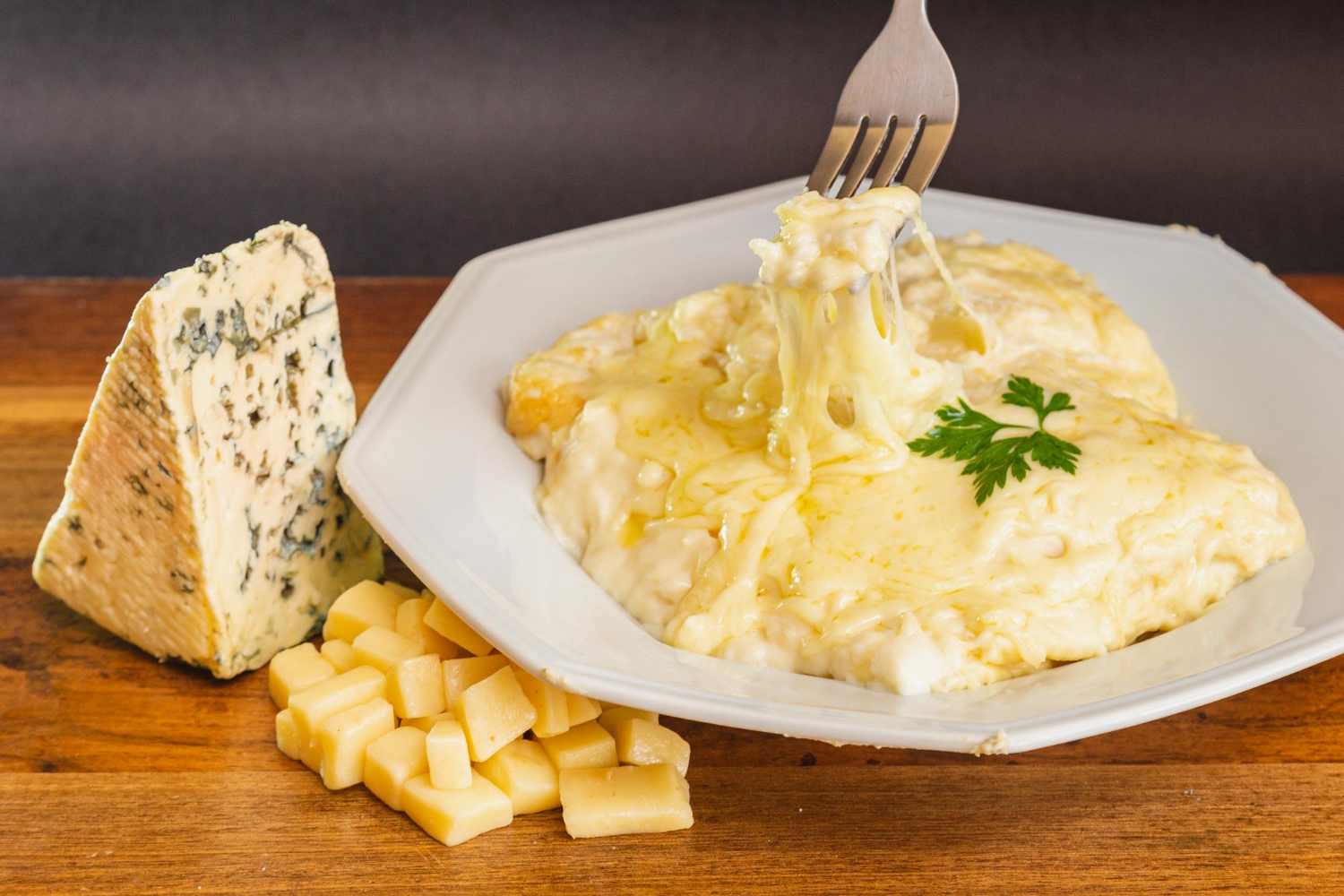
Salt affects how the protein network holds together and how much water it retains, so salt content contributes directly to texture and to melting behaviour rather than only to taste.
It is built in during making. Salt in the structure is a manufacturing variable rather than a seasoning one.
15. Every Cheese Was Made for Something
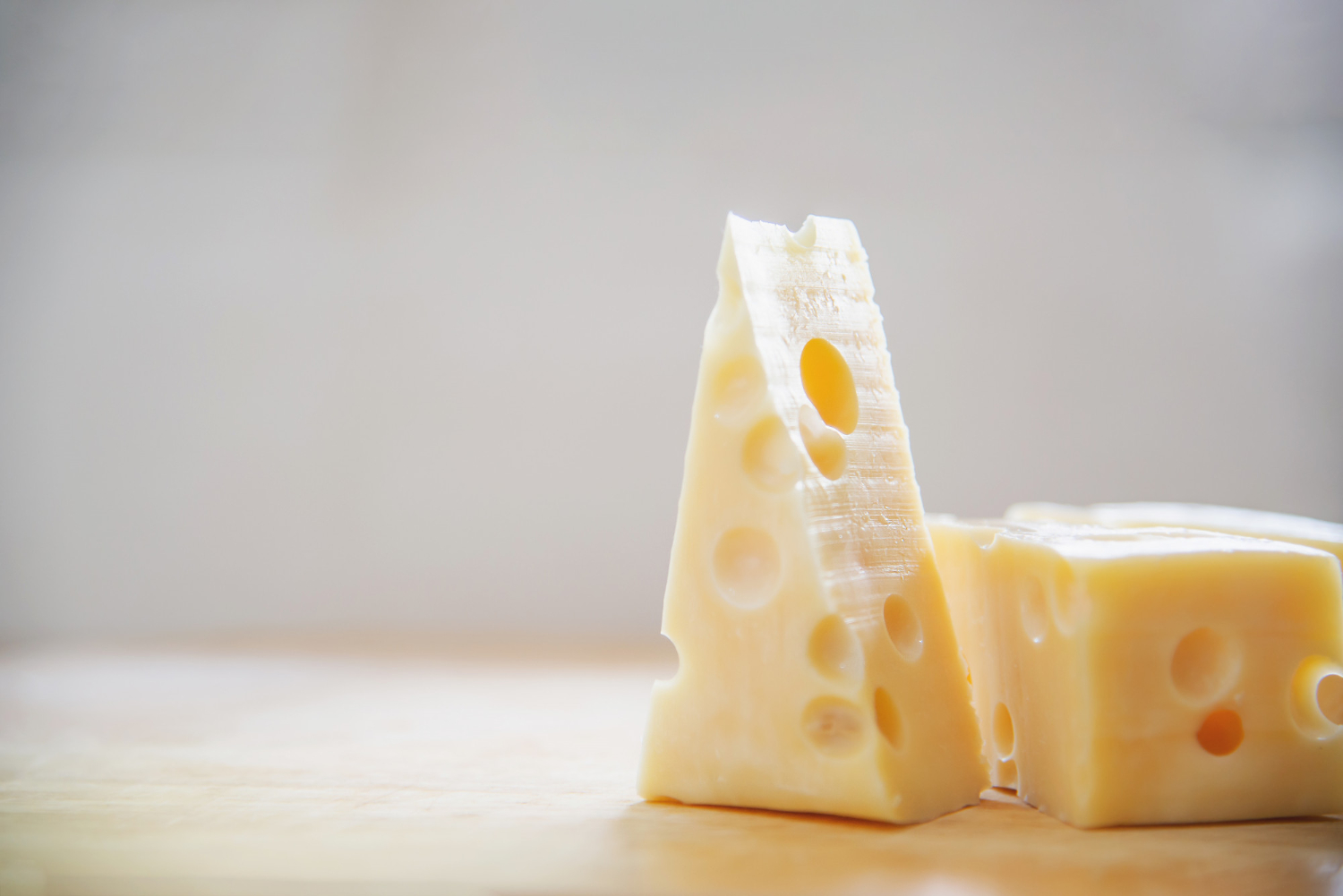
Manufacturing choices – the setting method, the working of the curd, the moisture, the salt, the age – were made with an intended use in view, which is why substitution so frequently disappoints.
A cheese that does not melt was not meant to. Intended use is the reason the wrong cheese fails rather than underperforms.
A Protein Net That Loosens or Tightens
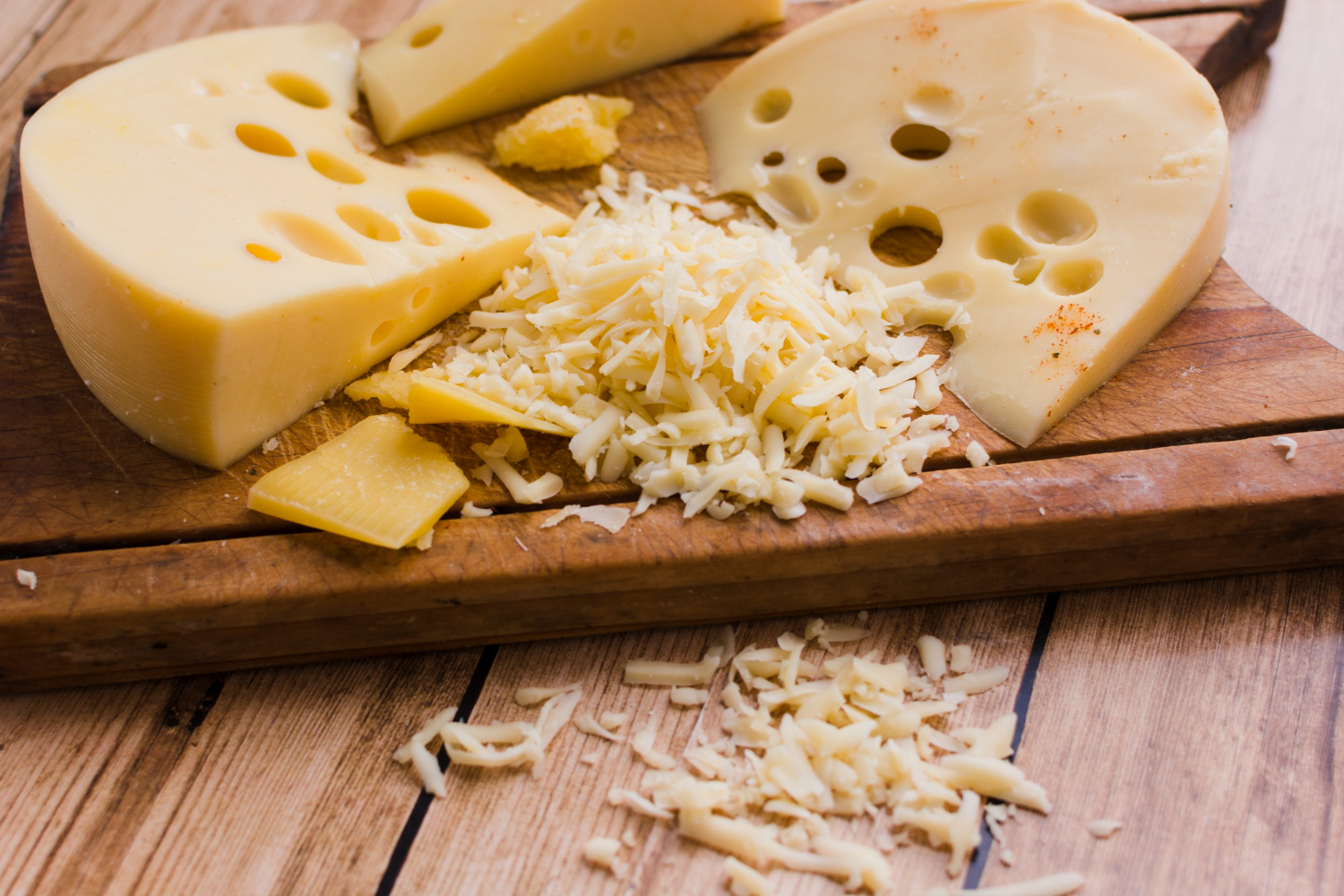
Whether cheese flows, stretches, separates or holds its shape is decided by how the network was set, how much moisture remains, how far the proteins have broken down and how hot it gets.
The most useful item is the sixth. Almost every disappointing result with heated cheese is the same failure – proteins tightening and expelling fat because the heat went too far – and the correction is always the same, which is less heat over more time.
Like our content? Follow us for more.