The whole subject rests on one arrangement: a stored precursor and an enzyme, kept in separate compartments inside the cell, which combine the moment anything damages the tissue. Here are sixteen consequences.
1. Nothing Happens Until You Cut It
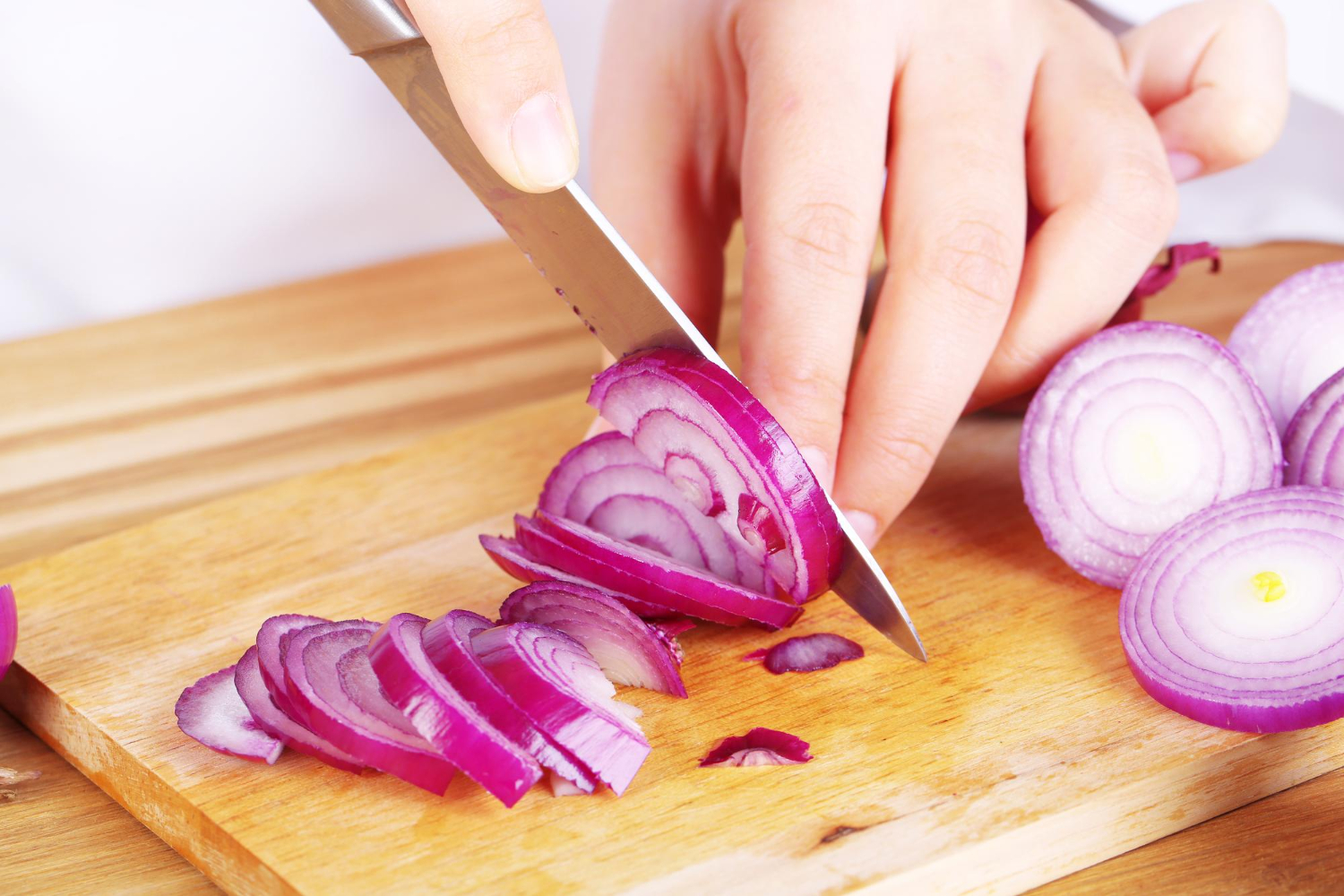
An intact bulb contains an odourless precursor and an enzyme in separate compartments, and neither produces any flavour while they remain apart.
That is why a whole onion smells of nothing. Separated components is the arrangement everything below depends on.
Like our content? Follow us for more.
2. Damage Creates the Flavour
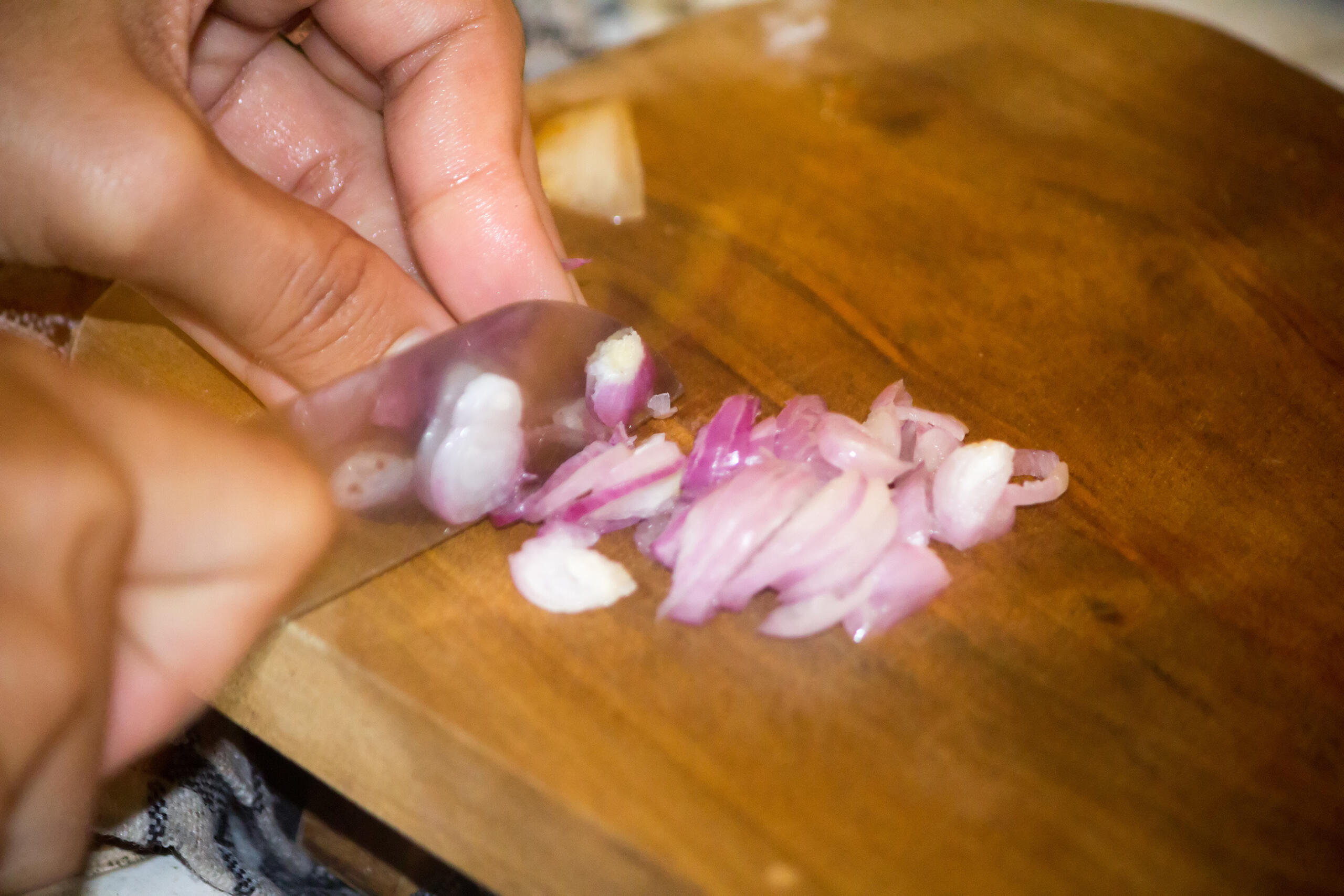
Cutting, crushing or chewing ruptures the compartments, the enzyme meets the precursor, and sharp volatile compounds are generated within seconds that did not previously exist.
You are not releasing flavour but manufacturing it. Damage-triggered synthesis is the mechanism the whole family runs on.
3. Which Is Why It Is a Defence
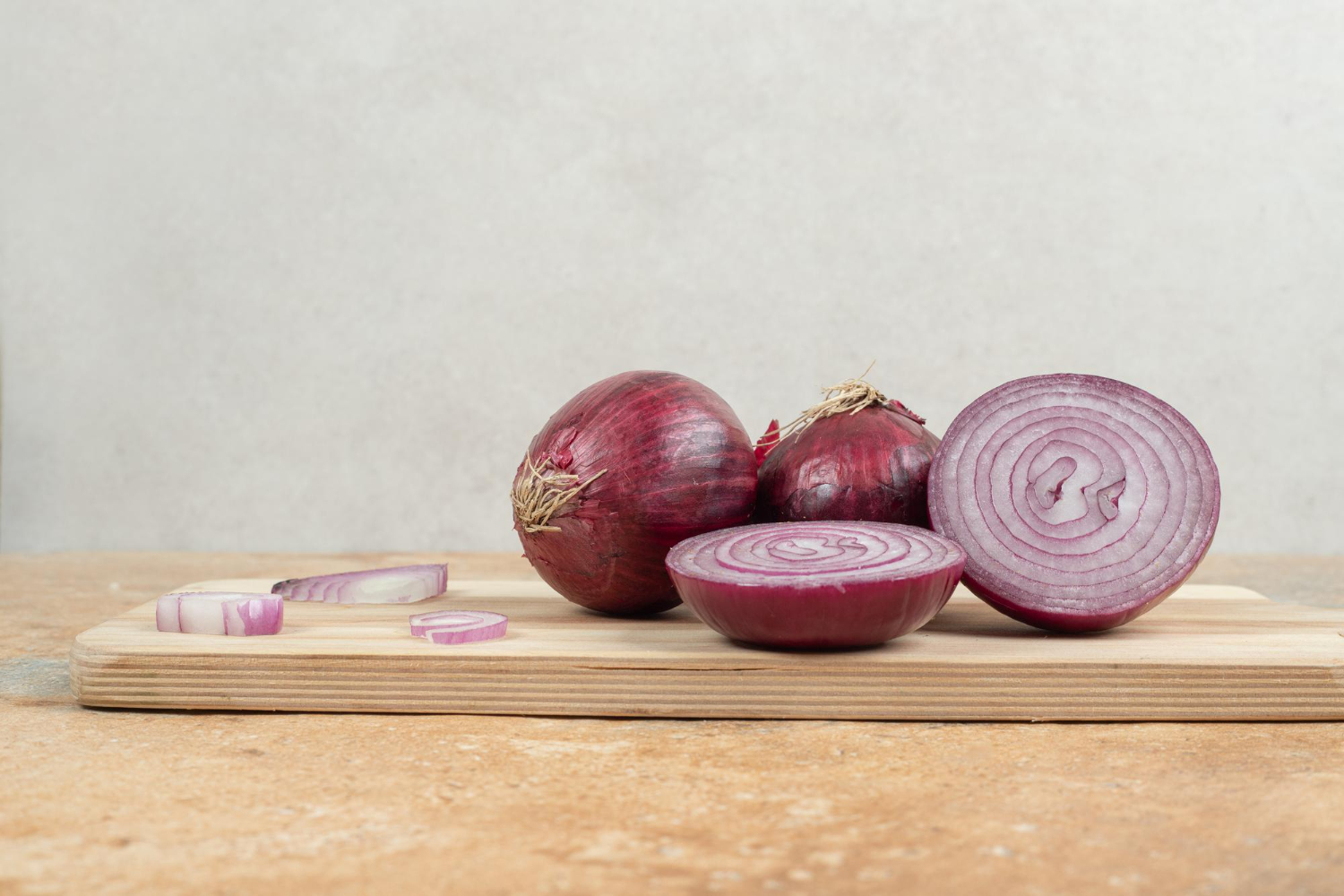
The plant stores the components separately precisely so that anything chewing it triggers the reaction, producing compounds that are unpleasant to whatever is eating.
The cook is the intended target. Chemical defence is the reason the system exists at all.
4. How Finely You Cut Decides How Strong It Is
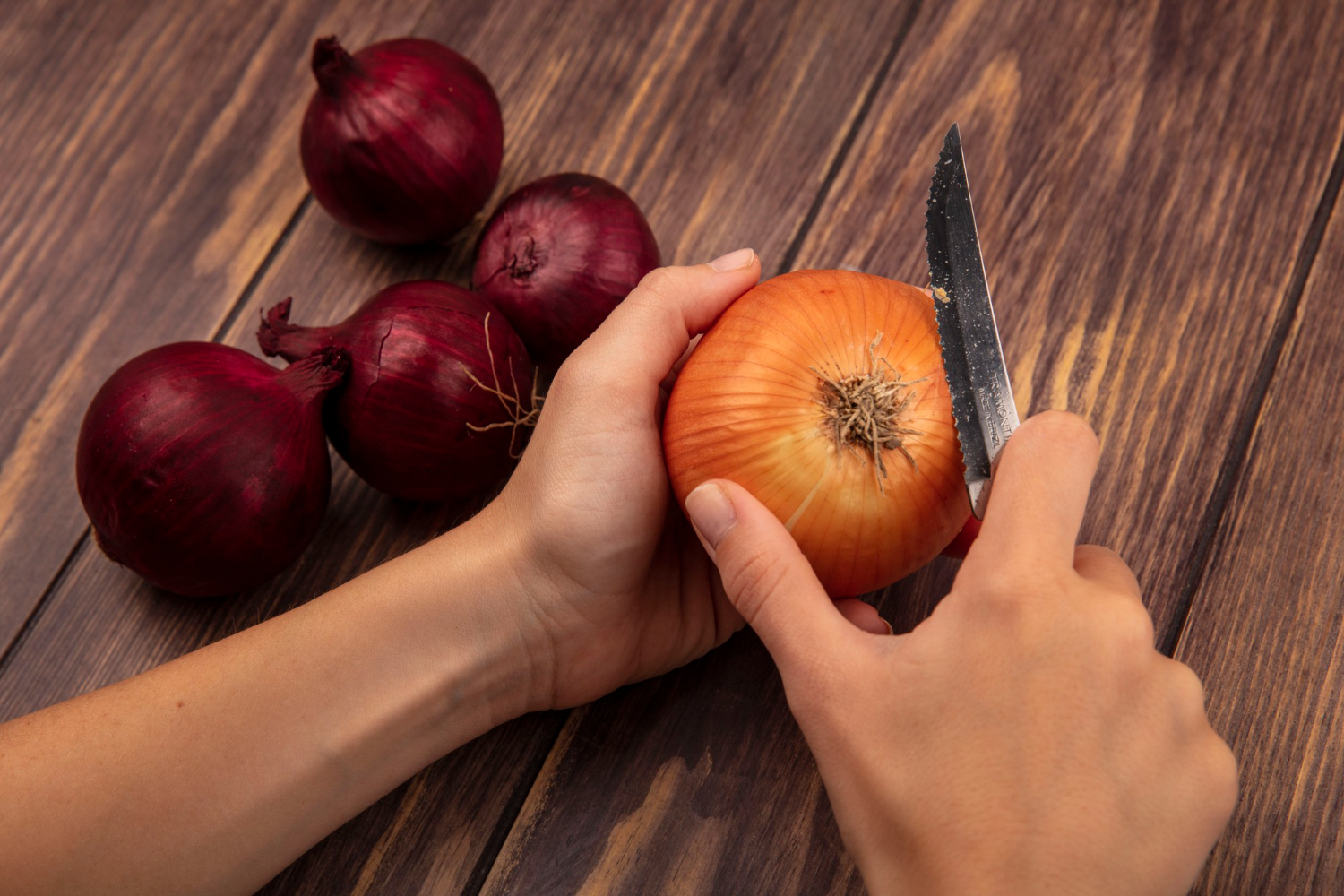
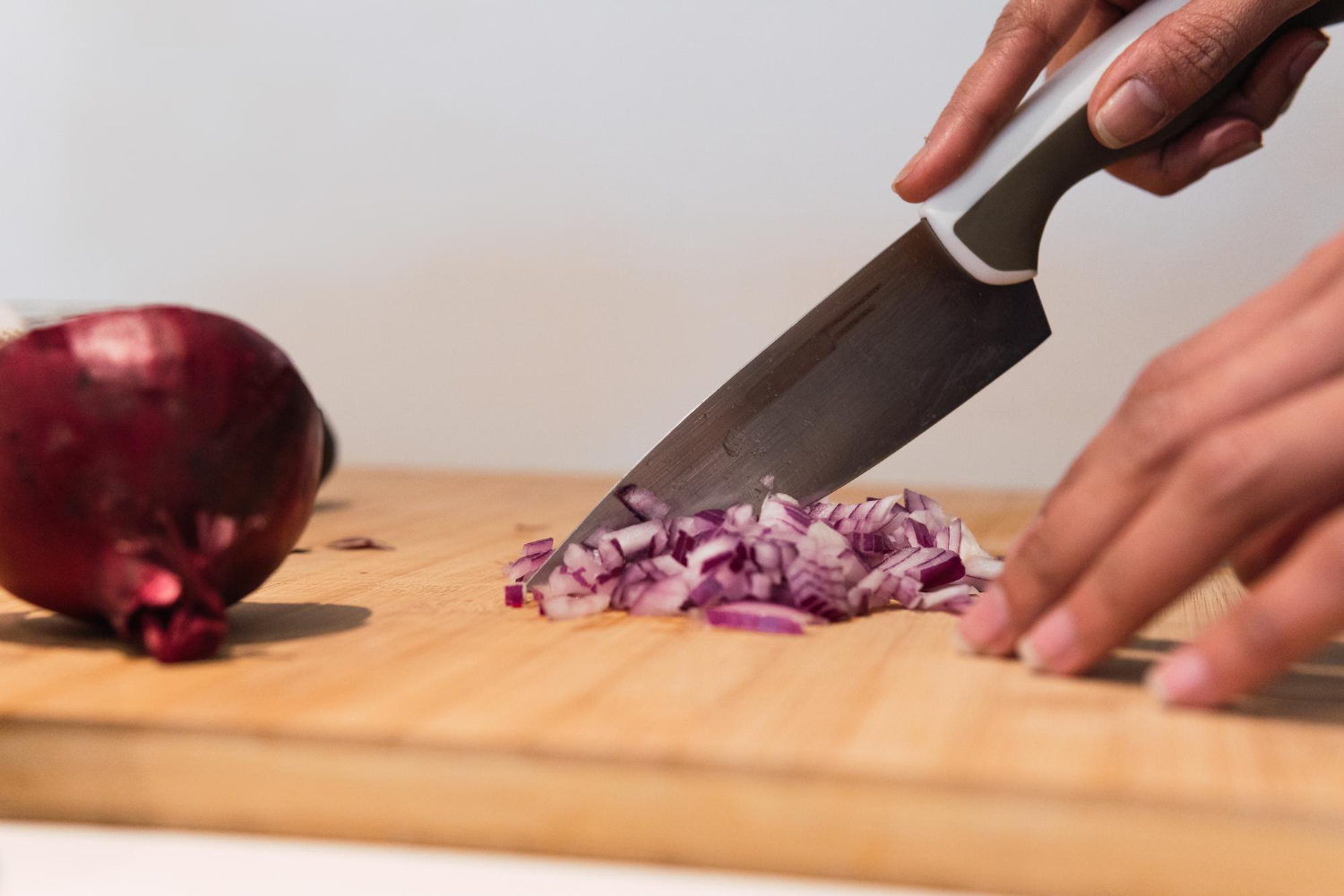
More cutting means more ruptured cells, more enzyme contact and more compound produced, so finely chopped garlic is dramatically more pungent than the same clove sliced.
A whole clove barely reacts at all. Cut size is the single largest control available.
5. Crushing Is Stronger Than Cutting
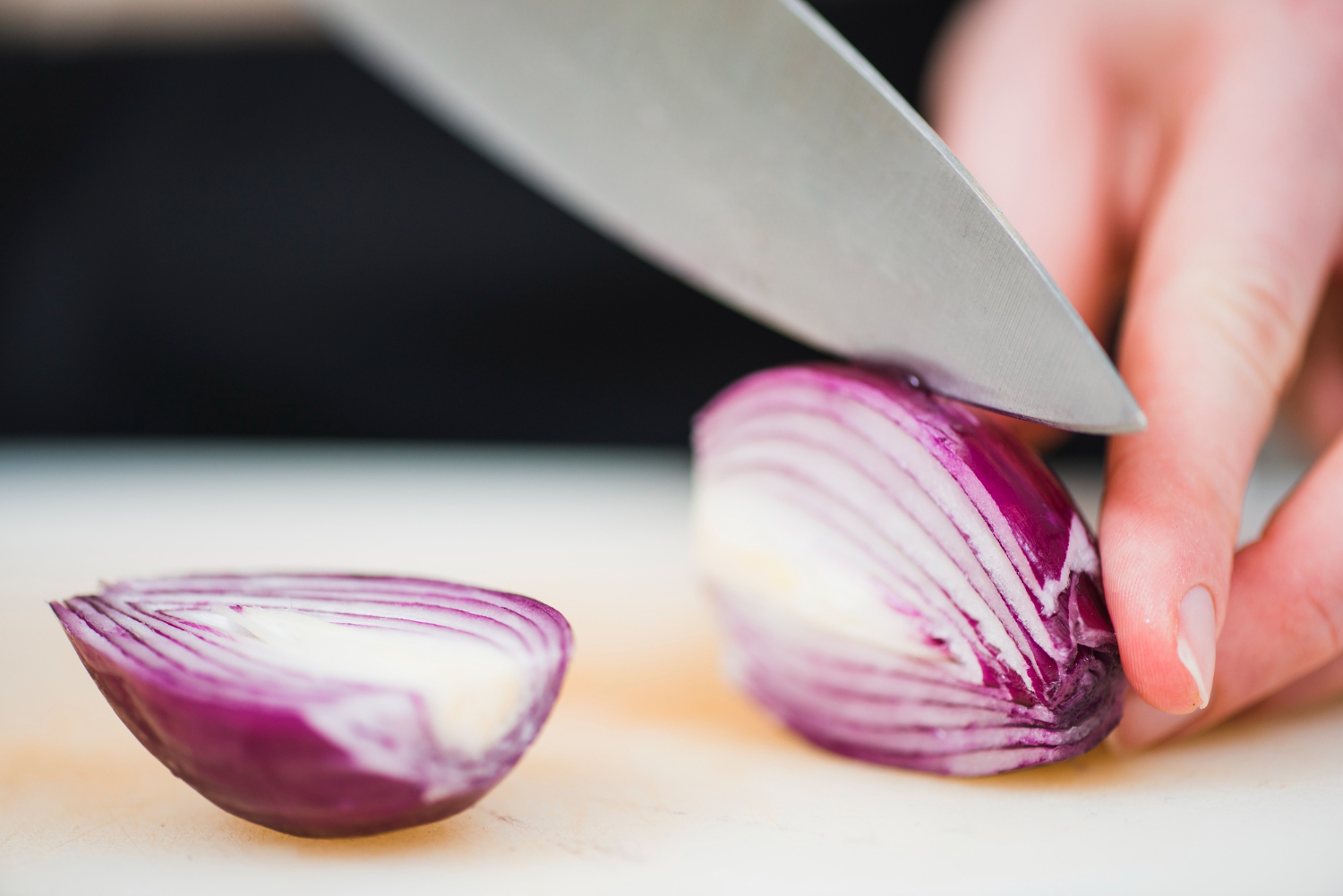
Pressing ruptures far more cells than a clean blade, which is why crushed garlic is more assertive than the same amount sliced.
The blade cuts through fewer cells than it separates. Crushing intensity is the difference between two preparations of one ingredient.
6. Resting After Cutting Increases It
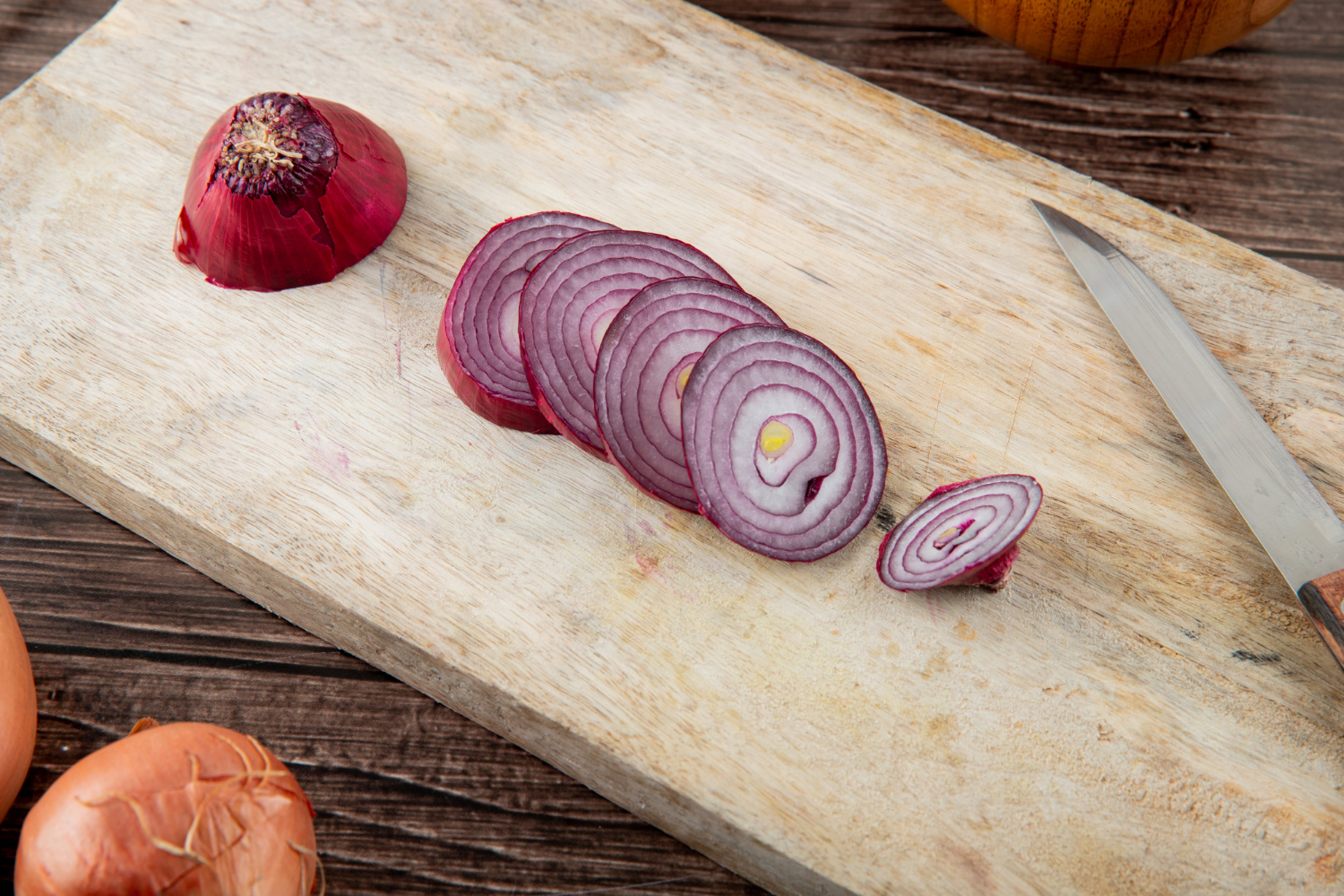
The reaction takes time, so garlic left for some minutes after cutting develops substantially more of the compound than garlic used immediately.
Some traditions specify the wait deliberately. Post-cut resting is a technique that requires nothing but patience.
7. Heat Destroys the Enzyme
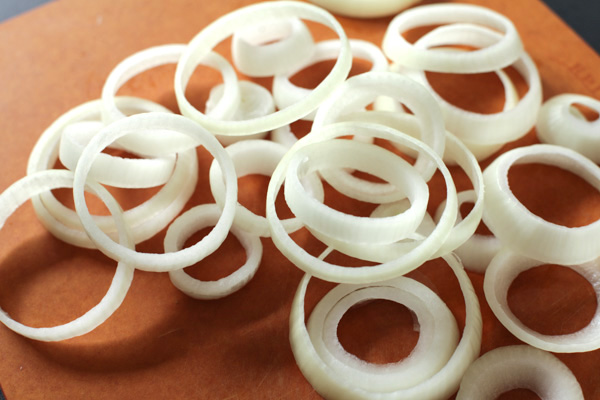
The enzyme is a protein and is denatured by heat, so anything cooked before it is cut cannot produce the reaction at all.
Whole roasted garlic is mild for this reason rather than because the heat mellowed it. Enzyme destruction is why cooking before cutting changes everything.
8. So the Order of Operations Matters More Than the Method
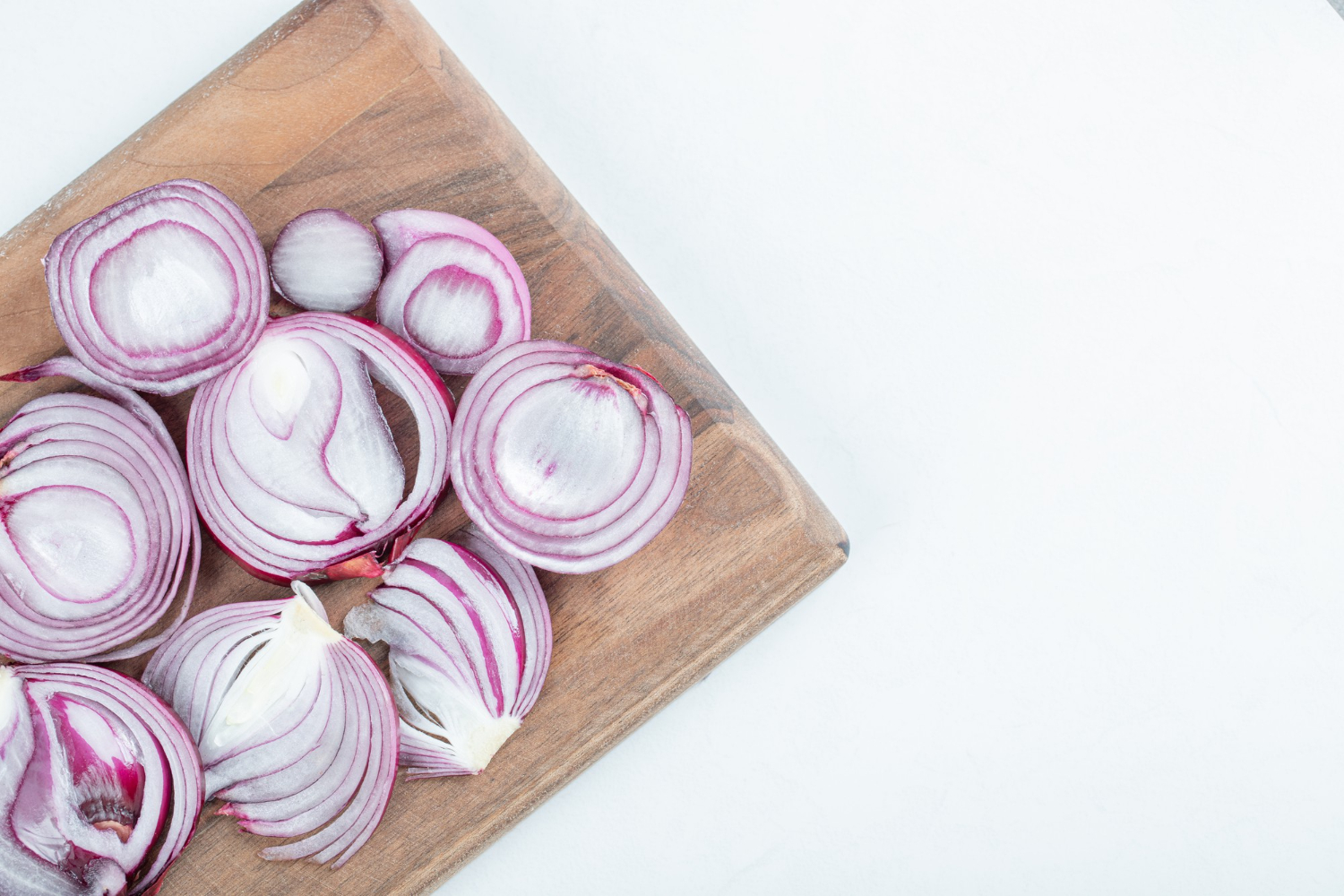
Cutting then cooking produces a completely different result from cooking then cutting, using identical ingredients and identical heat.
Nobody thinks of it as a variable. Operation order is the decision hiding inside every recipe.
9. Cooking Converts the Sharp Compounds
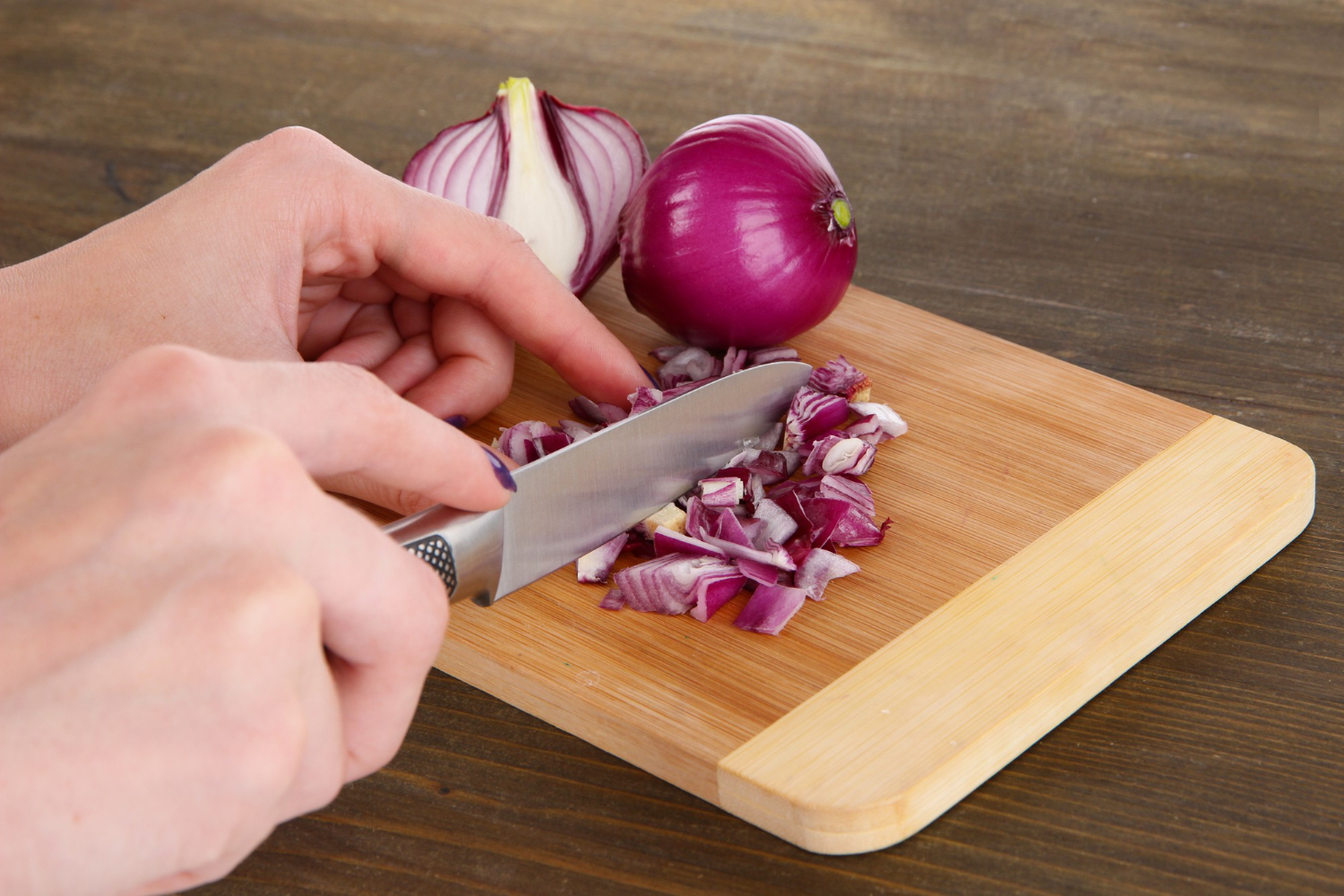
The volatile compounds generated by cutting are unstable, and heat breaks them down into a range of other compounds that are sweeter, rounder and more complex.
That is why cooked alliums taste nothing like raw ones. Thermal conversion is a transformation rather than a mellowing.
10. Long Slow Cooking Does Something Else Entirely
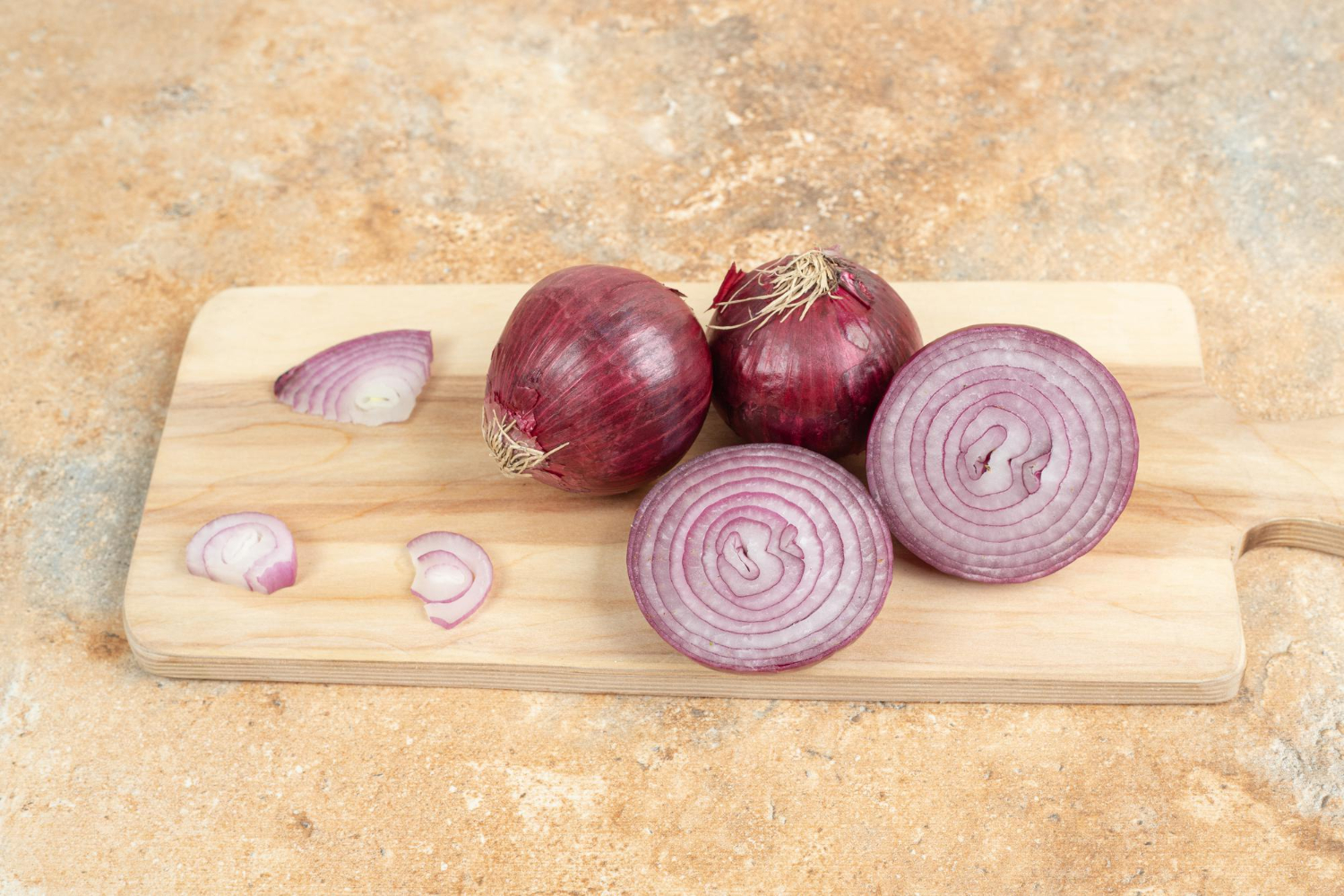
Extended gentle heat drives off water, concentrates stored sugars and produces browning reactions, converting a sharp vegetable into something deeply sweet.
It takes far longer than most people allow. Slow browning is the process that produces an entirely different ingredient.
11. Garlic Burns Because It Is Small and Sweet
Garlic is usually cut fine and contains sugars that brown quickly, so it passes from golden to bitter in a very short window.
Adding it later than the onion is the standard correction. Rapid burning is a consequence of size and composition together.
12. The Species Are Not Interchangeable
Onions, garlic, leeks, shallots and chives carry different precursors in different proportions, which is why substituting one for another changes a dish rather than adjusting it.
They are related and they are not equivalent. Precursor differences are why each has its own applications.
13. Acid and Cold Both Slow the Reaction
Lowering the temperature or the pH reduces enzyme activity, which is why chilled onion is less pungent and why acid added early moderates the sharpness.
Both buy control rather than removing flavour. Reaction slowing is the adjustment available before any heat.
14. Soaking Removes What Has Already Formed
Once the compounds exist they are water-soluble, so rinsing or soaking cut onion washes a proportion of them away.
It works on what has been made rather than preventing it. Solubility removal is the correction applied after the fact.
15. Growing Conditions Change the Strength
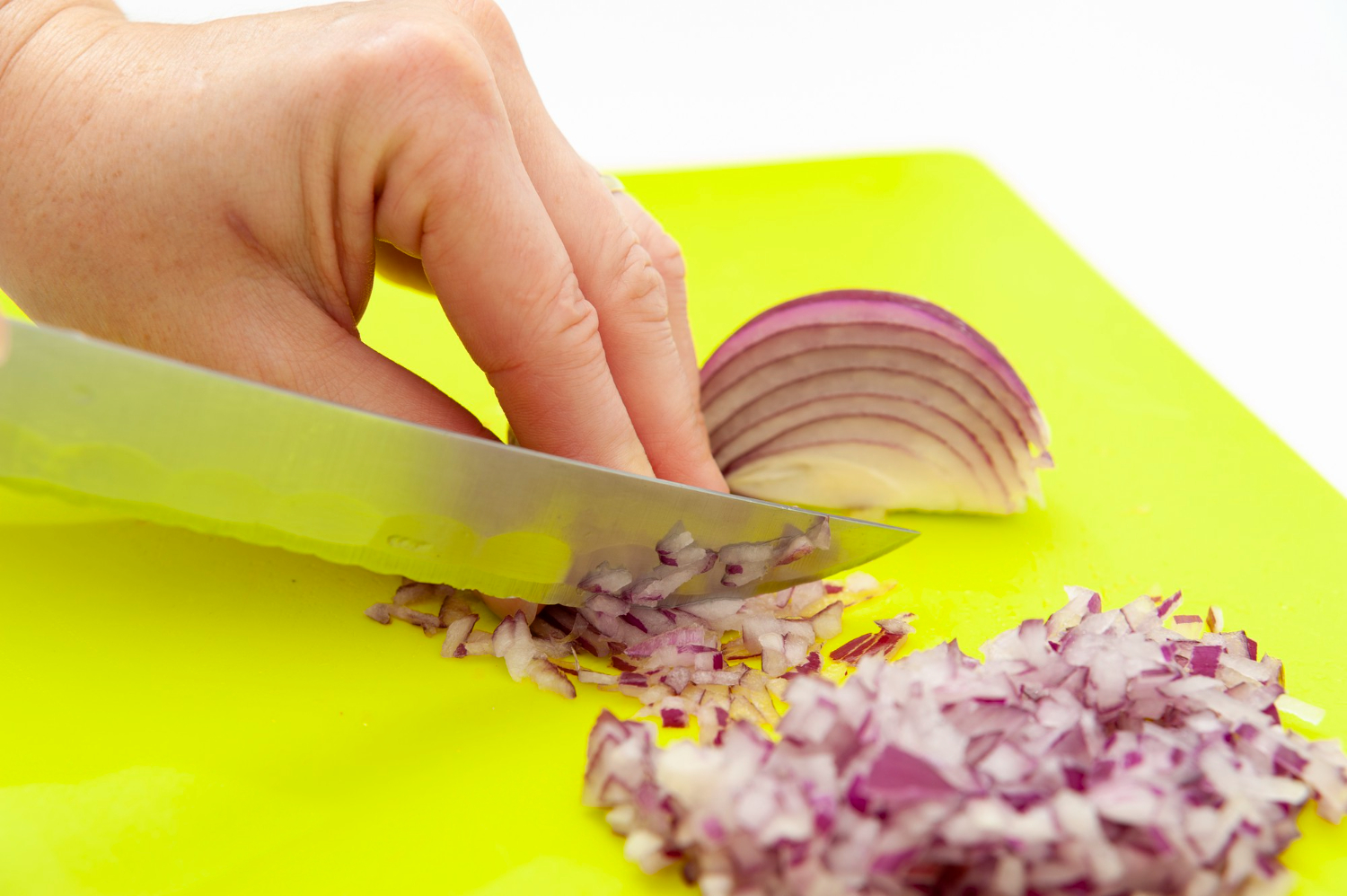
Sulphur availability in the soil affects how much precursor a plant accumulates, so the same variety grown in different places differs measurably in pungency.
That is agricultural rather than culinary. Soil chemistry is the variable decided before anybody bought it.
16. Every Cuisine Built a Base on Them
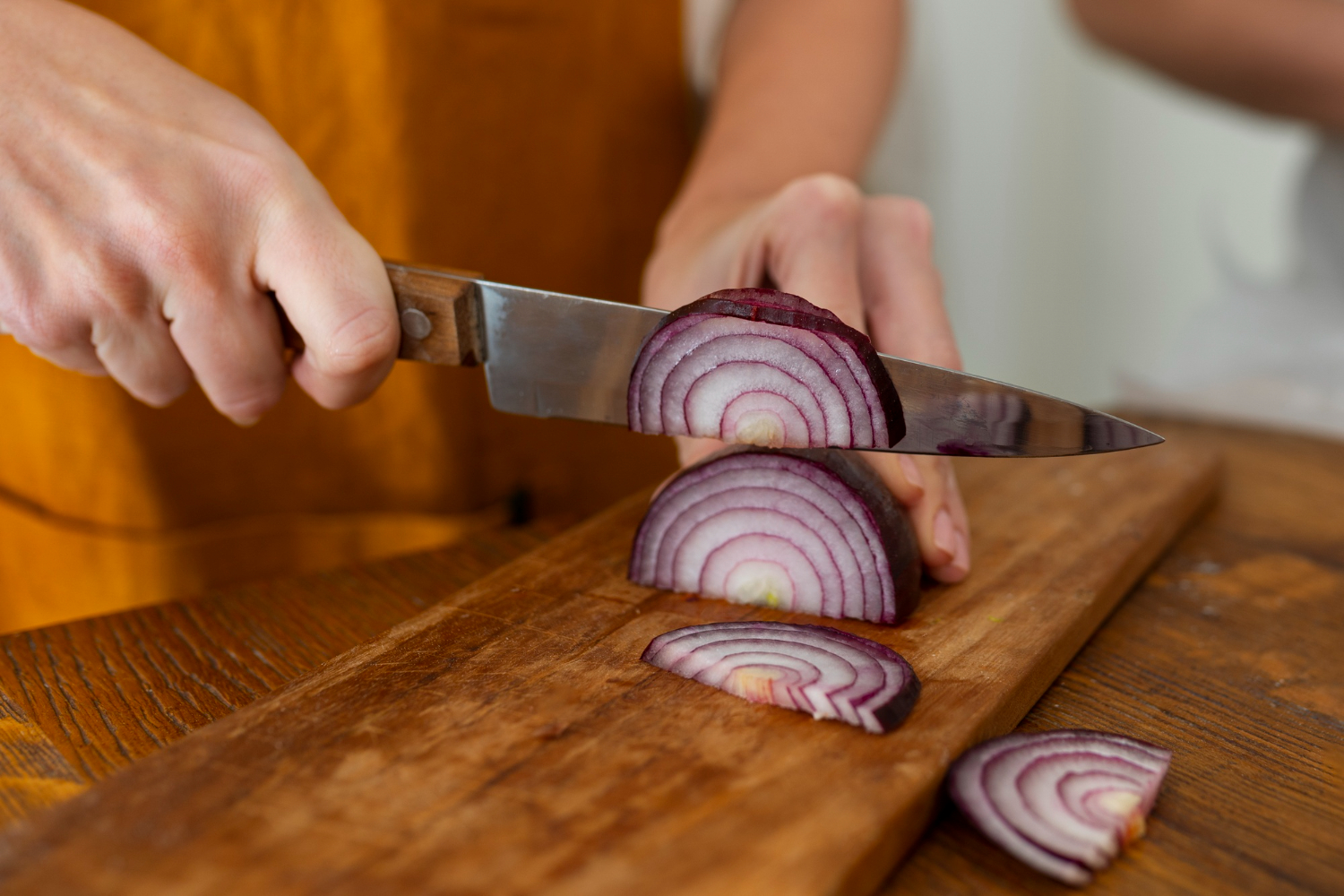
A very large proportion of the world cooking traditions begin by softening alliums in fat, because that step converts sharp compounds into a sweet foundation everything else is built on.
The convergence is near-universal. The aromatic base is the shared starting point almost every cuisine arrived at independently.
A Reaction You Start With a Knife
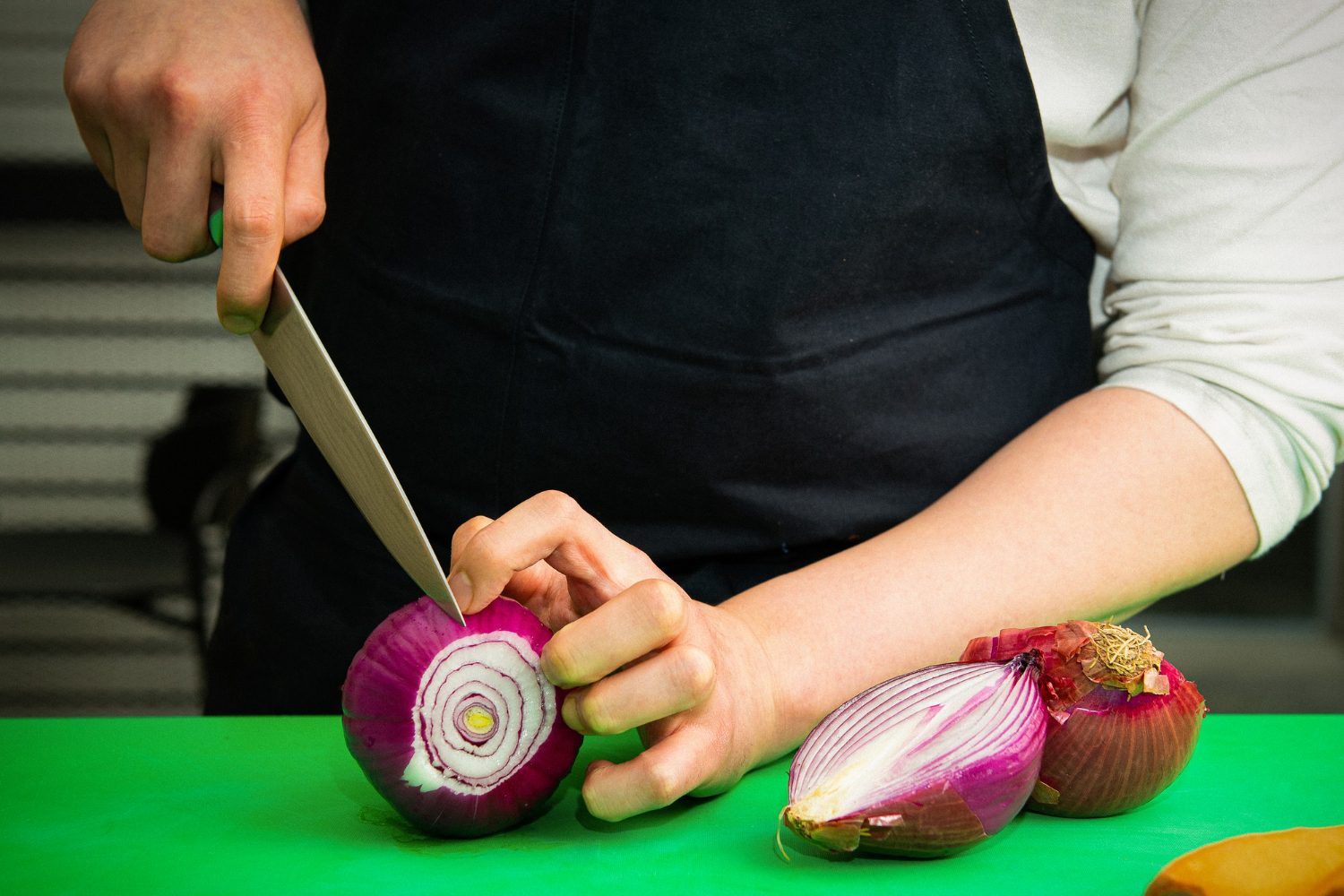
A precursor, an enzyme, and a cell wall between them – and every decision about cutting, resting, heating and ordering is a decision about how far that reaction is allowed to run.
The eighth item is the one that repays knowing. Cutting then cooking and cooking then cutting produce truly different ingredients from the same bulb, because the first order lets the reaction run and the second prevents it entirely – and almost nobody thinks of the sequence as a choice.
Like our content? Follow us for more.