The useful frame is that you are building a foam and then freezing it in place with heat. Every ingredient either introduces bubbles, stabilises them, or sets the structure around them. Here are fifteen.
1. The Bubbles Have to Be There Before It Bakes
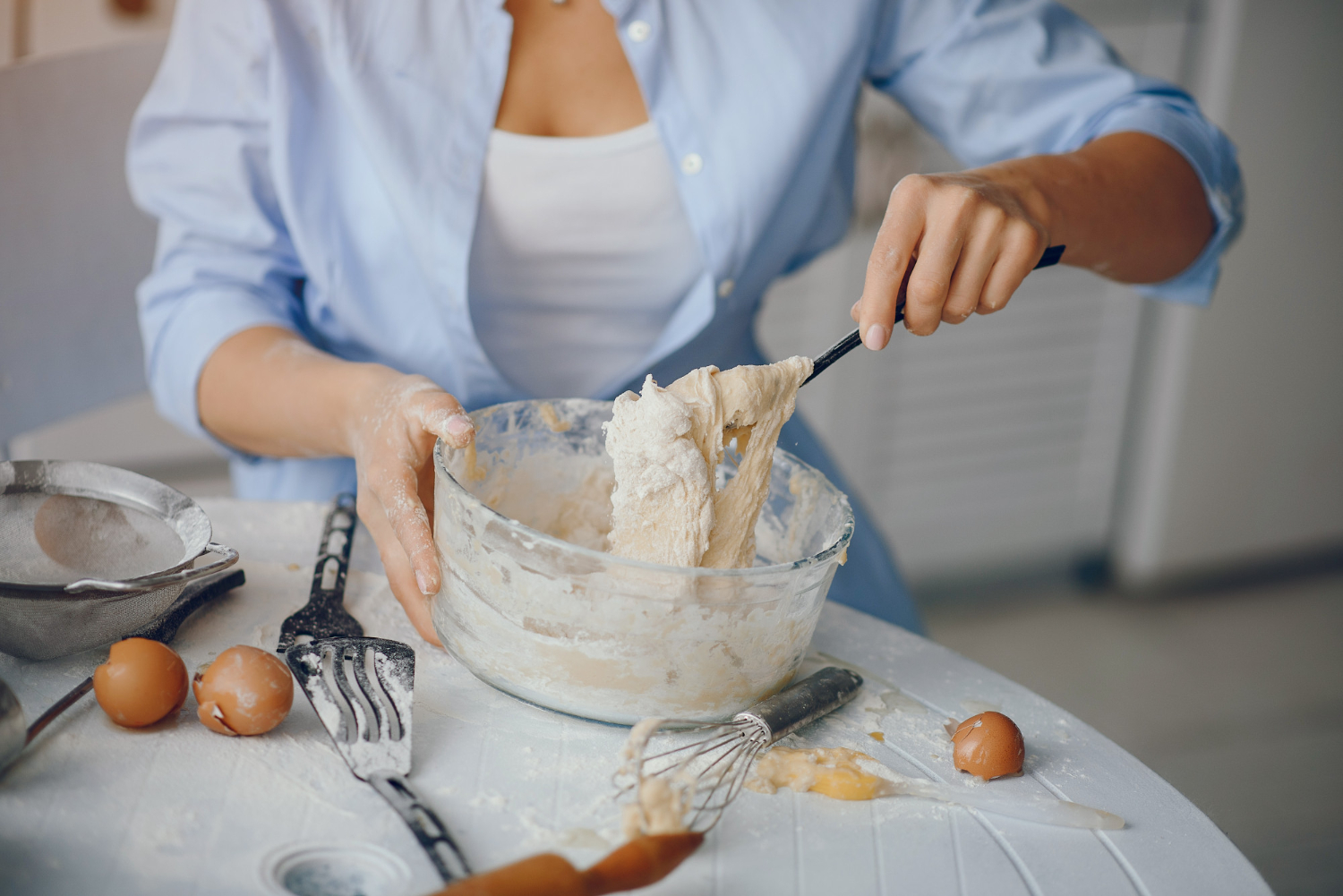
Raising agents do not create bubbles from nothing – the gas they produce migrates into cavities that already exist, expanding them.
If no air was incorporated, there is nothing to expand. Pre-existing bubbles are the requirement everything else depends on.
Like our content? Follow us for more.
2. Creaming Is a Cutting Process
Beating fat with sugar works because the sugar crystals have sharp edges that cut into the fat, and each cut leaves a tiny cavity that fills with air.
It is mechanical abrasion rather than mixing. Crystal abrasion is why the sugar must be present for creaming to work at all.
3. Which Is Why It Takes So Long
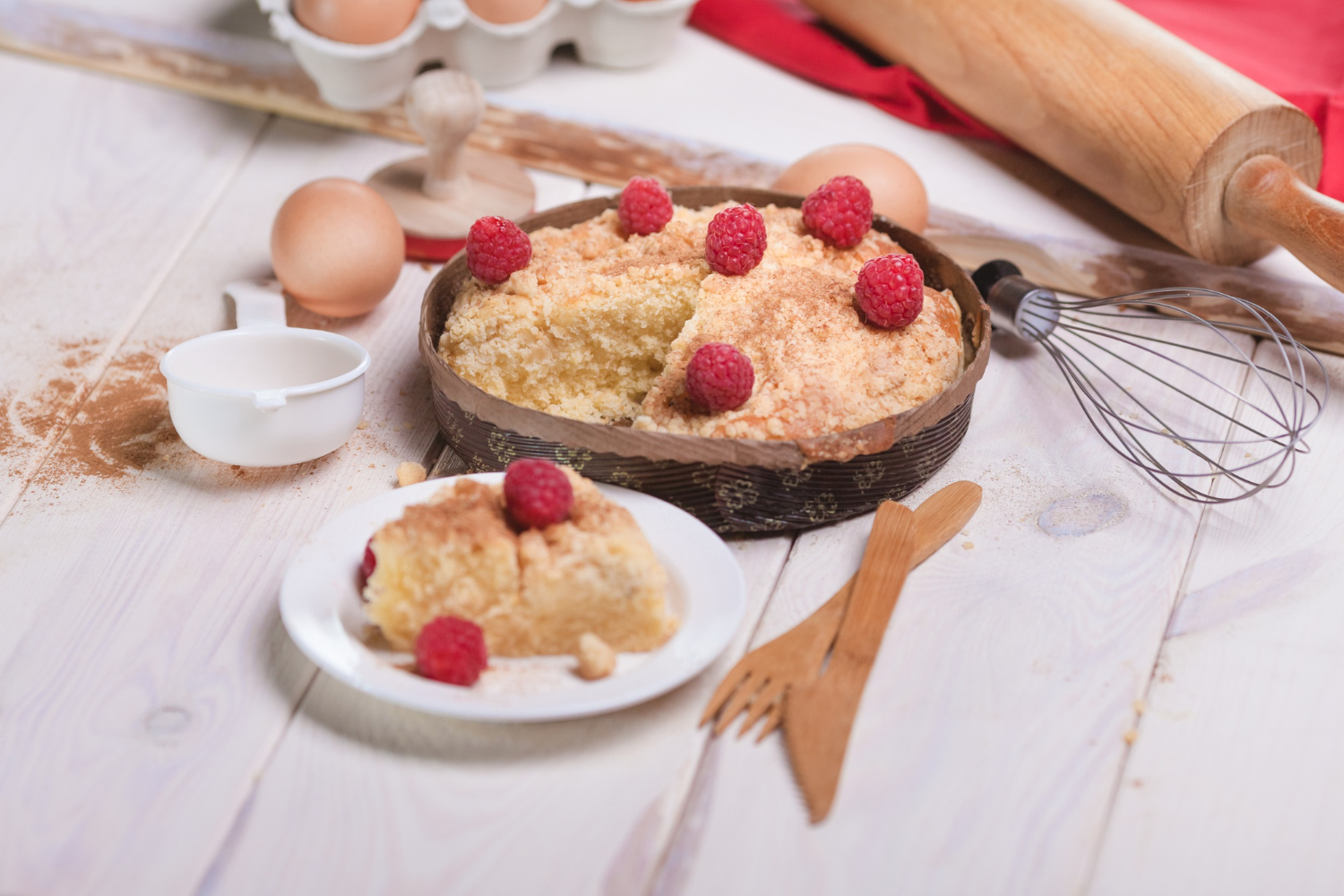
Sufficient cavities require a great many cuts, so creaming is a matter of minutes rather than seconds, and stopping early leaves a batter with too little air in it.
The colour and volume change visibly when it is done. Extended beating is the step most commonly cut short.
4. Whisked Eggs Do the Same Job Differently
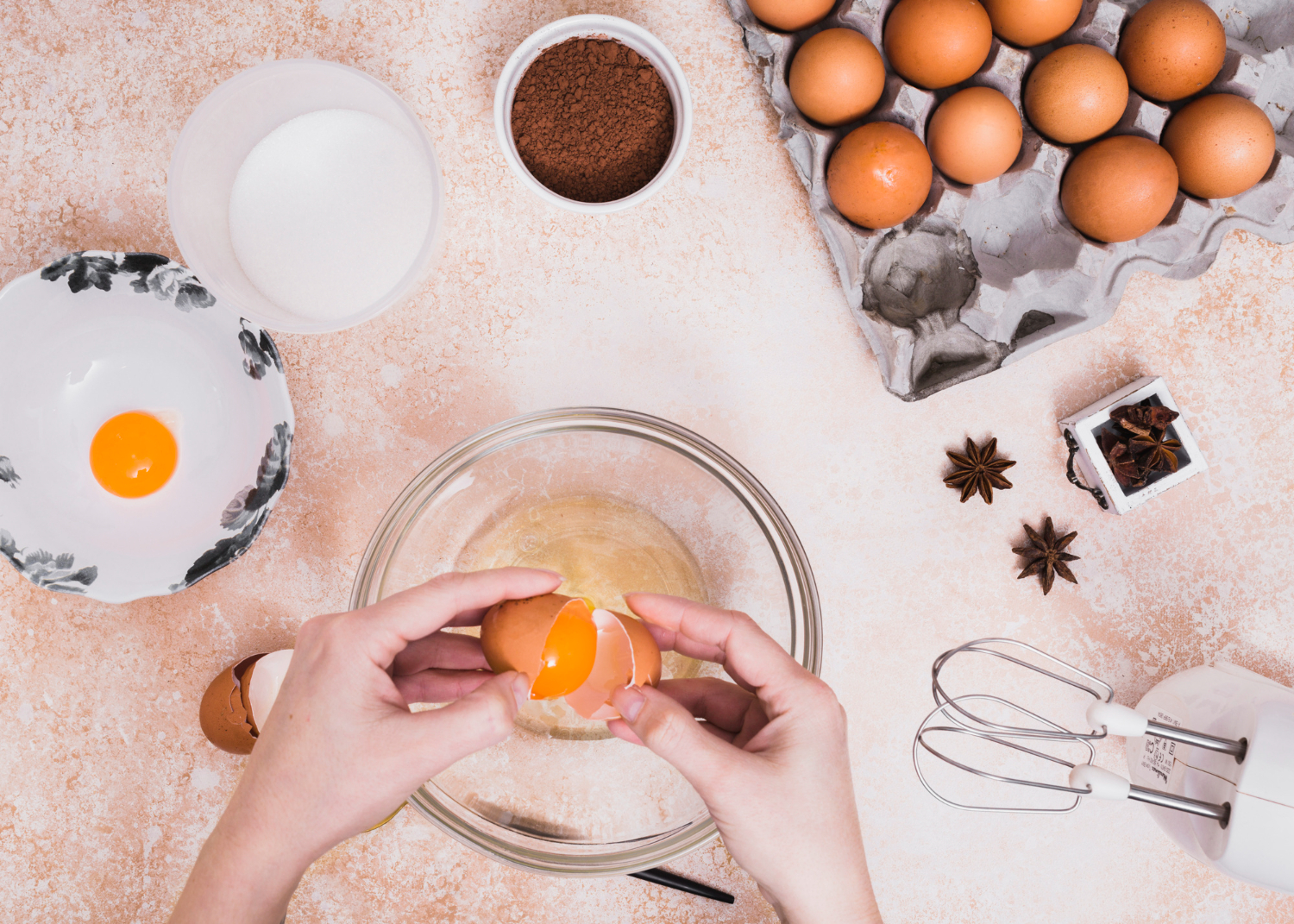
Beating eggs unfolds their proteins, which arrange themselves around air bubbles and hold them, producing a foam without any fat involved.
That is a completely different route to the same requirement. Protein-stabilised foam is the fat-free method of getting air in.
5. Chemical Raising Agents Produce Gas by Reaction
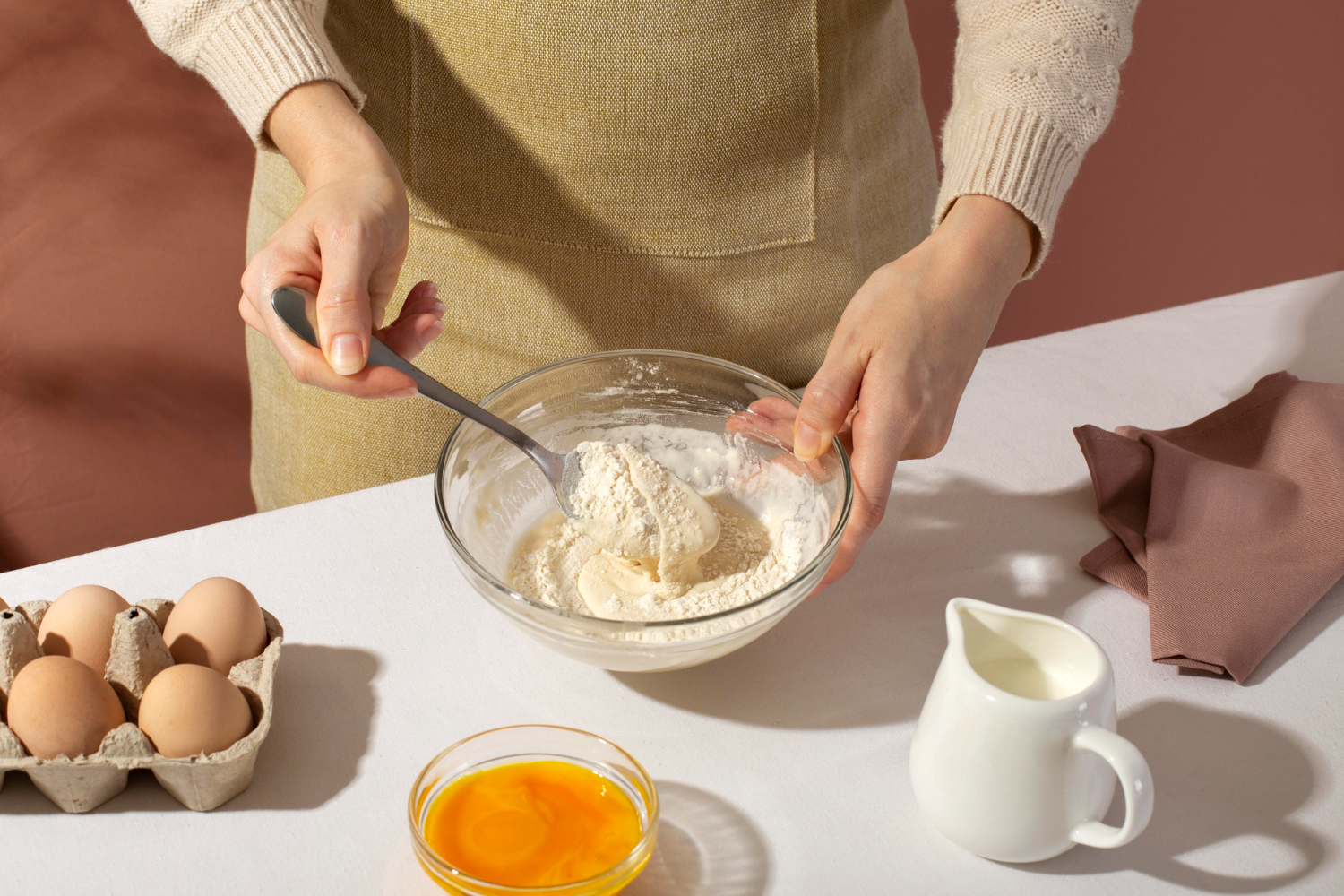
Some require an acidic ingredient present to react with; others contain their own acid in dry form and activate on contact with liquid and heat.
Using the wrong one for a recipe leaves either unreacted material or insufficient lift. Reaction requirements are why the two are not interchangeable.
6. Flour Provides Structure and Can Provide Too Much
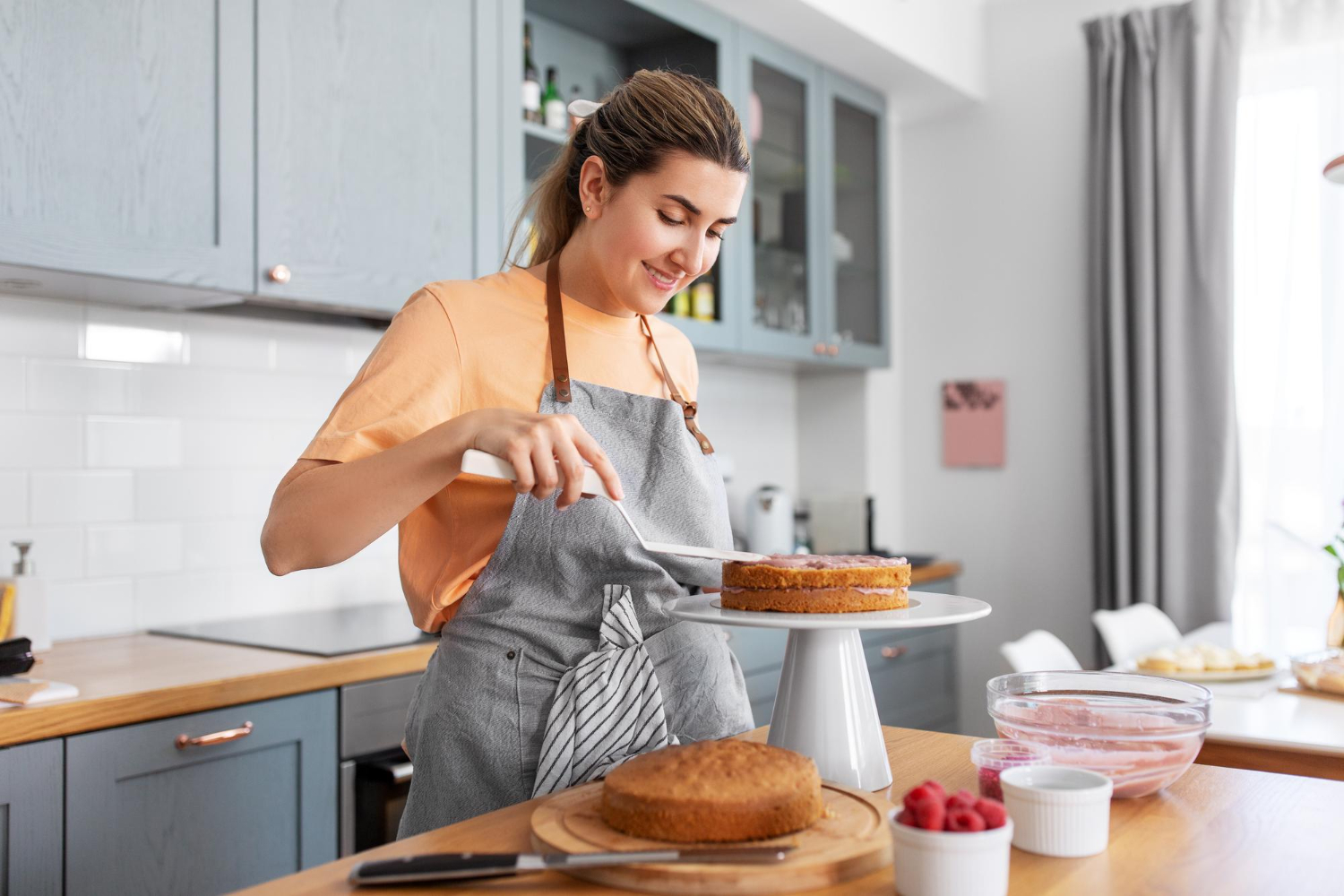
The proteins in flour form a network that holds the set cake together, and working them develops that network exactly as it does in bread.
In a cake that toughens the result. Protein development is the thing bread wants and cake does not.
7. So You Stop Mixing Once Flour Goes In
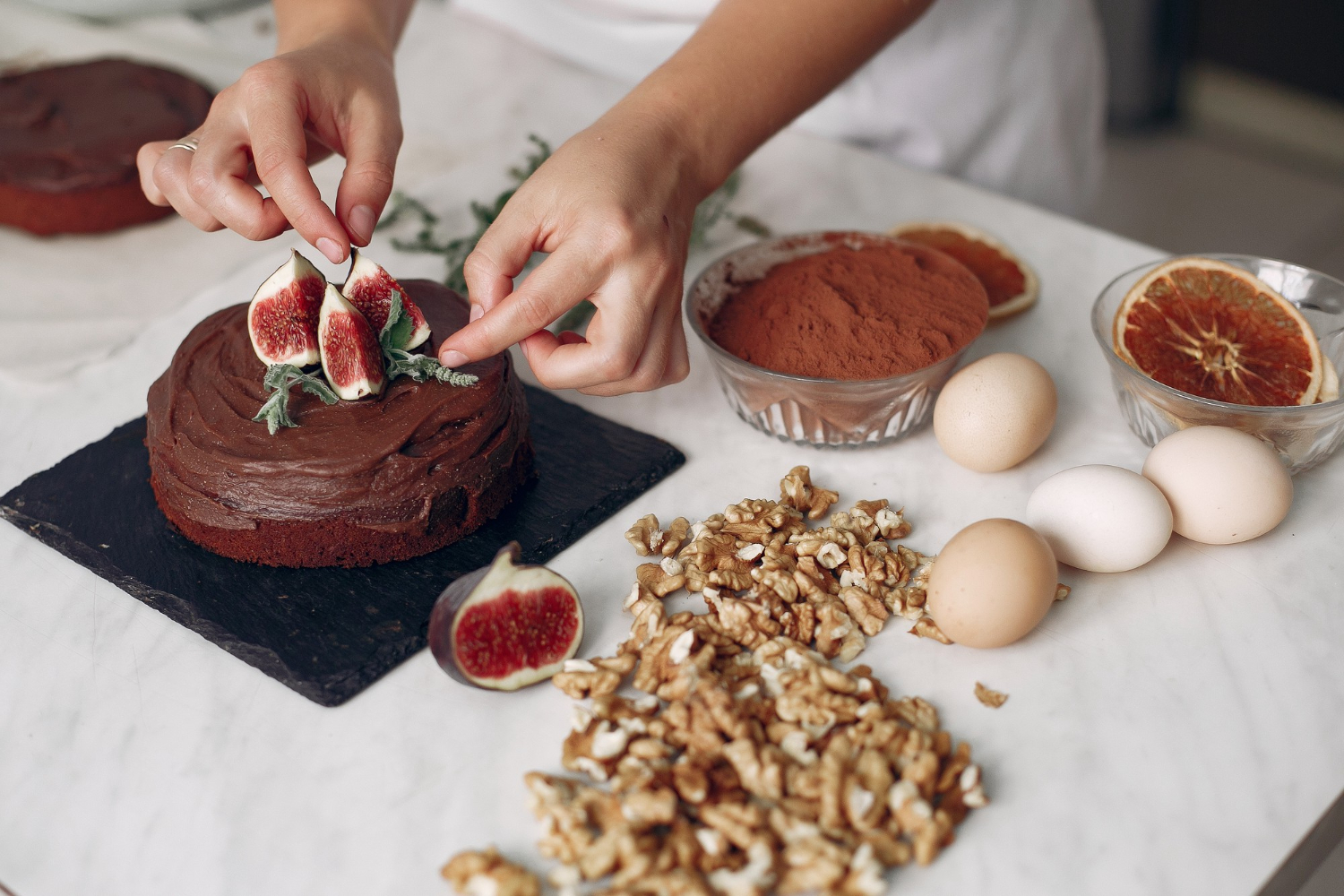
Because further mixing develops the network, the standard instruction is to combine only until the flour disappears and no further.
Overmixed cake is tough and tunnelled rather than tender. Minimal mixing is the rule that follows directly from the protein.
8. Fat Prevents the Network Forming
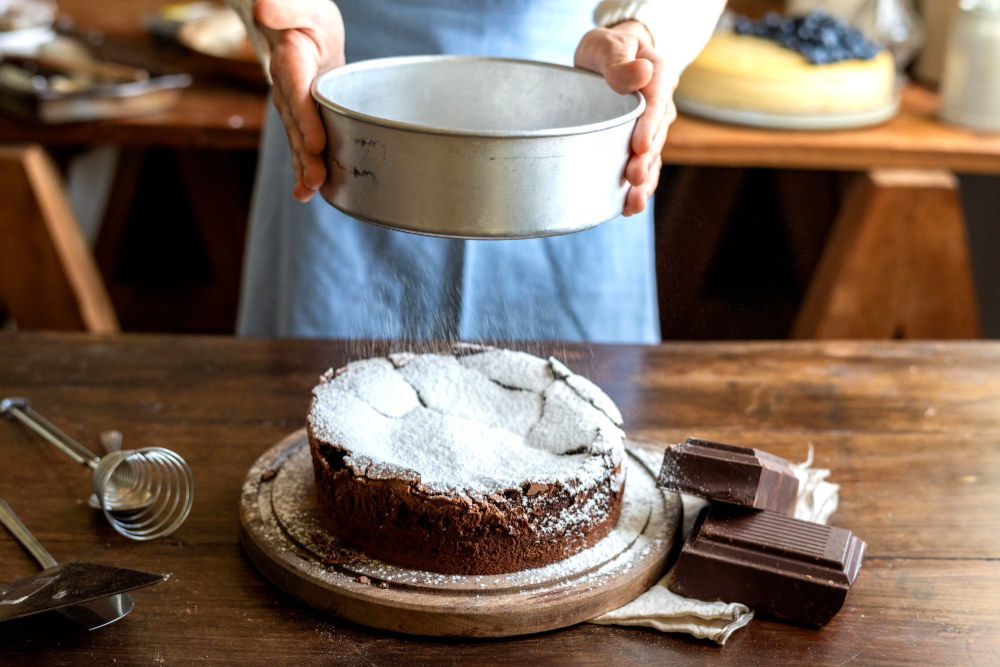
Fat coats flour particles and physically interferes with protein linking, which is a substantial part of what makes cake tender rather than chewy.
More fat means a softer crumb. Protein interference is the structural job fat is doing beyond richness.
9. Sugar Is Doing Four Things

Beyond sweetness, sugar creates the cavities during creaming, holds moisture in the finished cake, promotes browning, and raises the temperature at which the structure sets.
Reducing it changes texture and colour as much as taste. Multiple roles are why sugar cannot simply be cut.
10. Eggs Are Structure, Moisture and Emulsifier
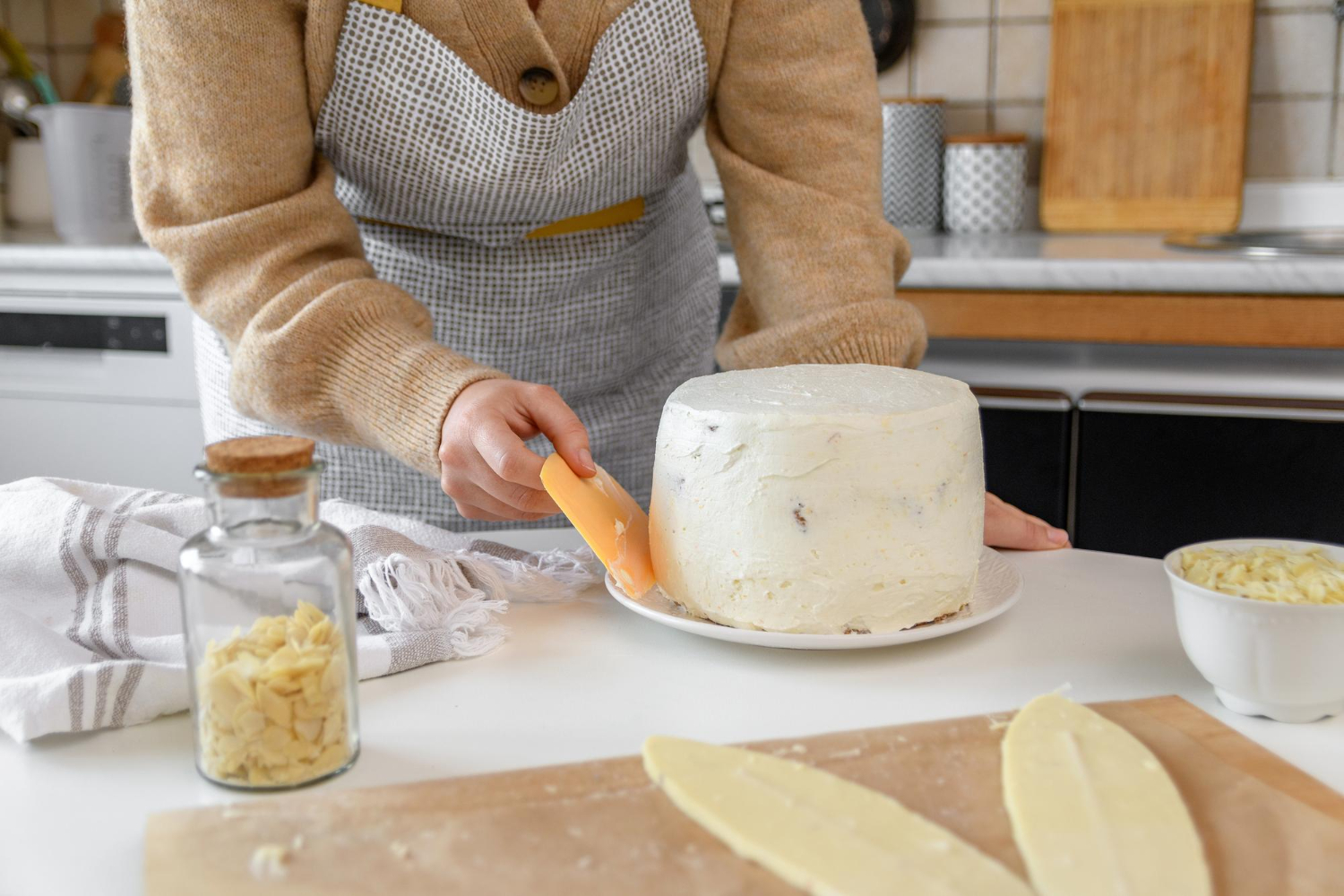
Egg proteins set and hold the crumb, egg water contributes moisture, and components in the yolk help fat and water stay combined rather than separating.
Removing them requires replacing three functions. Triple duty is why eggs are so difficult to substitute.
11. The Heat Sets It Before the Bubbles Escape
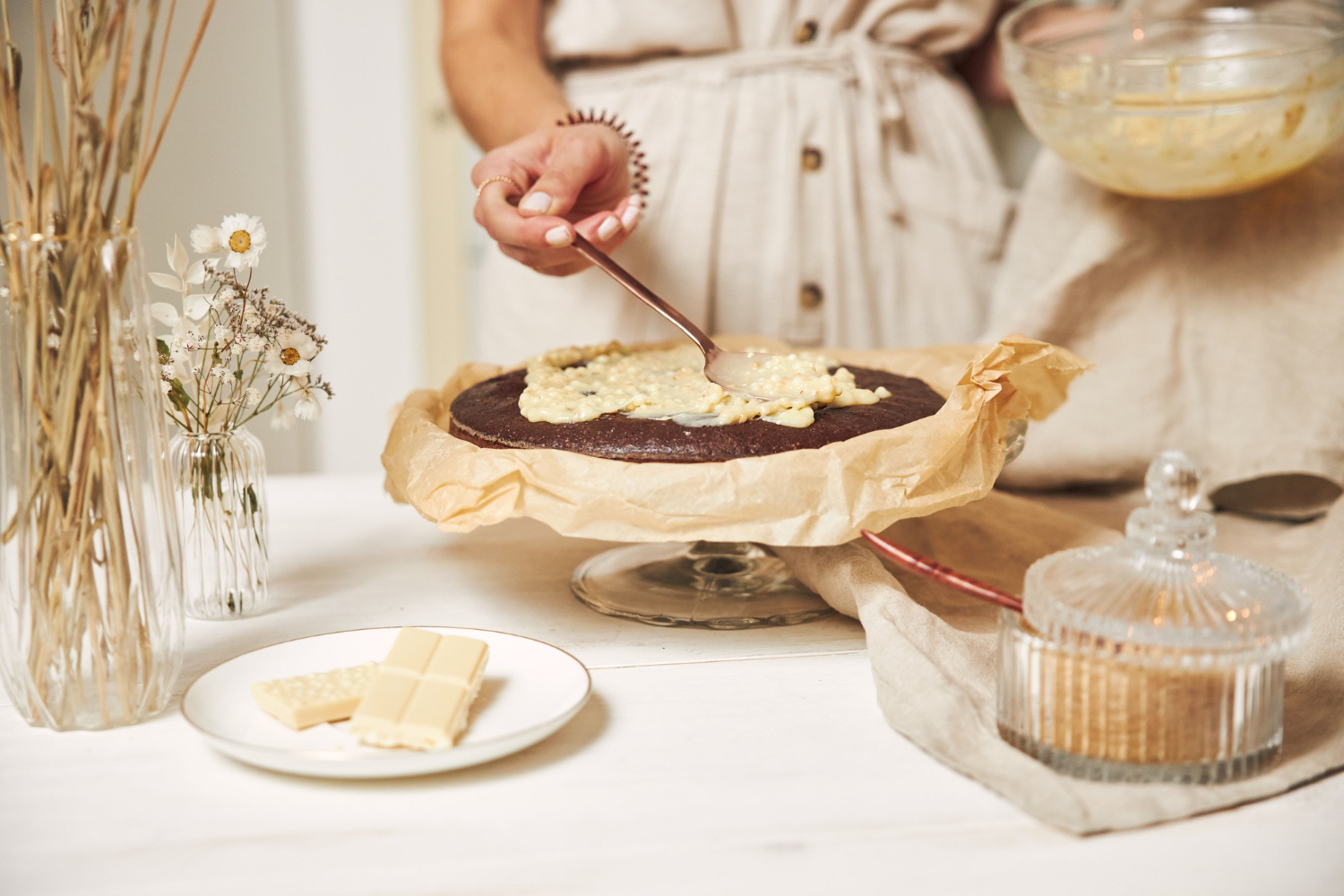
Baking is a race between expansion and setting – the gas expands and pushes the structure up, and the proteins and starch must firm before the bubbles reach the surface and burst.
Getting the order wrong produces collapse. The expansion-setting race is what oven temperature is actually controlling.
12. Too Hot Sets the Outside First
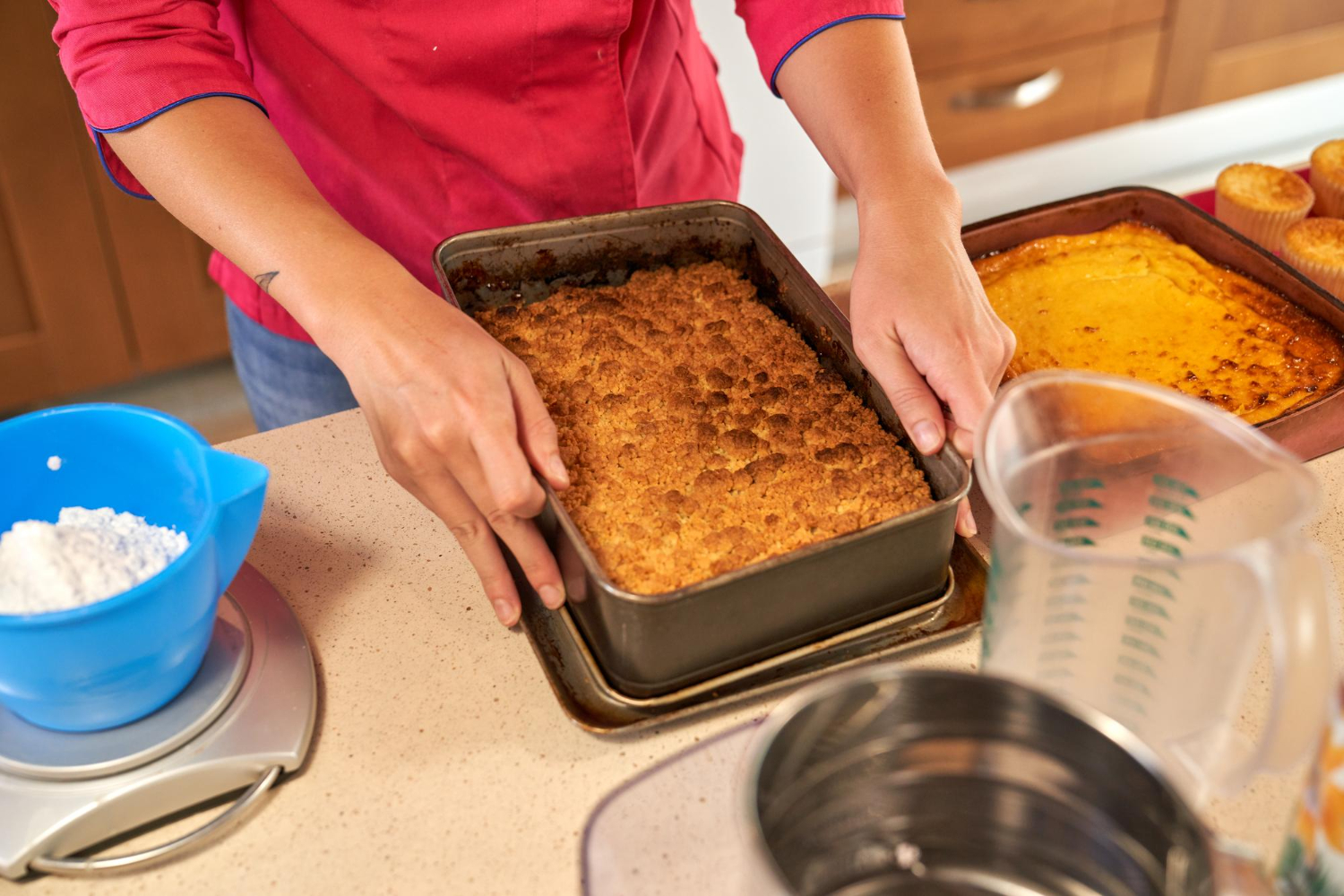
Excessive heat firms the outer layer while the middle is still expanding, which forces the rise upward through the centre and produces a domed and cracked top.
It is a temperature problem rather than a recipe fault. Premature setting is the cause of the cracked dome.
13. Too Cool Lets It Collapse
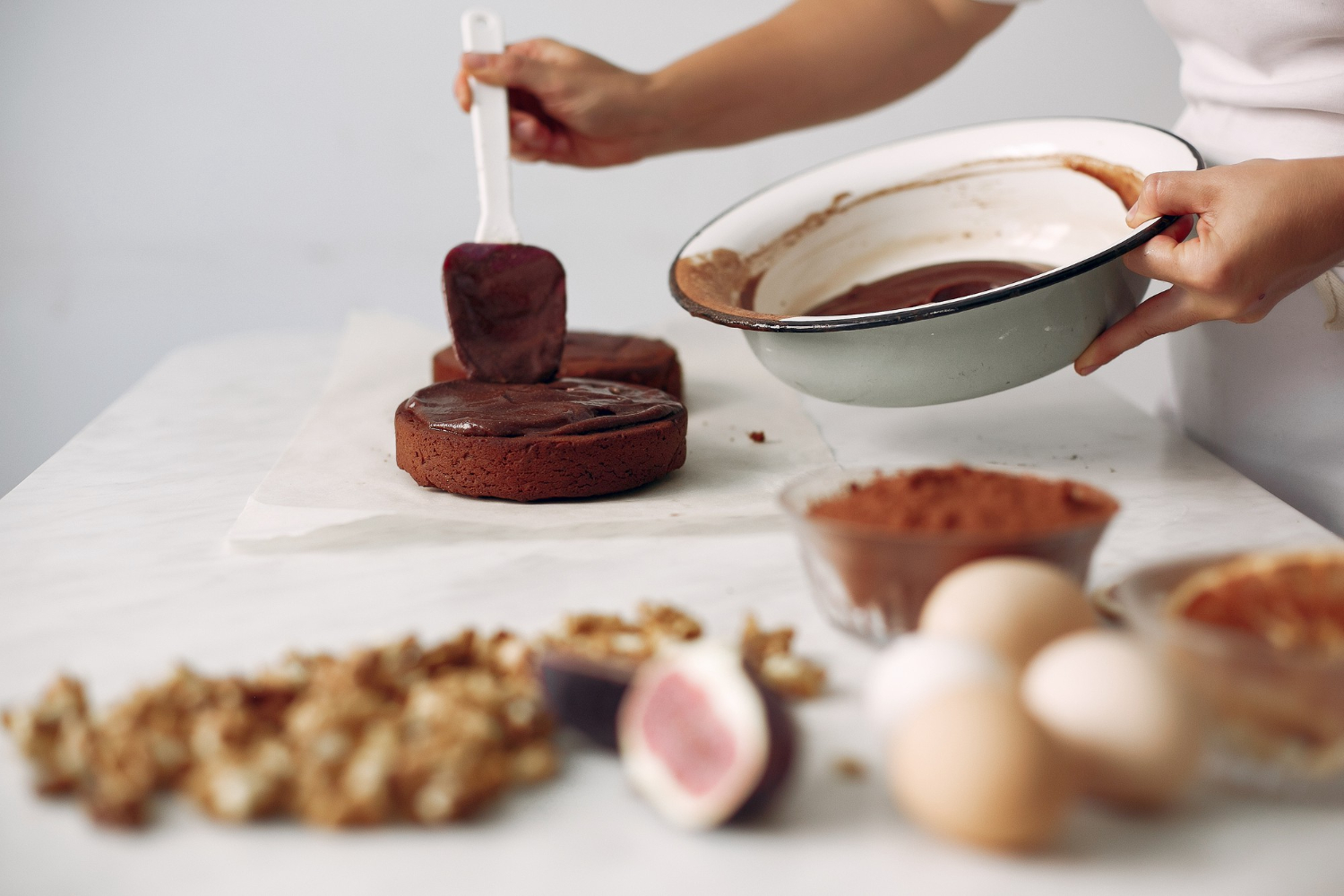
Insufficient heat allows full expansion before anything sets, so the structure reaches its maximum and then falls when the gas escapes with nothing holding it.
The result sinks in the centre. Delayed setting is the opposite failure with the opposite appearance.
14. Opening the Oven Can Undo It
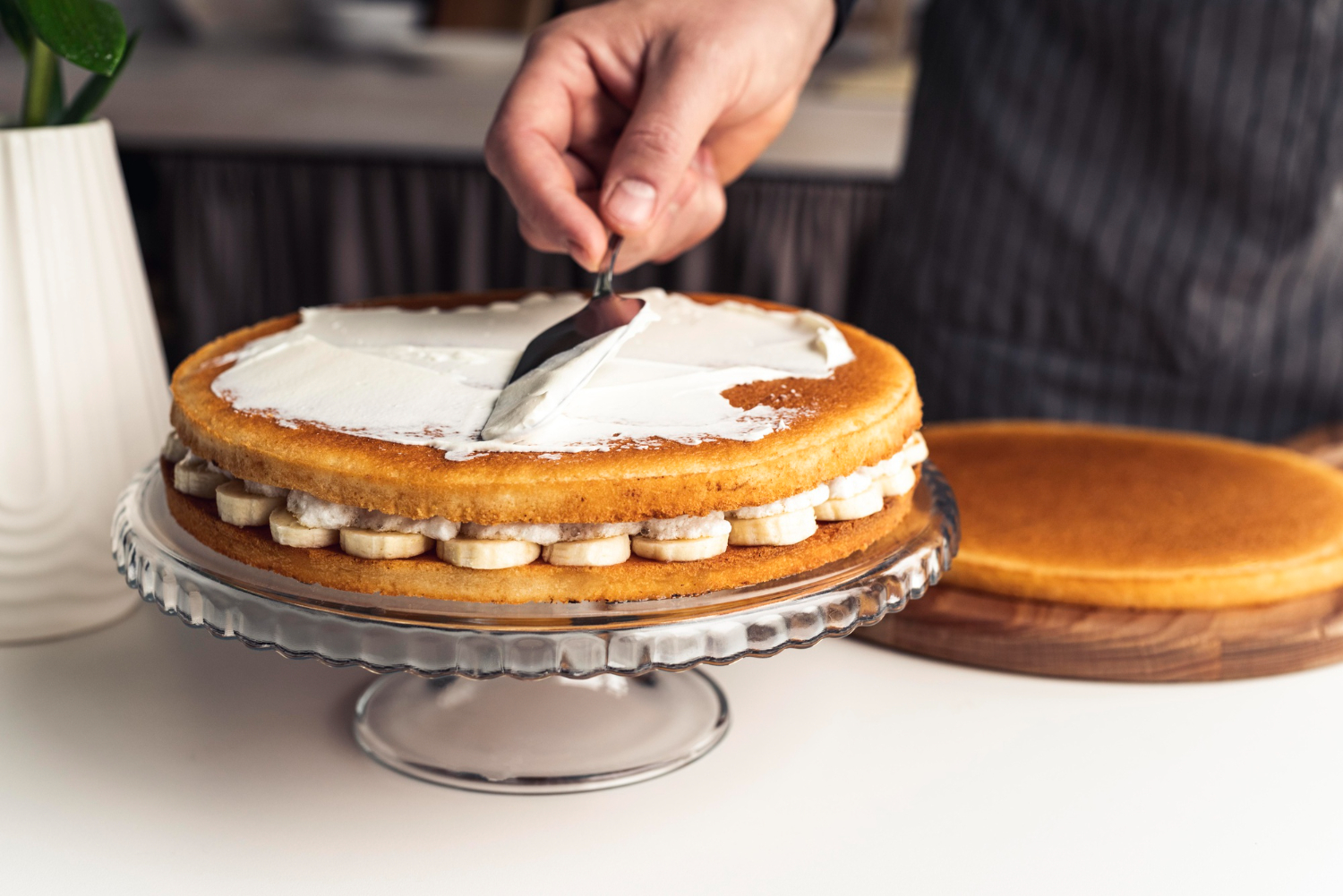
A sudden drop in temperature partway through can collapse a structure that has expanded and not yet set, which is why the instruction not to open is not superstition.
Once set, it no longer matters. The critical window is the period when the warning actually applies.
15. Doneness Is About the Structure, Not the Colour
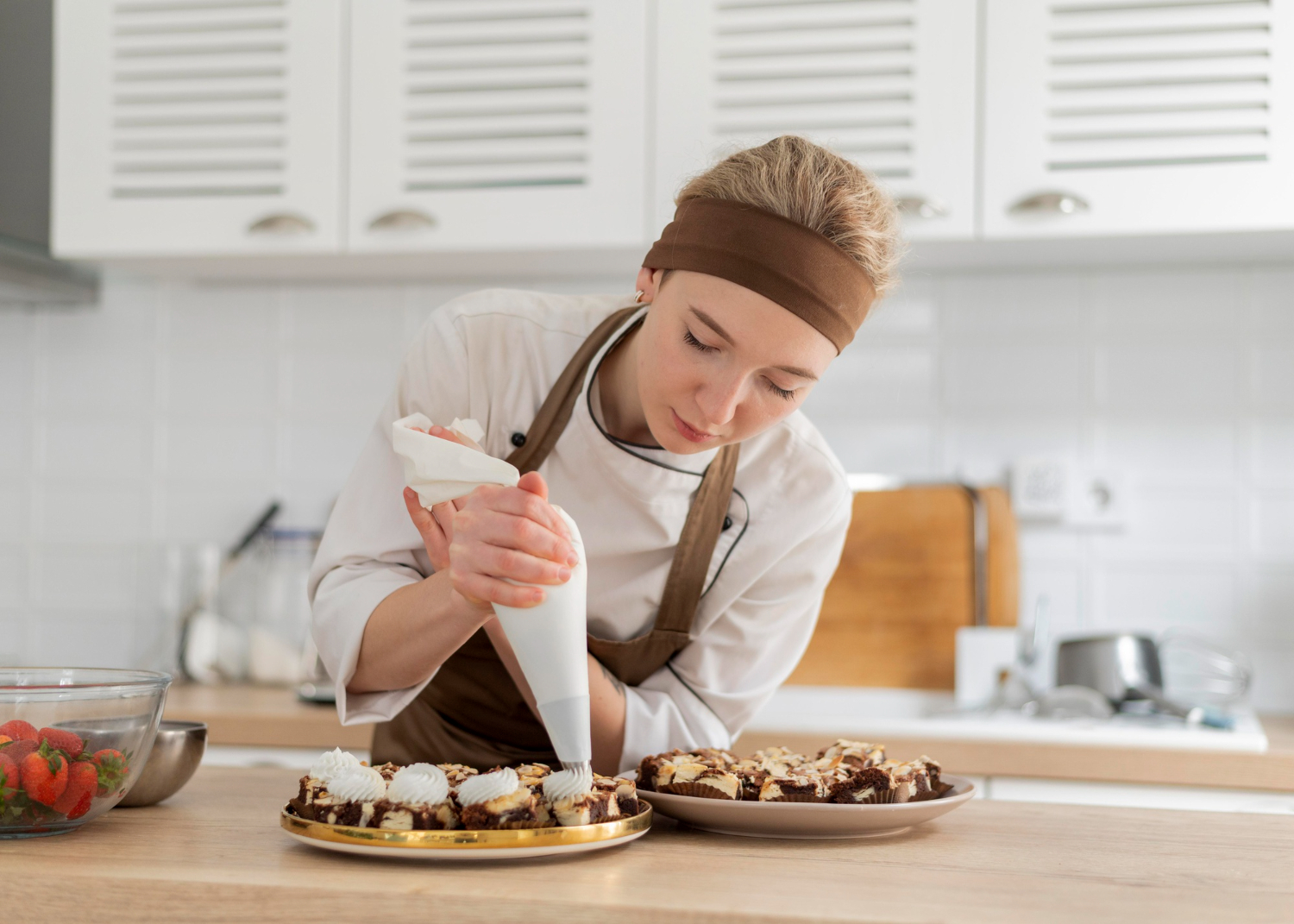
A cake is finished when the internal structure has set throughout, which is not the same as the surface being browned – colour can arrive well before or after.
Testing the interior is the only reliable check. Structural setting is what doneness means in a cake.
A Foam, Frozen in Place by Heat
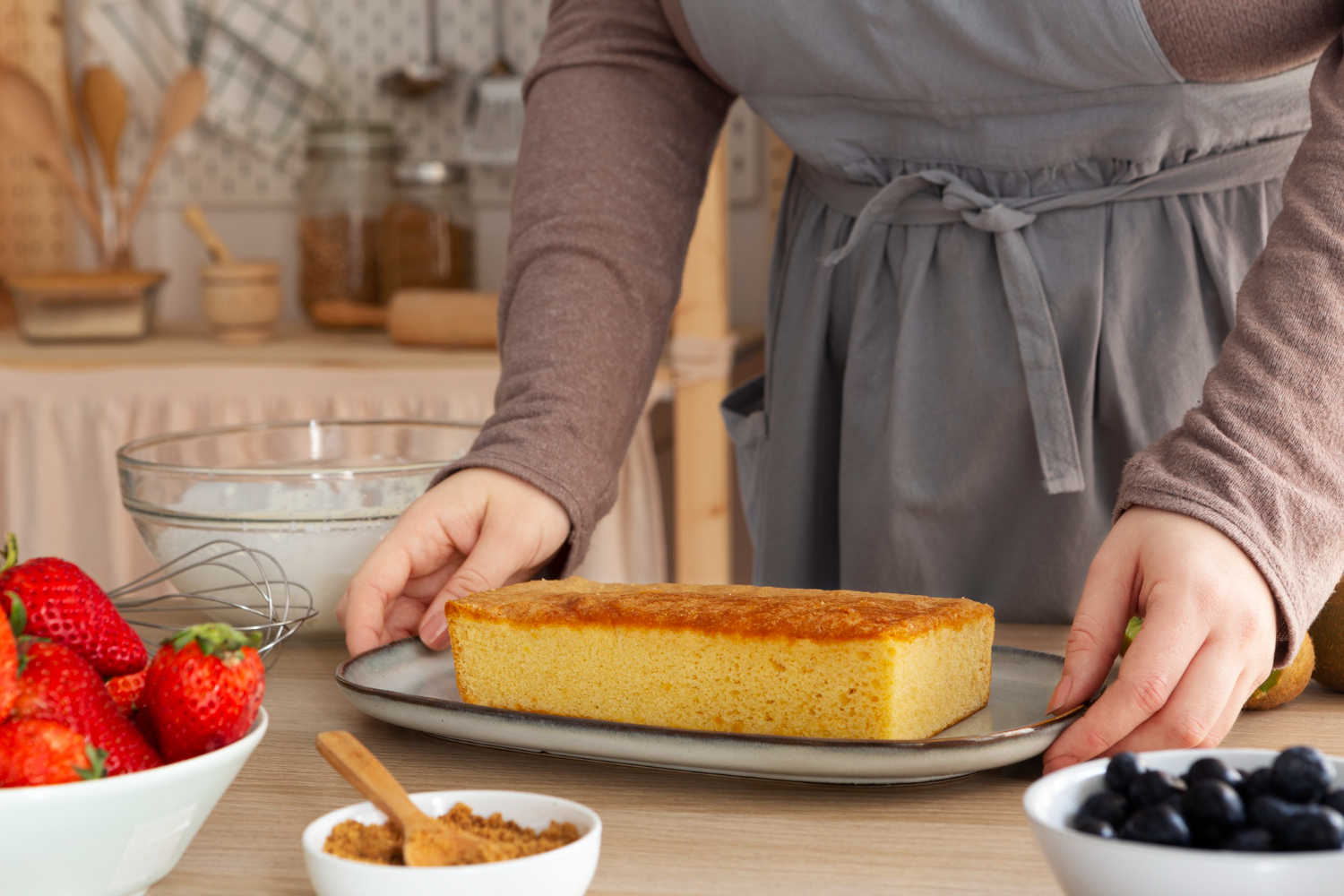
Get air in, expand it, and set the structure before it escapes – and every failure on this list is one of those three stages happening in the wrong order or to the wrong degree.
The item worth internalising is the second. Creaming works because sugar crystals physically cut cavities into fat, which means it cannot be rushed, cannot be done with the sugar added later, and is not simply a way of combining two ingredients – and understanding that fixes more cakes than any other single thing.
Like our content? Follow us for more.