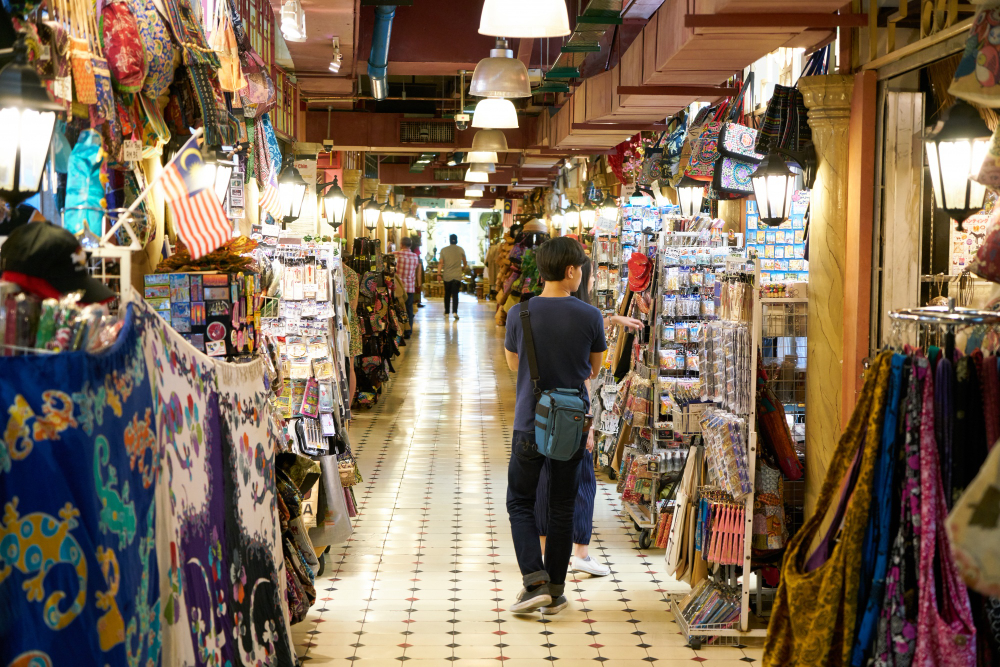
The useful question at any market is who it exists to serve, because the answer determines the hour it operates, its position in a town and whether you are a customer or a spectator. Here are fifteen answers.
1. It Solves a Search Problem for Both Sides
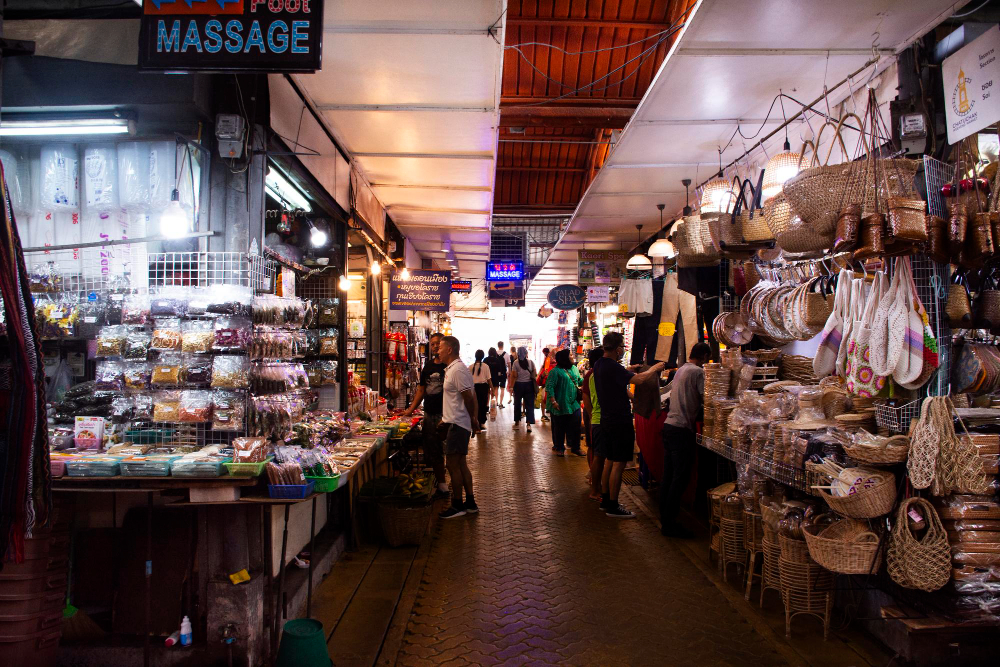
Buyers do not know where to find sellers and sellers do not know where to find buyers, and gathering in one place at one time solves both problems at once.
Everything else follows from that. Concentration is the entire reason markets exist.
Like our content? Follow us for more.
2. The Market That Only Happens on One Day
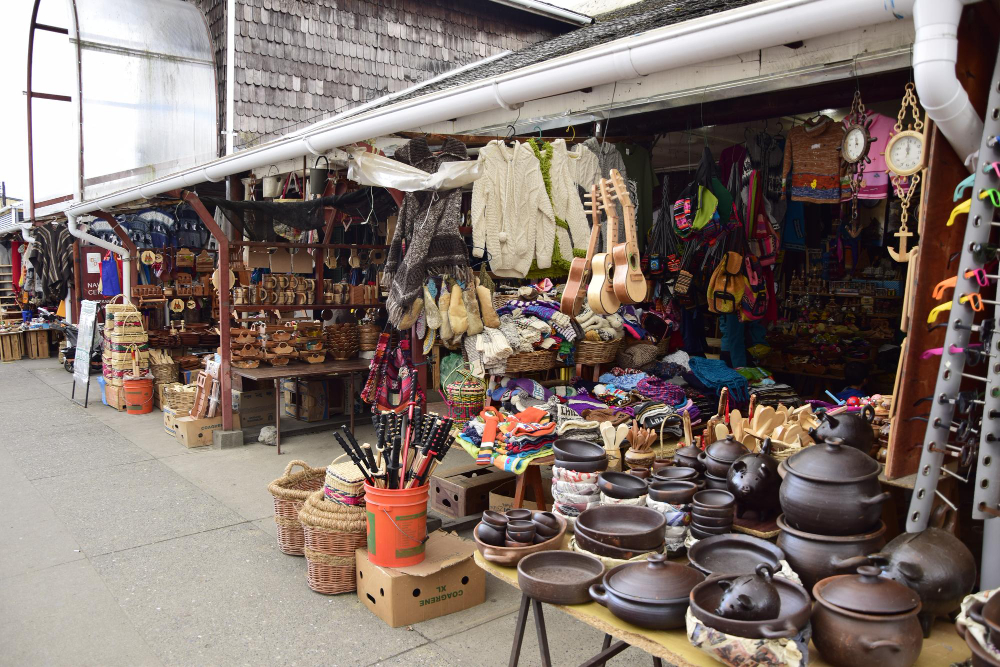
Where a population is too small to support permanent shops, traders visit periodically, and a fixed weekly day allows everybody to plan around it.
The day is generally centuries old. Periodic markets are the solution for places that cannot sustain a shop.
3. And the Neighbouring Towns Have Different Days

Because traders work a circuit, nearby towns hold their markets on different days so that one set of sellers can serve several places in a week.
The pattern across a region is a rota. Staggered days are the coordination that makes the circuit possible.
4. The Market That Opens in the Middle of the Night
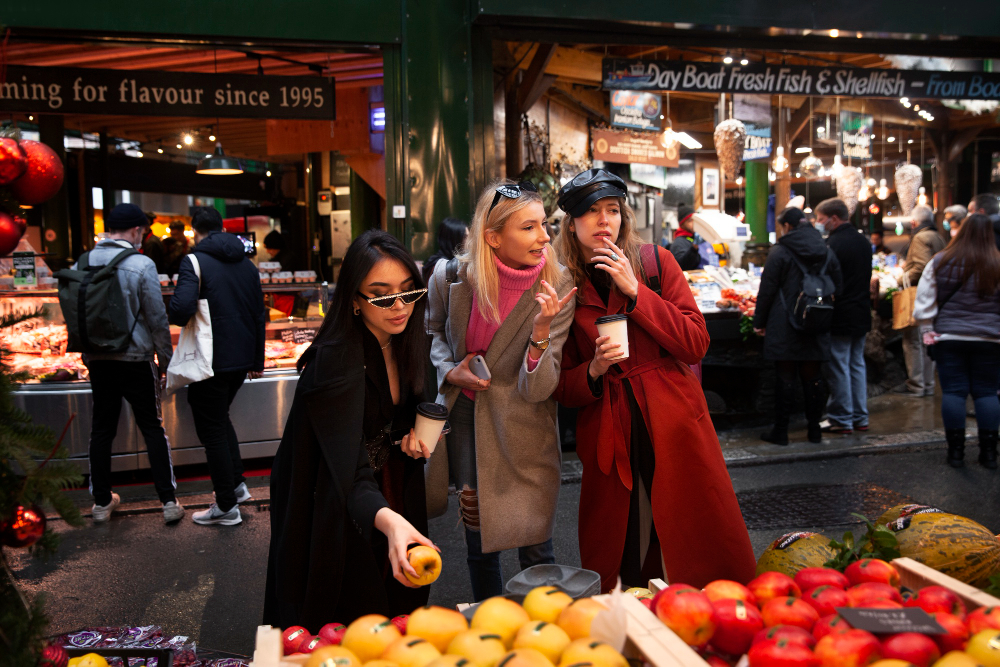
Wholesale markets trade in the small hours because goods must reach shops and restaurants before they open, which puts the entire operation at an hour nobody else is awake.
By breakfast it has finished and cleared. Night wholesale is the market that exists before the day begins.
5. The One Where Everybody Sells the Same Thing

Concentrating a single trade in one place seems counterintuitive and works because buyers come specifically to compare, which brings more of them than any seller would attract alone.
Competition increases everybody trade. Specialist clustering is the arrangement that benefits from its own rivalry.
6. The Covered Hall

Permanent market buildings were constructed to give shelter, allow regulation and provide fixed pitches, converting a periodic gathering into a daily institution.
They are frequently the most substantial building in a town. The market hall is the point at which a market became architecture.
7. The Livestock Market
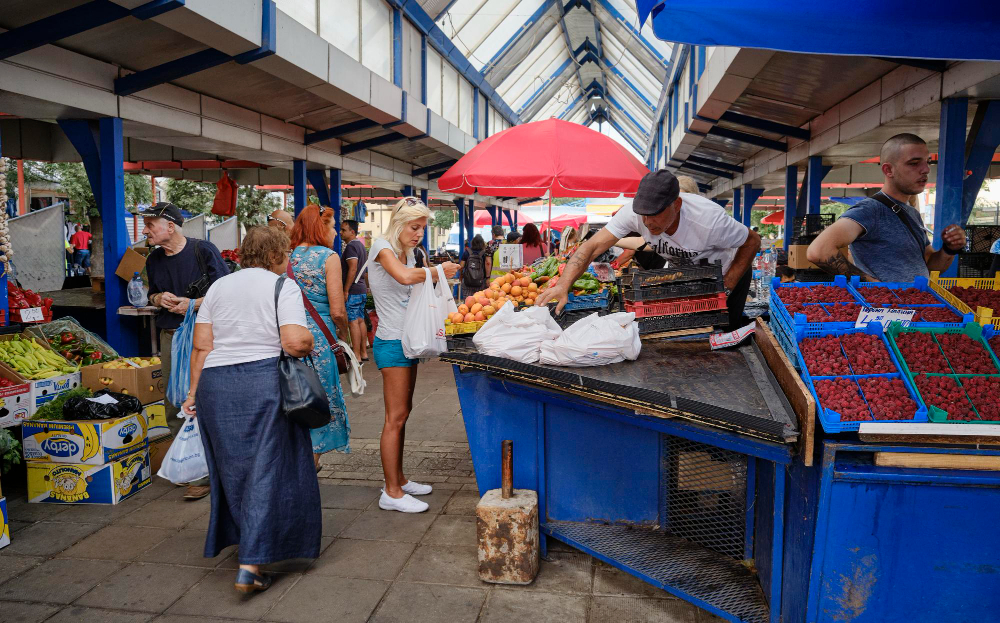
Trading animals required pens, water, loading facilities, space and a tolerance for noise and mess, which is why these markets are structurally unlike any other.
Most have moved out of town centres. The livestock market is the type that outgrew where it started.
8. The Square the Town Was Built Around
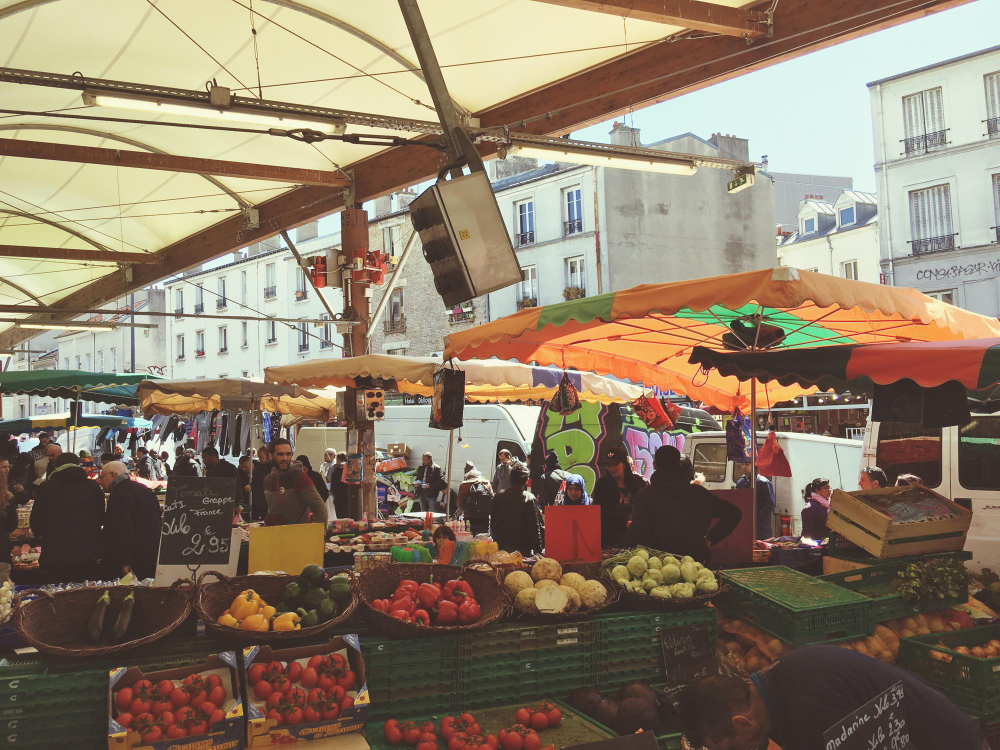
Where a market was held, buildings faced it, streets ran to it and the settlement organised itself around the open space – so the town plan is a fossil of the market.
The space frequently survives after the market has gone. The market square is the layout the trading created.
9. The Rights That Governed Who Could Hold One

Historically, the right to hold a market was granted, restricted and enforced, with rules about distance between markets and days on which they could operate.
Those grants shaped which towns grew. Market rights are the legal framework behind the geography.
10. The Building With the Room Above

Many market halls carried a chamber above the open trading floor, used for administration, courts or meetings, which combined commerce and governance in one structure.
The arrangement is extremely common. The upper room is the civic half of a commercial building.
11. The Market Where Prices Are Visible
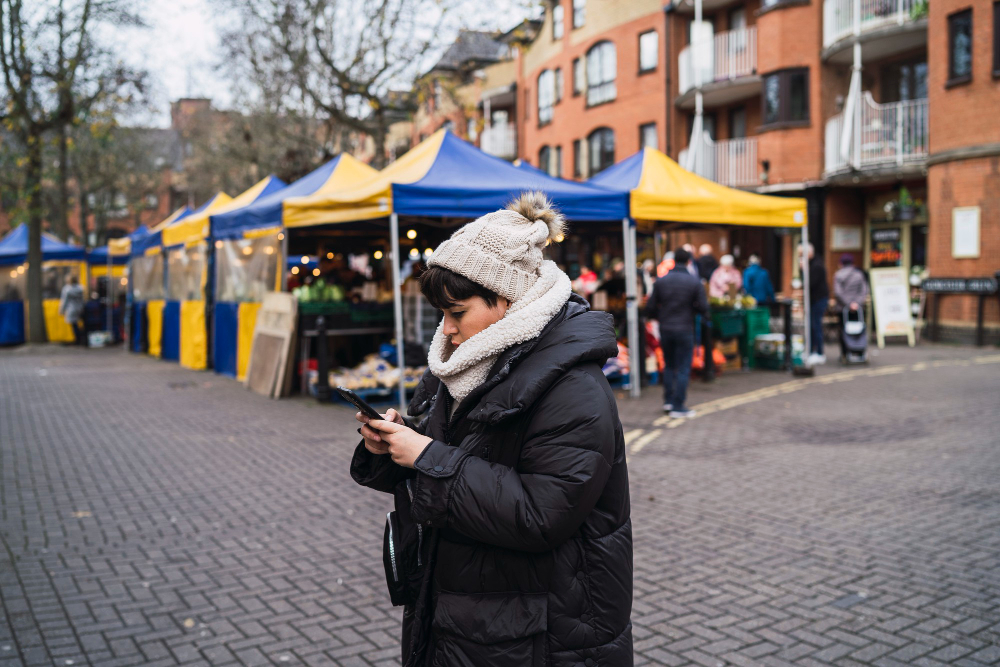
In a market, prices are on display and adjust through the day, falling toward closing as sellers prefer a sale to carrying stock home.
That visibility is unusual in retail. Open pricing is what makes a market a different transaction from a shop.
12. The Market Where Prices Are Negotiated
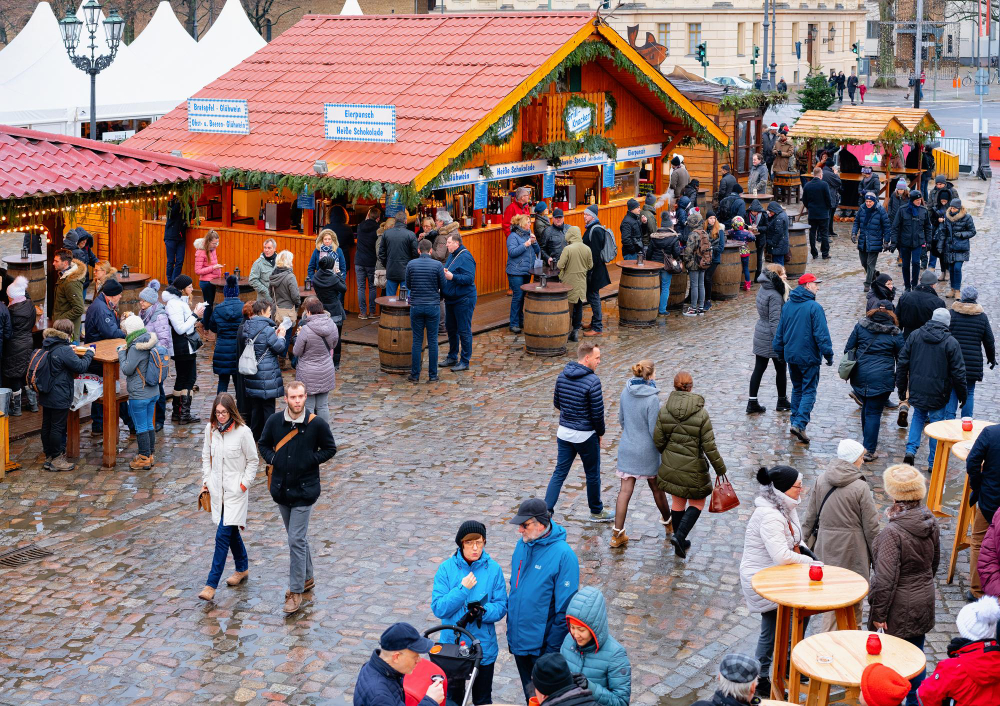
In some traditions the displayed price is an opening position and the exchange is expected, and in others it is not – which is a matter of local custom rather than of universal practice.
Getting it wrong in either direction is awkward, and the only reliable guide is local. Negotiation custom is the thing worth establishing rather than assuming.
13. The One That Sells to Visitors
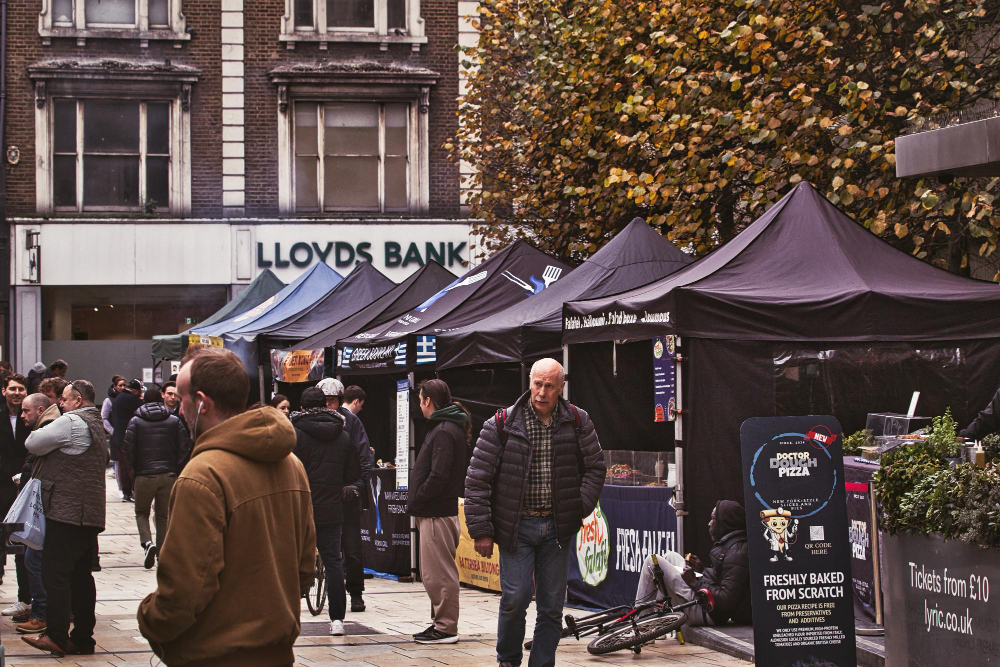
Markets in heavily visited places reorient toward souvenirs and expectations, which is a legitimate trade and a completely different institution from one serving residents.
The clue is who is buying rather than what is sold. The visitor market is the type most travellers actually encounter.
14. And the One Round the Corner
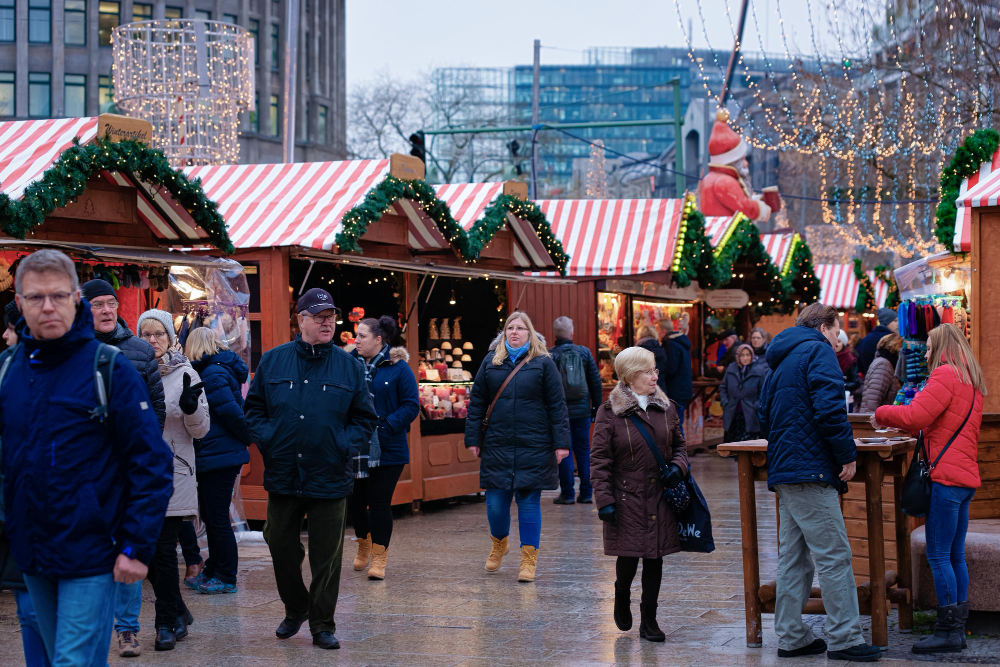
A short distance from the visitor market there is frequently another one, at a different hour, selling to people who live there, with different goods and different prices.
It is generally not signposted. The residents market is what the other one used to be.
15. The Day Still Structuring the Week
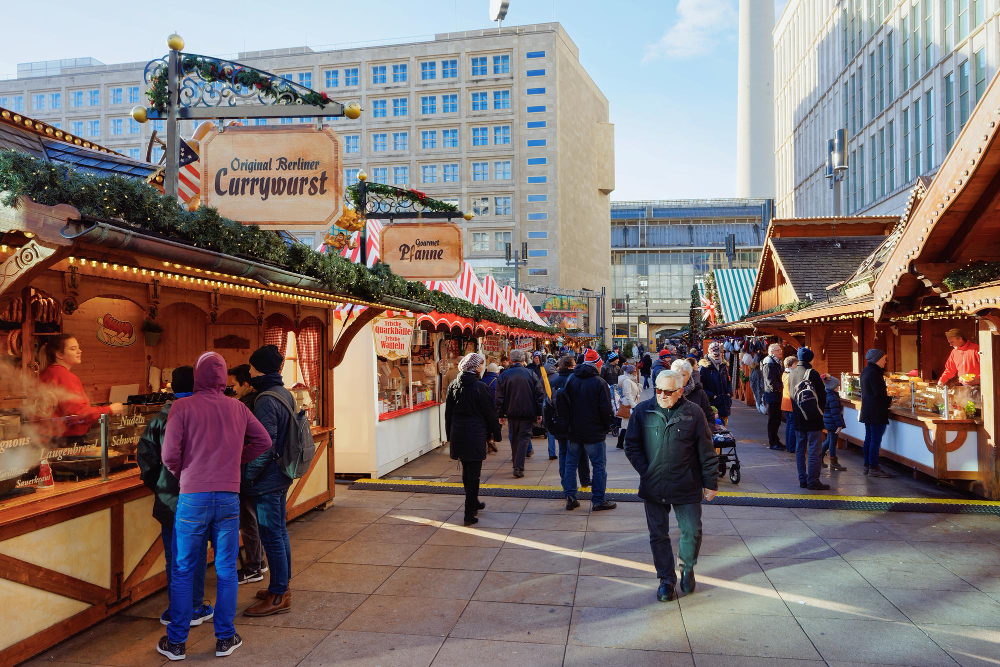
In a great many places the market day remains the busiest day, when people come in from surrounding areas, and the whole town operates differently because of it.
The rhythm has outlasted the necessity. Market day is the schedule a town keeps long after it needs to.
Who Is It Actually For
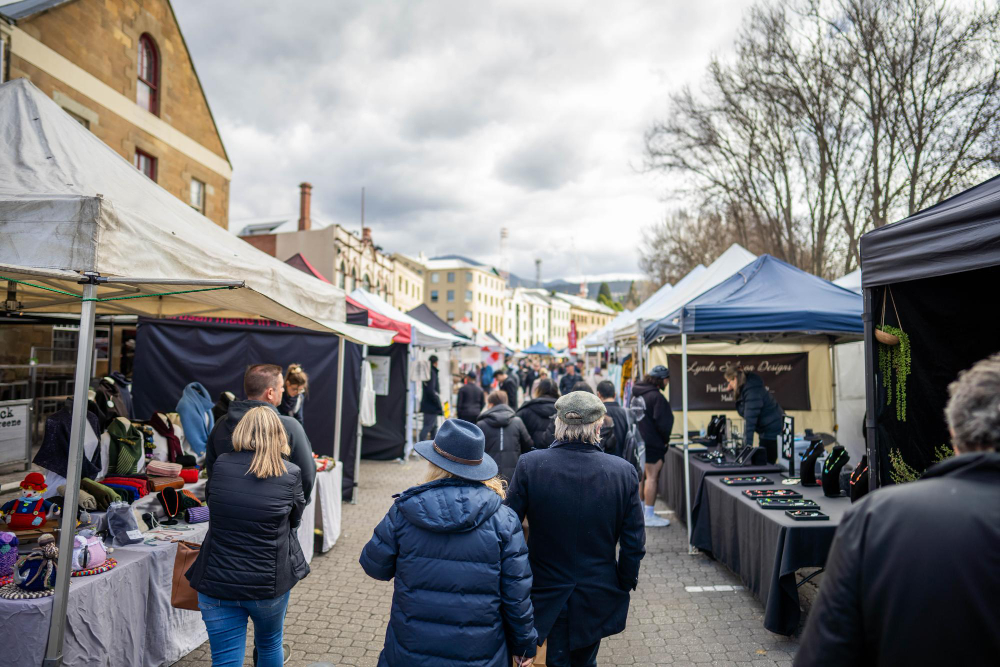
Wholesale or retail, weekly or daily, residents or visitors, animals or produce – and the hour it opens, the space it occupies and the town around it all follow from the answer.
The pairing worth knowing is items thirteen and fourteen. In most visited places there are two markets – one that has reorganised itself around visitors and one a few streets away that has not – and the second one is generally open earlier, cheaper, and substantially more interesting.
Like our content? Follow us for more.