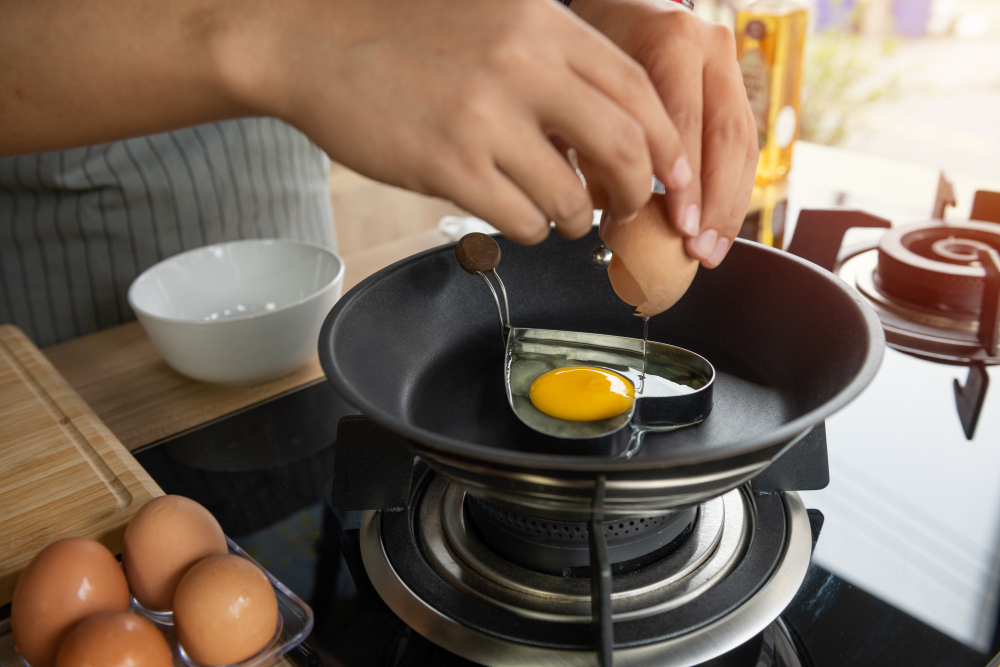
White and yolk are not two parts of one thing. They are separate materials with different compositions that behave differently under heat, which is why an egg can be cooked in so many directions. Here are twelve.
1. They Set at Different Temperatures
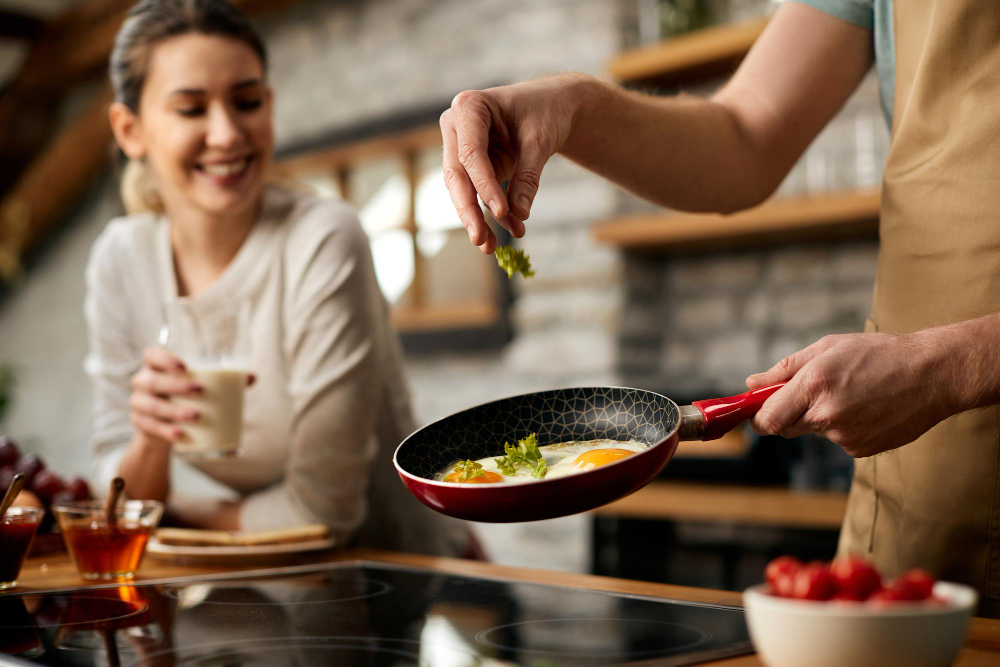
White proteins firm at a noticeably lower temperature than yolk proteins, which is why it is possible to have a set white with a liquid yolk and much harder to achieve the reverse.
The gap is a matter of degrees. Different setting points are the property every egg technique exploits.
Like our content? Follow us for more.
2. Setting Is Proteins Linking Into a Net
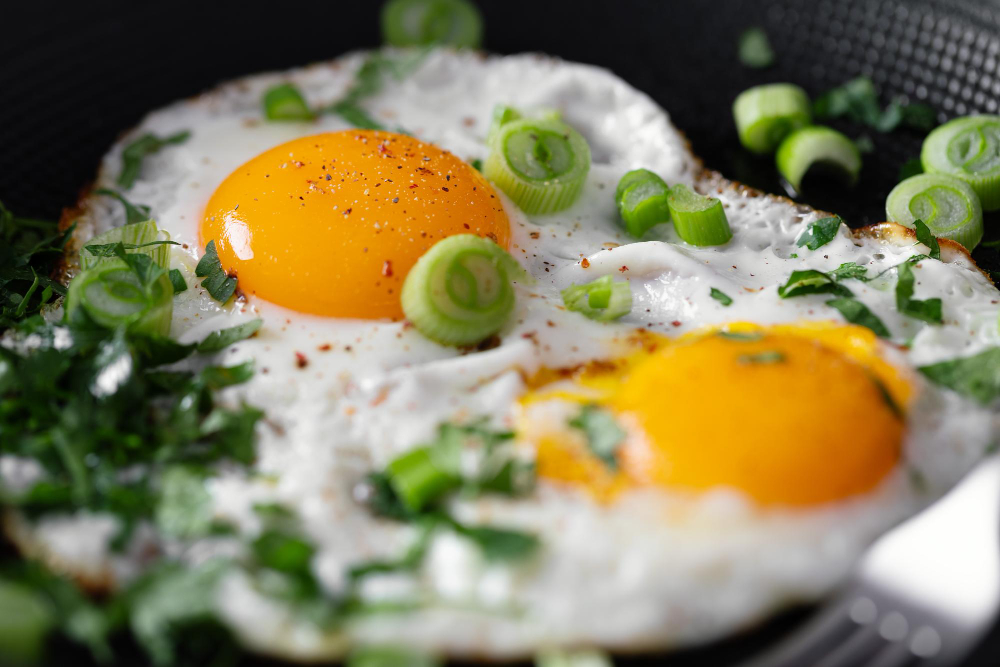
Heat causes folded protein molecules to open out, and the exposed parts bond to one another, forming a network that traps the surrounding water.
Nothing is drying out. Network formation is what cooking an egg physically consists of.
3. More Heat Squeezes the Water Out
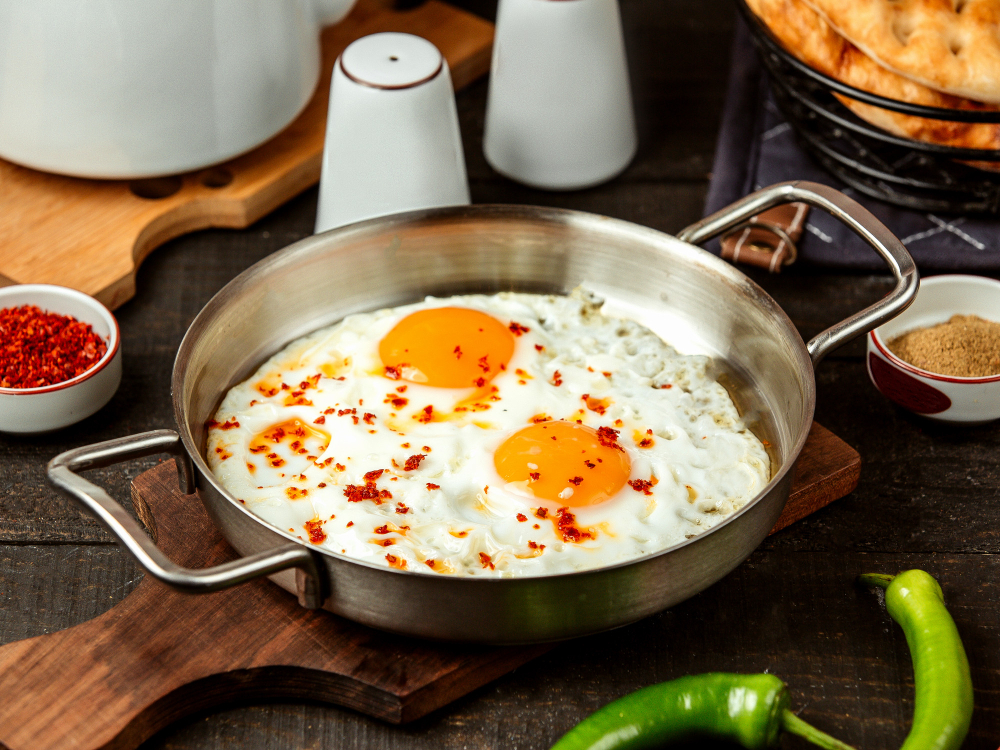
Beyond the setting point the network contracts, forcing out the water it was holding, which produces a firm rubbery texture sitting in a puddle of liquid.
That liquid came from inside. Over-coagulation is what rubbery weeping egg actually is.
4. Which Is Why Gentle Heat Wins
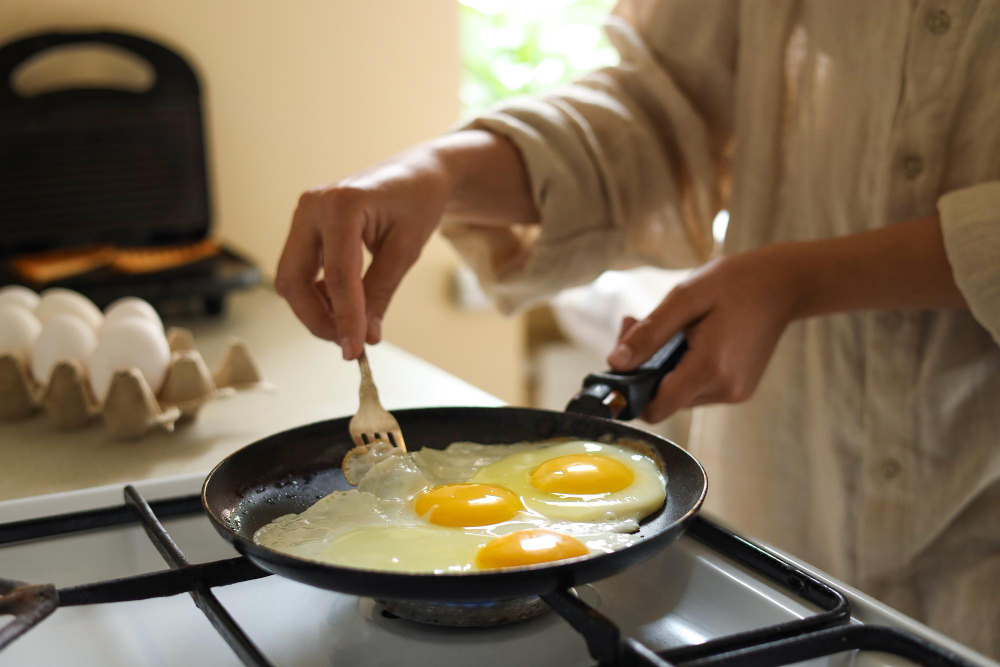
Because the useful range between set and overset is narrow, eggs respond far better to moderate heat over longer periods than to high heat briefly.
Almost every egg failure is too much heat. Gentle cooking is the correction that follows from the narrow window.
5. And Why They Keep Cooking After You Stop
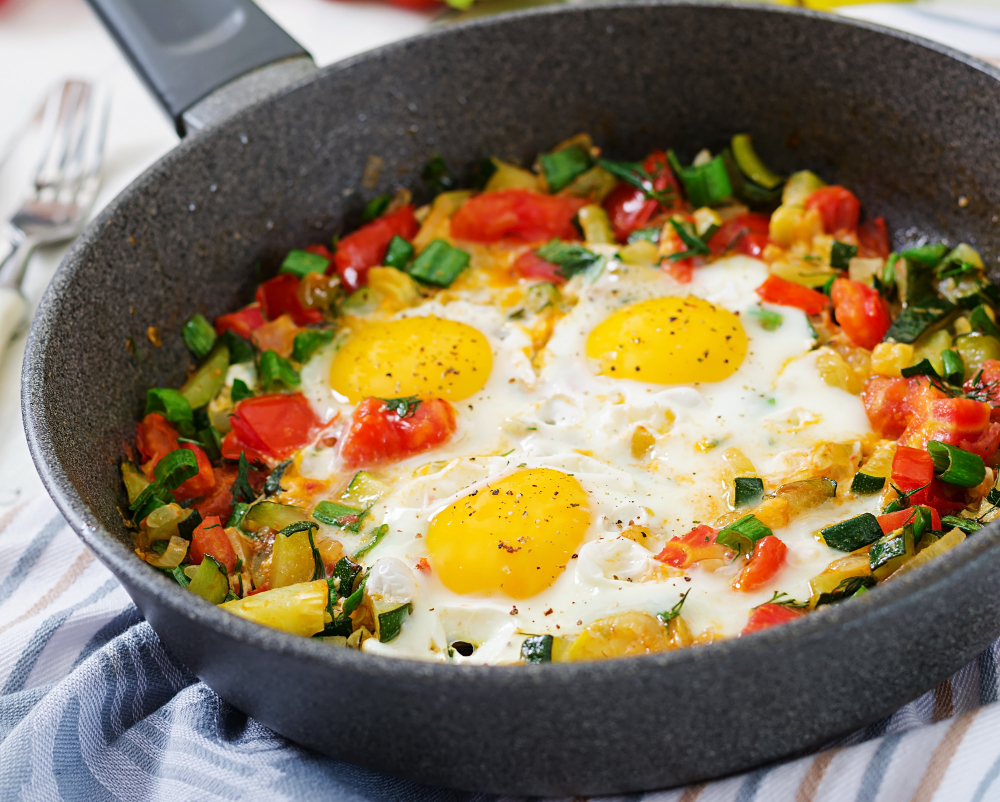
Residual heat continues driving the reaction after removal from the pan, so an egg that looks correct at the moment of serving will be past it by the time it is eaten.
Stopping early is the only remedy. Carryover setting is the variable that catches out careful cooks.
6. Adding Liquid Raises the Setting Point
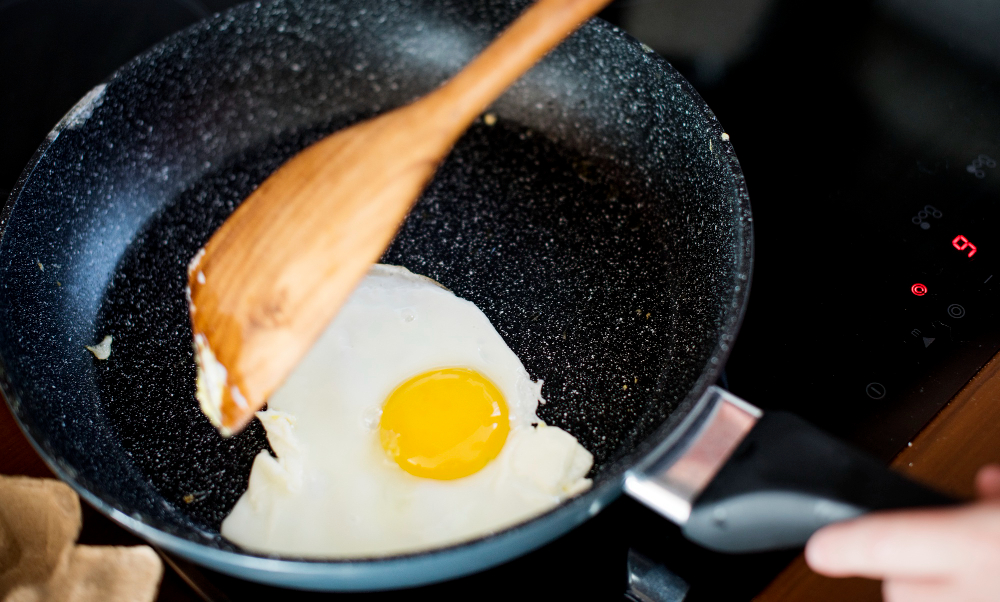
Diluting egg with milk, cream or stock spaces the proteins further apart, so they need more heat to find each other and the resulting set is softer.
That is the principle behind every custard. Dilution effect is how a firm ingredient produces a soft result.
7. Whisking Unfolds Them Without Heat
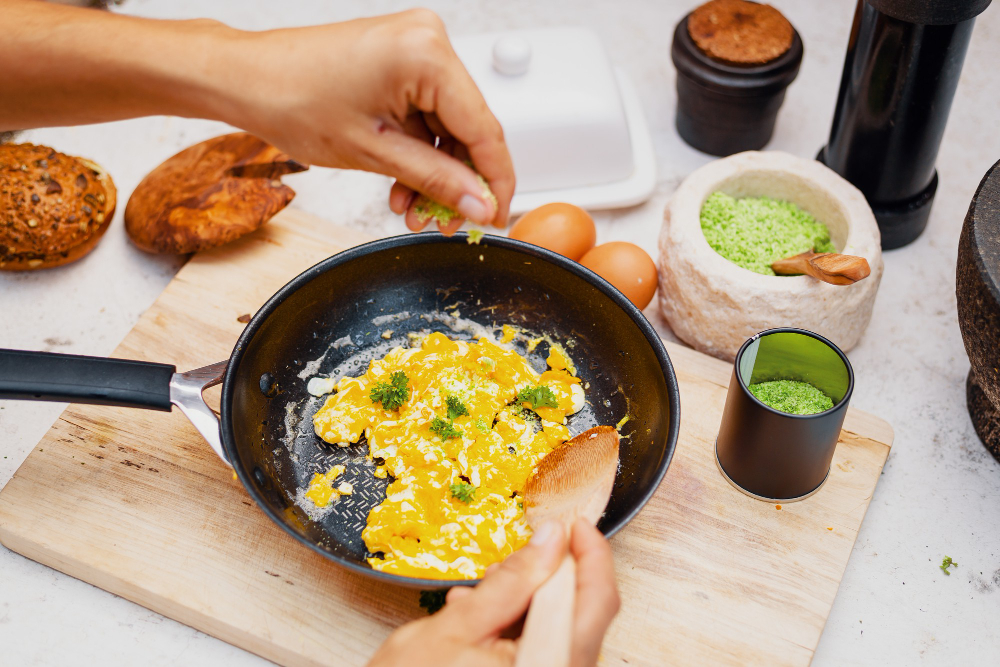
Beating egg white mechanically unfolds the same proteins that heat would, and they arrange themselves around air bubbles, stabilising a foam that can hold many times its original volume.
No warmth is involved at any point. Mechanical denaturation is the alternative route to the same protein change.
8. Any Fat at All Ruins the Foam
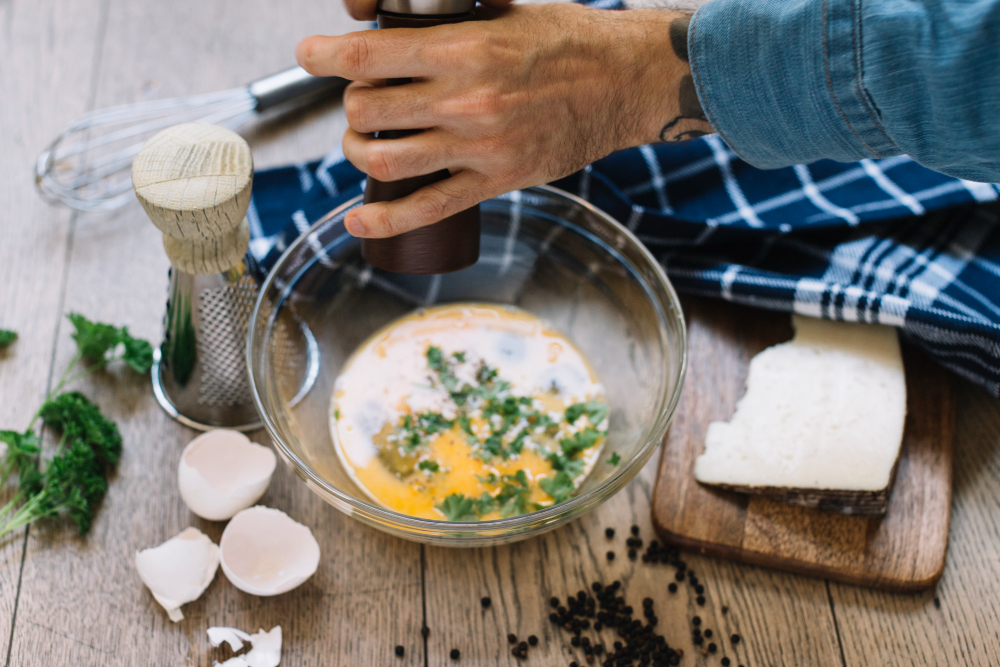
Fat molecules interfere with proteins arranging at the bubble surface, which is why a trace of yolk, or grease in the bowl, prevents whites whipping properly.
The quantity required to fail is very small. Fat interference is the reason for the scrupulous bowl.
9. The Yolk Holds Fat and Water Together
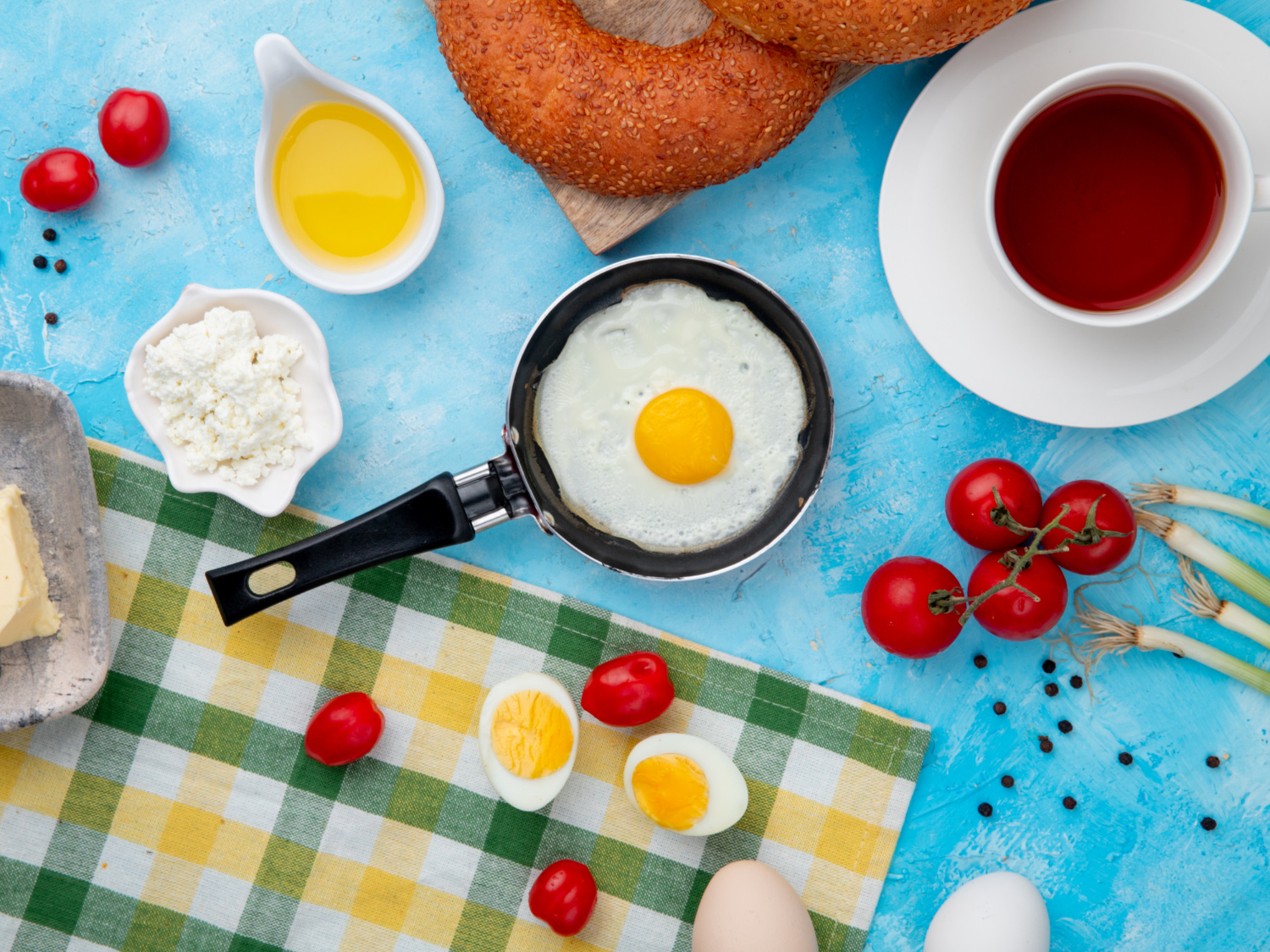
Yolk contains natural emulsifiers with one end attracted to water and one to fat, which allows the two to be combined into a stable mixture that would otherwise separate.
That is the entire basis of emulsified sauces. Emulsifying capacity is the yolk property with no substitute.
10. They Do Several Jobs at Once in Baking
In a batter, eggs supply structure through setting proteins, moisture through their water content, and emulsification through the yolk – three functions from one ingredient.
Replacing them requires replacing all three. Multiple roles are why eggs are so hard to substitute.
11. Acid and Salt Change How Readily They Set
Both affect how easily proteins link together, which is why a small amount of either alters the texture of a set egg and the stability of a foam.
The effects are modest and real. Chemical influence is the adjustment available without changing the heat.
12. Freshness Shows in How It Sits
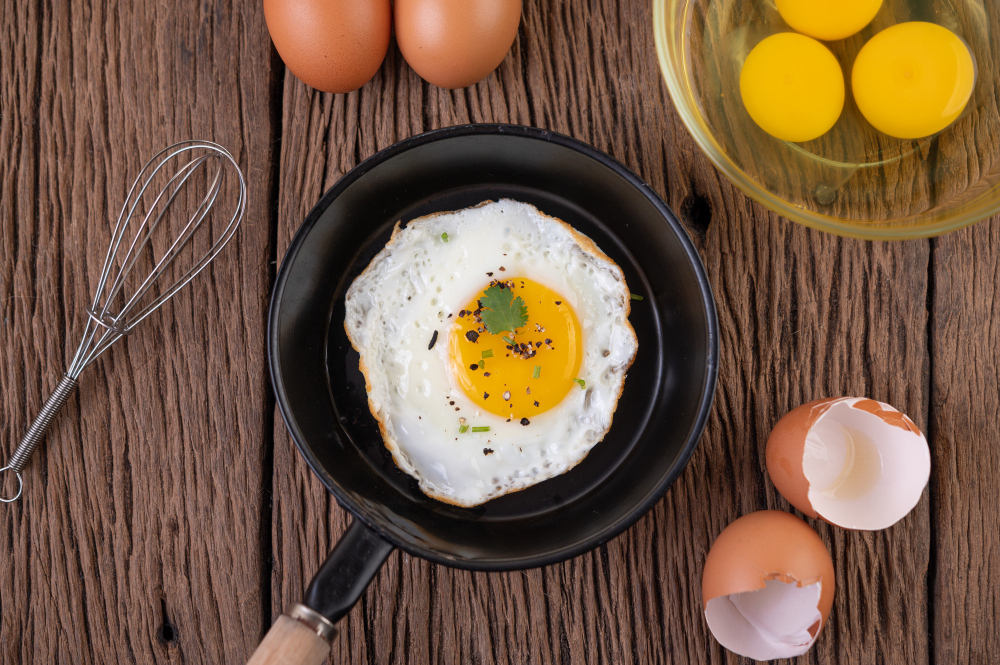
A very fresh white holds together in a tight mound around the yolk, while an older one spreads thin and watery, because the protein structure loosens over time.
It affects appearance more than anything else. Structural loosening is what age does to an egg.
Two Materials, One Shell
Proteins unfolding and linking, at different temperatures in white and yolk, trapping water until too much heat squeezes it back out – and mechanically doing the same thing without any heat at all.
One necessary note: everything above concerns texture and protein behaviour. What is safe to eat raw or lightly cooked varies by country, by production system and by individual circumstance, and that is properly a matter for current food-safety guidance rather than for an article about coagulation.
Like our content? Follow us for more.