

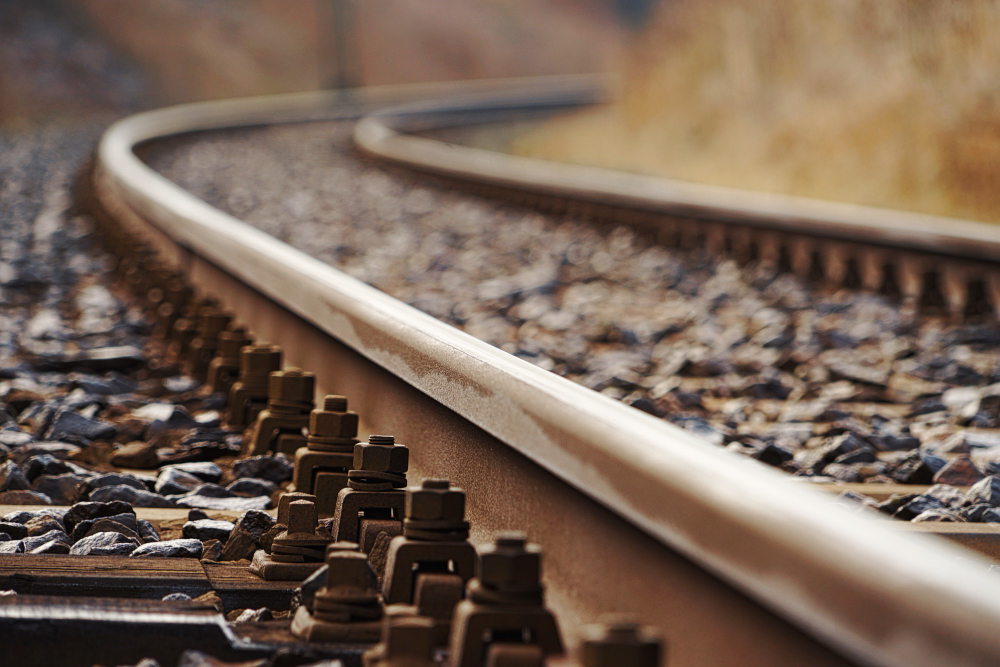
The governing fact is adhesion. Steel on steel produces very little grip, which is efficient on the level and useless on a slope – so the route must be flattened rather than following the ground. Here are seventeen consequences.
1. The Line Has to Be Nearly Flat
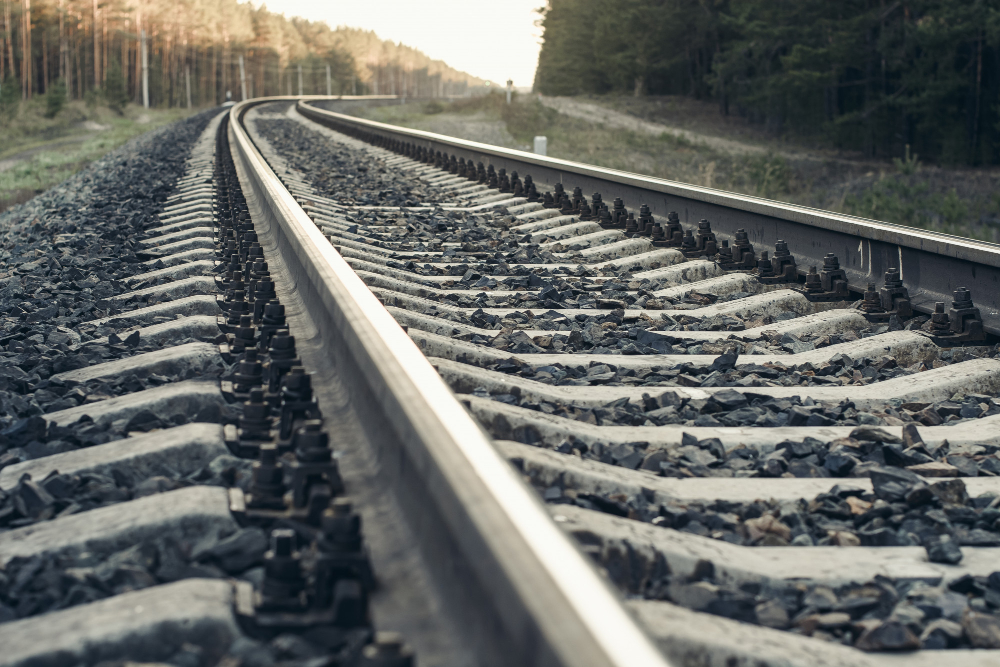
Because grip is limited, a railway can manage gradients that a road would regard as negligible, which means terrain must be altered rather than followed.
Everything else on this list follows from that. The gradient limit is the constraint the whole landscape records.
Like our content? Follow us for more.
2. Which Means Removing Ground
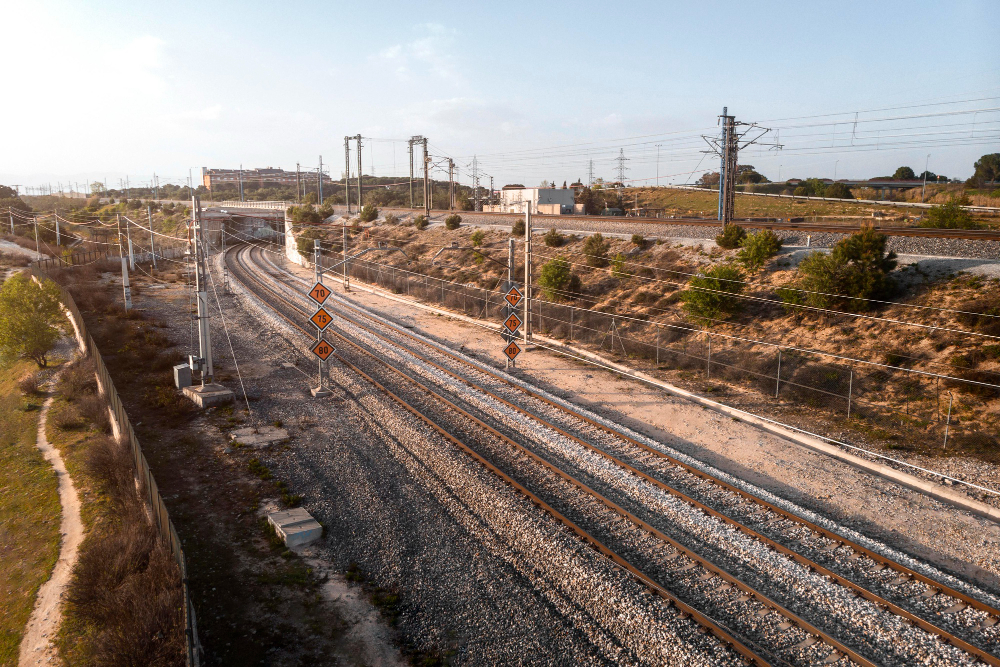
Where the land is too high, material is excavated to bring the route down to the required level, producing a channel with sloping sides.
It is subtraction rather than construction. The cutting is a railway going through rather than over.
3. And Adding It Somewhere Else
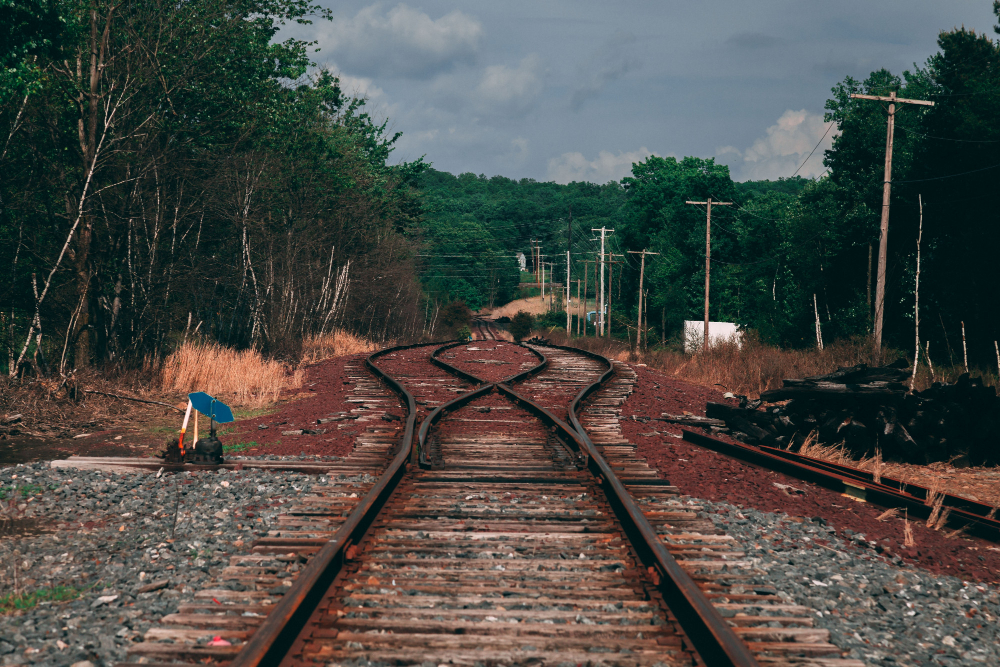
Where the land is too low, material is piled up to bring the route to level, producing a raised bank carrying the line.
It is the inverse operation. The embankment is a railway going over rather than through.
4. The Two Are Usually Paired
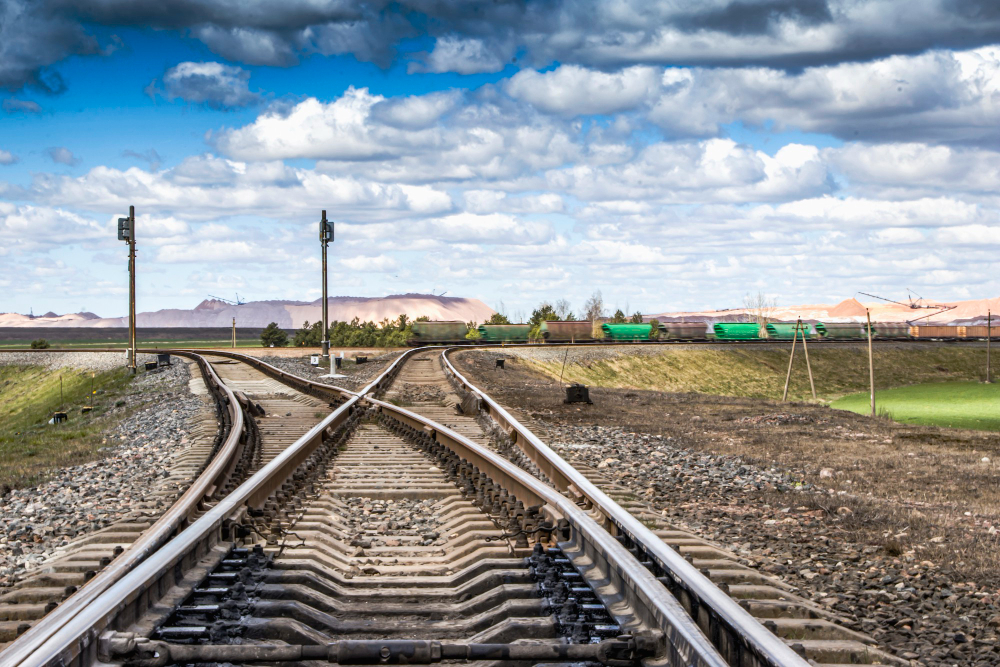
Material excavated from a cutting was used to build the next embankment, because moving spoil is expensive and the two requirements frequently occur close together.
Routes were designed to balance the quantities. Cut and fill is the arithmetic behind the alignment.
5. The Slopes Are at a Calculated Angle
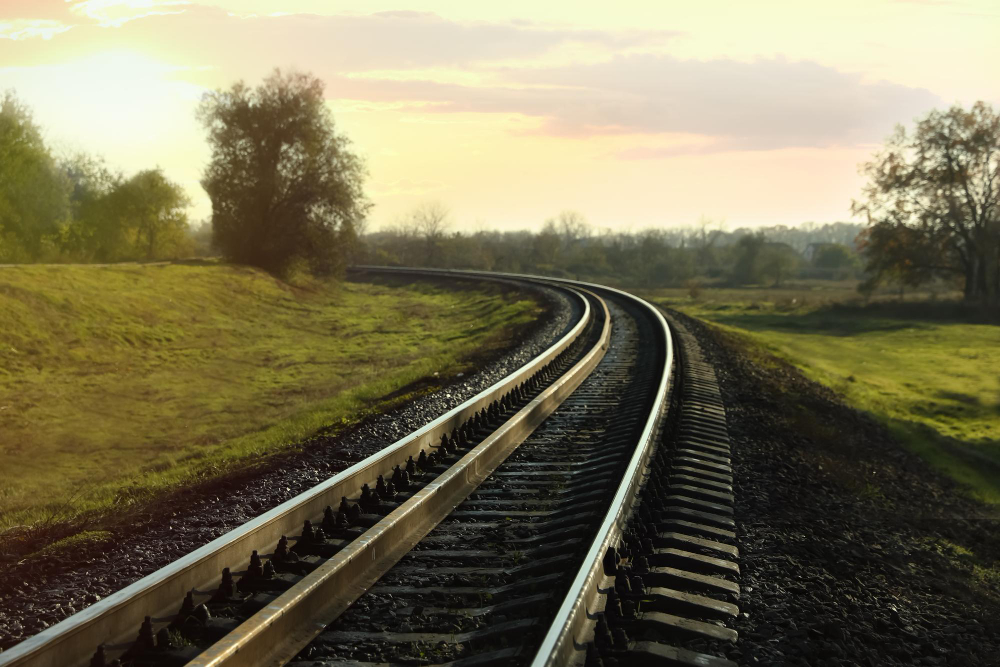
The sides of both are cut or built at an angle the material will hold, which differs between rock, clay and loose ground – so the profile records what the ground is made of.
Too steep and it fails. Slope angle is the geology visible in the shape.
6. The Arches Across the Valley
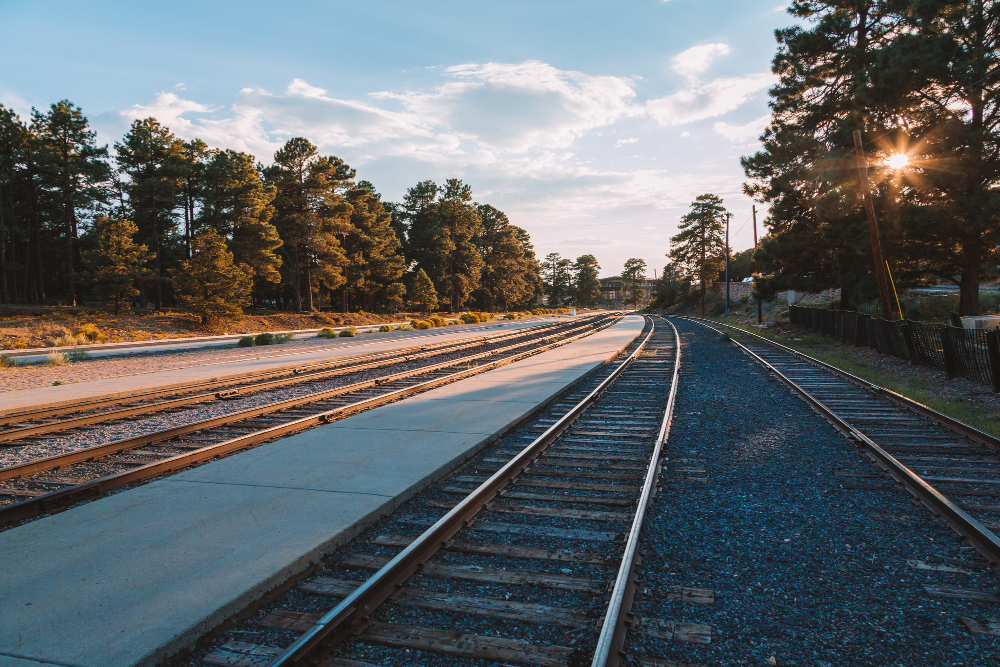
Where a valley is too wide and deep to fill, the line is carried across on a series of arches, which was the available method before steel and requires no material in tension.
Each arch pushes against its neighbours. The viaduct is a railway crossing without touching the ground between.
7. The Ends Being the Difficult Part
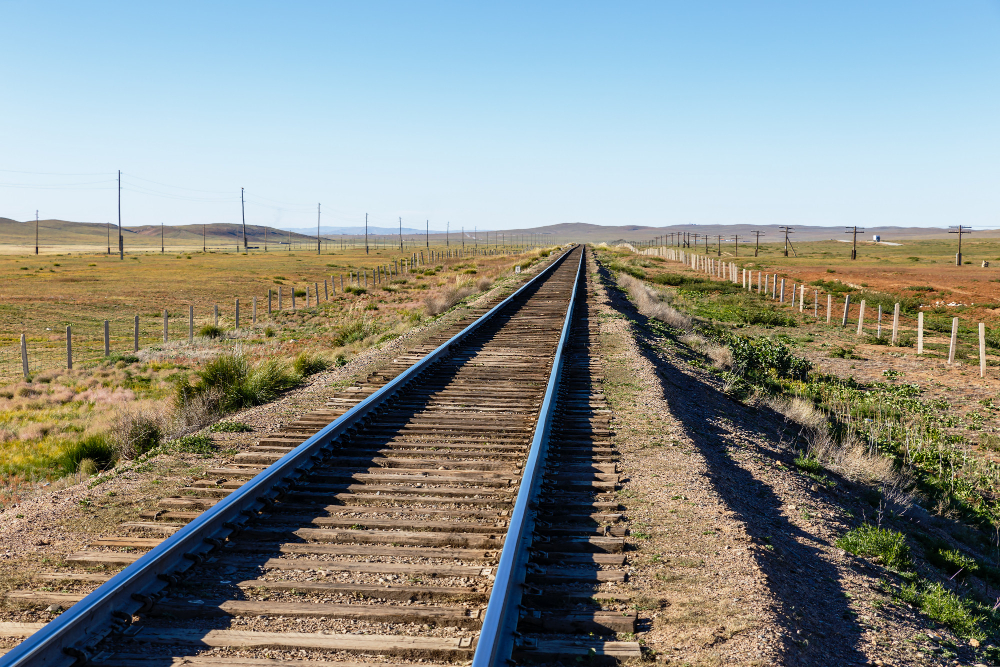
The end arches of a viaduct have nothing on one side to push against, so they are supported by a substantially heavier structure that absorbs the outward thrust.
That is why the ends look different. Abutment mass is the requirement the arch imposes at its limits.
8. The Thin Metal Ones
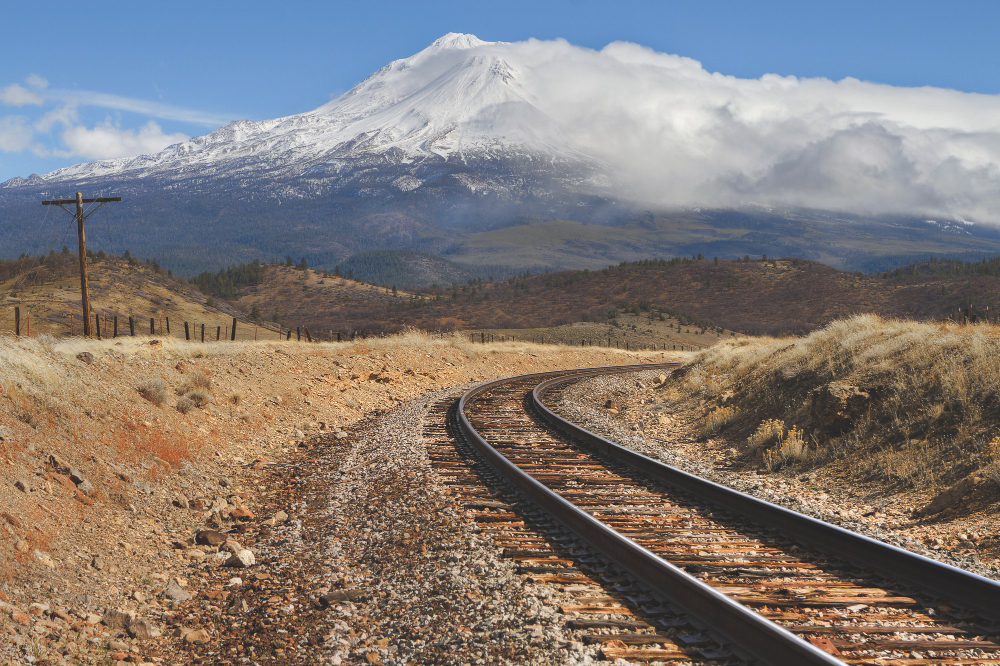
Where a valley could be crossed with less material, a lattice of iron or steel members carries the line, using far less mass by working in tension as well as compression.
They look fragile and are not. The metal viaduct is the version that became possible once steel was cheap.
9. Going Through Instead of Round
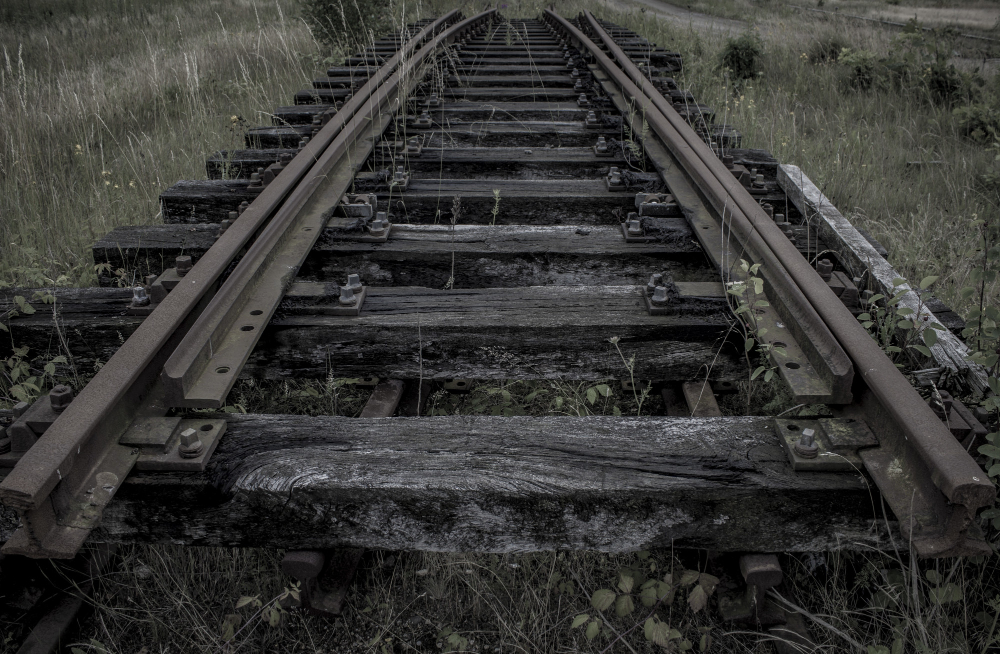
Where a hill could not be cut through economically or avoided, a tunnel was driven – which is the most expensive option per unit length and was chosen when everything else cost more.
The decision was arithmetic rather than ambition. The tunnel is what happens when going round is worse.
10. The Sloping Sides of a Cutting Are Not Decoration
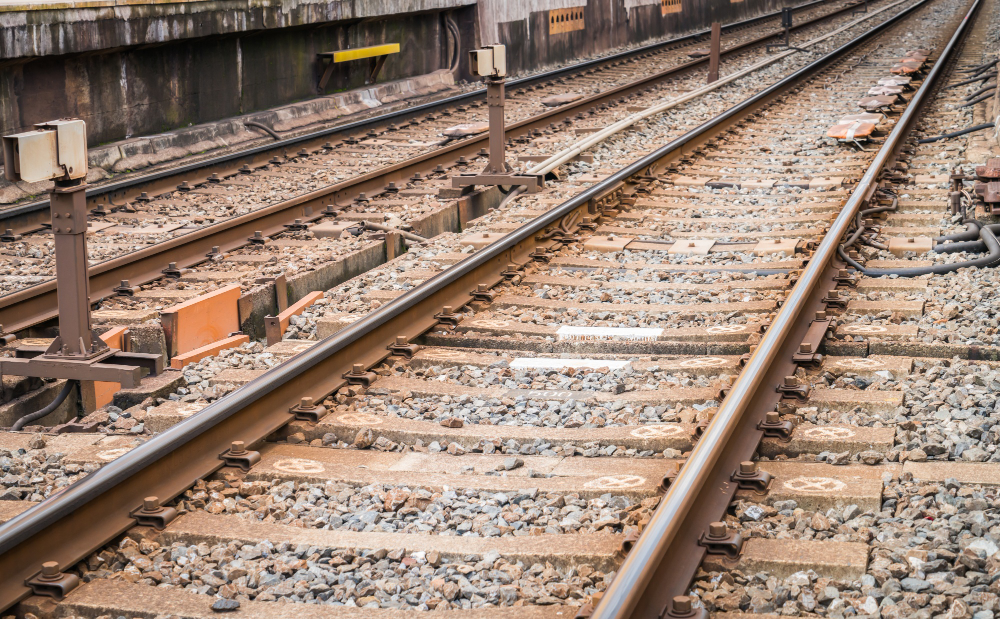
Unstable material must be laid back to a shallower angle than solid rock, which is why some cuttings are narrow and rock-walled and others are wide and grassy.
The width tells you the material. Cutting profile is a direct reading of what was dug through.
11. The Drains You Cannot See
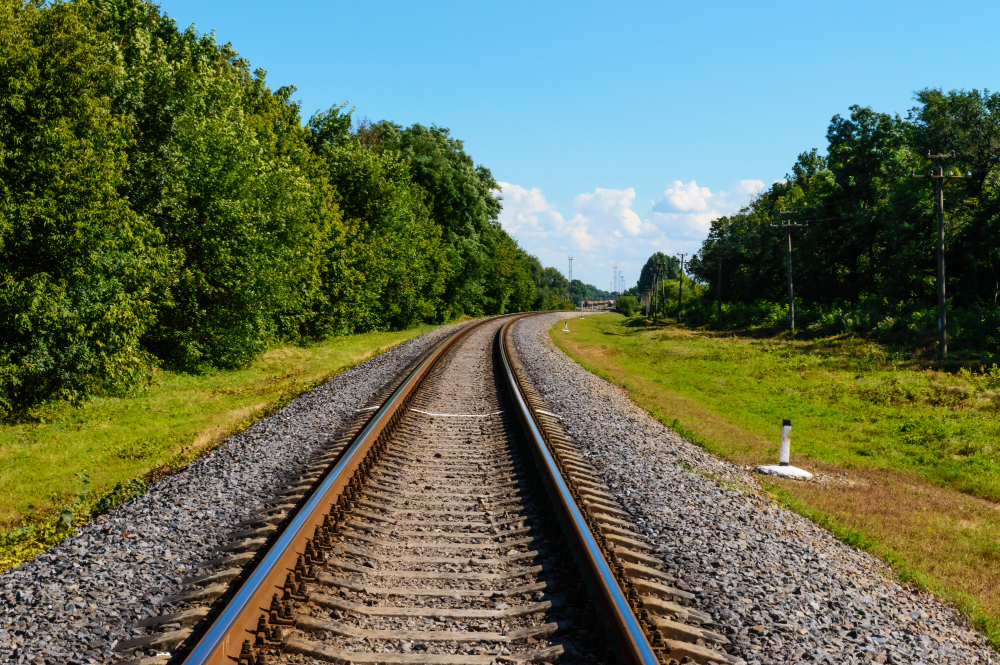
Cuttings intercept groundwater that was previously flowing through the hillside, so drainage was built into the slopes and along the base to remove it.
Blocked drainage is what causes most failures. Hidden drainage is the maintenance the earthwork silently requires.
12. Embankments Built Too High on Purpose
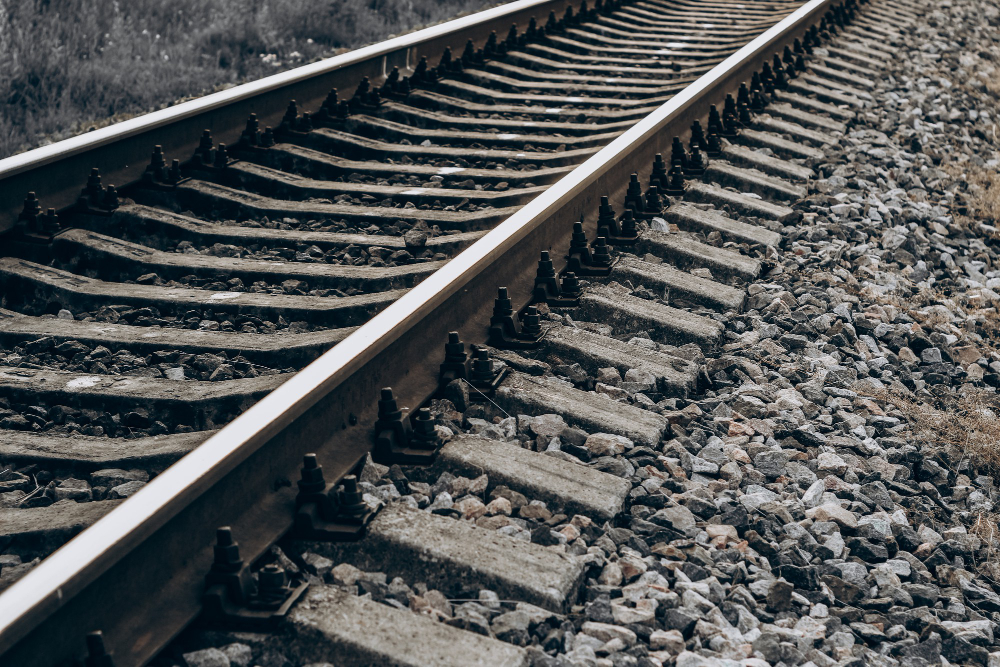
Newly built banks settle substantially under their own weight over the following years, so they were constructed above the intended level to arrive at the right one.
The line was adjusted as it settled. Deliberate over-building is the allowance for a slow process.
13. The Bridges Over the Line
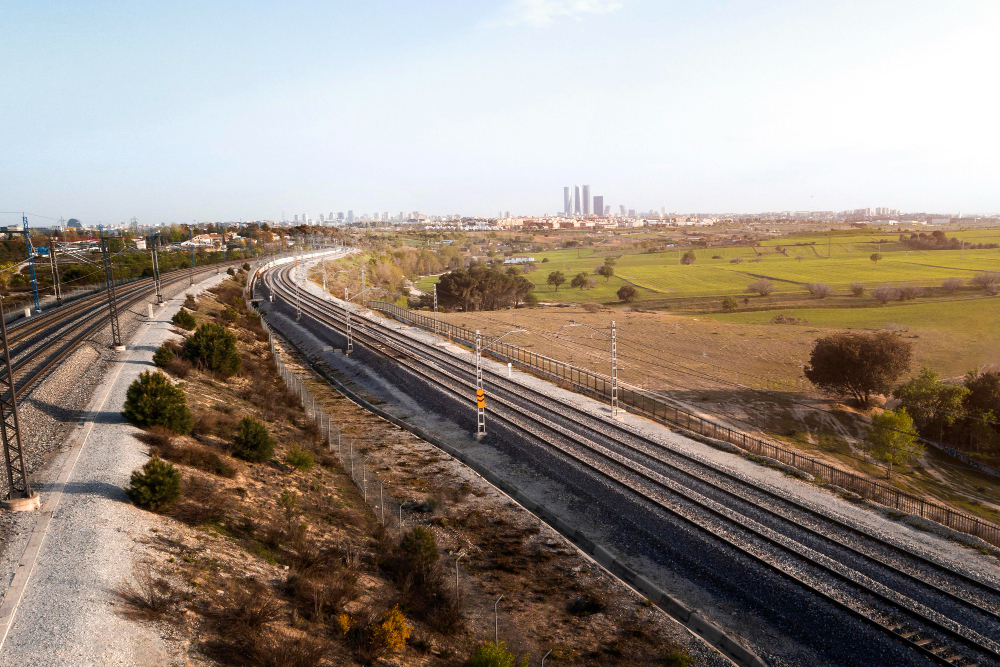
Roads and tracks crossing a railway do so at a fixed clearance, and where the line is in a cutting the bridge is short and where it is on an embankment the road must climb to meet it.
That is why lanes near railways bend and rise. Crossing clearance is the constraint imposed on everything around the line.
14. The Curves Having a Minimum Radius
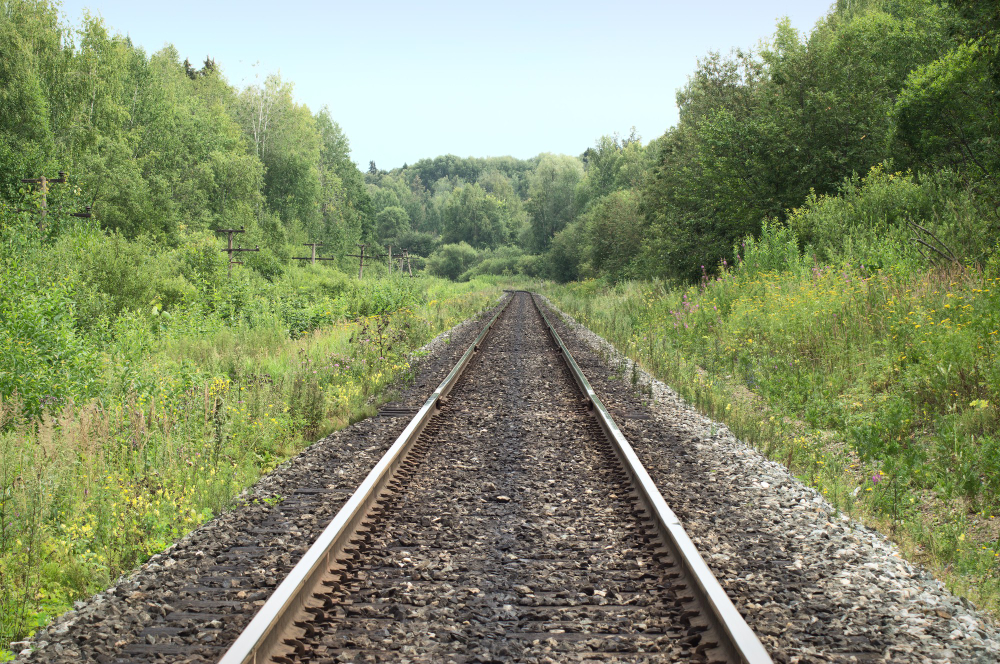
A train cannot turn sharply, so curves are set by the length of the vehicles and the intended speed, which is why railway curves are so long and so gentle compared with roads.
A tight curve limits the whole line. Curve radius is why railways take the routes they do.
15. The Structures Built for Landowners
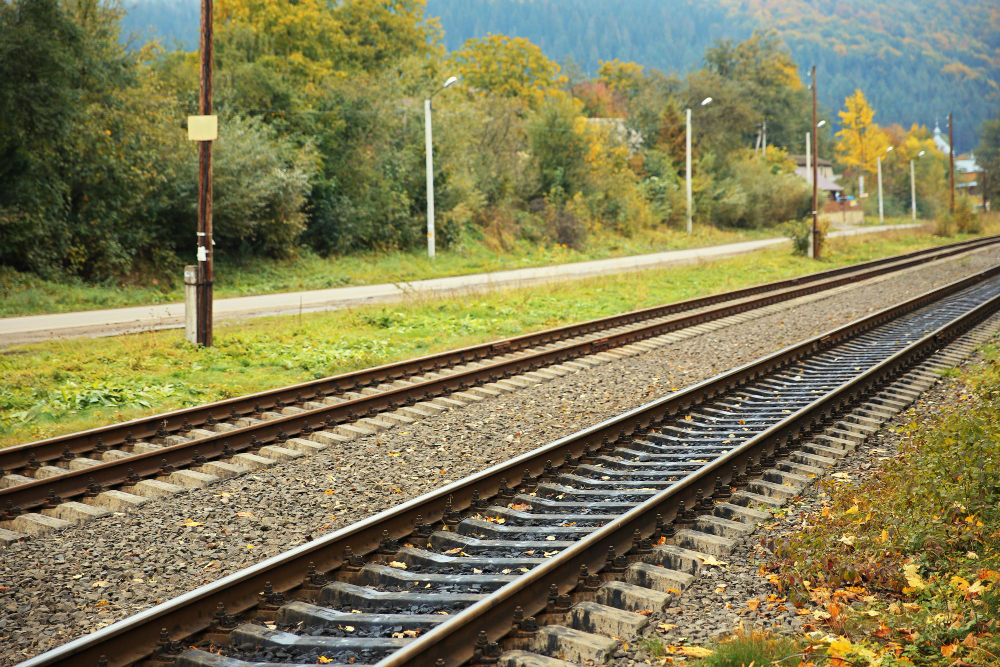
Accommodation crossings, occupation bridges and cattle creeps exist because a line cut an estate or a farm in half, and the builder was obliged to restore the connection.
They frequently lead nowhere obvious now. Obligation structures are the legal history built into the route.
16. The Earthworks Outlasting the Railway
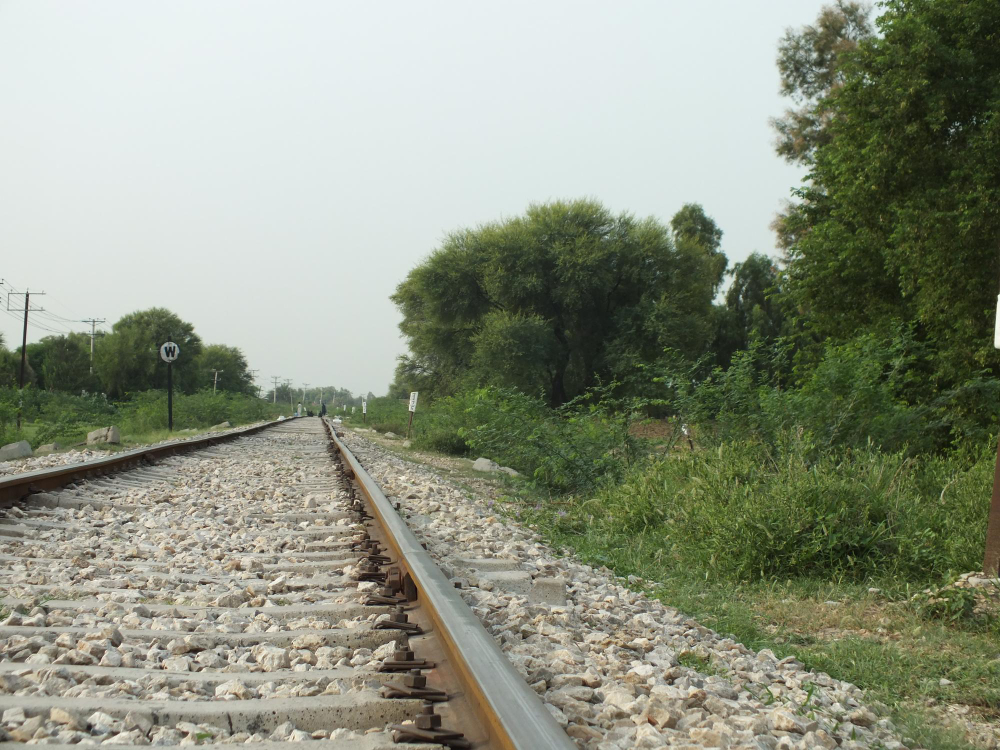
When a line closes, the rails and the buildings go and the cuttings, embankments, bridges and tunnels remain, because removing them would cost more than leaving them.
They become landscape features. Persistent earthworks are why closed lines are still traceable a century later.
17. And Becoming Something Else
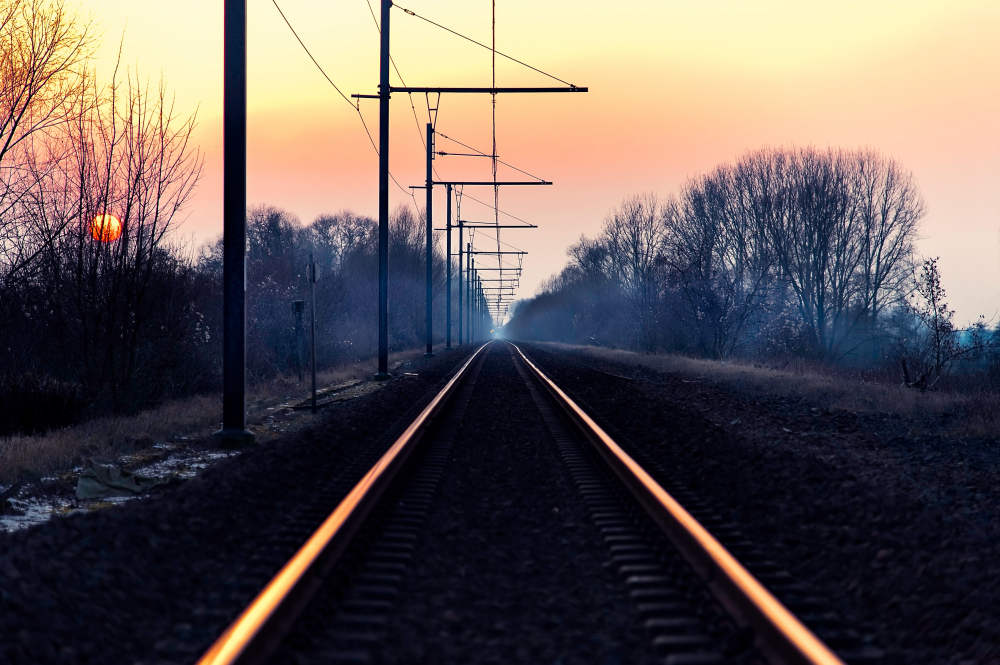
Those alignments – level, continuous, gently graded and already cleared – turn out to be exactly what a path or a cycle route needs, which is why so many have been converted.
The engineering requirement transfers. Second use is the consequence of building for a gradient limit.
A Line That Cannot Climb
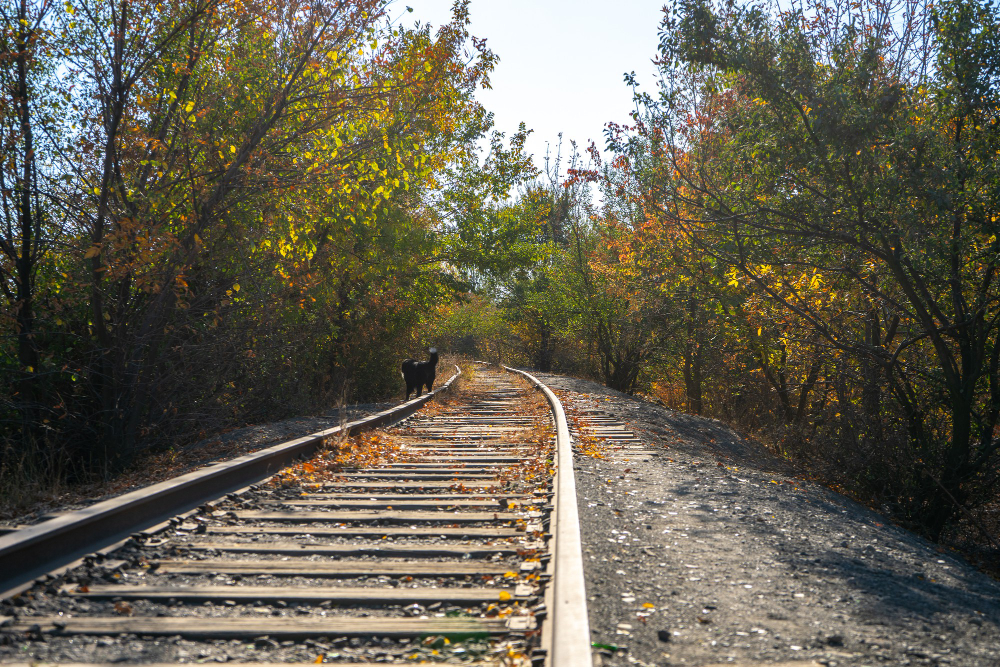
Limited grip requiring a level route, ground removed here and piled there, valleys crossed on arches, hills driven through, and a set of earthworks that outlast everything built on them.
Practical notes: an operating railway is truly dangerous and the earthworks beside one are not a route. Disused lines vary enormously – some are maintained public paths and others are unstable ground with failing structures, unsupported cutting faces, ventilation shafts and tunnels in unknown condition. Use marked and maintained routes, and treat anything fenced as fenced for a reason.
Like our content? Follow us for more.
