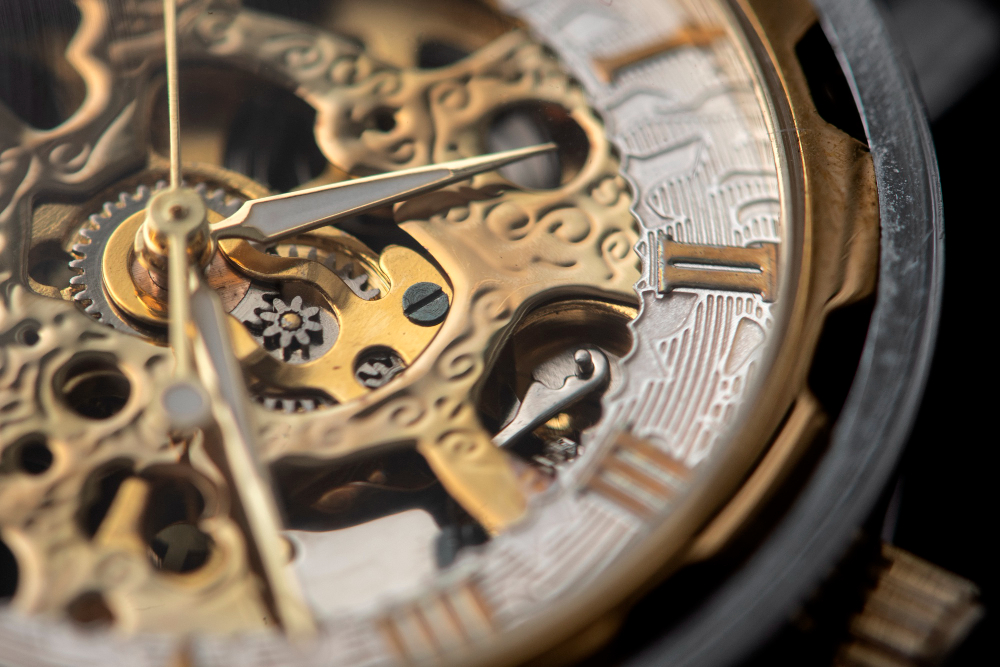
The hard part of a clock was never the gears. It was finding something that does the same thing over and over at exactly the same rate, and then extracting energy from it without disturbing it. Here are twelve.
1. Something Has to Supply the Energy
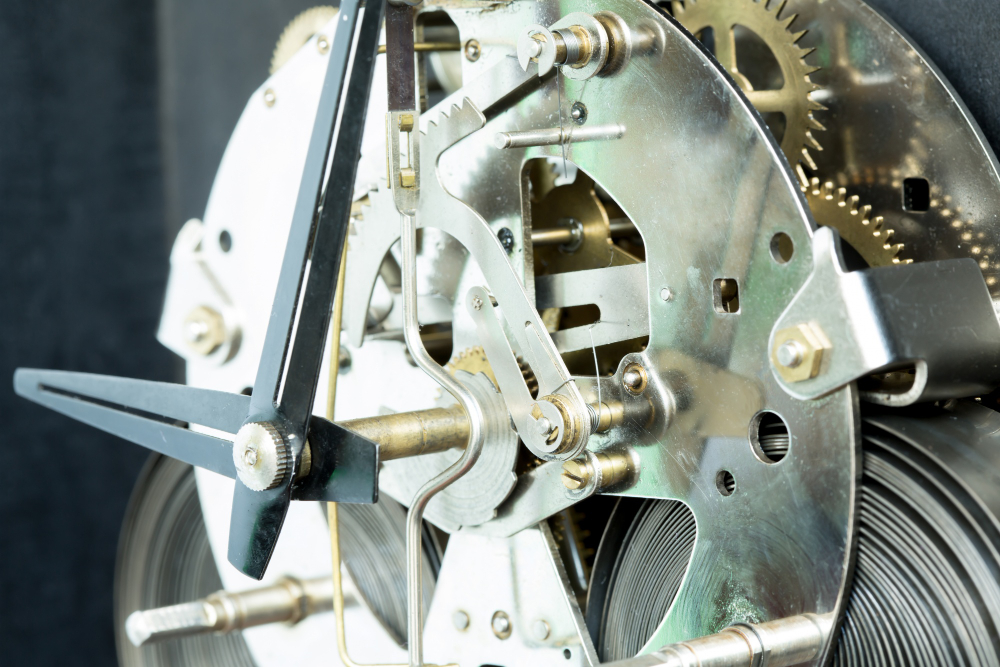
A clock runs down, so it needs a store – a raised weight, a wound spring – which is released gradually over hours or days.
It is a battery made of geometry. The power source is the part that has to be replenished.
Like our content? Follow us for more.
2. Something Has to Divide Time Evenly
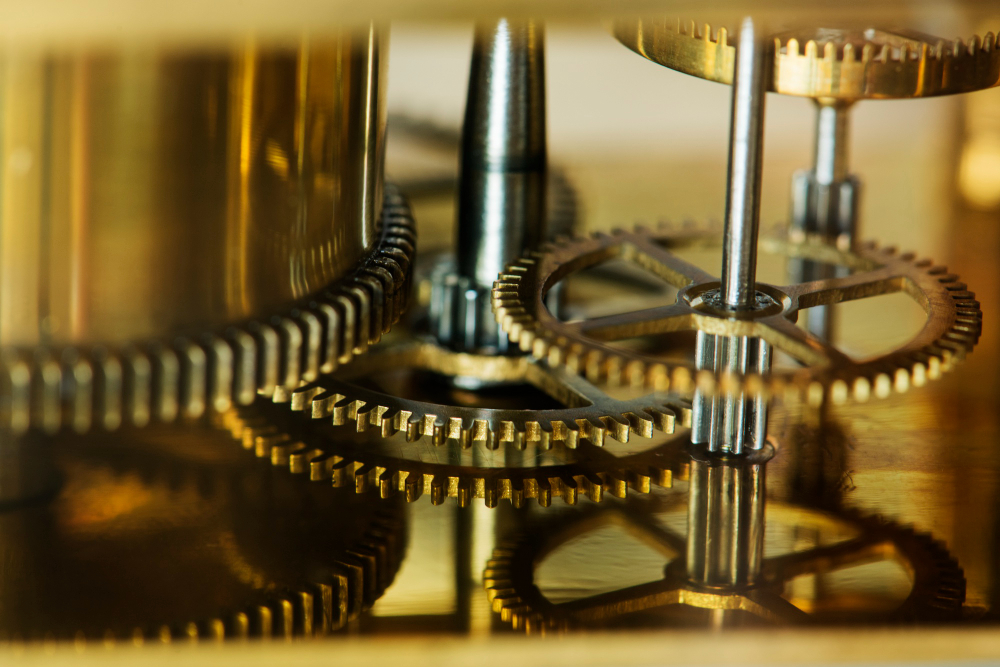
The central requirement is a component that repeats at a truly constant rate, because everything else merely counts what it does.
Accuracy is set here and nowhere else. The regulator is what a clock actually is.
3. A Pendulum Works Because of Its Length
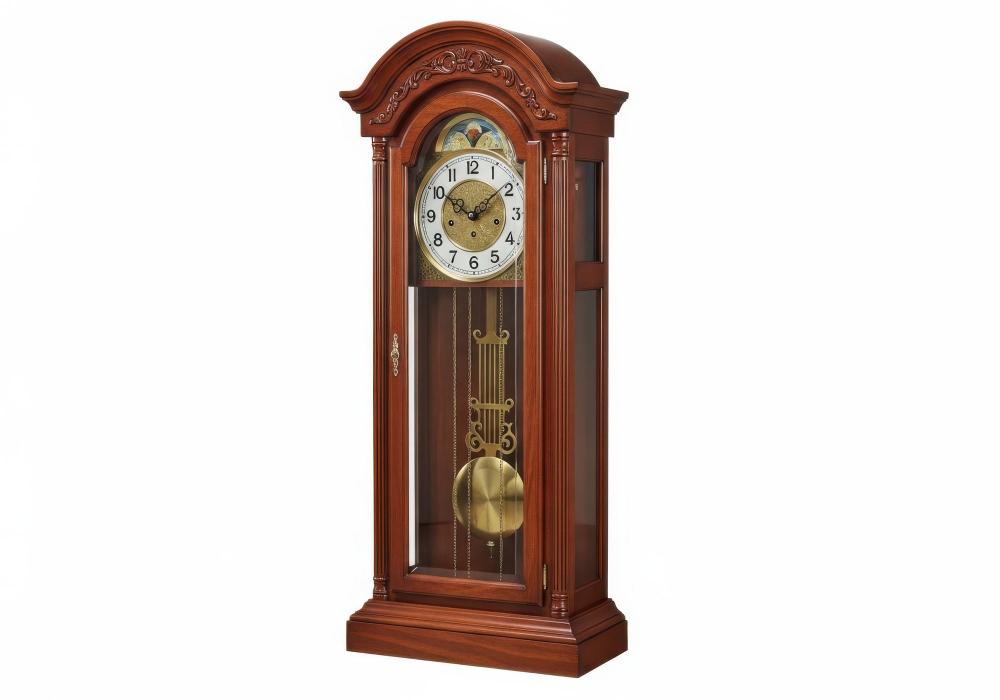
The time a pendulum takes to swing depends on how long it is and almost not at all on how far it swings, which makes it remarkably consistent.
Amplitude barely matters for small swings. Length dependence is what makes a pendulum a timekeeper rather than a toy.
4. But It Needs Gravity and Stillness
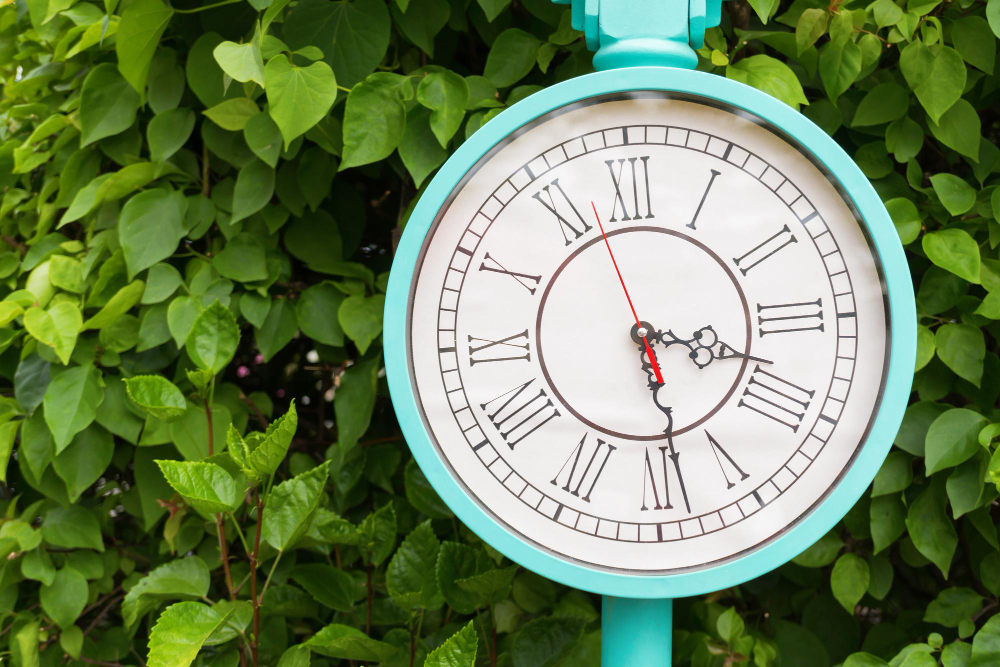
A pendulum requires a fixed vertical reference and is disturbed by movement, which makes it excellent in a case on a wall and useless in a pocket or on a ship.
The limitation is fundamental. Gravity dependence is why pendulums stayed in buildings.
5. So Portable Clocks Use a Spring and a Wheel
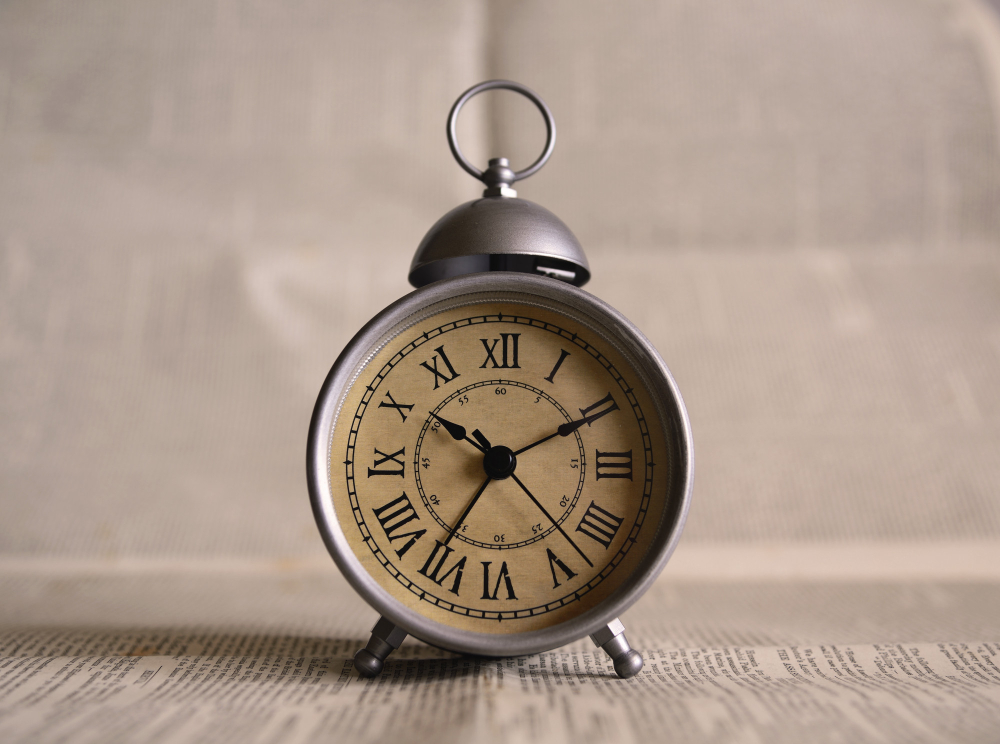
A weighted wheel oscillating against a fine spring does the same job without needing gravity, because the restoring force comes from the spring rather than from weight.
It works in any orientation. The balance wheel is what made a clock portable.
6. The Gears Only Count
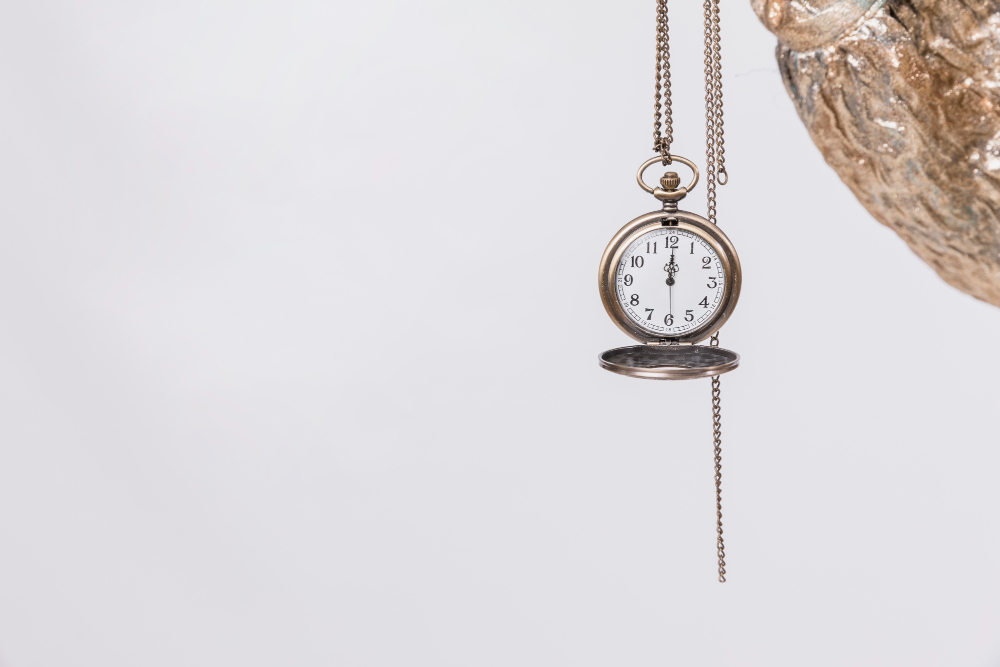
The wheel train divides the regulator beats down through a series of ratios until something turns once a minute, once an hour and once every twelve hours.
It contributes nothing to accuracy. Gear counting is bookkeeping rather than timekeeping.
7. Something Has to Connect the Two

The regulator must control the release of energy, and the energy must keep the regulator going – which is one mechanism doing two opposing jobs at once.
That is the truly difficult part. The escapement is the component the whole design turns on.
8. And It Has to Push Without Interfering

Every push the escapement gives the pendulum or wheel to keep it moving also disturbs it slightly, so the design problem is delivering the minimum energy at the least disruptive moment.
Better escapements interfere less. Minimal disturbance is the criterion every refinement aimed at.
9. A Weight Pulls Evenly and a Spring Does Not
A falling weight delivers constant force throughout; a wound spring delivers more when fully wound and less as it unwinds, which changes the rate.
That difference had to be engineered around. Uneven drive is the problem springs introduced.
10. So Spring Clocks Need Something to Even It Out
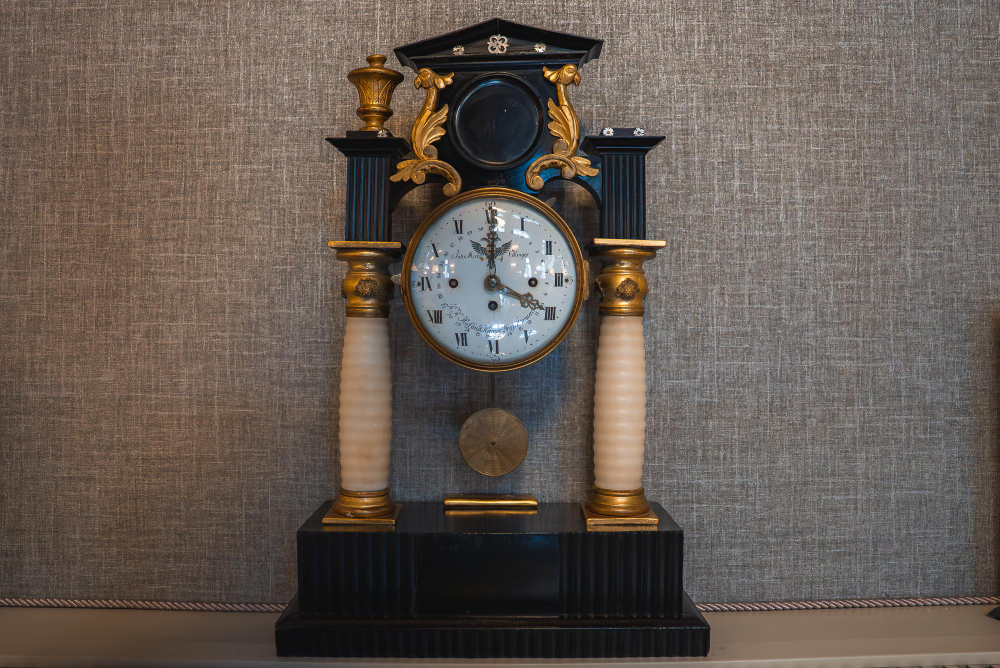
Devices that vary the leverage as the spring unwinds – a tapered pulley with a chain, or a similar arrangement – compensate so that the force delivered stays roughly constant.
It is a mechanical equaliser. Force equalisation is the price of portability.
11. Temperature Changes the Rate

Metal expands when warm, so a pendulum rod lengthens and a balance spring weakens – both of which slow the clock, by an amount that matters over days.
Compensation schemes combine materials that expand differently. Thermal effect is the error that appears with the seasons.
12. Friction Changes It Too

Every bearing and contact surface loses energy, lubricants thicken and degrade, and dust accumulates – all of which alter the rate gradually over months and years.
That is why clocks need servicing rather than only winding. Progressive friction is why accuracy drifts even in a still room.
Five Problems Solved at Once
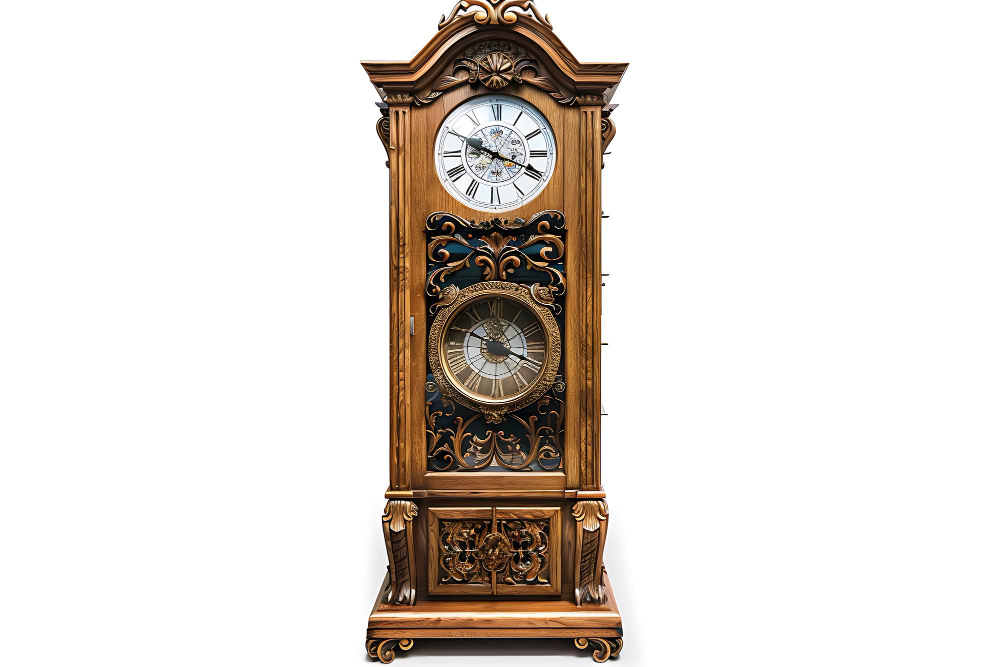
A store of energy, something that repeats at a constant rate, a mechanism that counts it while keeping it going, a train of gears that does the arithmetic and a set of corrections for everything that changes.
The seventh item is where the difficulty actually sits. Every other component has one job, and the escapement has two that work against each other – it must let the regulator run freely enough to keep good time while continuously pushing it to stop it stopping, which is why centuries of clockmaking are largely a history of that one part.
Like our content? Follow us for more.